Whether a Bernese Mountain Dog Sleeps Outside
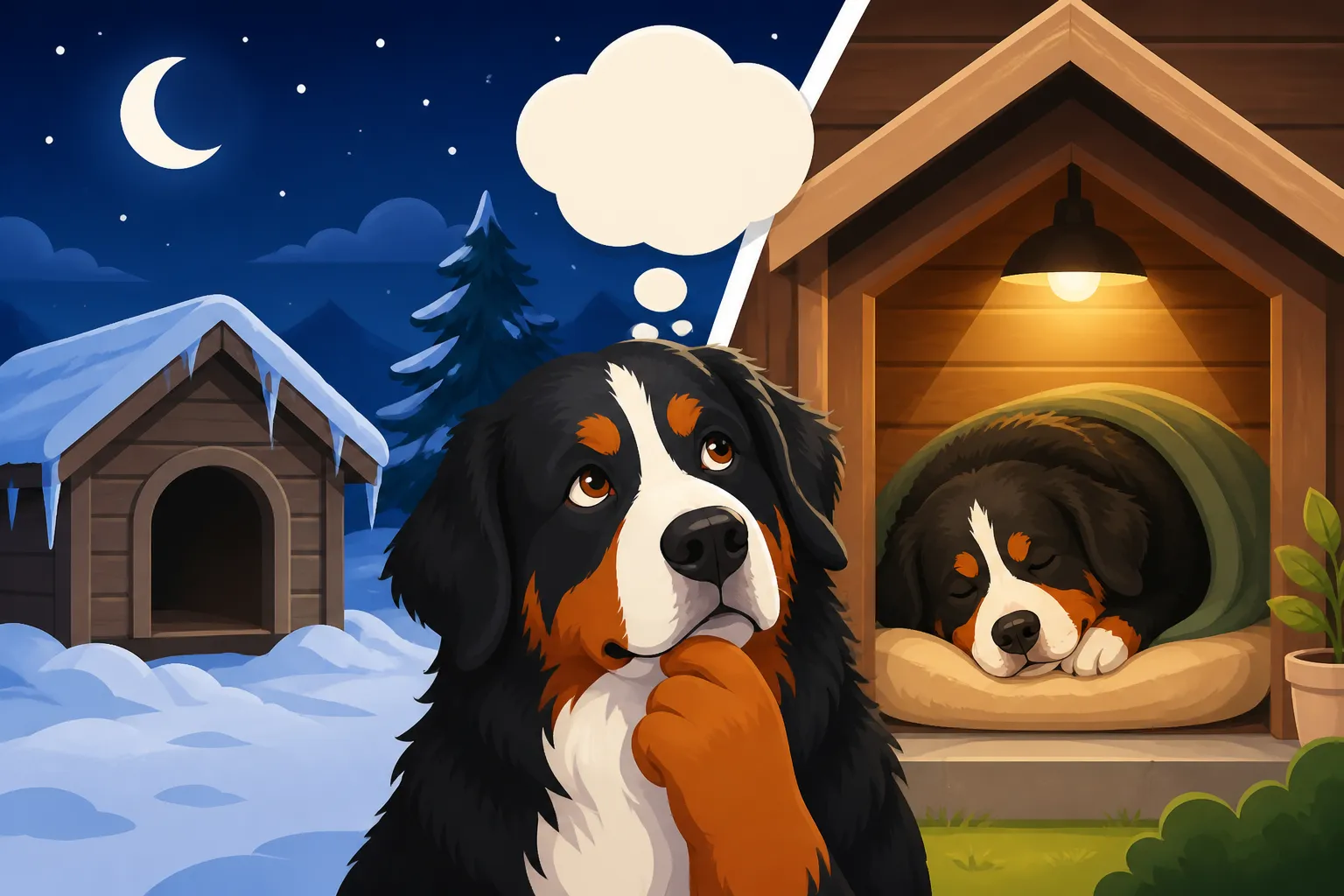
It's a question many Bernese Mountain Dog owners, or those dreaming of owning one, wrestle with: can these majestic, seemingly hardy dogs sleep outside, perhaps in a cozy dog house, given their mountain heritage? You look at their thick, beautiful coats and might think, "They're built for the elements!" But the reality is far more nuanced than just their fluffy appearance. This guide is here to shed light on why, despite their rugged looks, letting a Bernese Mountain Dog sleep outside is often not in their best interest, delving into their unique health, safety, and emotional needs.
Understanding the Bernese Mountain Dog's Natural Heritage vs. Modern Living
It’s easy to look at a Bernese Mountain Dog and picture them romping through snowy Swiss Alps, a picture of pure canine resilience. And in many ways, their history does paint a picture of dogs built for a more rugged existence. However, what worked for a working dog on a traditional Swiss farm isn't necessarily what's best for a beloved family companion in a modern home.
Historical Roots and Climate Adaptation
Our beloved Berners hail from the canton of Bern in Switzerland, where they traditionally served as farm dogs. Their jobs included driving cattle, guarding farmsteads, and pulling carts laden with dairy products or other goods to market. This demanding lifestyle meant they spent a considerable amount of time outdoors, often in cold, mountainous climates. They developed a spectacular, thick, tri-color double coat – a dense undercoat for insulation and a longer, somewhat wavy outer coat to repel water and snow. The Bernese Mountain Dog Coat Texture a Judge Feels This incredible coat is indeed a marvel, perfectly adapted to keep them warm in chilly temperatures. They absolutely thrive in cooler weather; seeing a Berner gleefully bury its nose in a fresh snowfall is a joy to behold.
However, even in their historical roles, these dogs weren't typically left out indefinitely without shelter. Farmers understood the value of their working animals and provided barns, sheltered areas, or indoor access during extreme weather or overnight. The idea wasn't "sleep anywhere," but rather "work outside, seek shelter when needed." Their hardiness is about enduring work in a cold climate, not necessarily about sustained, unsupervised exposure to all elements, all the time.
The Difference Between "Outdoorsy" and "Sleeping Outside"
This distinction is absolutely crucial for Bernese Mountain Dogs. An "outdoorsy" Berner is one that loves hikes, enjoys rolling in the snow, participates in drafting (carting) activities, or simply spends a good portion of the day playing in a securely fenced yard with their family. This kind of outdoor activity is vital for their physical and mental well-being, providing the exercise and stimulation they need. It taps into their natural instincts and helps them burn off energy.
"Sleeping outside," on the other hand, implies spending the night — or potentially extended unsupervised periods — in an outdoor kennel or dog house, separated from the family home. This is where we run into significant issues. While their coat provides excellent insulation against cold, it does not make them immune to the dangers of extreme temperatures, nor does it address their deep-seated need for companionship. Berners are not solitary creatures; they are deeply social and thrive on being an integral part of their human "pack." Treating them as solely outdoor animals disregards a fundamental aspect of their temperament and well-being. They're bred to be with people, whether working alongside them or lounging at their feet.
Health and Safety Risks of Outdoor Sleeping for Bernese Mountain Dogs
While a Berner's coat might make them seem invincible to the elements, there are numerous health and safety concerns that make outdoor sleeping a risky proposition, regardless of how well-built their dog house might be.
Temperature Extremes and Weather Exposure
This is probably the most immediate and significant concern for any Bernese Mountain Dog owner considering outdoor sleeping.
Cold Weather Dangers
Yes, Berners love the cold. You might even find them refusing to come inside when there's a fresh blanket of snow. Their double coat is an incredible natural insulator, designed for brisk mountain air. However, even with this fantastic coat, there are limits. Prolonged exposure to extreme freezing temperatures, especially below 0°F (-18°C), or sustained periods of very cold, wet, or windy conditions, can still lead to hypothermia and frostbite. This is particularly true if they don't have adequate, insulated, and dry shelter, or if they are old, very young, or unwell. Whether a Bernese Mountain Dog Notices the Cold at All. The "hardy" reputation often overlooks the common sense that even mountain-dwelling animals seek proper shelter when the weather turns truly brutal. A drafty dog house, or one that gets damp inside, can quickly negate the benefits of their coat.
Hot Weather Dangers
Paradoxically, the very coat that makes them wonderful in winter becomes a significant liability in warmer months. Bernese Mountain Dogs are highly susceptible to overheating and heat stroke. Their thick, insulating coat holds heat in. Unlike humans who sweat all over, dogs primarily cool themselves by panting, and their coat makes this process much less efficient in warm or humid conditions. Even moderate temperatures (e.g., above 70°F or 21°C) can be dangerous, especially if there's high humidity or if the dog is active. The Temperature a Bernese Mountain Dog Stops Coping Leaving a Berner outside in the summer, even with shade, is a recipe for disaster. Signs of heat stroke can come on quickly and be fatal. Heat Stroke in a Bernese Mountain Dog They need access to cool, indoor spaces, air conditioning, or at least a very well-ventilated, shaded area with plenty of fresh, cool water to truly manage warm weather.
Rain and Snow Exposure
While their outer coat is somewhat water-repellent, prolonged exposure to rain or melting snow can soak through to their dense undercoat. Once this happens, it takes a long time to dry, and a perpetually damp coat can lead to uncomfortable skin conditions, matting, and can significantly increase the risk of chilling, even in moderately cold weather. It compromises their natural insulation and can make them miserable.
Parasites, Predators, and Environmental Hazards
An outdoor existence simply exposes your Berner to a much wider array of potential dangers.
Increased Parasite Load
Spending all their time outside means your Bernese Mountain Dog is constantly exposed to fleas, ticks, and mosquitoes. Ticks can transmit serious diseases like Lyme disease or anaplasmosis. Mosquitoes carry heartworm, a potentially fatal parasitic worm. While preventive medications are crucial regardless of indoor/outdoor status, constant outdoor living dramatically increases the challenge of managing these pests. They're also more likely to encounter intestinal parasites from ingesting contaminated soil or feces from other animals.
Predators and Other Animals
Even in suburban or rural areas, wildlife like coyotes, raccoons, or even aggressive stray dogs can pose a serious threat to a dog left outside, particularly at night. While Berners are large, they are not primarily guard dogs in a confrontational sense; they are more likely to be gentle giants. They might bark at an intruder, but they aren't typically inclined to fight off a predator. Beyond wildlife, there's always the risk of less friendly human interactions, including theft, which is a heartbreaking reality for owners of desirable purebred dogs.
Ingesting Hazards
An unsupervised outdoor dog can easily find and ingest things that are toxic or harmful: antifreeze spills, rodenticides, fertilizers, toxic plants (many common garden plants are poisonous to dogs), or even discarded human food that's gone bad. They might also chew on electrical cords, get entangled in gardening equipment, or injure themselves on sharp objects. Keeping them inside, or supervising their outdoor time, significantly reduces these risks.
Joint Health and Comfortable Resting
Bernese Mountain Dogs are predisposed to a number of orthopedic issues, including hip and elbow dysplasia, as well as arthritis as they age. Hips That Fail Under a Bernese Mountain Dog's Weight Spending hours sleeping on hard, cold, or uneven surfaces can exacerbate these conditions, leading to increased pain, stiffness, and accelerated joint degeneration. Providing a soft, supportive, and warm place to rest is not a luxury; it's a critical component of their long-term joint health. An orthopedic dog bed isn't just nice; it's practically a necessity for these large breeds. Bedding for an Arthritic Bernese Mountain Dog
The Bernese Mountain Dog's Social and Emotional Needs
Beyond the physical risks, the emotional and behavioral toll of outdoor sleeping on a Bernese Mountain Dog can be profound. These are not dogs designed for isolation; they are deeply relational creatures.
The "Velcro Dog" Tendency and Separation Anxiety
If you've spent any time with a Berner, you'll quickly learn they are often referred to as "Velcro dogs." They want to be with you, near you, preferably touching you. They follow you from room to room, leaning against your legs as you cook, or settling at your feet while you work. This isn't just a cute quirk; it's a fundamental aspect of their temperament. They thrive on companionship and being an active participant in family life. The Shadow a Bernese Mountain Dog Becomes Indoors
When a Bernese Mountain Dog is left to sleep outside, day in and day out, they are essentially cut off from their "pack." This can lead to profound emotional distress, manifesting as separation anxiety. Symptoms can include incessant barking, destructive chewing (of the dog house, fencing, or anything they can reach), attempts to escape, and even self-harm. They may become withdrawn, depressed, or lethargic during the day, constantly yearning for interaction that isn't consistently provided. The Bernese Mountain Dog That Cannot Bear Being Left It can be truly heartbreaking to witness a Berner suffering from the loneliness of isolation.
Behavior Issues Stemming from Isolation
A dog that is chronically lonely or under-stimulated outdoors can develop a host of undesirable behaviors that are then difficult to correct.
Excessive Barking
A lonely Berner will often bark, howl, or whine excessively as an attempt to communicate or alleviate boredom and anxiety. This can be disruptive to neighbors and indicates a distressed dog.
Destructive Behaviors
Without appropriate mental and physical stimulation, or as an outlet for anxiety, Berners left outside may resort to digging craters in your yard, chewing on fencing, landscaping, or anything else within reach. They have powerful jaws, and this destruction can be extensive and costly.
Escaping
A strong desire to be with their family, combined with boredom or anxiety, can lead a Berner to become an escape artist. They might dig under fences, jump over them, or chew through gates in an attempt to find their people. This puts them at risk of being hit by cars, getting lost, or encountering dangerous situations.
Difficulties with Training and Socialization
Dogs that spend a significant amount of time isolated from their human family tend to be less well-socialized and can be harder to train. They miss out on countless daily interactions, subtle cues, and consistent reinforcement that come from being an integral part of the household. This can make them more reactive, less compliant, and more challenging to manage in various situations, whether it's a vet visit Muzzling a Frightened Bernese Mountain Dog at the Clinic or simply walking politely on a leash.
The Importance of Indoor Shelter for Bonding and Training
Bringing your Bernese Mountain Dog inside, especially for sleeping and significant portions of the day, reinforces their place in the family hierarchy. It allows for constant, subtle interaction, which is crucial for building a strong bond and fostering good behavior. You can monitor their health more closely, notice changes in their appetite or demeanor, and intervene quickly if something seems amiss.
An indoor environment also provides a consistent, temperature-controlled, and safe "den" where they feel secure. This peace of mind for both you and your dog is invaluable. It’s an investment in their overall well-being and happiness.
Providing a Safe and Comfortable Environment: Indoors with Thoughtful Outdoor Access
So, if sleeping outside isn't ideal for a Bernese Mountain Dog, what is the best approach? The answer lies in providing a secure, comfortable indoor environment while still ensuring they get plenty of supervised, enriching outdoor time.
The Ideal Indoor Sleeping Arrangement
Your Bernese Mountain Dog deserves a comfortable, safe, and temperature-controlled place to sleep inside your home.
Crates, Dog Beds, and Designated Spaces
Many Berner owners successfully crate-train their puppies and even adult dogs. A large, appropriately sized crate can serve as a den-like sanctuary for them, providing security and a designated "safe space." If crating isn't for you, a comfortable dog bed is essential. Given their propensity for joint issues, investing in a high-quality orthopedic bed is highly recommended. Brands like Chewy offer a wide selection of large, supportive orthopedic beds, or you can find excellent options on Amazon. Place their bed in a common area of the house where they can still feel connected to the family, but perhaps not in the direct path of foot traffic. Many Berners prefer to sleep near their human companions, whether that's in the same room or just outside the bedroom door. The presence of their people is comforting.
Maintaining a Comfortable Indoor Climate
One of the greatest benefits of indoor sleeping is climate control. In winter, your home's heating system keeps them warm and dry, protecting them from hypothermia. In summer, air conditioning or well-circulated air prevents dangerous overheating. Remember, their thick coat makes them prone to overheating even when indoors if the ambient temperature is too high. A cool tile floor or a designated cooling mat can be a popular spot for them to sprawl.
Responsible Outdoor Access
While sleeping outside is generally a no-go, ample outdoor access during the day is absolutely non-negotiable for a Bernese Mountain Dog's physical and mental health.
Supervised Outdoor Time
Your Berner needs daily opportunities to play, explore, and simply be a dog in a safe outdoor environment. This means regular walks, playtime in a securely fenced yard, or trips to appropriate dog parks (if your Berner is well-socialized and enjoys them). Always supervise their outdoor activities, especially in warm weather, to ensure they don't overexert themselves or get into mischief. Exercising a Bernese Mountain Dog in Summer
Secure Fencing and Shade
If your Bernese Mountain Dog has access to a yard, make sure it's completely secure. Berners, especially young ones, can be surprisingly resourceful if they want to explore or get to something interesting on the other side of a fence. The fence should be tall enough to deter jumping and secure enough to prevent digging underneath.
Crucially, any outdoor area they access during the day must provide ample shade and constant access to fresh, cool water. On warmer days, consider bringing them inside after short outdoor stints or offering cooling gear. Products like cooling vests, elevated dog beds that allow air circulation, or even a child's wading pool filled with a few inches of water can be found on Amazon and provide welcome relief. Cooling a Collapsed Bernese Mountain Dog in the Field
Outdoor Shelters for Daytime Use Only
While not suitable for overnight sleeping, a well-insulated, raised dog house can offer temporary relief from sun or a sudden rain shower during daytime outdoor play. Think of it as a brief respite, not a living space.
Monitoring and Adjustments
Being attentive to your Bernese Mountain Dog's needs means constantly monitoring their environment and adjusting accordingly.
Weather Awareness
Always check the weather forecast. On hot, humid days, limit outdoor exercise to early mornings or late evenings. On extremely cold or stormy days, keep outdoor potty breaks brief and focus on indoor enrichment activities.
Observing Your Berner's Comfort
Learn to read your Bernese Mountain Dog's body language. Are they panting excessively? Seeking shade? Limping after a long walk? Are they reluctant to go outside in the heat? Your dog will tell you when they're uncomfortable or in pain. Don't ignore these signals.
Indoor Enrichment for Inclement Weather
When outdoor time is limited due to weather, ensure your Berner still gets plenty of mental stimulation. Puzzle toys, training sessions, and interactive games can keep their minds sharp and prevent boredom-related behaviors. Even something as simple as scattering their Ollie kibble around the house for them to "hunt" can be a great way to engage them. The Two Years a Bernese Mountain Dog Costs Most
Pros and Cons of a Bernese Mountain Dog Sleeping Outside
To summarize the key considerations, here's a table outlining the common arguments and counterarguments:
| Feature/Consideration | Arguments For (Perceived Benefits) | Arguments Against (Actual Risks/Drawbacks) |
|---|---|---|
| Natural Instinct/Heritage | "They're mountain dogs, they're built for it." | Historical "outdoor" means supervised work with shelter, not isolation. Their need for companionship is paramount. |
| Climate Adaptability | "Thick coat keeps them warm." | Coat is good for cold, but makes them highly susceptible to heat stroke. Extreme cold is still dangerous. |
| Health Risks | (None, only perceived hardiness) | High Risk of Heat Stroke, Hypothermia, Frostbite. Exacerbates joint issues. Higher parasite exposure. |
| Safety Risks | "Yard is fenced." | Increased risk of predators, theft, ingesting toxins, injuries from hazards. |
| Emotional/Behavioral | "They're independent." | High Risk of Separation Anxiety, Loneliness, Depression. Leads to destructive behaviors, excessive barking, escaping. Weakens bond with family. |
| Convenience | "Less hair in the house." | Constant worry about their well-being, potential for property damage, neighbor complaints. No guarantee of less shedding overall, just outdoors. Keeping a House Livable With a Bernese Mountain Dog |
| Hygiene | "Prevents tracking dirt inside." | Increased exposure to dirt, mud, and parasites means a dirtier dog overall, potentially leading to more frequent bathing. |
| Bonding | (No direct benefit) | Severely hinders the human-animal bond and makes training more challenging. |
| Longevity | (No direct benefit) | May indirectly shorten lifespan due to chronic stress, untreated injuries, or undetected illnesses. Why a Bernese Mountain Dog Lives Only Seven or Eight Years |
In conclusion, while the image of a Bernese Mountain Dog happily sleeping under the stars might be appealing, the reality for these sensitive, family-oriented giants is that they belong indoors, right alongside their humans. Providing them with a loving, safe indoor environment, coupled with plenty of supervised outdoor activity, is the best way to ensure they lead a happy, healthy, and fulfilling life.
Disclaimer
This article is for general informational purposes only and does not constitute professional advice. Laws, prices and regulations vary by location and change over time. Consult a qualified professional for guidance on your specific situation.