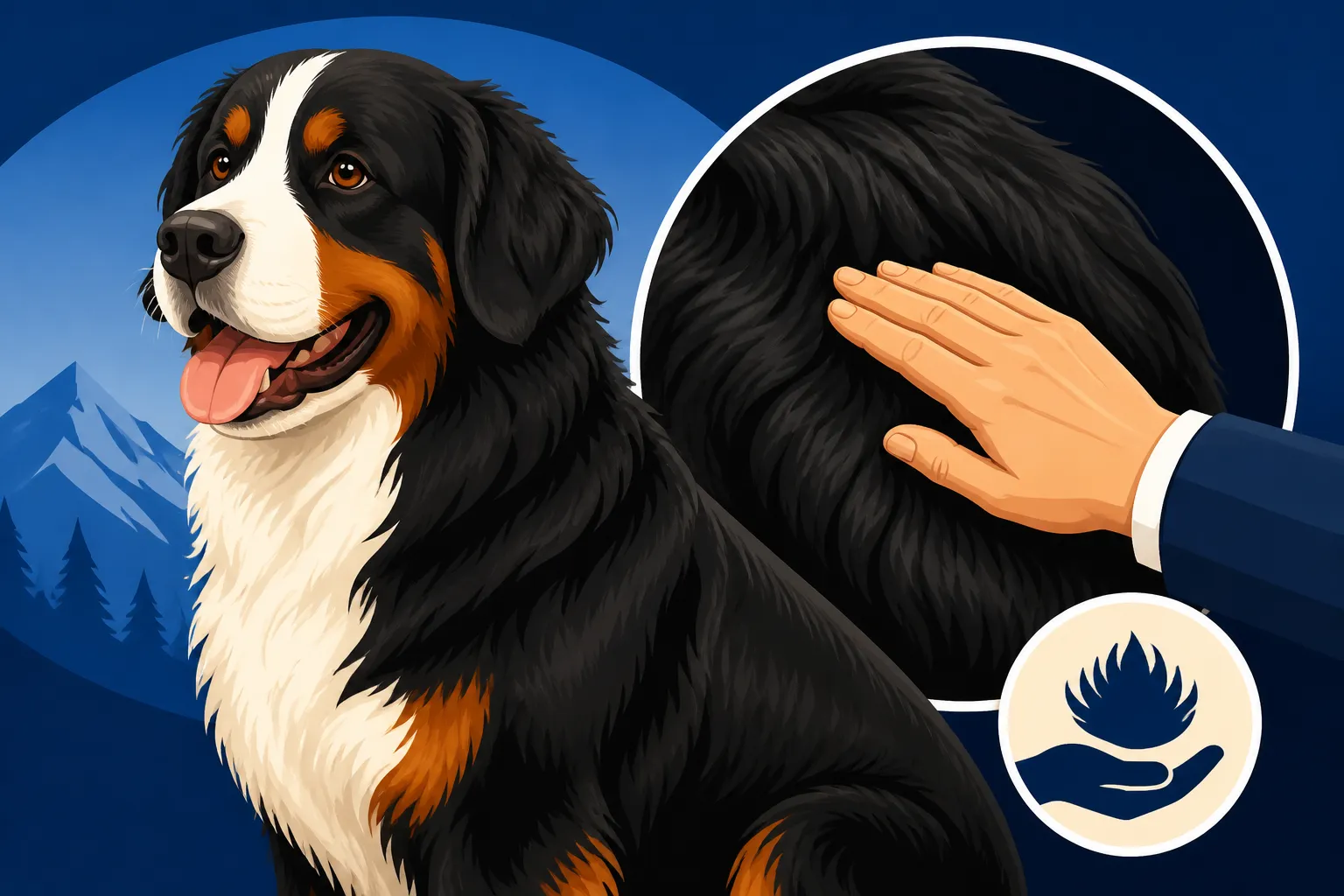
The Bernese Mountain Dog Coat Texture a Judge Feels
Oh, the magnificent Bernese Mountain Dog coat! It’s often the first thing that captures our hearts – that glorious tricolor flowing mane. But as a Berner owner, you quickly learn that this coat is more than just beautiful; it's a marvel of nature with a very specific purpose. While we might simply adore its fluffiness, a show judge, with a discerning eye and experienced hands, is looking for a very particular texture that speaks volumes about the dog's breed integrity and functional heritage. This guide will take you behind the scenes, revealing exactly what that ideal Bernese coat texture feels like and why it's so important, not just for the show ring, but for your Berner's well-being at home too.
Understanding the Bernese Mountain Dog's Ideal Coat: More Than Just Softness
When you first pet a Bernese Mountain Dog, you're usually met with a feeling of luxurious softness, especially if you get your fingers into that thick undercoat. It’s undeniably lovely! But for a judge, and for the breed standard, the "ideal" texture isn't simply "soft." It's a complex interplay of different hair types designed for a specific purpose, echoing their historical role in the chilly, rugged Swiss Alps. This coat was their armor, their insulation, and their protection against the elements, and its texture is key to its effectiveness.
The Purpose of the Bernese Double Coat
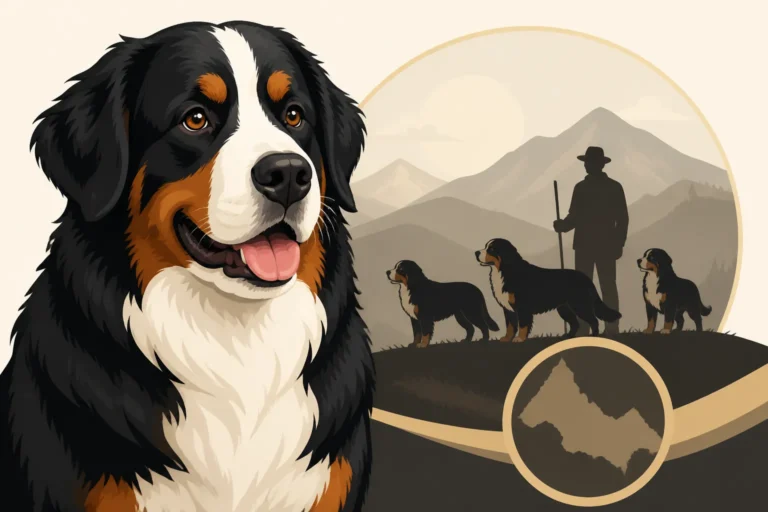
Imagine the harsh, unpredictable weather of the Swiss mountains. That's where the Bernese Mountain Dog's ancestors earned their keep, often spending long hours outdoors, herding cattle, guarding farmsteads, and pulling carts. Their coat wasn't just for looks; it was a survival tool. This necessity led to the development of their distinctive double coat, a two-layered system perfectly adapted to their environment.
The outer layer, often called the guard coat, consists of longer, somewhat coarser hairs. These hairs are slightly water-repellent, designed to shed rain and snow, much like shingles on a roof. They provide the primary protection against physical abrasions and moisture, lying smoothly over the body, yet with enough substance to feel robust. Beneath this lies the dense, woolly undercoat, which is the true insulator. This softer, finer hair traps air, creating a thermal barrier that keeps the dog warm in freezing temperatures and helps regulate body temperature in cooler conditions.
Interpreting the Breed Standard on Texture
The official Bernese Mountain Dog breed standard is the blueprint for what makes a Berner a Berner, and it has very specific things to say about coat texture. Often, you'll see descriptions like "bright, naturally glossy, with a rich deep black color and a soft, wavy or straight, long outer coat." This can sometimes be a bit misleading for new owners, especially the word "soft." When the standard refers to the overall feel and appearance, it's not suggesting a silky, fine, or delicate coat.
In the context of a working dog's double coat, "soft" doesn't mean limp or lacking substance. Rather, it implies a coat that isn't harsh, wiry, or brittle. The ideal texture is often described as feeling "cool to the touch" due to its density and quality. It should have a certain resilience, a "spring-back" quality when touched. A coat that is truly silky or overly fine lacks the necessary protective qualities, making it prone to matting and less effective against the weather. Similarly, a truly harsh or wiry coat, while protective, isn't characteristic of the Bernese and is typically seen as a fault, suggesting an incorrect blend of genetics. You can learn more about the complete picture by reading The Bernese Mountain Dog Breed Standard.
The standard also allows for a "slightly wavy" coat. This isn't a tight curl, nor is it stick-straight like a Labrador's. It's a gentle undulation, particularly noticeable on the back and flanks, that adds to the coat's natural resilience and helps with shedding water and debris. Any significant curling or an overly flat, straight coat might be considered a deviation from the ideal.
What a Judge's Hands Are Actually Feeling For
For a show judge, evaluating a Bernese Mountain Dog's coat texture is a very tactile experience. They don't just look at it; they run their hands over the dog, feeling for those subtle nuances that define a truly correct coat according to the breed standard. It's a methodical process, checking different areas of the body and assessing both layers of that glorious double coat.
Assessing the Outer Coat: Guard Hairs and Resiliency
When a judge runs their hands over a Bernese Mountain Dog, they're not just petting it. They are specifically feeling for the quality of the outer guard hairs. They'll start along the back, move to the sides, and pay close attention to the feathering on the legs, chest, and tail. The ideal guard hairs should feel substantial—not coarse or prickly, but definitely not fine or fragile. There should be a certain resilience to them; when the judge's hand passes over the coat, the hairs should spring back into place, indicating good body and elasticity.
A coat that feels too soft or limp in the outer layer suggests a lack of the protective qualities vital for the breed's historical function. Such a coat might lie too flat, fail to shed water effectively, and be more prone to tangling and wear. Conversely, a coat that feels overly harsh, bristly, or wiry would also be incorrect for the Bernese. The goal is that perfect balance—a coat that looks and feels robust, offering protection without being rough. The length of these guard hairs will vary slightly across the body, being shorter on the face and front legs and longer on the chest, belly, and "trousers" on the back of the legs.
Evaluating the Undercoat: Density, Loft, and Quality
Once the judge has assessed the outer guard coat, their attention turns to the hidden hero: the undercoat. To do this, they might gently part the outer coat with their fingers to get a direct feel for the density and texture of the woolly layer beneath. This is crucial, as a well-developed undercoat is paramount for insulation. What they are looking for is a thick, soft, and woolly texture that provides significant loft. When the judge pushes against it, it should feel plush and resilient, not flat or sparse.
The density of the undercoat is vital; it's what traps the insulating air. A sparse undercoat is a serious fault, as it means the dog won't have adequate protection from cold and wet weather. On the other hand, an undercoat that is too abundant and has a cottony or felt-like texture can also be problematic. While it might seem warm, cottony undercoats are prone to matting close to the skin, which can lead to hot spots and skin infections, and they don't shed water as effectively. The quality of the undercoat also varies with the seasons; it's typically much denser and thicker in colder months and thins out significantly as the weather warms. You'll notice this change dramatically in Spring, When a Bernese Mountain Dog's Undercoat Lets Go.
Common Texture Deviations and Their Implications
Not every Bernese Mountain Dog will have that perfectly ideal coat texture, and judges are trained to identify deviations. These variations aren't just aesthetic; they often impact the dog's comfort and health.
- Soft/Silky Coats: A coat where the outer layer feels too fine, delicate, or silky is a common deviation. This type of coat often lacks the necessary "spring" or resilience, can look flat and lifeless, and offers poor protection against the elements. It's also much more prone to matting and holding onto debris, making grooming a continuous battle.
- Wiry/Harsh Coats: At the other end of the spectrum, a coat that feels wiry, rough, or overly harsh is also incorrect. This texture is not characteristic of the Bernese Mountain Dog and suggests an influence from breeds with different coat types. While it might offer some protection, it doesn't align with the breed's aesthetic or historical standard.
- Cottony/Woolly Coats: This occurs when the undercoat is excessively abundant, fine, and develops a cotton-like or felted texture, often accompanied by a weaker outer guard coat. These coats are notorious for matting tightly to the skin, creating painful knots and restricting airflow, which can lead to skin problems. They also struggle to shed water efficiently, taking a long time to dry once wet. Owners with dogs exhibiting this coat type often find themselves needing more frequent professional grooming.
- Sparse Coats: A thin coat, lacking both dense guard hairs and a full undercoat, provides insufficient protection. This can be due to genetics, poor nutrition, or underlying health conditions. Such a coat leaves the dog more vulnerable to cold, sun, and skin irritation.
Recognizing these deviations helps in appreciating the nuanced ideal and understanding the practical challenges they might pose for your beloved Berner.
Practicalities of Maintaining the Correct Bernese Coat Texture
While most of us aren't preparing our Berners for the show ring, maintaining a healthy coat with the correct texture is still incredibly important for their comfort and well-being. A neglected coat, regardless of its original texture, can quickly become a matted, uncomfortable mess. Conversely, proper care can enhance even a less-than-perfect coat, making it more functional and beautiful.
Grooming Strategies for Optimal Coat Health
Regular, consistent grooming is the cornerstone of a healthy Bernese coat. This isn't just about making them look pretty; it's about preventing painful mats, distributing natural oils, and ensuring their skin can breathe. You absolutely need the right tools and a solid routine.
First, brushing. A Bernese Mountain Dog needs to be brushed several times a week, ideally daily during shedding seasons. You’ll want a combination of tools: a good quality slicker brush for the outer coat and feathering, a wide-toothed metal comb to check for tangles, and crucially, an undercoat rake to get deep down and remove loose, dead undercoat without damaging the guard hairs. For detailed guidance on specific tools, check out Which Brush a Bernese Mountain Dog's Coat Needs. The technique is important too; you need to line brush, working in sections from the skin outwards, rather than just skimming the top of the coat. This ensures you're truly removing all the shedding hair and preventing mats from forming near the skin. It can be quite a time commitment, so it's good to know How Long Brushing a Bernese Mountain Dog Takes.
Bathing should be done as needed, typically every 4-8 weeks, or when your Berner gets particularly dirty. Using a high-quality shampoo specifically designed for dogs with double coats is essential; look for formulas that nourish the skin and coat without stripping natural oils. Shampoo for a Bernese Mountain Dog's Double Coat can make a huge difference. Crucially, always follow up with a thorough rinse and even more thorough drying. Leaving a double coat damp can lead to skin issues and a musty smell. A high-velocity dog dryer, while an investment, can significantly cut drying time and help "fluff" out the coat, ensuring all layers are dry.
One final, critical point about grooming: never shave a Bernese Mountain Dog unless absolutely necessary for medical reasons. Their double coat is designed to insulate both from cold and heat. Shaving can disrupt this natural insulation, leading to sunburn, skin problems, and an inability to properly regulate their body temperature. Plus, it can permanently alter the texture of their coat, making it grow back duller and more prone to matting. Read more about this in What Shaving Does to a Bernese Mountain Dog's Insulation.
Diet, Environment, and Their Influence on Coat Texture
Beyond regular brushing and bathing, several other factors play a significant role in maintaining your Bernese Mountain Dog's coat health and texture. What goes into their body and the environment they live in directly impacts the quality of their fur.
Nutrition is paramount. A high-quality diet rich in essential fatty acids, particularly Omega-3 and Omega-6, directly contributes to a healthy skin barrier and a shiny, resilient coat. If your Berner's coat seems dull, brittle, or greasy, it could be a sign that their diet isn't providing all the nutrients they need. Some owners choose to supplement with fish oil or other skin and coat specific supplements, but always consult your vet first.
Climate can also influence coat density and texture. Bernese Mountain Dogs living in consistently cold environments might naturally develop a denser undercoat for increased insulation. Conversely, those in very warm or humid climates might have a slightly less dense coat, though the inherent texture should remain consistent. Excessive humidity can sometimes make coats feel coarser or more prone to tangling.
Finally, overall health is often reflected in a dog's coat. Conditions like thyroid imbalances, allergies, or parasitic infestations (fleas, mites) can manifest as dullness, excessive shedding, changes in texture, skin inflammation, or patchy hair loss. Regular veterinary check-ups are essential to catch and address any underlying health issues that might be affecting your Berner's magnificent coat.
Why Coat Texture Isn't Just for Show Dogs
It’s easy to think that intricate discussions about coat texture are only for those competing in the show ring, chasing championship titles. But for Bernese Mountain Dog owners, understanding and appreciating the correct coat texture goes far beyond aesthetics. It's fundamentally tied to the health, comfort, and functional well-being of your beloved companion.
Beyond the Ring: Protection and Comfort for Your Berner
The beautiful, dense double coat of the Bernese Mountain Dog isn't just a genetic legacy; it's a vital piece of their natural armor. A coat with the correct texture functions exactly as nature intended: it repels water and sheds snow, preventing moisture from reaching the skin and causing chilling. Its thick undercoat acts as a superb insulator against bitter cold, maintaining body warmth even in freezing temperatures. But here's the surprising part: a correct double coat also helps to regulate their body temperature in moderate heat by trapping a layer of cooler air next to the skin, offering protection from the sun's harsh rays.
Conversely, a coat with an incorrect texture, such as one that is too silky or cottony, will fail in these protective duties. A silky coat offers less protection from wetness and cold, while a cottony coat can easily mat, trapping heat, restricting airflow, and leading to discomfort or skin problems. Your dog’s comfort, whether they're romping in the snow or enjoying a cool autumn day, is directly linked to the functionality of their coat.
Identifying Potential Coat Issues Early
Your Berner's coat is often a fantastic barometer for their overall health. Changes in coat texture, luster, or density can be early warning signs that something isn't quite right. For instance, a sudden dullness, excessive dryness and brittleness, or an unusual greasiness could indicate dietary deficiencies, internal organ issues, or hormonal imbalances like thyroid problems. Patches of thinning hair or localized changes in texture often point towards skin infections, allergies, or parasitic infestations.
Regular grooming sessions, where you're not just brushing but actively feeling your dog's coat and skin, provide an invaluable opportunity for early detection. You'll be the first to notice any unusual lumps, bumps, dry patches, or changes in hair quality. Addressing these issues early with your veterinarian can prevent minor problems from escalating into more serious conditions. It's part of being a vigilant and responsible Berner parent.
The Joy of a Well-Maintained Berner Coat
There's no denying the sheer joy and pride that comes from seeing a Bernese Mountain Dog with a beautifully maintained, healthy coat. It's a testament to their breed heritage and a visual representation of good health. Beyond the aesthetic appeal, a coat with the correct texture is, paradoxically, often easier to manage despite its volume. It sheds out dead undercoat more efficiently, making brushing more effective and keeping shedding hair somewhat more contained, although a Berner will always shed! How Many Handfuls Come Off a Bernese Mountain Dog can be quite impressive!
The dedication you put into grooming and caring for your Berner's coat is an investment in their comfort, health, and happiness. It’s a physical connection that strengthens your bond and allows you to appreciate the magnificent animal they are, from the tip of their nose to the luxurious plume of their tail.
| Coat Texture Type | Description | Judge's Impression | Owner's Experience |
|---|---|---|---|
| Ideal Outer Coat | Long, shiny, slightly wavy or straight, with resilient guard hairs | Protective, robust, correct for breed | Sheds water, insulates, holds shape, requires regular brushing |
| Ideal Undercoat | Dense, soft, woolly, providing good loft | Excellent insulation, proper density | Keeps dog warm, requires consistent raking to prevent matting |
| Soft/Silky Coat | Fine, delicate outer coat, lacking substance and resilience | Lacks protection, prone to matting, incorrect | Mattes easily, offers poor weather protection, looks flat |
| Wiry/Harsh Coat | Rough, stiff, or brittle outer coat | Incorrect texture, not typical for breed | Unpleasant to touch, can indicate crossbreeding |
| Cottony/Woolly Coat | Overly abundant, felt-like undercoat, often with weaker guard hairs | Prone to matting, poor weather shedding, incorrect | Mats very easily, difficult to groom, can cause skin issues |
| Sparse Coat | Lacking density in both outer and undercoat | Insufficient protection, unhealthy-looking | Offers minimal protection, dog may feel cold, looks thin |
Disclaimer
This article is for general informational purposes only and does not constitute professional advice. Laws, prices and regulations vary by location and change over time. Consult a qualified professional for guidance on your specific situation.