Feeding a Bernese Mountain Dog Around Bloat Risk
As Bernese Mountain Dog owners, we often live with a quiet, persistent worry in the back of our minds: bloat. This terrifying condition, medically known as Gastric Dilatation-Volvulus (GDV), can strike suddenly and be fatal if not addressed immediately. It's a huge concern for deep-chested breeds like our beloved Berners. This comprehensive guide is here to walk you through how to feed your Bernese Mountain Dog in a way that helps minimize their risk, offering practical strategies and insights for peace of mind.
Understanding the Threat of Bloat in Bernese Mountain Dogs
It's a scary topic, but knowledge is power when it comes to keeping our gentle giants safe. Bloat isn't just an upset stomach; it's a critical emergency that every Berner owner needs to understand.
What Happens During Bloat: Gastric Dilatation-Volvulus (GDV)
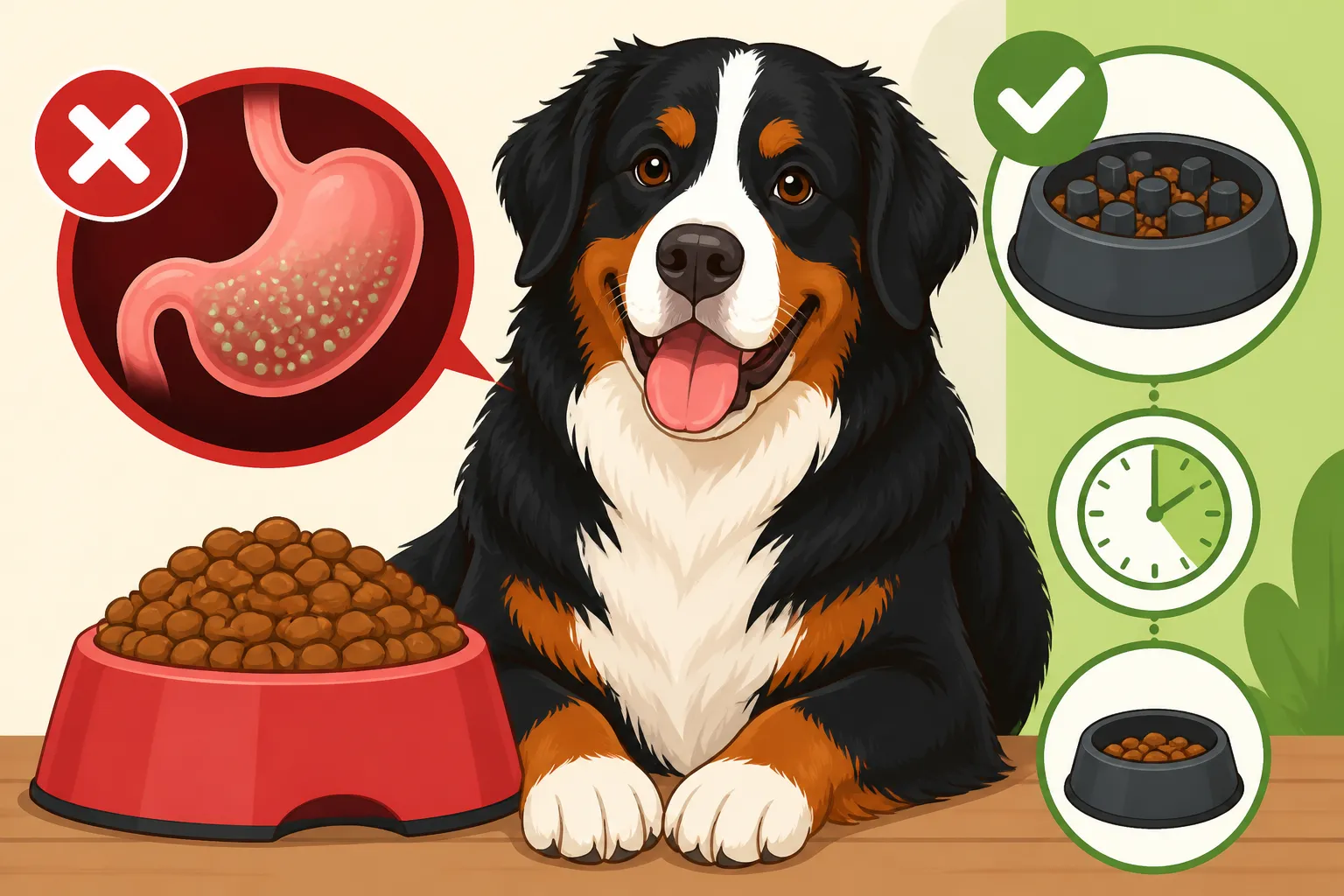
Imagine your dog's stomach suddenly filling with gas and fluid, expanding like a balloon. That's the "dilatation" part of GDV. But it gets worse. In many cases, this distended stomach then twists on its axis, trapping the gas and cutting off blood flow to the stomach and sometimes the spleen. This twisting is the "volvulus." When this happens, it's not just painful; it quickly becomes life-threatening. The dog goes into shock, organs are deprived of oxygen, and toxins build up. Without emergency veterinary intervention, often surgical, the outcome is almost always tragic. Owners often don't realize how quickly things can escalate; The Half-Hour That Decides a Bloated Bernese Mountain Dog isn't an exaggeration – every minute truly counts.
The signs can be subtle at first: restlessness, pacing, trying to vomit but nothing comes up (the classic "non-productive retching"), drooling, and obvious discomfort. As it progresses, their abdomen will visibly swell, become taut, and they may collapse. Seeing these symptoms means dropping everything and rushing to the emergency vet. There’s no waiting it out.
Why Berners Are High Risk: Deep Chest and Genetics
Our beautiful Bernese Mountain Dogs, with their majestic, deep chests, are unfortunately predisposed to bloat. It's a cruel irony that one of their defining physical characteristics, their strong, barrel-chested build, also puts them at a higher risk. The deep-chested conformation is thought to allow more room for the stomach to twist. Bloat in a Deep-Chested Bernese Mountain Dog is a real and present danger for our breed. It's not just their shape, though. There's also a strong genetic component. If a Berner's parents or close relatives experienced bloat, their offspring might have an increased likelihood of developing it too. This genetic predisposition, combined with their physical structure, means we as owners must be extra vigilant and proactive in managing their risk factors.
Optimizing Feeding Frequency and Schedule
One of the most impactful changes we can make to mitigate bloat risk revolves around how and when we feed our Bernese Mountain Dogs. It’s not just about what’s in the bowl, but the entire mealtime routine.
Multiple Small Meals: A Safer Approach
Instead of one large meal, which can fill the stomach excessively and increase the chances of gas buildup and twisting, it's widely recommended to feed Bernese Mountain Dogs two or three smaller meals throughout the day. Spreading out their caloric intake this way reduces the sheer volume of food in their stomach at any one time. Think of it like a human eating several healthy snacks rather than one massive feast. It keeps their digestive system working steadily without overwhelming it.
For a young, growing Berner puppy, this might mean three meals a day. As they mature, two meals are often sufficient, one in the morning and one in the evening. This consistent, smaller volume approach helps prevent the stomach from distending too much, too quickly, which is a key factor in bloat. It’s a simple change, but one that can significantly contribute to their safety and overall digestive comfort.
Consistent Routine: The Value of Predictability
Dogs thrive on routine, and when it comes to feeding, predictability is paramount, especially for a large breed susceptible to bloat. Feeding your Bernese Mountain Dog at roughly the same times each day helps regulate their digestive system and can reduce anxiety around mealtimes, which itself can be a minor risk factor for bloat. A consistent schedule means their body anticipates food, allowing digestive enzymes to be released appropriately.
Imagine the alternative: feeding at erratic times, sometimes early morning, sometimes late afternoon, sometimes a single huge meal, other times none. This inconsistency can lead to periods of intense hunger, encouraging faster eating when food finally arrives, and potentially more gulping of air. A calm, predictable feeding environment, coupled with a consistent schedule, contributes to a relaxed digestive process, which is exactly what we want for our Berners.
Thoughtful Food Choices and Ingredients
The type of food and its composition play a significant role in digestive health and bloat prevention for a Bernese Mountain Dog. It's not just about meeting their nutritional needs, but doing so in a way that supports their unique physiology.
Kibble Type and Size: Avoiding Rapid Expansion
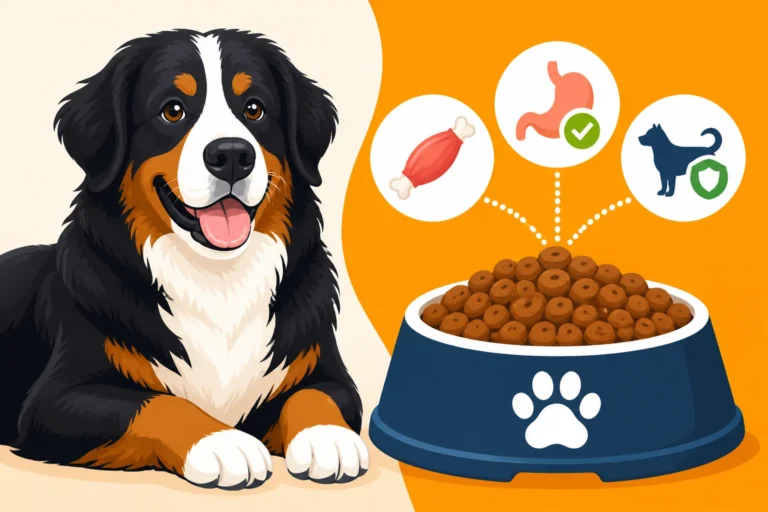
When selecting dry kibble for your Bernese Mountain Dog, consider both the size and the density of the pieces. Large breed formulas often come with larger kibble pieces, which can encourage slower eating and more chewing, reducing the amount of air swallowed. More importantly, think about how the kibble behaves once it hits the stomach. Some highly fermentable ingredients or kibbles that rapidly expand when wet can contribute to gas production.
While there's no single "anti-bloat" food, choosing a high-quality, easily digestible food with moderate fat content is generally recommended. Look for brands that have undergone rigorous feeding trials and have a good reputation for ingredient quality. Some owners opt for less processed or fresh dog food options, like those from services such as Ollie, believing they might be gentler on the digestive system. Always introduce any new food gradually to avoid upsetting your Berner’s stomach, regardless of its bloat-prevention claims. Remember, The Daily Ration a Hundred Pound Berner Gets needs to be chosen with care, not just quantity in mind.
Fat Content and Ingredients to Watch
Research suggests that diets with higher fat content, especially those where fat is listed among the first few ingredients, might be associated with an increased risk of bloat in some breeds. While fat is an essential nutrient, moderation and source are key. Avoid foods that are excessively high in fat or contain large amounts of fat from dubious sources.
Furthermore, ingredients that are highly fermentable, such as certain legumes (peas, lentils, beans) or carbohydrates (like corn, soy, wheat in large quantities), could potentially lead to increased gas production in the stomach. While these ingredients aren't inherently "bad" and many dogs tolerate them fine, for a bloat-prone breed like the Bernese Mountain Dog, it's worth discussing with your veterinarian or a canine nutritionist if your dog is on a diet heavy in these. Some owners find that a quality diet with fewer, simpler ingredients works best for their Berner's sensitive digestion.
Wet Food vs. Dry Kibble: Pros and Cons
The debate between wet food and dry kibble is ongoing, and for Bernese Mountain Dogs, both have their potential pros and cons regarding bloat risk.
Dry Kibble Pros:
- Often more cost-effective for a large breed.
- Can help keep teeth cleaner (though this is a minor benefit compared to brushing).
- Encourages chewing if kibble pieces are larger.
Dry Kibble Cons:
- Can be eaten very quickly, leading to gulping air, especially if not using a slow feeder.
- Some kibbles can expand significantly in the stomach, increasing volume.
- Lower moisture content means dogs need to drink more water separately.
Wet Food Pros:
- Higher moisture content, which can aid digestion and hydration.
- Generally less likely to expand significantly in the stomach.
- Often more palatable, encouraging slower, more deliberate eating for some dogs.
Wet Food Cons:
- Significantly more expensive for a large Bernese Mountain Dog.
- Can be messier.
- May not provide the same dental benefits (again, minor).
Many Berner owners find a combination of high-quality dry kibble and a topper of wet food or fresh food works well. The wet component can make the meal more appealing and potentially slow down eating, while the kibble provides structure. The most important thing is to observe your individual dog and consult with your vet about the best dietary approach for their specific needs and bloat risk profile.
The Crucial Role of Hydration and Water Intake
Water is vital for overall health, but for Bernese Mountain Dogs, the timing and manner of water consumption around meal times can also play a subtle yet important role in managing bloat risk.
Water Before/After Meals: Timing Considerations
While your Berner should always have access to fresh water throughout the day, closely monitoring their water intake immediately before and after meals is wise. Gulping down large quantities of water right before or after eating a meal can quickly fill the stomach, adding to the volume and potentially contributing to distension. Think of it like having a huge drink right after a big meal – it just feels uncomfortable and can exacerbate gas.
Instead of restricting water entirely, which is never advisable, encourage a period of calm before meals, and for about an hour or so afterward, offer water in smaller, controlled amounts. If your dog is particularly thirsty after eating, it might be better to offer a small amount, wait 15-20 minutes, then offer a bit more, rather than letting them drink a gallon all at once. This helps the food digest without excessive immediate liquid volume. You can find excellent, durable water bowls that help manage this on platforms like Chewy or Amazon.
Water Bowl Placement and Access
The placement and accessibility of your Bernese Mountain Dog's water bowl might seem like a small detail, but it's part of creating a safe and comfortable feeding environment. Ensure the water bowl is always clean and filled with fresh water. Many owners consider elevated bowls for large breeds, believing it aids digestion or is more comfortable. However, recent studies suggest that elevated bowls might actually increase the risk of bloat in some large breeds. The current general recommendation is to use bowls placed at floor level. This is a point of contention for some, and it’s always best to discuss it with your vet who knows your dog’s specific history and needs.
Regardless of height, ensure the bowl is in a quiet, easily accessible spot where your Berner can drink undisturbed. If you have multiple dogs, consider having multiple water stations to prevent competition and rushed drinking. Allowing free, calm access to water throughout the day, while being mindful of large gulps immediately post-meal, is the goal. For more on ensuring your Berner stays properly hydrated, read Water Around a Bernese Mountain Dog's Mealtimes.
Managing Activity Around Mealtimes
The period immediately surrounding your Bernese Mountain Dog's meals is just as critical as the food itself. What they do (or don't do) during this time can significantly influence their bloat risk.
Pre-Meal Calm: Avoiding Excitement
Excitement and hyperactivity before eating can lead to a dog gulping down their food and swallowing excessive air. Imagine a Berner who has just been running zoomies in the yard, is panting heavily, and then immediately dives into their food. The combination of rapid breathing and hurried eating is a recipe for swallowing air, which contributes to stomach distension.
To mitigate this, aim for a calm atmosphere leading up to meal times. Schedule meals for after any vigorous play or exercise, allowing your Berner at least 30-60 minutes to settle down. A quiet walk or a gentle potty break is fine, but intense play should be avoided. Teach your dog to calmly wait for their food, perhaps by making them sit or lie down before you place the bowl. This not only reinforces good manners but also encourages a relaxed state for eating.
Post-Meal Rest: The Crucial Waiting Period
This is perhaps one of the most emphasized recommendations for bloat prevention. After your Bernese Mountain Dog eats, their stomach is full, and vigorous activity could cause it to jostle and, in the worst-case scenario, twist. Therefore, a mandatory rest period of at least one hour, but preferably two to three hours, after eating is absolutely crucial.
During this time, restrict all strenuous activity. No running, jumping, intense play, or even rambunctious walks. A gentle stroll for a potty break is acceptable, but that's about it. The idea is to let the food settle and begin the digestive process without any undue stress or physical agitation to the stomach. Many owners schedule meals around their own activities, perhaps feeding a couple of hours before leaving for work in the morning or waiting until after the evening walk. Understanding The Hour After a Bernese Mountain Dog's Meal is vital for every Berner owner. Whether Exercise After Eating Bloats a Bernese Mountain Dog is a common question, and the answer is a resounding "yes, it's a significant risk."
Strategies for Managing Fast Eaters
Some Bernese Mountain Dogs are simply enthusiastic eaters, gobbling down their food at lightning speed. While endearing in a way, this rapid consumption is a known risk factor for bloat because it leads to excessive air swallowing.
Slow Feeder Bowls: Effective Solutions
If your Berner inhales their food in minutes, a slow feeder bowl is a game-changer. These bowls are designed with ridges, mazes, or separate compartments that force your dog to eat around obstacles, significantly slowing down their pace. Instead of big gulps, they take smaller, more deliberate bites. This reduces the amount of air they swallow, which is critical for bloat prevention.
There are many types available, from simple plastic bowls with raised patterns to more intricate designs that resemble puzzles. You can find a wide variety of effective slow feeder bowls on Chewy or Amazon. Some brands even offer stainless steel versions for durability and easier cleaning. Introduce it gradually if your dog is wary, but most adapt quickly, and the benefits for their health are undeniable. Don't underestimate the power of Slow Feeders for a Bernese Mountain Dog to make a real difference.
Separating Multiple Dogs: Reducing Competition
In a multi-dog household, mealtime can often turn into a race, even if there isn't any overt aggression. The instinct to finish one's own food quickly before another dog might try to get to it (or before you might mistakenly pick it up) is strong. This competition, even if unspoken, can encourage fast eating and gulping of air.
To minimize this risk, always feed multiple dogs in separate, quiet areas. This could mean different rooms, separate crates, or even just turning their backs to each other. Ensure each dog has their own space and feels secure enough to eat at a comfortable pace without feeling rushed or threatened. This simple act of separation can dramatically reduce stress and competition, allowing each Bernese Mountain Dog to eat calmly and slowly, further reducing the risk of bloat. If you've wondered Whether a Fast-Eating Bernese Mountain Dog Bloats More, the answer is often yes, and managing mealtime environment is key.
Proactive Veterinary Care and Prevention
Beyond daily feeding practices, ongoing veterinary care and considering preventative medical procedures are also important components of managing bloat risk.
Regular Check-ups and Discussing Risk Factors
Your veterinarian is your primary partner in your Bernese Mountain Dog's health journey. Regular check-ups are essential for monitoring overall health and discussing any concerns, including bloat risk. Your vet can provide personalized advice based on your dog's age, health history, and any family history of bloat. Don't hesitate to bring up your concerns about GDV, share your feeding routine, and ask for their recommendations.
They can also help you understand What Bloat Looks Like in a Bernese Mountain Dog in detail, so you're prepared to recognize the signs if the worst happens. Keeping an open dialogue with your vet ensures you're doing everything you can to stay informed and proactive about your Berner's health.
Considering a Prophylactic Gastropexy
For many deep-chested breeds, including Bernese Mountain Dogs, a prophylactic gastropexy is an elective surgical procedure that can be life-saving. A gastropexy permanently tacks the stomach to the abdominal wall, preventing it from twisting (volvulus) if bloat occurs. While it doesn't prevent the stomach from dilating with gas, it removes the most dangerous, often fatal, component of GDV.
This procedure is often performed at the same time as spaying or neutering, reducing the need for an additional anesthetic event. It can also be done on its own. It's a significant decision, and one that carries surgical risks, but it's a conversation worth having with your veterinarian, especially if your Berner has a high genetic predisposition to bloat. Adding a Gastropexy to a Bernese Mountain Dog's Spay is a common recommendation, and many owners find the peace of mind it offers invaluable. Your vet can discuss the procedure, potential costs, and recovery expectations in detail.
Summary of Bloat Prevention Strategies
To help you keep track of all these tips, here’s a quick overview of feeding strategies for minimizing bloat risk in your Bernese Mountain Dog:
| Strategy | Key Actions | Why It Helps |
|---|---|---|
| Feeding Frequency | 2-3 smaller meals daily | Reduces volume of food in stomach at any one time, less distension risk. |
| Eating Pace | Use slow feeder bowls (e.g., from Chewy, Amazon) | Minimizes air swallowing during meals. |
| Mealtime Environment | Feed in a calm, quiet, separate space | Reduces stress and competition, preventing rushed eating. |
| Food Choice | High-quality, digestible kibble; moderate fat; avoid excessive fermentables | Supports healthy digestion, reduces gas production. |
| Water Intake | Offer water in smaller amounts post-meal; floor-level bowls generally recommended | Prevents rapid stomach filling with liquid; check with vet on bowl height. |
| Activity Around Meals | 30-60 min calm pre-meal; 2-3 hours strict rest post-meal | Prevents air gulping from panting; avoids jostling stomach when full. |
| Veterinary Consultation | Regular check-ups; discuss gastropexy | Personalized advice, early detection, prophylactic prevention of stomach torsion. |
Ultimately, managing bloat risk in your Bernese Mountain Dog is about consistent, thoughtful care. While we can't eliminate the risk entirely due to their breed predisposition, implementing these feeding and lifestyle strategies can significantly reduce the chances of this frightening condition. Your Berner's health and happiness are worth every bit of effort.
Disclaimer
This article is for general informational purposes only and does not constitute professional advice. Laws, prices and regulations vary by location and change over time. Consult a qualified professional for guidance on your specific situation.