Summer Routines for a Bernese Mountain Dog
Summer can be a truly challenging time for our beloved Bernese Mountain Dogs, whose thick, luscious coats and large bodies are built for colder climates, not scorching pavements and humid air. Many owners find themselves wrestling with how to keep their gentle giants comfortable and safe when the mercury rises, often feeling guilty or anxious that their attempts aren't quite enough. This comprehensive guide will walk you through practical, empathetic summer routines, helping you understand your Berner's unique needs and implement strategies to ensure they thrive, not just survive, through the warmer months.
Understanding Your Berner's Summer Challenges
Bringing a Bernese Mountain Dog into your life means embracing their unique characteristics, and one of the most prominent is their natural inclination towards cooler climates. Their heritage from the Swiss Alps isn't just a charming backstory; it's a fundamental aspect of their physiology that dictates how they handle heat. Ignoring this can lead to discomfort, distress, and even dangerous health complications.
Why the Black Coat Overheats a Bernese Mountain Dog
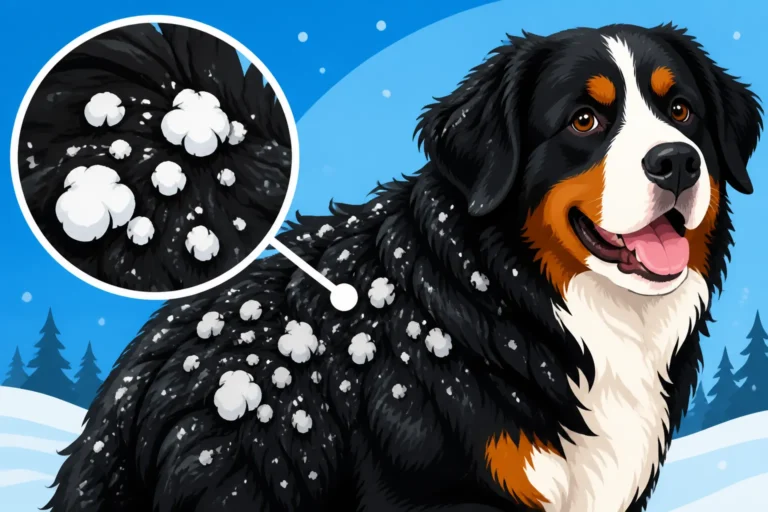
It’s easy to look at a Berner’s stunning tricolor coat and appreciate its beauty, but in summer, that rich black fur becomes a significant heat magnet. Unlike lighter coats that reflect some sunlight, the dark pigmentation of a Bernese Mountain Dog's fur absorbs a tremendous amount of solar radiation. Imagine wearing a heavy black wool coat on a sunny day – that’s a bit like what your Berner experiences. The sun’s rays get trapped, warming not just the surface of the fur but the air layer underneath, which is supposed to act as insulation.
This double coat, designed to keep them warm in freezing mountain temperatures, exacerbates the problem. It consists of a dense, woolly undercoat and longer, coarser guard hairs. While it's fantastic for snow, it traps heat close to their body, preventing efficient cooling. Air circulation is vital for dogs to cool down, and their thick fur, particularly the black patches, can hinder this process significantly. This isn't just about surface warmth; it's about their core body temperature rising, and once that starts, it can escalate quickly. For a deeper dive, check out Heat and the Bernese Mountain Dog's Black Coat.
The Temperature a Bernese Mountain Dog Stops Coping
There isn't a magical, universal temperature where every Bernese Mountain Dog suddenly "stops coping." Individual dogs have different tolerances based on age, health, fitness level, and acclimatization. However, it’s safe to say that once ambient temperatures hit the mid-70s Fahrenheit (around 24-25°C), you need to start being incredibly vigilant. When it climbs into the 80s (27°C and above), especially with humidity, a Berner is definitely struggling. Their natural cooling mechanisms—primarily panting and vasodilation (widening of blood vessels near the skin)—become less effective as the air temperature approaches or exceeds their body temperature.
Beyond just the number on the thermometer, factors like humidity play a huge role. High humidity makes it much harder for dogs to cool down through panting because the air is already saturated with moisture, hindering the evaporation of water from their respiratory tract. This means a 75°F day with high humidity can be far more dangerous than an 80°F day with very low humidity. It's crucial for owners to understand this nuanced risk. For detailed information on specific thresholds, refer to The Temperature a Bernese Mountain Dog Stops Coping.
Whether a Bernese Mountain Dog Suits a Hot Climate
Realistically, no, a Bernese Mountain Dog is not ideally suited for consistently hot climates. Their genetic makeup and physical attributes are designed for cold-weather environments. Trying to keep a Berner comfortable in a region with long, hot summers requires immense dedication, significant lifestyle adjustments, and often, considerable expense. This isn't to say it's impossible, but it demands an owner who is acutely aware of the risks and prepared to mitigate them daily.
Owners in places like the American South, Australia, or even parts of California during heatwaves often have to treat summer as an indoor-only season for their dogs, limiting outdoor excursions to the very early morning or late evening. They might need air conditioning running almost constantly, special cooling equipment, and a heightened sense of vigilance for any signs of overheating. It’s a commitment that goes beyond typical dog ownership in more temperate zones and asks a lot of both the dog and the owner. If you live in a hot region, understanding Whether a Bernese Mountain Dog Suits a Hot Climate is paramount.
Adjusting Daily Routines and Exercise
When summer hits, your usual routines with your Bernese Mountain Dog need a serious overhaul. What was once a pleasant afternoon walk can quickly become a life-threatening situation. Adapting your schedule and the intensity of your activities is not just a recommendation; it's a necessity for their well-being.
The Only Hours a Bernese Mountain Dog Walks in July
During the peak summer months, especially July and August, outdoor activities for a Bernese Mountain Dog must be strictly relegated to the coolest parts of the day. This typically means very early mornings, often before the sun fully rises, and late evenings, well after the sun has set and the pavement has had a chance to cool down. In many areas, this could mean walks starting as early as 5:00 AM or not until 9:00 PM or later.
Even during these "cooler" hours, vigilance is key. Check the pavement temperature with your hand – if it's too hot for your bare palm, it's too hot for your dog's paws. Short walks are the order of the day; long hikes or strenuous activities are completely off-limits. These early and late excursions aren't for intense exercise but for bathroom breaks and a brief change of scenery. Think of them as necessary outdoor interludes, not full-fledged exercise sessions. This schedule can be a tough adjustment for owners, but it’s non-negotiable for a Berner’s safety.
Exercising a Bernese Mountain Dog in Summer
Exercising a Bernese Mountain Dog in summer is a delicate balance. Gone are the days of long, rambling walks or energetic games of fetch in the park. During the summer, the focus shifts dramatically from physical exertion to mental stimulation and very low-impact physical activity. Over-exercise can quickly lead to overheating. If you usually enjoy longer walks with your Berner, or perhaps some carting practice, these will need to be paused until the cooler weather returns.
Instead of traditional outdoor exercise, consider indoor games like hide-and-seek with treats, puzzle toys, or short, gentle training sessions in an air-conditioned space. If you have access to a pool or a safe body of water, swimming can be an excellent low-impact way for your Berner to cool down and get some exercise, but always under strict supervision. Remember, even a cool swim needs to be followed by thorough drying to prevent skin issues under their thick coat. Always prioritize cooling over exercise during these months. For more strategies, read Exercising a Bernese Mountain Dog in Summer.
Whether a Bernese Mountain Dog Refuses to Walk in Heat
A Bernese Mountain Dog refusing to walk in the heat is often their body’s way of self-preserving and is a clear sign that conditions are too dangerous. These dogs are inherently intelligent and will instinctively try to avoid situations that cause them discomfort or pain. If your Berner plants their feet, pulls back towards the door, or simply lies down during a walk, heed their warning immediately. It's not stubbornness; it's survival.
Ignoring these signals can lead to severe consequences, including heatstroke. It’s a common frustration for owners who feel their dog isn’t getting enough exercise, but pushing a Berner when they are clearly uncomfortable can be disastrous. On really hot days, it’s best to accept that outdoor walks are simply not an option. Focus instead on indoor enrichment, perhaps even a short potty break directly in a shaded yard if available, rather than risking a full walk. Your Berner knows their limits, and you need to respect them.
Hydration, Feeding, and Cooling Strategies
Keeping your Bernese Mountain Dog well-hydrated and cool extends beyond just limiting walks. It involves proactive measures around their food and providing them with accessible, effective cooling aids throughout the day. These strategies are critical to preventing heat-related illnesses.
Water Around a Bernese Mountain Dog's Mealtimes
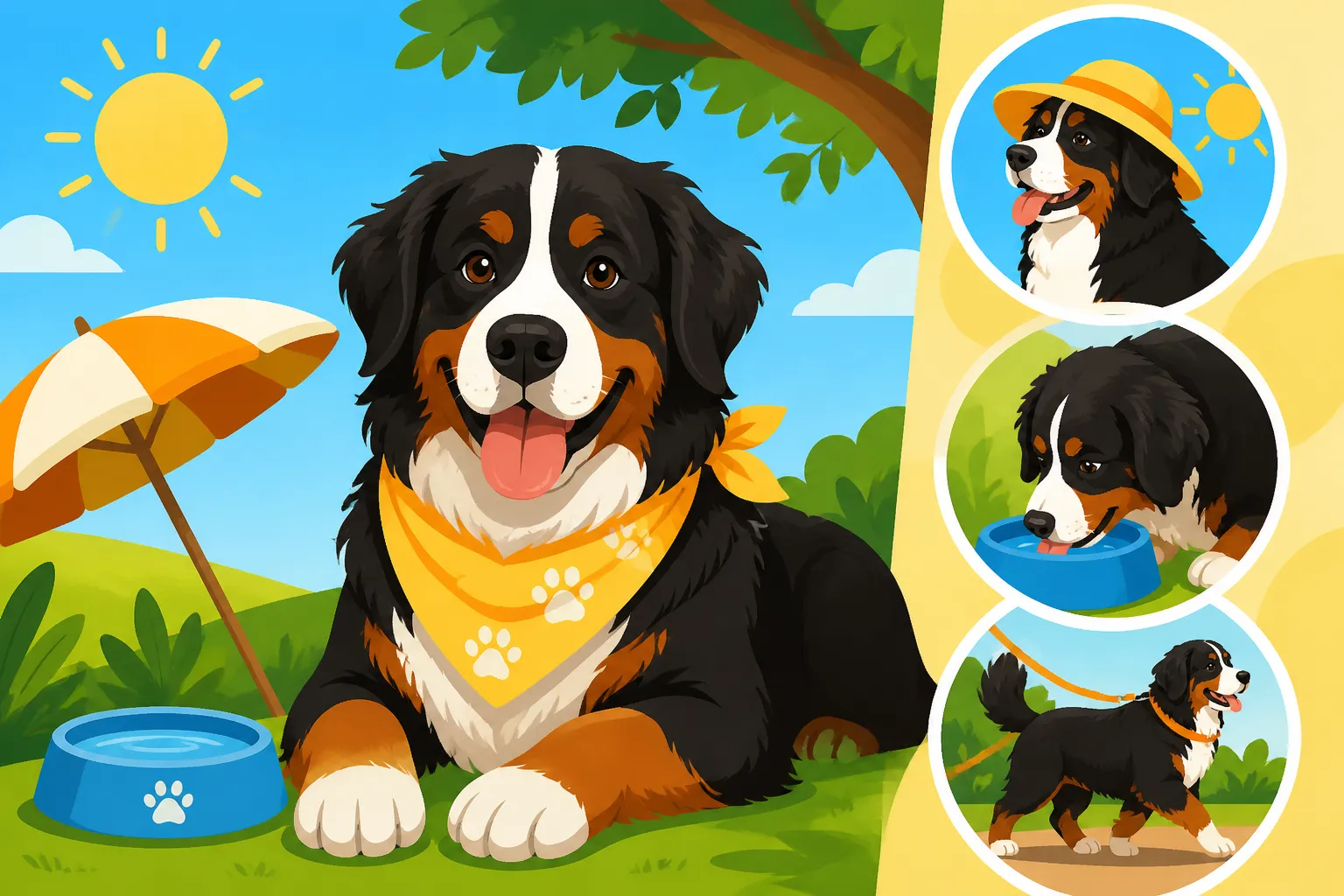
Proper hydration is always important for dogs, but it becomes absolutely critical for Bernese Mountain Dogs in the summer. They need constant access to fresh, cool water. Beyond just having a water bowl available, consider strategic hydration around mealtimes. Some owners add a little extra water or broth (low sodium, plain) to their dog's food, especially if feeding kibble, to boost fluid intake. Freezing toys filled with water or low-sodium broth can also be a fun, hydrating treat.
It's also worth thinking about how your dog drinks. Some Berners are notoriously messy drinkers, splashing water everywhere. While this might be a minor annoyance normally, in summer, it means they might not be getting as much actual intake as you think. Deeper bowls or fountain-style waterers can encourage more consistent drinking. Make sure to refresh their water frequently, as stagnant, warm water won't be as appealing or as effective for cooling. For a great range of durable and cooling bowls, I often check out what's available on Amazon or Chewy.
Cooling Mats and Where a Bernese Mountain Dog Lies
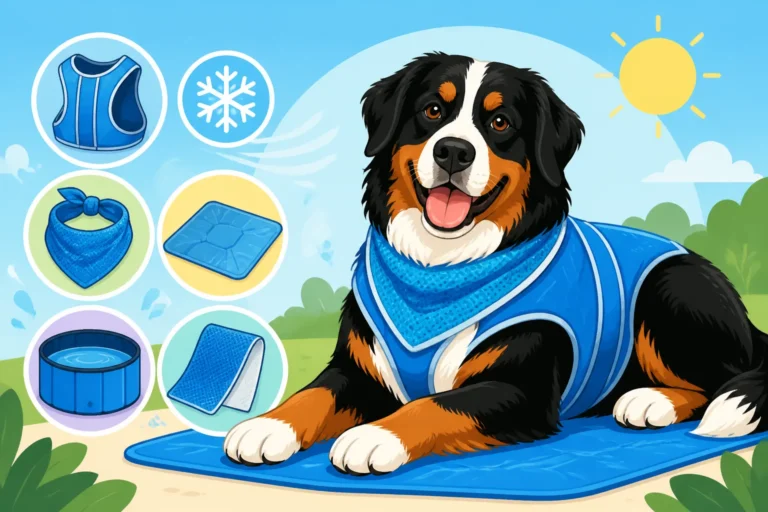
Cooling mats are an absolute lifesaver for Bernese Mountain Dogs in summer. These mats typically contain a gel that activates with pressure, absorbing and dissipating body heat to provide a cooler surface for your dog to lie on. They don't require refrigeration or electricity, making them convenient to use anywhere your Berner likes to relax. Place them in their favorite napping spots – under a cool window, next to a fan, or in their crate.
However, it's important to remember that a cooling mat is a supplement, not a solution to extreme heat. It helps prevent them from getting too warm while resting, but it won't rescue them from an already overheated state. Always provide other cooling options and ensure the ambient temperature isn't excessively high. Some dogs take to them immediately, while others might need a little encouragement with a favorite toy or treat. Having multiple mats in different locations can give your Berner options to rotate between cool spots throughout the day. You can find a good selection of these mats on Chewy. Cooling Mats and Where a Bernese Mountain Dog Lies offers more insights into choosing and using them effectively.
Whether a Paddling Pool Helps a Bernese Mountain Dog
Absolutely, a shallow paddling pool can be an incredible asset for a Bernese Mountain Dog during the summer! Many Berners love water, and a cool dip offers a fantastic way for them to lower their body temperature safely and enjoyably. Choose a sturdy, hard-plastic kiddie pool that won't easily puncture under their weight and nails. Fill it with just enough cool (not ice-cold) water for them to stand in comfortably, covering their paws and belly.
Place the pool in a shaded area of your yard to keep the water from heating up too quickly. Introduce it gradually if your Berner is hesitant, perhaps by tossing a favorite waterproof toy inside. Supervise them closely, especially at first, and ensure they have easy access in and out. After a swim, make sure to dry their coat thoroughly, particularly the dense undercoat, to prevent skin irritation or hot spots. While a paddling pool is a wonderful cooling tool, it shouldn't be the only one; always combine it with other strategies like shade, fresh water, and indoor cooling. If you're wondering about safe water play, refer to Whether a Paddling Pool Helps a Bernese Mountain Dog.
Summer Grooming and Coat Management
Grooming a Bernese Mountain Dog year-round is a commitment, but in summer, it takes on added importance, directly impacting their ability to stay cool. There are common misconceptions about how best to manage their thick coat in heat, and getting it right can make a significant difference.
The Case Against Shaving a Bernese Mountain Dog in June
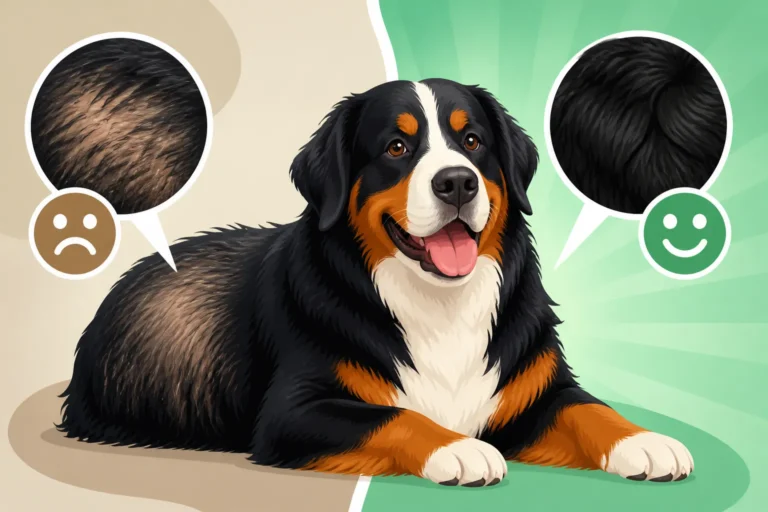
It's a common, well-intentioned thought: "My Berner is hot, I should shave them!" However, for a Bernese Mountain Dog, shaving their double coat in June (or any time, really) is actually counterproductive and can be harmful. Their double coat is designed to be an insulator, yes, but it also provides natural protection from the sun's harsh UV rays. Shaving it removes this natural barrier, exposing their sensitive skin to sunburn and increasing their risk of skin cancer.
Furthermore, a shaved coat can grow back unevenly and often loses its natural insulating properties, sometimes growing in thicker and less manageable, hindering their ability to regulate temperature effectively in the long run. Instead of helping, it can make them more susceptible to overheating because their natural air-trapping system is compromised. The best approach is to maintain their coat through diligent brushing and ensure it is free of mats, allowing for proper air circulation. For a more detailed explanation, see The Case Against Shaving a Bernese Mountain Dog in June.
Cleaning a Bernese Mountain Dog's Face Folds
While Bernese Mountain Dogs don't typically have extensive face folds like some other large breeds, they can still accumulate moisture, drool, and debris around their muzzle and under their eyes, especially when panting more in the heat. This can lead to irritation, skin infections, or even odors if not managed. Keeping these areas clean is part of a good summer routine.
Use a soft, damp cloth to gently wipe around their mouth after drinking or eating, paying attention to any slight folds or creases. For areas prone to dampness, a very mild, dog-safe cleansing wipe can be helpful. Always ensure the area is thoroughly dried afterward to prevent moisture from becoming a breeding ground for bacteria or yeast. If you notice persistent redness, discharge, or a strong odor, it's time for a vet check, as this could indicate an infection. This regular attention helps prevent minor issues from becoming uncomfortable problems for your Berner. Also, consider the general cleanliness of your dog which can impact how much they may "smell," as explored in Whether a Bernese Mountain Dog Smells.
Itching Under a Bernese Mountain Dog's Thick Coat
Summer humidity and increased sweating (or rather, moisture retention) under a Bernese Mountain Dog's thick coat can unfortunately lead to skin irritation and itching. This is particularly true if the coat is not kept meticulously clean and free of mats. Trapped moisture, dirt, allergens, and even parasites like fleas can flourish in a damp, dense undercoat, leading to hot spots, rashes, and persistent scratching.
Regular, thorough brushing is the first line of defense. This helps to remove dead hair, allow air to circulate, and distribute natural skin oils. During brushing, inspect the skin for any redness, bumps, or flaky patches. If your Berner is excessively itching or developing skin issues, a medicated shampoo designed for sensitive skin or allergies might be recommended by your vet. Additionally, ensure they are up-to-date on flea and tick prevention. Don't underestimate the discomfort a thick, damp coat can cause; addressing Itching Under a Bernese Mountain Dog's Thick Coat promptly is essential for their comfort.
Recognizing and Responding to Heat Distress
Understanding how your Bernese Mountain Dog acts when they are merely warm versus truly overheated is critical. Heatstroke is a severe, life-threatening emergency, and early recognition and rapid intervention can be the difference between a full recovery and a tragic outcome.
How a Bernese Mountain Dog Behaves Before Heat Stroke
Before full-blown heatstroke sets in, a Bernese Mountain Dog will exhibit several warning signs that you absolutely cannot ignore. Early symptoms often include excessive panting that seems more labored or faster than usual, even at rest. Their gums might appear darker red than normal, and they may be restless, seeking out cool spots with urgency. You might notice thick, ropey saliva, indicating dehydration.
As their condition worsens, you might see more concerning behaviors. These can include staggering, weakness, vomiting, diarrhea, and a dazed or disoriented look. Their body temperature will rise dramatically, often feeling hot to the touch. If you observe any of these signs, particularly the more severe ones, it's time for immediate action. Do not wait to see if they "feel better." Their life could literally depend on your swift response. Familiarize yourself thoroughly with How a Bernese Mountain Dog Behaves Before Heat Stroke.
Cooling a Collapsed Bernese Mountain Dog in the Field
If your Bernese Mountain Dog collapses or shows severe signs of heatstroke while you are out and about, immediate and appropriate first aid is crucial before you can get to a vet. First, get them out of the sun and into the coolest, shadiest spot you can find. If you have any water, start cooling them down. Focus on areas where large blood vessels are close to the surface, like the armpits, groin, and paw pads. You can use cool (not ice-cold) water, wet towels, or even rubbing alcohol on paw pads for evaporative cooling. Do not use ice water, as it can constrict blood vessels and hinder core body cooling.
Offer small amounts of water if they are conscious and able to drink, but don't force it. Try to create airflow with a fan or by fanning them manually. Call your vet or the nearest emergency veterinary clinic immediately while you are cooling them. Even if they appear to recover, a vet visit is essential to check for internal organ damage. This is not a situation where you can "wait and see." For precise steps, consult Cooling a Collapsed Bernese Mountain Dog in the Field.
Lasting Damage After a Bernese Mountain Dog Overheats
The consequences of overheating in a Bernese Mountain Dog can extend far beyond the immediate crisis. Even if a dog survives an episode of heatstroke, there can be significant and lasting damage to internal organs. The extreme rise in body temperature can harm the kidneys, liver, brain, heart, and gastrointestinal tract. This can lead to conditions like acute kidney failure, liver dysfunction, neurological damage (seizures, altered mental status), or even disseminated intravascular coagulation (DIC), a severe and often fatal bleeding disorder.
Many dogs who experience heatstroke require prolonged hospitalization and intensive care. Some may never fully recover and might live with chronic health issues for the remainder of their shortened lives. This stark reality underscores why prevention is so much more effective and humane than treatment. It truly emphasizes the importance of avoiding any situation where your Berner might even approach overheating.
Here's a quick guide to distinguishing normal summer panting from signs of heat distress:
| Symptom | Normal Panting (Warm Day) | Heat Distress (Early Warning) | Heatstroke (Emergency) |
|---|---|---|---|
| Panting Rate | Increased, but steady and rhythmic | Rapid, frantic, less rhythmic | Extremely rapid, shallow, erratic, struggling |
| Tongue & Gums | Pink, moist, possibly slightly extended | Darker red, very moist, wider extension | Bright red, purple/blue, or very pale; dry, sticky |
| Energy Level | May be tired, but still responsive | Restless, seeking cool spots, sluggish | Staggering, collapsing, unresponsive, seizures |
| Saliva | Normal | Thick, drooling, ropey | Very thick, copious, foamy |
| Body Temperature | Warm to touch | Very warm to hot to touch | Extremely hot, rectal temp > 104°F (40°C) |
| Other Signs | May drink more water | Vomiting, diarrhea, dizziness | Unconsciousness, bleeding, muscle tremors |
Creating a Sanctuary: Keeping Your Home Cool
Your home becomes your Bernese Mountain Dog's primary refuge during the summer. Creating an indoor environment that is consistently cool and comfortable is not a luxury; it's a fundamental part of their summer care.
Keeping a Room Cool Enough for a Bernese Mountain Dog
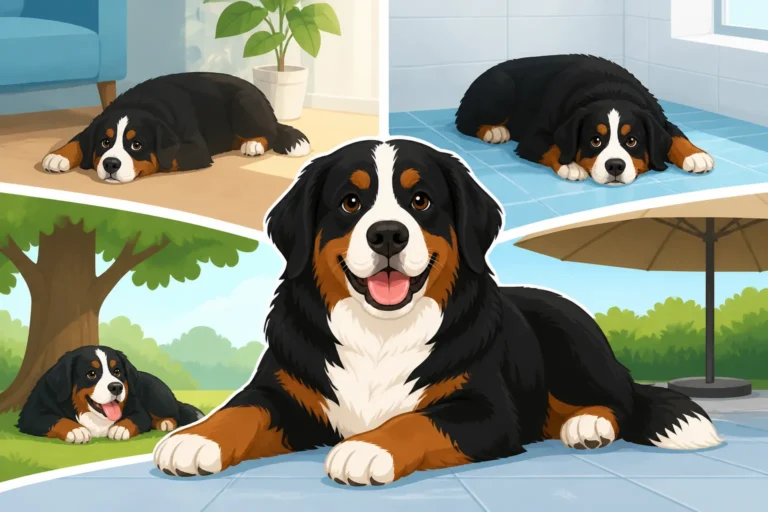
Relying solely on open windows is simply not enough for a Bernese Mountain Dog in many summer climates. Air conditioning is often a necessity, not just a comfort. Designate a specific "cool zone" or room in your house that you can keep consistently chilled. This might be a basement, a room with good air conditioning, or even a bathroom with tiled floors where they can splay out. Close curtains or blinds during the day to block direct sunlight, which can quickly heat a room.
Using fans can help circulate air, but remember that fans primarily cool by promoting evaporation from skin (for humans) or through the moisture in a dog's respiratory tract (via panting). If the air itself is hot, a fan just blows hot air around. It's most effective when used in conjunction with air conditioning or in a cooler room to enhance airflow. Providing access to cool, tiled floors can also be a simple yet effective way for them to dissipate heat from their bodies. Keep their water bowls in this cool zone, too.
Shade a Bernese Mountain Dog Needs in a Yard
Even if your Bernese Mountain Dog primarily spends time indoors during summer, they'll need potty breaks and perhaps a bit of fresh air. Ensuring they have ample, consistent shade in your yard is paramount. A single tree might cast enough shade in the morning, but as the sun moves, that spot can quickly become exposed. You'll need dynamic shade.
This could mean strategically placed shade sails, large patio umbrellas, or a covered porch that provides full shade throughout the day. Crucially, the shaded area needs to be large enough for them to sprawl out comfortably without any part of their body being in direct sunlight. Remember that concrete or asphalt in shaded areas can still retain significant heat, so ensure the ground beneath the shade is also cool, perhaps grass or a designated cool mat. Never leave a Bernese Mountain Dog unsupervised in a yard, even with shade, on a hot day. Their body temperature can rise unexpectedly quickly.
Pavement Temperature and a Bernese Mountain Dog's Pads
The ground itself can be a hidden danger during the summer months. While the air temperature might feel manageable, asphalt, concrete, and even dark-colored patio pavers absorb and retain heat to an alarming degree. On a 77°F (25°C) day, asphalt can reach a scorching 125°F (52°C) – hot enough to cause burns to a dog's paw pads in just one minute. On an 87°F (30°C) day, asphalt can hit 143°F (62°C)!
Always perform the "five-second rule" before taking your Bernese Mountain Dog out: place the back of your hand firmly on the pavement for five seconds. If it's too hot for you to hold comfortably, it's far too hot for your dog's sensitive paw pads. Stick to grassy areas, shaded trails, or avoid walks entirely if the pavement is too hot. Dog booties can offer some protection, but they can also cause overheating if worn for too long in hot weather. Your best bet is to avoid hot surfaces altogether. For more on this critical hazard, check Pavement Temperature and a Bernese Mountain Dog's Pads.
Disclaimer
This article is for general informational purposes only and does not constitute professional advice. Laws, prices and regulations vary by location and change over time. Consult a qualified professional for guidance on your specific situation.