A Bernese Mountain Dog in Snow and Cold
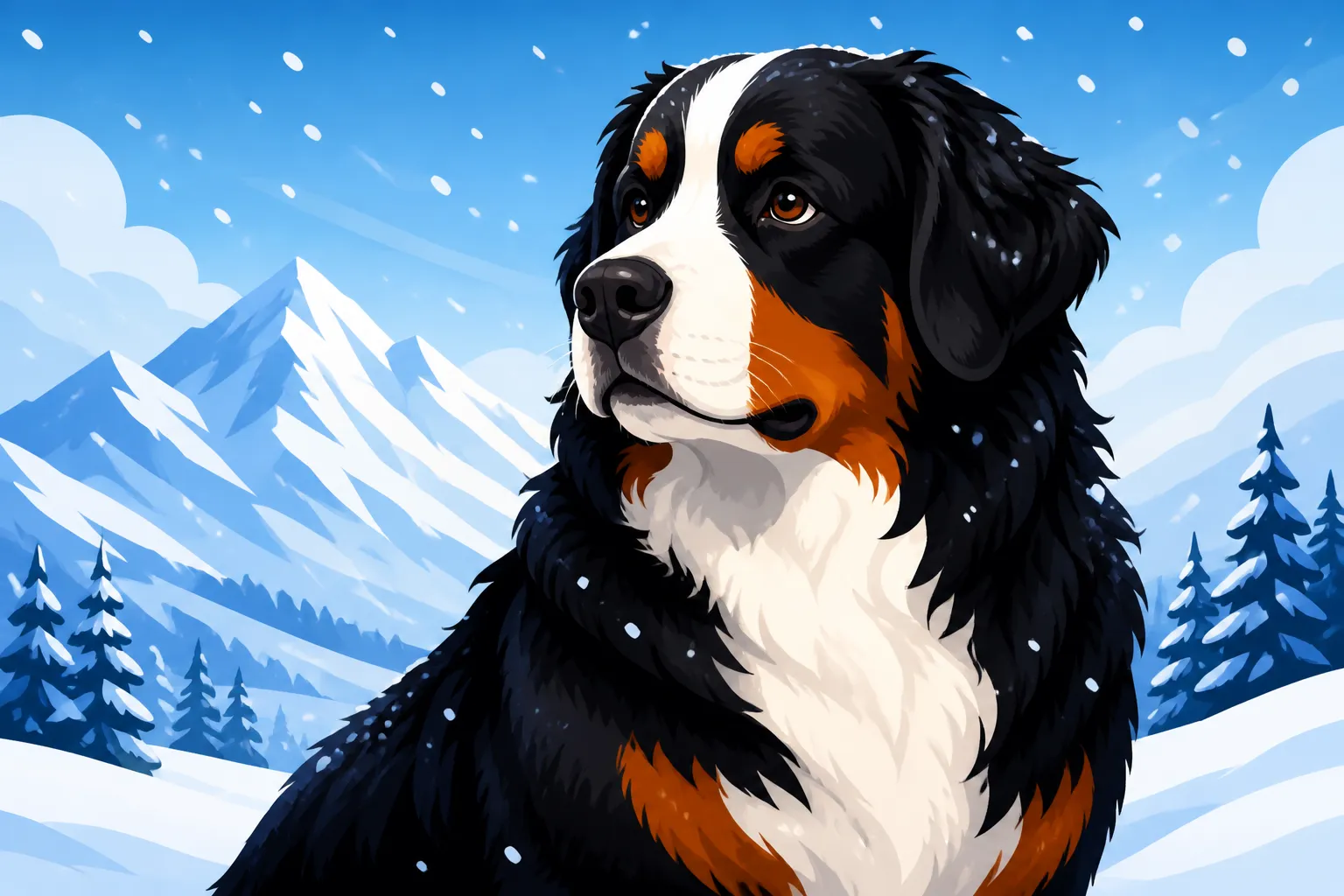
Oh, the sheer joy of watching a Bernese Mountain Dog in a fresh blanket of snow! It’s truly a sight to behold, isn’t it? While we humans are bundling up, scraping ice off windshields, and dreading the frosty bite, our magnificent Berners are often practically vibrating with excitement, ready to dive headfirst into the white fluff. But even with their thick, glorious coats and undeniable love for winter, there's a real art to ensuring their comfort and safety when the temperatures plummet. It's not just about letting them out; it's about thoughtful care that respects their unique heritage while safeguarding them from potential hazards. This guide is all about helping you navigate the snowy season with your Bernese Mountain Dog, keeping them happy, healthy, and safe through those chilly months.
Understanding the Bernese Mountain Dog's Natural Affinity for Cold
It’s no secret that Bernese Mountain Dogs seem to come alive when the mercury drops. They transform from serene house companions into gleeful snow angels, burrowing, rolling, and even "swimming" through drifts. This isn't just a quirk of personality; it's deeply ingrained in their very being, a testament to their origins and physiological makeup.
Their Alpine Heritage and Double Coat
Imagine the Swiss Alps: towering peaks, crisp, biting air, and deep, often relentless snow. This is the ancestral home of the Bernese Mountain Dog. For centuries, these dogs weren't just pets; they were integral working partners on farms, herding cattle, pulling carts, and guarding homesteads through unforgiving winters. Their survival and effectiveness depended entirely on their ability to withstand the cold.
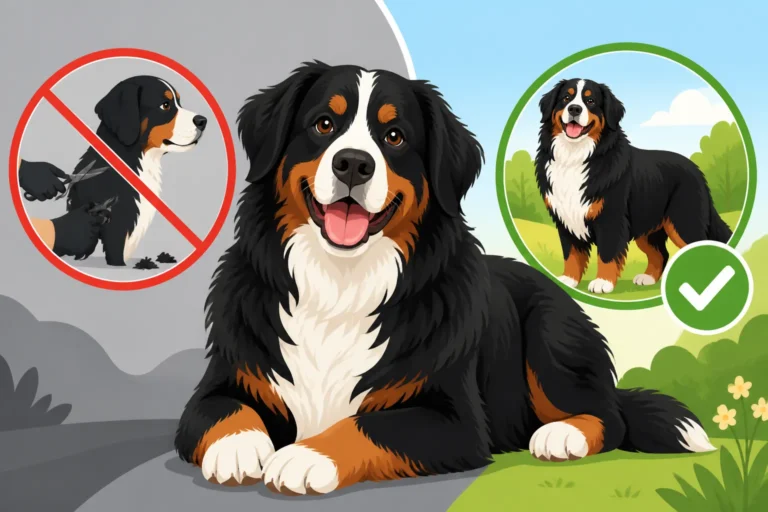
This heritage manifests most obviously in their magnificent double coat. The outer layer consists of long, slightly wavy, protective guard hairs that are coarse and shed water and snow like a dream. Beneath this lies an incredibly dense, soft, woolly undercoat. This undercoat is the true insulating powerhouse, trapping a layer of warm air close to their body, acting like a built-in down jacket. It's incredibly efficient at keeping them warm even in sub-zero temperatures. Trying to comb through that undercoat during shedding season will certainly remind you of its impressive density! It’s a marvel of natural engineering, perfectly evolved for their snowy homeland. Grooming a Bernese Mountain Dog's Long Tricolor Coat covers more on maintaining this splendid coat year-round.
Physiological Adaptations to Cold Climates
Beyond their impressive fur, Bernese Mountain Dogs possess several physiological traits that contribute to their comfort in the cold. Their large body mass-to-surface-area ratio helps them retain heat more effectively than smaller breeds. Think of it like a large thermal mass; once they're warm, they stay warm. Their circulation is also well-adapted, allowing them to regulate blood flow to extremities, keeping vital organs warm without excessive heat loss.
While many dog breeds shiver uncontrollably or seek shelter immediately when it's cold, a Bernese Mountain Dog often exhibits a quiet resilience. They might appear completely unbothered, even in conditions that would send other dogs scurrying indoors. This isn't to say they're impervious to extreme cold or wetness, but their tolerance level is significantly higher than, say, a short-coated breed. It's a key part of understanding Whether a Bernese Mountain Dog Notices the Cold at All. You'll often find them choosing a cold, hard patch of floor or even the snow-covered deck over a warm bed, just to regulate their body temperature more effectively.
Behavioral Cues of Comfort in Winter
Watching a happy Berner in winter is like observing a creature in its true element. Their body language speaks volumes. They might dash outside and immediately drop to their belly, wiggling with delight to make a "snow angel." Many will bury their noses in the snow, sniffing out interesting scents or simply enjoying the sensory experience. Prolonged outdoor play, chasing thrown snowballs, or even just lounging on a snowbank, looking serene and content, are all clear indicators of their comfort.
Conversely, if a Bernese Mountain Dog is truly uncomfortable in the cold – perhaps due to extreme wetness, icy conditions, or being unaccustomed to such temperatures – they might shiver, hold up paws, or try to huddle. These are rare signs in typical winter conditions for a healthy Berner, but it's important to differentiate them from their usual cold-weather exuberance. For most Bernese, the struggle is usually getting them to come back inside from the fun, especially when you're already freezing!
Essential Care Considerations for Bernese Mountain Dogs in Winter
While their natural adaptations are fantastic, they don't negate the need for attentive care from us humans during the colder months. Winter presents unique challenges, and addressing them proactively ensures your Berner stays healthy and happy.
Coat Maintenance for Optimal Insulation
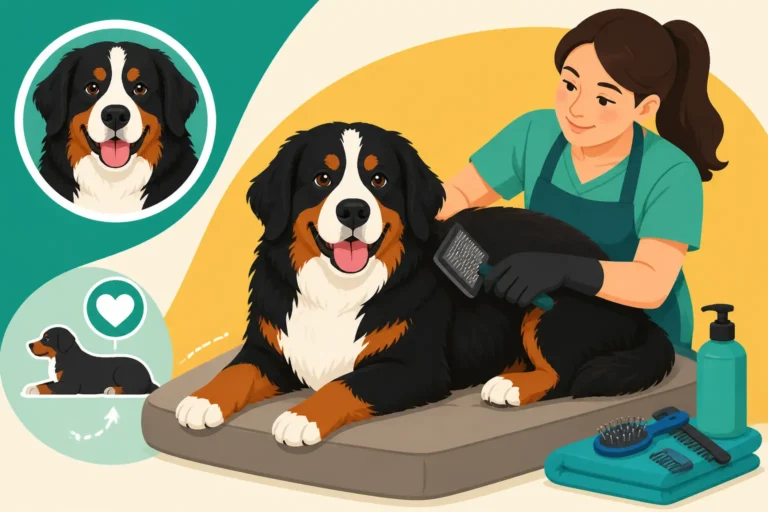
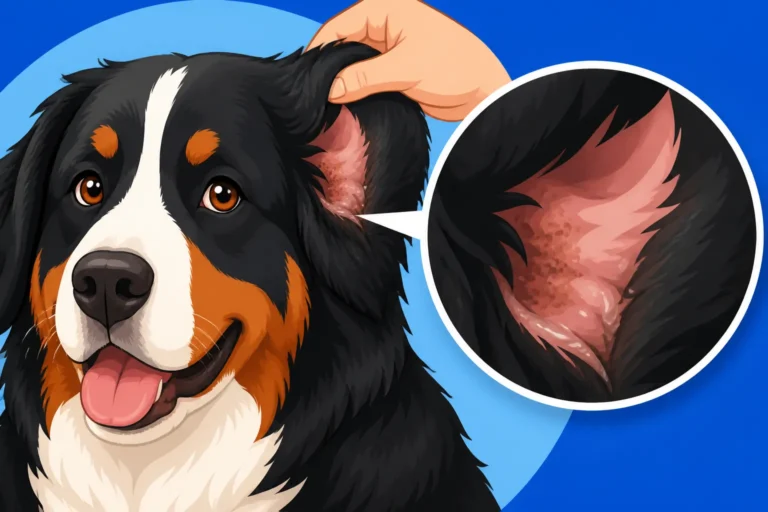
That magnificent double coat, while a boon for warmth, needs specific attention in winter. Snow, ice, and even dry winter air can cause problems if neglected. The dense undercoat can easily mat, especially in areas like behind the ears, armpits, and along the "trousers" on their hind legs. Mats compress the fur, reducing its insulating properties and trapping moisture, which can lead to skin irritation or hot spots. Regular brushing is paramount. A good metal comb and an undercoat rake are your best friends. You'll want to get deep into that undercoat to remove loose hair and prevent tangles. You can find excellent grooming tools on platforms like Chewy or Amazon, making it easier to keep up with their coat demands.
Another common winter woe is "snowballing." For Bernese Mountain Dogs, snow and ice can cling to their long feathering and even their main body coat, forming dense, icy balls that pull at their skin, cause discomfort, and make it hard for them to move. Snow Balling Up in a Bernese Mountain Dog's Coat is a topic many Berner owners know intimately. A quick rubdown with a towel when they come inside can help, and some owners use dog-specific detangling sprays or even a very light, non-toxic conditioner on the feathering to make the snow less likely to stick.
Protecting Paws from Winter Hazards
Our Bernese Mountain Dogs' paws are tough, but they're not indestructible, especially when faced with winter's harsh realities. Ice can be sharp, potentially cutting pads, and extreme cold can lead to chapping or cracking. Far more concerning are road salts and chemical deicers. These substances are corrosive and can cause severe irritation, burning, or even chemical burns on paw pads. When dogs lick their paws after walking on treated surfaces, they can ingest these chemicals, leading to digestive upset or more serious health issues.
It's crucial to wipe your Berner's paws thoroughly after every walk, especially if you suspect they've encountered salted pavements. Warm water and a cloth work well. Many owners also apply paw balms or waxes (like Musher's Secret, readily available on Amazon or Chewy) before walks to create a protective barrier. For those in areas with heavy salting, dog booties can be a lifesaver, though getting a Bernese Mountain Dog to tolerate them can be an amusing challenge! It's all part of dealing with Road Salt Caught in a Bernese Mountain Dog's Feathering.
Nutritional Adjustments for Cold Weather Activity
Does your Bernese Mountain Dog need more food in winter? It depends on their activity level. If your Berner is spending hours romping in the snow, expending significant energy to stay warm and active, they might benefit from a slight increase in their caloric intake. This provides the extra fuel needed for thermoregulation and exercise. However, if your dog is less active in winter, spending more time lounging indoors, increasing food could lead to unwanted weight gain, which is detrimental to their joints.
The key is to observe their body condition. You should be able to feel their ribs easily without seeing them, and they should have a discernible waist. Discuss any dietary changes with your vet. High-quality food is always important, regardless of the season. Brands like Ollie often offer nutrient-dense options that can support a working dog's needs, whether they're pulling a cart or just enjoying vigorous play. Even if they're eating snow, always ensure they have access to fresh, unfrozen water, as hydration is just as important in cold weather. How Much an Adult Bernese Mountain Dog Eats dives deeper into daily feeding guidelines.
Ensuring Safety During Winter Outdoor Activities
Winter can be a wonderland for Bernese Mountain Dogs, but it also hides potential dangers. As responsible owners, we need to be vigilant and implement safety measures to ensure their enjoyment doesn't come at the cost of their well-being.
Recognizing and Preventing Hypothermia and Frostbite
While Bernese Mountain Dogs are exceptionally tolerant of cold, they are not immune to hypothermia (dangerously low body temperature) or frostbite (tissue damage from freezing). These risks increase with extreme cold, prolonged exposure, high winds, or if your dog gets thoroughly wet and cannot dry off or warm up. A healthy, dry Berner actively moving in typical winter conditions is generally safe, but an old, very young, sick, or sedentary dog is more vulnerable. The Temperature a Bernese Mountain Dog Stops Coping helps clarify these limits.
Signs to watch for:
- Hypothermia: Shivering (can be subtle or violent), lethargy, weakness, stiffness, slowed breathing, pale gums, cold to the touch (especially ears and paws).
- Frostbite: Initially, skin might be pale, waxy, or bluish. Later, it can become red, swollen, painful, and blistered. Affected areas might feel cold and hard. Common areas are paw pads, ears, and tail tip.
If you suspect either, bring your dog inside immediately. Wrap them in warm blankets, offer warm (not hot) water, and contact your vet. Prevention is key: don't leave your Berner out indefinitely in extreme weather, especially if they're not actively moving or are wet.
Safe Exercise in Snowy and Icy Conditions
Slippery surfaces are a major concern for large, heavy breeds like Bernese Mountain Dogs. Ice and compacted snow can lead to slips, strains, sprains, or even more serious orthopedic injuries. Walking a Bernese Mountain Dog on Ice can be a perilous undertaking. Always keep your Berner on a leash on icy paths or roads to prevent them from slipping or venturing onto unsafe terrain.
Avoid frozen bodies of water at all costs. What looks like solid ice might be thin and unstable, posing a severe drowning risk. Off-leash areas with deep, powdery snow are generally safer for vigorous play, allowing them to burn energy without the risk of hard impacts on ice. Always check the ground yourself before letting them off-leash in unfamiliar snowy environments.
Visibility and Identification in Winter
With shorter daylight hours and often overcast skies, visibility can be significantly reduced in winter. A large, dark-coated dog like a Bernese Mountain Dog can blend into the evening or snowy landscape, making them hard to spot by drivers, cyclists, or even other pedestrians.
Invest in reflective gear for both you and your dog. Collars, harnesses, leashes, and even vests with reflective strips can make a huge difference in low-light conditions. Small LED clip-on lights, easily found on Amazon or Chewy, can also be attached to their collar for extra visibility. Always ensure your dog's ID tags are current and legible, and consider microchipping if you haven't already. Snowfall can obscure familiar landmarks, and a disoriented dog might wander further than usual.
Providing a Comfortable Indoor Environment
While our Berners revel in the cold outdoors, they also need a cozy, dry, and safe indoor sanctuary. The transition from frosty outside to warm inside, and vice versa, needs management to ensure their overall well-being.
Balancing Indoor Warmth with Their Preference
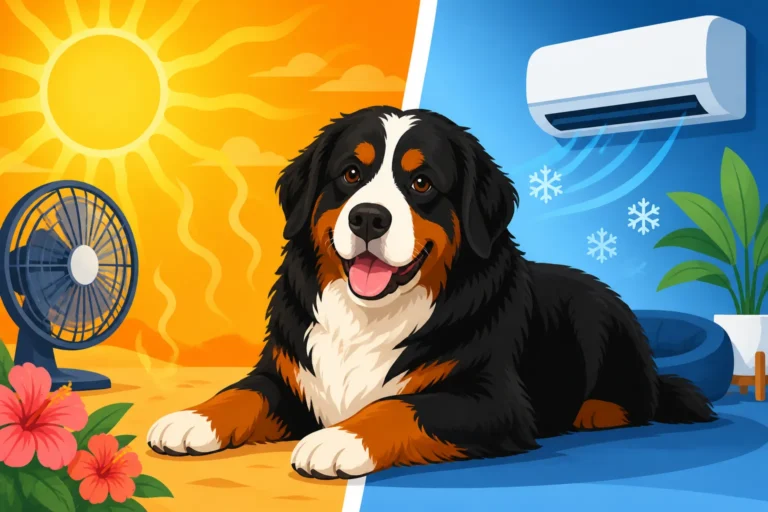
Here’s the thing: your Bernese Mountain Dog might appreciate a warm couch for a nap, but they often don't want your house to be tropical. Their internal thermostat is set to "cool." If your home is kept very warm, you might notice your Berner seeking out cool tile floors, lying near doors, or even nudging their way to the coldest corner of the room. This is them trying to regulate their body temperature. Keeping a Room Cool Enough for a Bernese Mountain Dog can be a constant negotiation in many households.
Provide them with options. While a plush dog bed is lovely, also ensure they have access to cooler spots in the house. A strategically placed fan can offer some relief, even in winter, if your heating system runs high. Don't be surprised if they prefer to sleep with their nose buried in a frosty windowpane or sprawl out on the coldest patch of linoleum.
Managing Melted Snow and Wet Paws
The joy of a snowy romp inevitably leads to the reality of melting snow, wet paws, and often, muddy tracks trailing through your house. It's a classic Berner owner struggle! Having a dedicated "mudroom" or entry area equipped with old towels, absorbent mats, and maybe even a dog shower or foot bath is invaluable.
Teach your Bernese Mountain Dog a "wait" cue at the door so you can dry them off before they trek through the house. Pay special attention to their paws, belly, and the long feathering on their legs, as these areas collect the most snow, ice, and road grime. Cleaning a Bernese Mountain Dog's Face Folds is a good habit to keep up with, though often less critical than paw care in winter. Placing heavy-duty, washable runners or mats in high-traffic areas can also help contain the mess and protect your flooring.
Preventing Dry Skin and Static Electricity
Indoor heating, while comforting for us, can zap the moisture from the air, leading to dry skin and static electricity for our dogs. You might notice your Berner scratching more or experience little static shocks when you pet them. This can be uncomfortable and lead to flakiness or irritation of their skin.
A humidifier in the rooms where your dog spends most of their time can help add moisture back into the air. Certain shampoos and conditioners formulated for moisturizing or anti-static properties can also make a difference during baths. Ensure their diet includes healthy fats, like omega-3 and omega-6 fatty acids, which contribute to skin and coat health. Many quality dog foods, including some offered by Ollie, incorporate these. If the dryness persists or worsens, a vet visit might be in order to rule out other dermatological issues.
Winter Fun and Activities for Your Bernese Mountain Dog
Winter isn't just about managing challenges; it's a season of immense fun and unique opportunities for bonding with your Bernese Mountain Dog. Embrace the chill and discover new ways to enjoy the season together!
Embracing Snow Play and Winter Sports
For many Berners, snow is the ultimate toy. They love to plunge their faces into deep drifts, "swim" through fresh powder, and dig with wild abandon. Throwing snowballs can become an instant game of chase, though remember to throw soft snow rather than icy chunks. Just watching them roll around with sheer delight is often entertainment enough!
Beyond simple play, Bernese Mountain Dogs, with their strength and love for pulling, are excellent candidates for winter sports like skijoring (where your dog pulls you on skis) or recreational sledding/carting. If you're interested in structured activities, look for local draft clubs. Backpacking With a Bernese Mountain Dog might focus on summer activities, but the principle of working and carrying weight is certainly applicable to winter draft work. Always ensure your dog is properly conditioned, wears a comfortable, purpose-built harness, and that the activity is safe for their joints and age. Start slow and build up gradually.
Socializing and Mental Stimulation in Colder Months
While outdoor adventures are fantastic, some days might be too cold, too icy, or simply too short for extended outdoor time. It's important to keep your Bernese Mountain Dog mentally stimulated during these periods. Boredom can lead to destructive behaviors, even in an otherwise well-behaved Berner.
Indoor games, like hide-and-seek with treats or toys, can be great fun. Puzzle toys, which require your dog to figure out how to get a treat, are excellent for mental enrichment. Practice new tricks or refine existing obedience commands. Even setting up an indoor agility course with pillows and blankets can provide some physical and mental exercise. Regular short training sessions can keep their minds engaged and prevent cabin fever. Sometimes, Training a Bernese Mountain Dog Indoors in Summer offers insights that are equally relevant for cold winter days when outdoor training isn't feasible. You can find a wide variety of interactive toys and training aids on Chewy or Amazon.
Traveling with Your Bernese Mountain Dog in Winter
Winter travel with a Bernese Mountain Dog requires careful planning. Whether it's a short drive to the vet or a longer trip to visit family, their comfort and safety are paramount.
Car Travel: Ensure your car is warm enough for them when you start but remember they'll warm up quickly with their coat. Provide ample space for them to lie down comfortably, preferably in a secure crate or with a safety harness and seatbelt attachment. Blankets can offer warmth and a familiar scent. Be mindful of extreme temperature changes if you make stops; never leave your dog unattended in a cold car.
Winter Road Trips: Pack an emergency kit including extra blankets, a shovel, food, water, and any medications your dog needs. Check weather forecasts and road conditions before you go. Consider pet-friendly accommodations if you're staying overnight. While Whether an Airline Will Carry a Bernese Mountain Dog addresses air travel specifically, it highlights the general complexity and planning needed for traveling with a large dog, which extends to winter road trips. Keep their paws clean and dry during rest stops, and offer opportunities for them to relieve themselves in safe, cleared areas.
| Winter Concern | Solution | Why it Helps |
|---|---|---|
| Matted Coat | Regular deep brushing with rake & comb | Prevents tangles, maintains insulation, reduces skin issues. |
| Snowballing Fur | Apply paw balm/conditioner to feathering, towel dry vigorously | Reduces snow adherence, prevents discomfort and tugging on skin. |
| Paw Pad Irritation | Wipe paws after walks, use paw balm/booties | Protects from salt, chemicals, ice; prevents cracking and chemical burns. |
| Hypothermia/Frostbite | Monitor exposure, limit extreme cold/wet, provide shelter | Prevents dangerous drops in body temperature and tissue damage. |
| Slipping on Ice | Leash control, avoid icy surfaces, careful footing | Prevents strains, sprains, and other orthopedic injuries to joints. |
| Low Visibility | Reflective gear, LED lights, updated ID | Increases dog's visibility to others, aids in recovery if lost. |
| Dry Skin/Static | Humidifier, moisturizing shampoo, omega supplements | Restores skin moisture, reduces itching and static shocks. |
| Boredom/Cabin Fever | Indoor games, puzzle toys, training sessions | Provides mental stimulation, prevents destructive behaviors. |
Disclaimer
This article is for general informational purposes only and does not constitute professional advice. Laws, prices and regulations vary by location and change over time. Consult a qualified professional for guidance on your specific situation.