Mats in a Bernese Mountain Dog’s Ruff
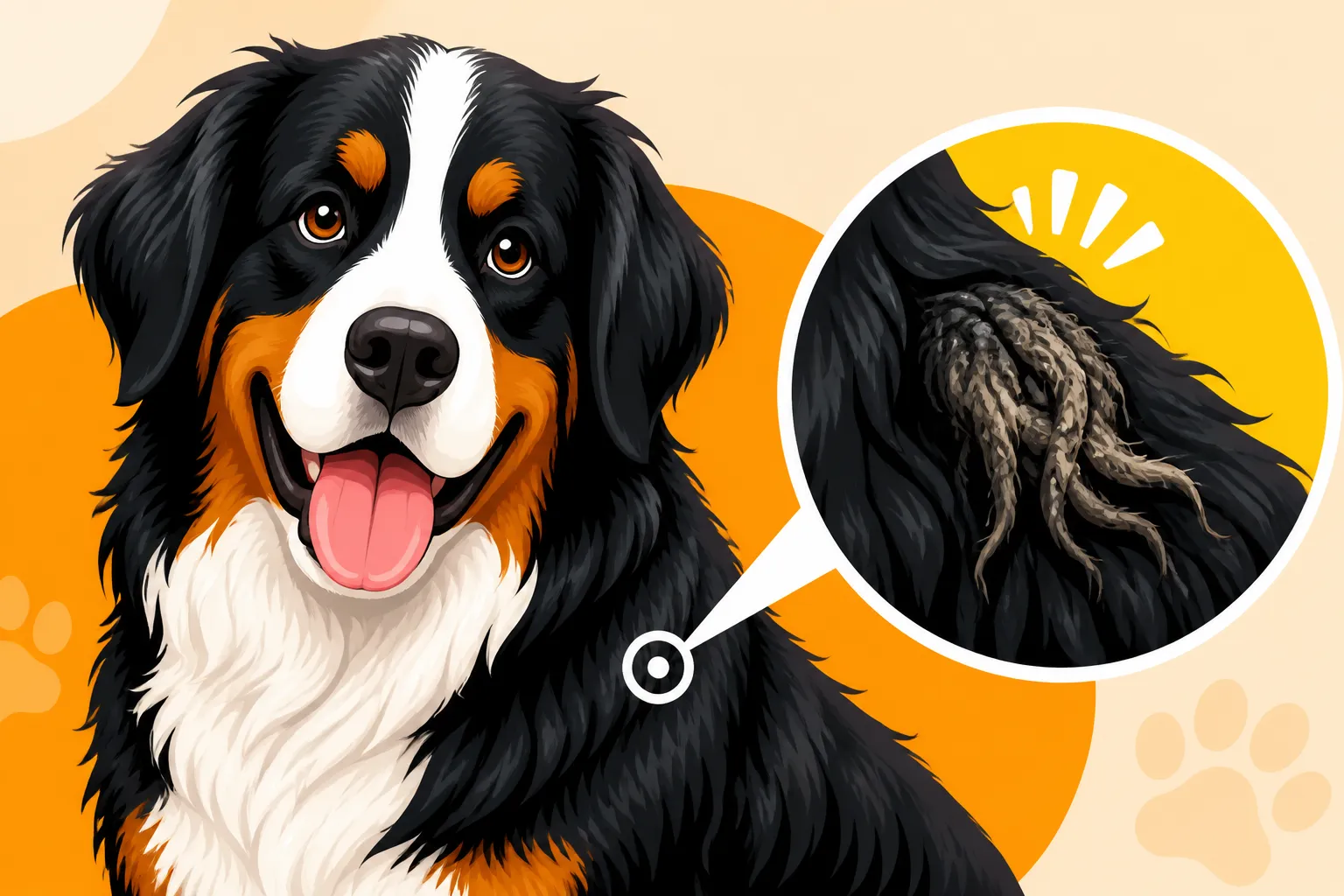
If you're a Bernese Mountain Dog owner, you know that magnificent ruff of hair around their neck and chest is part of their charm. But you also know the frustration – and sometimes, heartbreak – of discovering tangled, felted mats hidden within that glorious coat. These mats aren't just unsightly; they can be incredibly painful for your dog and lead to skin issues if left unchecked. This guide is here to walk you through why those mats form in your Berner's ruff, and, more importantly, how to prevent and safely manage them.
The Unique Challenge of Mats in a Bernese Mountain Dog's Ruff
The Bernese Mountain Dog's coat is a thing of beauty, built by nature for the cold, mountainous regions of Switzerland. But what makes it so striking also makes it a magnet for mats, especially around the neck and chest, forming that impressive "ruff." Understanding the structure of this coat and the daily activities that challenge it is the first step toward keeping your Berner comfortable and mat-free.
Understanding the Bernese Mountain Dog's Double Coat
A Bernese Mountain Dog's coat isn't just one layer; it's a dense, insulating double coat designed to protect them from harsh weather. You have the longer, somewhat coarser outer guard hairs, which are water-resistant and give the coat its texture and color. Beneath that lies a thick, soft, woolly undercoat, which provides incredible insulation. This undercoat is what sheds seasonally and, if not properly managed, can quickly become compacted and tangled.
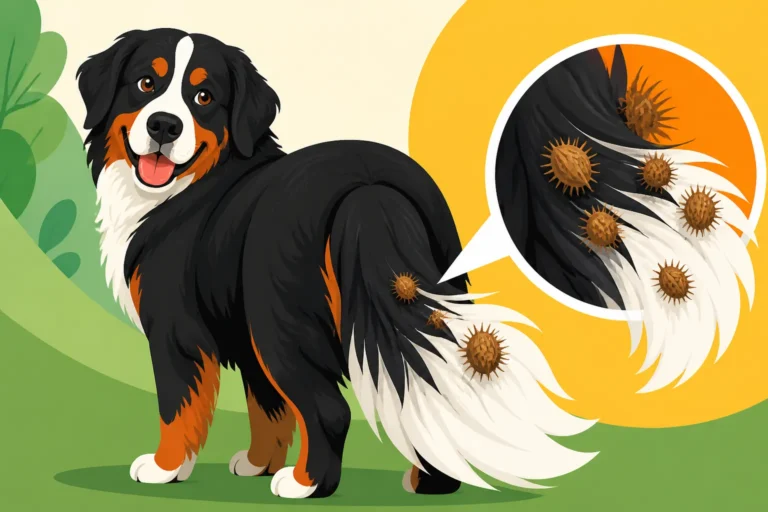
The ruff, in particular, is an area where these two types of hair intertwine extensively. It's a high-friction zone, constantly moving as your dog lowers their head to eat, plays with toys, or simply stretches. The natural length and density of the hair here mean that shed undercoat gets trapped within the longer guard hairs. Without regular removal, this trapped hair quickly binds together, forming tight, felt-like mats that can pull on the skin. It’s a constant battle, but a manageable one with the right knowledge and tools. For a broader understanding of your dog's magnificent fur, take a look at our guide on Grooming a Bernese Mountain Dog's Long Tricolor Coat.
Common Causes of Ruff Matting
Beyond the natural tendency of a double coat to mat, several everyday factors contribute significantly to mat formation in your Bernese Mountain Dog's ruff. One of the biggest culprits is friction from collars and harnesses. If your Berner wears a collar or harness regularly, especially one that isn't perfectly fitted or is made of a rough material, it constantly rubs against the hair in the ruff area. This friction causes the hairs to tangle and felt, compressing the undercoat and creating mats right where the collar sits. Think about how your own hair gets tangled under a backpack strap – it's similar for your Berner.
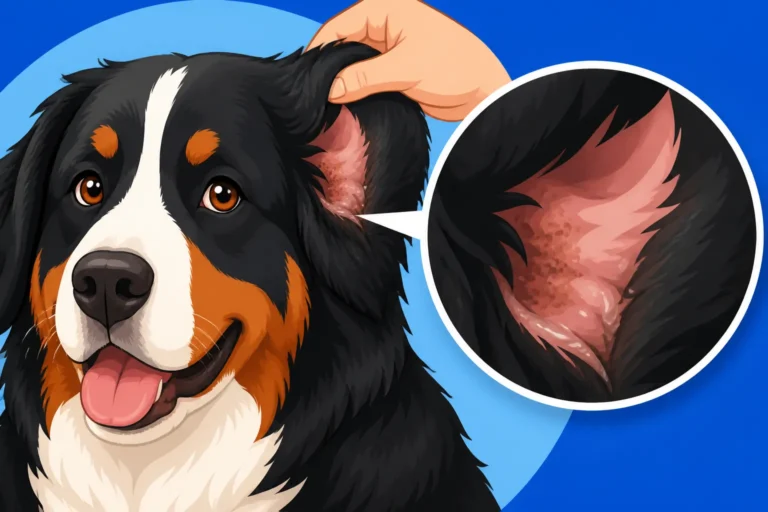
Moisture is another huge factor. Bernese Mountain Dogs love to play in water, roll in damp grass, or simply get wet during a bath. While their outer coat is somewhat water-repellent, if the undercoat gets saturated and isn't thoroughly dried, it creates a perfect environment for matting. The damp hairs clump together and, as they dry, tighten into painful knots. Even drool or simply high humidity can contribute to this problem, especially if your dog tends to lean their head against things or has a bit of a damp beard. Regularly checking behind the ears and around the neck is crucial, as this is also a prime spot for mats to start, often unnoticed, similar to The Felt That Forms Behind a Bernese Mountain Dog's Ear.
Your Arsenal for Preventing Ruff Mats
Preventing mats is always easier, and far less painful, than removing them. Equipping yourself with the right tools and establishing a consistent grooming routine specifically tailored to your Bernese Mountain Dog's majestic ruff will make all the difference. This isn't just about aesthetics; it's about your dog's comfort and skin health.
Essential Tools for Bernese Mountain Dog Grooming
To effectively combat mats, you'll need more than just a generic dog brush. A good grooming kit for a Bernese Mountain Dog includes several specialized tools. First, a high-quality pin brush is excellent for general brushing and getting through the outer coat without pulling. Following that, a slicker brush with fine, bent wire bristles is crucial for teasing out smaller tangles and removing loose undercoat.
However, the real hero for a double-coated breed like the Berner is the undercoat rake. This tool is designed to reach deep into the undercoat, pulling out shed hair before it has a chance to clump and mat. Look for one with rotating teeth, which can be gentler on the skin. You'll also want a wide-toothed metal comb for checking your work and ensuring you've brushed all the way to the skin. Finally, a good detangling spray or conditioning spray is invaluable. You can often find these specialized tools, along with high-quality conditioners, at pet supply retailers like Chewy or on large online marketplaces such as Amazon. Investing in quality tools will save you time and your dog discomfort in the long run. To learn more about getting that undercoat out, read our dedicated article on Brushing Out a Bernese Mountain Dog's Undercoat.
Developing a Regular Grooming Routine for the Ruff
Consistency is paramount when it comes to preventing mats in your Bernese Mountain Dog's ruff. Ideally, you should aim for a quick brush-through of the ruff area daily, or at least every other day. This isn't a full grooming session; it's a targeted effort to remove any loose hair before it has a chance to knot. During these mini-sessions, pay close attention to the areas where collars or harnesses sit, and behind the ears, as these are common problem spots.
When grooming the ruff, use a technique called "line brushing." This involves parting the hair in small sections and brushing from the skin outwards, systematically working your way through the entire area. Don't just brush the top layer of hair; mats form closest to the skin, so you need to ensure your brush reaches all the way down. After a bath or any wet outdoor adventure, make sure your Berner's coat, especially the ruff, is completely dry. A force dryer can be a game-changer for this, pushing water out of the dense undercoat efficiently. Never let a damp Berner air dry if you can help it, as this invites matting. For more tips on overall coat management, check out How Often a Bernese Mountain Dog Should Be Brushed and How Long a Wet Bernese Mountain Dog Takes to Dry.
Tackling Existing Mats: Gentle Removal and Professional Help
Even with the most diligent prevention, sometimes a mat or two can sneak into that thick Bernese Mountain Dog ruff. The key is to address them quickly and correctly to avoid causing your dog pain or damaging their skin. Knowing when to handle it yourself and when to call in the professionals is vital.
Differentiating Minor Tangles from Severe Matting
Before you grab any tools, take a moment to assess the mat. Is it a small, loose tangle that you can easily feel with your fingers, sitting mostly on the outer layer of hair? Or is it a tight, dense mat that's pulled right against the skin, perhaps even causing the skin to pucker? Small, superficial tangles are often manageable at home with patience and the right products. However, large, tight, or multiple mats, especially those that feel hard and close to the skin, are a different story. These can be incredibly painful to remove and hide underlying skin irritation or infection. If you're unsure, it's always safer to err on the side of caution.
Here’s a quick guide to help you assess the severity:
| Mat Severity Level | Description | DIY Approach | Professional Help Recommended |
|---|---|---|---|
| Level 1: Minor | Small, loose tangle on outer coat; easily separated by fingers. | Yes, with detangling spray and wide-tooth comb. | No |
| Level 2: Moderate | Slightly larger, deeper tangle; can feel a slight pull on skin; still somewhat pliable. | Yes, with extreme patience, detangling spray, and specialized tools. | Consult if unsure or dog is sensitive |
| Level 3: Severe | Large, dense, tight mat pulling skin; feels hard and unyielding; difficult to get fingers under. | No. High risk of pain, injury, or skin damage. | Absolutely yes |
| Level 4: Extreme | Multiple widespread, severe mats; coat appears felted or solid; dog shows discomfort. | No. Immediate professional intervention needed. | Essential |
A Gentle Approach to Dematting Small, Loose Mats at Home
For those minor, Level 1 or 2 tangles, you can attempt removal at home, but remember: patience is your best friend. Gather your detangling spray, a wide-toothed comb, a slicker brush, and plenty of high-value treats. Find a calm, comfortable spot where your Berner feels relaxed. Start by spraying the mat generously with detangling spray; let it soak in for a few minutes. Then, using your fingers, gently try to pull apart the edges of the mat.
Once you’ve loosened the mat a bit, use the wide-toothed comb to gently pick at the very ends of the mat, working your way towards the skin. Always hold the hair closest to the skin to minimize pulling on your dog's skin. This is called "anchor brushing." Work in tiny sections, patiently teasing out individual strands. Once it's loosened, you can follow with a slicker brush. Never, ever use scissors to cut out a mat unless you are absolutely certain of where the skin is, which is incredibly difficult with a tight mat. It's shockingly easy to cut your dog's skin, especially in a loose area like the ruff. If you absolutely must, slide a comb between the mat and the skin first, and cut above the comb, parallel to the skin, never pointing scissors towards the dog. However, for safety, it's generally best to avoid scissors altogether for this task. It’s far better to consider The Case for Leaving a Bernese Mountain Dog Untrimmed rather than risking injury.
When to Seek Professional Grooming Assistance
If you encounter Level 3 or 4 matting, or even a Level 2 mat that your dog is clearly uncomfortable with, it's time to call a professional groomer. Attempting to demat severe tangles at home can be agonizing for your Bernese Mountain Dog, leading to a fear of grooming and potentially causing skin abrasions, infections, or hematomas. A professional groomer has specialized tools, techniques, and experience with heavily matted coats. They understand canine anatomy and skin, and they can often demat more safely and with less stress for your dog.
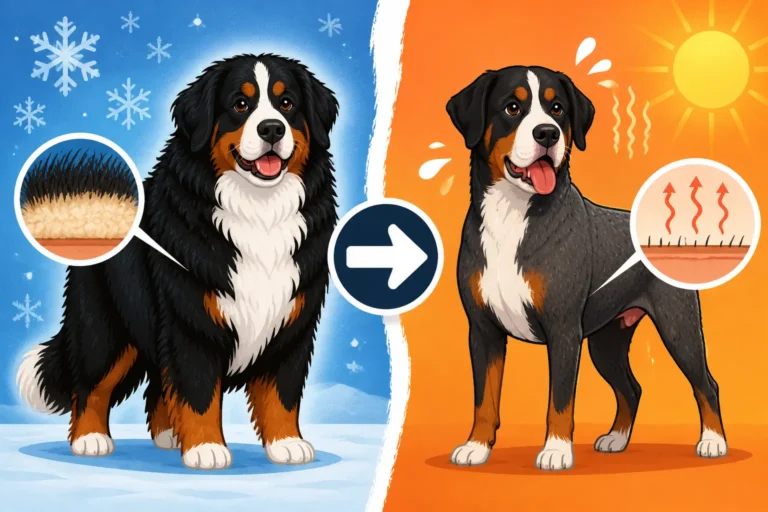
In many cases of severe matting, the kindest and most humane option is a "comfort clip" or full shave down. While it can be upsetting to see your beautiful Berner without their flowing coat, removing tight mats this way instantly relieves them of pain and allows their skin to breathe and heal. Remember, What Shaving Does to a Bernese Mountain Dog's Insulation is a temporary concern; their coat will grow back, but their comfort and health are paramount. When choosing a groomer, ensure they have experience with giant, double-coated breeds and understand the specific needs of a Bernese Mountain Dog. Don't be afraid to ask questions about their dematting philosophy and methods.
Maintaining Overall Coat Health
Preventing mats isn't just about brushing; it's about a holistic approach to your Bernese Mountain Dog's well-being. A healthy dog often has a healthy coat, and external factors like collars and environmental conditions play a significant role in preventing those dreaded ruff mats. By addressing these aspects, you can support a lustrous, mat-free coat from the inside out and the outside in.
The Role of Diet and Supplements
What goes into your Bernese Mountain Dog's body directly impacts the quality and health of their coat. A high-quality diet rich in easily digestible proteins, healthy fats, and essential vitamins and minerals is foundational. Look for dog foods where meat is the first ingredient and avoid excessive fillers. A healthy diet contributes to strong hair follicles, less shedding of weak hair, and a natural sheen that makes the coat easier to brush and less prone to breakage and matting. Some owners opt for fresh food options, such as those offered by services like Ollie, to ensure their dogs are getting optimal nutrition.
Beyond a balanced diet, certain supplements can significantly boost coat health. Omega-3 and Omega-6 fatty acids, particularly from sources like fish oil or salmon oil, are renowned for their benefits. These essential fatty acids nourish the skin and hair, reducing dryness, promoting a healthy shine, and making the coat more resilient and less prone to matting. You can easily find these supplements at pet stores or online retailers like Chewy and Amazon. Always consult your vet before adding any new supplements to your dog's regimen, especially to understand Whether Omega Oils Do Anything for a Berner's Coat.
Smart Choices for Collars, Harnesses, and Environment
Since collars and harnesses are major contributors to ruff matting, making smart choices here can go a long way. Opt for flat, wide collars made of smooth, soft materials like nylon or rolled leather, rather than abrasive chain or rope collars. For everyday wear, consider a harness that distributes pressure away from the ruff area, or one designed with smooth, broad straps. Even better, if your dog doesn't need to wear a collar 24/7, take it off when they're safely at home. Regularly rotate harnesses or check the fit to prevent constant rubbing in one spot.
Environmental factors are also key. Bernese Mountain Dogs love the outdoors, but dampness is a matting enemy. After walks in the rain or snow, or after a swim, ensure you thoroughly dry your Berner, paying special attention to the dense ruff. A high-velocity force dryer is incredibly effective for this, as simply towel-drying often leaves the undercoat damp. In humid climates, more frequent brushing might be necessary. Providing shade and keeping your Berner cool in warmer weather can also help prevent excessive shedding that can lead to mats. Remember, keeping your dog comfortable year-round, as discussed in Getting a Bernese Mountain Dog Through Summer, is part of overall coat health. Regular checks, especially after outdoor adventures, will help you catch any budding tangles before they become full-blown mats.
Disclaimer
This article is for general informational purposes only and does not constitute professional advice. Laws, prices and regulations vary by location and change over time. Consult a qualified professional for guidance on your specific situation.