When a Bernese Mountain Dog Fills Out
It’s a truly magical experience watching a Bernese Mountain Dog puppy grow, isn't it? One day they’re a fluffy, clumsy bundle, and the next you’re wondering when exactly they’ll stop looking like a giant teenager and start looking like the majestic, sturdy adult Berner you envisioned. Many new owners feel a mix of excitement and perhaps a little impatience, eagerly anticipating that signature "filled out" look. This guide is here to walk you through the fascinating, often slow, journey of your Bernese Mountain Dog’s physical maturation, helping you understand what to expect and when.
The Marathon, Not a Sprint: Understanding Your Berner's Growth Journey
Bringing home a Bernese Mountain Dog puppy means committing to a long-term growth project. Unlike smaller breeds that seem to hit their adult size in a flash, Berners take their sweet time. This isn't a race to see how big they can get, but a marathon where steady, healthy development is the ultimate goal. Understanding this fundamental difference will save you a lot of worry and ensure you’re supporting your giant breed puppy correctly from day one.
Early Puppyhood: Rapid Changes and Delicate Bones
During those first few months, it feels like your Berner is growing before your very eyes. They pack on pounds and inches at an incredible rate, often shocking first-time giant breed owners. This rapid growth phase, typically from 8 weeks to about 6-8 months, is crucial. Their bones are elongating quickly, and their joints are still very soft and vulnerable. It’s a delicate balance, as they need proper nutrition to fuel this growth, but too much, too fast, can lead to serious orthopedic problems down the line. We all want our pups to be big and strong, but pushing them to grow faster than their genetics intend can be detrimental. Remember, their skeletal system is literally stretching out, and proper care during this time sets the foundation for their adult health.
It's tempting to encourage boundless play, but this rapid growth period also means their bodies aren't built for high-impact activities. Long walks, jumping off furniture, or intense wrestling with adult dogs can put undue stress on their developing joints. Think about your puppy’s playtime more as short, frequent bursts of fun rather than prolonged, strenuous activity. Many experienced Berner owners adhere to the "five-minute rule," where puppies get about five minutes of structured exercise per month of age. So, a four-month-old pup would get roughly 20 minutes of walking a day, broken into shorter stints. This seems like very little for such an active breed, but it's key to protecting those fragile growth plates.
The Awkward Adolescent Phase
Just like human teenagers, Bernese Mountain Dogs go through an undeniably awkward adolescent phase. They might shoot up in height, looking gangly and disproportionate, with huge paws that seem to belong to another dog. This typically happens between 8 months and 18 months, though it can vary. They might look like they're all legs, with a narrower chest and a coat that hasn’t quite achieved its full plushness. It’s a phase that tests patience, as you might feel like your Berner is never going to truly "fill out" and get that iconic broad, powerful look. Don't worry, this is entirely normal! Their skeletal frame is still setting, and their muscles and soft tissues are playing catch-up.
During this time, their energy levels might be through the roof, yet their coordination can sometimes be comically poor. They might trip over their own feet, misjudge distances, or clumsily bump into things. This is simply a byproduct of their rapidly changing body dimensions. Keep their environment safe, and continue to provide appropriate, moderate exercise. This isn't the time for competitive agility or marathon runs. Their minds are also developing, sometimes leading to a bit of adolescent "selective hearing" or pushing boundaries, but physically, they are still very much a work in progress. It's a stage where their true temperament often starts to shine through, even if their physical form is still a bit discombobulated.
Slow and Steady Wins the Race: Why Berner Growth is Unique
What makes a Bernese Mountain Dog's growth so distinct is its slow, protracted nature compared to many other breeds. While they may reach their full height around 12-18 months, the process of truly "filling out" with muscle, chest breadth, and coat density can extend well into their second and even third year. This isn't a fault; it's a characteristic of giant breeds. Their large frame needs time to solidify, for ligaments and tendons to strengthen, and for their extensive muscle mass to develop properly. How Fast a Bernese Mountain Dog Puppy Should Grow is a common concern for new owners, but slow growth is actually beneficial for these big dogs.
This gradual maturation is part of their inherent design. They were bred for strength and endurance in the Swiss Alps, not for rapid, flashy growth. Rushing this process can lead to long-term issues like hip and elbow dysplasia, which are unfortunately common in the breed. Patience really is a virtue when owning a Berner. You're not just waiting for them to reach a certain size; you're waiting for their entire skeletal and muscular system to mature into a robust, healthy adult structure. Think of it as building a grand old house – you want a strong foundation and solid framing before you add all the finishing touches.
More Than Just Tall: What "Filling Out" Truly Means for a Bernese Mountain Dog
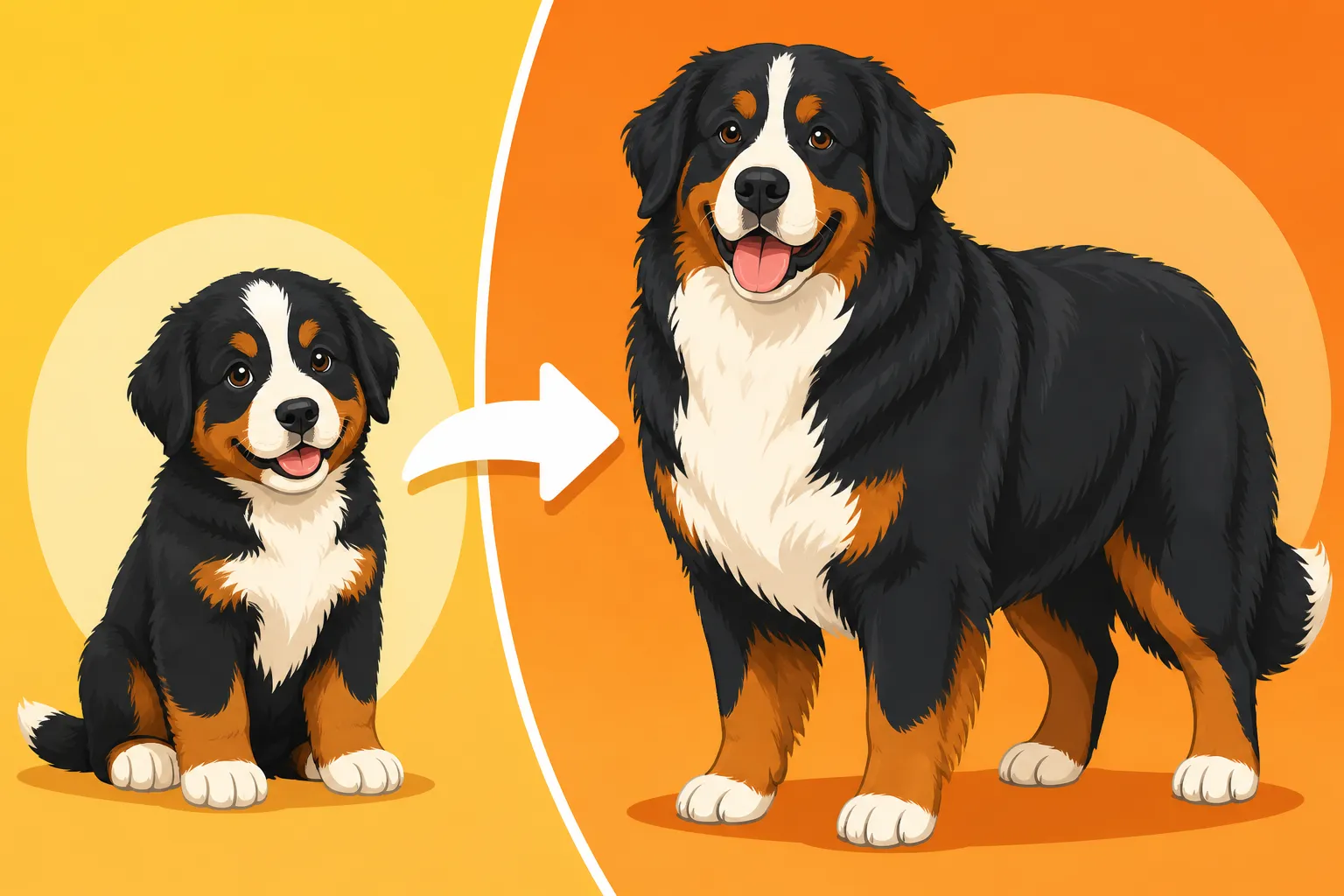
When we talk about a Bernese Mountain Dog "filling out," it's about much more than just reaching their adult height and weight. It's about achieving that quintessential Berner silhouette: the broad chest, powerful musculature, and magnificent double coat that makes them so instantly recognizable and beloved. This transformation is a gradual art, not a sudden snap.
Developing that Signature Broad Chest and Musculature
The broad, deep chest is a hallmark of the Bernese Mountain Dog breed standard, conveying power and endurance. While puppies will have a more narrow, shallow chest, you’ll notice it beginning to deepen and widen as they move past their first birthday. This process is often most noticeable between 18 months and 3 years of age. Their shoulders will broaden, their ribs will spring out more, and they’ll develop a powerful, muscular appearance across their back and hindquarters. This isn't just cosmetic; it's a sign of a strong, healthy dog. The age a Bernese Mountain Dog stops growing up in terms of height is typically around 12-18 months, but the horizontal growth and muscle development continue much longer.
This isn't just about gaining fat, but about muscle development. Proper, consistent, moderate exercise during their adolescent years is crucial for building this musculature without overstressing their joints. Swimming, hiking on soft terrain, and controlled leash walks are excellent ways to encourage healthy muscle growth. You'll literally see them transform from a lanky teen into a more blocky, powerful adult. Their neck will thicken, their head will seem to settle onto their shoulders, and their overall presence will become much more substantial. This development is key to their ability to perform historical tasks like drafting or simply enjoying a long, comfortable life alongside you.
The Coat's Grand Entrance: From Puppy Fluff to Majestic Double Coat
Ah, the Bernese coat! The fluffy, soft puppy coat is adorable, but it's a far cry from the dense, weather-resistant double coat of an adult Berner. The "filling out" process also applies significantly to their fur. You'll notice the puppy fluff gradually being replaced by a coarser outer coat and a thick, woolly undercoat. This transition can take well over a year, with the coat often not reaching its full length, density, and majestic feathering until they are two, or even three, years old. The long feathering on their legs, tail, and chest takes time to grow in properly.
This magnificent coat is not just for looks; it's functional. It provided protection in the harsh Swiss mountain climate, offering insulation against cold and a degree of water resistance. As your Berner matures, you’ll see the true beauty of their tricolor markings deepen in contrast, and the black, rust, and white become richer. You'll also notice the shedding increases significantly when that adult undercoat comes in, particularly during seasonal changes. Regular brushing, using tools like a good rake and slicker brush (which you can often find on Amazon or Chewy), becomes even more important to manage the shedding and prevent matting. Brushing Out a Bernese Mountain Dog's Undercoat is essential for maintaining a healthy, beautiful coat.
Head, Face, and Expression: The Subtle Maturation
Beyond their body and coat, even a Bernese Mountain Dog's head and facial expression "fill out" as they mature. Puppy faces are endearing, but they often lack the gravitas and wisdom that develops with age. As your Berner moves into adulthood, their muzzle might broaden slightly, their skull might appear more substantial, and their eyes, which were once perhaps a bit wide and innocent, will settle into that intelligent, gentle, yet observant expression characteristic of the breed. This subtle shift in facial structure gives them a more mature and noble appearance.
The "Swiss cross" or blaze on their face, and the specific placement of their rust markings around their eyes and cheeks, become more defined. This contributes to their overall expressive quality. You might notice that their head seems to "grow into" their body more, losing that slightly disproportionate look they can have as adolescents. This isn't something that happens overnight but is a gradual change, reinforcing the idea that your Berner is truly maturing into their intended form. It's often one of those things you don't fully appreciate until you look back at puppy photos and see how much they've changed.
Nurturing Their Full Potential: Nutrition and Exercise for a Growing Berner
Proper care during this lengthy growth period is paramount. You have a direct hand in how well your Bernese Mountain Dog "fills out" and, more importantly, how healthy their joints and overall body will be for their adult life. It's about providing the right building blocks and allowing their body to develop at its natural, healthy pace.
The Critical Role of Diet in Bone and Joint Health
Feeding a giant breed puppy isn't the same as feeding a smaller dog. The biggest mistake an owner can make is trying to make their Berner grow faster by overfeeding or choosing a diet with inappropriate calcium and phosphorus levels. Why a Bernese Mountain Dog Puppy Needs Controlled Calcium is a crucial topic. Too much calcium, or an imbalanced calcium-to-phosphorus ratio, can disrupt bone development, leading to conditions like osteochondritis dissecans (OCD). Many premium large breed puppy foods are specifically formulated to have lower fat and protein content, and carefully balanced mineral levels to promote slow, steady growth.
It’s often recommended to keep Bernese Mountain Dog puppies on a large breed puppy formula until they are at least 18 months old, sometimes even longer, depending on their individual growth curve. This ensures they continue to get the right balance of nutrients without excess calories that can lead to rapid weight gain and joint stress. Brands like Ollie and others focusing on carefully balanced recipes can be great, but always check their specific nutritional analysis for giant breed puppy suitability. Don't fall for the trap of thinking a fatter puppy is a healthier puppy; a lean, well-muscled puppy is always the goal. What a Bernese Mountain Dog Weighs at Each Month can be a guide, but individual variations are common.
Balanced Exercise for a Developing Giant
We've touched on it, but it bears repeating: appropriate exercise is key. While it’s vital to limit high-impact activities for young Berners to protect their developing joints, they still need regular, controlled exercise to build muscle, maintain a healthy weight, and burn off puppy energy. Long, strenuous hikes, excessive running, or intense games of fetch on hard surfaces should be avoided during their first 18-24 months. Think quality over quantity.
Instead, focus on short, frequent walks on softer surfaces like grass or trails. Swimming is an excellent, low-impact exercise that builds muscle without stressing joints – many Berners absolutely love it! Controlled play with other calm, appropriately sized dogs can also be beneficial, but always supervise to prevent over-exertion or roughhousing. As they mature and start to "fill out" and solidify their frame, you can gradually increase the duration and intensity of exercise. This careful approach helps build the strong, powerful body that is so characteristic of a healthy adult Bernese Mountain Dog. The Five Minute Rule and a Bernese Mountain Dog Puppy is a great mantra to remember.
Avoiding Pitfalls: Over-exercise and Rapid Weight Gain
Two of the biggest enemies to a Bernese Mountain Dog’s healthy development are over-exercise and rapid weight gain. Both put immense strain on their still-developing bones, joints, and ligaments. A puppy that grows too fast or carries too much weight is at a significantly higher risk for painful and debilitating orthopedic conditions like hip and elbow dysplasia, as well as premature arthritis. What Fast Growth Costs a Bernese Mountain Dog's Joints is something every Berner owner needs to understand deeply.
It's tempting to think more food equals a bigger, stronger dog, but for Berners, it's often the opposite. Monitor your Berner's body condition closely. You should be able to feel their ribs easily without seeing them, and they should have a discernible waist when viewed from above. If they start to look pudgy, it's time to re-evaluate their food intake and exercise. Consult with your vet on a proper feeding plan specific to your dog’s age, activity level, and growth stage. Maintaining a lean body condition throughout their growth and into adulthood is one of the most impactful things you can do for their long-term health and mobility.
| Age Range (Approximate) | Physical Development | Key Considerations |
|---|---|---|
| 2-6 Months | Rapid height and length growth, still very lean | Delicate joints, strict exercise limits, large breed puppy food |
| 6-12 Months | Continue growing taller, starting to gain some substance | Adolescent awkwardness, continued joint protection, mental stimulation |
| 12-18 Months | Reach near-adult height, still filling out in chest | Gradual increase in controlled exercise, switch to adult food if vet advises |
| 18-24 Months | Chest deepens and broadens, muscle development continues | Focus on lean muscle, sustained moderate exercise |
| 24-36 Months | Full coat density, final muscle development, overall "filled out" look | Mature physical condition, continue joint support, mental engagement |
Recognizing the Milestones: When You'll See Your Bernese Mountain Dog Fully Mature
So, when does that truly "filled out" Bernese Mountain Dog finally emerge? It’s not a single moment, but a series of gradual transformations that culminate in the magnificent adult dog you've been envisioning. Understanding these milestones helps you appreciate their journey and continue to provide the best care.
Physical Markers of Maturity
For most Bernese Mountain Dogs, their physical maturity, meaning that truly "filled out" look, is achieved somewhere between 2 and 3 years of age. While they might reach their maximum height around 12-18 months, the deepening of the chest, the broadening of the shoulders, and the full development of muscle mass take longer. You'll notice their head becomes more proportionate to their body, and their coat achieves its full length and density, with rich feathering on the legs, tail, and chest. It's when they look less like a lanky teenager and more like the robust, powerful dog seen in breed standards.
This is also when their overall weight will stabilize. A fully mature male Berner can weigh anywhere from 80-115 pounds, and a female from 70-95 pounds, sometimes even more, but remember that The Body Condition a Bernese Mountain Dog Should Carry is more important than a specific number on the scale. They should have a sturdy, athletic build, not an overweight one. Even once they appear fully grown, their body continues to solidify and strengthen for a bit longer. It's a testament to their giant breed genetics that such a substantial animal takes its time to perfect its form.
Behavioral Shifts: From Puppy Antics to Calm Companion
Just as their bodies mature, so do their minds. While Bernese Mountain Dogs retain a playful, puppy-like spirit throughout their lives, the wilder, more chaotic energy of puppyhood and adolescence typically settles down as they approach 2-3 years old. You'll often see a shift from boundless, sometimes clumsy, energy to a more calm, self-assured demeanor. They become more attentive, less easily distracted, and generally more predictable in their behavior. Why a Bernese Mountain Dog Stays a Puppy Until Three for so long can be a challenge for owners, but the patience pays off.
This doesn't mean they become couch potatoes; Berners still love their walks, outdoor adventures, and engaging with their family. But the incessant nipping, destructive chewing (hopefully mostly outgrown by then!), and bouncing off the walls often give way to a more thoughtful, gentle companion. This mental maturity allows for more nuanced training and a deeper bond. They become truly integrated members of the family, understanding routines and expectations with greater ease. This transition is a beautiful part of their development, transforming them from a delightful, but sometimes challenging, puppy into a reliable and steadfast friend.
The Long-Term Perspective: Lifelong Care for a Full-Grown Berner
Even after your Bernese Mountain Dog has fully "filled out," the journey of care continues. Their large size and specific breed predispositions mean that lifelong attention to nutrition, exercise, and preventative health is crucial. Continuing to feed a high-quality, large-breed adult dog food is important. You might also consider Joint Supplements in a Bernese Mountain Dog's Bowl as they enter their middle years, as proactive joint care can make a significant difference. Regular veterinary check-ups, even if they seem perfectly healthy, become even more important as they age to catch any potential issues early.
Unfortunately, Bernese Mountain Dogs have a shorter lifespan than many other breeds. Why a Bernese Mountain Dog Lives Only Seven or Eight Years is a heartbreaking reality for many owners. This makes every stage of their life, including their full maturity, all the more precious. Providing them with a healthy, active, and loving environment throughout their lives, including robust mental stimulation, contributes to their overall well-being. They may be fully grown, but they still thrive on being an integral part of your family and getting plenty of affection. Enjoy every moment with your magnificent, fully filled-out Berner!
Disclaimer
This article is for general informational purposes only and does not constitute professional advice. Laws, prices and regulations vary by location and change over time. Consult a qualified professional for guidance on your specific situation.