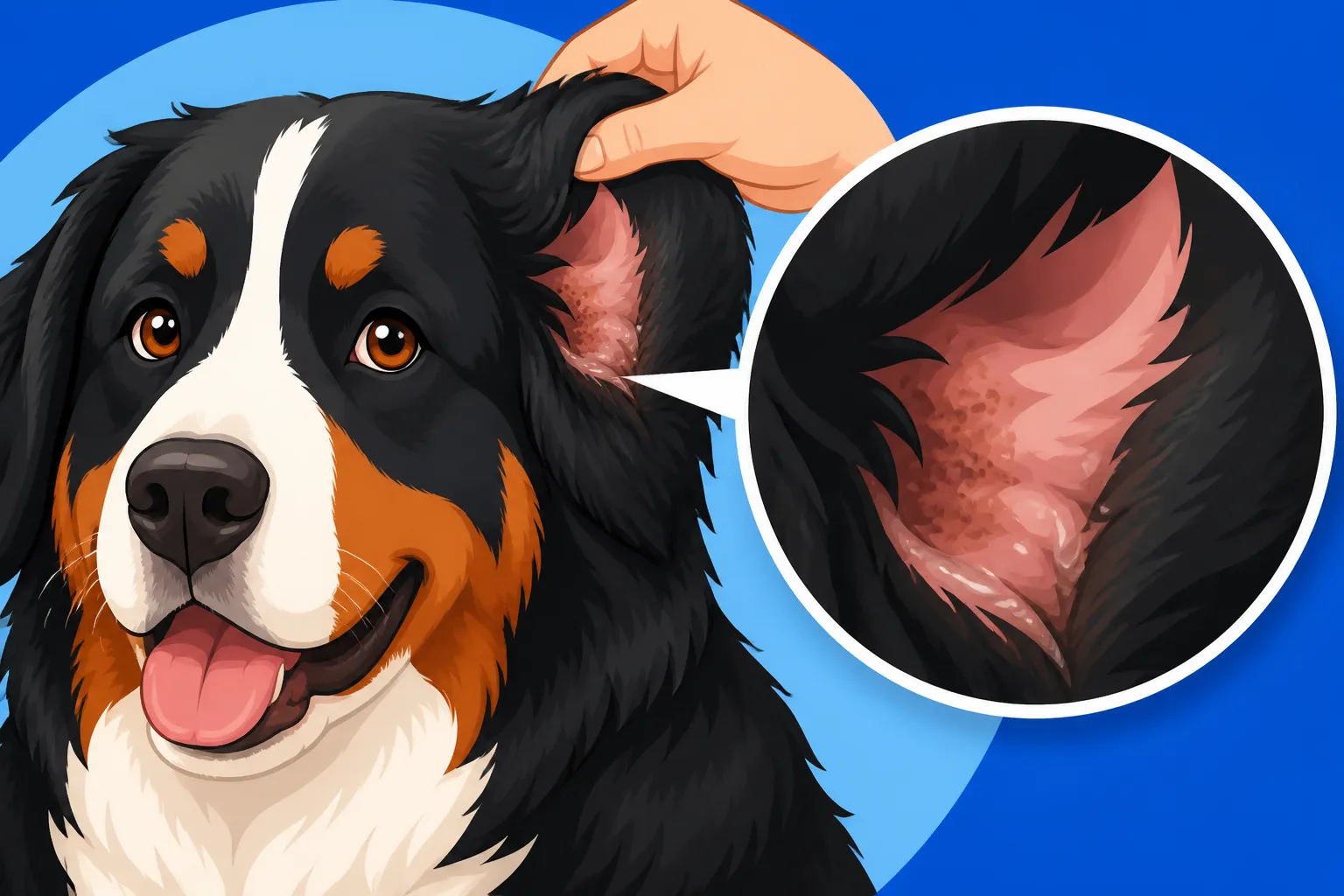
Moisture Under a Bernese Mountain Dog’s Ear Flap
One of the trickiest things about owning a magnificent Bernese Mountain Dog, with all their glorious fur and those soulful eyes, is keeping them healthy from nose to tail. And let's be honest, sometimes the most unassuming places, like that lovely, floppy ear flap, can become a real source of worry. Discovering moisture, stickiness, or a less-than-pleasant odor under your Berner's ear can be frustrating and a little alarming, making you wonder what on earth is going on. This guide is here to walk you through exactly why this happens with our beloved Berners, how to spot the signs of trouble, and what proactive steps you can take to keep those magnificent ears clean, dry, and healthy.
Why Bernese Mountain Dogs Are Prone to Ear Flap Moisture
It's not just bad luck that our Berners sometimes deal with dampness under their ear flaps; it's a combination of their unique physiology, their luxurious coat, and even their daily habits. Understanding these factors is the first step in effective prevention and care.
The Anatomy of a Berner's Ear
Unlike breeds with prick ears that stand upright, Bernese Mountain Dogs possess what are known as "pendulous" or "drop" ears. These ears hang down, effectively covering the ear canal. While this gives them that undeniably sweet, gentle look we all adore, it also creates a warm, dark, and often moist environment underneath and within the ear flap itself. Imagine trying to air out a space that's constantly covered – it's a challenge, right? The natural design of a Berner's ear means that airflow is significantly restricted. Any moisture that gets trapped, whether from humidity, a bath, or even just condensation, doesn't evaporate easily. This creates a perfect little incubator for bacteria and yeast, which thrive in such conditions. This anatomical predisposition makes routine checks and preventive care absolutely crucial for these wonderful dogs.
The Thick Double Coat and Skin Folds
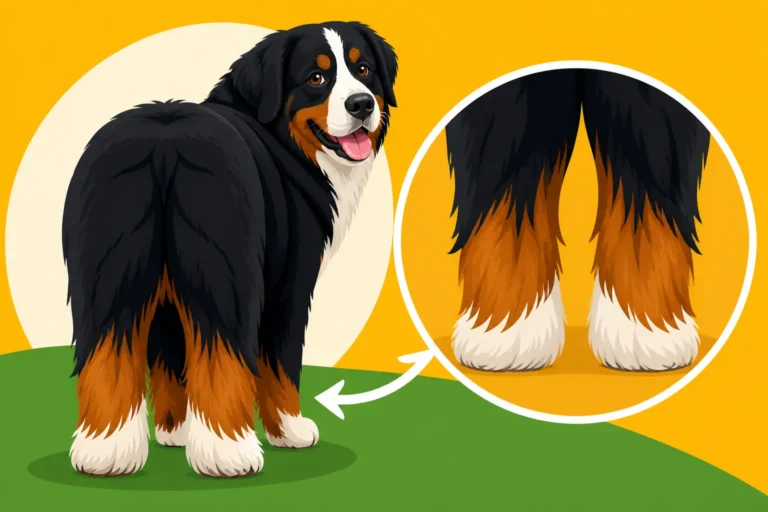
Add to the pendulous ears the Bernese Mountain Dog's magnificent, dense double coat, and you have another layer of complexity. Their fur is designed for cold mountain climates, offering incredible insulation. However, around and inside the ears, this thick fur can act like a sponge, holding onto moisture. The longer, softer hair on the inside of the ear flap and the feathering around the ear can wick up water and trap it against the skin. Furthermore, some Berners might have natural folds or wrinkles in the skin within their ear flaps. These aren't always immediately obvious, but they can create tiny pockets where moisture can accumulate, unseen and unventilated. Even the slightest bit of dampness, when combined with their natural skin oils and the warmth of their body, can quickly lead to an overgrowth of problematic microorganisms. It’s a bit of a Catch-22 – we love their glorious coats, but we also have to be vigilant about their potential to create issues in areas like the ears. This is why focused grooming, beyond just a general brush, is so important. When you're working on Grooming a Bernese Mountain Dog's Long Tricolor Coat, don't forget the ears!
Environmental Factors and Lifestyle
Beyond their genetics and glorious fur, our Berners' daily lives and the environment they live in play a huge role in ear moisture. If you live in a humid climate, the ambient moisture in the air can contribute to dampness under the ear flaps, even if your dog hasn't been swimming. But let's talk about water activities – Berners love to splash, whether it's in a lake, a kiddie pool, or even just during bath time. Every time water gets into or near their ears, it has the potential to get trapped. Think about your Berner enjoying a good swim; their ears are going to get soaked. And then there's the simple act of drinking water. Many Bernese Mountain Dogs, with their large heads and long ear flaps, tend to dunk their ears right into their water bowls, absorbing moisture that then stays put. Even a damp walk on a rainy day can lead to moisture wicking up into that thick ear fur. These seemingly innocent activities, when combined with the breed's ear anatomy and coat, become significant factors in the battle against ear problems.
Recognizing the Signs and Potential Problems
Spotting ear issues early is key to preventing them from escalating into painful and stubborn infections. Our Berners are stoic, and sometimes the signs can be subtle at first, especially when they're masters at hiding discomfort. But with a keen eye and a good nose, you can catch things before they become big problems.
What "Moisture" Actually Looks Like
When we talk about moisture under a Bernese Mountain Dog's ear flap, it's not always just clear water. It can manifest in several ways. Initially, it might simply feel damp or sticky to the touch when you lift the ear flap. You might see some reddish-brown or yellowish-brown waxy buildup on the skin, often accompanied by a distinct, unpleasant odor. This smell is usually the most telling sign – often described as sweet, musty, or sometimes even intensely yeasty, like old bread or corn chips. As the problem progresses, you might notice actual discharge. This could be dark and granular, resembling coffee grounds (a sign of ear mites, though less common in adult Berners), or it could be a yellowish-green, pus-like discharge, which points to a bacterial infection. Redness and inflammation of the skin inside the ear flap are also common visual cues. It's really important to get into a routine of regular inspection. The Weekly Handling a Bernese Mountain Dog Should Accept should definitely include lifting those ears and taking a good sniff and look.
Common Ear Issues Stemming from Moisture
Trapped moisture, warmth, and darkness create a perfect storm for several common ear problems in Bernese Mountain Dogs:
- Yeast Infections (Malassezia): These are incredibly common and often characterized by that distinct sweet or musty smell. You'll likely see reddish skin, a waxy discharge, and your Berner might be shaking their head or scratching at their ear more than usual. Yeast thrives in moist environments, and a Berner's ear is prime real estate. If you suspect a yeast infection, a vet visit is essential for proper diagnosis and antifungal treatment.
- Bacterial Infections: These can be more serious and often present with a stronger, sometimes foul odor, significant redness, swelling, and a yellowish or greenish pus-like discharge. Bacterial infections are usually quite painful for your dog, leading to more intense head shaking, ear scratching, and sometimes even holding the affected ear down. If left untreated, they can spread deeper into the ear canal and cause more severe health issues.
- Ear Mites: While more prevalent in puppies, adult Berners can still contract ear mites, especially if they've been in contact with other affected animals. Mite infestations typically produce a dark, crumbly discharge that looks like coffee grounds. The itching associated with mites can be intense, causing your dog to scratch relentlessly.
- Hematomas: A severe ear infection, or even persistent irritation and vigorous head shaking, can sometimes lead to an aural hematoma. This occurs when blood vessels within the ear flap rupture, causing a blood pocket to form between the cartilage and skin of the ear. It looks like a swollen, fluid-filled balloon on the ear flap and requires veterinary intervention, often surgical, to drain and repair. This is a painful condition that underscores the importance of addressing ear irritation promptly. Don't wait to see if it gets better – prompt action can save your Berner a lot of discomfort and potentially avoid a big vet bill down the line.
The minute you notice any of these signs, don't try to self-diagnose beyond basic cleaning. It's best to consult your veterinarian. They can properly identify the culprit and prescribe the right treatment. This is especially true for Recurring Ear Infections in a Bernese Mountain Dog.
When to Seek Veterinary Care
It’s crucial to know when a quick home cleaning isn’t enough and professional help is needed. If you notice any of the following, it’s time to schedule a vet appointment without delay:
- Persistent Odor: If that tell-tale yeasty or foul smell doesn't dissipate after a gentle cleaning or returns quickly.
- Visible Discharge: Any yellowish, green, or dark, crumbly discharge.
- Redness and Swelling: If the inside of the ear flap or the opening of the ear canal looks red, inflamed, or swollen.
- Pain or Sensitivity: If your Berner flinches, whimpers, or acts aggressively when you try to touch their ear.
- Excessive Scratching or Head Shaking: While some scratching is normal, persistent, vigorous scratching, pawing at the ear, or constant head shaking are clear signs of discomfort.
- Holding Head Tilted: If your dog continuously holds their head to one side.
- Changes in Behavior: Lethargy, loss of appetite, or general irritability can sometimes accompany painful ear infections.
- Hearing Loss: While harder to detect, a severe infection can temporarily impact hearing.
Remember, a mild issue can quickly turn into a chronic and painful condition if ignored. Early veterinary intervention is always best. Your vet has specialized tools to look deep into the ear canal, microscopes to identify bacteria or yeast, and the expertise to prescribe effective medications. Never insert anything small into your dog's ear canal, and avoid "home remedies" without vet approval, as some can worsen the problem or mask symptoms. It’s always better to be safe than sorry when it comes to your Berner’s health.
Practical Prevention Strategies for Dry Ears
Preventing moisture buildup and subsequent ear infections is far easier and less stressful than treating an active infection. It’s all about establishing a routine and making smart choices that support your Berner's unique ear anatomy.
Regular Cleaning and Inspection Routine
One of the most powerful tools in your ear care arsenal is a consistent cleaning and inspection routine. For a Bernese Mountain Dog, this might mean checking their ears daily or every other day, and cleaning them once a week or every two weeks, depending on their individual needs and activity level.
Here’s a step-by-step approach:
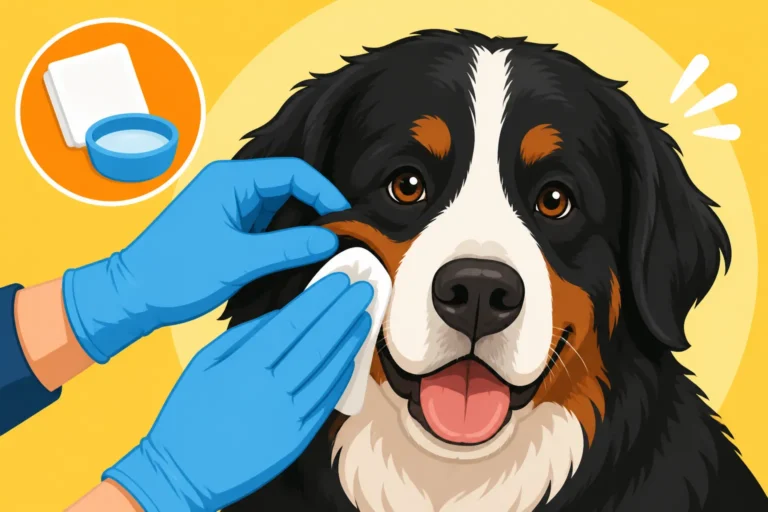
- Gather Supplies: You'll need a vet-approved ear cleaning solution (look for brands recommended by your vet or found on reputable pet supply sites like Chewy or Amazon) and plenty of cotton balls or gauze pads. Avoid cotton swabs, as these can push debris deeper into the ear canal.
- Find a Calm Spot: Ensure your Berner is relaxed. A favorite treat or a calming presence can help. If your dog is reluctant, start with very short sessions, rewarding them for cooperation.
- Lift the Ear Flap: Gently lift the ear flap to expose the inner surface and the opening of the ear canal. This is your chance to look for any redness, discharge, or foul odors.
- Apply Cleaner: Following the product's instructions, squirt the ear cleaning solution directly into the ear canal. Don't be shy – you need enough to flush it out.
- Massage the Base: Gently massage the base of your dog's ear for about 20-30 seconds. You should hear a squishing sound, indicating the cleaner is working its way down.
- Allow Shaking: Let your Berner shake their head. This helps dislodge debris. Have a towel ready!
- Wipe Clean: Use a fresh cotton ball or gauze pad to gently wipe away any visible solution, wax, or debris from the inner surface of the ear flap and the opening of the ear canal. Remember, never go deeper than your finger can comfortably reach with a cotton-covered finger.
- Repeat if Necessary: If the cotton ball is still very dirty, you might need to repeat the process.
- Reward: Always end with praise and a high-value treat to make it a positive experience.
This routine, along with a general Cleaning a Bernese Mountain Dog's Ear Flaps once a week, can drastically reduce the chances of moisture-related issues.
Smart Grooming for Optimal Airflow
While you should never shave your Bernese Mountain Dog's entire ear flap (as it can expose sensitive skin and even interfere with their natural temperature regulation), strategic grooming can significantly improve airflow and reduce moisture retention.
- Trimming Inner Ear Hair: Carefully, using blunt-nosed scissors or a small electric trimmer designed for pet grooming, trim any excessive hair growing from the opening of the ear canal. This doesn't mean plucking, which can irritate hair follicles and lead to infection, but rather shortening the long hairs that might be trapping moisture and debris. If you're unsure or uncomfortable doing this yourself, a professional groomer is an excellent resource. They are skilled in grooming breeds like the Berner and know how to safely manage ear hair. Remember, What a Bernese Mountain Dog Groom Costs often includes this kind of detailed care.
- Thorough Drying After Water Exposure: This is perhaps the single most important preventative measure. After every bath, swim, or even a very damp walk, take the time to thoroughly dry your Berner's ears. Use a soft towel to absorb as much moisture as possible from the inner ear flap and around the ear opening. A low-heat, pet-specific hairdryer can be used, held at a safe distance, to gently dry the area, but always be mindful of the temperature and don't aim it directly into the ear canal. Focus on the underside of the floppy ear and the fur around the opening. If you're giving your Berner a full bath, like when you're Bathing a Bernese Mountain Dog That Fills a Tub, drying the ears should be a top priority before they shake their way through your entire bathroom.
Environmental Management and Lifestyle Adjustments
Beyond direct ear care, there are lifestyle adjustments you can make to minimize ear moisture.
- Post-Water Ritual: Make drying ears a non-negotiable ritual after any water exposure. Keep a small, dedicated "ear towel" by the door if your dog loves splashing in puddles.
- Feeding with a Snood: If your Berner regularly dunks their ears into their water bowl while drinking (which many do!), consider using a "snood." This is a fabric tube that slips over their head and holds their ears back and out of the bowl. You can find these easily on Chewy or Amazon. It might look a little silly, but it's incredibly effective at keeping ears dry during meal and drink times.
- Provide a Dry Resting Area: Ensure your Berner has a clean, dry, and well-ventilated space to rest. Damp bedding can contribute to overall skin and coat moisture, including around the ears. Regular washing of dog beds is a good practice.
- Mind the Humidity: In very humid climates, consider running a dehumidifier indoors. While you can't control the outside, reducing indoor humidity can help keep your Berner's skin and coat, including their ears, drier.
- Regular Exercise: While not directly related to moisture, regular, appropriate exercise keeps your Berner healthy overall, which supports a robust immune system to fight off minor issues before they become major infections.
Addressing Active Ear Infections
Even with the best preventative care, sometimes our Berners still manage to develop an ear infection. When this happens, a swift and informed approach is essential for their comfort and health.
The Vet's Role in Diagnosis and Treatment
Once you've identified the signs of an ear infection, your first and most important step is a visit to your veterinarian. Trying to guess what kind of infection it is or using over-the-counter remedies without a proper diagnosis can delay effective treatment and potentially make the problem worse.
During the appointment, your vet will perform a thorough examination of your Berner's ears. This usually involves:
- Visual Inspection: They'll look at the outer ear, ear flap, and the entrance to the ear canal for signs of redness, swelling, discharge, or foreign objects.
- Otoscopic Examination: Using an otoscope, a specialized tool with a light and magnifying lens, they will carefully examine the horizontal and vertical ear canals and, if possible, the eardrum. This helps them assess the severity of the inflammation, check for blockages, and ensure the eardrum is intact before prescribing any drops.
- Cytology: This is a critical diagnostic step. Your vet will take a swab of the discharge from your dog's ear and examine it under a microscope. This allows them to identify whether the infection is caused by yeast, bacteria, or mites, and sometimes even the specific type of bacteria. This crucial information guides their choice of medication.
- Culture and Sensitivity (if needed): For severe or recurrent bacterial infections, your vet might send a sample to a lab for a culture, which identifies the exact type of bacteria, and a sensitivity test, which determines which antibiotics will be most effective against it.
Based on the diagnosis, your vet will prescribe the appropriate treatment, which commonly includes:
- Topical Ear Drops: These usually contain a combination of an antibiotic, an antifungal, and an anti-inflammatory medication. It's vital to administer these drops exactly as prescribed and for the full duration, even if the ear seems to improve quickly. Stopping early can lead to a relapse and resistant infections.
- Oral Medications: In more severe cases, or if the infection has spread beyond the ear canal, oral antibiotics or antifungals may be prescribed. Oral anti-inflammatory drugs might also be given for pain and swelling.
- Professional Ear Cleaning: Sometimes, especially if there's a lot of waxy buildup or discharge, your vet might perform a deep ear cleaning in the clinic. This might require sedation for your Berner to ensure it can be done thoroughly and safely.
The cost for oncology care for a Bernese Mountain Dog can be steep, so early intervention for common problems like ear infections is always wise, both for your dog's comfort and your wallet.
Supporting Healing at Home
Once you have your vet’s instructions and medications, your role at home is vital for your Berner’s recovery.
- Administering Medications: Follow your vet’s instructions precisely. This often means carefully cleaning the ear before applying drops to ensure the medication can reach the infected tissues. Take your time, be gentle, and use positive reinforcement. If your Berner is resistant, ask your vet or vet tech for a demonstration or tips on making it easier. Consistency is key here.
- Keeping the Ear Clean: Continue with the gentle cleaning routine as advised by your vet. Often, they'll want you to clean the ear every day or every other day, then apply the drops. The goal is to remove any accumulating discharge that could hinder the medication's effectiveness.
- Preventing Further Irritation: If your Berner is scratching excessively, an Elizabethan collar (the "cone of shame") might be necessary to prevent them from causing further damage or delaying healing. While they might not love it, it’s a temporary measure for their own good. Keep the environment calm and comfortable for them.
- Monitor Progress: Keep an eye on your Berner's symptoms. Is the redness reducing? Is the discharge lessening? Is the odor improving? Are they shaking their head less? Report any concerns or lack of improvement to your vet promptly.
Long-Term Management and Recurrence Prevention
Once an infection is cleared, the goal shifts to preventing recurrence, especially since Berners are so prone to these issues.
- Identify Underlying Causes: If your Berner has had multiple ear infections, your vet might suggest investigating underlying causes. Often, chronic ear infections are a symptom of allergies. These could be environmental (pollen, dust mites) or food-related. Addressing the allergy itself can significantly reduce ear problems. This might involve dietary changes, allergy testing, or ongoing allergy medications, especially if you've noticed Itching Under a Bernese Mountain Dog's Thick Coat elsewhere on their body.
- Consistent Preventative Care: Stick to a regular ear cleaning and drying routine, even when your Berner’s ears seem perfectly healthy. This proactive approach is the best defense. Skin and Ear Problems in a Bernese Mountain Dog can often be managed with diligent, consistent care.
- Regular Vet Check-ups: Ensure your Berner has regular veterinary check-ups, ideally Seeing the Vet Twice a Year With a Berner, especially as they get older. Your vet can spot subtle changes and offer advice tailored to your dog's evolving needs.
- Lifestyle Adjustments (Revisited): Continue to use snoods during meals if needed, thoroughly dry ears after all water activities, and manage humidity in your home. These small daily habits add up to big benefits for ear health.
Remember, patience and persistence are crucial. Ear infections can be stubborn, but with a dedicated approach, you can help your beloved Bernese Mountain Dog live a more comfortable and healthy life, free from itchy, painful ears.
Here's a quick reference table to help you identify common ear issues:
| Symptom | Common Cause | Odor | Discharge Color/Texture | Pain Level | Common Behavior |
|---|---|---|---|---|---|
| Redness, Itching | Yeast Infection | Sweet, Musty | Brownish, Waxy | Mild-Moderate | Head shaking, Scratching, Rubbing ear on furniture |
| Redness, Swelling | Bacterial Infection | Foul | Yellowish-Green, Pus-like | Moderate-Severe | Intense head shaking, Crying when ear touched, Head tilt |
| Dark Crusty Debris | Ear Mites | None or Faint | Dark Brown, Crumbly | Mild-Moderate | Persistent scratching, Head shaking, Pawing at ear |
| Fluid-Filled Swelling | Aural Hematoma | None | None (swelling of flap) | Severe | Head shaking, Visible swelling on ear flap, Avoids touch |
| General Dampness | Trapped Moisture | None or Mild | Clear, Wet | None | Normal behavior, sometimes mild scratching |
Disclaimer
This article is for general informational purposes only and does not constitute professional advice. Laws, prices and regulations vary by location and change over time. Consult a qualified professional for guidance on your specific situation.