Keeping an Incontinent Bernese Mountain Dog Clean
Discovering your beloved Bernese Mountain Dog has started having accidents indoors or leaking urine can be heartbreaking and frustrating, not just for you, but often for them too. It’s a challenging stage of life that many of us face with our older or unwell Berner companions, bringing with it concerns about hygiene, comfort, and maintaining their dignity. This guide is here to walk you through practical, empathetic strategies for keeping an incontinent Bernese Mountain Dog clean, comfortable, and cherished.
Understanding Incontinence in Your Bernese Mountain Dog
When your gentle giant starts having trouble holding their bladder, it’s natural to feel a mix of emotions. It's important to remember that incontinence isn't a behavioral issue; it's almost always a medical one. Understanding the potential causes is the first step toward effective management.
Common Causes of Incontinence
Incontinence in Bernese Mountain Dogs, like in many larger breeds, can stem from a variety of factors. Age-related changes are incredibly common. As our Berners get older, the muscles that control the bladder, particularly the urethral sphincter, can weaken. This condition, often referred to as "sphincter mechanism incompetence," means that the bladder simply can't hold urine as effectively as it once did, especially when the dog is relaxed or sleeping. It’s not that they don't want to hold it; their body just isn't cooperating. You might notice small puddles where they've been resting, or a constant dribble.
Beyond age, various medical conditions can contribute significantly. Urinary tract infections (UTIs) are a frequent culprit, causing inflammation and an urgent, often uncontrollable need to urinate. Bladder stones can also lead to irritation and leakage, as can certain types of tumors within the urinary tract. Sometimes, the issue isn't directly with the bladder but with neurological problems. Conditions like degenerative myelopathy, which unfortunately affects some Bernese Mountain Dogs, can impair the nerve signals between the brain and bladder, leading to a loss of control. If you notice weakness or wobbliness in their hind legs, combined with accidents, it's crucial to consider this possibility. You can learn more about this in The Bernese Mountain Dog Whose Back Legs Give Out. Even some medications, particularly certain steroids, can increase thirst and urine production, making accidents more likely. It’s a complex issue, and pinpointing the exact cause is key.
Recognizing the Signs and Early Intervention
Distinguishing between a behavioral accident and true incontinence is crucial for proper treatment and management. An "accident" might happen if your dog is stressed, anxious, or hasn't been let out often enough. True incontinence, however, often manifests as involuntary leakage. You might find wet spots on their bedding or where they were lying down, even if they've recently been outside. Sometimes, you'll notice a steady dribble of urine, or they might seem unaware that they are urinating. Look for signs like damp patches on their fur, especially around the hindquarters, or a persistent urine odor. They might also start licking their genital area more frequently due to irritation.
Early intervention by your veterinarian is absolutely paramount. Don't wait, hoping it will resolve on its own, or assume it's "just old age." A vet visit can help rule out serious underlying conditions that are treatable. Your vet will likely perform a thorough physical exam, collect a urine sample for analysis to check for infections or crystals, and might recommend blood tests to assess kidney function or other systemic issues. They might also suggest imaging, like X-rays or ultrasounds, to look for bladder stones or tumors. Understanding the root cause is the only way to get appropriate treatment, whether it's antibiotics for a UTI, medication to strengthen bladder muscles, or management strategies for chronic conditions. Proactive health checks, especially for an older Berner, are always a good idea. Consider discussing a comprehensive check-up with your vet, similar to what's covered in Screening an Older Bernese Mountain Dog.
Practical Strategies for Maintaining Cleanliness and Hygiene
Once you have a diagnosis, or if incontinence is a chronic, untreatable condition, your focus shifts to managing the mess and keeping your Berner comfortable. This isn't just about your home; it's about their well-being.
The Importance of Regular Cleaning and Grooming
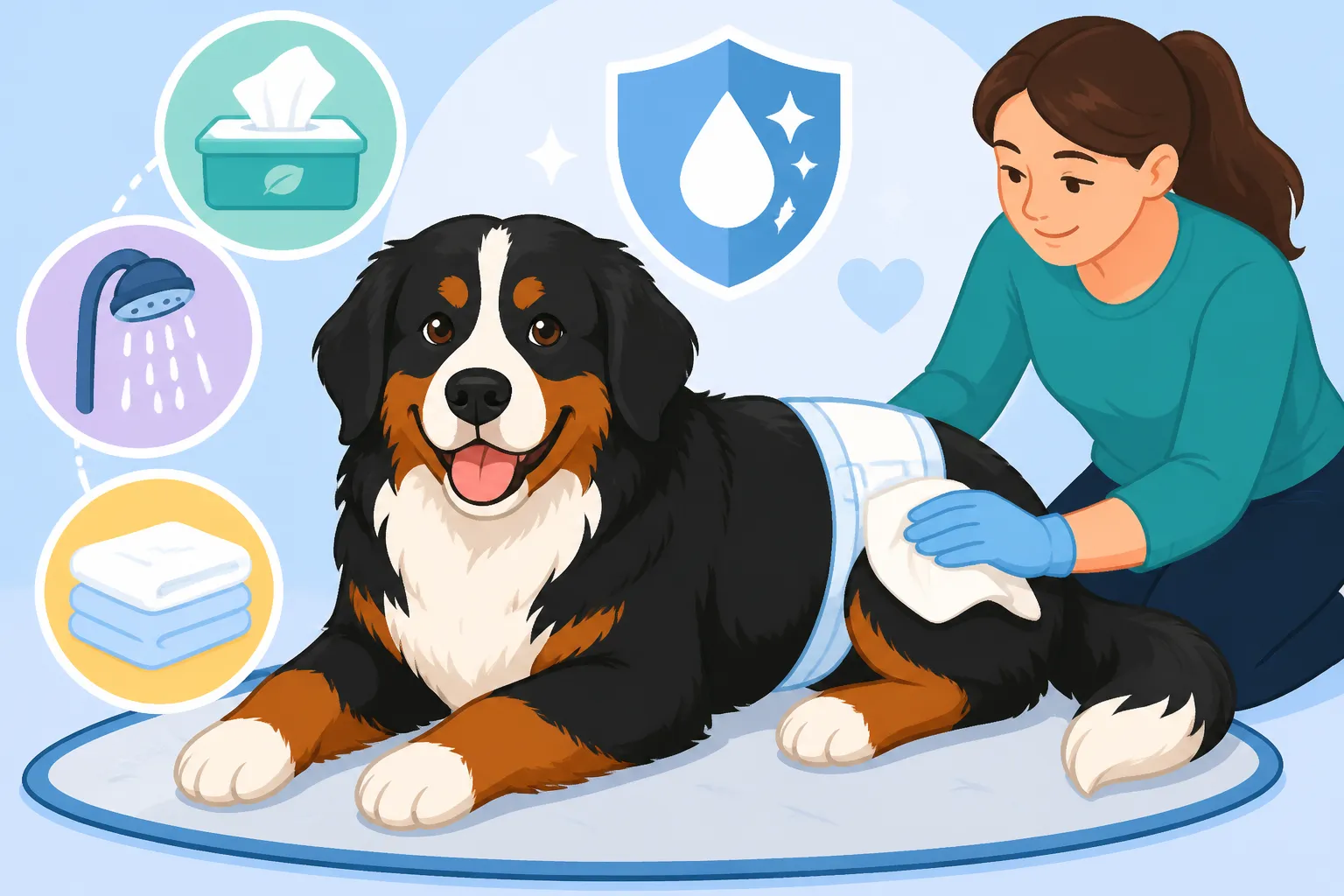
Keeping your incontinent Bernese Mountain Dog clean is paramount to preventing skin infections, urine scald, and an unpleasant odor. Daily spot cleaning is a non-negotiable part of the routine. After every accident or noticeable leak, gently clean the affected area on your dog. Use soft, damp cloths or pet-safe wipes, ensuring you get into all the folds and creases, especially around their hindquarters, inner thighs, and tail. These areas can trap moisture and quickly become irritated. Always make sure to thoroughly dry the area afterward to prevent skin breakdown.
While daily spot cleaning is essential, regular bathing will also become a necessity. However, you don't want to over-bathe and strip their skin of natural oils, which can lead to dryness and further irritation. Aim for a bath when the fur feels greasy, smells strongly of urine, or if significant soiling occurs. Use a gentle, pH-balanced dog shampoo. Given their size, bathing a Bernese Mountain Dog can be quite an undertaking. You might find some helpful tips in Bathing a Bernese Mountain Dog That Fills a Tub. For long-coated breeds like Berners, keeping the hair around their private areas trimmed short can significantly reduce the amount of urine that clings to their fur, making cleanup much easier. If you're not comfortable doing this yourself, a professional groomer can help. Many groomers offer "sanitary trims" which are invaluable for incontinent dogs. It's worth exploring, even if you normally groom at home. You might be surprised at the difference a professional touch can make. For more on grooming costs, check out What a Bernese Mountain Dog Groom Costs.
Protective Gear and Bedding Solutions
Managing incontinence effectively often involves the use of protective gear, both for your dog and your home. Doggie diapers or wraps can be a lifesaver, especially for dogs with continuous leakage or larger accidents. They come in various styles: male wraps (belly bands) for male dogs that lift their leg, and full diapers for both sexes. You can find both reusable, washable cloth options and convenient disposable ones. Reusable diapers are an eco-friendlier and often more cost-effective choice in the long run, but require frequent washing. Disposable diapers are great for convenience, especially when traveling or for overnight use. Ensure you get the correct size for your Bernese Mountain Dog – a proper fit is crucial to prevent leaks and ensure comfort. Many pet supply stores, like Chewy or Amazon, offer a wide range of options, often with sizing guides to help you choose. Remember to change diapers frequently to prevent skin irritation.
Beyond wearable protection, investing in waterproof bedding and covers for your home is incredibly smart. Look for waterproof mattress protectors for your dog's bed, or consider specialized orthopedic beds with removable, washable, waterproof liners. For a large breed like a Berner, comfortable, supportive bedding is vital anyway, so combining it with incontinence protection is a win-win. Articles like Orthopedic Beds Sized for a Bernese Mountain Dog can guide you on choosing the right type. You can also use waterproof blankets or covers on furniture where your Berner likes to lounge. For common resting spots, absorbent pads, similar to puppy training pads but larger, can be placed under blankets or directly on the floor. These can quickly wick away moisture and protect your surfaces.
Managing the Environment
Making strategic adjustments to your home environment can significantly reduce stress and make managing an incontinent Bernese Mountain Dog much easier. Designate specific, easy-to-clean areas for your dog to spend most of their time, especially when unsupervised. This might mean an area with tile or hardwood flooring that can be easily wiped down, rather than carpet. If carpet is unavoidable, invest in several washable area rugs that can be swapped out and laundered regularly. Placing waterproof liners or pads under these rugs can offer an extra layer of protection.
Increasing the frequency of outdoor trips is another simple yet effective strategy. Even if your Berner is leaking involuntarily, more frequent opportunities to relieve themselves can minimize the volume of indoor accidents. Take them out first thing in the morning, last thing at night, and every few hours in between. Praise them lavishly when they eliminate outside. For messes that do happen indoors, having a good enzymatic cleaner on hand is absolutely essential. These cleaners break down the urine at a molecular level, eliminating odors and discouraging your dog from repeatedly marking the same spot. Regular household cleaners might mask the smell for us, but a dog's keen sense of smell will still detect it, potentially reinforcing the behavior. Stock up on these cleaners from places like Chewy or Amazon.
Supporting Your Bernese Mountain Dog's Comfort and Dignity
Living with incontinence can be tough on both ends of the leash. Your Berner may feel embarrassed or distressed, and you might feel overwhelmed. Prioritizing their comfort and emotional well-being through this journey is just as important as managing the physical mess.
Preventing Skin Irritation and Urine Scald
One of the most critical aspects of caring for an incontinent Bernese Mountain Dog is preventing urine scald and skin irritation. Constant exposure to urine can lead to painful rashes, infections, and open sores, especially in areas where urine might pool or linger. This is why thorough and immediate drying after any wetting is so important. Use soft towels or even a low-setting hairdryer to ensure their skin is completely dry, particularly in areas like the inner thighs, under the tail, and around the vulva or sheath.
Consider using barrier creams or balms specifically designed for pets. Products containing zinc oxide (like diaper rash cream for babies, but ensure it's safe for dogs and they cannot lick it excessively) or petroleum jelly can create a protective layer on the skin, shielding it from moisture and urine's acidic components. Apply these thinly to clean, dry skin. Always check with your vet for recommendations on safe products and proper application. Be vigilant for any signs of irritation: redness, swelling, warmth to the touch, hair loss, or a foul odor. If you notice any of these, contact your vet immediately. Early treatment of skin irritation can prevent minor issues from becoming serious infections.
Nutritional Support and Hydration
While diet isn't usually the direct cause of incontinence, proper nutrition can play a supportive role in overall health, which in turn can influence urinary tract health. It’s always a good idea to discuss your Berner’s diet with your veterinarian, especially as they age or develop health issues. Your vet might suggest certain dietary adjustments or supplements that could benefit urinary tract function or address underlying conditions contributing to incontinence. For instance, some dogs with bladder stones may require a prescription diet. In other cases, simply ensuring a high-quality, balanced diet can support a healthy immune system, making them less susceptible to UTIs.
Don't be tempted to restrict your Bernese Mountain Dog's water intake in an attempt to reduce accidents. This can be dangerous and lead to dehydration, which can worsen existing urinary problems or cause new health issues, such as kidney strain. Ensuring continuous access to fresh, clean water is vital for their overall health and kidney function. Dehydration can concentrate urine, making it more irritating to the bladder and skin if leakage occurs. Instead of restricting water, focus on increased opportunities for bathroom breaks and effective management strategies discussed earlier. Remember, a well-hydrated dog is a healthier dog, even with incontinence. For guidance on appropriate feeding for your adult Berner, you might find information in Feeding an Adult Bernese Mountain Dog Safely. While brands like Ollie focus on tailored nutrition, always consult your vet before making significant dietary changes, especially when managing a specific health concern like incontinence.
The Emotional Toll on Owners and Dogs
Dealing with an incontinent Bernese Mountain Dog can be emotionally taxing. As an owner, you might cycle through feelings of frustration over the messes, sadness for your beloved companion, guilt for feeling frustrated, and even a sense of being overwhelmed by the constant cleaning and care. It's crucial to acknowledge these feelings and give yourself grace. You are doing your best, and this is a challenging situation. Reach out to support groups for owners of senior dogs or those with special needs; sharing experiences can be incredibly validating.
Equally important is recognizing the potential emotional toll on your dog. While we can't know exactly what they feel, many dogs appear embarrassed or distressed after an accident. They might try to hide it, or become withdrawn. It’s vital to respond with patience, love, and understanding. Never scold or punish your Berner for an accident, as this will only increase their anxiety and may lead to them hiding their accidents from you, making management even harder. Maintain their routine as much as possible, including walks (when appropriate for their mobility) and playtime, to keep their spirits up. Their dignity and sense of security come from your consistent love and care. This stage of life often falls within the period discussed in Caring for a Bernese Mountain Dog After Six, where additional compassion and understanding are paramount. Focusing on their comfort, keeping them clean, and showering them with affection will help them navigate this difficult chapter with peace.
| Incontinence Management Product | Pros | Cons | Best For |
|---|---|---|---|
| Doggie Diapers (Reusable) | Eco-friendly, cost-effective long-term | Require frequent washing, may need inserts for heavy leaks | Regular leakage, environmental consciousness |
| Doggie Diapers (Disposable) | Convenient, high absorbency, good for travel | Can be costly, less eco-friendly, potential for waste | Temporary use, travel, heavy leakage |
| Male Wraps/Belly Bands | Specifically designed for male marking/leaking | Only covers the belly, not suitable for full bladder emptying | Male dogs with dribbling or marking habits |
| Waterproof Bed Covers | Protects bedding, easy to wash | Doesn't directly help the dog stay dry | Protecting expensive dog beds & furniture |
| Absorbent Pads (Disposable) | Very absorbent, easy to replace | Can shift, generate waste, not always discreet | Under dog beds, crates, or high-traffic areas |
| Enzymatic Cleaners | Eliminates odors at the source, discourages remarking | Not for direct use on dog, must follow instructions carefully | Cleaning up accidents on floors/carpets |
| Barrier Creams | Protects skin from urine scald | Must be applied frequently, dog may try to lick off | Preventing skin irritation/rashes |
Disclaimer
This article is for general informational purposes only and does not constitute professional advice. Laws, prices and regulations vary by location and change over time. Consult a qualified professional for guidance on your specific situation.