Bleeding Disorders in a Bernese Mountain Dog
It’s a truly frightening experience to discover unexpected bruising, prolonged bleeding from a minor cut, or even blood in your beloved Bernese Mountain Dog's urine or stool. These unsettling signs can point to a serious underlying issue: a bleeding disorder. This comprehensive guide aims to shed light on the various types of bleeding disorders that can affect Bernese Mountain Dogs, from inherited conditions like Von Willebrand disease to acquired issues, helping you understand their causes, recognize the symptoms, navigate diagnosis, and manage these conditions effectively.
Understanding the Unique Vulnerabilities of Bernese Mountain Dogs to Bleeding Disorders
Bernese Mountain Dogs, with their majestic presence and affectionate nature, are unfortunately predisposed to certain health challenges, and bleeding disorders are definitely among them. It's not just about a simple cut taking a little longer to stop; these conditions can lead to life-threatening internal hemorrhages or make even routine procedures incredibly risky. Owners often feel blindsided by these diagnoses, especially when their otherwise robust-looking Berner suddenly exhibits alarming bleeding.
The Genetic Predisposition in Berners
When we talk about Bernese Mountain Dogs, we're talking about a breed with a specific genetic blueprint, and sometimes, that blueprint carries certain vulnerabilities. Like many purebred dogs, Berners have a relatively small gene pool compared to the vastness of the canine world. This can lead to certain genetic traits, both good and bad, being more prevalent. For bleeding disorders, this often means specific inherited conditions are passed down through generations. It's not a fault of the dog or the owner, but rather a consequence of genetic inheritance that responsible breeders strive to understand and mitigate. This is why understanding a dog's pedigree and the health clearances of its ancestors is so crucial when choosing a puppy.
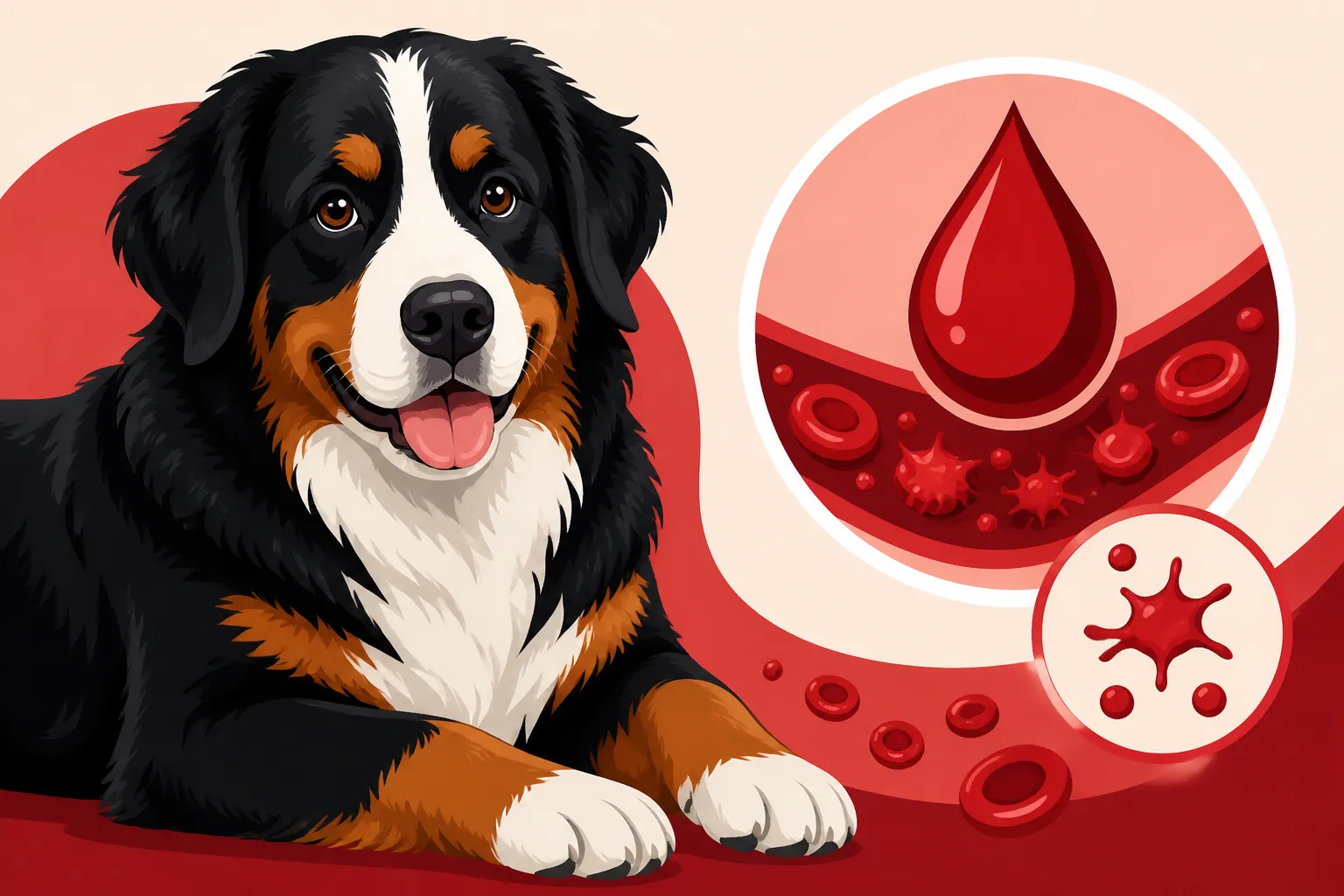
One of the most widely recognized inherited bleeding disorders in Berners is Von Willebrand Disease (vWD). This condition, which we'll dive deeper into shortly, is a perfect example of a genetic predisposition. It affects the blood's ability to clot properly because of a deficiency in a specific protein called von Willebrand factor. Without adequate levels of this factor, platelets—the tiny cells that initiate clotting—can't stick together as they should, leading to prolonged or excessive bleeding. Many Bernese Mountain Dog owners have heard whispers of "the clotting fault Bernese Mountain Dogs carry," and more often than not, they're referring to vWD.
Why Blood Clotting is So Critical
Blood clotting is an intricate and vital process that most of us take for granted until something goes wrong. Imagine a complex assembly line where every component has to be present and functioning perfectly for the final product – a stable clot – to form. When your Berner gets a small scrape from romping in the yard, or if they undergo a necessary surgery, their body's ability to form a clot quickly is what prevents excessive blood loss. This process, known as hemostasis, involves a cascade of events: the blood vessels constrict, platelets rush to the site of injury and form a temporary plug, and then a network of clotting factors interact to create a stable fibrin mesh, which essentially seals the wound.
If any part of this intricate system is compromised, whether it's the platelets themselves, one of the many clotting factors, or the initial vascular response, the consequences can be severe. For a large dog like a Bernese Mountain Dog, even seemingly minor bleeding can become critical if the blood doesn't clot. Internal bleeding, which might not be immediately visible, can be especially dangerous, leading to weakness, shock, and organ damage. This delicate balance is why specialized clotting tests before a Bernese Mountain Dog's surgery are not just a good idea, but an absolute necessity, providing crucial information to safeguard your furry friend.
Von Willebrand Disease: The Most Common Culprit
When Bernese Mountain Dog owners express concern about bleeding issues, Von Willebrand Disease (vWD) is almost always at the top of the list. It's a condition that can cast a long shadow, causing anxiety over everything from a simple nail trim to an emergency surgical procedure. Understanding vWD is the first step toward managing it effectively and ensuring your Berner lives as full and healthy a life as possible.
Types of Von Willebrand Disease in Bernese Mountain Dogs
Von Willebrand Disease isn't a single, uniform condition; it actually comes in different forms, or "types," based on the quantity and quality of the von Willebrand factor (vWF) present in the blood. For Bernese Mountain Dogs, Type I vWD is the most common presentation. In Type I, the dog produces reduced amounts of functionally normal vWF. This means the factor is there, and it works, but there just isn't enough of it to ensure robust clotting. The severity of bleeding can vary widely among affected dogs, from mild, infrequent episodes to more significant, life-threatening hemorrhages. Some dogs might only show signs when facing a major trauma or surgery, while others might have issues with nosebleeds, gum bleeding, or prolonged bleeding after minor cuts from puppyhood.
It's important to differentiate Type I from other types seen in different breeds. Type II vWD involves normal amounts of vWF, but the factor itself is abnormal and doesn't function correctly. Type III is the most severe, where the dog produces virtually no vWF at all. While Type I is predominant in Bernese Mountain Dogs, the spectrum of severity means that even dogs with the same "Type I" diagnosis might experience different levels of challenge, making personalized care and vigilance paramount. This variability is one reason why comprehensive health panels, like The Bernese Mountain Dog Health Panel, are so valuable for breeders and owners alike.
How Von Willebrand Disease Affects Daily Life
Living with a Bernese Mountain Dog diagnosed with Von Willebrand Disease means a heightened awareness of potential bleeding risks in their daily life. It's not about living in fear, but about being informed and proactive. Simple bumps and scrapes that a healthy dog would brush off can become a cause for concern. You might notice your Berner bruising more easily, or that a small cut on their paw from a stray twig seems to bleed for an unusually long time.
Activities that carry a higher risk of injury, such as rough play with other dogs, navigating thorny bushes on a hike, or even enthusiastic tail wags against furniture, might need a second thought. For example, if your Berner loves to run through tall grass or dense undergrowth, you might need to check them thoroughly afterward for any nicks or scrapes that could turn into a prolonged bleed. Owners often find themselves wondering whether a Bernese Mountain Dog bleeds longer from a cut, and with vWD, the answer is often yes. Regular nail trims, which are essential for a large dog's comfort and joint health, can become a source of anxiety if you accidentally cut too close to the quick. It's a constant balancing act between allowing your Berner to enjoy life and minimizing unnecessary risks.
Genetic Testing and Breeding Decisions
The good news is that genetic testing for Von Willebrand Disease is readily available, offering a powerful tool for breeders and prospective owners. A simple DNA test can identify whether a Bernese Mountain Dog is clear, a carrier, or affected by vWD. This information is invaluable for making responsible breeding decisions. Breeders committed to improving the health of the breed will screen their breeding stock and avoid breeding two carriers together, which significantly increases the risk of producing affected puppies.
For potential puppy buyers, asking about the vWD status of the parents is crucial. Even if a puppy's parents are both carriers, understanding the risk allows you to be prepared. While genetic testing can't cure the disease, it empowers owners with knowledge. Knowing your Bernese Mountain Dog's vWD status allows your veterinarian to take extra precautions during any necessary surgeries, such as a spay procedure. For instance, knowing if a Bernese Mountain Dog can be spayed safely when carrying vWD requires careful planning, including pre-operative screening and potential prophylactic treatments. It's about proactive care and ensuring the best possible outcome for your furry family member.
Other Inherited Bleeding Conditions in Berners
While Von Willebrand Disease is the most common inherited bleeding disorder in Bernese Mountain Dogs, it's not the only one. The intricate ballet of blood clotting involves numerous factors, and a deficiency in any one of them can lead to a bleeding diathesis. Being aware of these other possibilities, even if they are rarer, can help you and your vet provide the most comprehensive care for your Berner.
Hemophilia and Platelet Disorders
Hemophilia, though less common in Bernese Mountain Dogs than vWD, is another significant inherited bleeding disorder. It's often associated with Factor VIII (Hemophilia A) or Factor IX (Hemophilia B) deficiencies, leading to severe bleeding episodes. Unlike vWD, hemophilia is typically X-linked, meaning it primarily affects males who inherit the defective gene from their carrier mothers. Affected males can suffer from spontaneous bleeding into joints, muscles, and body cavities, which can be incredibly painful and debilitating. Carriers, usually females, typically do not show symptoms but can pass the gene to their offspring.
Beyond the specific clotting factors, disorders affecting platelets themselves can also cause bleeding issues. Platelets are the first responders in the clotting process, forming a plug at the site of injury. Inherited platelet disorders can result in platelets that are either too few (thrombocytopenia) or dysfunctional, meaning they don't stick together or activate properly. While less commonly a breed-specific issue for Berners, it's something a veterinarian might investigate if vWD testing is negative but bleeding symptoms persist. These conditions underscore why a thorough diagnostic workup is essential when facing a suspected bleeding problem in your Berner, ensuring all potential avenues are explored beyond the most common culprits.
Less Common Coagulation Factor Deficiencies
The blood clotting cascade involves at least 13 different factors, and a deficiency in almost any one of them can disrupt the entire process. While vWD is about the von Willebrand factor and hemophilia concerns Factor VIII or IX, Bernese Mountain Dogs can, in rare instances, be affected by deficiencies in other coagulation factors. For example, Factor VII deficiency has been reported in some breeds, leading to varying degrees of bleeding problems. These conditions are much less frequently identified in Berners compared to vWD, but they are a possibility.
Diagnosing these rarer factor deficiencies typically involves specialized coagulation panels that measure the activity of individual clotting factors. This level of testing is usually performed by veterinary internal medicine specialists or at university veterinary hospitals. If your Bernese Mountain Dog presents with unexplained bleeding and initial vWD tests are clear, your veterinarian might recommend further, more in-depth testing to pinpoint the exact cause. Early and accurate diagnosis of these less common disorders is crucial because specific factor replacements or management strategies might be available to help your Berner, particularly if they need to undergo procedures that involve any risk of bleeding.
Acquired Bleeding Disorders and Their Management
Not all bleeding disorders in Bernese Mountain Dogs are inherited; sometimes, these issues develop later in life due to other underlying health problems or external factors. These "acquired" bleeding disorders can be just as serious as genetic ones, if not more so, as they often signal a broader systemic issue that needs immediate attention.
Impact of Toxins, Medications, and Organ Failure
One of the most common acquired bleeding disorders results from exposure to toxins, particularly rodenticides containing anticoagulants. These poisons work by interfering with Vitamin K, which is essential for the synthesis of several key clotting factors. Even a small ingestion of rat bait can lead to severe, life-threatening internal bleeding in a large dog like a Berner. Symptoms might not appear for several days after ingestion, making diagnosis challenging if the owner isn't aware of potential exposure. Rapid veterinary intervention with Vitamin K supplementation is critical in these cases.
Certain medications can also impact a Bernese Mountain Dog's clotting ability. Non-steroidal anti-inflammatory drugs (NSAIDs), while effective for pain and inflammation, can inhibit platelet function and increase the risk of gastrointestinal bleeding. Similarly, some antibiotics or even certain supplements might have anticoagulant properties. Always inform your vet about all medications and supplements your Berner is taking. Beyond external factors, organ failure, especially liver disease or severe kidney disease in a Bernese Mountain Dog, can profoundly affect clotting. The liver is responsible for producing most of the coagulation factors, so a compromised liver can lead to a widespread clotting deficiency. Even conditions like severe heat stroke in a Bernese Mountain Dog can sometimes lead to disseminated intravascular coagulation (DIC), a severe and often fatal bleeding and clotting disorder.
Autoimmune Conditions Affecting Platelets
Another significant cause of acquired bleeding disorders in Bernese Mountain Dogs, and dogs in general, is immune-mediated thrombocytopenia (IMT). In IMT, the dog's own immune system mistakenly attacks and destroys its platelets. Without enough platelets, the blood can't clot effectively, leading to spontaneous bruising, nosebleeds, blood in urine or stool, and even life-threatening internal hemorrhages. IMT can be primary (idiopathic, meaning no known cause) or secondary to other conditions like infections, cancer, or certain medications.
Diagnosing IMT involves blood tests to confirm a severely low platelet count, along with ruling out other causes of thrombocytopenia such as tick-borne diseases or certain cancers like lymphoma and mast cell tumors in a Bernese Mountain Dog. Treatment typically involves immunosuppressive drugs, often corticosteroids, to stop the immune system from destroying platelets. In severe cases, blood transfusions or other supportive care might be necessary. It's a condition that requires careful monitoring and a long-term management plan, often for the remainder of the dog's life, and can be quite costly. This is where pet insurance, like a policy from Healthy Paws, can be incredibly valuable, helping to cover the significant expenses associated with such chronic and acute conditions.
Recognizing the Signs and Symptoms of a Bleeding Crisis
As a Bernese Mountain Dog owner, you become attuned to your dog's normal behavior and physical state. Any deviation can be a cause for concern, but when it comes to bleeding disorders, early recognition of symptoms can literally save your Berner's life. It's not always obvious, and sometimes the signs are subtle, requiring a keen eye.
External Versus Internal Bleeding
External bleeding is often the most noticeable and, in some ways, the easiest to identify. This can manifest as:
- Prolonged bleeding from minor cuts or scrapes: A scratch that should scab over in minutes keeps oozing or starts bleeding again.
- Nosebleeds (epistaxis): Spontaneous bleeding from one or both nostrils, sometimes profuse.
- Bleeding from the gums: Especially after chewing on toys or eating, or even spontaneously.
- Excessive bruising (ecchymoses or petechiae): Large, unexplained bruises (ecchymoses) or tiny, pinpoint red spots on the skin or mucous membranes (petechiae), particularly visible on the belly, inside the ears, or on the gums.
- Blood in urine (hematuria) or stool (hematochezia/melena): Bright red blood in the stool indicates bleeding lower in the digestive tract, while dark, tarry stool (melena) suggests digested blood from higher up. Red or pink urine, or urine with clots, indicates bleeding in the urinary system.
Internal bleeding, however, is much more insidious and often harder to spot. It occurs when blood leaks into body cavities or organs, rather than exiting the body. Signs can be vague and non-specific, making diagnosis challenging:
- Lethargy and weakness: Your usually energetic Berner might seem unusually tired or reluctant to move.
- Pale gums: A sign of anemia due to blood loss.
- Rapid breathing or difficulty breathing: If blood accumulates in the chest cavity or if the dog is severely anemic.
- Distended abdomen: If there's significant bleeding into the abdominal cavity.
- Pain or discomfort: Depending on where the bleeding is occurring.
- Collapse or shock: In severe cases of acute blood loss.
If you suspect internal bleeding, even without clear external signs, it's an absolute emergency. For a hundred-pound Bernese Mountain Dog, a significant amount of blood can be lost internally before outward signs become undeniable, so trusting your gut feeling as an owner is crucial.
Subtle Clues and Emergency Indicators
Beyond the overt signs, there are subtle clues that experienced Berner owners often pick up on. Your dog might be less enthusiastic about their food, or perhaps they're unusually withdrawn and quiet. A slight shift in gum color from healthy pink to a paler shade, or a noticeable increase in resting respiration rate, could be subtle indicators of internal distress. Watch for changes in gait; a dog with bleeding into a joint or muscle might limp or avoid putting weight on a particular limb. Swollen glands on a Bernese Mountain Dog could sometimes be indicative of underlying issues that might eventually impact clotting, though this is less direct.
Emergency indicators, on the other hand, demand immediate veterinary attention. These include:
- Heavy, uncontrolled external bleeding: Such as a profusely bleeding nosebleed that won't stop with pressure, or a surgical incision that continues to hemorrhage.
- Sudden onset of profound weakness or collapse.
- Rapidly worsening pale gums and extreme lethargy.
- Vomiting or coughing up blood.
- Obvious signs of severe pain or distress.
Never hesitate to contact your veterinarian or an emergency veterinary clinic if you notice any of these severe symptoms. Time is often of the essence in a bleeding crisis, especially with a large breed like the Bernese Mountain Dog where blood loss can be substantial. Being proactive and seeking help quickly significantly improves the chances of a positive outcome.
Diagnosis and Testing for Bleeding Disorders
When your Bernese Mountain Dog exhibits signs of a potential bleeding disorder, getting an accurate diagnosis is paramount. It’s not about guessing; it’s about a systematic approach to uncover the root cause. This typically involves a combination of your vet's clinical examination, your detailed observations, and a series of specific diagnostic tests.
Essential Screening Before Procedures
One of the most critical times for evaluating a Bernese Mountain Dog's clotting ability is before any surgical procedure, even routine ones like spaying or neutering, or a dental cleaning under anesthetic for a Bernese Mountain Dog. For a breed known to carry bleeding disorders, pre-anesthetic screening is non-negotiable. This usually starts with a complete blood count (CBC), which provides information about red blood cells, white blood cells, and platelets. A low platelet count (thrombocytopenia) would immediately raise a red flag.
Beyond the CBC, a basic coagulation panel is often performed. This typically includes:
- Prothrombin Time (PT): Measures the extrinsic and common pathways of coagulation.
- Activated Partial Thromboplastin Time (aPTT): Evaluates the intrinsic and common pathways.
- Buccal Mucosal Bleeding Time (BMBT): A simple, in-clinic test that assesses primary hemostasis (platelet function and capillary integrity). A small, standardized incision is made on the inside of the lip, and the time it takes for bleeding to stop is measured. A prolonged BMBT can indicate platelet dysfunction or Von Willebrand Disease.
These screening tests help identify potential issues before your Berner is even put under anesthesia, allowing your veterinary team to take precautions, such as having blood products on hand, or postponing surgery if a significant risk is identified. It's a proactive measure that greatly enhances safety, especially when putting a hundred-pound Bernese Mountain Dog under.
Specialized Coagulation Panels
If initial screening tests are abnormal, or if your Bernese Mountain Dog has a history of unexplained bleeding, your veterinarian will likely recommend more specialized clotting tests. These advanced diagnostics aim to pinpoint exactly which part of the clotting cascade is compromised. These can include:
- Von Willebrand Factor Antigen (vWF:Ag) testing: This is the definitive test for diagnosing Von Willebrand Disease. It quantifies the amount of vWF in the blood and is crucial for identifying affected dogs and carriers. As mentioned earlier, "the clotting fault Bernese Mountain Dogs carry" is most often vWD, and this test confirms it.
- Individual Coagulation Factor Assays: If hemophilia or another specific factor deficiency is suspected, individual assays can measure the activity of specific factors (e.g., Factor VIII, Factor IX, Factor VII). These are typically performed at specialized veterinary coagulation laboratories.
- Platelet Function Tests: Beyond just counting platelets, these tests evaluate how well platelets are actually working. They can identify inherited or acquired platelet disorders where the platelets are present in sufficient numbers but are dysfunctional.
The results of these specialized tests provide a precise diagnosis, which is essential for guiding appropriate treatment and management strategies. They also play a critical role in responsible breeding programs, allowing breeders to screen for genetic conditions and make informed decisions to reduce the incidence of bleeding disorders in future generations. Knowing your Berner's status is empowering, allowing you to provide the best possible care throughout their life.
Treatment and Management Strategies
Once a Bernese Mountain Dog is diagnosed with a bleeding disorder, the focus shifts to treatment and long-term management. This can range from emergency interventions during a crisis to daily precautions and medications designed to prevent future episodes. It's a journey that often requires close collaboration with your veterinarian and sometimes a veterinary specialist.
Emergency Interventions and Supportive Care
When a Bernese Mountain Dog experiences an acute bleeding crisis, immediate veterinary intervention is critical. The specific treatment depends heavily on the cause and severity of the bleeding. For severe external bleeding, direct pressure and wound care are primary. For internal bleeding or significant external blood loss, the immediate goal is to stabilize the patient and stop the hemorrhage. This often involves:
- Blood Transfusions: If your Berner has lost a lot of blood and is anemic, a transfusion of whole blood or packed red blood cells may be necessary to restore oxygen-carrying capacity.
- Plasma Transfusions: Fresh frozen plasma is rich in clotting factors, including von Willebrand factor. It's often used in cases of vWD, hemophilia, or rodenticide poisoning to provide the missing factors and help the blood clot.
- DDAVP (Desmopressin Acetate): For Bernese Mountain Dogs with Type I vWD, DDAVP can sometimes be administered prior to surgery or in acute bleeding episodes. It temporarily stimulates the release of stored vWF from endothelial cells, improving clotting. However, not all dogs respond to DDAVP, so a test dose is usually given beforehand.
- Vitamin K Therapy: If rodenticide poisoning is suspected or confirmed, high doses of Vitamin K are administered, often for several weeks, to counteract the anticoagulant effects and allow the liver to produce functional clotting factors.
- Surgery: In cases of severe internal bleeding, especially into the abdomen, surgical exploration may be necessary to locate and stop the source of bleeding. This can be a high-risk procedure for a dog with a bleeding disorder, requiring careful pre-operative stabilization.
The cost of these emergency treatments, especially transfusions and overnight critical care, can be substantial. Oncology bills for a Bernese Mountain Dog can also be very high, but even for non-cancer related emergencies, the financial burden can be daunting. This is another area where a comprehensive pet insurance plan, such as those offered by Healthy Paws, can provide immense relief, allowing owners to focus on their dog's recovery without the added stress of crushing veterinary bills.
Long-Term Management and Lifestyle Adjustments
For Bernese Mountain Dogs with chronic or inherited bleeding disorders, long-term management is essential to minimize future bleeding episodes and ensure a good quality of life. This often involves a multi-faceted approach:
- Medication Management: Depending on the specific diagnosis, this could include ongoing Vitamin K supplementation for dogs recovering from rodenticide poisoning, or immunosuppressive drugs for dogs with immune-mediated thrombocytopenia. Regular bloodwork, perhaps as part of your Bernese Mountain Dog's yearly bloodwork, will be crucial to monitor medication efficacy and potential side effects.
- Minimizing Trauma: While you can't wrap your Berner in bubble wrap, you can make lifestyle adjustments. Avoiding overly rough play with other dogs, using a harness instead of a collar to prevent neck trauma, and securing sharp edges around the home can all help. Supervising outdoor activities and choosing safe, clear walking paths can reduce the risk of scrapes and punctures.
- Careful Grooming: Nail trims require extra care. Using a dremel grinder instead of clippers can reduce the risk of cutting the quick, or using quick-stop powder readily available. Grooming a Bernese Mountain Dog's long tricolor coat also means being vigilant for any minor skin nicks.
- Informing All Caregivers: Anyone who interacts with your Berner, from pet sitters to dog walkers to family friends, needs to be aware of their condition and what to do in case of a bleeding episode.
- Prophylactic Treatments: In some cases of vWD, veterinarians might recommend pre-treatment with DDAVP or plasma transfusions before elective surgeries or dental procedures to reduce bleeding risk.
- Dietary Considerations: Ensuring a balanced diet rich in essential nutrients can support overall health, including clotting function. Avoiding foods or supplements known to have anticoagulant properties (like high doses of fish oil without vet approval) is also important.
Living with a Berner with a bleeding disorder requires dedication and attention to detail, but with proper management, many dogs can still enjoy happy, active lives. It’s about becoming an advocate for your dog and a proactive partner with your veterinary team.
Preventative Measures and Living with a Bernese Mountain Dog with a Bleeding Disorder
While inherited bleeding disorders can't be entirely prevented in a single dog, responsible breeding practices aim to reduce their prevalence in the breed as a whole. For individual Berners, the focus shifts to early detection, proactive management, and creating a safe environment to minimize risks.
Partnering with Your Veterinarian
One of the most powerful tools in managing a bleeding disorder is a strong, trusting relationship with your veterinarian. They are your primary resource for diagnosis, treatment, and ongoing care. Regular check-ups are essential, ideally seeing the vet twice a year with a Berner, especially as they age. This allows for consistent monitoring and early detection of any new issues.
Be sure to openly discuss your Berner's bleeding disorder with your vet and any specialists involved. Don't hesitate to ask questions about prognosis, treatment options, potential side effects of medications, and what emergency signs to watch for. Keep a detailed record of any bleeding episodes, including dates, severity, and any actions you took. This information is invaluable for your vet in assessing the effectiveness of treatments and adjusting the management plan. Together, you can create a tailored health plan that addresses your Bernese Mountain Dog's specific needs, ensuring they receive the best possible care throughout their life.
Environmental Adjustments and Safety Protocols
Creating a safe home environment and implementing specific safety protocols can significantly reduce the risk of bleeding episodes for a Bernese Mountain Dog with a clotting disorder. It's all about minimizing opportunities for injury.
- Soft Surfaces and Non-Slip Flooring: If your Berner is prone to bruising or joint bleeding, consider adding rugs or runners on hard, slippery floors to prevent slips and falls. Orthopedic beds are also crucial for a large dog, providing cushioning and support.
- Outdoor Safety: Supervise your Berner closely during outdoor activities. Avoid areas with sharp rocks, thorny bushes, or other hazards that could cause cuts. Keep nails trimmed short to reduce the risk of snagging or breaking, which can cause bleeding.
- Chew Toys: Opt for softer, durable chew toys that won't damage gums or break teeth. Avoid hard bones or aggressive chew items that could lead to mouth injuries.
- Emergency Preparedness: Have a first-aid kit readily available, stocked with items like sterile gauze, adhesive tape, and quick-stop powder for minor bleeding. Know the location of the nearest emergency veterinary clinic and have their number programmed into your phone.
- Identification: Ensure your Berner wears an ID tag and is microchipped, and consider adding a tag that alerts others to their bleeding disorder in case they get lost.
While these measures may seem extensive, they become second nature over time. The goal is to allow your Bernese Mountain Dog to enjoy a full and happy life, minimizing risks without severely restricting their natural behaviors. Understanding the average age a Bernese Mountain Dog reaches can help you appreciate that every day of healthy living is precious, especially when managing a chronic condition. By being vigilant and proactive, you can ensure your beloved Berner lives comfortably and safely, enjoying their time with you.
Disclaimer
This guide is intended for informational purposes only and does not constitute medical advice. Always consult with a qualified veterinarian for any health concerns or before making any decisions related to your Bernese Mountain Dog's medical care. The information provided here is not a substitute for professional veterinary examination, diagnosis, or treatment.