The Shifting Limp of a Growing Bernese Mountain Dog
Few things are more disheartening for a Bernese Mountain Dog owner than seeing their beloved, goofy puppy suddenly develop a limp, only for it to disappear and then reappear on a different leg days or weeks later. This "shifting limp" phenomenon can be incredibly frustrating and anxiety-inducing, leaving you wondering if it's just a growing pain or something much more serious brewing beneath that fluffy coat. This comprehensive guide will delve deep into the causes behind a shifting limp in your growing Berner, help you understand when to seek veterinary attention, and walk you through the various ways to support your gentle giant through their crucial developmental stages.
Understanding the Growth Plate Predicament in Berners
Bernese Mountain Dogs are magnificent, large-breed dogs known for their sweet nature and impressive size. But this rapid growth comes with its own unique set of challenges, especially for their developing skeletal system. The very plates of cartilage that are busy forming bone during puppyhood are also incredibly vulnerable, and minor stresses can have significant consequences.
The Rapid Growth Challenge
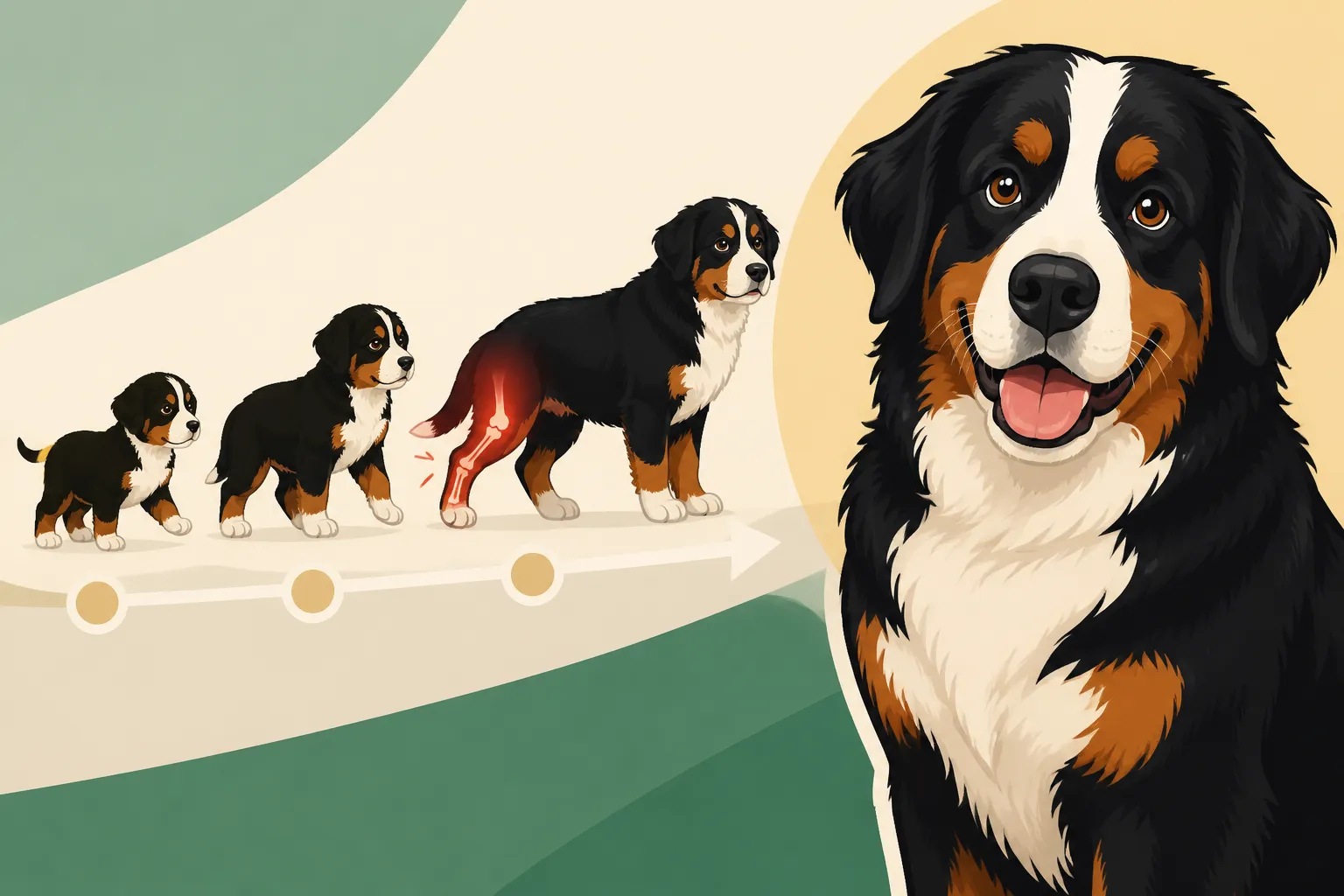
Imagine putting nearly a hundred pounds of muscle and bone on a frame in just a year or so. That's the task facing a growing Bernese Mountain Dog puppy. Their bones aren't just getting longer; they're also thickening and strengthening at an astonishing rate. During this period of intense growth, specialized areas called growth plates (or epiphyseal plates) are constantly working. These are layers of cartilage near the ends of long bones that gradually calcify and transform into hard bone. They're soft and far more susceptible to injury than mature bone, making young Berners prone to issues that might not affect an adult dog.
This rapid development means that what might be a minor tweak in a smaller, slower-growing breed can manifest as a noticeable limp in a Berner. Their sheer weight, even as a puppy, puts extra strain on these delicate structures. Owners often worry, and rightly so, that every little stumble or awkward landing could impact their dog's long-term health. It's a constant balancing act between encouraging appropriate exercise for muscle development and protecting those vulnerable growth plates from excessive impact. It’s why understanding What Fast Growth Costs a Bernese Mountain Dog's Joints is so vital from the very beginning.
Common Orthopedic Issues Linked to Growth
When we talk about shifting limps in growing Bernese Mountain Dogs, we're often looking at a few key suspects that are intrinsically linked to their rapid growth and genetic predispositions. These aren't always definitive diagnoses at first glance, but they are the conditions vets often consider when a young Berner presents with intermittent lameness.
One of the most frequent culprits is Panosteitis, often affectionately called "pano" or "growing pains." This condition involves inflammation of the outer surface of the long bones, typically affecting puppies between 5 and 18 months of age, though it can sometimes appear earlier or later. The hallmark of pano is its shifting nature: a puppy might be limping badly on one front leg for a few days, then seemingly recover, only to start limping on a different leg—perhaps a hind leg—a week later. It's often painful to the touch on the affected bone. While scary to witness, pano is usually self-limiting and resolves on its own as the dog matures.
Another concern is Osteochondritis Dissecans (OCD), a developmental orthopedic disease that occurs when cartilage doesn't properly mature into bone, creating a flap of cartilage that can detach and cause pain, usually in the shoulder, elbow, stifle (knee), or hock joints. Unlike pano, OCD typically affects one specific joint at a time and usually results in a more consistent limp in that limb, though secondary compensation can make it seem like it's shifting. However, a puppy might have OCD in one shoulder and then, months later, develop it in the other, contributing to the "shifting" perception.
Lastly, and perhaps most famously for giant breeds like Berners, are conditions like Elbow Dysplasia and Hip Dysplasia. These are complex genetic conditions where the joints don't develop properly, leading to instability and eventual arthritis. While these typically cause a more persistent limp, a mild form or early stages can manifest as intermittent lameness, especially after exercise. A puppy might favor one leg for a bit, then another, as they try to distribute their weight and ease discomfort, giving the impression of a shifting limp. Hips That Fail Under a Bernese Mountain Dog's Weight are a major concern, and early signs can be subtle.
Pinpointing the Cause of the Shifting Limp
When your Bernese Mountain Dog puppy starts limping, it’s always a concerning moment. The urge to immediately rush to the vet is strong, but sometimes a shifting limp can be a fleeting phase. Learning to differentiate between a minor ache and a symptom of a more serious underlying issue is key.
When to Worry and When to Watch
It's natural to panic when your majestic puppy suddenly looks uncomfortable. A good rule of thumb for "watching" versus "worrying" often comes down to severity, duration, and accompanying symptoms.
If your Berner puppy has a very mild limp that appears briefly after a particularly rowdy play session or a long walk, and then completely resolves within a few hours or a day, it might be something to simply monitor. Perhaps they twisted an ankle, stepped awkwardly, or simply overdid it. Young, enthusiastic Berners can be clumsy, and minor sprains or muscle soreness are not uncommon. Watch their demeanor: are they still eating, playing, and acting like themselves? Are they easily distracted from the limp? If so, rest and observation might be appropriate for a short period. Providing a comfortable, orthopedic bed can help them recover faster from minor bumps and bruises.
However, it's time to worry and seek immediate veterinary attention if the limp is severe, meaning your dog is reluctant to put any weight on the leg, or if they are crying out in pain. If the limp persists for more than 24-48 hours, even if it shifts to another leg, it warrants a vet visit. Other red flags include swelling, heat in the affected joint, lethargy, loss of appetite, fever, or any noticeable behavioral changes that suggest discomfort or illness. A puppy with panosteitis, for example, might be quite painful to the touch on the long bones, and may be reluctant to play. Even if it is "just pano," managing their pain is important for their well-being. Keeping an eye on What the Bernese Mountain Dog Weighs at Each Month can also help you understand the load their joints are bearing.
Diagnostic Steps Your Vet Might Take
When you bring your limping Bernese Mountain Dog to the veterinarian, they'll embark on a systematic journey to uncover the root cause. This isn't just a quick peek; it's a thorough investigation designed to give you the clearest picture possible.
First, your vet will perform a comprehensive physical examination. This involves observing your Berner's gait, feeling all the limbs, joints, and long bones for heat, swelling, or pain. They'll manipulate each joint through its range of motion, gently feeling for instability or tenderness. They might also check your dog's reflexes and muscle condition. The shifting nature of the limp can make this tricky, as the leg that was limping yesterday might feel fine today, but an experienced vet will still gather crucial information.
After the physical exam, the next logical step is often radiography (X-rays). X-rays are incredibly valuable for visualizing bone structure and joint health. For conditions like panosteitis, X-rays might show subtle changes in bone density or inflammation on the bone surface, though sometimes early pano won't show on X-rays. For OCD, X-rays can reveal the characteristic bone spurs or cartilage flaps. And of course, for hip and elbow dysplasia, X-rays are the gold standard for assessing joint conformation and the extent of any degenerative changes. Sometimes, X-rays of multiple joints, even those not currently limping, might be recommended to get a full picture of your Berner's skeletal development, especially if a general developmental orthopedic disease is suspected.
In some cases, especially if X-rays are inconclusive or a soft tissue injury is suspected, your vet might recommend further diagnostics. This could include blood tests to rule out other inflammatory conditions, or more advanced imaging like an MRI or CT scan. These are less common for a shifting limp unless other serious issues are suspected, but they offer incredible detail of soft tissues and complex joint structures. For instance, if your vet suspects a tear in the knee, such as The Knee a Bernese Mountain Dog Tears at Four, advanced imaging might be considered, though this is more typical in slightly older dogs.
Don't be afraid to ask your vet questions every step of the way. They understand your concern and want to work with you to ensure your Berner gets the best care. And remember, having pet insurance like Healthy Paws can significantly alleviate the financial stress associated with extensive diagnostics and treatments for conditions like these, allowing you to make decisions based on your dog's health rather than your wallet.
Managing and Supporting a Growing Berner with a Limp
Once you have a clearer understanding of why your Bernese Mountain Dog is limping, the focus shifts to management and support. This isn't just about medication; it's about a holistic approach to ensure their comfort, proper development, and long-term joint health.
Nutritional Considerations and Supplements
Proper nutrition is paramount for a growing Bernese Mountain Dog, even more so when they're experiencing orthopedic challenges. Over-nutrition or feeding an inappropriate diet can exacerbate growth-related problems. It's not about making them grow faster, but about fostering steady, controlled growth.
Firstly, ensure your Berner is on a high-quality, large-breed puppy food designed specifically for giant breeds. These formulas are carefully balanced to provide optimal calcium, phosphorus, and energy levels to support slow and steady bone growth. Too much calcium, for instance, can actually contribute to developmental orthopedic diseases rather than prevent them. Avoid free-feeding; portion control is crucial to prevent rapid weight gain, which puts undue stress on developing joints. Overweight puppies are at a significantly higher risk for worsening hip and elbow dysplasia, as Whether a Heavy Bernese Mountain Dog Puppy Damages Itself clearly indicates.
When it comes to supplements, always consult your veterinarian before adding anything to your Berner's diet. While many owners are eager to give joint supplements, not all are created equal, and some may even be detrimental if given inappropriately during the growth phase. Your vet might recommend specific supplements like glucosamine, chondroitin, or omega-3 fatty acids, particularly if your dog has been diagnosed with a condition like mild dysplasia or early arthritis. These supplements aim to support cartilage health and reduce inflammation. Brands like Healthy Paws often cover prescribed supplements as part of their treatment plans if they are deemed medically necessary by a vet, which can be a huge relief for owners facing ongoing joint care. It’s also worth reading about Starting a Bernese Mountain Dog on Joint Medication Young for a deeper dive into this topic.
Exercise Modification and Physical Therapy
One of the hardest parts of having a limping puppy is restricting their natural desire to play and run. However, modifying their exercise is absolutely critical for healing and preventing further injury. This isn't about complete crate rest unless specifically ordered by your vet, but rather about controlled activity.
For a Berner with a shifting limp, especially if panosteitis is suspected, gentle, leash-led walks are usually preferred over vigorous play sessions or running. Avoid activities that involve jumping, sudden stops, or quick changes in direction, as these put immense strain on joints and growth plates. Swimming can be an excellent low-impact exercise option, helping to build muscle strength without stressing joints. The goal is to maintain muscle mass and joint mobility without causing pain or inflammation.
Physical therapy, or rehabilitation, can be incredibly beneficial for Bernese Mountain Dogs with orthopedic issues. A certified canine rehabilitation therapist can design a tailored program that includes exercises to strengthen specific muscle groups, improve flexibility, and enhance proprioception (the dog's sense of body position). This might involve therapeutic exercises on balance balls, cavaletti poles, or underwater treadmills. Hydrotherapy for an Arthritic Bernese Mountain Dog is a fantastic example of a low-impact therapy that can make a huge difference.
Your vet might also suggest cold compresses for acute inflammation or heat packs for chronic stiffness. Massage can also help improve circulation and reduce muscle tension around the affected areas. Consistency with these modified exercise routines and therapy is key to seeing improvement and ensuring your growing Berner develops as strong and healthy as possible.
The Long-Term Outlook and Prevention
While a shifting limp can be a temporary phase for some Bernese Mountain Dogs, for others, it can be an early indicator of lifelong orthopedic challenges. Thinking about the long-term outlook and implementing preventative measures from puppyhood are essential for these magnificent, but often structurally vulnerable, dogs.
Breeder Responsibility and Health Clearances
The single most impactful step in preventing orthopedic issues, including those that cause a shifting limp, starts long before you even bring your puppy home: choosing a responsible breeder. A good breeder is not just passionate about the Bernese Mountain Dog breed; they are meticulous about the health and genetic screening of their breeding dogs.
Reputable breeders will perform comprehensive health clearances on both parents for conditions prevalent in Berners, most notably hip and elbow dysplasia. These clearances, typically certified by organizations like the Orthopedic Foundation for Animals (OFA), involve X-rays interpreted by veterinary radiologists to assess joint quality. They will also screen for other conditions such as eye issues, heart conditions, and certain bleeding disorders. A breeder should be transparent and readily provide you with the OFA certificates and other health records for the parents, not just show you a piece of paper. You can even check these records yourself on the OFA website or the Berner-Garde database. Understanding OFA Clearances a Bernese Mountain Dog Should Have is a non-negotiable part of your puppy search.
While these clearances don't guarantee that a puppy will never develop an orthopedic issue, they significantly reduce the risk of inheriting conditions like severe dysplasia. A responsible breeder also understands the importance of sound temperament and structural integrity, breeding dogs that conform to the breed standard in terms of movement and overall health, not just looks. They will also be honest about Whether Cancer Runs in Bernese Mountain Dog Lines and other health challenges specific to the breed.
Proactive Care for Lifelong Joint Health
Even with the best breeding, a Bernese Mountain Dog's large size means their joints will always need a little extra TLC throughout their life. Proactive care is about minimizing stress and maximizing joint support from puppyhood right through their senior years.
Maintaining a lean body condition is paramount. Every extra pound your Berner carries puts additional strain on their joints. Work with your vet to establish an ideal weight and feeding plan, and be diligent about sticking to it. Regular, moderate exercise is also crucial. As discussed, avoid high-impact activities, especially during their growth phase. Focus on controlled walks, swimming, and mental stimulation. Once they're fully grown, activities like draft work or hiking (with proper conditioning) can be excellent, but always listen to your dog and avoid overexertion.
Creating a "joint-friendly" environment at home also makes a big difference. Provide orthopedic beds to cushion their joints while resting. Use non-slip rugs or runners on slick floors to prevent slips and falls, which can cause acute injuries or worsen existing joint problems. If your home has stairs, consider limiting access or providing assistance, especially for a puppy or an older dog, as Whether Stairs Damage a Bernese Mountain Dog Puppy is a real concern.
Regular veterinary check-ups are also vital. Your vet can monitor your Berner's weight, gait, and overall health, catching potential issues early. They might recommend starting joint supplements proactively as your dog matures, especially if they have any predisposition to joint disease. Remember, early intervention and consistent proactive care can significantly improve the quality of life for your Bernese Mountain Dog and help them live as comfortably as possible, even into their later years, when issues like Arthritis in a Bernese Mountain Dog by Six can become common. Having a robust pet insurance plan, such as one from Healthy Paws, can also provide peace of mind for covering future treatments related to joint health.
Common Causes of Shifting Limps in Growing Bernese Mountain Dogs
Here’s a quick overview of some common conditions that can cause a shifting limp in a growing Bernese Mountain Dog:
| Condition | Age Range (Typical) | Key Characteristics | Severity (Typical) | Outlook |
|---|---|---|---|---|
| Panosteitis (Pano) | 5-18 months | Shifting lameness, often affects different legs over time. Pain when pressing on long bones. Lethargy possible. | Mild to Moderate | Self-limiting, resolves with maturity. Pain management needed. |
| Osteochondritis Dissecans (OCD) | 4-12 months | Lameness in one or more specific joints (shoulders, elbows, stifles). Can appear to "shift" if multiple joints are affected sequentially. May involve swelling. | Moderate to Severe | May require surgery for severe cases. Can lead to arthritis. |
| Hip Dysplasia | 4 months – maturity | Intermittent lameness, "bunny hopping" gait, reluctance to run or jump. Can worsen with age. Often bilateral. | Mild to Severe | Progressive, often leads to arthritis. Management with pain meds, supplements, surgery. |
| Elbow Dysplasia | 4-12 months | Front-end lameness, stiffness, reluctance to bear weight on one or both front legs. Can lead to arthritis. | Moderate to Severe | Progressive, often leads to arthritis. Management with pain meds, supplements, surgery. |
| Growth Plate Injury | Puppyhood (until plates close) | Acute lameness, often following trauma or impact. Localized pain and swelling. | Moderate to Severe | Varies based on severity; can impact bone growth if severe. |
| Soft Tissue Sprain/Strain | Any age | Mild to moderate lameness, often resolves quickly with rest. No bony changes. | Mild | Usually resolves with rest and mild pain relief. |
Disclaimer
The information provided in this guide is for general informational purposes only and does not constitute veterinary advice. Always consult with a qualified veterinarian for any health concerns or before making any decisions about your pet's health or treatment.