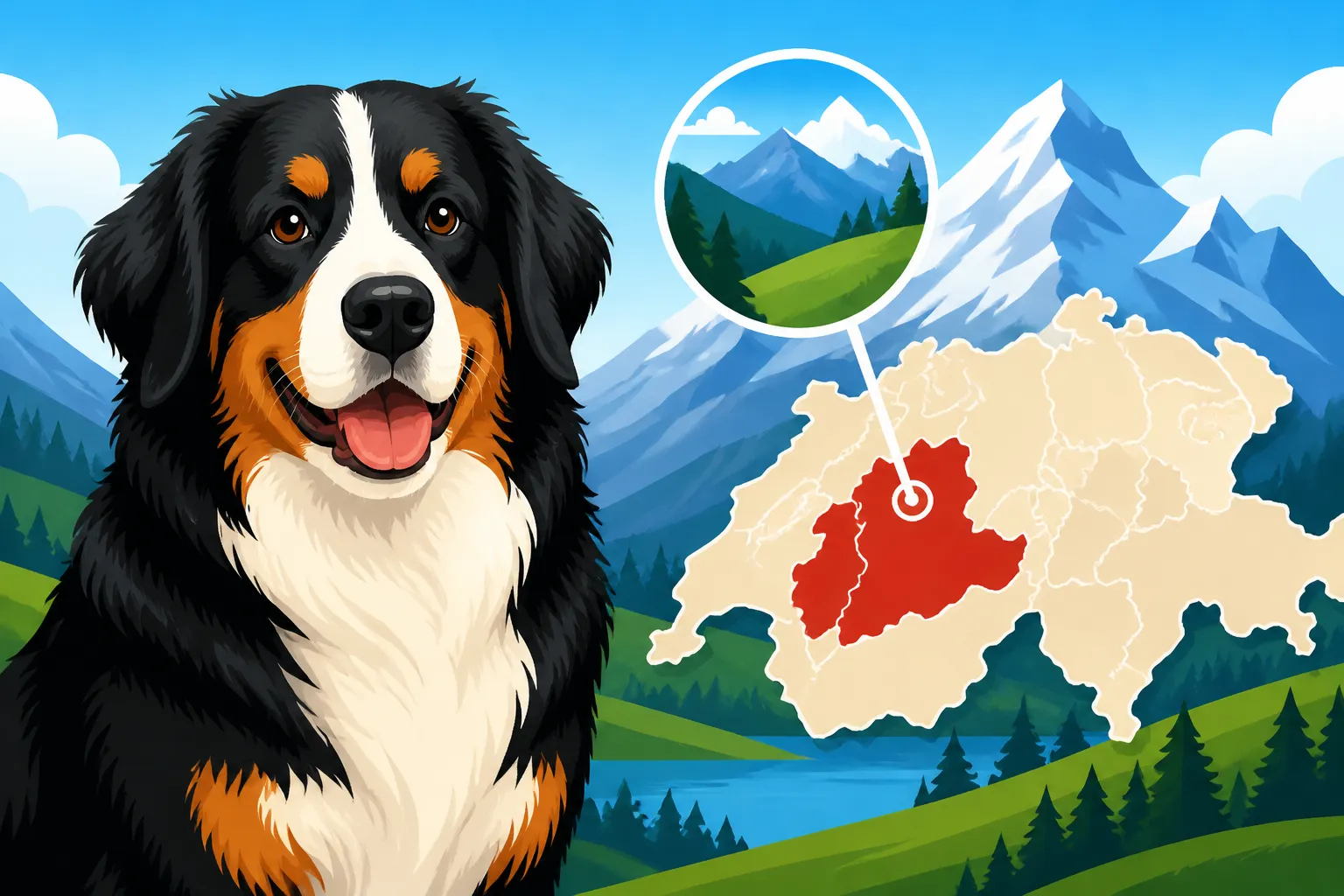
Which Canton the Bernese Mountain Dog Comes From
It's easy to fall in love with the gentle giant that is the Bernese Mountain Dog – their fluffy coats, their sweet eyes, their loyal demeanor. But sometimes, in admiring their present-day charm, we forget to truly appreciate the incredible journey that brought them to us. Many owners might wonder where exactly these magnificent creatures hail from, beyond a general "Switzerland." This guide is going to take you on a detailed trip back in time, revealing the specific Swiss canton where the Berner's story truly began and how that rugged landscape shaped the dog we adore today.
Unraveling the Bernese Mountain Dog's Swiss Roots
The majestic Bernese Mountain Dog, with its distinctive tricolor coat and kind eyes, has a heritage deeply woven into the fabric of Switzerland. While many know they're a Swiss breed, pinpointing their exact origin often gets a little blurry. It's not just a country; it's a specific region, a particular way of life, and a set of needs that shaped these dogs into the beloved companions we know.
The Alpine Landscape and Its Influence
Imagine the Swiss Alps – towering peaks, lush green valleys, and a climate that can shift from pleasantly mild to incredibly harsh in a blink. This dramatic landscape wasn't just scenery; it was a demanding environment that required a certain type of dog to thrive. Farmers and dairymen in these regions weren't looking for dainty lapdogs; they needed robust, intelligent, and versatile animals that could assist with daily tasks, protect their homesteads, and withstand the elements.
Life in the Swiss countryside, particularly centuries ago, was hard work. Families relied on their animals for survival. Dogs weren't just pets; they were integral members of the farm team, expected to pull their weight, quite literally. This necessity for strong, adaptable dogs led to the development of several distinct breeds, each perfectly suited to the unique demands of their local region. The natural selection, coupled with the farmers' practical breeding choices, forged dogs with incredible endurance, keen instincts, and a calm, dependable temperament – traits we still see prominently in the Bernese Mountain Dog.
The Canton of Bern: The Heart of the Berner Homeland
So, which specific piece of Switzerland can claim the Bernese Mountain Dog as its own? The answer lies squarely in the Canton of Bern. This large and historically significant canton in west-central Switzerland is the true cradle of the breed. It's a region known for its rolling hills, fertile farmlands, and, yes, its stunning mountain ranges. This agricultural heartland, with its scattered farms and small villages, was the perfect environment for a dog like the Berner to evolve.
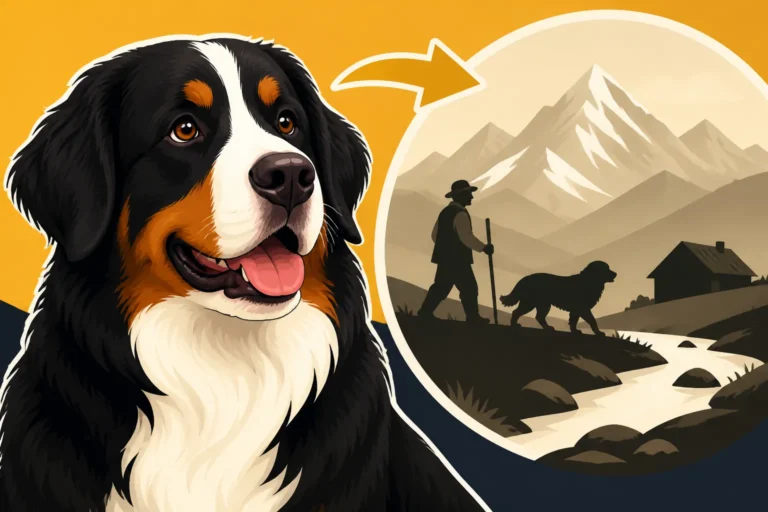
The farmers here were often involved in dairy production, which meant moving milk and cheese from remote farms to markets. This wasn't a job for horses on narrow mountain paths, but it was ideal for a sturdy, draft-capable dog. The Bernese Mountain Dog, or its ancestors, became invaluable for pulling small carts laden with goods, making them essential to the local economy and daily life. They were known for their strength, their willingness to work, and their gentle nature, which made them good companions even after a long day of labor.
More Than Just a Pretty Face: The Berner's Original Purpose
It's easy to look at a Bernese Mountain Dog today, sprawled comfortably on a rug or gently nudging your hand for a treat, and forget their working-class roots. But understanding what they were originally bred for provides immense insight into their inherent traits and why they behave the way they do. These weren't dogs bred purely for companionship, though their loving nature was certainly a happy bonus for their human partners.
From Farmhands to Family Members: The Bernese Mountain Dog's Evolution
Centuries ago, the Bernese Mountain Dog's ancestors were indispensable assets on Swiss farms. Their primary roles revolved around protecting the farm, assisting with livestock, and, most famously, carting. Imagine a farmer relying on his trusted dog to pull a small wagon, loaded with heavy cans of milk or blocks of cheese, down winding mountain trails to the nearest village market. This was a common sight in the Canton of Bern. This task required not only immense strength and stamina but also intelligence, reliability, and a calm disposition to navigate busy market squares.
Beyond drafting, these dogs were also excellent drovers, helping to move cattle and other livestock from pastures to barns. Their presence alone was often enough to deter predators or trespassers, acting as vigilant but not overly aggressive guardians of the farmstead and family. These diverse responsibilities meant that only the most capable, biddable, and robust dogs were bred, naturally selecting for the traits that make Berners such wonderful, versatile dogs even today. It's a testament to their heritage that many modern Berners still absolutely light up when given a job to do, whether it's pulling a wagon in a draft test or simply carrying the mail in a soft basket. If you're curious about their historical roles, What a Bernese Mountain Dog Did on a Swiss Farm offers a great look into their past duties.
The "Sennenhund" Tradition and What It Means
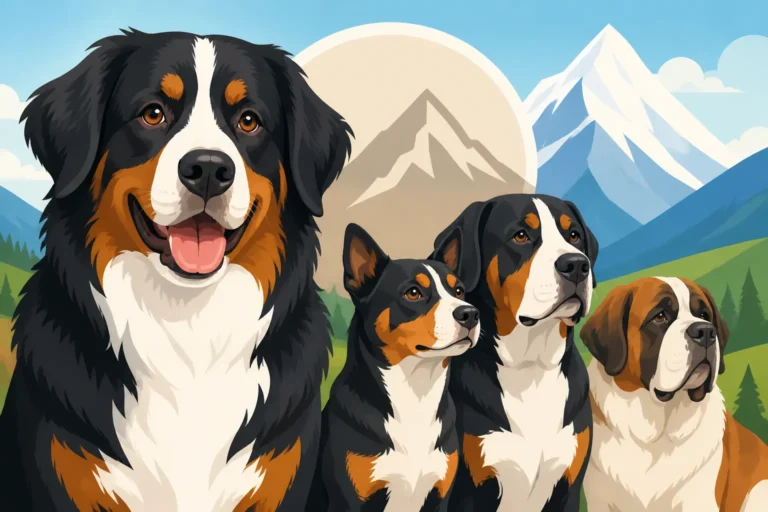
The Bernese Mountain Dog is one of four distinct breeds known collectively as "Sennenhund," or "Alpine pasture dog." This term literally translates to "alpine herdsman's dog," and it refers to a group of traditional working dogs from the Swiss Alps. Each of these breeds — the Bernese Mountain Dog, the Greater Swiss Mountain Dog, the Appenzeller Sennenhund, and the Entlebucher Sennenhund — share a common heritage of farm work, a tricolor coat pattern, and a general robust build, but each developed in specific regions to meet slightly different needs.
The Sennenhund breeds are all characterized by their strength, intelligence, and loyalty. They were developed to be hardy, all-around farm dogs, capable of tasks ranging from guarding livestock to pulling carts. The Bernese Mountain Dog distinguishes itself within this group by being the only long-coated variety. Understanding the "Sennenhund" tradition helps us appreciate the shared ancestry and the unique qualities that make the Bernese Mountain Dog special. They carry the legacy of centuries of dedicated work and companionship in their very genes. If you're interested in learning more about the other breeds in this fascinating group, you'll find The Four Swiss Breeds Beside the Bernese Mountain Dog to be a really informative read.
Here's a quick look at the four Sennenhund breeds and their key distinguishing features:
| Breed Name | Coat Type | Size (Approximate) | Original Role | Key Differentiating Feature |
|---|---|---|---|---|
| Bernese Mountain Dog | Long | Large | Carting, Herding, Guarding | Long, flowing tricolor coat |
| Greater Swiss Mountain Dog | Short | Large | Carting, Herding, Guarding | Short, dense tricolor coat |
| Appenzeller Sennenhund | Short | Medium | Herding, Guarding | Curled tail over back, energetic |
| Entlebucher Sennenhund | Short | Medium | Herding (cattle driving) | Bobtail or naturally short tail |
The Early Days: Dürrbächler to Bernese Mountain Dog
Like many ancient breeds, the Bernese Mountain Dog didn't just appear fully formed with its current name. Its history is a fascinating story of local dogs, regional names, and dedicated individuals who saw the value in these magnificent animals and worked to preserve and standardize them for future generations.
The Village of Dürrbach: The First Identity
Before it was officially known as the Bernese Mountain Dog, the breed was often referred to as the "Dürrbächler." This name derives from the small, isolated village of Dürrbach, which is nestled in the foothills of the Alps within, you guessed it, the Canton of Bern. This geographical link highlights just how localized and specific the breed's origins were. The dogs of Dürrbach and the surrounding areas were renowned for their robust health, gentle temperament, and immense working capabilities.
The farmers in and around Dürrbach relied heavily on these dogs for all the aforementioned tasks – carting milk, guarding property, and herding livestock. The breed was intrinsically tied to the local agricultural economy and daily life. For a long time, these dogs were simply "the dogs from Dürrbach," valued for their utility rather than any formal breed recognition. This deep connection to a specific, somewhat remote locale helped preserve their distinctive traits, as there was less intermingling with other dog populations. To delve deeper into this particular origin, you might find Where the Village of Dürrbach Is to be an enlightening read.
The Efforts of Franz Schertenleib and Albert Heim
By the late 19th century, with the advent of modern transportation and changing agricultural practices, the traditional roles of these farm dogs began to diminish. The Dürrbächler, like many local working breeds, faced the very real threat of dilution or even extinction as other breeds gained popularity. This is where the efforts of a few dedicated individuals became absolutely critical in saving the Bernese Mountain Dog.
One such figure was Franz Schertenleib, an innkeeper from Burgdorf, Switzerland. Schertenleib was passionate about the traditional Dürrbächler dogs and traveled extensively through the countryside, seeking out and collecting the best remaining specimens. He was instrumental in reviving the breed from near obscurity, preserving its characteristic traits and working abilities. His tireless work laid the foundation for the breed's future. Then came Professor Albert Heim, a distinguished geologist and cynologist. Heim took Schertenleib's foundational work and brought scientific rigor to the standardization of the breed. He was the one who proposed the new, more inclusive name "Berner Sennenhund" (Bernese Alpine Dog) in 1909, recognizing its origin in the canton of Bern and its place among the other Swiss mountain dogs. Heim drafted the first breed standard, carefully outlining the desired physical characteristics and temperament. His influence was paramount in establishing the Bernese Mountain Dog as a recognized and respected breed. Learning about these two pioneers, especially Franz Schertenleib and the Bernese Mountain Dogs He Found and What Albert Heim Did for the Bernese Mountain Dog, truly makes you appreciate how close we came to losing this magnificent breed.
Establishing a Breed: From Local Treasure to Global Companion
The journey from a localized farm dog in a specific Swiss canton to a globally recognized and adored breed was a long one, marked by dedicated individuals and crucial organizational efforts. This transformation speaks volumes about the intrinsic appeal and unique qualities of the Bernese Mountain Dog.
The Dürrbach Club and the Road to Recognition
The formal establishment of the breed took a significant step forward with the creation of the first breed club. In 1907, the "Schweizerischer Dürrbach-Klub" (Swiss Dürrbach Club) was founded by a group of passionate fanciers, building upon the work of people like Schertenleib and Heim. The club's mission was clear: to protect and promote the pure breeding of these magnificent dogs. This was a crucial development, as it moved the Dürrbächler from being simply a collection of local working dogs to a formally recognized and managed breed.
The club played a vital role in establishing a studbook, registering dogs, and ensuring that breeding practices adhered to the developing standard. This brought consistency to the breed and helped solidify its unique characteristics. The early years saw increasing interest, and within a few years, the breed was renamed the "Berner Sennenhund" or Bernese Mountain Dog, gaining wider recognition across Switzerland and beyond. This pivotal moment, the formation of the club, is detailed further in The Dürrbach Club Founded in 1907. Without such dedicated organizational efforts, it's quite possible the Bernese Mountain Dog might have indeed faded into history, as nearly happened before these efforts gained traction, a situation that Whether the Bernese Mountain Dog Nearly Died Out explores in more depth.
Distinguishing the Bernese from its Cousins
While all four Swiss Sennenhund breeds share some common ancestry and the striking tricolor pattern, the Bernese Mountain Dog possesses a distinct feature that sets it apart: its long, flowing coat. Both the Greater Swiss Mountain Dog, Appenzeller, and Entlebucher Sennenhunds have short, dense coats. This difference in coat length is a key identifier and speaks to slight variations in their historical environments or the specific aesthetic preferences of the breeders in their respective regions.
The Berner's beautiful double coat is not just for show; it's a functional adaptation. It provided excellent insulation against the cold alpine winters in the Canton of Bern, protecting them during their working duties outdoors. This luxurious, weather-resistant coat needs regular grooming, something any Berner owner will tell you! Interestingly, this long coat is a primary reason why many people are drawn to the Bernese Mountain Dog's aesthetic today, making them instantly recognizable among their Swiss cousins. If you've ever wondered about this unique trait, Why Only the Bernese Mountain Dog Has a Long Coat goes into more detail. When you're looking for grooming tools or specific large-breed dog food, remember that online retailers like Chewy cater specifically to the needs of these big, beautiful dogs, making it easier than ever to find what they require.
The Bernese Mountain Dog's journey from the agricultural heartland of the Canton of Bern, through the dedicated efforts of preservationists, to becoming a beloved companion worldwide, is a testament to its enduring qualities. Knowing its roots helps us understand and appreciate these wonderful dogs even more.
Disclaimer
This article is for general informational purposes only and does not constitute professional advice. Laws, prices and regulations vary by location and change over time. Consult a qualified professional for guidance on your specific situation.