The Year the Bernese Mountain Dog Was Renamed
It’s easy to assume that a beloved breed like the Bernese Mountain Dog has always carried such a grand and descriptive name. But like many ancient breeds, their journey to formal recognition involved some significant identity shifts. Understanding when and why their name changed offers a fascinating glimpse into the very origins of these magnificent dogs, solving the mystery of their formal title and the historical forces behind it.
The Origins of the Bernese Mountain Dog's Name and Its Confusion
Before the Bernese Mountain Dog became the widely recognized and adored breed we know today, these sturdy, loyal canines were an integral part of daily life in the Swiss Alps, particularly in the canton of Bern. However, their names weren't always as formal or standardized as they are now. For generations, these dogs were simply known by local, regional titles, reflecting their immediate surroundings and the specific communities they served.
From Dürrbächler to Berner Sennenhund
Picture the picturesque, rugged landscapes of Switzerland, dotted with small, self-sufficient farms. Here, large, tricolored dogs were indispensable. They performed a variety of crucial tasks, from guarding livestock and property to pulling carts laden with milk and cheese to market. In the Dürrbach valley, a specific area near Bern, these dogs were commonly referred to as "Dürrbächler," literally meaning "Dürrbach dogs." This local moniker highlighted their strong connection to the valley and its people, a name that made perfect sense to anyone living there. If you're curious about their ancestral home, you might enjoy reading The Swiss Valley the Bernese Mountain Dog Comes From.
These Dürrbächler dogs weren't bred to a strict written standard as we understand it today. Instead, their breeding was purely functional; farmers simply selected the strongest, most dependable dogs that excelled at their working duties. While they shared common traits like their size and striking tricolor coats, there was natural variation, and their identity was very much tied to their immediate locality. This informal naming, while deeply personal to the communities, posed a significant challenge for anyone trying to recognize or promote them beyond a specific valley. Without a unified name, these wonderful dogs were often overlooked or lumped into a general category of "Swiss farm dogs," hindering any efforts to celebrate their unique qualities and preserve their distinct lineage.
This is where historical figures like Albert Heim became instrumental. Heim, a Swiss geologist and cynologist, was passionate about the native Swiss working dogs and recognized their inherent value. He saw that if these breeds were to survive and thrive, they needed formal recognition, starting with a consistent name that transcended local dialects and traditions. His efforts were pivotal in bringing these regional "Dürrbächler" dogs into the wider world, giving them a foundation for future prosperity.
The Importance of a Standardized Name
Imagine trying to preserve a species when different communities call it by different names, and there's no clear definition of what constitutes that species. This was the challenge facing the Dürrbächler dogs. A standardized name was absolutely crucial for several reasons, primarily to ensure the breed's long-term survival and to prevent its unique characteristics from being diluted or lost entirely. Without a clear identity, these magnificent animals might have simply faded into obscurity, absorbed into other, more formally recognized breeds, or diminished by indiscriminate breeding practices.
The establishment of a single, recognized name provided a common reference point. It allowed enthusiasts and breeders across broader regions, and eventually across countries, to unite under a shared understanding of what a "Bernese Mountain Dog" truly was. This unity was essential for forming a dedicated breed club, which could then take on the vital task of crafting and upholding a The Bernese Mountain Dog Breed Standard. This standard defined everything from their physical appearance and temperament to their gait and coat type, providing a blueprint for responsible breeding and judging. Without a consistent name, such a club would struggle to define its purpose or attract members who were all working towards the same goal.
The journey to standardization wasn't an overnight affair. It involved passionate individuals like Albert Heim diligently documenting and advocating for these dogs. Their goal was to honor the dogs' rich heritage as hardworking farm companions while elevating their status to that of a distinct, recognized breed. This formalization not only brought prestige but also enabled better tracking of bloodlines and health issues, laying the groundwork for the healthy breeding practices that many Bernese Mountain Dog enthusiasts champion today, using resources like the Berner-Garde database for detailed ancestry and health information.
Ultimately, a standardized name allowed the breed to move beyond its humble, regional origins and gain national and international acclaim. It transformed them from mere "big farm dogs" into a celebrated canine lineage, recognized for their unique combination of strength, beauty, and gentle disposition. This foundational step was critical in securing their future, ensuring that future generations would continue to enjoy the companionship of these extraordinary animals.
The Pivotal Year: 1907 and Beyond
While the Dürrbächler dogs had been a cherished part of Swiss farm life for centuries, their transition to a globally recognized breed truly began with a pivotal moment in the early 20th century. This specific year marked a turning point, solidifying their identity and setting them on a path toward enduring popularity.
The Official Renaming and Its Impact
The year that changed everything for the Dürrbächler was 1907. It was in this significant year that the breed was officially renamed the "Berner Sennenhund." This wasn't a casual decision made in passing; it was a deliberate and formal act by Swiss cynologists and enthusiasts who understood the importance of a unified identity for the breed's preservation and promotion. This new name was far more encompassing and dignified than its regional predecessor, reflecting a broader connection to the Bern canton and its traditional agricultural heritage.
The term "Berner Sennenhund" itself holds a beautiful meaning that perfectly encapsulates the breed's origins. "Berner" directly refers to Bern, the canton in Switzerland from which these dogs hailed. "Senn" or "Sennenhund" is a term used for dogs belonging to the Senn people—Alpine herdsmen or dairymen. Thus, "Berner Sennenhund" translates quite literally to "Bernese Alpine Herdsman's Dog" or, more commonly in English, "Bernese Mountain Dog." This name not only honored their geographical roots but also celebrated their traditional working role alongside the dairy farmers in the high pastures. Albert Heim and the Name Berner Sennenhund was a key figure in this process, tirelessly working to categorize and formalize the Swiss mountain dog breeds.
The impact of this official renaming was profound and immediate. It provided the breed with a clear, unambiguous identity that could be understood and adopted across Switzerland and, crucially, beyond its borders. No longer were these dogs merely a local variant; they were now a distinct and recognized breed with a name that conveyed both their origin and their traditional purpose. This clarity fostered a stronger sense of shared purpose among breeders and enthusiasts, enabling them to focus on developing and maintaining consistent breed characteristics. It also made it easier for the general public to identify and appreciate them, leading to a surge of interest in these gentle giants.
With the new name came a renewed focus on careful, consistent breeding. The emphasis shifted from purely utilitarian breeding—though their working abilities remained prized—to also refining their conformation and temperament according to a defined standard. This helped to ensure that the qualities that made them so beloved, such as their striking tricolor coat, sturdy build, and calm demeanor, would be consistently passed down through generations.
The Dürrbach Club's Role in the Transition
The official renaming in 1907 was closely tied to the formal establishment of a breed club dedicated to these dogs. In the very same year, the "Schweizerischer Dürrbach-Klub" (Swiss Dürrbach Club) was founded. This organization, often referred to simply as The Dürrbach Club Founded in 1907, played an absolutely instrumental role in formalizing the breed's identity and launching it onto the national and international stage. Their commitment was not just to the name but to the very essence of the Berner Sennenhund.
The Dürrbach Club immediately set to work. Their first critical task was to gather existing dogs that exemplified the desired traits of the breed. This involved visiting farms and remote valleys, identifying the best specimens, and carefully documenting their lineage. They began to compile a studbook, which was a revolutionary step in standardizing breeding practices. By recording ancestry, they could track genetic traits, health, and temperament, moving away from purely informal breeding. This early documentation was vital, and by The Hundred and Seven Dogs Registered by 1910, the club had already made significant progress in establishing a reliable registry.
Beyond documentation, the club actively promoted the newly named breed through organized exhibitions and educational outreach. Imagine the excitement of seeing these magnificent dogs showcased for their beauty and working prowess, rather than just as a common farm animal. This exposure helped to generate widespread interest and solidify the breed's reputation. Breeders like Franz Schertenleib and the Bernese Mountain Dogs He Found, who had been instrumental in identifying excellent examples of the Dürrbächler, continued their work with the club, ensuring that the foundational stock was strong and true to type.
The efforts of the Dürrbach Club, in conjunction with the name change, provided the Bernese Mountain Dog with a fresh start and a robust framework for its future development. It ensured that the breed, which at one point had been Why the Bernese Mountain Dog Nearly Disappeared, would not only survive but flourish. Their dedication laid the groundwork for the modern breed organizations and registries we have today, all of which owe a debt to those pioneering individuals who saw the potential in these Swiss working dogs and gave them a name to match their noble spirit.
The Bernese Mountain Dog's Rise to Prominence
Once the Bernese Mountain Dog had a standardized name and a dedicated club championing its cause, the stage was set for its global journey. No longer a collection of regional farm dogs, the "Berner Sennenhund" was ready to capture hearts far beyond the Swiss valleys.
Gaining Recognition Beyond Switzerland
With its new, formal identity, the Bernese Mountain Dog began its slow but steady march across the world. No longer an obscure Swiss farm dog, it was now a distinct entity, easily identifiable and promotable. This clarity in naming and purpose made it significantly easier for enthusiasts outside of Switzerland to learn about, acquire, and establish breeding programs for the breed. The reputation of these magnificent dogs, with their striking appearance and famously gentle disposition, quickly grew.
Early adopters in other European countries were captivated by their charm and versatility. From Germany to France and eventually to the United Kingdom, the Bernese Mountain Dog found new homes and dedicated admirers. The official recognition by kennel clubs in these countries followed, further cementing their status as a legitimate and cherished breed. It was only a matter of time before their appeal would cross the Atlantic, which it did, bringing these wonderful dogs to North America. You can learn more about this journey in How the Bernese Mountain Dog Crossed the Atlantic. The clear, evocative name "Bernese Mountain Dog" resonated deeply with people, conveying a sense of their majestic origins and hardy nature, making them an instant favorite.
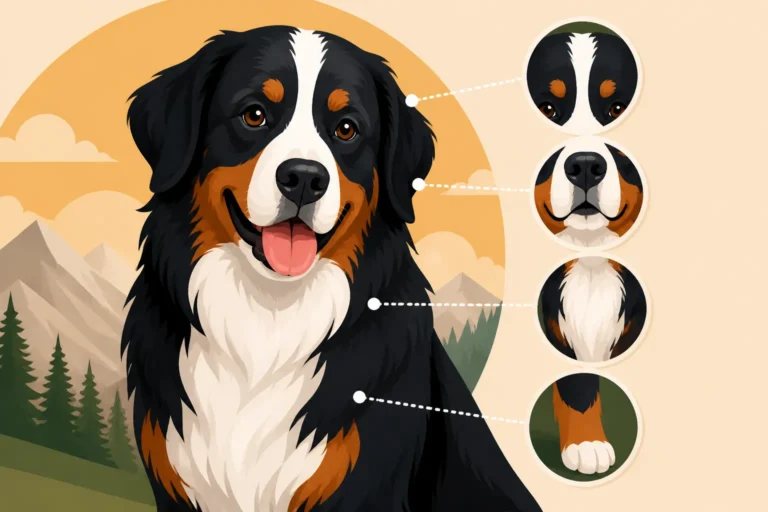
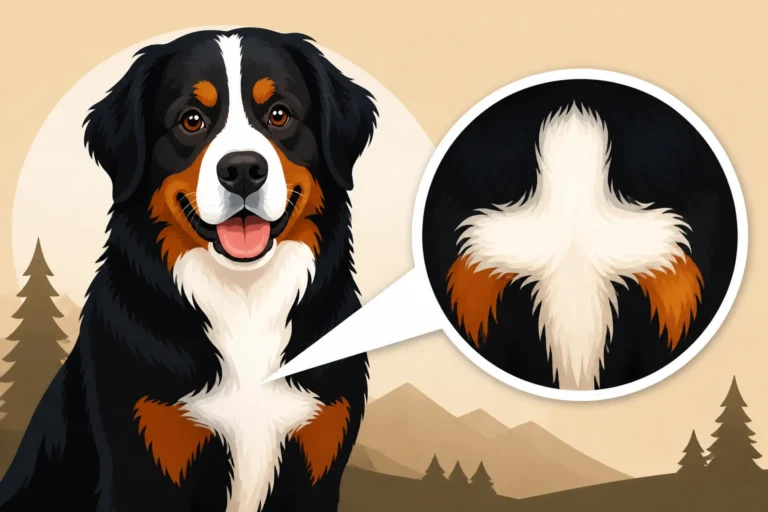
Their striking tricolor coat, often a combination of jet black, clear white, and rich rust markings, made them instantly recognizable and highly desirable. They possessed a friendly, calm temperament that made them ideal family dogs, even with their impressive size. This combination of beauty, brawn, and benevolence fueled their growing popularity, and soon, the Bernese Mountain Dog was becoming a familiar sight in parks, homes, and even advertisements. It's easy to see why companies like Chewy would feature such a handsome and wholesome-looking breed in their promotions for various dog products.
The Legacy of the Name Change
The renaming of the Dürrbächler to the Berner Sennenhund in 1907 wasn't merely a semantic shift; it was a foundational event that secured the breed's future and shaped its identity for generations to come. This act of formalization elevated a beloved working dog from regional obscurity to international recognition, allowing its unique qualities to be preserved and celebrated. Without that pivotal moment, it's entirely possible that the characteristics we adore today might have been fragmented or even lost.
The standardized name allowed for concentrated breeding efforts, guided by a clear breed standard. This ensured the consistent development of the Bernese Mountain Dog's distinctive look and, crucially, its renowned temperament. It’s thanks to these early efforts that modern Bernese Mountain Dogs still embody the same gentle, loyal, and confident nature that made their ancestors so valuable on Swiss farms. This continuity is a testament to the foresight of those who fought for their formal recognition. They share a common ancestry and purpose with What the Bernese Mountain Dog Shares With Its Swiss Cousins.
Today, when we welcome a Bernese Mountain Dog into our homes, we are welcoming a creature whose history is rich with tradition and purposeful evolution. The name "Bernese Mountain Dog" carries with it the story of the Swiss Alps, of hardworking farmers, and of dedicated individuals who saw the inherent value in these animals. It helps us understand their needs, from requiring good nutrition (easily found on platforms like Chewy) to the importance of early socialization and training. The clarity of their identity has facilitated everything from breed-specific health research to the development of tailored products designed to support their unique needs, like specialized large-breed kibble or sturdy beds for their robust frames.
The legacy of the name change is ultimately about the enduring presence of these wonderful dogs in our lives. It's about a name that accurately reflects their heritage and has allowed them to transition seamlessly from their ancient working roles as What Swiss Farmers Used Bernese Mountain Dogs For to becoming cherished family members all over the world. It’s a powerful reminder that sometimes, a simple name can define a destiny.
| Feature | Original Name (Pre-1907) | Official Name (Post-1907) |
|---|---|---|
| Name | Dürrbächler | Berner Sennenhund |
| English Translation | Dürrbach Dog | Bernese Alpine Herdsman's Dog (or Bernese Mountain Dog) |
| Origin | Dürrbach Valley, Switzerland | Bern Canton, Switzerland |
| Significance of Name | Local geographic origin | Reflects geographic origin and working purpose (herdsman's dog) |
| Impact on Breed | Informal, regional identity | Formalized breed, national and international recognition |
The story of the Bernese Mountain Dog’s name change in 1907 is a compelling chapter in the breed's history, showcasing how a strategic decision can profoundly impact a species' survival and global popularity. It transformed a regionally recognized working dog into the formally acknowledged and universally loved Bernese Mountain Dog we cherish today, laying the groundwork for its enduring legacy as a gentle giant from the Swiss Alps.
Disclaimer
This article is for general informational purposes only and does not constitute professional advice. Laws, prices and regulations vary by location and change over time. Consult a qualified professional for guidance on your specific situation.