How Many Bernese Mountain Dogs Existed in 1910
It’s a thought that crosses the minds of many Bernese Mountain Dog owners: how did this magnificent breed come to be, and what struggles did they face? We often hear whispers of the breed’s near disappearance, a tale that adds to their preciousness. This guide isn't just about a number; it's about understanding the remarkable journey of the Bernese Mountain Dog from the brink of extinction to the beloved family members we cherish today, specifically honing in on their critical population in 1910.
The Precipice of Extinction: Bernese Mountain Dogs Before 1910
It's hard to imagine a world without our beloved Berners, but there was a time when these gentle giants were a rare sight, even in their native Switzerland. The early 20th century marked a critical juncture for many indigenous breeds, and the Bernese Mountain Dog was no exception. Their future was far from secure, teetering on the edge of fading into history.
The Vanishing Farm Dogs of the Swiss Alps
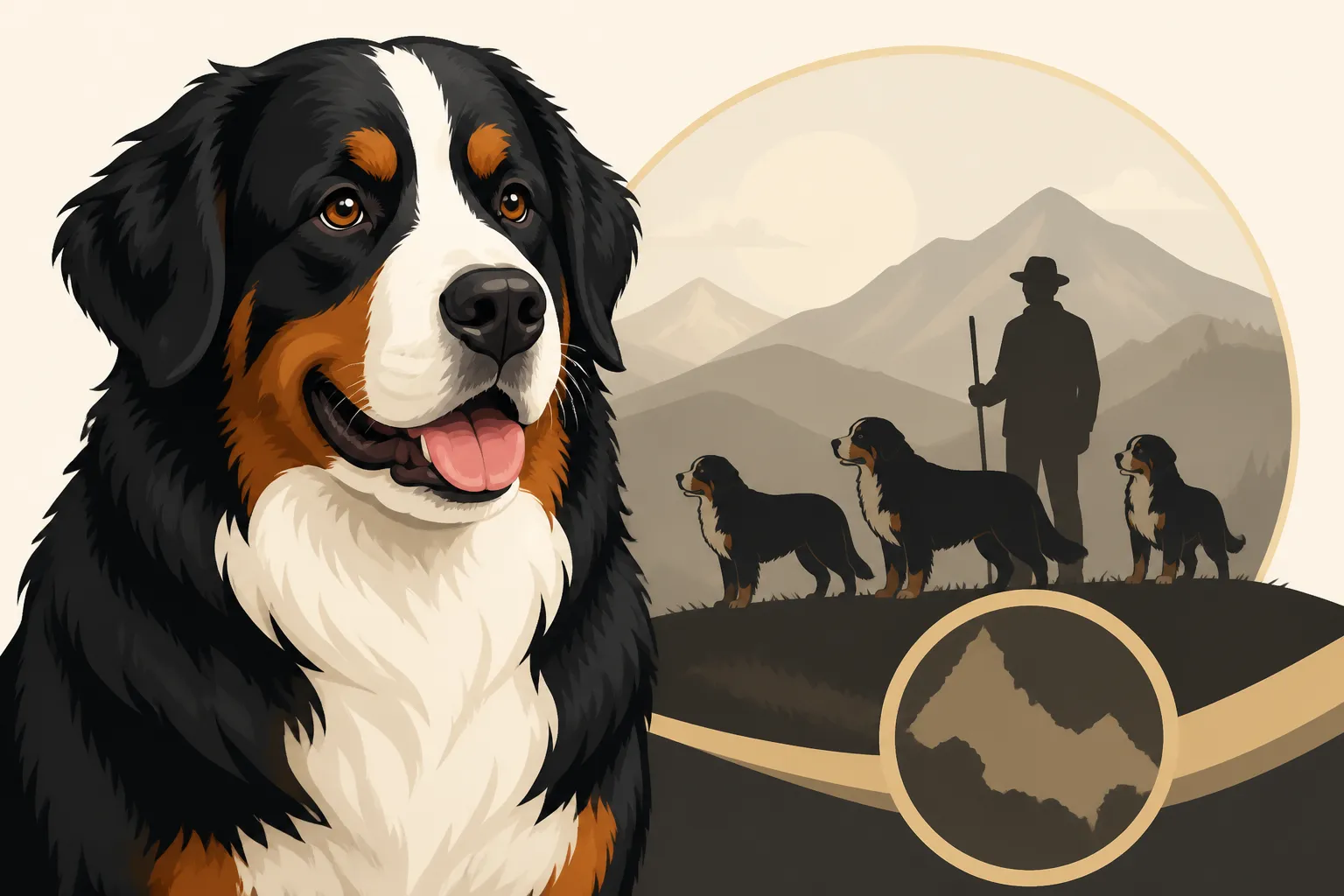
Before they were known as Bernese Mountain Dogs, these sturdy, tricolored dogs were simply a part of daily life on farms in the Dürrbach Valley and surrounding regions of the Swiss Alps. They were working dogs through and through, performing a variety of essential tasks that made them indispensable to mountain farmers. Picture a typical Swiss farm: steep pastures, isolated homesteads, and the need for a strong, intelligent animal companion. These dogs excelled at herding cattle, guarding property with a watchful but not overly aggressive demeanor, and perhaps most famously, pulling small carts laden with milk, cheese, or other goods to local markets. They were the original "horsepower" for many families, making them an integral part of the agricultural economy.
However, as the 19th century drew to a close and the 20th began, industrialization and changing agricultural practices started to chip away at the need for such versatile farm dogs. Roads improved, transportation methods modernized, and the small, independent farms that relied so heavily on these dogs began to consolidate or disappear. This shift meant fewer puppies were needed, and the distinct type of dog we now recognize as the Bernese Mountain Dog began to interbreed with other local dogs, losing its unique characteristics. It was a common story for many working breeds during this era, as their traditional roles diminished, so too did their numbers and purity. The unique traits that defined them – their specific build, their beautiful tricolor coat, and their steadfast temperament – were at risk of being diluted out of existence. If you've ever delved into The Swiss Valley the Bernese Mountain Dog Comes From, you'll appreciate just how deeply intertwined these dogs were with the landscape and livelihoods of their original home.
Early Efforts to Save the Dürrbachler
Thankfully, not everyone was willing to let these magnificent dogs vanish without a fight. A few dedicated individuals, recognizing the breed's immense value and fearing its impending loss, stepped forward. One of the most prominent figures in this early preservation effort was Franz Schertenleib, an innkeeper from the region. Schertenleib wasn't a formal breeder in the modern sense; he was simply a passionate advocate who sought out the best remaining examples of these farm dogs, often traveling through the isolated valleys to find them. He knew what a good "Dürrbachler" (as they were often called, after the Dürrbach area) looked like and possessed, and he worked tirelessly to gather these animals and promote their unique qualities.
His efforts were crucial in stabilizing the genetic pool and ensuring that the distinctive traits of the breed were not lost entirely. Schertenleib's dedication helped lay the groundwork for a more organized approach to breed preservation, moving from informal recognition to a structured effort. These early dogs he championed would become the foundation stock for the modern Bernese Mountain Dog. His work highlights a common theme in breed preservation: it often starts with the deep affection and commitment of a few individuals who see something special worth saving. Without people like Schertenleib, our Berners might indeed be nothing more than a historical footnote. His tireless search for pure examples was the first real step in turning the tide against their potential disappearance, truly setting the stage for what was to come. You can read more about his significant contributions in Franz Schertenleib and the Bernese Mountain Dogs He Found.
The Critical Year: Bernese Mountain Dogs in 1910
The year 1910 stands out as a particularly significant marker in the history of the Bernese Mountain Dog. It was a time when passionate advocates were working diligently to establish the breed, formalize its identity, and track its numbers, pulling it back from the brink of obscurity. This period saw nascent breed clubs taking their first serious steps, steps that would ultimately define the future of the Berner we know today.
The Dürrbach Club's Registration Data
By 1910, the efforts of individuals like Franz Schertenleib had coalesced into more organized groups. The Dürrbach Club, officially founded in 1907, was at the forefront of this movement. Its primary goal was to preserve, standardize, and promote the breed, which was then primarily known as the Dürrbachler. One of the most crucial activities undertaken by the club was the establishment of a formal studbook and registration process. This was a monumental task for its time, requiring careful documentation of each dog's lineage, appearance, and ownership. It allowed enthusiasts to track breeding lines, avoid indiscriminate crossbreeding, and work towards a consistent breed type.
It's within these early, meticulous records that we find the answer to our central question. By 1910, just three years after the Dürrbach Club’s inception, a specific number of these wonderful dogs had been officially registered. The records indicate that 107 Bernese Mountain Dogs were formally registered within the Dürrbach Club's studbook. This figure is incredibly telling. It paints a vivid picture of a breed still very much in its infancy of formal recognition, with a population that was alarmingly small. To put it in perspective, imagine a single breed having only a little over a hundred officially recognized individuals worldwide today – it’s a number that would trigger massive conservation efforts. For the Bernese Mountain Dog, this number represented a fragile but critical foundation upon which the entire breed would be rebuilt. It was a testament to the dedication of those early enthusiasts and a stark reminder of how close the breed came to being lost forever. Learning more about this period, especially The Hundred and Seven Dogs Registered by 1910, truly drives home the magnitude of these early conservation efforts.
Albert Heim and the Renaming
While Franz Schertenleib was instrumental in physically gathering and identifying suitable foundation dogs, another pivotal figure, Professor Albert Heim, played a crucial role in shaping the breed's formal identity and nomenclature. Heim was a renowned Swiss geologist and cynologist (someone who studies dogs), and his expertise brought a scientific and authoritative voice to the burgeoning breed preservation movement. He was deeply involved with the Dürrbach Club and recognized the inherent value and distinctiveness of these tricolored farm dogs. It was Heim who advocated for the breed to be renamed "Berner Sennenhund," which translates to "Bernese Alpine Herd Dog" or "Bernese Mountain Dog."
This renaming, while seemingly a small detail, was hugely significant. It linked the breed directly to the canton of Bern, giving it a more formal and geographically specific identity, distinguishing it from other similar regional dogs. More importantly, it helped elevate the breed's status from a regional farm dog to a recognized Swiss breed. Heim also drafted the first official breed standard, outlining the ideal physical characteristics and temperament. This standard provided a clear blueprint for breeders, guiding them in their efforts to reproduce dogs that met a consistent type. His influence moved the breed from being a collection of similar-looking farm dogs to a clearly defined and recognized breed with its own specific name and characteristics. The intellectual weight and authority that Heim brought to the movement were invaluable, solidifying the efforts of the Dürrbach Club and laying crucial groundwork for the breed's future. The impact of his work and the subsequent renaming is beautifully detailed in Albert Heim and the Name Berner Sennenhund.
The Slow Climb Back: Growth and Recognition Beyond 1910
The year 1910 might have been a low point in terms of sheer numbers for the Bernese Mountain Dog, but it also represented a turning point. With formal recognition, a dedicated club, and a clear standard in place, the breed was finally poised for a comeback. This wasn't an overnight explosion in popularity; rather, it was a gradual, painstaking process that required ongoing commitment from enthusiasts to grow the population and secure its future.
Expanding Beyond Switzerland's Borders
Once the Bernese Mountain Dog achieved formal recognition within Switzerland, it wasn't long before its charm and distinctive qualities caught the attention of dog lovers beyond the Alpine valleys. The breed began to slowly but surely make its way to other European countries. Early enthusiasts and breeders in neighboring nations, captivated by their robust health, striking appearance, and gentle disposition, started importing these precious dogs to establish their own breeding lines. This outward migration was crucial for the breed's long-term survival. Relying solely on a small, geographically confined gene pool always carries risks, especially for a breed that had already faced such a narrow bottleneck.
The journey across the Atlantic to North America marked another significant milestone. It began in earnest a few decades after 1910, with some of the earliest documented imports occurring in the late 1920s and early 1930s. These initial imports were often by individuals who had encountered the breed in Switzerland or other parts of Europe and were determined to introduce it to their home countries. Establishing a breed in a new continent involved overcoming logistical challenges, finding suitable mates, and educating the public about these relatively unknown dogs. It took time, effort, and considerable passion. Each successful litter born outside Switzerland represented another step away from potential extinction, adding to the global population and ensuring the breed’s continuity. If you're curious about this fascinating journey, How the Bernese Mountain Dog Crossed the Atlantic provides even more detail.
Challenges of Revival and Genetic Diversity
The revival of any breed from such low numbers is never without its challenges, and the Bernese Mountain Dog's journey was particularly fraught. One of the most significant hurdles was, and in some ways continues to be, genetic diversity. When a breed is reduced to a population of just over a hundred individuals, the genetic pool becomes incredibly shallow. This means there's a higher likelihood of undesirable traits or predispositions to certain health conditions becoming concentrated within the population. Early breeders had to work with the stock they had, carefully selecting for health, temperament, and adherence to the newly established breed standard, all while trying to maximize genetic variety where possible.
This period involved a delicate balancing act: increasing numbers without sacrificing quality or inadvertently locking in serious health issues. The limited foundation stock meant that certain genetic vulnerabilities became more prevalent. For example, some of the health challenges we see in Berners today, such as certain types of cancer and orthopedic issues, are believed by some experts to have been amplified or entrenched during these early, critical years when the gene pool was so restricted. It’s a harsh reality that the very act of saving a breed from extinction can, paradoxically, introduce or concentrate other long-term challenges. This underscores the immense responsibility of ethical breeding, which continuously strives to improve health outcomes and broaden genetic diversity within the confines of a distinct breed type. Even today, responsible breeders use resources like the Berner-Garde database to track health and longevity, a direct consequence of learning from those challenging early years. This struggle is explored further in Why the Bernese Mountain Dog Nearly Disappeared.
The Legacy of a Near Miss: What This History Means for Today's Berners
Understanding the Bernese Mountain Dog's history, particularly its brush with extinction around 1910, isn't just a fascinating historical anecdote. It provides crucial context for appreciating the breed's journey and, more importantly, for understanding some of the realities that contemporary Berner owners face. The decisions made and the challenges overcome during those formative years have a direct impact on the dogs we welcome into our homes today.
Understanding the Breed's Enduring Health Challenges
The fact that the Bernese Mountain Dog population dipped to such low numbers in the early 20th century has had lasting repercussions, particularly concerning their health. When a breed is rebuilt from a very small genetic pool, certain genetic predispositions can become concentrated, and recessive genes that might cause health issues are more likely to be expressed. This phenomenon is often referred to as a "bottleneck effect" – the population passes through a narrow neck where much genetic diversity is lost. For Berners, this means a higher prevalence of certain health conditions compared to breeds with a broader and more diverse genetic background.
One of the most heartbreaking realities for many Berner owners is the breed's susceptibility to various cancers, notably The Cancer That Kills Half of All Bernese Mountain Dogs, and specifically histiocytic sarcoma. While cancer affects many dog breeds, the incidence in Bernese Mountain Dogs is statistically higher than in many other large breeds, and it often strikes at a younger age. The restricted gene pool from which the breed was rebuilt is frequently cited as a significant contributing factor to this genetic vulnerability. Orthopedic issues, such as hip and elbow dysplasia, are also common, though diligent screening by breeders has made strides in reducing their incidence. This historical context doesn't diminish our love for the breed, but it does mean that responsible ownership involves being proactive about health screenings, educating ourselves about potential issues, and partnering with our veterinarians. This is a tough truth to face, but it helps us understand Whether Cancer Is Bred Into the Bernese Mountain Dog and how we can best care for our furry family members.
The Importance of Responsible Breeding and Preservation
Given the Bernese Mountain Dog's history of dwindling numbers and the subsequent health challenges rooted in a limited gene pool, the role of responsible breeding and ongoing preservation efforts is paramount. For anyone considering bringing a Berner into their home, understanding this history highlights the critical importance of choosing a puppy from a reputable breeder who prioritizes health, temperament, and genetic diversity. A responsible breeder will be transparent about the health history of their breeding stock, including generations of OFA clearances for hips and elbows, and genetic testing results for conditions like von Willebrand disease and degenerative myelopathy. They also play a vital role in documenting and contributing to databases like Berner-Garde, which helps track health outcomes and longevity across the breed.
The lesson from 1910 is clear: without dedicated effort, a breed can disappear. Today's efforts are about ensuring that the Bernese Mountain Dog thrives not just in numbers, but in overall health and well-being. This involves a commitment to research into breed-specific diseases, careful pairing of breeding dogs to minimize the risk of concentrating undesirable genes, and open communication within the Berner community. As owners, we can support these efforts by staying informed, advocating for healthy breeding practices, and contributing to ongoing research when possible. Even something as simple as documenting your dog's health journey and purchasing high-quality, breed-appropriate food and supplies (which you can easily find at a variety of retailers, including online platforms like Chewy) can be part of responsible ownership that honors the breed's history. Understanding What the Berner-Garde Database Records can give you an appreciation for the collective effort involved in preserving this wonderful breed.
Here's a quick look at the journey from near-extinction to a recognized breed:
| Year | Event | Significance | Estimated Registered Numbers (Approx.) |
|---|---|---|---|
| Late 1800s | Breed in decline | Modernization reduces need for farm dogs. | Very Low, Unrecorded |
| 1907 | Dürrbach Club founded | Formal organization begins preservation efforts. | Few Dozen |
| 1910 | Breed renamed, standard drafted | Official recognition and identity established. | 107 |
| 1912 | First BMDs exhibited at a Swiss show | Public awareness and interest grow. | Growing Slowly |
| 1920s-1930s | Expansion beyond Switzerland | First exports to other European countries and North America. | Continual, Steady Growth |
This table helps illustrate the specific point in time we're discussing and places the number 107 in its crucial historical context. It shows the incredible dedication required to bring a breed back from such precarious beginnings. We owe a huge debt of gratitude to those early pioneers who saw the heart and soul of the Bernese Mountain Dog and fought to ensure their survival. Today, we're fortunate to have these magnificent companions, a living testament to a remarkable rescue story. We must continue to be vigilant in our care and breeding practices to honor that legacy, ensuring the future health and happiness of every Bernese Mountain Dog, whether they come from a long line of champions or just the everyday family pet whose favorite spot is the largest bed you could find on Chewy.
Disclaimer
This article is for general informational purposes only and does not constitute professional advice. Laws, prices and regulations vary by location and change over time. Consult a qualified professional for guidance on your specific situation.