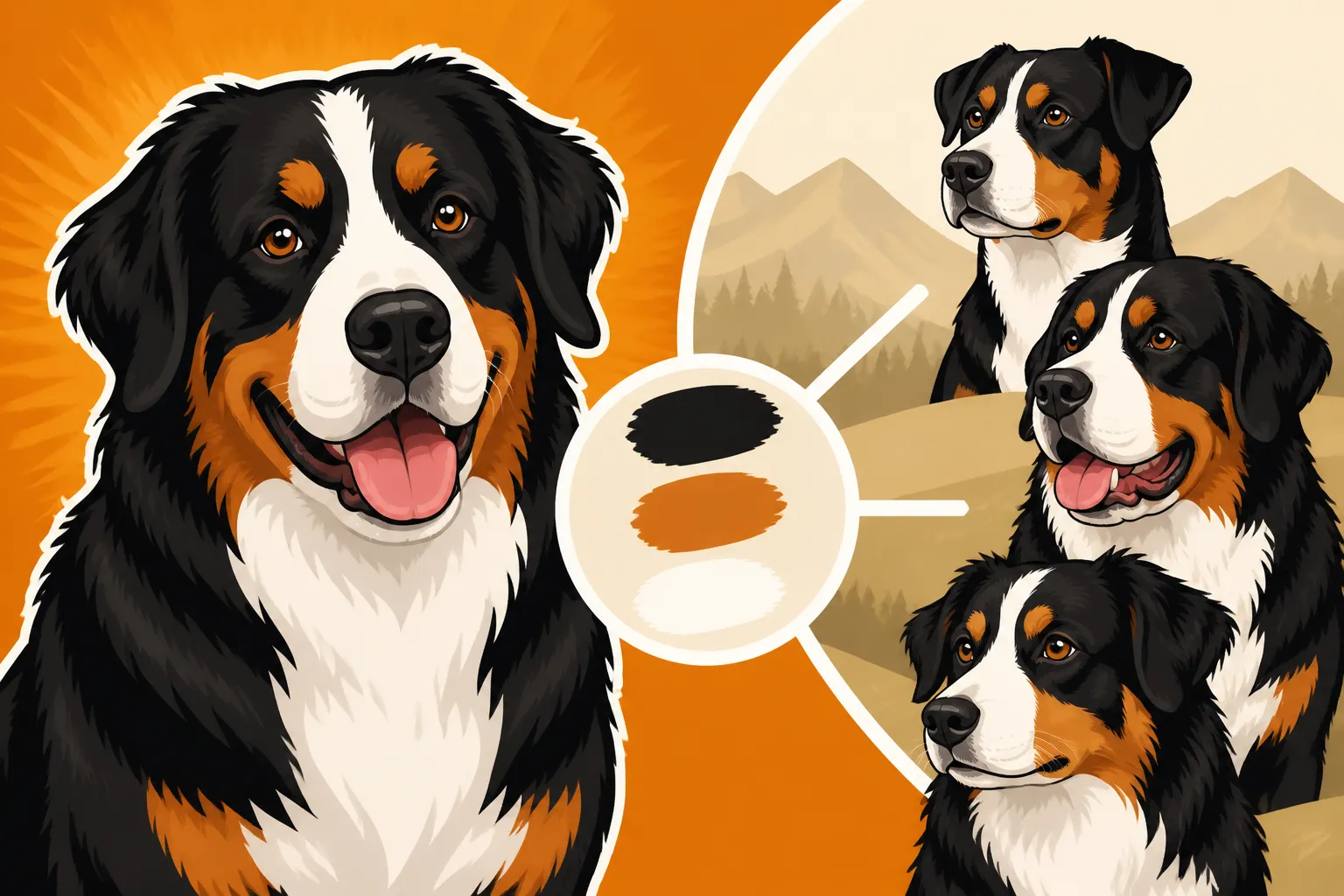
Why the Bernese Mountain Dog and Its Cousins Are Tricolor
One of the most instantly recognizable traits of our beloved Bernese Mountain Dogs is their stunning tricolor coat. It's a hallmark of the breed, a beautiful tapestry of black, white, and rust that captures hearts everywhere. But have you ever wondered why this specific combination? It’s not just a random happenstance; it’s deeply rooted in their genetics and shared history with their Swiss cousins, and understanding it truly deepens your appreciation for these magnificent dogs. This guide will explore the fascinating reasons behind the Berner's signature look.
The Genetic Roots of the Bernese Mountain Dog's Tricolor Coat
When you gaze at a Bernese Mountain Dog, you're not just seeing a pretty coat; you're looking at a carefully orchestrated genetic masterpiece. The tricolor pattern isn't a fluke; it's a direct result of specific genes inherited over generations, telling a story of ancient lineage and selective breeding.
Understanding the Black, Tan, and White Palette
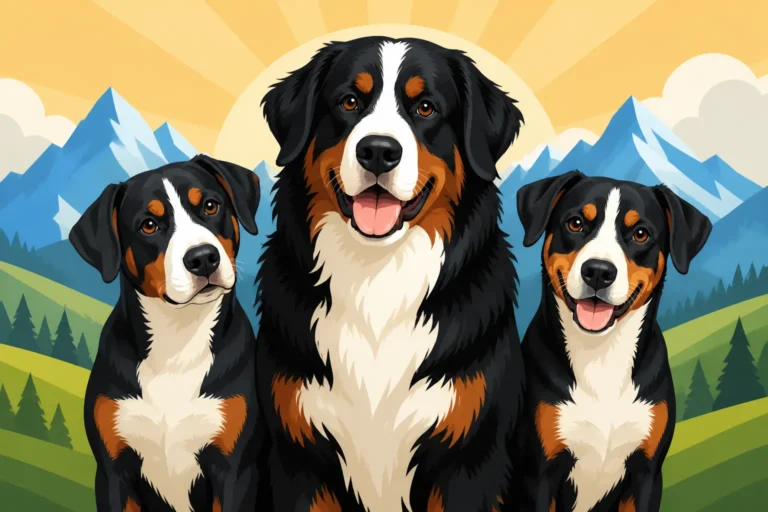
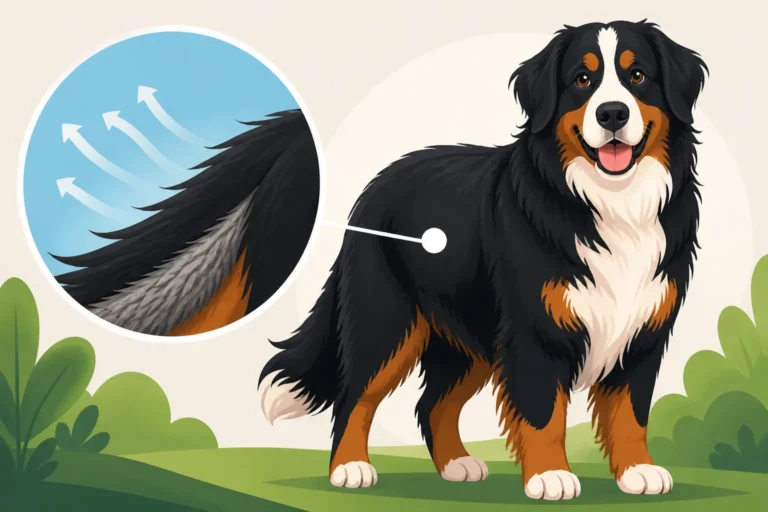
At its core, the tricolor coat of a Bernese Mountain Dog is made up of three distinct color components: a rich, glossy black, striking rust or tan markings, and crisp white patches. The black is the dominant base color, forming the large areas of the body, back, and head. Then you have those warm, rich tan or rust markings that usually appear on the cheeks, over the eyes (often called "eyebrows"), on the chest, and adorning the legs and under the tail. Finally, the white provides the contrast, typically seen as a blaze up the face, a "Swiss cross" on the chest, a white tip on the tail, and white on the feet.
Each of these colors isn't just painted on; it's determined by a specific set of genes. The base color (black) is controlled by genes in the K-locus, while the tan points are influenced by genes in the A-locus. The white markings are a separate genetic trait altogether, often linked to the S-locus, which governs spotting and white patterning. It's a symphony of genetic instruction that results in that classic Berner look.
The Alleles and Their Expression
Without getting too bogged down in a biology textbook, think of it this way: dogs inherit two copies of each gene, one from each parent. These gene variants are called alleles. For the Bernese Mountain Dog, the specific combination of alleles they carry dictates their tricolor pattern. They carry alleles that express a solid black base coat, but also carry a recessive allele that allows for the expression of tan points. If they only had the dominant black allele, they'd be solid black. The tan points emerge where the black pigment is "blocked" or modified by these specific alleles, allowing the red/tan pigment to show through.
The white markings are often due to a different set of genes, specifically those that restrict pigment production in certain areas during development. This is why you see such distinct, often symmetrical, white patches rather than a mottled or roan pattern. A Bernese Mountain Dog's genetic makeup is essentially programmed to produce this specific pattern. Breeders look for these precise markings, ensuring that puppies exhibit the traits outlined in Bernese Mountain Dog Markings and What They Mean. It's a testament to the long history of the breed that these genetic traits have been so consistently preserved.
Shared Heritage: The Swiss Sennenhund Breeds
The tricolor pattern isn't unique to the Bernese Mountain Dog. It's a deeply ingrained characteristic shared among all the Swiss Sennenhund breeds, serving as a visual nod to their common ancestry and the rugged landscape from which they emerged.
Introducing the Bernese Mountain Dog's Cousins
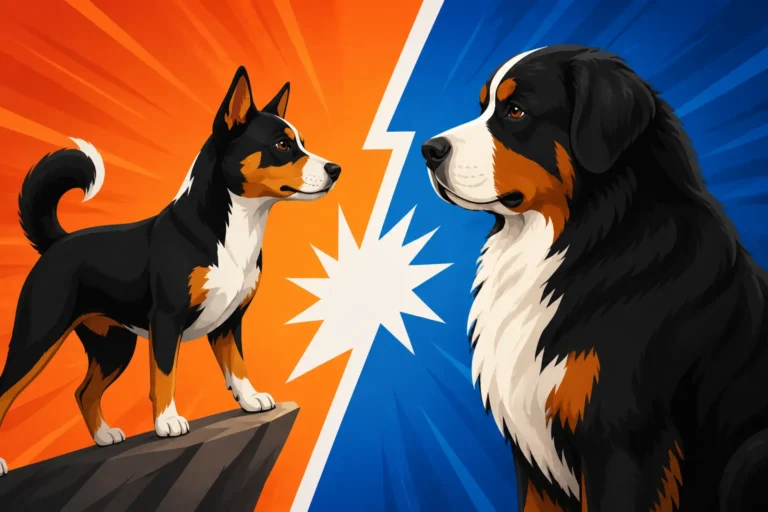
Our Berners aren't the only ones rocking the black, white, and rust. They have three other impressive cousins, all hailing from the same beautiful, often challenging, Swiss Alps. These are the Greater Swiss Mountain Dog, the Appenzeller Sennenhund, and the Entlebucher Sennenhund. Together, these four breeds make up the "Sennenhund" family, a name that itself speaks to their history as dogs of the Alpine herdsmen and dairymen.
Each of these breeds was developed for specific tasks on Swiss farms – whether it was herding cattle, guarding property, or pulling carts of milk and cheese to market. Despite their differences in size, coat length, and ear set, they all share that unmistakable tricolor pattern. It’s like a family crest, a visible bond connecting them across the centuries. If you're curious about the whole family, you might want to read more about The Four Swiss Breeds Beside the Bernese Mountain Dog.
The Tricolor Thread: A Mark of Kinship
The fact that all four Swiss Sennenhund breeds share the tricolor pattern isn't a coincidence; it's a strong genetic and historical indicator of their kinship. These dogs originated from a common pool of farm dogs in the Swiss Alps, and as different regional types developed into distinct breeds, this fundamental color pattern was preserved. It suggests that the genes responsible for the tricolor coat were prevalent and favored in their ancestral stock.
Imagine farmers centuries ago, living in isolated valleys. They valued dogs that were strong, capable, and often, easily identifiable. The tricolor pattern, while beautiful, might also have served a practical purpose in helping owners distinguish their dogs from others, especially in low light or across distances. This shared genetic blueprint means that when you see the distinctive black, white, and rust, you're not just looking at a Bernese; you're looking at a piece of Swiss canine history. Sometimes, it makes you want to treat them to something special, and I know many Berner owners find great options for toys or treats that celebrate their heritage on sites like Chewy.
Variations in the Tricolor Pattern Across Breeds
While the tricolor pattern is a unifying feature, there are subtle yet noticeable differences in how it's expressed among the Sennenhund breeds. For instance, the Bernese Mountain Dog is known for its relatively long, flowing coat, which gives its tricolor markings a softer, more blended appearance compared to its short-coated cousins. The white blaze on a Berner's face tends to be broader, and the "Swiss cross" on its chest is often quite pronounced.
In contrast, the Greater Swiss Mountain Dog, while also tricolor, has a much shorter, dense coat, making its markings appear sharper and more defined. The Appenzeller and Entlebucher Sennenhunds, both smaller and more agile, also have short coats, and their markings tend to be very clean and crisp. For example, the Appenzeller often has a more symmetrical blaze and very distinct rust markings. These subtle variations highlight the evolution of each breed while still maintaining that core tricolor identity. Learning about The Greater Swiss Against the Bernese Mountain Dog or The Appenzeller and Entlebucher Beside the Bernese Mountain Dog can really illustrate these differences.
| Breed | Coat Length | Key Tricolor Markings | General Appearance |
|---|---|---|---|
| Bernese Mountain Dog | Long | Broad white blaze, distinct "Swiss cross" chest, rust points over eyes, legs, cheeks | Sturdy, powerful, gentle expression, flowing coat |
| Greater Swiss Mountain Dog | Short | Clear white blaze, moderate chest marking, rich rust points | Large, muscular, robust, alert expression, smooth coat |
| Appenzeller Sennenhund | Short | Symmetrical white blaze, white chest, distinct rust points, often curled tail | Medium, agile, active, fox-like expression, short coat |
| Entlebucher Sennenhund | Short | Smaller white blaze, white chest blaze, strong rust points, naturally bobbed tail | Smaller, compact, very agile, lively expression, short coat |
The Purpose and Perception of the Tricolor Coat
Beyond its genetic origins and family ties, the Bernese Mountain Dog's tricolor coat holds significance in both practical identification and aesthetic appeal, shaping how we perceive and appreciate these wonderful dogs.
Beyond Aesthetics: Function in the Mountains
While we admire the beauty of the tricolor coat today, its initial "purpose" likely wasn't purely aesthetic. In the harsh conditions of the Swiss Alps, where these dogs worked tirelessly alongside farmers, practicality was key. The rich black provided camouflage in rocky, shadowed terrain, while the white markings, particularly the blaze and chest patch, could have served as quick identifiers for farmers to spot their dogs in varying conditions. For working dogs, being easily distinguishable from a distance was valuable.
Consider a farmer needing to quickly identify his dog among a flock of sheep or in the dim light of dawn or dusk. Those clear white and rust markings on a predominantly black body would stand out. While the color itself probably didn't offer a direct functional advantage like warmth (the thick double coat did that), its distinct pattern certainly aided in identification, making the dogs an integral, recognizable part of the farm. This practicality might also explain why this pattern was so consistently selected for and maintained across the various Sennenhund breeds, a true legacy of their working heritage.
The Breed Standard and Its Importance
As these regional types evolved into formalized breeds, their defining characteristics, including coat color and pattern, were meticulously documented in breed standards. For the Bernese Mountain Dog, the tricolor pattern is not just preferred; it’s a strict requirement. The breed standard describes the ideal placement and intensity of the black, white, and rust markings in great detail, including the desired The Swiss Cross on a Bernese Mountain Dog's Chest and the specific location of Rust Markings on a Bernese Mountain Dog.
Why is this so important? The breed standard serves as a blueprint, guiding breeders in their efforts to preserve the unique characteristics of the Bernese Mountain Dog. Dogs that deviate significantly from this tricolor pattern are considered to have "faults" in the show ring and are not typically bred, even if they are otherwise healthy and wonderful companions. This adherence ensures that the classic Berner appearance, deeply linked to its heritage, continues through generations. It’s part of what makes a Berner a Berner, and it's a testament to the dedication of those who cherish the breed's history and future. Keeping that coat looking its best often involves the right grooming tools, which you can often find readily on platforms like Chewy, ensuring those colors truly pop.
Public Perception and Appeal
Let's be honest, part of the Bernese Mountain Dog's immense appeal lies in its stunning appearance. The tricolor coat is distinctive, elegant, and radiates a certain warmth and charm. It's often one of the first things people notice and fall in love with when they encounter a Berner. The contrast of the deep black, brilliant white, and rich rust creates a visual harmony that is both striking and comforting.
This iconic look contributes significantly to the breed's popularity. People are drawn to their magnificent presence, and the tricolor coat is a huge part of that. It gives them an almost regal yet approachable quality, making them instantly recognizable and beloved. For many, it's not just a dog; it's a living piece of art, perfectly embodying the strength and gentle nature of the breed. It’s no wonder people often ask about Why Only the Bernese Mountain Dog Has a Long Coat, as it further enhances the coat’s visual impact.
Addressing Common Misconceptions and Rarities
While the tricolor pattern is the definitive look for the Bernese Mountain Dog, it's natural for people to wonder about variations or what might constitute an "off-color" Berner. Understanding why the tricolor is so crucial helps dispel myths and reinforces the importance of the breed standard.
Are There Other Bernese Mountain Dog Colors?
The short answer is no, not for a purebred Bernese Mountain Dog. According to the breed standard across the globe, a Bernese Mountain Dog must be tricolor. This means having a black base coat with specific rust/tan markings and white patches. If you encounter a dog advertised as a "purebred Bernese Mountain Dog" with a different coat color – say, solid black, solid white, or even a dilute color like blue or Isabella – it's crucial to be skeptical.
Such dogs are either not purebred Bernese Mountain Dogs (meaning they have other breeds in their ancestry) or they carry severe genetic faults that fall far outside the accepted breed standard. These deviations are not simply "rare" color variations; they are disqualifying faults that indicate a departure from the breed's established genetic blueprint. It's an important distinction because the tricolor pattern is fundamental to the breed's identity. If you're ever questioning if Whether a Bernese Mountain Dog Can Be Any Other Color is possible, the answer is a resounding no if you're talking about a purebred example.
The Genetics of "Off-Color" Berners
When you see a dog that looks like a Bernese but isn't tricolor, it's usually due to one of two reasons. The most common is that the dog is a mix, intentionally or unintentionally. For example, a cross with a breed that carries solid color genes could easily result in offspring that lack the tricolor pattern.
The less common, but still possible, scenario in a supposedly purebred line, involves a genetic mutation or the presence of very rare, recessive genes that have been carried silently through generations and suddenly express an atypical color. However, reputable breeders diligently screen their breeding stock and adhere strictly to the breed standard to avoid such occurrences. The emphasis is always on producing healthy dogs that conform to the established characteristics of the breed, including that iconic tricolor coat. This commitment is what preserves the Bernese Mountain Dog as we know and love them. When shopping for quality products, even for a non-standard colored pet, retailers like Chewy still offer an incredible range of options to cater to all needs.
Disclaimer
This article is for general informational purposes only and does not constitute professional advice. Laws, prices and regulations vary by location and change over time. Consult a qualified professional for guidance on your specific situation.