The Twenty-Five to Twenty-Seven Inch Bernese Mountain Dog
Bringing home a Bernese Mountain Dog puppy often comes with dreams of that majestic, large companion, but sometimes folks get a little lost in the details of exactly how "large" the breed is supposed to be. It's not uncommon to wonder if your Berner will hit those impressive stature goals, or what it means if they lean towards the upper or lower end of the spectrum. This guide is all about diving deep into the breed's height standards, particularly focusing on the typical range for males, from that impressive twenty-five to twenty-seven inches at the shoulder, and what that really entails for both you and your gentle giant.
Understanding the Bernese Mountain Dog Breed Standard for Height
When you first start looking into the Bernese Mountain Dog, one of the things that immediately captures your attention, beyond that stunning tricolor coat and those soulful eyes, is their size. These are not small dogs, and the breed standard goes into quite a bit of detail to define exactly what their ideal stature should be. It’s more than just a number; it’s about the overall balance, health, and functionality of the dog.
What the Official Standard Says
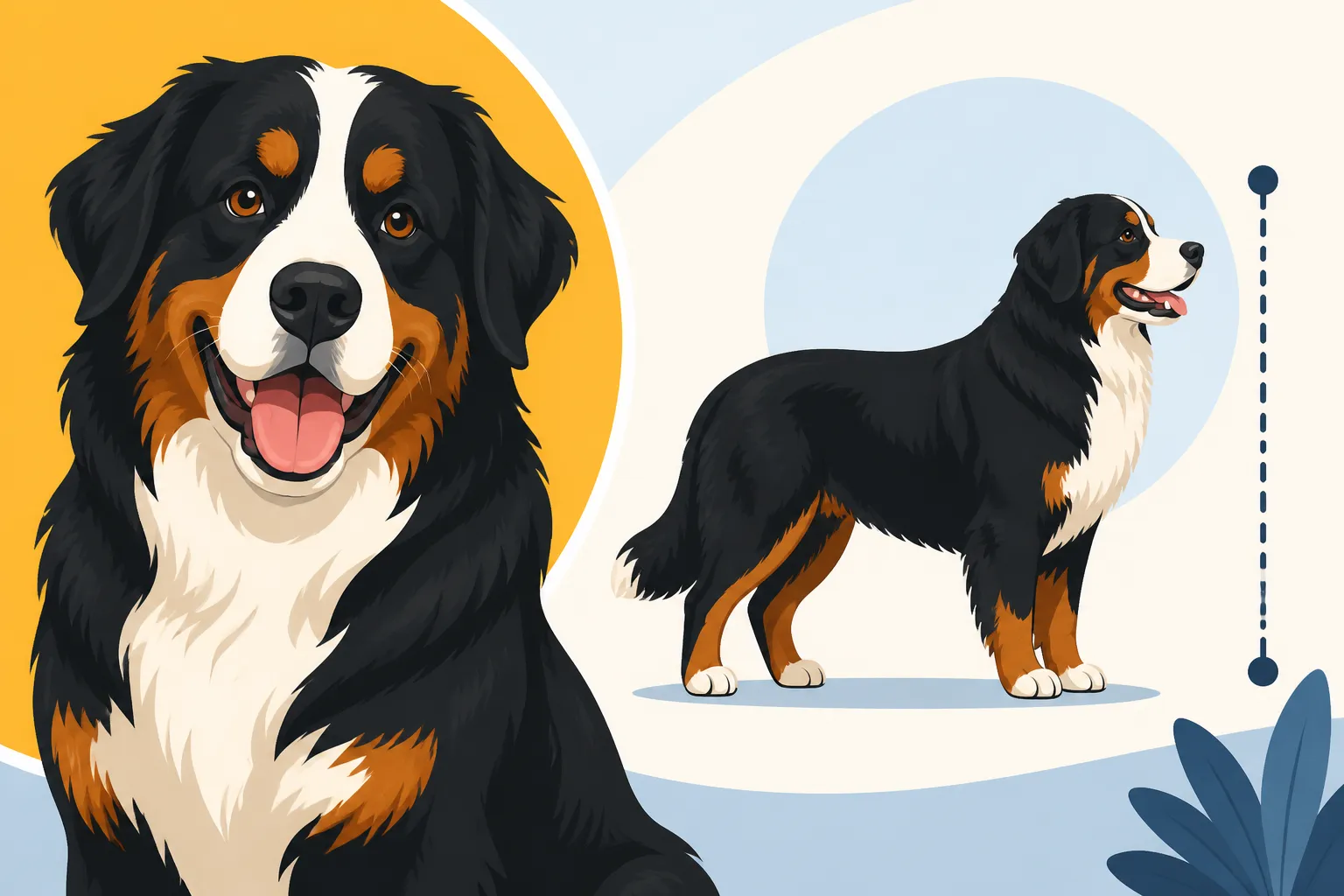
The official breed standards, whether from the American Kennel Club (AKC) or the Fédération Cynologique Internationale (FCI), are essentially the blueprint for what an ideal Bernese Mountain Dog should look like and how they should be built. For males, the standard typically calls for a height at the withers (the highest point of the shoulder blades) of 25 to 27.5 inches. For females, it’s usually a bit less, ranging from 23 to 26 inches. This isn’t just some arbitrary measurement; it speaks to the historical purpose of the breed. These dogs were bred for strength, agility, and endurance, pulling carts and driving livestock in the Swiss Alps. Their height had to be substantial enough to handle demanding work, but not so immense that it compromised their health or movement.
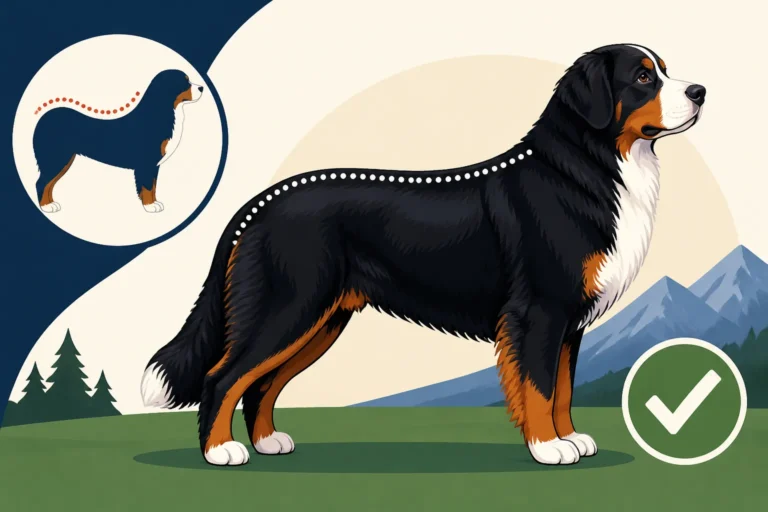
Think about it: a dog that's too short might struggle to pull a cart efficiently, while one that's excessively tall might be prone to certain structural weaknesses. The standard aims for that sweet spot of functionality and robust health. When you look at a Bernese Mountain Dog, you should see a powerful, well-balanced dog, with good bone and substance, and the height plays a critical role in achieving that silhouette. It’s also about proportion – the length of the dog should be slightly greater than the height, making for a rectangular outline rather than a square one. This rectangular shape is crucial for their characteristic powerful, effortless stride. Deviations from this can sometimes indicate underlying structural issues that might impact their comfort and mobility as they age.
Why Height Matters in the Show Ring and Beyond
For those involved in showing Bernese Mountain Dogs, adhering to the breed standard, including height, is absolutely paramount. Judges meticulously evaluate a dog against this ideal blueprint, and a dog falling significantly outside the accepted height range, either too tall or too short, can be penalized. It can mean the difference between winning best in show and not placing at all. The standard isn't just about aesthetics; it's about preserving the integrity and working ability of the breed. Breeders strive to produce puppies that conform to these standards, believing it leads to healthier, more typical Berners. This is why when you're looking at puppies, a reputable breeder will be very upfront about the size of the parents and the expected adult size of their litter, often showing you The Bernese Mountain Dog Breed Standard in their literature.
But even if you have no intention of ever setting foot in a show ring, height still matters. For one, it gives you a realistic expectation of How Big a Bernese Mountain Dog Gets. A Berner standing 27 inches at the shoulder is a significant presence in your home. They need space, not just to move around, but for their crate, their bed, and even to share the couch! Knowing the expected height helps you prepare your home environment. Will they fit comfortably in your car for vet visits or adventures? Will they be able to navigate your existing furniture without constantly knocking things over? A larger dog might mean investing in a bigger, sturdier crate or modifying your vehicle setup.
Furthermore, extreme height, whether too tall or too short, can sometimes be an indicator of health considerations. Dogs bred to be significantly outside the standard might have structural issues that could predispose them to joint problems later in life, such as hip or elbow dysplasia. A dog that is unusually small might have growth plate issues, and one that is abnormally tall could have overly long bones that are less sturdy. While size alone doesn't dictate health, consistency within the breed standard is often a good sign of sound breeding practices focused on health and longevity. It’s not just about bragging rights; it's about the practical realities and long-term well-being of your beloved companion.
Factors Influencing a Bernese Mountain Dog's Adult Height
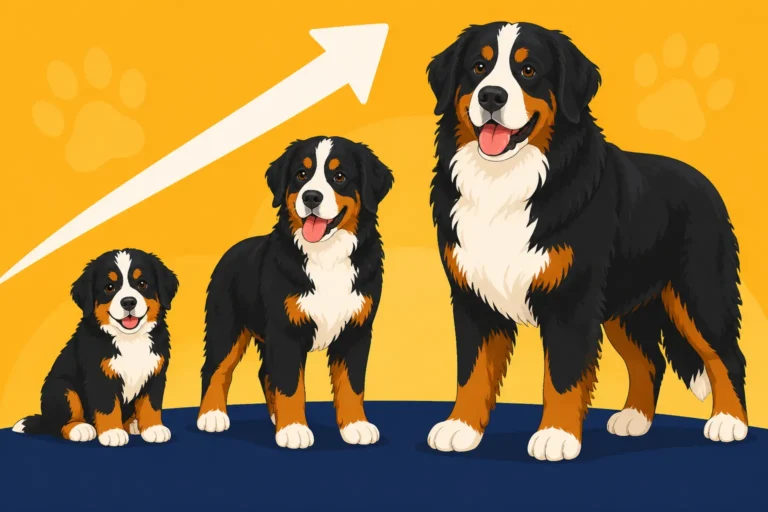
It’s easy to look at a fluffy Berner puppy and imagine them growing into that impressive 25-27 inch stature, but a lot of elements come into play during their growth journey. It's not just a matter of time; it's a complex interplay of genetics, nutrition, and even their gender. Understanding these factors can help you better predict your pup's adult size and ensure they grow up as healthy and strong as possible.
Genetics and Lineage
Just like in humans, genetics are the primary determinant of a Bernese Mountain Dog's ultimate size. Your puppy's adult height will largely be a reflection of their parents and their ancestral lines. If both parents are on the taller side of the standard, there's a good chance their offspring will follow suit. Conversely, if the parents are smaller, their puppies are likely to be smaller as well. This is why a reputable breeder will always be transparent about the size of their breeding dogs and often have pedigrees available that show the heights of previous generations.
Beyond immediate parentage, looking at a puppy's broader lineage can offer even more insight. Databases like Berner-Garde, which tracks health and pedigree information for Bernese Mountain Dogs, can sometimes provide data on the size of ancestors, giving you a clearer picture of the genetic tendencies at play. Researching What Berner-Garde Records and What They Cost to Check can be a valuable step for prospective owners. While you can't change your dog's genetic blueprint, understanding it helps set realistic expectations for their final height. A puppy from a long line of 27-inch males is far more likely to hit that mark than one from a line where most males top out at 25 inches. Always ask breeders about the adult sizes of previous puppies from similar pairings – they often have photos and weights at different ages that can be incredibly informative.
Nutrition and Growth
While genetics set the potential, proper nutrition is absolutely critical in allowing a Bernese Mountain Dog puppy to reach that potential safely and healthily. These are large breed dogs, and their growth needs are distinct. Rapid growth, often fueled by inappropriate nutrition (like too much calcium or high-calorie foods not formulated for large breeds), can put immense stress on developing joints and bones. This can lead to serious orthopedic problems like hip and elbow dysplasia, even if the dog has excellent genetics. It’s a common misconception that more food or high-protein food will make a puppy bigger or grow faster, but in large breeds, slower, controlled growth is actually healthier.
That’s why choosing the right food, specifically a large-breed puppy formula, is so important. These foods are designed with carefully balanced calcium-to-phosphorus ratios and appropriate calorie levels to support steady, healthy growth, rather than explosive spurts. Brands available at retailers like Chewy often have excellent options tailored to the unique needs of large and giant breed puppies. Feeding instructions on these bags are usually a good starting point, but always monitor your puppy's body condition and adjust accordingly with your vet's guidance. You want to see healthy, steady weight gain, not a chubby puppy. Understanding Why a Bernese Mountain Dog Puppy Needs Controlled Calcium and What Fast Growth Costs a Bernese Mountain Dog's Joints are crucial for every Berner owner. The goal is a gradual, consistent growth curve that supports the development of strong bones and joints, ensuring your Berner has the best possible foundation for a long, active life, regardless of whether they hit the absolute maximum height for the breed. Most Bernese Mountain Dogs continue to grow in height until about 12-18 months, and then they'll spend the next year or so filling out and maturing, often reaching their full physical presence around two to three years of age. The Month a Bernese Mountain Dog Stops Growing Up typically refers to their skeletal growth, but muscle mass and overall bulk can increase for longer.
Sex Differences in Height
It’s generally true across many dog breeds, and certainly prominent in Bernese Mountain Dogs, that males tend to be larger than females. This includes both height and overall weight. As the breed standard indicates, male Berners are typically 25 to 27.5 inches at the withers, while females are usually 23 to 26 inches. This isn't a hard and fast rule, of course; you might find a particularly tall female or a slightly smaller male that still falls within the accepted range. However, on average, a male puppy from the same litter will often mature to be a couple of inches taller and noticeably heavier than his female siblings.
This difference is purely biological and is a part of their natural dimorphism. The greater size and bone structure in males are often linked to their historical role, needing that extra power for tasks like pulling heavy carts. When you're considering a Bernese Mountain Dog, understanding these sex-linked size differences can help manage your expectations. If you're hoping for a particularly large dog, a male might be more likely to achieve the upper end of the height standard. Conversely, if you're slightly concerned about managing an exceptionally large dog, a female might be a more comfortable fit, though even a female Berner is a substantial companion.
Here’s a quick overview of the typical height range:
| Trait | Male Bernese Mountain Dog | Female Bernese Mountain Dog |
|---|---|---|
| Height | 25 – 27.5 inches at withers | 23 – 26 inches at withers |
| Weight | 80 – 115+ pounds | 70 – 95 pounds |
| Build | More robust, heavier bone | Slightly finer, still sturdy |
It's important to remember that these are averages and ranges. A dog slightly outside these parameters might still be a perfectly healthy and wonderful companion. What truly matters is their overall health, temperament, and how well they fit into your family's lifestyle, rather than being fixated on an exact measurement. Sometimes, a "fault" in the show ring, such as a dog being slightly undersized, doesn't diminish their quality as a loving pet. The Weight Gap Between Bernese Mountain Dog Sexes further illustrates this common disparity.
Living with a Bernese Mountain Dog at the Upper or Lower End of the Standard
While the breed standard gives us an ideal, the reality is that not every Bernese Mountain Dog will fit perfectly into the 25-27 inch male or 23-26 inch female box. Dogs, like people, come with variations. It’s important to understand what these variations might mean for day-to-day life and for your dog’s long-term health and comfort.
Practical Considerations for a Larger Berner
If your Bernese Mountain Dog male leans towards the 27-inch mark, or even pushes slightly beyond, you're looking at a truly imposing and majestic animal. While impressive, this extra size does come with some very real practical considerations. For starters, simply moving around your home can be more of an adventure. A taller dog means a higher reach—those kitchen counters might suddenly become accessible, or at least sniffable, in a way they wouldn't be for a smaller dog. You'll need to be extra diligent about keeping tempting items out of reach, not just for safety but for your sanity!
Transportation is another big one. The Car a Bernese Mountain Dog Owner Ends Up Buying often reflects the need to accommodate such a large dog. A 27-inch Berner might struggle to comfortably fit in the back of a sedan or even some smaller SUVs. You might find yourself needing a larger vehicle, or at least a sturdy ramp to help them get in and out, protecting their joints. Speaking of joints, a larger, heavier dog inherently puts more strain on their hips, elbows, and knees. This means you need to be even more vigilant about their weight management, ensuring they don't carry extra pounds that exacerbate joint wear and tear. Regular vet check-ups, high-quality large-breed food (easily found on Chewy's extensive catalog), and potentially joint supplements as they age become even more critical. Consider investing in orthopedic beds, such as those also found on Chewy, to provide adequate support for their large frames. Crates and Gates for a Bernese Mountain Dog will also need to be industrial strength and generously sized.
Socializing a larger Berner also takes a bit more thought. While their gentle nature usually prevails, their sheer size can be intimidating to smaller children or other small dogs. Teaching impeccable leash manners is non-negotiable, as a strong pull from a 120-pound dog can easily knock an adult off their feet. While it's natural to admire a truly massive Berner, it’s worth asking yourself if Whether a Hundred and Twenty Pound Berner Is Too Big for your lifestyle and home. The bigger they are, the more space they need, and the more careful you need to be about their activities, especially during their growth phases on Hard Surfaces and a Growing Bernese Mountain Dog.
Embracing the "Average" or Slightly Smaller Berner
Conversely, if your Bernese Mountain Dog falls on the lower end of the height standard – perhaps a male at 25 inches, or a female at 23 inches – or even slightly under the standard, that doesn't make them any less of a Bernese Mountain Dog. In fact, there can be some unexpected benefits to having a slightly smaller or "average" sized Berner. They're still substantial, don't get me wrong, but those few inches can make a noticeable difference in terms of daily living.
For one, they might fit more comfortably in your existing vehicle, saving you the hassle and expense of a car upgrade. They might also be easier to maneuver in smaller living spaces, or when navigating busy public areas. While still needing ample room, a 25-inch male might simply feel a little less overwhelming than a 27-inch counterpart, especially for first-time large dog owners. From a health perspective, while all large breeds are prone to joint issues, a slightly lighter dog generally places less stress on those crucial joints. This isn't a guarantee of perfect health, but it certainly doesn't hurt. You might find that Whether a Small Bernese Mountain Dog Is a Fault only truly applies in the show ring, and has little bearing on the quality of a family companion.
Ultimately, the most important qualities in a Bernese Mountain Dog are their health, temperament, and trainability. A dog with a sound, loving disposition, free from significant health issues, is a treasure, regardless of whether they precisely hit the middle of the breed's height range. Some might even find that a slightly smaller Berner is actually easier to manage and live with on a daily basis. The focus should always be on providing a loving home, excellent nutrition (which Chewy makes easy to source), and appropriate veterinary care for the individual dog you have, celebrating their unique qualities and cherishing every moment with them.
In conclusion, while the official breed standard provides an excellent guide for the ideal Bernese Mountain Dog height, real life brings beautiful variations. Whether your Berner is a towering presence at the upper end of the 25-27 inch male standard or a slightly more compact, yet equally magnificent companion, the true joy of ownership comes from their incredible temperament and the bond you share. Understanding these height guidelines helps you prepare for the practicalities of living with a giant breed, ensuring you can provide the best possible environment for your beloved furry family member.
Disclaimer
This article is for general informational purposes only and does not constitute professional advice. Laws, prices and regulations vary by location and change over time. Consult a qualified professional for guidance on your specific situation.