Whether a Hundred and Twenty Pound Berner Is Too Big
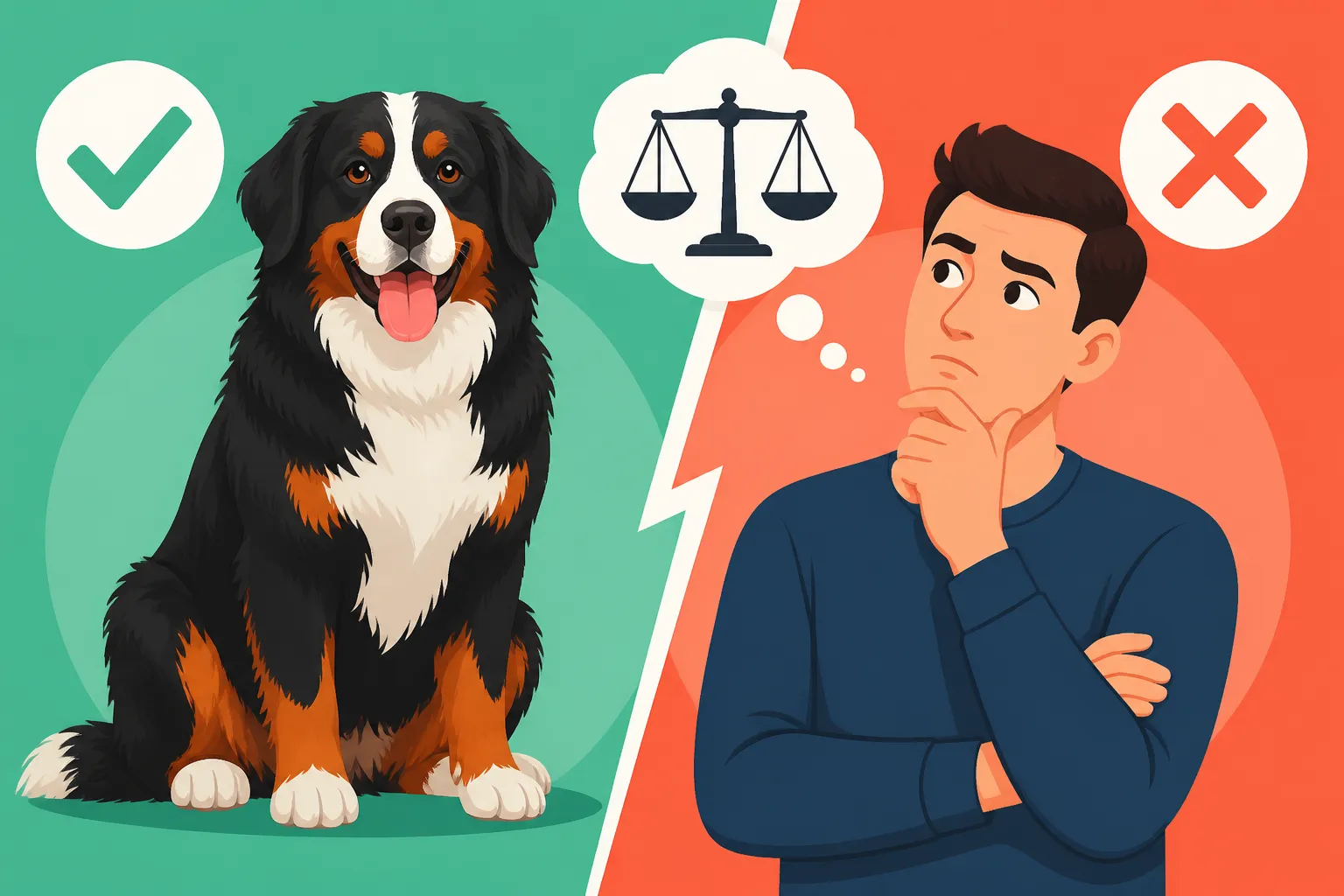
It’s a truly majestic sight, isn’t it, seeing a magnificent Bernese Mountain Dog? Their sheer size and presence are part of what draws us in. But when your beautiful Berner starts tipping the scales toward 120 pounds, a little voice in the back of your mind might start to wonder: is that too big? This guide is here to help you navigate the nuances of Bernese Mountain Dog size, offering realistic insights into what a 120-pound Berner means for their health, your home, and your wallet.
The Bernese Mountain Dog Standard: What’s "Normal" Anyway?
When we talk about whether a Bernese Mountain Dog is "too big," it's helpful to first understand what the breed standard considers typical. The breed standard isn't just some arbitrary set of rules; it's a blueprint designed to describe the ideal characteristics, including size, that define the breed. These standards are developed by breed clubs and recognized by organizations like the American Kennel Club (AKC), and they aim to promote dogs that are healthy, sound, and capable of performing their original functions.
What the Official Standard Says About Size
For Bernese Mountain Dogs, the official standard provides a range for both height and weight. Typically, males are expected to be taller and heavier than females. We're generally talking about a range of 25 to 27.5 inches at the shoulder for males, and 23 to 26 inches for females. When it comes to weight, males usually fall between 85 and 115 pounds, while females are more commonly in the 70 to 95-pound range.
So, if your Berner is hitting 120 pounds, where does that put them? For a male, 120 pounds is certainly on the very high end of the typical range, but not entirely unheard of, especially if they are particularly tall and well-muscled. Think of a big, sturdy farm dog, which is what they historically were. However, for a female, 120 pounds is generally considered significantly above the average. While some individual dogs might naturally be larger, it often raises questions about whether that weight is healthy or if it's leaning towards being overweight. It's always a good idea to refer back to The Bernese Mountain Dog Breed Standard to get a visual and descriptive idea of what the ideal Berner looks like.
The Natural Variation Within the Breed
It's crucial to remember that breed standards describe an ideal, and there's always natural variation within any breed. Just like people, dogs come in different shapes and sizes, even within the same litter. You might have one Berner who is a lean, agile 90 pounds, and another from a different line who is a more robust 105 pounds, both perfectly healthy and within the standard. These variations can come from genetic predispositions—some lines simply tend to produce larger-boned or heavier dogs.
Beyond genetics, a dog's growth rate and diet during puppyhood play a massive role. Puppies fed too much, too fast, or on diets not specifically formulated for large breeds can grow too quickly, leading to skeletal issues down the line. We dive into this in more detail when we discuss What a Bernese Mountain Dog Weighs at Each Month. So, a 120-pound Berner isn't necessarily "too big" simply because of the number on the scale; it's about context. Is it a naturally massive male, carrying his weight well, or is it a dog, male or female, carrying excess fat? That distinction is incredibly important for their long-term health.
| Bernese Mountain Dog Category | Height Range (inches) | Typical Weight Range (lbs) | 120 lbs in Context | Potential Implications |
|---|---|---|---|---|
| Males (Standard) | 25-27.5 | 85-115 | On the higher end, but potentially healthy for a large, well-muscled male if not overweight. | Requires careful assessment to distinguish natural large frame from excess fat. |
| Females (Standard) | 23-26 | 70-95 | Significantly above the typical range for females. | Strong indication of being overweight, or an unusually large framed female carrying extra weight. |
| Overweight Berner (General) | Varies | Any weight above ideal body condition | Could be 120 lbs for a smaller framed male or most females, indicating obesity. | Increased risk of joint issues, heart strain, reduced lifespan, and mobility problems. |
Health Implications of a Larger Bernese Mountain Dog
While a big, cuddly Berner might seem like a dream, their size directly impacts their health, particularly as they age. This is especially true for a breed already predisposed to certain orthopedic and oncological challenges. The extra pounds, whether from a naturally large frame or from being overweight, can significantly exacerbate these issues.
Joint Stress and Overall Lifespan
Let's be blunt: every extra pound on a Bernese Mountain Dog's frame is an extra pound of stress on their joints. This breed is already prone to joint conditions like hip and elbow dysplasia, as well as arthritis. Imagine carrying a weighted backpack all day, every day – that's what excessive weight can feel like for a dog. A 120-pound Berner, especially if that weight is fat rather than muscle, will likely experience accelerated wear and tear on their hips, elbows, and knees. This can lead to earlier onset and more severe symptoms of Joint Disease in a Hundred Pound Bernese Mountain Dog.
The implications extend to their overall quality of life and lifespan. Bernese Mountain Dogs, sadly, are known for their relatively short lifespans, averaging around 7-8 years. Factors like cancer and joint issues are major contributors to this. A heavier dog, particularly an overweight one, often faces increased pain, reduced mobility, and a higher chance of needing interventions like pain medication or even surgery earlier in life. This can impact Why a Bernese Mountain Dog Lives Only Seven or Eight Years, as chronic pain and reduced activity can contribute to a decline in their overall health and well-being. Keeping them at a healthy, lean weight is one of the most proactive things you can do to support their joint health and comfort.
Other Health Concerns Exacerbated by Size
Beyond orthopedics, a larger body mass can influence other aspects of a Berner's health. Heart health, for instance, can be strained by carrying extra weight. The heart has to work harder to pump blood throughout a larger, less efficient body. While not a direct cause, an overweight dog might experience cardiovascular issues more readily or severely.
Another significant concern for deep-chested breeds like the Bernese Mountain Dog is Bloat, or Gastric Dilatation-Volvulus (GDV). While the exact causes are complex and not solely tied to size, a larger overall body size and deep chest are known risk factors. A large dog that eats too quickly, for example, might be at a higher risk. You can learn more about this serious condition in Bloat in a Deep-Chested Bernese Mountain Dog. Furthermore, the logistics of veterinary care for a 120-pound dog can be more challenging. Administering anesthesia, for example, requires precise dosing based on weight, and any underlying health issues can be more complicated in a very large patient. It's an important consideration, and vets often take extra precautions with our giant friends.
Practicalities of Living with a Very Large Berner
Owning any Bernese Mountain Dog means embracing a life filled with love, hair, and a lot of dog. But when your Berner reaches the impressive (and sometimes intimidating) size of 120 pounds, the practicalities of daily life definitely amplify. It’s not just about fitting them on the couch anymore; it's about navigating your home, your car, and even public spaces.
Space, Mobility, and Fitting In
Let’s be real: a 120-pound Bernese Mountain Dog takes up a lot of space. They might gracefully curl up on their orthopedic bed (which, by the way, needs to be extra-large), but when they stretch out or decide to flop down in the middle of a hallway, it can feel like a small boulder has appeared. Your home might need to adapt: wider pathways, sturdy furniture, and maybe even rethinking that delicate coffee table. Getting in and out of the car can also become a gymnastic event. Even with ramps, a 120-pound dog requires a strong back and careful handling to load into an SUV, especially as they age or if they're not feeling well.
Consider vacation planning too. Finding pet-friendly accommodations that can truly handle a dog of this size can be a challenge. Some hotels and rental properties have weight limits, and kennels often charge more for giant breeds or have limited space for them. Even a leisurely walk through a crowded park can feel different when you're maneuvering a dog that weighs as much as an adult human. Everything just becomes bigger when your dog is this big.
Management and Training Challenges
While Berners are generally sweet-natured, a 120-pound dog has significant physical strength. If they decide to pull on the leash, you’re in for a ride! This makes early and consistent training, especially for Leash Manners on a Hundred Pound Bernese Mountain Dog, absolutely non-negotiable. A well-trained giant is a joy; an untrained one can be a handful, if not a hazard. Imagine a dog that size jumping up to greet a guest – that’s a lot of weight and enthusiasm coming at you!
Grooming also presents a bigger task. Brushing out that thick double coat takes time and effort, but trying to bathe a 120-pound dog in your home bathtub can be a hilarious, if soaking wet, ordeal. Many owners of very large Berners opt for professional groomers, which adds another recurring cost. Even routine vet visits can be more demanding, requiring extra hands to lift or position your dog for exams or treatments. When we're talking about Grooming a Bernese Mountain Dog Too Big to Lift, you quickly realize the practical challenges.
Increased Costs and Logistics
It probably won't surprise you to hear that a 120-pound Bernese Mountain Dog comes with a higher price tag in many areas of ownership. Feeding them, for example, means buying larger bags of high-quality large-breed specific dog food. They eat a lot more than a smaller dog, and those bags disappear quickly. Many owners find themselves ordering in bulk from retailers like Chewy to keep up with demand and often get better pricing. We break down the monthly food costs in Feeding a Hundred Pound Bernese Mountain Dog Monthly.
Beyond food, almost everything else is upsized:
- Beds and Crates: These need to be robust and spacious, which translates to higher costs.
- Toys: They need durable toys that can withstand a powerful jaw, otherwise you'll be replacing them constantly.
- Medications: Dosing for antibiotics, pain relievers, or supplements is based on weight, so your prescriptions will cost more.
- Specialty Gear: If you're considering a mobility cart for an older Berner or a special harness, the larger sizes often come with a higher price tag.
- Travel and Boarding: As mentioned, Kennel Rates for a Bernese Mountain Dog can be higher for larger breeds.
It truly adds up over their lifetime, making What a Bernese Mountain Dog Costs Over Its Whole Life a significant consideration for any prospective owner.
When to Be Concerned About Your Berner's Size
It's one thing for a Bernese Mountain Dog to be naturally large; it's another for them to be carrying excess weight. Distinguishing between the two is paramount for their health and well-being. A 120-pound Berner could be a well-muscled, tall male within a healthy body condition, or it could be a dog struggling with obesity. Knowing the difference empowers you to take appropriate action.
Is it Healthy Weight or Obesity?
The number on the scale tells only part of the story. What truly matters is your dog's body condition. You want to see a defined waist when viewed from above, and their abdomen should tuck up when viewed from the side. You should be able to easily feel their ribs when you run your hands along their side, without pressing hard, but not see them prominently. If you can't feel those ribs, or if your Berner has a saggy belly and no discernible waist, they are likely overweight.
An overweight Berner faces all the health risks we discussed earlier, amplified. This includes increased pressure on their joints, higher risk for certain diseases, and generally reduced stamina and quality of life. If you're questioning your dog's weight, don't hesitate to take a look at resources like Taking Ten Pounds Off a Bernese Mountain Dog to understand how to assess their condition and what steps you can take if they are carrying too much weight. Sometimes, owners don't realize their dog is overweight until a vet points it out, especially with a breed as fluffy as the Berner, where that lush coat can hide a multitude of sins!
The Role of a Veterinarian in Assessment
When in doubt, your veterinarian is your best friend. They can perform a thorough physical examination, assess your Berner's body condition score, and determine if their weight is healthy for their frame. They can also rule out any underlying medical conditions that might contribute to weight gain, like thyroid issues. Your vet can provide tailored advice on diet, exercise, and a safe weight loss plan if necessary. They can also discuss preventive measures, especially for a breed with specific health predispositions.
For instance, they can talk to you about The Bernese Mountain Dog Health Panel and what screenings might be beneficial, especially if your dog's size seems unusually large or if you're concerned about joint health. Never try to put a large dog on a diet without professional guidance, as rapid or improper weight loss can be just as detrimental as obesity. A vet can also give you realistic expectations about Whether a Bernese Mountain Dog Handles Anesthesia Well if procedures are needed, a factor often influenced by a dog's overall size and health.
Breeder Practices and Genetic Predispositions
The size of your Bernese Mountain Dog often goes back to their genetics. Reputable breeders strive to produce dogs that conform to the breed standard, not only in appearance but also in health and temperament. They carefully select breeding pairs, considering their lineage, health clearances, and overall size and structure. A responsible breeder will be able to show you the health clearances for the parents (hips, elbows, eyes, heart, and genetic tests like SOD1 for degenerative myelopathy), and discuss the typical size range of their lines.
While some lines might naturally produce slightly larger dogs, breeders should prioritize sound structure and health over extreme size. If you're considering a Bernese Mountain Dog puppy, ask about the size of the parent dogs and previous offspring. A good breeder should be transparent about these details. Understanding The Weight Gap Between Bernese Mountain Dog Sexes can also help set realistic expectations for a puppy's adult size. While genetics play a part, proper nutrition and exercise during puppyhood are equally critical to ensure healthy development and prevent a naturally large dog from becoming an overweight one.
Disclaimer
This article is for general informational purposes only and does not constitute professional advice. Laws, prices and regulations vary by location and change over time. Consult a qualified professional for guidance on your specific situation.