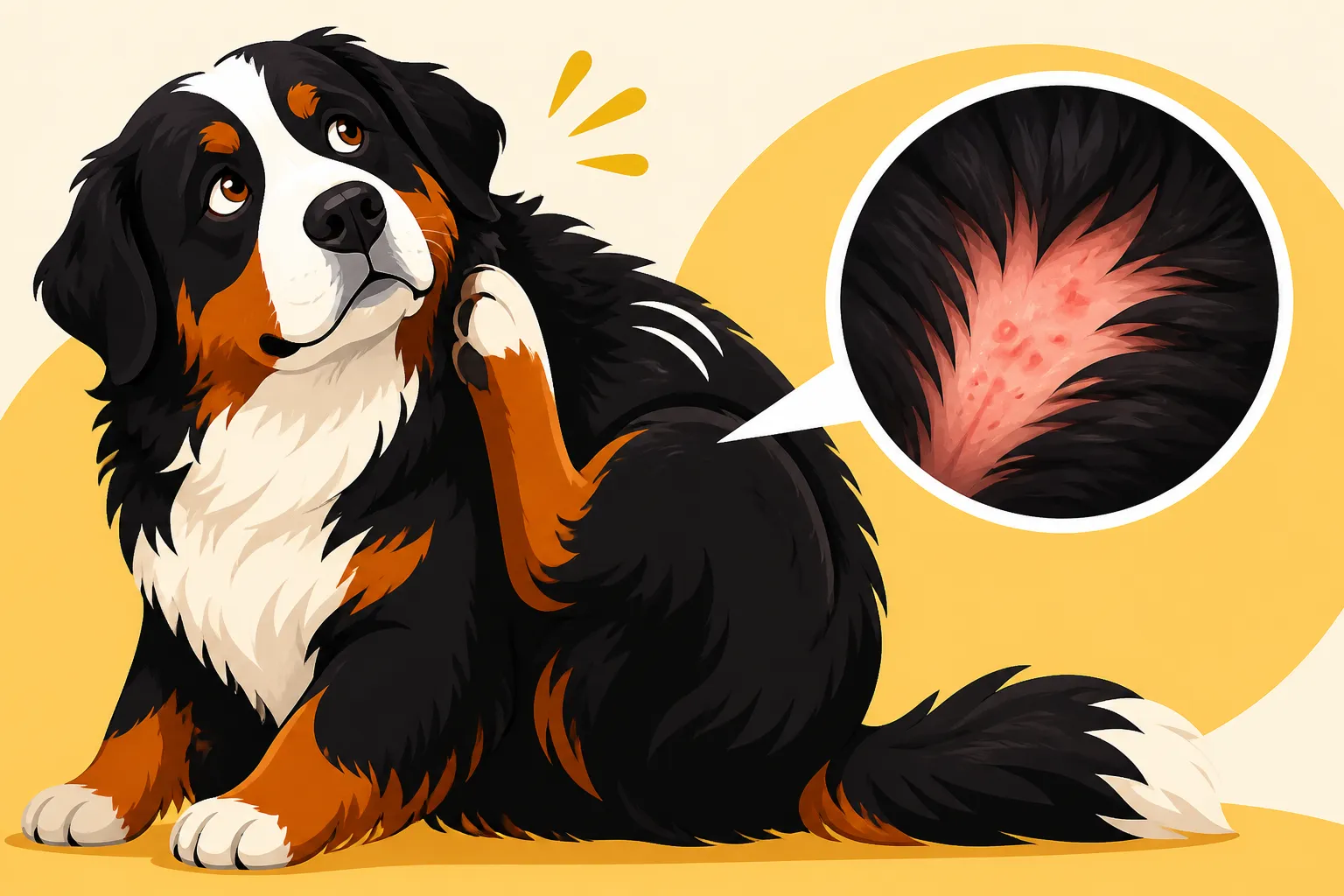
Itching Under a Bernese Mountain Dog’s Thick Coat
It’s heartbreaking to watch your big, beautiful Bernese Mountain Dog constantly scratching, licking, or chewing at their magnificent, thick coat. You try everything – brushing, special shampoos – but the relentless itch seems to persist, leaving you feeling helpless and your Berner uncomfortable. This guide is here to unravel the common and not-so-common reasons behind that maddening itch and equip you with practical steps to bring your beloved companion some much-needed relief.
Unraveling the Mystery of the Itch: Common Causes
When your Bernese Mountain Dog starts scratching beneath that glorious coat, it's rarely just "dry skin." Their thick double coat, while beautiful, can be a perfect incubator for issues that lead to intense irritation. Understanding the most common culprits is the first step toward finding a solution and restoring comfort to your furry friend. It's a journey many Berner owners face, and it requires patience and keen observation.
Environmental Allergies: The Invisible Irritants
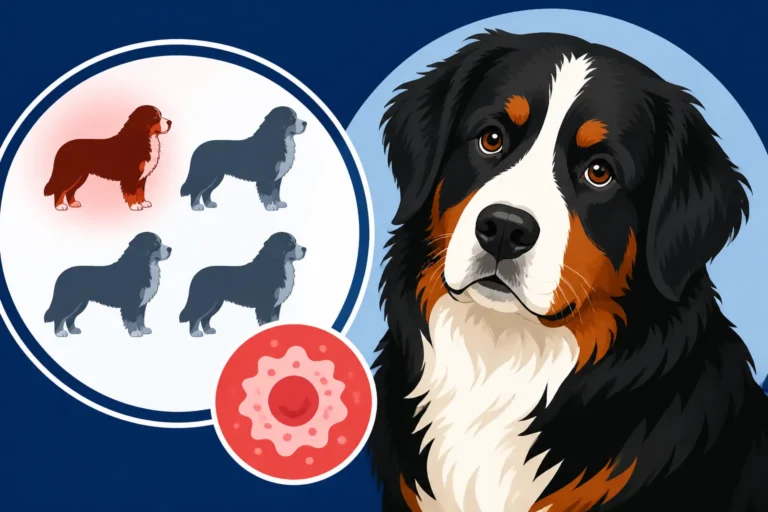
Just like people, Bernese Mountain Dogs can suffer from environmental allergies, often referred to as atopy. These are immune system overreactions to common substances in their surroundings. Think about it: pollen, dust mites, mold spores, and even certain grasses are everywhere, and your Berner, with their low-slung body and tendency to roll, picks up a lot of them. These microscopic particles can penetrate the skin barrier, triggering an inflammatory response that manifests as intense itching. It's not always obvious, especially when the scratching is hidden beneath layers of fur.
The frustrating part about environmental allergies is their often seasonal nature. One year, your Berner might start scratching wildly every spring when the trees begin to bloom, only to calm down in the winter. The next year, perhaps it’s the damp, moldy fall air that sets them off. This makes it challenging to pinpoint the exact allergen. Their skin might become red, inflamed, or even develop tiny bumps, and they might chew at their paws or rub their face excessively. It's a cycle that can leave both you and your Berner exhausted, but recognizing these patterns is key.
Sometimes, the effects of environmental allergens aren't just limited to the skin. They can also contribute to issues like recurrent ear infections, where the skin inside the ear canal becomes inflamed and prone to secondary invaders. If your Berner is constantly shaking their head or has waxy, smelly ears in conjunction with skin itching, it’s highly likely environmental factors are playing a role. Getting a handle on these underlying allergies is crucial for overall health and comfort, and often requires a multi-faceted approach.
Food Sensitivities and Their Skin Manifestations
Another major player in the Bernese Mountain Dog itch saga is food sensitivities or allergies. This isn't just about a sensitive stomach; for many dogs, dietary triggers manifest as skin problems. Certain ingredients can cause a delayed hypersensitivity reaction in their immune system, leading to chronic itching, skin redness, and sometimes even hot spots. Common culprits often include proteins like chicken, beef, or dairy, and sometimes grains like wheat or corn, though any ingredient can technically be an allergen. The problem is, these are staples in many commercial dog foods, making identification tricky.
It can be incredibly frustrating trying to figure out if food is the issue. You might notice your Berner develops new scratching after a change in their diet, or perhaps the itching has been a persistent, low-level problem for years without an obvious cause. Unlike immediate allergic reactions, food sensitivities can take days or even weeks to show up on the skin, making the connection hard to draw. Beyond the incessant itching, other signs of food sensitivity might include gastrointestinal upset like diarrhea or vomiting, but often, the skin is the primary indicator.
The gold standard for diagnosing food allergies is an elimination diet. This involves feeding a novel protein (one your dog has never eaten before, like duck or venison) or a hydrolyzed protein diet (where proteins are broken down so small the immune system doesn't recognize them) for several weeks, and then carefully reintroducing old ingredients to see what triggers a reaction. This process takes dedication, as even tiny treats or table scraps can skew the results. It's a commitment, but for many Berners, finding the right food can bring immense relief and vastly improve their quality of life.
Parasites: The Obvious and Hidden Culprits
When we talk about itching, parasites are often the first thing that comes to mind, and for good reason. Fleas and ticks are notorious for causing intense pruritus (the medical term for itching). Even if you don't see them jumping or crawling on your Berner's thick coat, a single flea bite can trigger a severe allergic reaction in sensitive dogs, leading to widespread itching and discomfort. Ticks, while less likely to cause generalized itching, can cause localized irritation where they attach, and their presence is always a health concern. Regular, year-round flea and tick prevention is absolutely vital for Bernese Mountain Dogs.
Beyond the well-known fleas and ticks, there are microscopic mites that can drive a Berner crazy with itchiness. Sarcoptic mites, which cause sarcoptic mange (sometimes called scabies), are highly contagious and lead to incredibly intense itching, redness, hair loss, and scabbing. Demodectic mites, on the other hand, are normally present on a dog's skin but can proliferate in immunocompromised animals, causing localized or generalized hair loss and skin irritation without necessarily being intensely itchy. Because these mites are so tiny, they often go undetected without a proper skin scrape by a veterinarian.
The frustrating thing is that even if your Bernese Mountain Dog is on a preventative, they can still pick up a stray flea or suffer from a mite infestation, especially if they spend a lot of time outdoors or interact with other animals. The sheer density of their double coat can make finding these tiny invaders a real challenge, even for the most diligent owner. If your Berner is scratching relentlessly, losing patches of hair, or developing scabs, especially around the ears, elbows, or hocks, parasites should always be high on the list of suspects for your vet to investigate.
Digging Deeper: Less Common but Serious Skin Issues
While allergies and parasites account for a large percentage of itching Bernese Mountain Dogs, sometimes the underlying cause is more complex. It's important not to overlook these less common but potentially more serious conditions, as they often require specific veterinary intervention. Ignoring persistent skin issues can lead to chronic discomfort and more complicated health problems for your gentle giant.
Skin Infections: Bacterial and Fungal Invaders
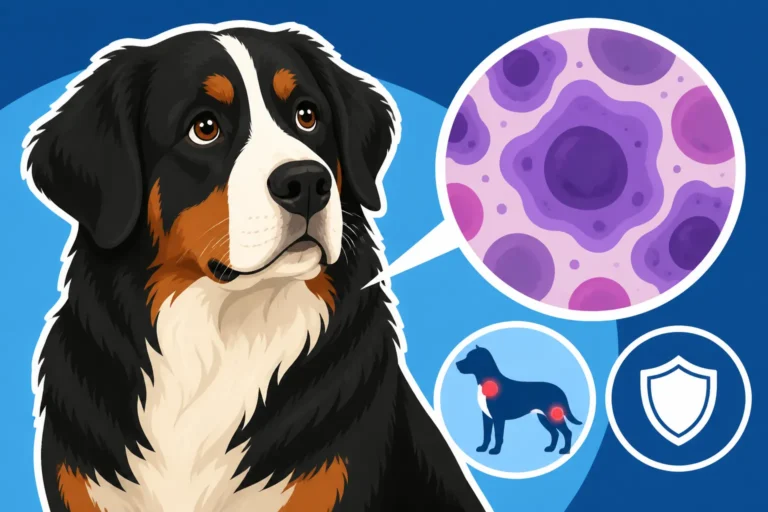
When your Bernese Mountain Dog's skin barrier is compromised by allergies, parasites, or excessive licking, it creates a prime environment for opportunistic infections. Bacterial infections, most commonly caused by Staphylococcus bacteria (known as pyoderma), often appear as red bumps, pustules, crusts, or circular areas of hair loss. These are frequently secondary to an underlying allergy, with the constant scratching and chewing breaking the skin and allowing bacteria to take hold. The infection itself then adds to the itch, creating a vicious cycle.
Fungal infections, particularly yeast infections caused by Malassezia pachydermatis, are also very common under a Berner's thick coat, especially in warm, moist areas like skin folds, paw pads, and, notably, the ears. If you notice a greasy feel to their skin, a distinctive musty or sweet odor, or persistent itching with redness in these areas, yeast might be the culprit. Just like bacterial infections, yeast often thrives when the skin is already inflamed or compromised by other issues.
Identifying and treating these infections is crucial. A veterinarian can perform a simple test called cytology, where they take a swab or scrape from the affected skin and examine it under a microscope to identify bacteria or yeast. Once identified, appropriate antibiotics or antifungals, often combined with medicated shampoos, can bring significant relief. However, remember that treating the infection is only part of the battle; the real goal is to find and manage the underlying cause that allowed the infection to develop in the first place, ensuring long-term skin health. If you're dealing with issues like Recurring Ear Infections in a Bernese Mountain Dog, these infections are often part of a larger picture.
Hypothyroidism: An Unexpected Itch Source
It might seem surprising, but an underactive thyroid gland, a condition known as hypothyroidism, can indeed manifest as skin problems in Bernese Mountain Dogs. The thyroid gland produces hormones vital for regulating metabolism, and when its function dips, it can lead to a cascade of issues, including poor skin and coat quality. While not typically the primary cause of intense itching, it can certainly contribute to a dry, flaky, or dull coat that becomes more prone to itching and secondary infections.
Beyond the skin, hypothyroidism often presents with other more generalized symptoms. You might notice your Berner seems sluggish, gains weight despite no change in diet, or shows a marked intolerance to cold. Their once magnificent coat might become thin, brittle, or start falling out, especially on the flanks or tail. They might also appear dull or lethargic, a stark contrast to their usual joyful demeanor. These subtle changes, when combined with itching, should certainly raise a red flag for your veterinarian.
Diagnosing hypothyroidism involves a simple blood test to check thyroid hormone levels. If diagnosed, it's typically managed with daily oral thyroid hormone supplementation, which is usually quite affordable and effective. Once treatment begins, you should gradually see an improvement in their energy levels, weight, and, crucially, their skin and coat health. A lush, healthy coat is less prone to irritation, and resolving this underlying issue can greatly reduce a Berner's tendency to itch. If you're seeing signs of a slow Berner, it might be worth discussing Thyroid Testing a Sluggish Bernese Mountain Dog with your vet.
Contact Dermatitis: When Something Touches Their Skin
Imagine walking barefoot through a patch of poison ivy – that’s essentially what contact dermatitis feels like for a dog. This condition occurs when a dog's skin comes into direct contact with an irritating substance, triggering an inflammatory reaction. For Bernese Mountain Dogs, with their long, flowing coats that often sweep along the ground, they can be particularly susceptible to picking up irritants. Common culprits include certain cleaning products used on floors, lawn chemicals, specific types of plants, or even residues from some shampoos or topical flea treatments.
The key characteristic of contact dermatitis is that the itching and irritation are usually most severe in the areas that came into direct contact with the offending substance. For example, if your Berner walked through a freshly treated lawn, their paws and belly might be particularly red and itchy. If a new laundry detergent was used on their bedding, they might itch where their body touched the fabric. This localized reaction can help you narrow down the potential irritant, though their thick coat can sometimes make it harder to observe the direct contact point.
Identifying the exact trigger for contact dermatitis often involves a bit of detective work. You might need to change your cleaning products, switch to pet-safe laundry detergents, or avoid certain walking paths if you suspect environmental chemicals. If you've recently bathed your Berner and notice they're scratching more than usual, the shampoo could be the problem. Once the irritating substance is removed, the skin usually begins to heal, and the itching subsides. Your veterinarian can also provide topical treatments to soothe the inflamed skin and help it recover faster.
Practical Steps to Alleviate Your Berner's Itch
Witnessing your Bernese Mountain Dog's discomfort from constant itching is genuinely distressing, and you want to do everything you can to help. Thankfully, there are many practical and effective steps you can take, from seeking professional advice to adjusting their daily care routine. Tackling the itch requires a methodical approach, often involving collaboration with your veterinarian and consistent effort at home.
Veterinary Consultation and Diagnostic Process
When your Bernese Mountain Dog is itching, the absolute first step is a thorough veterinary consultation. Resist the urge to self-diagnose or try a myriad of over-the-counter remedies without professional guidance, as you could be masking symptoms or delaying proper treatment for a serious underlying condition. Your vet will start by taking a detailed history, asking about the onset of the itching, its severity, any other symptoms you've noticed, changes in diet or environment, and what preventatives your Berner is on. This information is invaluable in narrowing down potential causes.
Following the history, your veterinarian will perform a comprehensive physical examination, paying close attention to the skin and coat. They might take several diagnostic samples right in the clinic. A skin scrape, where a small area of skin is gently scraped to collect superficial cells, can reveal mites. Cytology, involving pressing a sticky tape or slide onto the skin, can identify bacteria or yeast. If allergies are suspected, your vet might discuss allergy testing (blood tests or intradermal skin tests) or an elimination diet trial to identify food sensitivities. These diagnostic steps are critical for getting an accurate diagnosis and forming an effective treatment plan.
Remember that treating an itchy Bernese Mountain Dog can sometimes involve multiple vet visits and specialized tests. Having pet insurance, like a plan from Healthy Paws, can be an incredible asset during these times. It helps cover unexpected diagnostic costs and ongoing treatments, ensuring you can make the best decisions for your Berner's health without financial strain. Don't hesitate to lean on your vet's expertise; they are your best resource in solving the mystery of your Berner's persistent itch.
Grooming and Coat Management for Skin Health
Effective grooming is more than just making your Bernese Mountain Dog look good; it's a critical component of skin health, especially for a breed with such a dense coat. Regular brushing is paramount. It helps remove loose hair, dander, and environmental allergens like pollen or dust that can become trapped close to the skin. Aim for a thorough brushing session several times a week, ensuring you get a rake down through a Bernese Mountain Dog's coat all the way to the skin to stimulate circulation and prevent matting, which can exacerbate skin issues.
Bathing plays a vital role too, particularly for Berners suffering from environmental allergies or skin infections. Your veterinarian might recommend specific medicated shampoos – anti-bacterial, anti-fungal, or soothing oatmeal-based formulas – to address the underlying problem. It's crucial to follow the instructions for these shampoos, often requiring leaving the lather on for several minutes before rinsing thoroughly. Just as important as the wash is the dry: ensure your Bernese Mountain Dog is completely dry after a bath. Their thick coat can hold moisture for a long time, and why a damp Bernese Mountain Dog develops sores and yeast infections.
Beyond brushing and bathing, routine nail trims and paw care can also contribute to overall comfort. Overgrown nails can affect their gait, and irritated paw pads are a common site for itching and licking in allergic dogs. While it might seem like a lot of work, consistent grooming helps maintain the integrity of your Berner's skin barrier, making it less susceptible to irritants and infections. Learning how often a Bernese Mountain Dog should be brushed and establishing a regular routine will go a long way in managing their skin health.
Environmental and Dietary Adjustments
Once you have a better understanding of what's causing your Berner's itch, making strategic environmental and dietary adjustments can significantly reduce their exposure to triggers. If environmental allergies are at play, simple changes can make a big difference. Regularly wash your Berner's bedding in a hypoallergenic detergent to remove dust mites and dander. Vacuum frequently with a good quality vacuum cleaner that has a HEPA filter, and consider using air purifiers in the rooms your Berner spends the most time in. Minimizing exposure to outdoor allergens, such as wiping down their paws and coat after walks, can also help.
For food sensitivities, dietary adjustments are key. If an elimination diet has identified specific triggers, you'll need to strictly avoid those ingredients in their food and treats. This often means switching to a novel protein or hydrolyzed diet long-term, carefully checking all labels, and ensuring family members and visitors don't accidentally offer problematic snacks. The consistency here is paramount; even a small amount of an allergen can set back progress for weeks. Discuss suitable commercial foods or home-prepared options with your vet or a veterinary nutritionist.
Finally, consistent parasite prevention is non-negotiable. Even if fleas or mites aren't the primary cause of the current itch, a good monthly preventative is crucial to ensure they don't become a problem. Choose a reputable product recommended by your veterinarian that covers fleas, ticks, and potentially other parasites common in your area. This proactive approach minimizes one major source of irritation for your Bernese Mountain Dog. Pet insurance providers like Healthy Paws often cover the diagnostics and treatments related to chronic allergies and skin conditions once they are diagnosed, providing peace of mind as you implement these long-term management strategies. Ensuring good Flea and Tick Cover for a Hundred Pound Bernese Mountain Dog is an essential part of their routine care.
Long-Term Management and Support
Living with a Bernese Mountain Dog prone to itching can feel like an endless battle, but with the right long-term management plan, you can significantly improve their comfort and quality of life. It’s about building a consistent routine, understanding their unique needs, and having a supportive veterinary team by your side.
Medication and Supplements
Depending on the underlying cause and severity of your Bernese Mountain Dog's itching, your veterinarian might recommend various medications and supplements for long-term management. For allergies, options range from antihistamines for mild cases to more targeted drugs like Apoquel (oclacitinib) or Cytopoint (lokivetmab injection), which specifically block the itch pathway or target allergic inflammatory responses. In severe flare-ups, short courses of corticosteroids might be used to quickly reduce inflammation and itching, but these are generally not a long-term solution due to potential side effects.
Beyond prescription medications, certain supplements can play a supportive role in skin health. Omega-3 fatty acids, often derived from fish oil, are fantastic for supporting the skin barrier and reducing inflammation. They work by improving the skin's lipid layer, making it more resilient against environmental allergens and irritants. Probiotics can also be beneficial, as a healthy gut often contributes to a healthy immune system and can impact skin health. Always discuss any supplements with your veterinarian to ensure they are appropriate for your Berner and won't interact with other medications.
It's important to understand that managing chronic itching often requires a combination of these approaches. What works best for one Berner might not work for another, and sometimes adjustments are needed over time. Working closely with your vet to find the optimal regimen is key. Regular discussions about your Berner's progress and any new symptoms will help fine-tune their treatment plan, ensuring they remain as comfortable as possible. Many owners wonder Whether Omega Oils Do Anything for a Berner's Coat, and for many, they are a valuable addition.
Lifestyle Considerations for Itchy Berners
Integrating specific lifestyle changes into your Bernese Mountain Dog's daily routine can make a significant difference in managing their itching. If you’ve identified specific environmental triggers, make a concerted effort to avoid them. This might mean walking your Berner at times when pollen counts are lower, keeping windows closed during allergy season, or using booties during walks to protect their paws from irritants on the ground. Consistent diligence in these areas reduces their overall allergen burden.
For Berners prone to skin infections, meticulous attention to hygiene, especially in areas prone to moisture, is crucial. Their beautiful long coats mean they can easily develop moisture trapped in their fur, especially around the face, ears, and paw pads. Regularly checking and cleaning a Bernese Mountain Dog's face folds and keeping their ears dry can prevent yeast and bacterial overgrowth. This preventative care can save you countless trips to the vet for secondary infections.
Finally, regular vet check-ups are essential, especially for a large breed with specific health considerations. Your vet can monitor their skin health, reassess their medication needs, and catch any new issues early. For older Berners or those with chronic conditions, seeing the vet twice a year with a Berner might be recommended to stay on top of their health. This proactive approach, supported by good pet insurance like Healthy Paws, ensures that your Bernese Mountain Dog gets the ongoing care they need to manage their itching and live a happy, comfortable life.
Understanding the Bernese Mountain Dog's Unique Coat
The Bernese Mountain Dog's magnificent double coat is one of their most defining features, but it also presents unique challenges when it comes to skin health and managing itching. This coat consists of a long, thick outer coat that repels water and protects against elements, and a soft, dense undercoat that provides insulation. While perfect for their origins in the cold Swiss Alps, this dense fur can unfortunately trap allergens, dirt, and moisture close to the skin, making it harder for the skin to breathe and creating an ideal environment for irritants and microbes to flourish.
The sheer volume and length of their coat also mean that any skin issues can be harder to spot. A small rash or a few fleas can go unnoticed until the itching becomes severe or a secondary infection takes hold. This is why regular, thorough grooming is so vital – it's not just about aesthetics, but about performing a 'skin check' every time you brush them. You're looking for any redness, bumps, scabs, or changes in the skin beneath the fur that might indicate a problem.
Owners often grapple with the question of whether to shave a Bernese Mountain Dog in an attempt to alleviate heat and potentially reduce skin problems. However, the general consensus among vets and breeders is that shaving a Bernese Mountain Dog is detrimental. Their double coat actually provides insulation against both cold and heat, and shaving it can disrupt its natural function, exposing their sensitive skin to sunburn and making them less efficient at regulating their body temperature. This can paradoxically worsen skin issues. For more on this, you can read The Case for Leaving a Bernese Mountain Dog Untrimmed. Instead of shaving, focus on meticulous brushing, proper bathing, and environmental controls to keep their skin and coat healthy.
Here's a handy table summarizing common itch causes, their typical symptoms, and initial steps you can take:
| Cause of Itching | Common Symptoms | Initial Actions |
|---|---|---|
| Environmental Allergies | Seasonal itching, chewing paws, rubbing face, red/inflamed skin, recurrent ear infections. | Vet visit for diagnosis, regular brushing, wiping paws after walks, consider air purifiers, medicated baths. |
| Food Sensitivities | Chronic, non-seasonal itching, skin redness, hot spots, sometimes GI upset (vomiting/diarrhea). | Vet visit for elimination diet, strict adherence to novel/hydrolyzed protein diet, avoid all other foods/treats. |
| Parasites (Fleas/Mites) | Intense itching, scabs, hair loss (especially ears, elbows, rump), flea dirt (tiny black specks). | Vet visit for skin scrape/flea check, consistent year-round flea/tick prevention, treat all household pets. |
| Bacterial/Yeast Infections | Red bumps, pustules, crusts, greasy skin, musty odor, localized redness/inflammation (often secondary to other causes). | Vet visit for cytology, medicated shampoos, antibiotics/antifungals as prescribed. Address underlying cause. |
| Hypothyroidism | Dry/flaky skin, thinning coat, lethargy, weight gain, cold intolerance, dullness. | Vet visit for blood test, thyroid hormone supplementation if diagnosed. |
| Contact Dermatitis | Localized itching/redness where skin touched irritant, sudden onset after exposure. | Identify and remove irritant, wash affected areas, soothing topical treatments from vet. |
Disclaimer
The information provided in this article is for general informational purposes only and is not intended as a substitute for professional veterinary advice. Always consult with a qualified veterinarian for any health concerns or before making any decisions related to your Bernese Mountain Dog's medical care.