Whether a Bernese Mountain Dog Suits a Hot Climate
It's a common dream for many to picture a magnificent Bernese Mountain Dog by their side, but if you live in a warmer climate, that dream often comes with a heavy dose of worry. Owners often find themselves agonizing over whether their beloved Berner can truly thrive when the mercury rises, fearing they might be putting their gentle giant at risk. This guide will walk you through the realities of owning a Bernese Mountain Dog in a hot climate, from their inherent predispositions to the practical steps you can take to keep them safe and comfortable.
Understanding the Bernese Mountain Dog's Natural Environment
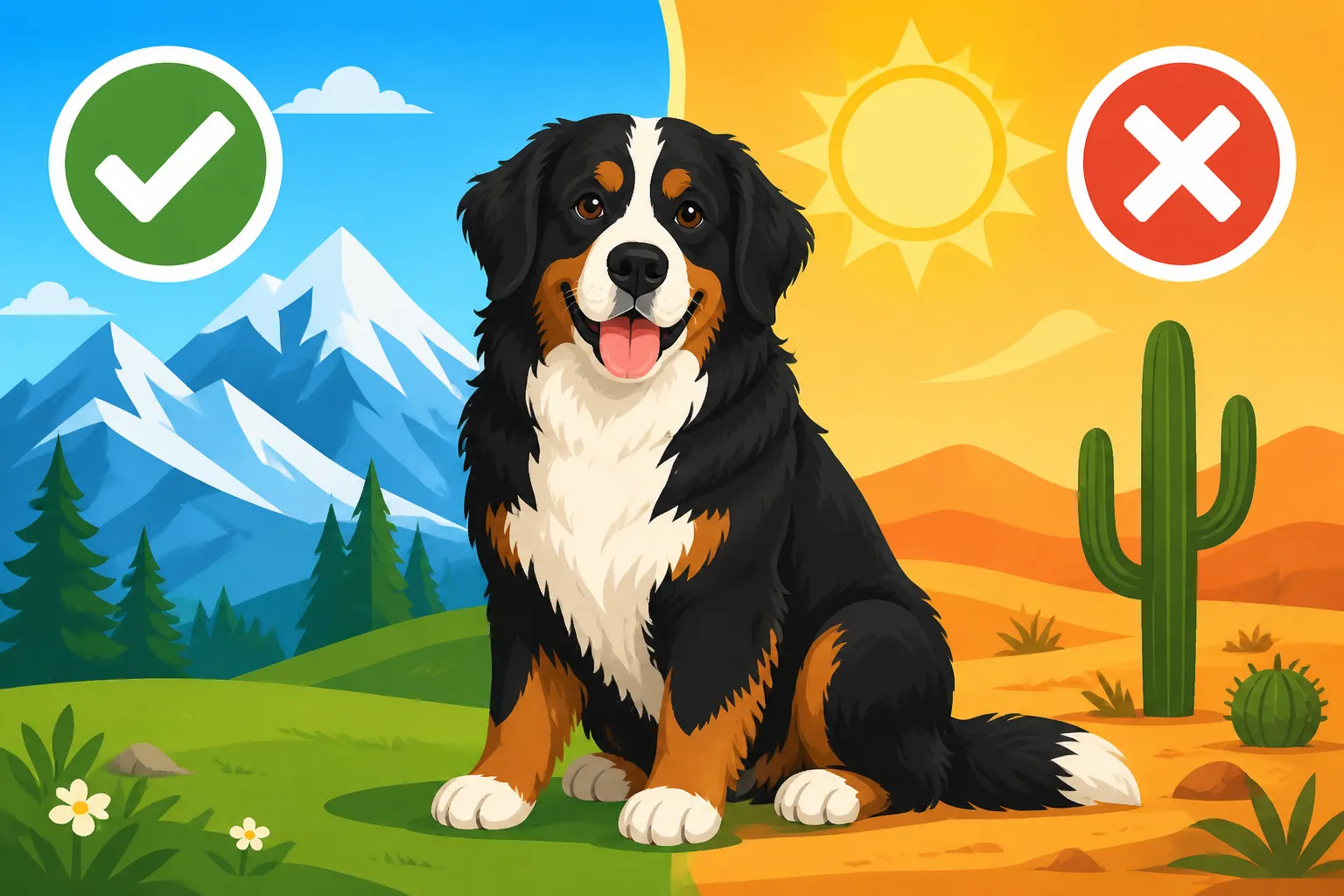
When you look at a Bernese Mountain Dog, with their thick, luxurious double coat and sturdy build, it's easy to see they're not built for the tropics. Their entire genetic makeup, honed over centuries, is a testament to cold weather survival. Trying to adapt them to extreme heat is like asking a polar bear to enjoy a desert.
A History of Cold Climates
Bernese Mountain Dogs hail from the chilly, mountainous regions of the Swiss Alps. Imagine rolling hills covered in snow, brisk winds, and temperatures that rarely climb above comfortable in the summer months. Their ancestors were working dogs, tasked with herding livestock, guarding farmsteads, and pulling carts laden with milk or cheese to market. These demanding jobs were performed in an environment where warmth was a necessity, not a luxury. Their thick coats provided crucial insulation against the biting cold and snow, allowing them to remain outdoors and perform their duties effectively. This historical context is vital; it's not just a preference, but a deep-seated biological design for cooler climes that makes them ill-suited for prolonged heat exposure.
Physical Traits Built for Winter
Every aspect of a Bernese Mountain Dog's physique is optimized for cold. Let's start with that glorious coat. It's a double coat, meaning it has a soft, dense undercoat that acts as an incredible insulator, trapping a layer of warm air close to their body. Over this, they have a longer, slightly coarser outer coat that repels water and snow. While some might think shaving helps, it actually disrupts this natural insulation, potentially making them less able to regulate their temperature. You can read more about the crucial role their coat plays in temperature regulation in our article, The Case Against Shaving a Bernese Mountain Dog in June.
Beyond their coat, their large body mass contributes to heat intolerance. Larger animals have a smaller surface area to volume ratio compared to smaller animals, which means they absorb heat more readily and dissipate it more slowly. Think about it: a small dog can cool off faster than a large dog because there's less mass to cool down. Their relatively short muzzles, while not as extreme as a bulldog's, also make panting—their primary cooling mechanism—less efficient than dogs with longer snouts. These combined factors mean that what might feel like a pleasant summer day to you could be dangerously oppressive for your Bernese.
The Real Dangers of Heat for Bernese Mountain Dogs
It’s not just about discomfort; extreme heat poses significant health risks to Bernese Mountain Dogs, some of which can be life-threatening. Ignoring these risks is not an option for responsible owners.
Heatstroke is a Serious Threat
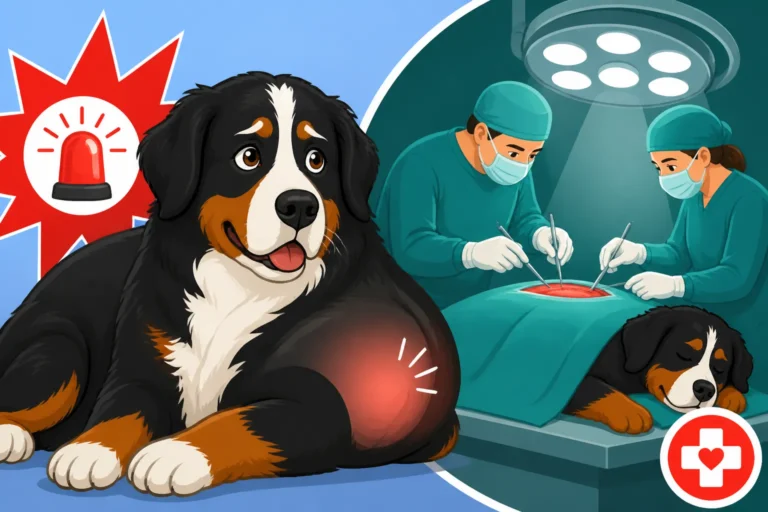
Heatstroke is perhaps the most immediate and terrifying danger for a Berner in a hot climate. Unlike humans who sweat profusely to cool down, dogs primarily rely on panting to regulate their body temperature. As we discussed, a Berner's physiology makes this process less efficient. When a dog's body temperature rises above a critical level (typically around 104°F or 40°C), their organs begin to shut down, leading to potentially irreversible damage or even death. This can happen frighteningly fast. A quick trip to the park on a sunny day or even just being left outside for too long can rapidly escalate into an emergency. Recognizing the signs of Heat Stroke in a Bernese Mountain Dog is paramount. Early symptoms can include excessive panting, drooling, weakness, stumbling, and bright red gums. As it progresses, you might see vomiting, diarrhea, seizures, and collapse. If you suspect your Berner has heatstroke, immediate veterinary attention is crucial, and cooling them down safely is your first priority.
| Symptom Category | Early Signs of Heatstroke | Advanced Signs of Heatstroke |
|---|---|---|
| Respiration | Excessive, rapid panting | Labored breathing, gasping |
| Oral | Profuse drooling, bright red gums | Pale or bluish gums, dry mouth |
| Energy | Restlessness, seeking shade | Lethargy, weakness, stumbling, collapse |
| Gastro-Intestinal | Vomiting, diarrhea | Bloody vomiting/diarrhea |
| Neurological | Dizziness, disorientation | Seizures, coma, loss of consciousness |
| Body Temp. | Elevated (over 104°F/40°C) | Dangerously high, sometimes with shock |
Exacerbation of Existing Health Issues
Beyond acute heatstroke, chronic exposure to warm environments can significantly worsen other common health problems in Bernese Mountain Dogs. For instance, Berners are predisposed to Joint Disease in a Hundred Pound Bernese Mountain Dog like hip and elbow dysplasia and arthritis. The discomfort of these conditions, coupled with the stress of heat, can make them even more debilitating. A dog struggling with painful joints might be less willing to move, making it harder for them to seek out cooler spots or adjust their position, increasing their risk of overheating.
Respiratory issues, while less common as primary diseases in Berners compared to brachycephalic breeds, can still be a concern. Any underlying respiratory weakness, even a mild one, can be greatly exacerbated by the increased demand on the respiratory system during panting to cool down. Furthermore, the overall stress on the body from constantly trying to stay cool can take a toll on their cardiovascular system, potentially shortening their already brief lifespan. This is particularly relevant when we consider Why a Bernese Mountain Dog Lives Only Seven or Eight Years; adding chronic heat stress into the equation only further challenges their health.
Practical Strategies for Bernese Mountain Dogs in Warmer Regions
If you live in a climate that experiences significant heat, owning a Bernese Mountain Dog means committing to a lifestyle of vigilant management and proactive measures. It's not impossible, but it demands dedication.
Creating a Cool Haven Indoors
Your home is your Berner's sanctuary, especially when it's hot outside. Air conditioning isn't a luxury; it's a necessity. You need to consistently maintain a cool indoor environment, ideally keeping the temperature below 75°F (24°C) on hot days. This might mean higher utility bills, but it’s part of the commitment to their well-being. Even with AC, consider supplementing with cooling mats or elevated dog beds that allow air to circulate beneath them. These small comforts can make a big difference.
It’s also important to understand Keeping a Room Cool Enough for a Bernese Mountain Dog. This isn't just about setting the thermostat; it's about minimizing heat sources. Keep blinds and curtains closed during the hottest parts of the day to block direct sunlight. If you're going to be away for an extended period, ensure the AC is running and perhaps leave a frozen Kong or ice cube enrichment toy to keep them occupied and hydrated. Never, ever leave a Berner in a car, even with the windows cracked, as temperatures inside can skyrocket in minutes.
Adapting Outdoor Activities and Routines
Outdoor activities need a complete overhaul when temperatures rise. Forget midday walks or strenuous play sessions. Your outdoor routine will likely revolve around the early morning and late evening, when the sun is less intense and the pavement has cooled down. Always check the pavement temperature with the back of your hand; if it's too hot for your hand, it's too hot for their paws. This goes back to Pavement Temperature and a Bernese Mountain Dog's Pads – those delicate pads can burn quickly.
Even during cooler parts of the day, keep walks short and frequent, rather than one long excursion. Focus on shade and grassy areas, avoiding direct sun whenever possible. Never push your Berner to exercise if they seem reluctant or are panting heavily. Remember, The Hours a Bernese Mountain Dog Should Not Walk are usually between 10 AM and 5 PM on warm days, but this can vary depending on humidity and local conditions. Always carry plenty of fresh water for them and offer it frequently. Consider dog parks or open fields only if they offer ample shade and cool surfaces. Even then, supervise closely for signs of overheating.
The Role of Grooming and Hydration
Proper grooming is essential year-round, but especially in warmer climates. Many people mistakenly believe shaving their Bernese Mountain Dog will cool them down. In reality, their double coat provides insulation against both cold and heat. Shaving can disrupt this natural protection, exposing their skin to sunburn and making it harder for them to regulate their temperature. Instead, focus on thorough brushing, especially during shedding seasons. This helps remove loose undercoat, which can trap heat, and allows for better air circulation close to their skin. Our guide on Grooming a Bernese Mountain Dog's Long Tricolor Coat offers detailed advice.
Hydration is non-negotiable. Always provide access to fresh, cool water, both indoors and out. Consider having multiple water bowls around the house and yard. Adding ice cubes to their water bowl can encourage drinking and help cool them internally. Portable water bottles and collapsible bowls are a must for any outing. Some Berners enjoy playing in shallow water, like a kiddie pool, which can be an excellent way to help them cool off on a hot day. Just ensure the water is clean and fresh, and supervise them closely.
Deciding if a Hot Climate is Truly Feasible for Your Berner
Ultimately, bringing a Bernese Mountain Dog into a hot climate is a significant decision that requires honest self-assessment about your commitment and resources. It's about providing a quality of life that respects their inherent needs.
Assessing Your Lifestyle and Resources
Before committing to a Berner in a hot climate, ask yourself if your lifestyle genuinely supports their needs. Do you have consistent access to air conditioning? Are you willing to adapt your daily routine significantly, potentially sacrificing outdoor activities during peak hours? Is your home and yard set up to provide sufficient shade and cool resting spots? These are not minor adjustments; they become central to your life with a Berner.
Financial resources also play a role. Maintaining a cool home can be costly, and the increased risk of heat-related illnesses means you should factor in potential veterinary emergencies. Having pet insurance, like a comprehensive plan from Healthy Paws, can be invaluable in these situations, helping to cover unexpected and potentially high costs associated with heatstroke or other climate-exacerbated conditions. Even with the best care, sometimes emergencies happen, and a good policy can offer peace of mind.
Long-Term Considerations for Their Lifespan
We already know that Bernese Mountain Dogs, sadly, have a shorter lifespan compared to many other breeds. Factors like cancer are significant contributors, as detailed in The Cancer That Kills Half of All Bernese Mountain Dogs. While heat may not directly cause cancer, chronic heat stress contributes to overall systemic stress and inflammation in the body, which can potentially impact their long-term health and even shorten their already limited years. Living in a constant state of mild discomfort or close to overheating isn't just about immediate health risks; it affects their overall quality of life and longevity.
By choosing to bring a Berner into a hot climate, you're making a commitment to provide an environment that counteracts their natural predispositions. This means not just managing heat, but actively ensuring their comfort and well-being every single day. If you live in a region where The Temperature a Bernese Mountain Dog Stops Coping is a common occurrence, you must be extra diligent. It's a heavy responsibility, but for those truly dedicated, it can be managed with consistent effort and vigilance. Investing in preventative measures, like proactive cooling solutions and comprehensive pet insurance from providers like Healthy Paws, is a crucial part of this commitment. Ensuring your Berner has access to the best possible care, should a heat-related incident occur, is paramount.
Disclaimer
Please remember that this article provides general information and advice. Every Bernese Mountain Dog is an individual, and their tolerance for heat can vary. Always consult with your veterinarian for personalized advice regarding your dog's health and specific needs, especially when making decisions about their care in challenging climates.