Whether a Bernese Mountain Dog Swims to Cool Off
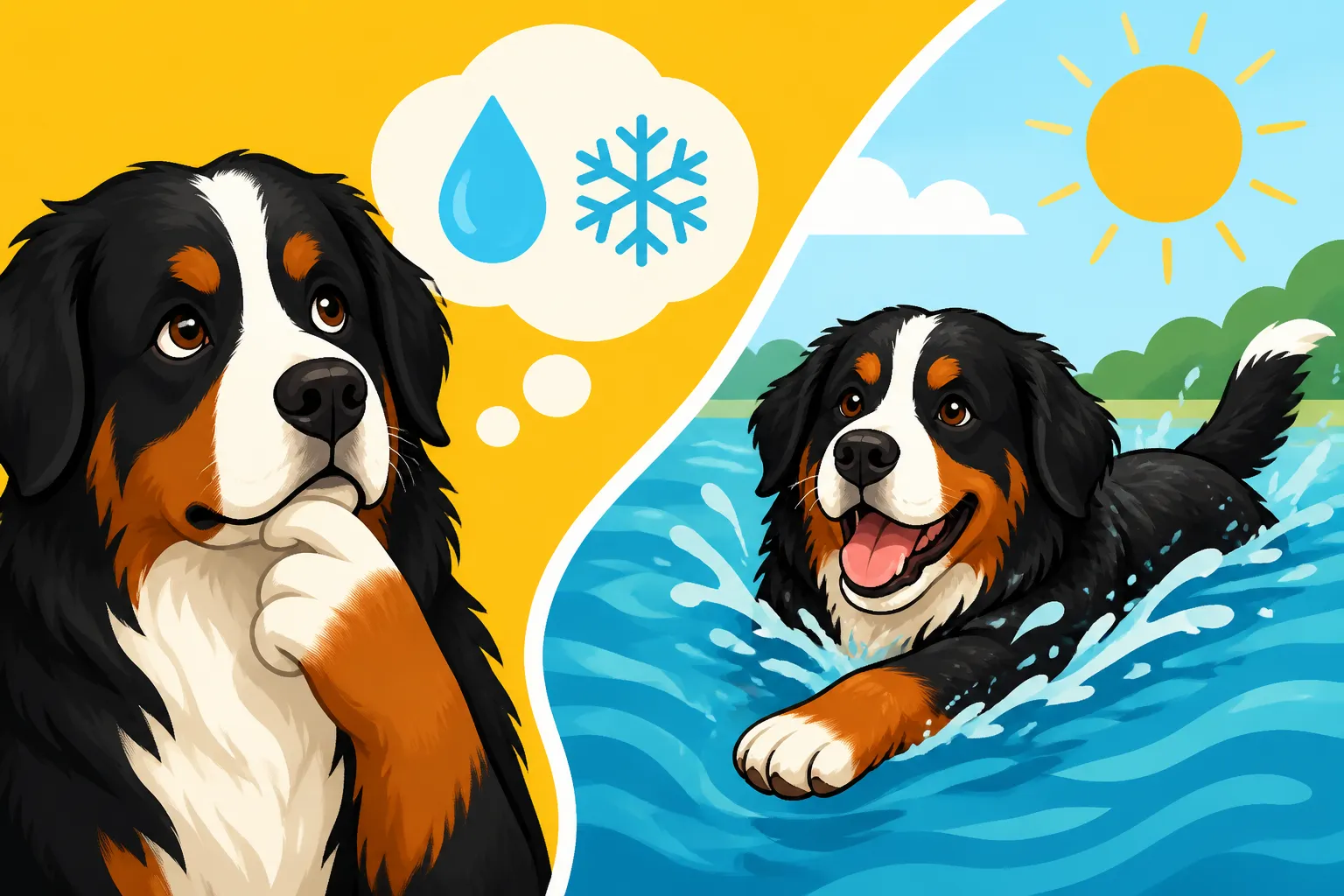
It’s a hot summer day, and you look at your beautiful Bernese Mountain Dog, panting softly, trying to find the coolest spot on the tile floor. Their thick, majestic coat, while stunning, becomes a significant challenge when temperatures rise. Many of us naturally think, "Surely a good swim would help cool them down!" But is throwing your beloved Berner into the nearest lake or pool truly the best solution, or does it come with its own set of concerns? This guide will explore whether swimming is a suitable and safe way to keep your Bernese Mountain Dog comfortable when the mercury climbs.
The Bernese Mountain Dog and Heat: A Constant Battle
Let's be honest, our Bernese Mountain Dogs are magnificent, but they weren't exactly built for scorching summer days. Their ancestral home in the Swiss Alps, with its cool breezes and snowy peaks, is a far cry from the humid parks and sun-baked patios many of us experience. This inherent design means they are constantly fighting an uphill battle against the heat, and as devoted owners, we feel that struggle right alongside them.
Why Berners Struggle with High Temperatures
The primary reason Berners find heat so challenging lies in their genetics and their glorious appearance. First, there's that magnificent double coat. It's designed to insulate them from the cold, but it acts like a heavy wool blanket in warm weather. The dense undercoat traps air close to their body, and while it provides some protection from direct sun, its main purpose is to keep them warm. Think about wearing a heavy parka in July – that's how your Berner often feels. Then there's their sheer size; a larger body mass takes more energy to cool down. Coupled with their typically dark tricolor coats, which absorb more solar radiation, it's a perfect storm for overheating. These factors make a Bernese Mountain Dog prone to serious issues like heat stroke, which can escalate frighteningly fast. It's why so many of us are constantly on the lookout for effective cooling strategies, hoping to avoid the dangerous situation where our dog might need Cooling a Collapsed Bernese Mountain Dog in the Field.
Instinct Versus Reality: Do Berners Naturally Love Water?
When you think of dogs and water, breeds like Labradors and Golden Retrievers often spring to mind, gleefully launching themselves into any body of water they can find. With Bernese Mountain Dogs, it’s a bit more nuanced. While some Berners are absolute water babies who adore splashing and swimming, many are quite indifferent, and some are downright hesitant. It’s not a universal trait deeply embedded in their breed history in the same way it is for water retrievers. Their original purpose involved guarding livestock, pulling carts, and accompanying farmers in the mountains, not retrieving ducks from icy ponds. You might find your Berner cautiously wading up to their belly, enjoying a good soak on a hot day, but rarely venturing deeper. Then there are those who might stand at the water's edge, looking at you as if to say, "Are you sure about this?" It’s crucial not to force a Berner into the water if they're not keen, as a negative experience can create a lifelong aversion, and it’s always best to make water interaction a positive, gradual introduction.
Recognizing Signs of Overheating Before Water Play
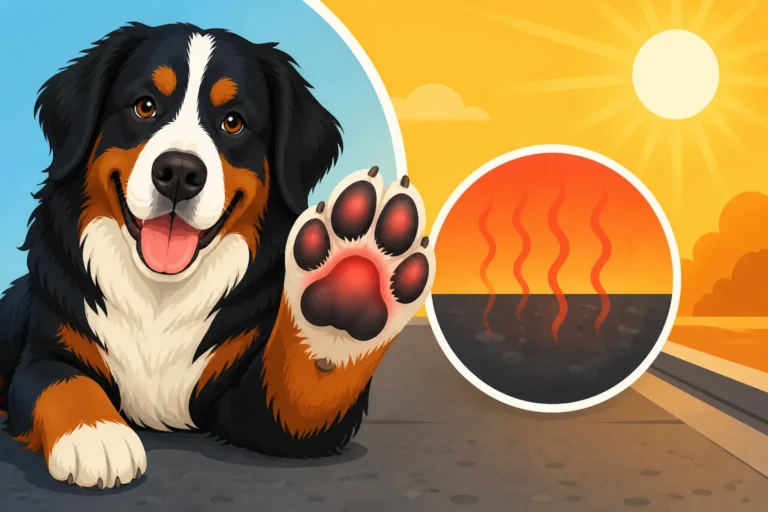
Before you even consider water activities as a cooling method, it’s absolutely critical to be a detective when it comes to your Berner's comfort levels in the heat. They might be stoic, but they still give off signals. Early signs of overheating can be subtle: excessive panting that seems out of proportion to their activity level, a quickening pulse, sticky or dark red gums, and a general look of discomfort. As things progress, you might see weakness, stumbling, drooling, vomiting, or even diarrhea. At this point, you're looking at a serious emergency. Understanding How a Bernese Mountain Dog Behaves Before Heat Stroke is paramount. We, as Berner owners, often feel the pressure to exercise our dogs, but pushing them in warm weather can be incredibly dangerous. Always check the pavement temperature with your hand before a walk – if it's too hot for your bare palm, it's too hot for their paw pads. Knowing The Temperature a Bernese Mountain Dog Stops Coping is your first line of defense; if it's too warm, consider postponing strenuous activities or opting for indoor playtime.
Swimming as a Cooling Strategy: Pros, Cons, and Considerations
So, is swimming the magic bullet for beating the heat with your Berner? It can be, but it's not without its complexities. Just like any good strategy, it requires careful consideration of the upsides and the potential pitfalls.
The Benefits of a Good Swim for Your Berner
When done safely and with a willing Berner, swimming offers a fantastic array of benefits beyond just cooling down. First and foremost, submersion in cool water is incredibly effective at lowering body temperature. Unlike air cooling, which relies on evaporation, water directly conducts heat away from their body, offering a rapid and thorough cooldown. This can be a lifesaver on particularly warm days when your Berner is starting to struggle. Secondly, swimming is an excellent form of low-impact exercise, which is a huge plus for a breed prone to joint issues like hip and elbow dysplasia. Running and jumping on hard surfaces can be tough on those big joints, but the buoyancy of water reduces stress, allowing them to strengthen muscles without impact. This makes swimming a wonderful option for Exercising a Bernese Mountain Dog in Summer without putting strain on their developing or aging joints. Plus, for many dogs, it's mentally stimulating and incredibly fun! Watching a happy Berner paddle around, chasing a retrieve toy, can be incredibly rewarding. It allows them to burn off energy, engage their minds, and enjoy a change of pace from regular walks, which might be restricted during The Hours a Bernese Mountain Dog Should Not Walk in the heat of the day.
The Hidden Risks and Downsides of Water Activities
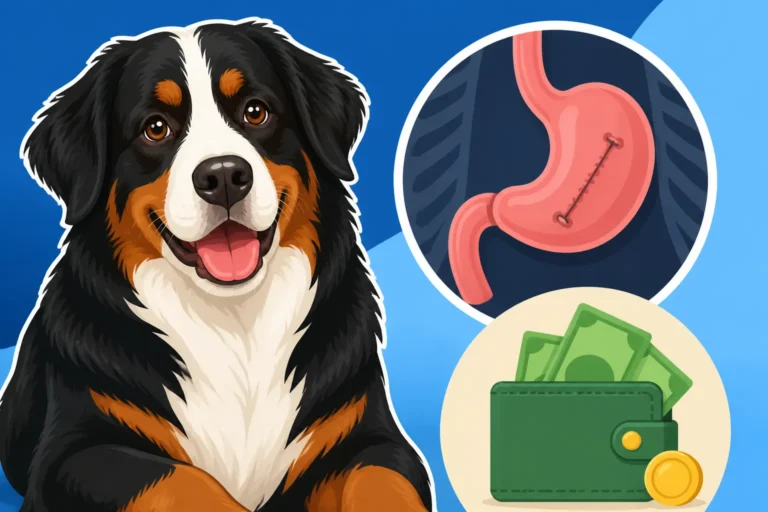
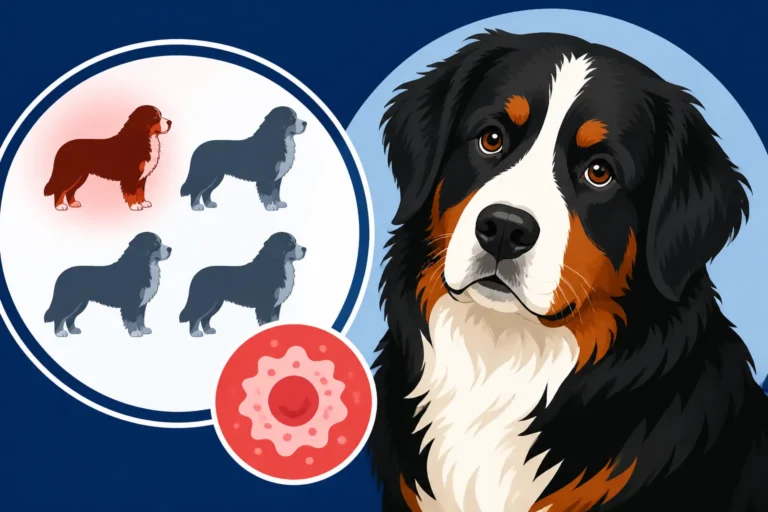
While swimming offers many advantages, it's crucial to be aware of the potential risks specific to our beloved Berners. One of the most serious concerns is Gastric Dilatation and Volvulus (GDV), commonly known as bloat. Bernese Mountain Dogs, like other large, deep-chested breeds, are at a higher risk for this life-threatening condition. Ingesting large amounts of water too quickly, especially during vigorous play, can contribute to bloat. Similarly, exercise immediately before or after meals, or drinking excessively from a shared water source, can be factors. Understanding Bloat in a Deep-Chested Bernese Mountain Dog is vital for any Berner owner.
Beyond bloat, there are other considerations. Their thick, long coats can take an age to dry, creating a warm, damp environment that is perfect for bacterial and yeast infections, particularly in their ears and on their skin. You might find recurring ear infections in a Bernese Mountain Dog becomes a common theme if not properly managed. This requires diligent drying, especially in the folds of their ears and between their toes. Contaminated water sources (ponds, lakes with algae blooms) can also pose a threat, leading to skin irritations or gastrointestinal upset if ingested. Even seemingly safe pool water, if ingested in large quantities, can lead to water intoxication, an electrolyte imbalance that can be dangerous. Finally, not all Berners are natural swimmers. Their heavy bone structure and deep chests can make them less buoyant than other breeds, increasing the risk of drowning if they become tired or panic. This is where a proper-fitting life vest isn't just a recommendation; it's a necessity. Unexpected vet visits for things like ear infections, skin issues, or even emergency bloat surgery can add up quickly, making pet insurance, like a comprehensive plan from Healthy Paws, a real lifesaver for many families.
Preparing Your Bernese Mountain Dog for Safe Swimming
If you decide that swimming is right for your Berner, preparation is key to making it a positive and safe experience. Start with a gradual introduction to water. Don't just throw them in! Begin with a shallow kiddie pool in your yard or a very calm, shallow edge of a lake. Let them wade in at their own pace, offering lots of praise and treats. Many Berners actually love a good splash in a Whether a Paddling Pool Helps a Bernese Mountain Dog. Once they're comfortable wading, consider a well-fitting doggy life vest. This is non-negotiable, especially for their first few times in deeper water, or if you have a Berner who isn't a natural swimmer. It provides buoyancy and peace of mind. Choose safe locations: avoid strong currents, steep entry points, or areas with unknown underwater hazards. Look for clean, calm water. After every swim, a thorough rinse with clean water is essential to remove chlorine, salt, or lake muck, followed by meticulous drying. Pay special attention to their ears and the thick feathering on their legs and trousers. Use absorbent towels and consider a dog-specific blow dryer to get that dense undercoat truly dry. This step is critical to prevent skin irritations and ear infections. Remember, it's all about making it fun and safe, setting them up for success from the very first dip.
Alternatives and Enhancements to Water Cooling
While swimming can be a fantastic tool, it's not the only tool in your cooling arsenal, and often, a multi-pronged approach is best for keeping your Bernese Mountain Dog comfortable and safe during warm weather.
Other Effective Ways to Keep Your Berner Cool
Sometimes, swimming isn't an option, or your Berner just isn't a fan. Thankfully, there are many other ways to help them beat the heat. Cooling mats are a simple yet effective solution. These mats contain gel that activates with pressure, providing a cool spot for your Berner to lie on, helping to regulate their body temperature. You can place them in Cooling Mats and Where a Bernese Mountain Dog Lies during the hottest parts of the day. A simple fan or air conditioning can make a huge difference, especially indoors. Many Berners will seek out the breeze from a fan or the vents where the AC is blowing the strongest.
Strategic scheduling of walks and outdoor playtime is also paramount. Forget midday walks in July; instead, aim for very early mornings and late evenings when temperatures are much cooler. Remember, the dark asphalt can reach dangerously high temperatures, so pavement temperature and a Bernese Mountain Dog's pads is always a concern. Consider The Case Against Shaving a Bernese Mountain Dog in June, as their double coat actually provides insulation against the sun's harsh rays. While it might seem counterintuitive, shaving can expose their skin to sunburn and interfere with their natural cooling mechanisms. A good grooming routine that focuses on brushing out loose undercoat, however, can improve air circulation and significantly help with their comfort. For dogs that enjoy it, even just having access to a shaded outdoor space with a fan and fresh water can be enough to see them through the warmest days. Providing ample Shade a Bernese Mountain Dog Needs in a Yard is not just a luxury, it's a necessity.
Integrating Water Safety into Your Summer Routine
A holistic approach to summer care for your Bernese Mountain Dog often involves integrating multiple cooling strategies, with water activities playing a specific role. Think of swimming not as an everyday solution but as a special, refreshing activity for particularly warm days or as a dedicated low-impact exercise session. For daily cooling, focus on routine management: ensuring access to cool, fresh water at all times, limiting outdoor time to the coolest parts of the day, and creating a comfortable indoor environment with air conditioning or fans.
When you do opt for swimming, always supervise closely and keep sessions relatively short, especially if your dog isn't used to it. After a swim, make sure to dry them thoroughly, especially their ears and paws, to prevent secondary issues. Perhaps a morning walk is followed by some quiet time on a cooling mat, and then later in the afternoon, if the heat is intense, a quick, supervised splash in a pool or lake. Knowing your dog's individual tolerance for heat and water is paramount. Some Berners will happily spend an hour paddling, while others will be exhausted after 15 minutes. Always observe their demeanor and adjust accordingly. This careful balance ensures you're maximizing their comfort without inadvertently exposing them to unnecessary risks.
When to Seek Professional Advice (and When Insurance Helps)
No matter how careful you are, sometimes things go wrong. Knowing when to call your veterinarian is crucial for a Bernese Mountain Dog owner, especially when water activities are involved. If you notice persistent ear scratching, head shaking, or a foul odor from their ears after swimming, it could be an ear infection requiring veterinary attention. Skin redness, itchiness, or localized hot spots, especially where their coat stayed damp, are also signs to watch for.
Most critically, if you suspect bloat – any unproductive retching, distended abdomen, or signs of extreme discomfort – get to an emergency vet immediately. Bloat is a true emergency and minutes matter. Water intoxication, though rarer, also warrants urgent care if you see disorientation, lethargy, or seizures after excessive water ingestion. In all these scenarios, the costs for veterinary care can quickly become substantial. This is where having pet insurance, such as a policy from Healthy Paws, can provide immense peace of mind. Healthy Paws can help cover unexpected accident and illness costs, from emergency bloat surgery to ongoing treatment for chronic ear infections, allowing you to make medical decisions based on what's best for your Berner, not just your wallet. It's a proactive step that can save you significant financial stress when your dog needs critical care.
| Cooling Method | Primary Benefit | Effort Level | Potential Risks | Suitable for All Berners? |
|---|---|---|---|---|
| Swimming | Rapid body temperature reduction, low-impact exercise | Moderate (supervision, drying) | Bloat, ear/skin infections, drowning, water intoxication, coat matting, dirty water exposure | Varies (life vest recommended) |
| Kiddie Pool/Wading | Gentle cooling, sensory play | Low | Dirty water, wet paws indoor, limited full body cooling | Yes |
| Cooling Mats | Passive cooling, comfortable rest | Very Low | Not effective for active cooling | Yes |
| Air Conditioning/Fans | Ambient air cooling | Very Low | None directly (energy cost) | Yes |
| Early/Late Walks | Exercise without overheating | Moderate | Requires schedule adjustment, still mindful of pavement heat | Yes |
| Grooming (Brushing) | Improves air circulation | Moderate | Incorrect technique can damage coat | Yes |
| Shade Access | Protection from direct sun | Very Low | Not sufficient on extremely hot days | Yes |
Disclaimer
This article is for general informational purposes only and does not constitute professional advice. Laws, prices and regulations vary by location and change over time. Consult a qualified professional for guidance on your specific situation.