Flea and Tick Cover for a Hundred Pound Bernese Mountain Dog
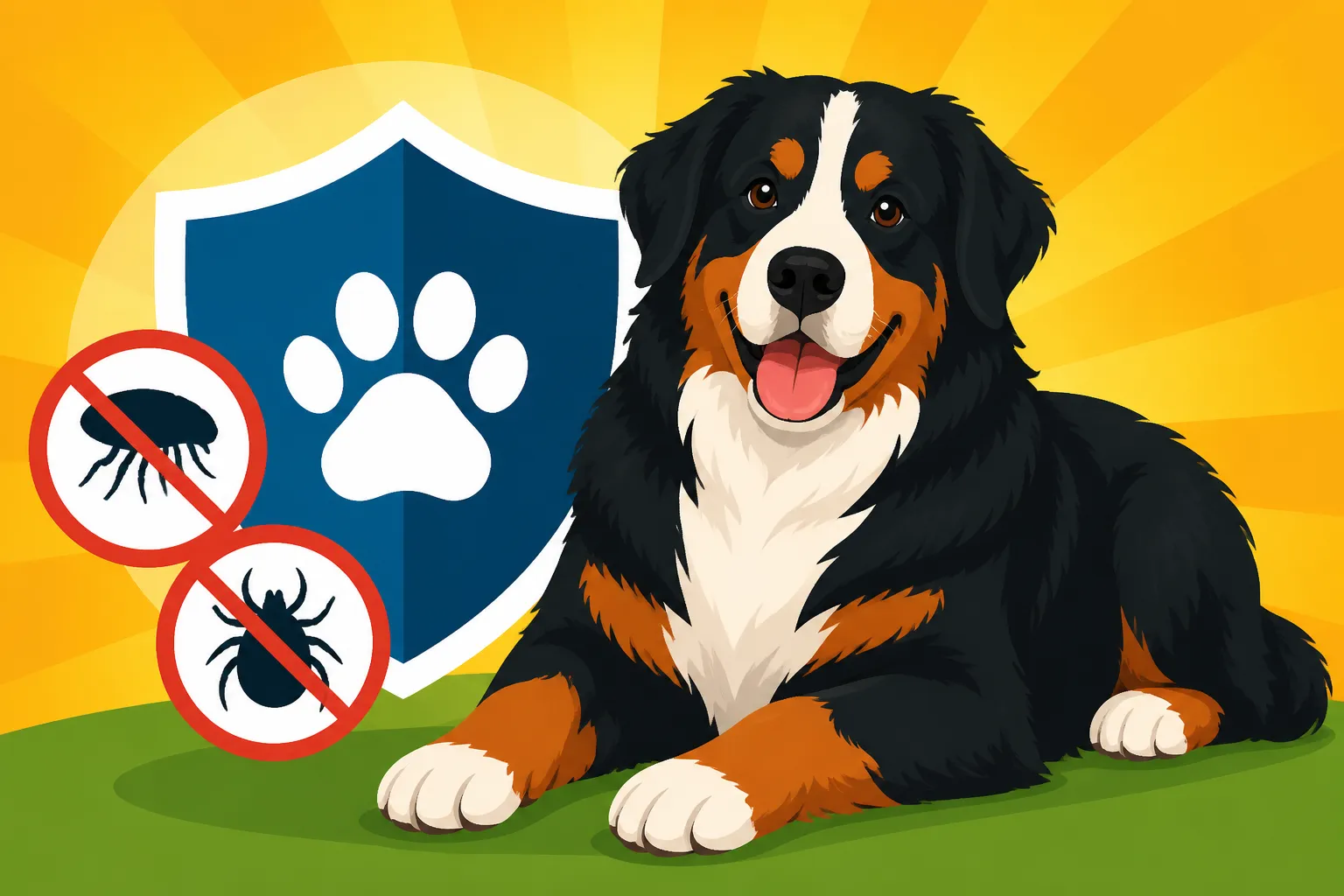
Finding a flea or a tick burrowed deep in the glorious, thick coat of your hundred-pound Bernese Mountain Dog can feel like discovering a needle in a haystack – and a horrifying one at that. It's not just a minor annoyance; these tiny pests can carry serious diseases, and preventing them on a dog of this size is a unique challenge. This guide will walk you through everything you need to know about choosing, applying, and affording effective flea and tick coverage for your beloved Berner.
Understanding the Persistent Threat: Fleas and Ticks on a Bernese Mountain Dog
It’s easy to think of fleas and ticks as just creepy crawlies, but for our Bernese Mountain Dogs, they pose a significant health threat that goes far beyond a simple itch. These parasites are more than just a nuisance; they're vectors for a whole host of illnesses that can severely impact your Berner's health and lifespan.
Why Berners Are Particularly Vulnerable
Let's face it, our Berners are built for the outdoors, with their beautiful, dense double coats. While this coat is fantastic for keeping them warm in cold climates, it's also a five-star hotel for fleas and ticks. Their long, thick fur provides ample hiding spots, making it incredibly difficult to spot these tiny invaders until an infestation is well underway or a tick has already latched on and engorged itself. Imagine trying to find a pin in a shaggy rug – that's often what a quick inspection feels like. Moreover, Berners love to explore, whether it's romping through tall grass in the park or joining you on a hike. These are prime environments for picking up ticks, especially in wooded or brushy areas where ticks lie in wait. Their sheer size also means a larger surface area for parasites to attach to, increasing the odds.
Health Risks Beyond the Itch
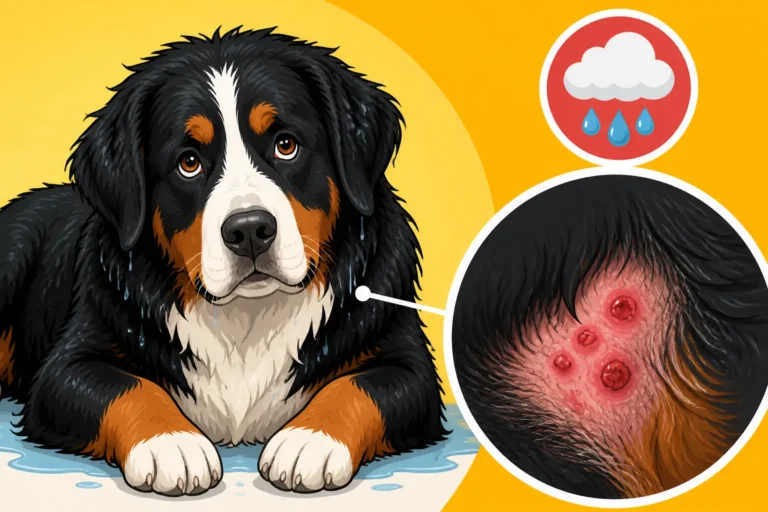
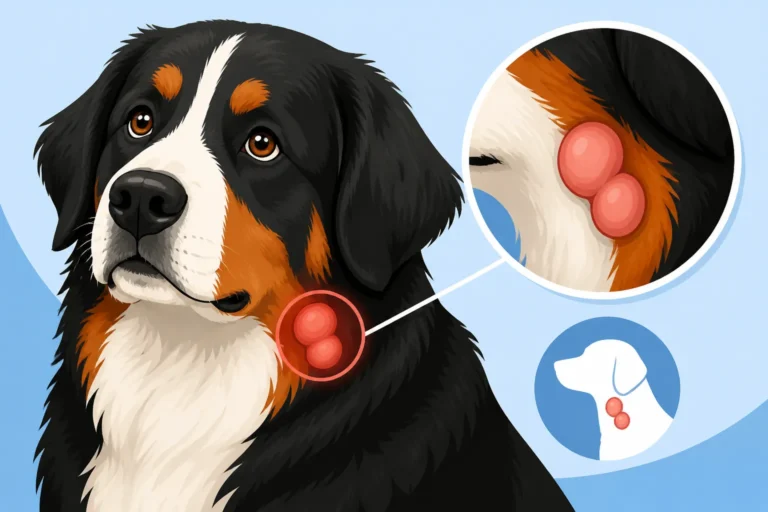
Beyond the obvious discomfort of constant scratching and skin irritation (which can lead to secondary infections and conditions like Skin and Ear Problems in a Bernese Mountain Dog), fleas and ticks are carriers of some truly nasty diseases. Fleas can cause Flea Allergy Dermatitis (FAD), a severe allergic reaction in sensitive dogs, leading to intense itching and skin lesions. They can also transmit tapeworms if ingested. Ticks, however, are often the bigger concern. They can transmit diseases such as Lyme disease, ehrlichiosis, anaplasmosis, and Rocky Mountain spotted fever. These diseases can lead to a range of symptoms from lameness and lethargy to fever, joint pain, and even organ damage. For a breed already predisposed to certain health issues, adding a tick-borne illness into the mix is something every Berner owner wants to avoid at all costs. Regular preventative care is paramount to safeguarding your furry friend's well-being.
The Challenge of Dosing a Hundred-Pound Dog
Anyone who's ever tried to give medication to a giant breed knows it's not always as straightforward as reading the label. When it comes to flea and tick preventatives for a magnificent creature like a Bernese Mountain Dog, the challenges are amplified.
Accurate Dosing for Safety and Efficacy
Many flea and tick products are dosed by weight, and when you have a dog tipping the scales at 80, 90, or even 100+ pounds, you often find yourself at the very top of the dosing chart, sometimes needing the largest available size or even a combination of doses. The critical thing here is accuracy. Under-dosing your Bernese Mountain Dog means the product won't be effective, leaving your dog vulnerable to parasites. Over-dosing, on the other hand, can be dangerous, leading to potential side effects or toxicity. This is especially true for oral medications, where precise measurement is key. It's not uncommon to hear stories of owners trying to split pills or combine doses, leading to confusion. Always, and I mean always, consult your veterinarian to ensure you're administering the correct dosage for your specific Berner's weight and health status. They can guide you through the intricacies, particularly if your dog is on the cusp of two weight ranges or has underlying health concerns.
The Financial Implications of Larger Doses
Let’s be real, owning a Bernese Mountain Dog comes with certain expenses, and those expenses often scale with their size. This is absolutely true for flea and tick preventatives. The larger the dog, the higher the dosage typically required, and consequently, the higher the cost per dose. You're often buying the most expensive tier of product. This isn't a one-time purchase either; these are monthly or quarterly treatments, adding up to a significant line item in your pet care budget over the year. When you consider The Running Costs of a Hundred Pound Bernese Mountain Dog beyond just food and vet visits, these ongoing preventative measures are a substantial part of that picture. It’s an investment in your dog’s health, but it’s an investment that needs to be factored into your financial planning for your Berner.
Exploring Types of Flea and Tick Preventatives
The market is flooded with options, which can be both a blessing and a curse. It's great to have choices, but figuring out which one is best for your big, fluffy Berner can be a headache. Let's break down the most common types.
Oral Medications: The "Set it and Forget it" Option
Oral flea and tick medications have become incredibly popular, and for good reason. They're typically given once a month or every three months, often in a palatable chewable tablet that many dogs gobble down without a fuss. Brands like Bravecto, NexGard, and Simparica are common examples. The biggest advantage for Bernese Mountain Dogs is that once ingested, they work from the inside out. This means no sticky residue on their glorious coats, no concerns about it washing off during a bath or a swim, and no worries about children or other pets coming into contact with a topical application site. You also don't have to battle their thick fur to apply it. The downside? Some dogs might experience gastrointestinal upset, and while rare, neurological side effects have been reported with certain medications. Also, for some dogs, it can be a challenge to get them to take the pill, especially if they’re suspicious of hidden treats.
Topical Treatments: Direct Application, Direct Protection
Topical spot-on treatments, like Frontline Plus or K9 Advantix II, are liquid solutions applied directly to your dog's skin, usually between the shoulder blades. They spread across the skin via the natural oils and typically offer about a month of protection. For a Bernese Mountain Dog, applying these can be a bit of an art form. You need to part their incredibly dense double coat all the way down to the skin to ensure the liquid makes direct contact, not just sitting on top of the fur. This can be tricky with a squirming, furry giant! The upside is that they are generally very effective, and some products offer repellent qualities, meaning ticks and fleas are repelled before they can bite. The downsides include the potential for greasy residue on the fur for a day or two, the need to keep children and other pets from touching the application site until it's dry, and the possibility of reduced efficacy if your Berner loves to swim or is bathed frequently. You also need to be mindful of your Berner's specific skin sensitivities when choosing a topical product.
Collars: Long-Lasting Convenience
Flea and tick collars have come a long way from the smelly, often ineffective versions of yesteryear. Modern options, such as the Seresto collar, release active ingredients that spread over your dog's skin and coat, offering several months of protection – often up to 7-8 months. This can be a fantastic, low-maintenance option for a Bernese Mountain Dog. Once it's on and properly fitted, you don't have to think about it for a long time. They're particularly useful for dogs who are difficult to give oral medications to or for owners who struggle with topical application. However, ensuring a snug but comfortable fit is crucial for efficacy, and you need to check for skin irritation beneath the collar periodically. Some dogs may also try to chew them off, which can lead to ingestion of active ingredients. There's also the potential for contact allergies in some dogs, and for owners with young children, there might be concerns about continuous exposure to the active ingredients on the collar.
Environmental Control: Addressing the Source
While not a direct preventative on your dog, managing fleas and ticks in your home and yard is a crucial part of a comprehensive strategy. If your Berner brings fleas into the house, they will quickly set up residence in carpets, bedding, and upholstery. Regular vacuuming, washing your dog's bedding (which is vital for any dog, especially a big shedder, to ensure Keeping a House Livable With a Bernese Mountain Dog), and in severe cases, using household sprays or foggers can help. For ticks, keeping your yard mowed, especially around wooded areas, and removing leaf litter can reduce their habitat. There are also professional pest control services that can treat your yard for ticks. Remember, preventatives on your dog are the first line of defense, but a multi-pronged approach often yields the best results, especially when dealing with the sheer volume of fur a Bernese Mountain Dog brings to the equation.
Here's a quick comparison of common preventative types for a Bernese Mountain Dog:
| Feature | Oral Medications | Topical Treatments | Collars (e.g., Seresto) |
|---|---|---|---|
| Application Ease | High (if dog takes pills easily) | Moderate (can be hard to part thick Berner coat) | High (once fitted, lasts months) |
| Mess/Residue | None | Temporary greasy residue possible | None, but active ingredients on surface |
| Water Activities | Unaffected | Can be affected if applied recently or frequently bathed | Generally good, but follow product instructions |
| Speed of Action | Varies by product, typically fast acting | Varies by product, often 12-48 hours to spread | Can take 24-48 hours for ingredients to spread |
| Frequency | Monthly or every 3 months | Monthly | Up to 7-8 months |
| Primary Concern | GI upset, rare neurological side effects | Skin irritation, improper application, transfer to others | Contact allergies, choking hazard if chewed |
| Cost for Large Dog | Generally high (largest dose tier) | Generally high (largest dose tier) | Moderate to high (but less frequent purchase) |
Choosing the Right Product for Your Bernese Mountain Dog
Navigating the world of flea and tick preventatives can feel like a minefield. What works for your neighbor’s chihuahua might not be the best fit for your majestic Berner. Making an informed decision is key to their health and your peace of mind.
Factors to Consider for Your Berner's Lifestyle
When choosing a preventative, think about your Bernese Mountain Dog's specific lifestyle. Is your Berner a couch potato who rarely ventures beyond the backyard, or are they an avid hiker who loves exploring wooded trails? If your dog spends a lot of time in high-risk areas like forests or fields with tall grass, you'll want a highly effective product, possibly one with a repellent action for ticks. If your Berner is often swimming or gets frequent baths, a waterproof oral preventative might be a more consistent choice than a topical. Consider also if you have small children or other pets who might interact closely with your dog. A topical treatment might pose a slight risk of transfer if the application site is touched before drying, whereas an oral medication eliminates this concern entirely. The climate where you live also plays a huge role; some areas have year-round parasite pressure, while others have distinct seasons. This will influence how consistently you need to administer preventatives.
The Invaluable Role of Your Veterinarian
Honestly, the best advice you'll ever get on this topic will come directly from your vet. They have an intimate understanding of your Bernese Mountain Dog's individual health history, any pre-existing conditions (like sensitivities or allergies), and what other medications they might be taking. They also know the specific parasites prevalent in your local area and which products are most effective against them. Don't rely solely on online research or advice from friends. Your vet can recommend products that are safe and effective for a hundred-pound dog, ensuring proper dosing and minimizing potential side effects. When you take your Berner in for their regular check-ups, which for a giant breed like ours should really be Seeing the Vet Twice a Year With a Berner, always discuss your current flea and tick prevention strategy. They might suggest changing products if new threats emerge or if your dog's needs change.
Navigating Natural and Home Remedies
The appeal of "natural" alternatives is strong for many pet owners, and it's understandable why you might be curious about them. Essential oils, apple cider vinegar, garlic, or amber collars are often touted as safe and effective options for flea and tick prevention. However, for a breed like the Bernese Mountain Dog, with its dense coat and significant exposure potential, relying solely on these methods can be incredibly risky. Many natural remedies lack scientific evidence of their efficacy and, worse, some can be toxic to dogs if misused or ingested. For example, concentrated essential oils can cause skin irritation or even poisoning. Garlic, in larger doses, can be harmful to a dog's red blood cells. Given the serious diseases ticks and fleas can carry, it's generally not worth the gamble to rely on unproven methods. While a healthy diet and lifestyle contribute to overall well-being, they are not a substitute for vet-approved preventatives. Always discuss any natural remedies with your veterinarian before trying them, especially on a large breed where potential adverse reactions can be more severe. Your vet can help you understand the risks versus the benefits and ensure your Berner remains protected.
Application Tips for Your Giant Companion
Applying flea and tick treatments to a large, sometimes wiggly, Bernese Mountain Dog can be a real workout. Their size and their luxurious coat add layers of complexity that smaller, short-haired dogs just don't present.
Mastering Oral Medication Administration
For many Berner owners, oral medications are a blessing because they bypass the coat issue entirely. However, even getting a pill into a suspicious hundred-pound dog can be a challenge. If your Berner isn't keen on taking pills directly, the classic "cheese ball" or "peanut butter sandwich" trick usually works wonders. Simply embed the chewable tablet into a generous glob of peanut butter (xylitol-free, of course!) or a piece of cheese. For extremely picky eaters, you might need to try a "pill pocket" treat specifically designed for this purpose. Some oral medications are flavored, making them irresistible to most dogs, but not all. The key is to make it a positive experience, perhaps by giving it as a special treat rather than a chore. Always ensure they fully ingest the medication and don't spit it out later. If your dog is clever at finding the pill, you might need to offer a series of plain treats first to lower their guard, then quickly follow with the hidden pill.
The Art of Applying Topical Treatments on a Thick Coat
Topical treatments require precision, and with a Bernese Mountain Dog's incredible coat, that means getting past layers of fur to reach the skin. Here's a step-by-step approach:
- Gather Supplies: Have the topical treatment ready, along with a comb, and perhaps a favorite treat to distract your Berner.
- Choose Your Spot: The most common and effective spot is between the shoulder blades, where your dog can't easily lick it off. For larger dogs, some products recommend application in a few spots along the back to ensure wider distribution. Always check the product instructions carefully.
- Part the Fur Deeply: This is the most crucial step. Using your fingers or a fine-toothed comb, create a clear path directly down to the skin. You should be able to see skin, not just fur, along the application line. This might require holding a good amount of fur back with one hand while you apply with the other. This is also why understanding Grooming a Bernese Mountain Dog's Long Tricolor Coat is important; a well-groomed, untangled coat makes this process much easier.
- Apply Directly to Skin: Squeeze the entire contents of the applicator tube onto the exposed skin. Do not apply it to the fur itself, as it won't be absorbed effectively.
- Prevent Licking: Keep your Berner distracted for a few minutes after application. A favorite chew toy or a short walk (if the weather is appropriate and they won't roll around) can help prevent them from twisting around and trying to lick the wet spot.
- Allow to Dry: Keep your dog separated from other pets and children until the application site is completely dry to prevent accidental transfer of the product. This can take several hours.
Ensuring Proper Collar Fit and Maintenance
If you opt for a flea and tick collar, fitting it correctly is paramount for it to work. The general rule of thumb is the "two-finger rule": you should be able to comfortably slip two fingers between the collar and your dog's neck. If it's too loose, it won't make enough contact with the skin to distribute the active ingredients effectively. If it's too tight, it will be uncomfortable and could cause irritation. Once fitted, trim any excess length from the collar to prevent your Berner from chewing on it or getting it snagged. Regularly check the skin under the collar for any redness, irritation, or hair loss, especially in the first few weeks after fitting. While some collars are water-resistant, it's often a good idea to remove them before extensive swimming or bathing, just to ensure maximum longevity and efficacy, as some products can degrade with prolonged water exposure.
Cost Considerations and Pet Insurance
Let's not beat around the bush: owning a Bernese Mountain Dog isn't cheap, and preventative health care is a significant part of that equation. Flea and tick preventatives contribute to What a Bernese Mountain Dog Costs Over Its Whole Life, but it's an investment that pays off in health and happiness.
The Ongoing Expense of Preventatives
As we've touched upon, the larger the dog, the higher the dose, and typically, the higher the price for each flea and tick treatment. Whether it's a monthly oral chew or a quarterly dose, these costs add up over a year, easily ranging from $150 to $400 or more annually, depending on the product and your location. This is just for prevention. This doesn't include the potential costs if prevention fails and your Berner contracts a tick-borne illness or develops a severe flea infestation. Diagnosing and treating conditions like Lyme disease, ehrlichiosis, or severe dermatitis can involve multiple vet visits, diagnostic tests (bloodwork, X-rays), antibiotics, pain medication, and potentially long-term management, running into hundreds or even thousands of dollars. The old adage "an ounce of prevention is worth a pound of cure" is particularly true here.
How Pet Insurance Can Offer a Safety Net
Given the significant costs associated with both routine care and potential emergency treatments for Bernese Mountain Dogs – a breed known for its predisposition to certain health issues, including a tragically short lifespan and various cancers – pet insurance can be an incredibly valuable tool. Policies from providers like Healthy Paws can help manage the financial burden of unexpected illnesses or injuries, which could include the diagnosis and treatment of tick-borne diseases.
While most pet insurance policies do not cover the cost of routine preventative care like flea and tick medications (as these are considered predictable expenses), they do typically cover the eligible costs of diagnosing and treating illnesses caused by these parasites. For instance, if your Bernese Mountain Dog contracts Lyme disease, the tests to confirm the diagnosis, the veterinary consultations, and the course of antibiotics prescribed would generally be covered under a comprehensive pet insurance plan. This can provide immense peace of mind, knowing that if prevention fails, you won't have to make difficult financial decisions about your Berner's care. When considering pet insurance, always research what's covered, what the deductibles are, and how much reimbursement you can expect. Because Why the Bernese Mountain Dog Is Expensive to Insure is a reality, finding a policy that fits your budget and offers robust coverage is crucial for such a beloved and sometimes fragile breed.
Disclaimer
The information provided in this article is for general informational purposes only and is not a substitute for professional veterinary advice. Always consult with your veterinarian regarding your Bernese Mountain Dog's specific health needs, diagnosis, and treatment plan, especially concerning flea and tick prevention and any potential health concerns.