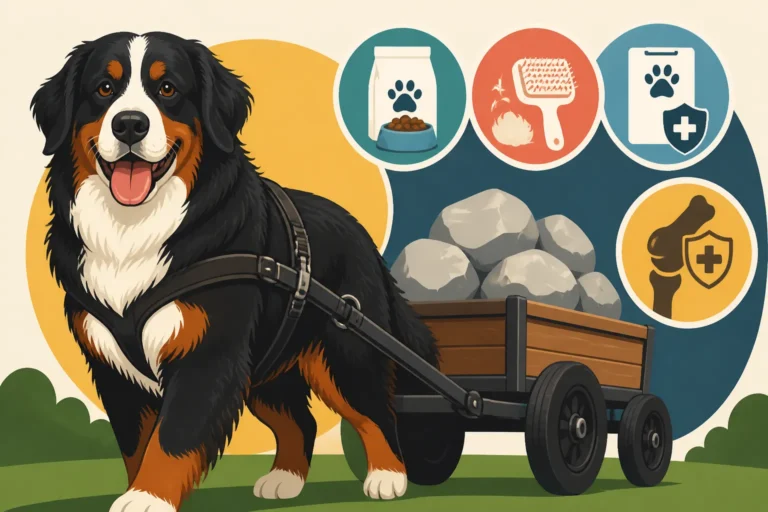
Whether Sixty-Five a Month Is Normal for a Bernese Mountain Dog
Oh, the joy and the sticker shock that come with owning a Bernese Mountain Dog! If you've just seen a figure like $65 a month and thought, "Is that really all it takes?", you're not alone in that hopeful thought. The truth is, while a Bernese brings immeasurable love into your life, the financial commitment often runs far deeper than a simple monthly estimate. This guide is here to realistically break down the costs associated with our beloved Berners, helping you prepare for the real investment in their care and happiness.
The Initial Financial Leap: Getting Your Bernese Mountain Dog Home
Bringing home a Bernese Mountain Dog puppy or even an adult rescue is an incredibly exciting time, but it's also when the first wave of significant expenses hits. These aren't just one-off payments; they're investments that set the foundation for your Berner's health and well-being. Understanding these upfront costs is crucial for any prospective owner.
The Purchase Price of a Well-Bred Bernese Mountain Dog
Let's start with the big one: the cost of the dog itself. When you're looking for a Bernese, the price tag can vary widely, but a responsibly bred puppy from a reputable breeder often comes with a higher initial cost, and for good reason. This isn't just about pedigree; it's about the health and genetic screening of the parents, ensuring you're getting a puppy with the best possible start in life. Breeders who perform all the recommended health clearances, like OFA certifications for hips and elbows, eye exams, and genetic testing, invest a lot of time, effort, and money into their breeding programs. This due diligence can prevent heartbreaking and expensive health issues down the line, although no guarantee is ever absolute.
You might find puppies advertised for less, but a lower initial price can often hint at corners cut on health testing or puppy care. It's a tempting shortcut, but it often leads to far greater expenses and heartache later. You'll want to be sure you're looking for What a Fully Cleared Bernese Mountain Dog Litter Sells For and understanding that investment. Remember, a puppy's early environment and genetic heritage profoundly impact its health and temperament throughout its life.
Considering the alternative, adoption from a reputable Bernese Mountain Dog rescue organization, also comes with fees. These fees typically cover the cost of spaying/neutering, vaccinations, microchipping, and any necessary veterinary care the dog received while in rescue. While often less than a breeder's price, rescue fees are still a significant initial outlay, but again, they are an investment in a dog that has already received foundational care.
First-Year Vet Bills and Essential Supplies
Once your Bernese comes home, a flurry of immediate expenses begins. For puppies, this means a series of vaccinations, deworming treatments, and initial vet check-ups. You're looking at several trips to the vet within the first few months. Beyond that, you'll need a proper giant-breed sized crate – one that can comfortably house a full-grown Bernese. Don't skimp here; a flimsy crate won't contain a determined Berner and could be dangerous. You'll also need sturdy food and water bowls, a comfortable orthopedic bed (again, think big!), a durable leash and collar, and an assortment of appropriate chew toys.
The list for basic supplies goes on, including puppy pads if you're house-training, grooming tools like a good slicker brush and undercoat rake, and cleaning supplies for those inevitable puppy accidents. Many first-time owners are caught off guard by the sheer volume and cost of these initial setup items. It's not just a cute collar and a bag of food; it's furnishing a whole new lifestyle for your huge, furry companion. These costs alone can easily exceed that $65/month estimate for the first few months.
Training and Socialization Investments
A Bernese Mountain Dog, despite their gentle nature, grows into a very large and powerful animal. Proper training and early socialization are not optional; they are absolutely essential for a well-adjusted and manageable adult dog. Puppy classes teach basic obedience and good manners, but just as importantly, they expose your puppy to new sights, sounds, people, and other dogs in a controlled environment. This socialization is critical for developing a confident, friendly Berner. A dog that is not well-socialized can become fearful or reactive, leading to behavioral issues that are far more difficult and expensive to address down the road.
Beyond puppy classes, many owners find additional training beneficial, whether it's for advanced obedience, working towards a Canine Good Citizen title, or even exploring fun activities like Teaching a Bernese Mountain Dog to Pull a Cart. These classes, private sessions, or specialized workshops add to the initial financial outlay. Investing in a good quality trainer, especially one experienced with giant breeds, is invaluable. Think of it as a down payment on a peaceful future with your massive companion.
The Regular Rhythm: Ongoing Monthly Costs for Your Berner
Once you've navigated the initial setup, you settle into a rhythm of ongoing monthly expenses. This is where the $65 figure truly starts to look like a distant memory, as the necessities for a hundred-pound dog quickly add up. These are the costs that persist month after month, year after year.
Food and Nutrition: Fueling a Gentle Giant
Feeding a Bernese Mountain Dog is probably the largest single recurring expense. These dogs are big, and they eat a lot! A high-quality large-breed dog food is essential to support their rapid growth as puppies and maintain their health as adults, particularly for bone and joint development. Bargain-brand foods might seem like a way to save money, but they often lack the dense nutrition a Berner needs and can lead to digestive issues or long-term health problems.
You'll find that a large bag of premium kibble often lasts only a few weeks, sometimes less, depending on your dog's activity level and metabolism. If you opt for fresh food options, like those from Ollie, or specialty diets, your monthly food bill can easily skyrocket well above that $65 mark on its own. Many owners buy their food in bulk from retailers like Chewy to save a bit, but the sheer volume means it's never a small bill. Don't forget treats for training and enrichment; while small, they add up over time.
Routine Vet Care and Preventatives
Even a perfectly healthy Bernese Mountain Dog requires consistent veterinary care. Annual check-ups are vital for monitoring their health, catching potential issues early, and keeping vaccinations up to date. Beyond the yearly visit, there are essential monthly preventatives: flea and tick medication, and heartworm prevention. These aren't optional; they protect your dog from serious, debilitating, and often costly diseases.
As your Bernese ages, these routine visits might become more frequent, especially as you start considering things like Bloodwork a Bernese Mountain Dog Should Have Yearly or Screening an Older Bernese Mountain Dog for common age-related ailments. These preventative measures, while an ongoing cost, are incredibly important for your Berner's longevity and quality of life, often saving you from far more expensive emergency treatments down the road.
Pet Insurance Premiums
This is an area where many new Bernese owners quickly realize the scale of their financial commitment. Due to their breed-specific health challenges, Bernese Mountain Dogs are often more expensive to insure than many other breeds. Conditions like hip and elbow dysplasia, various cancers, and bloat are unfortunately common, and treatment for these can be incredibly costly. You'll definitely want to understand Why the Bernese Mountain Dog Is Expensive to Insure.
Pet insurance isn't a luxury; for many Berner owners, it's a financial lifeline. A good policy can help cover a significant portion of unexpected veterinary bills, giving you peace of mind and ensuring you can make treatment decisions based on your dog's health needs, not just your wallet. Providers like Healthy Paws are popular choices, but comparing policies, deductibles, and reimbursement rates is crucial. While the monthly premium for a Bernese can easily be $50-$100 or even more, it's an investment against potentially crippling bills reaching into the thousands for conditions like The Cancer That Kills Half of All Bernese Mountain Dogs or Bloat in a Deep-Chested Bernese Mountain Dog.
Grooming and Maintenance
That beautiful, flowing tri-color coat doesn't maintain itself! Bernese Mountain Dogs have a thick double coat that sheds year-round, with heavy "blows" twice a year. Regular grooming is essential not just for aesthetics, but for their health. This includes daily or weekly brushing to prevent mats and remove dead undercoat, especially around their "trousers" and behind their ears. You'll also need to keep their nails trimmed regularly, clean their ears, and sometimes bathe them.
While you can do much of this at home, you'll need to invest in quality grooming tools. Many owners also opt for professional grooming, especially during shedding season, which can be an additional significant expense, given the size of the dog. A professional groomer can tackle stubborn mats and give a thorough deshedding treatment that your home vacuum cleaner will thank you for.
The Unforeseen: Unexpected and Emergency Costs
This is where that $65/month estimate truly falls apart. The reality of dog ownership, especially with a large breed predisposed to certain health issues, is that unforeseen medical emergencies can and often do happen. These costs can be staggering, quickly eclipsing all other expenses combined.
Accidents and Illnesses: When Life Happens
Despite all your best efforts and preventative care, accidents happen, and illnesses can strike without warning. A torn cruciate ligament, a mysterious lameness, or a sudden bout of gastrointestinal upset can necessitate emergency vet visits, diagnostics (X-rays, ultrasounds, bloodwork), and potentially surgery. For a Bernese, a large dog, these treatments are often more complex and therefore more expensive. For instance, addressing The Knee a Bernese Mountain Dog Tears at Four can involve significant surgical costs and rehabilitation.
Then there are the breed-specific concerns. Bernese Mountain Dogs are unfortunately prone to certain cancers, most notably histiocytic sarcoma. A diagnosis can lead to a long and incredibly expensive journey of specialist consultations, biopsies, chemotherapy, and radiation. You'll find yourself delving into topics like What Oncology Bills Reach for a Bernese Mountain Dog and realizing the true scale of the financial demand. Without pet insurance or a substantial emergency fund, these situations can force agonizing choices.
Specialized Care and Therapies
For chronic conditions like arthritis, which is common in older Bernese Mountain Dogs, or conditions like degenerative myelopathy where The Bernese Mountain Dog Whose Back Legs Give Out, specialized care becomes essential. This might include ongoing pain management medication, hydrotherapy, physical therapy, or even mobility aids like supportive harnesses or custom carts. These therapies significantly improve a dog's quality of life but come with their own substantial costs.
Managing a large dog with mobility issues often means more than just medical bills; it can involve home modifications, special bedding, and even professional assistance for care. These are costs that are hard to predict but can become a regular fixture in your monthly budget once they arise.
End-of-Life Planning
It's a heartbreaking reality that our Bernese Mountain Dogs have sadly short lifespans, averaging around seven or eight years. While we hope for every moment, it's important to be prepared for the eventual end-of-life expenses. This can include palliative care to keep your dog comfortable in their final months or weeks, veterinary visits for quality of life assessments, and eventually, euthanasia.
Many owners opt for in-home euthanasia to provide a peaceful passing in a familiar environment, which often costs more than at a clinic. Following this, there are choices for cremation, burial, and memorial items. While not a monthly recurring cost, it's an eventual certainty that should be factored into the overall financial picture of Bernese ownership. Thinking about What Ends a Bernese Mountain Dog's Life is difficult, but necessary for responsible pet ownership.
Smart Strategies: Saving Money and Budgeting for Your Berner
While owning a Bernese Mountain Dog is undeniably a significant financial undertaking, there are definitely smart ways to manage these costs without compromising on your dog's care. Being proactive and strategic can make a big difference in balancing your budget with your Berner's needs.
Leveraging Smart Shopping and Bulk Buying
One of the easiest ways to save on recurring expenses like food and treats is to buy in bulk. Retailers like Chewy often offer discounts for larger bags of food, and sometimes even have subscription services that provide a percentage off and ensure you never run out. Look for sales and promotions on your preferred brands. Comparing prices online versus local pet stores can also yield savings. However, always ensure you have adequate storage for large quantities of food to keep it fresh.
Beyond food, consider buying other non-perishables like dog waste bags, training treats, or even certain grooming supplies in larger quantities when they're on sale. Just be mindful of expiration dates for edible items and ensure you have space to store everything properly.
Building a Dedicated Emergency Fund
As we've discussed, unexpected health issues are a real concern for Bernese Mountain Dogs. While pet insurance is a fantastic tool, it doesn't cover everything, and you'll still have deductibles and co-pays. That's why building a dedicated emergency fund specifically for your dog is so important. This fund acts as a safety net for those costs that insurance might not fully cover, or for smaller emergencies that don't meet your deductible.
Think of this fund as another layer of financial protection, alongside pet insurance. Even setting aside a small amount each month into a separate savings account can build up over time. Having these funds readily available means you can focus on your dog's health during a crisis, rather than being overwhelmed by the financial strain. For tips on managing finances, you might want to look into How Much a Bernese Mountain Dog Emergency Fund Should Hold.
Preventative Care as an Investment
This might sound counterintuitive when you're trying to save money, but investing in preventative care is often the best long-term financial strategy. Regular veterinary check-ups, maintaining a healthy weight for your dog, providing high-quality food, and consistent use of flea, tick, and heartworm preventatives are all crucial. These measures significantly reduce the likelihood of your Bernese developing serious and expensive health problems down the road.
For instance, keeping your Bernese at a healthy weight lessens the strain on their joints, potentially delaying or reducing the severity of conditions like arthritis. Timely vaccinations prevent contagious diseases that could lead to costly hospitalizations. Preventative medications for parasites avert infestations that can be a nightmare to treat. An ounce of prevention truly is worth a pound of cure, both for your Berner's health and your bank account.
DIY Grooming and Training
While professional services have their place, many aspects of grooming and training can be handled at home, saving you a considerable amount. Learning to properly brush your Bernese's coat, trim their nails, and clean their ears yourself can cut down on professional grooming bills. There are countless online resources, videos, and even local workshops that can teach you these skills.
Similarly, much of your dog's training can be done at home through consistent daily practice. While initial puppy classes are highly recommended for socialization and foundational skills, continued training can be reinforced by you. This hands-on approach not only saves money but also strengthens the bond between you and your Bernese. Just ensure you're using positive reinforcement methods that are gentle and effective for this sensitive breed, as The Bernese Mountain Dog That Quits After One Correction needs a delicate touch.
It’s clear that a figure like $65 a month is a very low estimate for the comprehensive care of a Bernese Mountain Dog. While it might cover a very basic pet insurance premium for a younger dog, or a portion of their monthly food bill, it certainly doesn't encompass the full spectrum of costs involved in providing a long, healthy, and happy life for these wonderful giants.
| Category | Typical Monthly Range (Estimate) | Notes |
|---|---|---|
| Food & Treats | $70 – $150+ | Varies greatly by brand, quality (e.g., kibble vs. fresh food like Ollie), and dog's individual needs. Bulk buying from Chewy can offer minor savings. |
| Routine Preventatives | $30 – $60 | Flea, tick, and heartworm medication. May be purchased quarterly or annually, but prorated monthly. |
| Pet Insurance Premiums | $50 – $120+ | Highly variable based on age, location, chosen plan, and provider (e.g., Healthy Paws). Expect higher for Berners due to breed-specific risks. |
| Routine Vet Care (pro-rated) | $15 – $30 | Annual check-ups, basic vaccinations. Emergency visits or diagnostics are extra. |
| Grooming (DIY supplies / pro-rated professional) | $20 – $75 | Supplies like brushes, shampoo, nail clippers. Professional grooming adds significantly, especially during heavy shedding. |
| Toys & Enrichment | $15 – $40 | Durable toys are key for Berners. Chew toys, puzzle toys. |
| Miscellaneous (Bags, etc.) | $5 – $15 | Waste bags, cleaning supplies, occasional new leash/collar. |
| Total Estimated Basic Monthly | $205 – $490+ | This range does NOT include unexpected medical emergencies, specialized training, boarding, or major one-time purchases (like a new crate or bed). |
Disclaimer
This article is for general informational purposes only and does not constitute professional advice. Laws, prices and regulations vary by location and change over time. Consult a qualified professional for guidance on your specific situation.