Whether Savings Can Cover a Bernese Mountain Dog’s Oncology
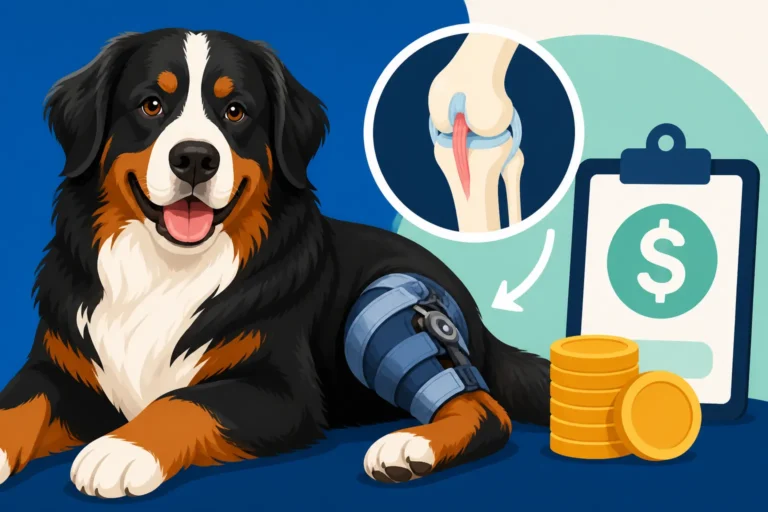
The fear of a Bernese Mountain Dog cancer diagnosis isn't just about the heartbreaking prognosis; it's also about the crushing financial burden that can accompany it. Many owners wonder if their diligently built savings accounts are truly enough to cover the extensive and often unpredictable costs of oncology. This guide dives deep into the realities of cancer treatment expenses for Berners, helping you understand the financial landscape and explore strategies beyond simply dipping into your rainy-day fund.
The Staggering Reality of Bernese Mountain Dog Cancer Costs
Bringing a beautiful Bernese Mountain Dog into your life is a joy, but it also comes with the sobering reality of their predisposition to certain health issues, cancer being a primary concern. Owners often hear about the high rates of cancer in the breed, particularly The Cancer That Kills Half of All Bernese Mountain Dogs, but until you're faced with a diagnosis, the actual financial impact can be an abstract concept. It's not just a single vet bill; it's an intricate, often lengthy, and incredibly expensive journey.
Initial Diagnosis and Testing
The first signs of something being amiss in your beloved Berner can range from subtle lameness to a mysterious lump, or even just a general "off" feeling. Once you bring them to the vet, the diagnostic process begins, and these initial steps alone can quickly add up. You're looking at multiple appointments, specialized tests, and the clock is always ticking.
Imagine your usually vibrant Bernese, a gentle giant named Bella, starts limping. It's not just a minor sprain; it's persistent. Your vet might suggest X-rays, which for a dog the size of a Bernese, often require sedation to get clear images, adding to the cost. If the X-rays are inconclusive or show something suspicious, the next step could be bloodwork, specialized imaging like an ultrasound, or even an MRI or CT scan. A Whether a Limping Bernese Mountain Dog Should Be Scanned article might reassure you about the necessity, but the financial reality quickly sets in. If a lump is found, a fine needle aspirate (FNA) is usually the first line of investigation, but a definitive diagnosis often requires a surgical biopsy, which means anesthesia, the procedure itself, and pathology lab fees. All of these steps, while crucial for pinpointing the problem, each carry their own significant price tag, quickly turning hundreds of dollars into thousands before any treatment has even begun.
Treatment Options and Their Price Tags
Once a cancer diagnosis like Histiocytic Sarcoma in a Bernese Mountain Dog is confirmed, the discussion shifts to treatment options, and this is where costs can truly escalate. The choices can range from surgery to chemotherapy, radiation, or a combination of therapies, and each path has its own financial implications. It's a heavy burden to weigh the best possible outcome for your dog against the financial feasibility for your family.
For instance, if Bella is diagnosed with an operable tumor, surgical removal might be recommended. Given the size of a Bernese Mountain Dog, this is rarely a quick, simple procedure. It involves pre-surgical bloodwork, anesthesia for a large breed, the surgery itself (which could be extensive), post-operative pain management, and follow-up care. A complex surgery, such as an amputation for bone cancer, can easily run into five figures. Then there's chemotherapy, which involves a series of treatments, often weekly or bi-weekly infusions, for months. Each session has its own cost, plus the associated medications, blood tests to monitor side effects, and re-check appointments. Chemotherapy Prices for a Hundred Pound Bernese Mountain Dog are substantial. Radiation therapy is another option, often requiring multiple sessions under anesthesia at a specialized facility, pushing costs even higher. Even palliative care, focused on comfort rather than cure, can involve ongoing medication, pain management, and supportive therapies, leading to sustained, though perhaps smaller, monthly expenses. When you consider What Oncology Bills Reach for a Bernese Mountain Dog, it's clear that these aren't minor expenses.
Why Traditional Savings Often Fall Short for Bernese Oncology
It's natural to think that having a solid savings account will protect you from any financial emergencies, including a major veterinary diagnosis. After all, that's what savings are for, right? However, with a Bernese Mountain Dog facing oncology, the reality can be far more complex and challenging than simply having money set aside. The nature of cancer itself, combined with the emotional toll, often means that even well-intentioned savings plans can quickly be depleted.
The Unpredictable Nature of Cancer
Unlike a one-time broken bone or an acute infection, cancer is rarely a straightforward, predictable illness. It's a journey, often with twists and turns, unexpected complications, and the need for evolving treatment plans. This unpredictable nature makes it incredibly difficult to budget for, and it's why savings accounts, which are usually geared towards more discrete emergencies, can be overwhelmed.
Consider a scenario where your Berner, Gus, has a tumor surgically removed. You've budgeted for the surgery, the post-op meds, and the follow-up. But then, a few months later, the cancer might recur in a different location, or spread. Now you're looking at another round of diagnostics, possibly another surgery, or perhaps the need for a more aggressive chemotherapy protocol. Each new development brings a fresh wave of bills. You might even find your dog developing side effects from treatment that require additional veterinary intervention, like managing nausea or infections. This isn't just one big bill; it's a series of escalating expenses over many months, potentially even a couple of years. Without a clear end in sight, the financial drain on a fixed savings pool can feel relentless and quickly become untenable. The reality of How Fast Histiocytic Sarcoma Moves in a Bernese Mountain Dog can leave you scrambling not just emotionally, but financially.
Opportunity Cost and Financial Strain
When you dip heavily into your savings to cover veterinary oncology costs, you're not just spending money; you're often sacrificing other important financial goals. This is the concept of opportunity cost—the value of the next best alternative that you didn't choose. For many families, depleting their savings for pet care can have significant long-term repercussions on their own financial stability.
Imagine you've been saving diligently for a down payment on a house, a child's college fund, or your own retirement. These are significant life goals that require substantial financial commitment. If your Bernese Mountain Dog needs extensive cancer treatment, pulling tens of thousands of dollars from those dedicated savings means those personal goals are now delayed, or worse, entirely derailed. The emotional stress of watching your dog battle cancer is immense, and adding severe financial strain on top of that can be devastating for a family. It's a brutal choice between prioritizing your dog's care and securing your own financial future. This isn't just about covering the bills; it's about the deep impact on your broader life plan, a reality many owners face when confronting Deciding When to Stop Treating a Bernese Mountain Dog.
Exploring Financial Alternatives Beyond Your Savings Account
When faced with a Bernese Mountain Dog's cancer diagnosis, relying solely on personal savings can be a risky and often insufficient strategy. Fortunately, there are other financial avenues and support systems designed to help pet owners navigate these incredibly expensive times. It's crucial to understand these alternatives so you can make informed decisions for your Berner without completely draining your personal reserves.
The Role of Pet Insurance
Pet insurance has become an increasingly vital tool for managing the high costs of veterinary care, especially for breeds prone to serious illnesses like the Bernese Mountain Dog. Thinking about Insuring a Bernese Mountain Dog Against Cancer before a diagnosis is key, as most policies consider existing conditions ineligible for coverage. Pet insurance can transform a catastrophic, five-figure bill into a manageable deductible and a percentage of the remaining cost.
Reputable providers like Healthy Paws offer comprehensive plans that typically cover accidents, illnesses, and often, extensive treatments like chemotherapy, radiation, and surgery for cancer. When choosing a policy, it's essential to look at the reimbursement percentage (e.g., 80% or 90%), the deductible you'll pay first, and the annual payout limits. Some policies have high annual limits or even unlimited coverage, which can be invaluable when facing long-term oncology care. For a Bernese Mountain Dog, known for costly health issues, comparing Annual Limits and Bernese Mountain Dog Oncology is vital. It’s also important to understand that pet insurance isn't a get-out-of-jail-free card; you usually pay the vet upfront and then submit a claim for reimbursement. However, knowing you'll get a significant portion back can make all the difference in deciding to pursue aggressive treatment.
Other Support Systems and Payment Plans
Beyond pet insurance, there are several other resources that can help bridge the financial gap when your Bernese Mountain Dog is diagnosed with cancer. Exploring these options can alleviate some of the immediate pressure and allow you to focus on your dog's well-being.
- Veterinary Financing Options: Many veterinary hospitals partner with third-party financing companies that offer deferred interest payment plans or low-interest loans specifically for veterinary expenses. These plans can break down a large bill into smaller, more manageable monthly payments. It's always worth asking your vet's office what options they offer.
- Breed-Specific Aid: Some Bernese Mountain Dog breed clubs or rescue organizations have emergency funds specifically for members or adopted dogs needing critical care. These can sometimes offer grants or financial assistance. Looking into local Bernese Mountain Dog associations can be a good first step.
- Crowdfunding: Online platforms dedicated to pet medical expenses can be incredibly effective. Sharing your Bernese Mountain Dog's story with friends, family, and online communities can generate significant support, especially when combined with photos and regular updates on their progress.
- Negotiating with Your Vet: Don't be afraid to have an open and honest conversation with your veterinary team about your financial limitations. They might be able to suggest alternative treatment protocols, phased payment plans, or direct you to local charities. Sometimes, a slightly less aggressive, but still effective, approach might be more financially feasible.
- Managing Ongoing Costs: While not direct oncology funding, remember to manage other pet expenses. Websites like Chewy can help you save on regular food, medication, and supply costs, freeing up more funds for treatment. Even exploring options like Ollie for high-quality, delivered food (if appropriate for your dog's specific health needs and appetite during treatment) can change how you allocate your budget. Every bit helps.
Here's a comparison of common financial approaches to Bernese Mountain Dog oncology:
| Financial Approach | Pros | Cons | Ideal Scenario |
|---|---|---|---|
| Personal Savings | Immediate access to funds, no interest. | Can deplete quickly, impacts other life goals, finite. | Small, one-time unexpected bills; a robust emergency fund specifically for pet care How Much a Bernese Mountain Dog Emergency Fund Should Hold. |
| Pet Insurance | Covers significant portion of high bills, predictable monthly premium. | Must be purchased before diagnosis, deductibles/limits apply, upfront payment required. | Purchased when dog is young and healthy; provides peace of mind for future major illnesses. |
| Veterinary Financing | Breaks large bills into manageable payments, often low/no interest. | Requires credit check, interest accrues if not paid off in promotional period. | When a large bill needs to be spread out over time; for those with good credit. |
| Crowdfunding/Aid | Funds don't need to be repaid, community support. | No guarantee of success, can be emotionally taxing to ask for help. | When facing a devastating diagnosis and seeking community generosity; for specific, acute high costs. |
Making an Informed Financial Plan for Your Berner's Future
The emotional connection we share with our Bernese Mountain Dogs makes the thought of their suffering, especially from something as insidious as cancer, almost unbearable. But ignoring the financial realities doesn't make them disappear. Being proactive and having a thoughtful financial plan in place can significantly reduce stress and ensure you can make choices based on your dog's best interest, rather than being forced into impossible situations by overwhelming costs.
Proactive Financial Planning
The best time to plan for a Bernese Mountain Dog's potential health challenges isn't when they're already sick, but long before. Proactive financial planning involves anticipating common breed-specific issues and setting aside resources specifically for them. This approach allows you to build a buffer and make decisions from a place of preparedness, not panic.
Given that The Bernese Mountain Dog Whose Back Legs Give Out and various forms of cancer are unfortunately common, establishing a dedicated pet emergency fund is highly recommended. This isn't just your general savings account; it's a separate pool of money earmarked only for your Berner's unexpected medical needs. Decide on a realistic target amount based on potential costs like What a Bernese Mountain Dog Biopsy Costs or Hip and Elbow Surgery Costs for a Bernese Mountain Dog, and contribute to it regularly. Another critical step is to seriously consider pet insurance when your Bernese Mountain Dog is a healthy puppy or young adult. The younger and healthier they are when you enroll them, the fewer pre-existing conditions they'll have, ensuring broader coverage for future illnesses. Research different plans, understand their coverage for oncology, and choose one that aligns with your financial comfort level and your Berner's breed-specific risks.
Navigating Difficult Decisions
Despite the best planning, there might come a time when the financial demands of a Bernese Mountain Dog's oncology treatment become immense, forcing you to navigate incredibly difficult, heartbreaking decisions. It's a reality no pet owner wants to face, but one that many with cancer-prone breeds must confront.
This is where honest, open communication with your veterinary oncology team becomes paramount. Discuss not just the medical prognosis, but also the projected costs for each stage of treatment. Ask about the potential quality of life for your Berner throughout these treatments, and whether there are less aggressive, but still compassionate, alternatives. It's okay to ask about palliative care options that focus on comfort and symptom management if aggressive curative treatments are beyond your financial or emotional capacity. Understanding that The Weeks Left After a Bernese Mountain Dog's Diagnosis can vary greatly, and that sometimes the most loving choice is one that prioritizes comfort over prolonged, expensive, and potentially difficult treatments. Remember, you're not alone in these tough decisions. Organizations and support groups exist to help pet owners process the grief and guilt that can accompany these choices. Ultimately, your goal is to ensure your Bernese Mountain Dog's well-being and dignity, and sometimes, that means making pragmatic financial choices while still providing the deepest love and care.
Disclaimer
This article is for general informational purposes only and does not constitute professional advice. Laws, prices and regulations vary by location and change over time. Consult a qualified professional for guidance on your specific situation.