What Judges Score in a Bernese Mountain Dog Draft Test
It's incredibly exciting to think about your Bernese Mountain Dog venturing into the world of draft work! But if you’ve ever looked at the rulebooks or watched a draft test, you might feel a little overwhelmed by what the judges are actually looking for. It's not just about pulling a cart; there's a nuanced dance of control, willingness, and teamwork involved. This guide is here to break down exactly what goes into judging a Bernese Mountain Dog draft test, helping you understand the criteria and what it takes for your furry partner to earn those coveted titles.
The Overall Impression a Bernese Mountain Dog Makes
When your Bernese Mountain Dog steps onto that field, the judge isn't just seeing a dog with a cart. They're taking in the whole picture, forming an initial impression that can set the tone for the entire test. This "general impression" category is often weighted heavily because it speaks volumes about the dog's temperament, condition, and overall attitude toward the work. It’s about more than just physical movement; it’s about the spirit with which they approach the task.
Temperament and Willingness
A key element here is observing your Berner's natural temperament. Judges are looking for a dog that is self-confident and good-natured, as described in the breed standard. They want to see a dog that’s willing to work with its handler, not one that's easily distracted, fearful, or overly aggressive. Imagine a dog that approaches the cart with a wagging tail, seemingly eager to get started, making eye contact with its handler. That's the ideal. Conversely, a dog that cowers, barks excessively, or tries to avoid the harness might lose points here. It’s not about being a robot; it’s about demonstrating that inherent Bernese Mountain Dog desire to please and participate. Even a moment of hesitation, quickly overcome, is understandable, but persistent reluctance really stands out to a judge.
Physical Condition and Presentation
Beyond temperament, the dog's physical well-being and appearance play a role. Is your Bernese Mountain Dog in good weight? Are they clean and well-groomed? While draft tests aren't beauty contests, a healthy, well-cared-for dog reflects responsible ownership and indicates that the dog is physically capable of the work. Judges aren't expecting show ring perfection, but a matted coat, overgrown nails, or a dog that appears lethargic will definitely catch their eye negatively. This also extends to how the dog moves. An effortless stride that speaks of sound structure is valued. If your Bernese Mountain Dog has any noticeable lameness or discomfort, that will be noted, as the dog's welfare is always paramount. Ensuring your dog is fit for the job is crucial, which might involve Building a Bernese Mountain Dog's Fitness for Draft Work over time.
Evaluating the Handler's Control and the Dog's Training
Draft work isn't just about the dog; it's a team sport. A significant portion of the judging focuses on the handler's ability to communicate effectively and the dog's responsiveness to those cues. This shows that the dog is not just pulling blindly but is working in cooperation with its human partner. This category really highlights the foundation of training you’ve put in, demonstrating that your Bernese Mountain Dog is well-behaved and attentive even in a stimulating environment.
Heeling and Stays
Before the cart even enters the picture, judges will assess basic obedience. This includes heeling both on and off-leash. Your Berner needs to walk politely at your side, maintaining position without forging ahead or lagging behind. Think about navigating tight turns and sudden stops – the dog should respond smoothly to your lead. The "stay" command is equally critical. During various points in the test, your dog will be asked to stay in position, sometimes for extended periods, even as you move away. A rock-solid stay demonstrates reliability and control. A dog that breaks a stay or constantly checks in with the handler for reassurance might lose points, as it indicates a lack of confidence in the command. It's a testament to consistent training that goes beyond just the draft field.
Responsiveness to Cues and Teamwork
Beyond formal commands, judges observe the overall responsiveness of your Bernese Mountain Dog to your verbal cues and body language. Are they eager to engage? Do they anticipate your next instruction? This is where the concept of "teamwork" truly shines. A dog that is constantly looking to its handler for direction, adjusting its pace, and making small corrections without constant nagging from the handler, shows a deep bond and understanding. This mutual respect and clear communication are fundamental to successful draft work. It's not about being perfect, but about demonstrating a genuine partnership. Even when learning to Teach a Bernese Mountain Dog to Back a Cart Up, clear and consistent communication is key.
Assessing the Harnessing and Hitching Process
This is a very practical section of the test, focusing on how calmly and efficiently the dog accepts the equipment necessary for draft work. It’s a measure of the dog’s comfort with the gear and the handler’s skill in preparing their dog for the task ahead. A smooth harnessing and hitching process indicates that both dog and handler are well-prepared and that the dog is accepting of its role.
Acceptance of the Harness
The draft harness isn't just a regular walking harness; it's specifically designed for pulling. Judges will observe how your Bernese Mountain Dog reacts to having the harness put on. Does the dog stand patiently, allowing the handler to adjust straps, or does it try to duck away, fuss, or snap? A dog that calmly accepts the harness, perhaps even leaning into it slightly, demonstrates confidence and a positive association with the equipment. This comfort comes from proper introduction and positive reinforcement during earlier training stages. If you've spent time on Fitting a Draft Harness to a Bernese Mountain Dog at home, this part should go smoothly.
Behavior During Hitching
Once the harness is on, the next step is hitching the dog to the cart. This involves attaching the shafts to the harness, which can sometimes be a bit clunky or noisy. The judge is looking for a dog that remains calm and steady throughout this process. They shouldn’t be startled by the sound of the shafts or try to bolt away. A dog that stands still, allowing the handler to secure the connections without resistance, scores well. This phase truly shows the dog's desensitization to the equipment and confidence in its handler. It's a critical moment where patience and trust are put to the test.
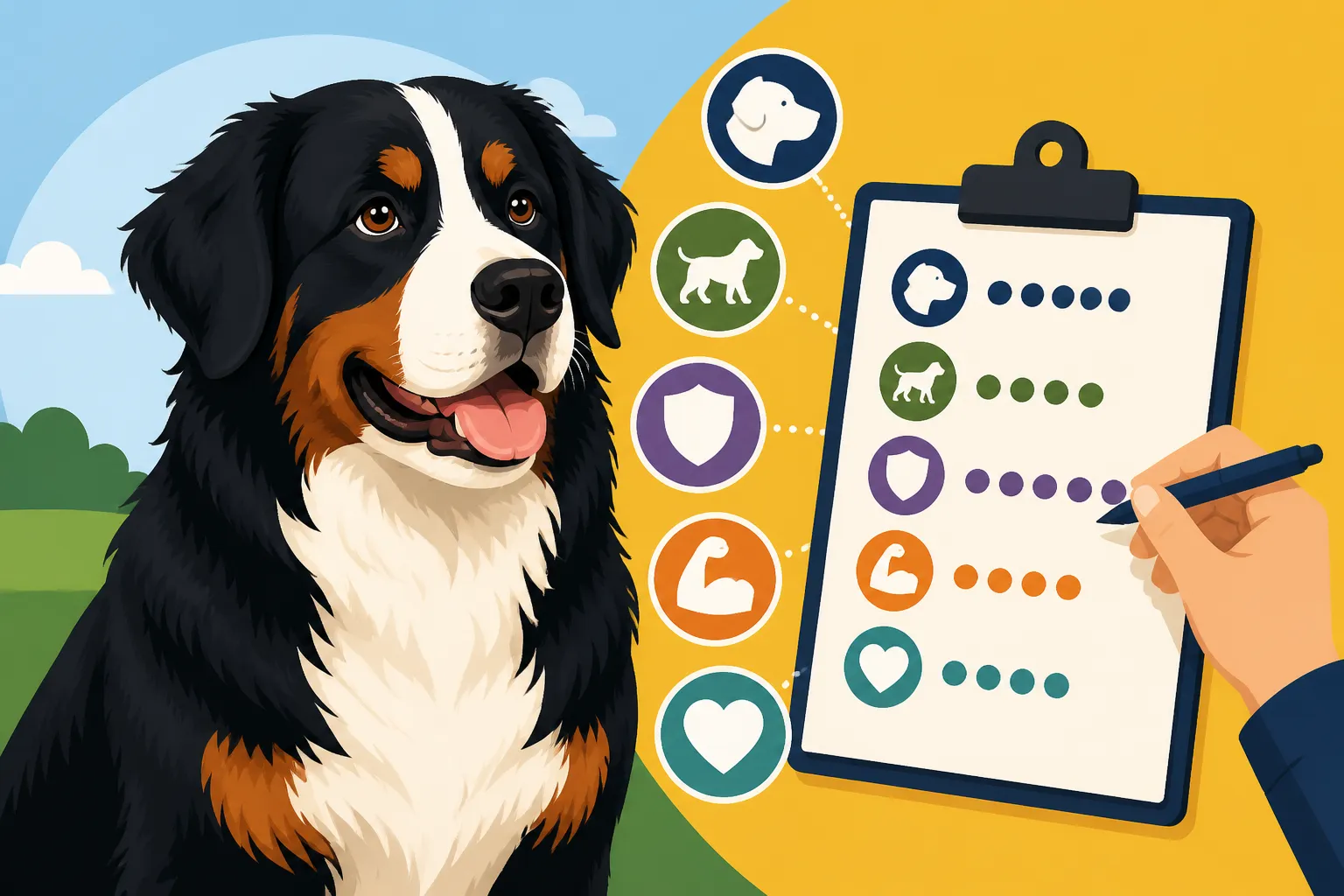
| Aspect Judged | Ideal Behavior | Deductions Possible |
|---|---|---|
| Temperament | Willing, confident, good-natured | Fearful, aggressive, overly distracted, reluctant |
| Physical Cond. | Healthy, fit, sound movement | Lameness, poor condition, lethargy |
| Heeling (on/off) | At handler's side, responsive, no forging/lagging | Pulling, lagging, attention to environment over handler |
| Stay | Holds position steadily, no breaking | Breaks stay, restless, excessive vocalization |
| Harness Accept. | Calmly allows harness placement/adjustment | Resists, ducks away, fusses |
| Hitching Behavior | Stands steady during cart attachment | Startled, tries to bolt, pulls on connections |
| Straight Pull | Pulls smoothly in straight line, good pace | Weaving, rushing, stopping, pulling to side |
| Turns | Smooth, controlled turns, maintains tension | Wide turns, cutting corners, losing control |
| Backing Up | Responds to backup cue, moves cart backward controlled | Resists backing, pulls forward, handler struggles |
| Obstacles | Navigates obstacles confidently, without hesitation | Hesitates, bumps obstacles, needs excessive handler guidance |
| Group Stay | Holds stay amidst other dogs/distractions | Breaks, barks, engages other dogs, restless |
The Performance of the Draft Exercise Itself
This is the core of the draft test – watching your Bernese Mountain Dog actually pull a cart through a series of commands and obstacles. This section is where all the previous training, temperament, and teamwork come together. Judges are scrutinizing every movement, every turn, and every halt, looking for precision, control, and a fluid partnership between dog and handler. For a novice title, this might involve The Twenty Pound Load a Novice Berner Carts, but the principles of good form remain constant.
The Straight Pull and Turns
The fundamental exercise is simply pulling the cart in a straight line. Judges want to see your Bernese Mountain Dog pulling willingly and steadily, maintaining a consistent pace without rushing or lagging. The cart should track smoothly behind them, not veering from side to side. When it comes to turns, whether left, right, or even a U-turn, the dog must execute them in a controlled manner. They shouldn't swing wide, cut corners, or lose momentum. The harness should remain under tension, showing continuous engagement. This demonstrates that the dog understands the mechanics of pulling and can navigate gracefully.
Backing Up and Obstacle Negotiation
A truly well-trained draft dog can do more than just go forward. The backing up exercise is a significant challenge, requiring the dog to step backward with the cart in tow, often for a specified distance. This shows immense control and trust. The dog should move directly backward without pulling to the side or resisting the command. Then there are the obstacles. These might be cones, poles, or even narrow gateways that mimic real-world scenarios. Your Bernese Mountain Dog must navigate these confidently, without bumping the cart or showing hesitation. It tests their spatial awareness and their willingness to trust your guidance through tight spots. Knowing What a Draft Test Asks of a Bernese Mountain Dog in terms of these specific maneuvers can help you prepare.
The Group Stay and Freight Haul
Many draft tests include a group stay with the cart, which is a real test of focus and discipline. Your Bernese Mountain Dog, hitched to its cart, will be asked to stay in a line with other dogs and carts, often for several minutes, while handlers move away. This tests their ability to ignore distractions from other dogs, handlers, and the environment. A successful group stay shows mental fortitude. Finally, for some titles, especially at the novice level, there's often a "freight haul" or a specific distance over which the dog must pull a designated weight. This is a practical demonstration of their strength and endurance, ensuring they can perform the historic duties of the breed. It’s a chance for your Berner to really show off its heritage, harkening back to What Drafting Meant for a Swiss Bernese Mountain Dog.
In essence, judges are looking for a harmonious partnership, a dog that not only physically performs the tasks but does so with a willing spirit and under the careful guidance of its handler. It’s a celebration of the Bernese Mountain Dog’s heritage and their incredible capabilities. You might find many excellent resources for training, including online programs like those offered by BAXTER & Bella, or gear on Amazon to help you along your journey. Remember, the journey is just as rewarding as the destination, and every step you take in training strengthens the bond with your beloved Berner.
Disclaimer
This article is for general informational purposes only and does not constitute professional advice. Laws, prices and regulations vary by location and change over time. Consult a qualified professional for guidance on your specific situation.