Putting a Child in a Bernese Mountain Dog’s Cart
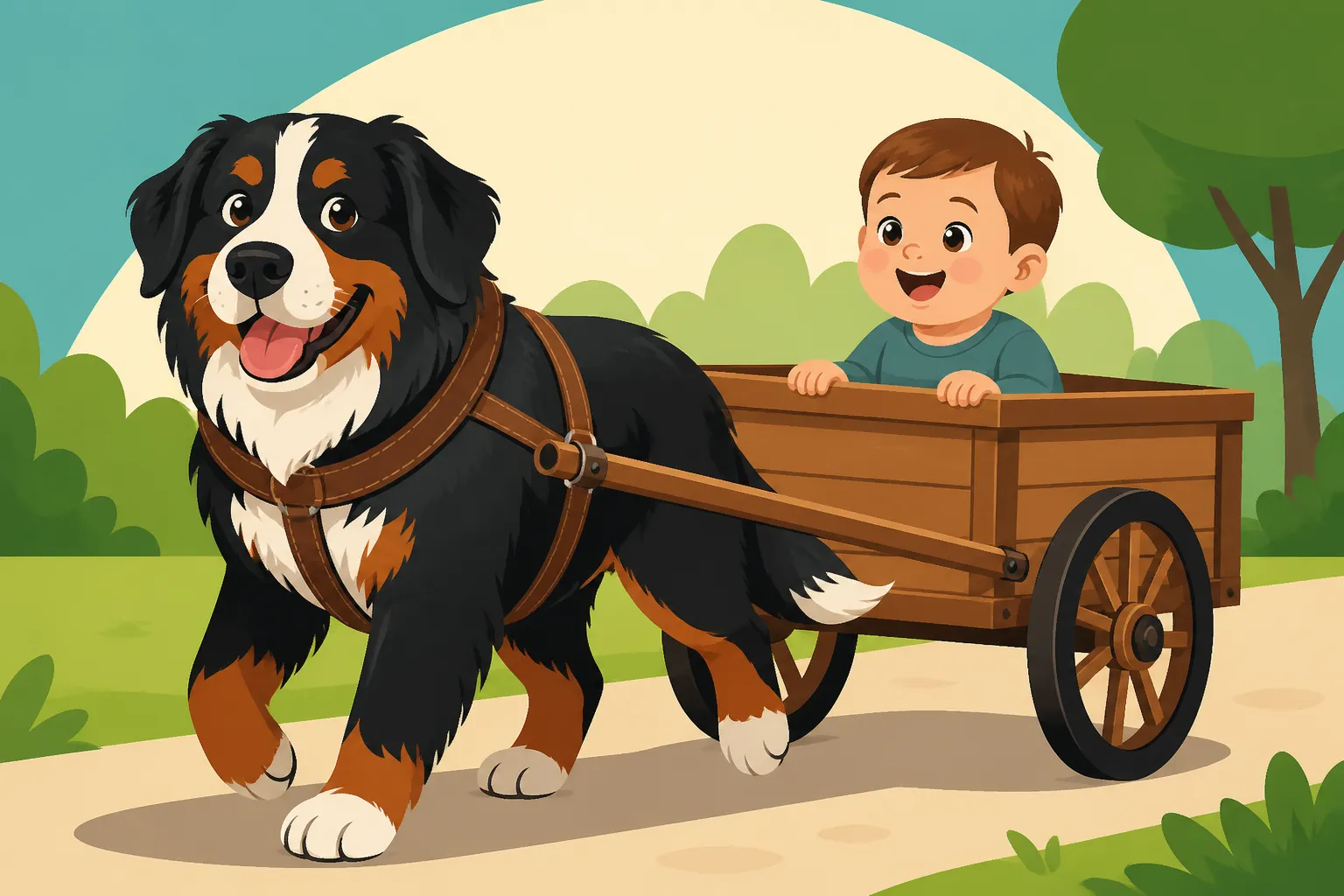
It’s a truly heartwarming image: a beautiful Bernese Mountain Dog, pulling a cart, with a happy child nestled safely inside. Many Berner owners dream of this idyllic scene, envisioning their gentle giant engaging in the traditional draft work for which the breed is known, but with their own little one as the precious cargo. However, turning this dream into a safe and joyful reality requires meticulous planning, thorough training, and an unwavering commitment to safety. This guide will walk you through the essential considerations, from assessing your dog's readiness to choosing the right equipment and implementing a rigorous training regimen, ensuring that both your Bernese and your child have a positive, secure experience.
The All-Important Question: Is Your Bernese Mountain Dog Truly Ready?
Before you even think about putting a child near a cart pulled by your Bernese Mountain Dog, you absolutely must assess your dog’s overall readiness. This isn't just about whether they like kids; it's a comprehensive evaluation of their temperament, training, and physical health. Rushing this stage is where things can go wrong, and no memory is worth compromising safety.
Temperament: More Than Just "Good with Kids"
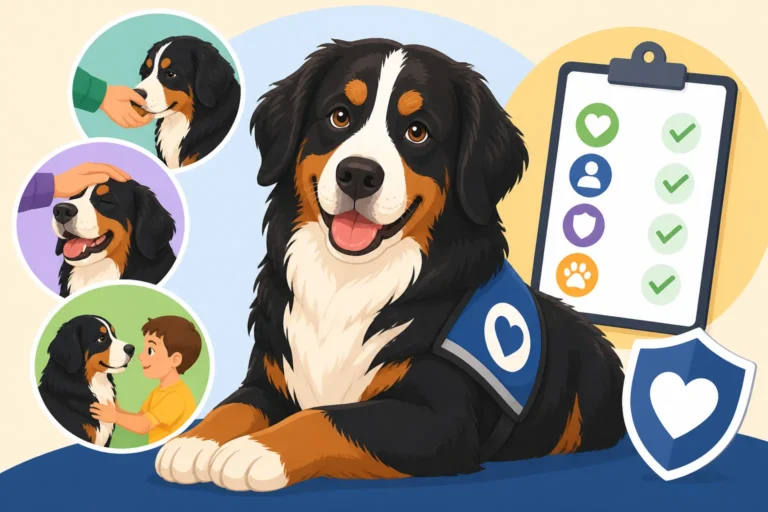
We all know Berners generally have a wonderful disposition with children. They're often described as gentle giants, patient and loving. But "good with kids" for casual interaction is vastly different from "reliable under pressure while performing a task with a child in tow." A dog pulling a cart needs to be rock-solid calm, unflappable, and highly responsive to commands, even when unexpected things happen.
Consider these critical temperament traits:
- Absolute Calmness: Is your Berner easily spooked by sudden noises, movements, or unfamiliar objects? A child in a cart might shriek with delight, drop a toy, or fidget in ways that could startle a less composed dog. Your Berner needs to take all of this in stride. A dog that is prone to sudden fear responses, even if generally sweet, is not a candidate for child carting.
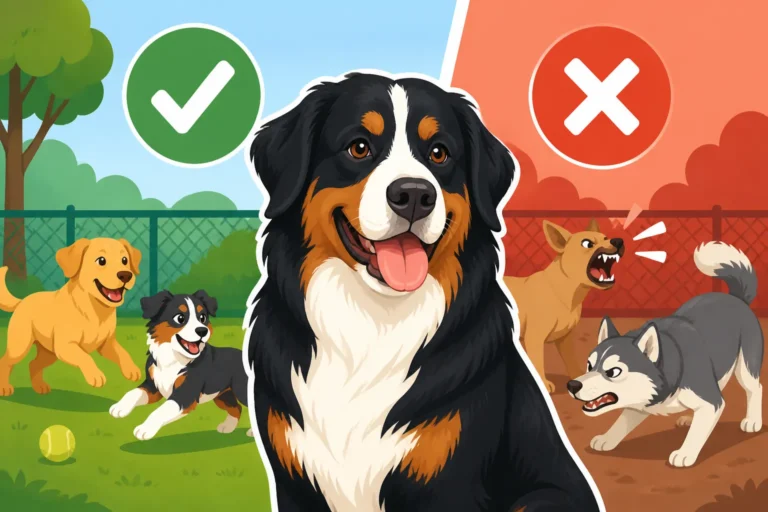
- High Confidence: Your dog needs to be confident in all environments, not just your backyard. They should be comfortable with strangers approaching (though you’ll always maintain control), other dogs, and various sights and sounds without becoming anxious or reactive. A nervous dog is an unpredictable dog, especially when under a harness and responsible for a precious load.
- Low Prey Drive: While Berners aren't typically known for a high prey drive, a squirrel darting across the path or a bird taking sudden flight could trigger an instinctual chase response. When connected to a cart with a child, this could lead to a dangerous situation. Your dog must be able to ignore distractions and remain focused on their task.
- No Resource Guarding: While not directly related to carting, a dog that shows any signs of resource guarding (e.g., growling over food, toys, or even attention) around children should never be put in a situation where they are performing a "job" that includes a child. Even if the guarding isn't directed at the child, it indicates a level of possessiveness or anxiety that is incompatible with this kind of trust. For understanding the deeper aspects of your dog's nature, consider The Bernese Mountain Dog Breed Standard which details the desired temperament.
Training Milestones for Carting with Precious Cargo
Assuming your Bernese has the ideal temperament, the next hurdle is training. Your dog needs to be impeccably trained in basic obedience and specific draft work commands before a child is even introduced to the equation. Think of this as building a robust safety net of commands.
Key training milestones include:
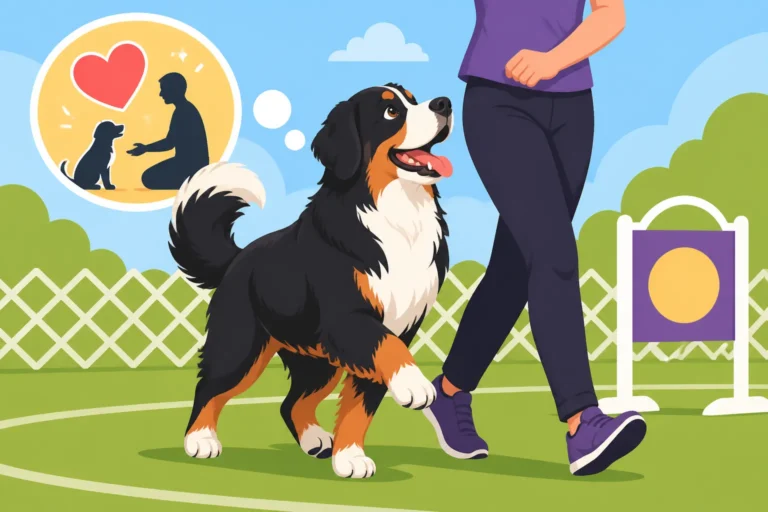
- Solid Obedience: Your dog must reliably respond to "sit," "stay," "come," "leave it," and "wait" under all circumstances and distractions. "Stay" is particularly vital, as you need your dog to remain completely still while a child is being loaded or unloaded, and during breaks. If your Berner gives you a look that says "I might ignore that," you're not ready.
- Draft Work Fundamentals: This means your Berner should be proficient in pulling an empty cart, then a weighted cart, and finally a cart with an adult passenger. They need to understand and respond instantly to commands like "hike" (start), "whoa" (stop), "gee" (right), "haw" (left), and "back" (back up). These commands are their steering wheel and brakes. Imagine if your car's brakes only worked sometimes—you wouldn't put a child in it! Organizations like the Bernese Mountain Dog Club of America (BMDCA) offer draft tests that help you gauge proficiency. For a deeper dive into the training required, you might want to read What a Draft Test Asks of a Bernese Mountain Dog.
- Desensitization to the Cart Itself: Your dog must be completely comfortable with the cart, its sounds, and its movements. This means:
- Walking beside it without a harness.
- Having it roll past them.
- Hearing the various creaks and rattles it makes.
- Being harnessed to it while it's empty, then adding weight.
- Experiencing the cart being loaded and unloaded with various items.
The goal is for the cart to be just another piece of equipment, not something that creates anxiety or excitement.
Resources like online training platforms, such as those offered by BAXTER & Bella, can provide structured programs to help you achieve these obedience and desensitization goals. While they might not have specific child-carting modules, their foundational obedience and confidence-building exercises are invaluable preparatory steps.
Health and Physical Conditioning: A Non-Negotiable Foundation
Draft work, even light carting, is physically demanding. Adding the weight of a child makes it even more so. Your Bernese Mountain Dog needs to be in peak physical condition, free from any health issues that could compromise their ability to perform safely and comfortably.
Consider:
- Age and Maturity: A Bernese Mountain Dog should be at least two years old, preferably closer to three, before engaging in serious draft work, especially with a child. Their joints and growth plates need to be fully developed to prevent injury. Pushing a young dog too hard can lead to long-term orthopedic problems. Learn more about The Age a Bernese Mountain Dog Should Be X-Rayed to ensure proper joint development.
- Orthopedic Health: Comprehensive hip and elbow clearances are an absolute must. Hip and elbow dysplasia are unfortunately common in the breed. A dog with even minor joint discomfort will not only be uncomfortable but could become unpredictable if pain flares up while working. Never put a child in a cart if your dog has any unaddressed orthopedic issues. Hips That Fail Under a Bernese Mountain Dog's Weight is a vital read on this topic.
- Overall Fitness: Your Berner needs excellent muscle tone and stamina. Start with a regular exercise routine that builds strength and endurance gradually. Short, controlled pulling sessions with an empty or lightly weighted cart are a good way to build stamina. Avoid long, strenuous sessions, especially in hot weather. Remember, Heat and the Bernese Mountain Dog's Black Coat makes them prone to overheating, so always prioritize their comfort and safety.
- Veterinary Approval: Before embarking on any carting activities, get a full veterinary check-up. Discuss your plans with your vet to ensure your dog is physically cleared for this type of activity. They can offer insights into your dog’s specific health profile and potential limitations.
Selecting the Right Gear for Safe Child Carting
Once you've confidently determined your Bernese is ready, the next step is choosing the appropriate equipment. This is not the place to cut corners. Investing in high-quality, purpose-built gear is crucial for safety and comfort.
Choosing a Child-Safe Cart
This isn't just any old wagon. A child's cart for a Bernese Mountain Dog needs specific features to ensure safety and stability.
- Stability: Look for a cart with a wide wheelbase and a low center of gravity. This reduces the risk of tipping, especially on uneven terrain or during turns.
- Brakes: While your dog provides the primary stopping power, a hand-brake or parking brake on the cart is an invaluable safety feature. It allows you to secure the cart when loading or unloading your child, preventing accidental rolling.
- Sturdy Construction: The cart should be made from durable materials that can withstand outdoor use and the weight of your child. Pneumatic tires are often preferred as they provide a smoother ride, which is more comfortable for the child and reduces jarring on your dog.
- Passenger Protection: Think about side rails, a secure seat, and potentially even seatbelts. While a dog cart isn't a car seat, anything that keeps your child safely contained within the cart is a plus. Some purpose-built child carts, often designed for bicycles but adaptable for dog pulling, offer excellent safety features. You can often find a good selection of durable outdoor carts on platforms like Amazon, just be sure to check reviews for stability and construction quality.
- Size and Weight Appropriateness: The cart should be proportional to your dog. It shouldn't be so large that it overwhelms your Berner, nor so heavy that it causes strain. Always remember, How Much Weight a Bernese Mountain Dog Should Pull is a critical consideration. Start light and never exceed recommended guidelines for your dog's size and condition.
The Right Harness: Beyond Basic Draft Work
The harness is your dog's connection to the cart and must be specifically designed for draft work, not just walking. A proper draft harness distributes weight evenly across your dog's chest and shoulders, preventing injury and maximizing comfort.
- Purpose-Built Draft Harness: A standard walking harness or even a sledding harness isn't sufficient. You need a carting harness designed to pull weight from a low attachment point. These harnesses typically have broad, padded straps that cross the chest and shoulders, avoiding pressure on the throat or spine.
- Proper Fit: This is paramount. A poorly fitting harness can cause chafing, restrict movement, or even injure your dog. It should be snug but not tight, allowing full range of motion. Have an experienced draft dog trainer or harness manufacturer help you ensure a perfect fit. The harness should sit comfortably behind your dog's front legs, with no pressure on the windpipe.
- Shafts and Hitch: The shafts (the poles connecting the harness to the cart) should also be sized correctly. They should allow your dog to move naturally without interfering with their gait. The hitching mechanism must be secure and quick-release, allowing you to disconnect the dog from the cart swiftly in an emergency. It's not just about the connection, but also the quick disconnection. For more details on fitting, consider Fitting a Draft Harness to a Bernese Mountain Dog.
Gradual Training for the Ultimate Responsibility
Once your Bernese is fully prepared and you have all your safety-checked equipment, the training begins, and it must be done in extremely gradual, controlled steps. Never rush this process. Patience here is a virtue that directly translates to safety.
Desensitizing to the Child's Presence in the Cart
Before your child ever gets in, the dog needs to be completely comfortable with the idea of a child in the cart.
- Simulated Child Weight and Movement: Start by placing a weighted object (like sandbags or a small bag of dog food) in the cart that approximates your child's weight. Push the cart around, making child-like noises (giggles, dropped toys, etc.) to get your dog used to the sounds and shifts.
- Introducing the Empty Cart with Child Nearby: Have your child stand away from the cart, watching while you hitch your dog and practice commands with the empty or weighted cart. This helps your dog associate the child's presence with the carting activity, but without the immediate pressure of having the child in it.
- Child Near the Static Cart: With your dog securely harnessed and standing calmly, have your child approach the empty, parked cart, perhaps touching it gently. Reward calm behavior from your dog profusely. The key is ensuring your dog remains relaxed and focused on you.
Practicing Controlled Movement and Stops
This phase is where you build the muscle memory and reliability that are crucial for safety.
- Short, Controlled Sessions with an Empty Cart: Practice your "hike," "whoa," "gee," and "haw" commands in a very controlled, low-distraction environment. Focus on immediate responses and smooth transitions.
- Adding Light Weight, Then Adult Passenger: Gradually increase the weight in the cart. Once your dog is proficient, have a calm, quiet adult sit in the cart for very short, controlled trips. This simulates the sensation and weight of a passenger without the unpredictable movements of a child. This is also where you practice your emergency "whoa" or "stop" command, ensuring your dog can halt immediately, even if surprised.
- Introducing the Child for Very Short, Highly Supervised Rides: This is the critical step. Choose a completely quiet, enclosed area (like a large, flat yard) with no distractions. Have another adult dedicated solely to supervising the child in the cart. You, the handler, focus 100% on the dog.
- Load the child slowly and calmly while the dog is in a solid "stay."
- Start with just a few steps. "Hike" – one step – "whoa." Reward the dog.
- Gradually increase the distance. Always keep initial sessions very short, positive, and end them on a good note.
- Always have a dedicated adult walking beside the cart, ready to intervene instantly. The First Month With a Rescued Bernese Mountain Dog can offer insights into building trust and routine, which is vital for new or uncertain situations.
Establishing Clear Rules and Supervision Protocols
This isn't a free-for-all playtime. Strict rules and constant supervision are the backbone of safety.
- "Carting Is a Job": Teach your child and your dog that when the harness is on and the cart is out, it's a serious activity. The child must understand to sit still, keep hands and feet inside the cart, and not yell or tease the dog. Your dog must understand it's working time, not playtime.
- Designated Handler: Only one adult should be giving commands to the dog during carting sessions. Conflicting commands confuse the dog and compromise safety. This adult needs to be experienced and confident in their ability to control the dog.
- Child Supervision: An additional adult must always be dedicated to supervising the child in the cart, walking right beside them. Their role is to ensure the child adheres to the rules and to be ready to remove the child if any issue arises.
- Controlled Environment: Only practice in safe, controlled environments, away from traffic, unfamiliar dogs, or other major distractions. As your dog progresses, you might slowly introduce slightly more complex, but still safe, environments.
Essential Safety Measures and Ongoing Considerations
Even with the best training and temperament, safety should always be your number one priority. This means constant vigilance and a proactive approach to managing risks.
Constant, Vigilant Adult Supervision is Paramount
I cannot stress this enough: Never, ever leave a child in a cart with a Bernese Mountain Dog unsupervised, even for a second. Even the most well-trained, reliable dog is still an animal with instincts. A sudden sound, an unexpected stimulus, or even a momentary lapse in judgment from the dog could have serious consequences.
- Two-Adult Rule: Ideally, there should always be two adults present: one focused entirely on handling the dog and giving commands, and the other focused entirely on the child's safety in the cart.
- Leash Management: Even with a draft harness, the dog should always be connected to a leash held by the handler. This provides an additional layer of control and the ability to physically guide or stop the dog if needed.
- Clear Boundaries for Children: Children must understand that the dog is working and needs to be respected. No pulling on ears, startling the dog, or interfering with the harness or shafts.
Here’s a quick overview of key safety checks:
| Element | Check Before Every Session |
|---|---|
| Dog's Health | No limping, lethargy, or signs of discomfort. Good energy levels. |
| Dog's Temperament | Calm, focused, and happy to work. No signs of stress or fear. |
| Harness Fit | Snug, no chafing, buckles secure. No worn straps. |
| Cart Condition | Wheels turn freely, brakes function, seat secure, no sharp edges or loose parts. |
| Hitch & Shafts | Securely attached, no play. Quick-release mechanism functional. |
| Environment | Safe, low-distraction, free of hazards. Weather appropriate for dog. |
| Child's Readiness | Calm, willing to follow instructions, appropriately dressed. |
| Adult Supervision | Minimum one dedicated handler, ideally a second child supervisor. |
Recognizing and Respecting Your Dog's Limits
Your Bernese is a living, breathing animal, not a machine. They have good days and bad days, and their physical and mental capacity can change.
- Short Sessions: Keep carting sessions brief, especially initially. Longer sessions can lead to fatigue, frustration, and a higher risk of error or injury.
- Weather Conditions: Bernese Mountain Dogs are built for cold climates. Avoid carting in warm or hot weather. Even mild temperatures can cause overheating for a double-coated breed. Know The Temperature a Bernese Mountain Dog Stops Coping and err on the side of caution.
- Watch for Stress Signals: Pay close attention to your dog's body language. Signs of stress include excessive panting, yawning, lip-licking, tail tucked, ears back, or refusing to move. If you see any of these, stop immediately. Disconnect the dog, let them rest, and re-evaluate.
- Not Every Dog Will Love It: Some Berners just aren't cut out for draft work, or they might not enjoy it as much with a child. If your dog consistently shows reluctance or stress, respect that. There are plenty of other wonderful activities you can do together, such as Backpacking With a Bernese Mountain Dog. Forcing them will only create a negative experience and potential safety issues.
Emergency Preparedness and What-If Scenarios
Even with the best preparation, accidents can happen. Being ready for the unexpected is part of being a responsible owner and parent.
- Emergency Stop Command: Practice your "emergency whoa" or "stop" command regularly. Your dog should be able to halt instantly, no matter what.
- Quick-Release Mechanisms: Ensure you know how to quickly and smoothly disconnect the dog from the cart in an emergency. This is a vital safety feature of good draft harnesses.
- First Aid Kits: Have a human and canine first aid kit readily available. Know basic canine first aid, especially for common injuries that might occur during activity.
- Bystander Awareness: If you're carting in public, be aware of bystanders who might rush up to pet your dog or child without asking. Politely but firmly ask them to maintain distance, explaining that your dog is working.
- Route Planning: Choose your carting routes carefully. Stick to flat, smooth, low-traffic areas, initially. Avoid steep hills, uneven terrain, or areas with dense crowds or unpredictable elements.
Putting a child in a Bernese Mountain Dog's cart can be a truly rewarding experience, fostering a unique bond and creating cherished memories. However, this is a serious undertaking that demands thorough preparation, exceptional training, and an unwavering commitment to safety for both your beloved Berner and your child. By diligently following these guidelines and prioritizing patience and caution, you can transform this delightful vision into a safe and joyous reality.
Disclaimer
This article is for general informational purposes only and does not constitute professional advice. Laws, prices and regulations vary by location and change over time. Consult a qualified professional for guidance on your specific situation.