What the Standard Means by an Aloof Bernese Mountain Dog
It’s easy to misunderstand what the breed standard means when it describes a Bernese Mountain Dog as "aloof." For many new owners, this word conjures images of an unfriendly or even aggressive dog, leading to confusion and worry when their beloved Berner seems to actively avoid strangers or isn't as boisterous as other breeds. This guide will dive deep into the true meaning of "aloof" within the Bernese Mountain Dog standard, helping you understand your dog's unique temperament and how to foster their confidence while respecting their natural disposition.
Deconstructing "Aloof" in the Bernese Mountain Dog Breed Standard
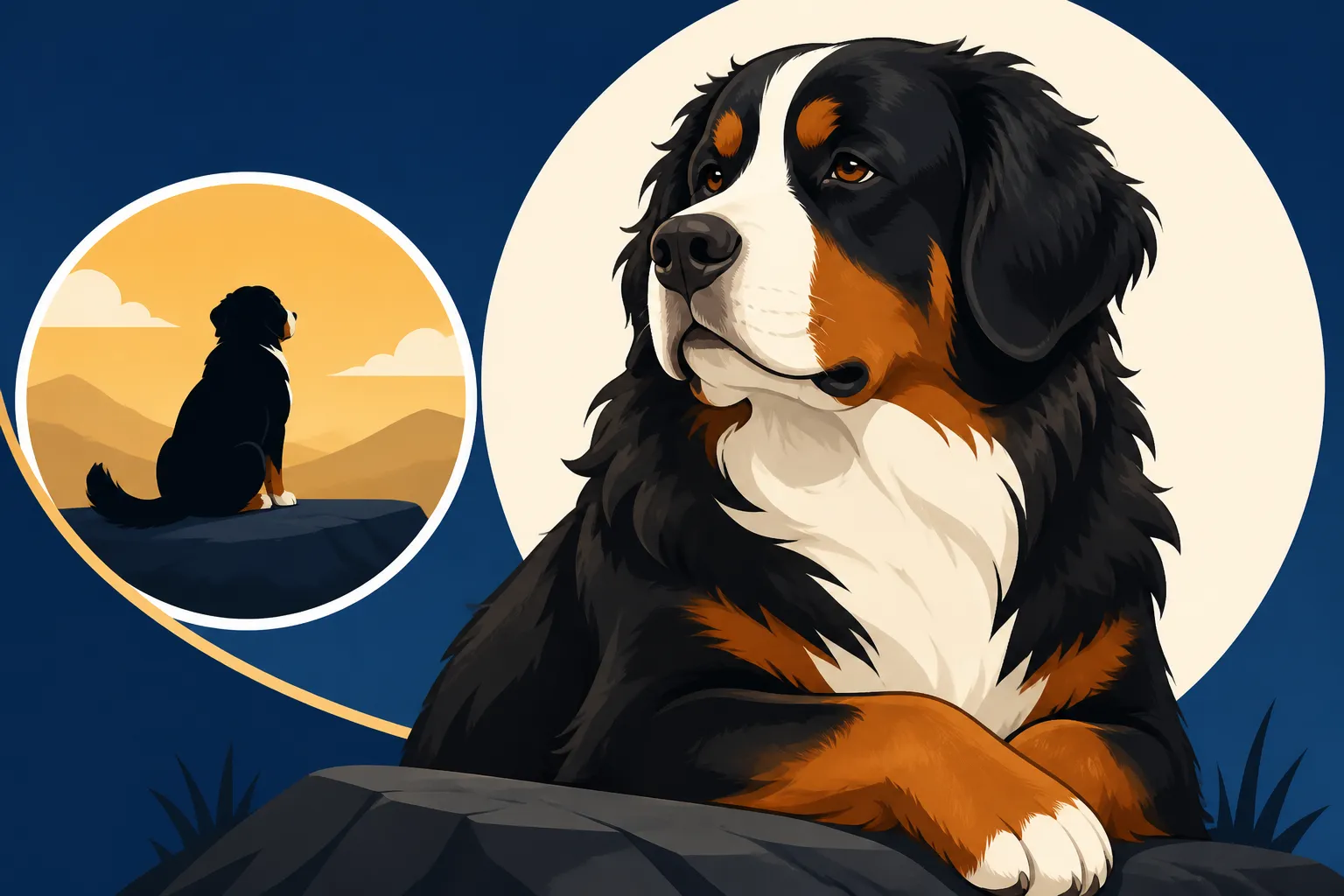
When we hear the word "aloof" in common conversation, it often has a negative connotation, suggesting someone distant, uninterested, or even cold. However, in the context of a dog breed standard, particularly for a breed like the Bernese Mountain Dog, the meaning is far more nuanced and, frankly, quite positive. It's about a dignified reservedness, not unfriendliness.
What the Breed Standard Actually Says
The official breed standard for the Bernese Mountain Dog, as recognized by organizations like the American Kennel Club, paints a picture of a dog that is "self-confident and good-natured" but also "aloof with strangers." This is a critical distinction. It doesn't mean your Berner should be fearful, aggressive, or shy. Instead, it implies a certain selectivity in their affections and interactions. They aren't typically the type of dog to immediately slobber all over every new person they meet, demanding attention. Think of it more as a quiet assessment. A truly aloof Berner might acknowledge a stranger with a calm gaze, perhaps a slight tail wag, but won't necessarily rush over for pets. They often prefer to wait and see, to observe the situation before deciding if an interaction is warranted. This calm, discerning nature is part of their charm and their heritage. It speaks to a dog with a solid sense of self, not one driven by insecurity or an overwhelming need for external validation. You can delve into more about this specific trait in Self-Confident and Good-Natured in the Bernese Mountain Dog Standard.
Why Reservedness Was Desirable in Their Heritage
To truly grasp the concept of aloofness in a Bernese Mountain Dog, it helps to understand their historical role. These magnificent dogs originated in the Swiss Alps as farm dogs, working alongside their human companions. Their jobs were varied: herding cattle, guarding farmsteads, and famously, pulling carts laden with milk and cheese to market. They were guardians, companions, and workers. In this role, an overly effusive or indiscriminate greeter would have been a liability. A farm dog needed to be discerning – friendly and devoted to its family, yes, but cautious and observant of outsiders. They weren't expected to be aggressive, but rather to possess a watchful presence. This natural reservedness meant they could assess potential threats or unusual visitors without being overly reactive. They needed to be calm, steady, and reliable. This historical context illuminates why their "aloofness" is a valued trait, reflecting a grounded and intelligent temperament rather than a social deficit. The standard aims to preserve this balance. For more on their origins, consider The Swiss Valley the Bernese Mountain Dog Comes From.
Telling Aloofness Apart from Worrying Behaviors
This is perhaps the most important distinction for Bernese Mountain Dog owners to grasp. A truly aloof Berner is a wonderful thing, but it's crucial not to confuse this dignified reservedness with behaviors that signal fear, anxiety, or aggression, which are serious issues that need to be addressed.
Aloof vs. Shy or Fearful
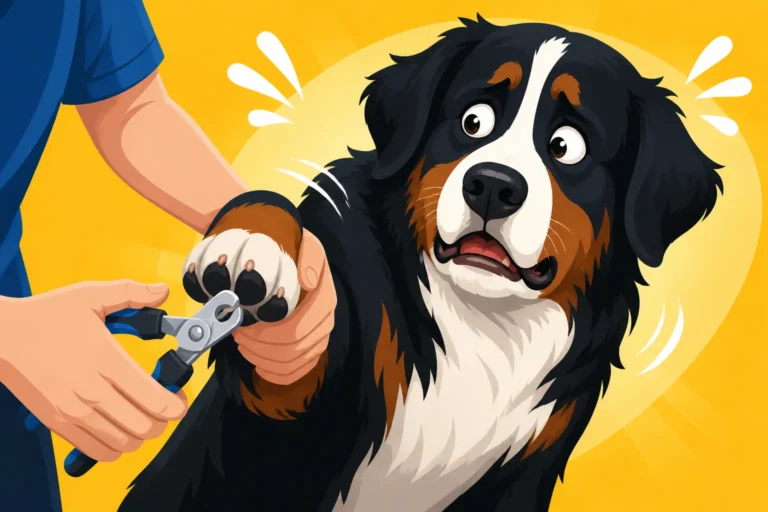
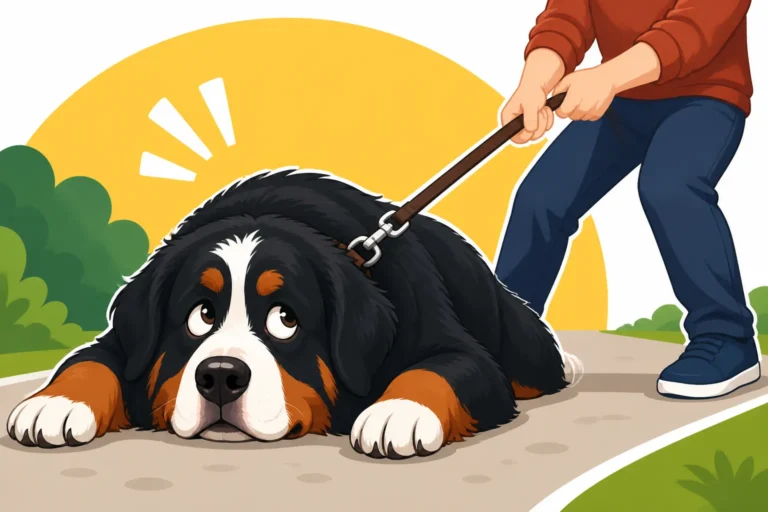
This is where many owners get tripped up. An aloof Bernese Mountain Dog might ignore a stranger, choosing to stay near their owner or simply observe from a distance. Their body language will be relaxed – a soft gaze, loose posture, maybe a calm, slow wag of the tail if they acknowledge the person. They won't typically show signs of distress. A shy or fearful Berner, however, will display very different signals. They might cower, pull back, try to hide behind their owner, avoid eye contact, tuck their tail tightly, or even pant and tremble. Their muscles might be tense. If approached, they might try to retreat quickly, or if cornered, they could snap out of fear. This is not aloofness; this is a confidence issue that needs sensitive, positive intervention. It’s essential to be able to Reading Fear in a Bernese Mountain Dog That Retreats to understand your dog’s true state. A reserved dog might take time to warm up, but a fearful dog is genuinely uncomfortable.
| Behavior Trait | Aloof Bernese Mountain Dog | Shy/Fearful Bernese Mountain Dog |
|---|---|---|
| Initial Reaction | Observes calmly, may ignore, remains near owner. | Avoids eye contact, tries to retreat, hides behind owner. |
| Body Language | Relaxed posture, soft eyes, loose tail or slow wag. | Tense muscles, tucked tail, flattened ears, panting/trembling. |
| Vocalization | Usually quiet, perhaps a soft 'woof' of acknowledgment. | Whining, growling (fear-based), nervous barking. |
| Interaction | Tolerates calm approach, may accept gentle pet on their terms. | Actively avoids touch, may flinch, or snap if cornered. |
| Recovery | Remains calm, eventually might engage if comfortable. | Stays stressed, takes a long time to relax, if at all. |
Aloof vs. Aggressive
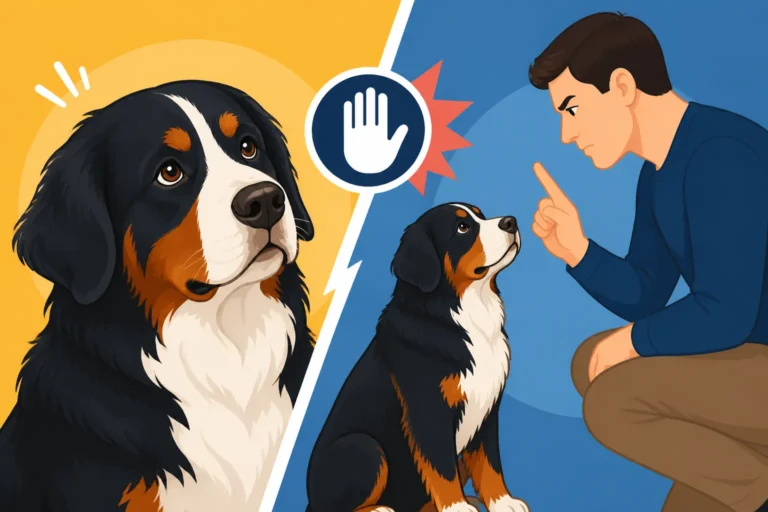
Let’s be absolutely clear: true aloofness in the Bernese Mountain Dog standard never translates to aggression. An aggressive dog will display threatening behaviors such as hard stares, stiff body language, snarling, growling, lunging, or biting. This is a severe fault in the breed and completely goes against the "good-natured" aspect of their temperament. If your Bernese Mountain Dog is showing any signs of aggression towards strangers, other animals, or even family members, it is imperative to seek professional help from a certified veterinary behaviorist or an experienced positive reinforcement trainer immediately. This is not normal Berner behavior and should not be excused as mere aloofness. The distinction is critical for everyone's safety and well-being.
Aloofness vs. "Not Interested"
Sometimes, a Bernese Mountain Dog isn't necessarily "aloof" in the sense of reservedness, but simply not interested in what's happening around them. This is often seen when they are focused on their owner, a training task, or simply enjoying a quiet moment. They might be perfectly confident and friendly, but if a stranger approaches while they are engaged in something else, they may simply not pay attention. This isn't fear; it's just a lack of motivation to interact with the new person at that moment. For example, if you're working on commands during a walk, and someone tries to interact, your Berner might just look at you, waiting for the next cue. This is a sign of good focus and handler engagement, not necessarily an inherent reservedness towards people, though it can look similar.
Navigating Life with a Reserved Bernese Mountain Dog
Living with a Bernese Mountain Dog that naturally embodies the "aloof" trait means understanding and respecting their unique personality. It's about setting them up for success in a world full of well-meaning but often overzealous humans.
Respecting Their Space and Their Choices
One of the most profound ways to build trust and confidence with a naturally reserved Berner is to respect their boundaries. If your dog chooses to observe a new person from a distance rather than rushing in for pets, let them. Don't drag them forward, don't force interaction, and don't allow strangers to push into their personal space. Let them initiate contact on their own terms, if they choose to do so. This empowers them and teaches them that they can trust you to be their advocate. For many Bernese Mountain Dogs, a calm, low-key approach works best. Suggest to people that they ignore your dog initially, letting the Berner make the first move. Often, once a Berner has had a moment to observe and decide someone is safe, they might approach for a gentle sniff or a lean. A great resource for explaining this to others is Teaching Strangers How to Greet a Bernese Mountain Dog.
Thoughtful Socialization, Not Overwhelm
For a reserved Bernese Mountain Dog puppy, socialization is incredibly important, but it needs to be thoughtful and positive, not overwhelming. Instead of throwing them into a chaotic dog park or a large, crowded event, focus on controlled, positive exposures. Introduce them to a variety of sights, sounds, people, and other calm, vaccinated dogs in a way that allows them to observe and feel safe. Short, positive interactions are far more valuable than long, stressful ones. Always pair new experiences with high-value treats and praise. An online training program like BAXTER & Bella can provide fantastic, low-pressure exercises and guidance for proper socialization, building confidence gradually in a supportive environment. Their structured approach ensures that every new experience is a positive one, which is vital for a sensitive breed that might naturally lean towards reservedness. Read more about this in Socializing a Reserved Bernese Mountain Dog Puppy.
Managing Expectations of Others
Your Bernese Mountain Dog's majestic appearance often draws attention, and people, especially children, are naturally inclined to want to pet them. This can be a challenge when you have a reserved Berner. It’s important to politely but firmly advocate for your dog. You can use phrases like, "He's a little shy with strangers," or "Please give him some space, he's just observing." Consider having your dog wear a vest or bandana that says "Do Not Pet" or "In Training," which you can find easily on Amazon. This visual cue can help communicate your dog's need for space before people even approach, saving you from constant explanations. Remember, it's not rude to protect your dog's comfort. Your dog relies on you to set boundaries. Learn more about setting these boundaries in Turning Down Strangers Who Want to Pet a Berner.
When to Seek Professional Guidance
While natural reservedness is a breed trait, there are definite red flags that indicate you might need to seek professional help. It’s vital to distinguish between a calm, watchful temperament and genuine behavioral issues that could escalate.
If Reservedness Becomes Fear or Reactivity
If your Bernese Mountain Dog's reserved nature starts to manifest as genuine fear, anxiety, or reactivity, it's time to call in a professional. This might look like excessive barking, lunging, growling, or attempts to bite when confronted by strangers or other dogs, even if it's born out of fear. A truly aloof dog remains calm; a fearful dog reacts. These behaviors indicate a deeper issue than just reservedness and need the guidance of a certified professional dog trainer or a veterinary behaviorist. They can help you identify the root cause of the fear and develop a positive reinforcement-based plan to help your dog feel more secure and confident in various situations. Sometimes, it’s not about changing their personality but giving them the tools to cope. For guidance on training for specific issues, even for a reserved dog, programs like BAXTER & Bella offer comprehensive resources that can be a great starting point before consulting in-person experts. Their step-by-step approach focuses on positive methods, which are crucial for sensitive breeds.
Sudden Changes in Temperament
Any sudden or significant change in your Bernese Mountain Dog's behavior, including a shift from calm aloofness to fearfulness, increased reactivity, or even aggression, should prompt an immediate veterinary visit. Dogs are incredibly stoic, and a change in temperament can often be a subtle sign of pain, discomfort, or an underlying medical condition. For instance, joint pain, dental issues, or even a nascent tumor could cause a dog to become more withdrawn or irritable because they anticipate pain from interaction or movement. Never dismiss a sudden change as "just a phase" with this breed; their stoicism means something significant is usually happening. A vet check-up is the first step to rule out any physical causes. Explore Whether a Bernese Mountain Dog Hides Discomfort for more insight into their subtle cues.
Training Support for Specific Issues
Even if your Bernese Mountain Dog is naturally reserved, engaging in positive reinforcement training can be incredibly beneficial. It builds confidence, strengthens your bond, and provides mental stimulation. If you're struggling with specific challenges related to their reserved nature, like Whether a Reserved Bernese Mountain Dog Copes in Class or managing interactions with visitors, a good trainer can offer tailored strategies. They can teach you how to read your dog's body language more effectively, how to create safe and controlled exposure to new things, and how to reward brave or calm behavior. The goal isn't to force your Berner to be an extrovert if they're not, but to ensure they are comfortable, confident, and well-adjusted within their natural temperament, allowing them to truly embody the noble and "self-confident" aspect of the Bernese Mountain Dog standard.
Disclaimer
This article is for general informational purposes only and does not constitute professional advice. Laws, prices and regulations vary by location and change over time. Consult a qualified professional for guidance on your specific situation.