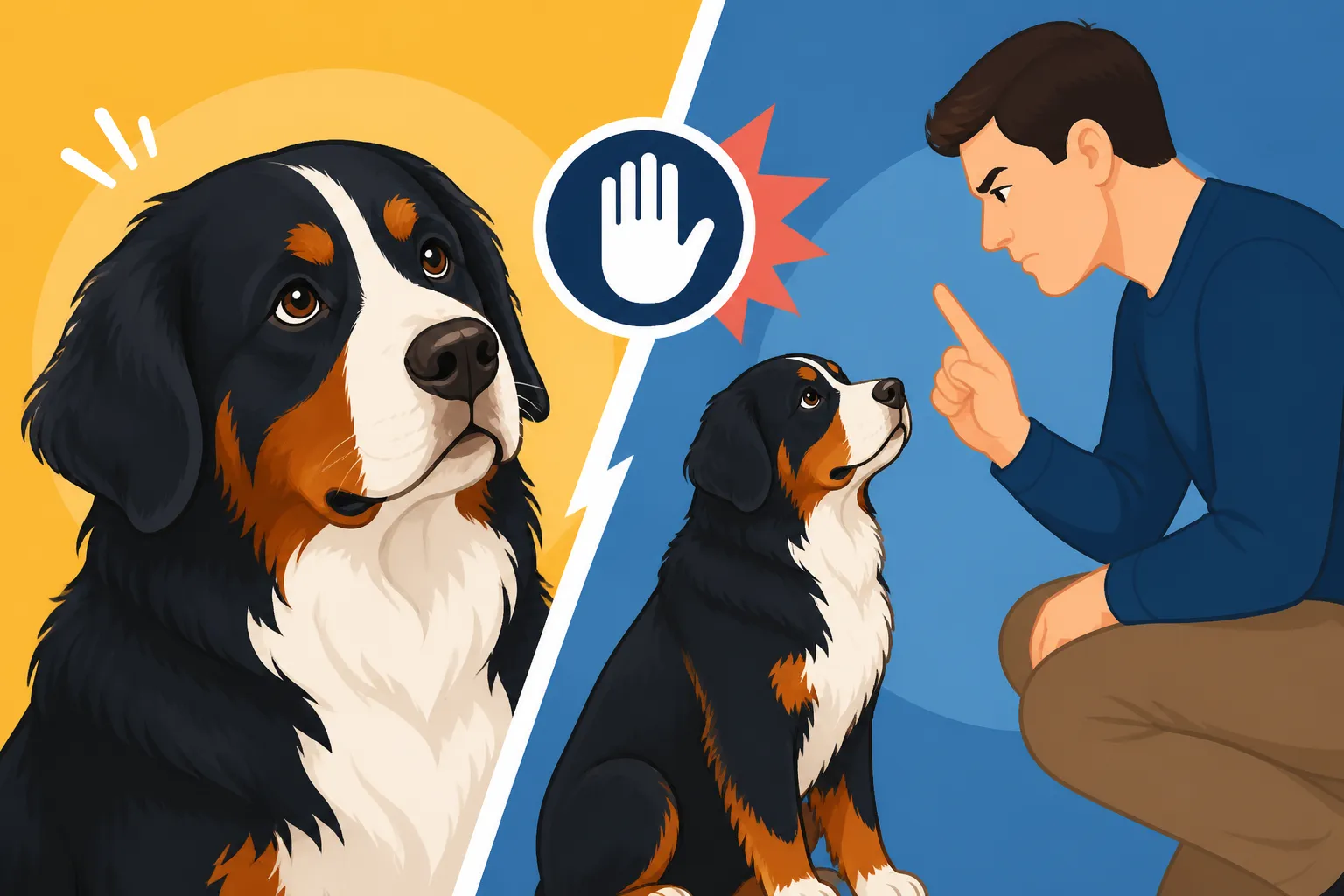
Whether a Bernese Mountain Dog Takes Correction
It's incredibly frustrating when you're trying to teach your big, beautiful Bernese Mountain Dog something new, or trying to curb a less-than-ideal habit, and it feels like your efforts are just bouncing off their thick, luxurious coat. You might have heard that Berners are "stubborn" or "sensitive," leaving you wondering if any kind of correction will actually sink in. This guide is here to shed light on how Bernese Mountain Dogs truly respond to various forms of guidance and discipline, and what methods are most likely to cultivate a well-behaved, happy companion without damaging that precious bond.
The Unique Sensitivity of the Bernese Mountain Dog
Anyone who has lived with a Bernese Mountain Dog knows they possess a heart of gold, a gentle nature, and an almost uncanny ability to read human emotions. This sensitivity, while endearing, means they process feedback differently than some other breeds. What might be a mild correction for a more robust or independent breed can feel like a devastating rebuke to a Berner.
Why Harsh Corrections Backfire
Imagine your Berner, eyes wide and tail wagging, suddenly shrinking away when you raise your voice or give a sharp tug on the leash. It’s not uncommon for these gentle giants to internalize such moments deeply. They aren't trying to be defiant; often, they're genuinely bewildered or genuinely hurt by strong negative reactions. Yelling or using physical punishments, even seemingly light ones, can very quickly erode the trust you're working so hard to build. Instead of learning what not to do, a sensitive Berner might learn to fear you, become withdrawn, or simply shut down, making future training far more difficult. It's a real heartbreaking scenario when you see that spark of joy dim in their eyes because they don't understand why they're being reprimanded. The Bernese Mountain Dog That Quits After One Correction explores this in more detail.
The Impact on Confidence and Willingness to Learn
Berners thrive on positive interaction and feeling like they are pleasing their people. When correction is harsh or confusing, it chips away at their confidence. A confident dog is a dog willing to try new things and engage with training. A dog whose confidence has been undermined by fear-based or overly strong corrections might become hesitant, anxious, or even reluctant to offer behaviors at all, for fear of making a mistake. This isn't just about making them sad; it genuinely impacts their capacity and desire to learn. We want our Berners to be enthusiastic partners in learning, not fearful students.
Redefining "Correction" for Your Bernese
For a Bernese Mountain Dog, the concept of "correction" needs a gentle reframe. It’s less about punishing undesirable behavior and more about clearly communicating what you do want, and then guiding them towards that positive outcome with patience and consistent reinforcement.
The Power of Positive Reinforcement
Positive reinforcement is your best friend when it comes to training a Bernese Mountain Dog. This means rewarding desired behaviors immediately and consistently. Did your Berner keep all four paws on the floor when a guest arrived? Boom! Treat, praise, belly rub. Did they come when called, even with distractions? Fantastic! High-value reward, enthusiastic celebration. This approach teaches them that doing the right thing makes good things happen. They are motivated to repeat behaviors that earn them praise and rewards, rather than avoiding punishment.
One common frustration is when a Bernese seems to ignore a known cue. Sometimes this isn't defiance, but rather a lack of motivation or a misunderstanding of what's truly being asked. By making the desired behavior super rewarding, you boost their understanding and their desire to comply. You can find excellent resources for positive reinforcement training online, including comprehensive programs like BAXTER & Bella that focus on building these positive foundations from puppyhood.
Interrupting and Redirecting Undesirable Behaviors
Instead of punishing an unwanted behavior, aim to interrupt it and then immediately redirect your Berner to a more appropriate action. For example, if your puppy starts to chew on your furniture, a sharp clap or a verbal interrupter (like "Ah-ah!") can stop them in their tracks. The very next second, offer them an appropriate chew toy and praise them enthusiastically when they take it. This teaches them, "Not that, but this is okay!" The interruption isn't punishment; it's a clear signal to pause, followed by guidance on what to do instead. The speed of your redirection is key here; a delayed "correction" is just confusing.
Consider investing in a good quality long line and a comfortable, well-fitting harness (you can find many options on Amazon) for outdoor training. If your Berner starts to pull on the leash, you can interrupt the pulling with a quick, gentle change of direction and reward them for walking nicely on a loose leash. Leash Manners on a Hundred Pound Bernese Mountain Dog delves into this topic with practical tips.
Table: Gentle Guidance vs. Harsh Correction for Bernese Mountain Dogs
| Approach | Method for Undesirable Behavior | Bernese Mountain Dog Response Likely | Outcome |
|---|---|---|---|
| Gentle Guidance | Verbal interrupter, redirection, positive reinforcement | Curiosity, understanding, willingness to try new behaviors | Stronger bond, confident learner, reliable behavior over time |
| Harsh Correction | Yelling, physical punishment, shock collar, alpha rolling | Fear, anxiety, confusion, shutting down, avoidance | Damaged trust, behavioral issues, reluctance to engage, suppressed personality |
Practical Scenarios for Gentle Guidance
Let's face it, living with a big, enthusiastic Bernese Mountain Dog means you're going to encounter situations where you need to provide clear guidance. Here are a few common scenarios and how to navigate them with your Berner's sensitive nature in mind.
Managing Jumping Up
Jumping up is a classic Berner move, often borne of pure excitement and a desire to be closer to your face. It's also a habit that needs addressing early, especially with a dog that can quickly outweigh a small child. When your Berner jumps up, the most effective "correction" is to immediately turn your back, cross your arms, and completely ignore them. No eye contact, no pushing them down, no talking. The moment all four paws are back on the ground, turn back, praise them calmly, and offer a treat or gentle pets. Consistency is key here. Every single person who interacts with your dog needs to follow this rule. You can also teach an incompatible behavior, like "sit," and reward them for sitting to greet. This way, they learn that sitting gets them attention, while jumping makes the fun disappear. Stopping a Bernese Mountain Dog Jumping Up offers more strategies.
Addressing Mouthing and Nipping
Bernese Mountain Dog puppies, like all puppies, explore the world with their mouths. While adorable when they're tiny, a hundred-pound adult mouthing can be painful. The goal is to teach bite inhibition. When your puppy mouths too hard, let out a high-pitched yelp and immediately withdraw your hand and attention. The game stops. This mimics how littermates teach each other. After a few seconds, you can re-engage. If they continue to mouth, give them a redirect to an appropriate chew toy. Praise them when they chew on the toy instead. For persistent mouthers, frozen kongs or safe chew toys can be found on Amazon and are great for redirecting that instinct. A Bernese Mountain Dog Puppy Biting in Play goes into more detail.
Dealing with Leash Pulling
A Bernese Mountain Dog pulling on a leash can be a real workout for you! Instead of yanking back, which can cause discomfort and actually encourage them to pull harder against the pressure, focus on teaching them to walk politely. When your Berner starts to pull, immediately stop walking. Don't move forward until the leash goes slack. The moment they ease up, even for a second, praise them and start walking again. If they pull, you stop. Repeat, repeat, repeat. It might feel like you're not getting anywhere for a while, but patience pays off. Reward them generously with treats and praise for walking with a loose leash. A front-clip harness can also be a helpful tool, as it redirects their pulling power to their side, making it harder for them to drag you forward.
Building a Foundation of Trust and Consistency
Effective guidance for a Bernese Mountain Dog isn't about isolated "corrections;" it's about a holistic approach to training that builds a strong, trusting relationship and consistent expectations.
The Importance of Early Socialization and Training
The foundation for a well-adjusted Bernese Mountain Dog is laid in puppyhood. Early, positive socialization to various sights, sounds, people, and other well-behaved dogs is critical. Puppy classes, which often emphasize positive reinforcement, are invaluable. They teach your puppy essential manners in a controlled environment and expose them to new experiences without overwhelming their sensitive nature. What a Bernese Mountain Dog Puppy Should Meet Early highlights the importance of this period. A well-socialized Berner is generally more confident and less prone to fearful or anxious behaviors that might be mistakenly interpreted as stubbornness later on.
Consistency in your training approach, from every family member, is paramount. If one person allows jumping up and another doesn't, your Berner will be confused and take longer to learn. Ensure everyone uses the same cues and rewards for desired behaviors.
Creating Clear Boundaries and Expectations
Bernese Mountain Dogs, despite their size and sometimes goofy demeanor, thrive on structure. They want to please you, but they need to understand what "pleasing you" looks like. Establishing clear boundaries from day one helps them navigate their world confidently. This means consistent rules about where they can and cannot go, what they can and cannot chew, and how they should behave around people and other animals. For instance, if the couch is off-limits, it's always off-limits. You might offer them a comfy, orthopedic bed as an alternative, making the "no couch" rule easier to accept.
Training programs, like the comprehensive offerings from BAXTER & Bella, can provide a structured framework for setting these expectations clearly and positively, which is incredibly helpful for a breed like the Berner that benefits from gentle, step-by-step learning. Remember, it's not about being harsh, but about being consistently clear.
Maintaining a Strong Bond Through Ongoing Engagement
Your Bernese Mountain Dog wants to be with you and interact with you. Training shouldn't stop after puppyhood; it's an ongoing conversation that strengthens your bond. Regularly engaging in short, fun training sessions, practicing tricks, or participating in activities like draft work or obedience classes keeps their minds active and reinforces their desire to cooperate. Whether a Bernese Mountain Dog Enjoys the Obedience Ring details their aptitude for such activities. These activities provide mental stimulation, which is just as important as physical exercise for a breed that can sometimes be mistaken for just a couch potato. A Berner that feels engaged and understood is a dog that is far more likely to respond positively to your guidance, viewing you as a trusted leader rather than a source of unpredictable reprimands. They respond to your love and patience with unwavering loyalty and a genuine desire to please.
Disclaimer
This article is for general informational purposes only and does not constitute professional advice. Laws, prices and regulations vary by location and change over time. Consult a qualified professional for guidance on your specific situation.