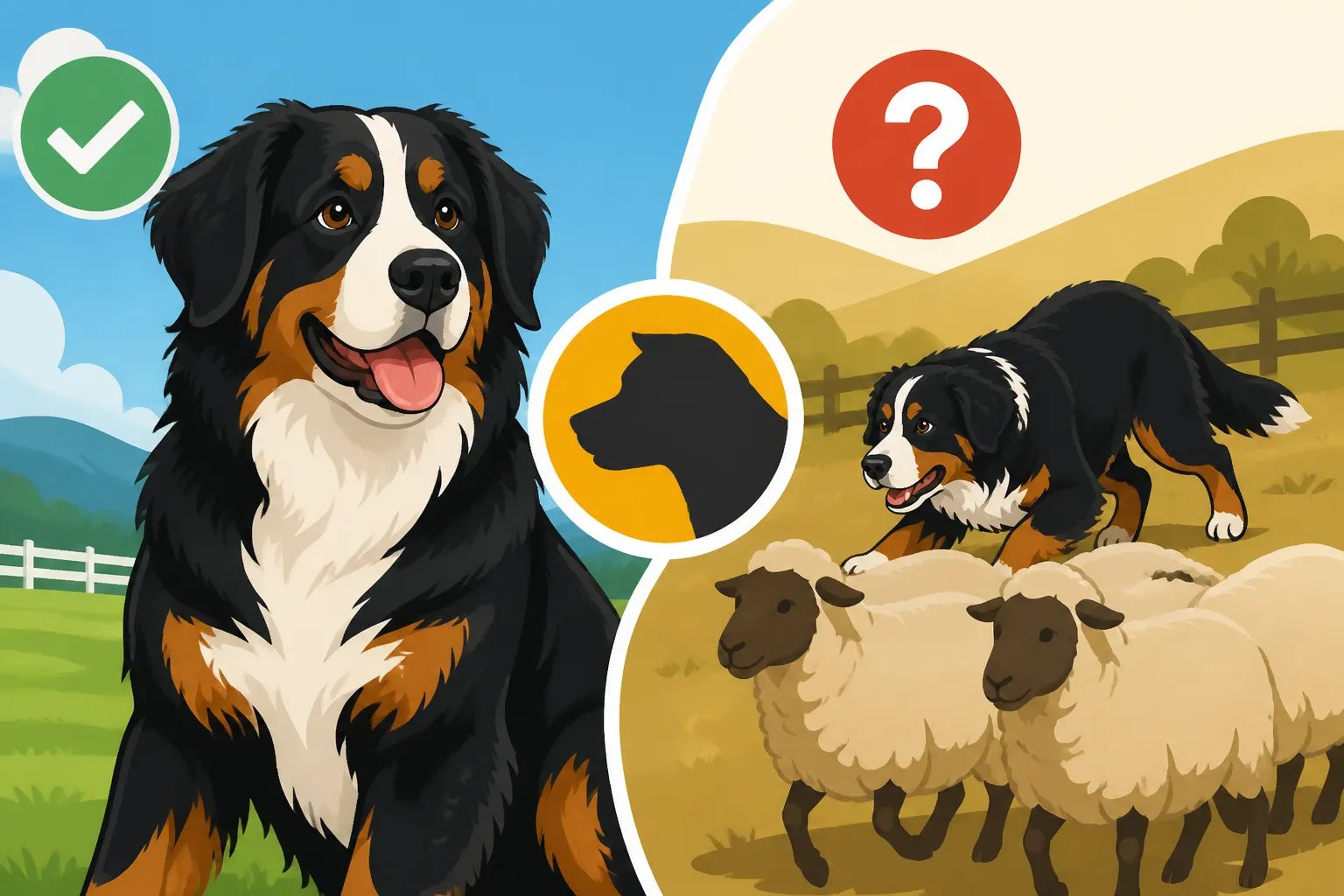
Whether a Bernese Mountain Dog Can Herd
It’s a common thought when you look at a Bernese Mountain Dog: their impressive size, their intelligent eyes, and their historical connection to farms in the Swiss Alps often lead people to wonder if these majestic dogs were once herders. The truth, however, is a little more nuanced than simply gathering sheep. This comprehensive guide will explore the Bernese Mountain Dog's actual historical roles, distinguish their natural instincts from traditional herding behaviors, and suggest activities that truly align with their heritage and temperament.
The Historical Role of the Bernese Mountain Dog on the Farm
When we delve into the history of the Bernese Mountain Dog, often affectionately called a "Berner," it becomes clear that their role on the Swiss farms was incredibly diverse and vital, but not primarily focused on the intricate art of herding. They were generalists, not specialists, fulfilling a range of duties that kept the farm running smoothly.
Not a Herder, But a Guardian and Drover
Imagine a traditional Swiss farm, nestled in the valleys and mountainsides. It wasn't just about sheep; there were cattle, goats, chickens, and the farmer's family and property to protect. This is where the Bernese Mountain Dog truly shined. Their imposing size and calm demeanor made them excellent guardians. They were the watchful eyes and ears of the farm, alerting their owners to strangers or potential threats, be they human or animal predators. You could rely on them to be a constant, reassuring presence, always aware of their surroundings. This protective instinct is still very much a part of their nature today, even if they're guarding your living room rather than a barn.
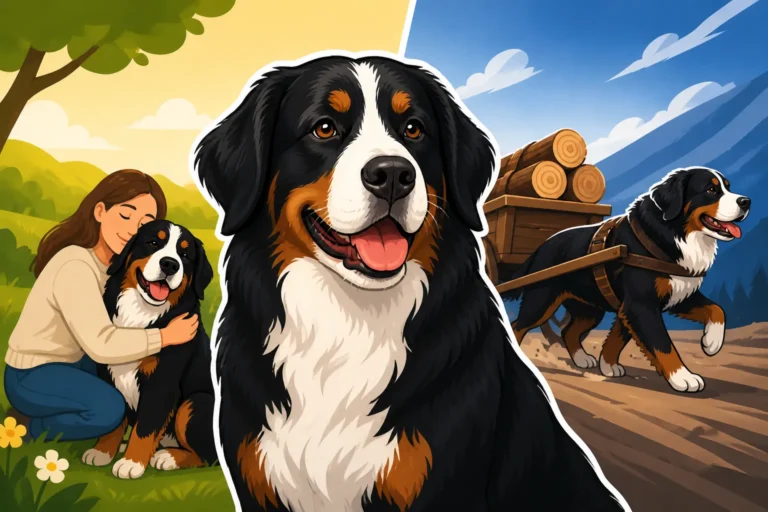
Beyond guarding, Berners were also celebrated for their strength and willingness to work. They were natural draft dogs, meaning they were bred to pull carts. This was a critical function for farmers who needed to transport milk cans to the local dairy or market, or to carry supplies back to the farm over challenging terrain. It wasn’t just about raw power; it also required a steady, dependable temperament, and a dog that could navigate busy village streets or rocky paths without spooking. While they were involved with livestock, it was more in a "droving" capacity—moving cattle from one pasture to another or taking them to market—acting as a strong, guiding presence rather than a quick, agile herder who would gather and drive. This meant walking alongside, keeping the herd moving in a general direction, and intervening if an animal tried to stray too far, rather than the intense, focused work of a Border Collie.
Defining "Herding" in Different Breeds
When we talk about "herding," it's easy to picture any dog interacting with livestock. However, in the world of dog breeds, "herding" has a very specific meaning, particularly when it comes to the specialized skills developed over centuries. True herding breeds, like Border Collies, Australian Shepherds, or Shetland Sheepdogs, possess an intense instinct to gather, drive, and control the movement of sheep or cattle. They use a combination of "eye" (a fixed, intense stare), flanking (running in wide arcs around the flock), and driving (pushing the flock forward from behind). Their movements are swift, agile, and precise, often working in close communication with a human handler.
The Bernese Mountain Dog, while certainly present on farms and involved with livestock, didn't develop these specific herding techniques. Their interaction with cattle was more about "droving" or "tending." Think of it as accompanying the herd, maintaining a perimeter, and using their size and presence to guide rather than manipulate. They were the strong, reliable companions for the farmer, helping to manage large animals with a calm, assertive presence, but they lacked the specific predatory sequence modified into herding behaviors. They weren't bred to stalk, crouch, and gather like a true herder. Understanding this distinction is key to appreciating the Bernese Mountain Dog for what they are rather than what they are not.
Instinct vs. Training: Can a Berner Be Taught to Herd?
It's a natural question to ask: if they were on farms, can't they just be trained to herd? While dogs are incredibly adaptable, their innate instincts and physical attributes play a huge role in what they can excel at. For Bernese Mountain Dogs, the core components of traditional herding simply aren't strongly ingrained.
Innate Traits That Don't Align with Herding
The Bernese Mountain Dog's temperament, which we adore for its gentleness and devotion, actually works against them when it comes to traditional herding. Berners are known for being calm, good-natured, and somewhat independent thinkers. They bond deeply with their families and often prefer to be right by their side, leaning into you with that characteristic "Berner lean." This isn't the intense, driven focus required to manage a flock of sheep for hours. Herding breeds typically possess a strong "prey drive" that has been channeled and refined into specific working behaviors, giving them the relentless energy and concentration needed to control livestock. Berners, on the other hand, are generally more relaxed and might view a running sheep as an interesting thing to chase for a moment, but not something to gather and control with precision.
Furthermore, their impressive size and sturdy build, while perfect for pulling carts or deterring predators, aren't ideal for the quick, agile movements needed for herding. A Border Collie can dart and weave around a flock with incredible speed and grace. A Bernese Mountain Dog, weighing upwards of 70 to 115 pounds, is simply not built for that kind of athletic finesse. They’re powerful and sturdy, but not nimble. Imagine asking a strong linebacker to perform the intricate footwork of a ballet dancer – it’s just not what they’re designed for. Their sheer mass could also intimidate or accidentally injure smaller livestock, which goes against the delicate balance required in effective herding. Trying to force a Berner into this role would likely lead to frustration for both the dog and the handler, as it goes against their natural inclination and physical capabilities.
The Difference Between Herding Instinct Tests and Actual Work
Sometimes, dog owners, or even dogs themselves, might show a fleeting interest in "herding," and it's important to understand what that actually means versus the formal, demanding sport or occupation of herding. Some breeds will naturally display a "herding instinct" when exposed to livestock, meaning they might chase, circle, or try to push animals. This instinct can be evaluated in "herding instinct tests," where dogs are observed for their natural responses to a small group of sheep or ducks in a controlled environment.
While a Bernese Mountain Dog might show some curiosity or even attempt to move livestock in such a test, it's crucial to distinguish this from genuine, effective herding. A Berner might briefly try to "push" animals, but they generally lack the sustained focus, "eye" control, and refined flanking techniques that define a true herding dog. Their attempts are often more akin to playful chasing or a vague urge to keep things together, rather than a deep, strategic understanding of livestock movement. They might run in circles, but without the precision or purpose. For a Bernese Mountain Dog, it's usually a novel experience, not a deeply ingrained drive. Whether a Bernese Mountain Dog Learns Slowly is a question many owners ponder, and in specialized tasks like herding, their learning curve might be steeper because the foundational instincts aren't as strong.
True herding work or competitive herding is an incredibly complex dance between dog, handler, and livestock, requiring immense training, innate talent, and often, an inherited predisposition. Most Bernese Mountain Dogs simply don't have that deep-seated genetic programming for the intricate tasks of herding. While any dog can be taught basic commands to influence movement, it doesn't mean they possess the instinct or aptitude for true herding, especially when compared to breeds specifically bred for generations to do so.
Alternative Instinctual Outlets for Your Bernese Mountain Dog
Instead of trying to fit a square peg into a round hole by pushing your Bernese Mountain Dog into herding, it's far more rewarding for both you and your dog to lean into the activities that truly align with their historical roles and natural strengths. Berners thrive when they can engage their minds and bodies in ways that resonate with their heritage.
Embracing Their True Working Heritage: Draft Work
If you want to see a Bernese Mountain Dog truly light up and fulfill their ancestral purpose, look no further than draft work, also known as carting or freighting. This is where Berners truly shine! For centuries in Switzerland, these dogs were the horsepower of the farm, diligently pulling carts laden with milk, cheese, or supplies. This work leverages their incredible strength, sturdy build, and calm, dependable temperament. It's a fantastic physical and mental exercise that provides a deep sense of accomplishment for both dog and owner.
Draft work involves teaching your Bernese Mountain Dog to wear a special harness, attach to a cart, and pull it in a controlled manner, navigating obstacles and responding to commands. There are clubs and organizations dedicated to promoting this sport, offering training clinics and competitive events. It’s not just about brute strength; it requires obedience, focus, and teamwork. Imagine the pride you'll feel watching your magnificent Berner confidently pull a cart, knowing they are doing exactly what their ancestors were bred to do. Resources like Teaching a Bernese Mountain Dog to Pull a Cart can get you started, and for the necessary equipment, you can find a wide variety of draft harnesses and carts on platforms like Amazon. It's a wonderful way to honor their history and provide a truly fulfilling outlet for their working drive. You might even discover a whole community of fellow Berner enthusiasts!
Other Compatible Activities
While draft work is perhaps the most direct link to their historical working roles, Bernese Mountain Dogs excel in many other activities that tap into their intelligence, gentle nature, and desire for companionship.
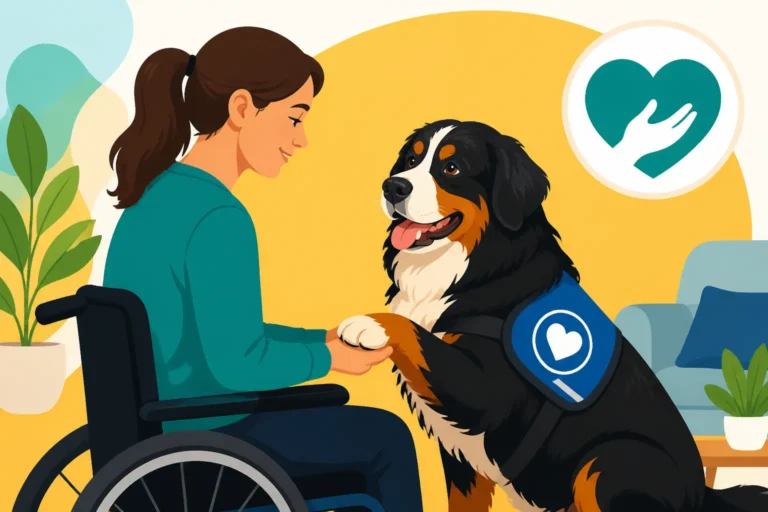
Their affectionate and stable temperament makes them outstanding therapy dogs. Many Berners find immense joy in visiting hospitals, nursing homes, or schools, offering comfort and smiles to those in need. Their soft eyes and calm presence are incredibly soothing, and they thrive on the attention and gentle interactions. If your Berner loves people and has a steady disposition, therapy work could be a perfect fit. Therapy Work With a Bernese Mountain Dog provides more insight into this rewarding path.
Obedience and Rally obedience are also excellent options. While they might not be the flashiest or fastest in the ring, Berners are intelligent and eager to please, especially when positive reinforcement is used. They respond well to consistent, kind training methods. Learning new commands and working as a team strengthens your bond and provides crucial mental stimulation. Training programs, such as those offered by BAXTER & Bella, often focus on building a strong foundation of obedience and good manners, which is invaluable for a large breed like the Bernese Mountain Dog.
For those who love the outdoors, Berners can make fantastic hiking and backpacking companions. They have good stamina and enjoy being out in nature with their people. Just be mindful of their susceptibility to overheating, especially in warmer climates or during strenuous activity. Backpacking With a Bernese Mountain Dog offers tips on preparing your Berner for the trail. Agility can be an option too, though modifications are often needed due to their size and joint health concerns. The key is to find activities that they genuinely enjoy and that suit their physical capabilities, celebrating their unique attributes rather than trying to make them into something they're not.
Understanding Your Bernese Mountain Dog's Natural Temperament
To truly understand whether a Bernese Mountain Dog can herd, it's essential to grasp the core of their natural temperament. These dogs are more than just their fluffy coats; they possess a distinct personality profile that sets them apart from many other working breeds.
The Gentle Giant Nature
The term "gentle giant" was practically coined for the Bernese Mountain Dog. They are renowned for their calm, affectionate, and loyal disposition. They absolutely adore being part of the family and thrive on close companionship. This means they are often happiest when they are right by your side, participating in whatever you are doing, whether that's lounging on the couch, going for a walk, or simply observing your daily activities. They have a strong desire to please and a generally placid nature, making them wonderful family pets, particularly with children. A Bernese Mountain Dog Around Children is a great resource if you're considering a Berner for a family with kids.
This inherent gentleness and focus on their human family are what define their character more than any intense working drive. While they are intelligent and capable of learning complex tasks, their motivation often stems from their desire for connection and approval, rather than an independent, task-oriented drive like a herding dog might display. They are truly companions first and foremost. Their steady temperament means they rarely get overly excitable or agitated, which is a blessing in a large dog, but also contrasts sharply with the high-energy, constantly moving nature of a traditional herding breed. They are much more likely to lean against you for comfort and affection than to try and gather up the family members into a tight flock. For a Berner, being left alone can be a source of stress, highlighting their strong need for connection, as discussed in The Bernese Mountain Dog That Cannot Bear Being Left.
Recognising When a Berner Is Showing Interest in Animals
It’s true that any dog, including a Bernese Mountain Dog, might show some level of interest when encountering other animals, be they sheep, cattle, or even squirrels in the park. But it’s vital for owners to accurately interpret these behaviors rather than mistakenly labeling them as "herding instinct."
Often, what might look like herding in a Berner is actually curiosity, playful chasing, or a manifestation of their general guardian instincts. A Berner might try to "move" a recalcitrant goat by walking towards it, or playfully chase a chicken, but this lacks the focused intent, strategic movements, and the "eye" that a true herding dog employs. It's more about exploration or a brief burst of prey drive (chasing) than a systematic attempt to gather and control. If your Berner shows an excessive interest in chasing smaller animals, it’s important to manage this behavior through training and appropriate supervision, just as you would with any large dog to ensure safety and good manners. This isn't herding; it's simply a dog acting on instinct in a way that needs guidance.
Occasionally, a Berner might exhibit protective instincts towards smaller or younger animals, perhaps positioning themselves between a perceived threat and a lamb. This is more in line with their historical role as a guardian rather than a herder. They might stand watch, or gently nudge an animal back towards the group, again using their presence rather than agile movements to control. Understanding the nuances of these behaviors allows you to appreciate your Bernese Mountain Dog for their genuine strengths and instincts, rather than expecting them to perform a role they were not bred for.
| Trait / Activity | Bernese Mountain Dog | Typical Herding Breed (e.g., Border Collie) |
|---|---|---|
| Primary Historical Role | Guardian, drover, cart puller, companion on farms. | Gathering, driving, and controlling livestock movement. |
| Core Instinct | Protection, companionship, strength, draft ability. | Strong "eye," gathering drive, predatory sequence refined for herding. |
| Temperament | Calm, gentle, affectionate, devoted, somewhat independent. | Intense, highly driven, energetic, focused, sensitive to handler cues. |
| Physical Build | Large, sturdy, powerful, built for strength and endurance. | Medium-sized, agile, nimble, built for speed and quick turns. |
| Movement with Livestock | Guiding presence, pushing with body, guarding perimeter. | Flanking, driving, gathering, using "eye" to direct. |
| Best Working Outlet | Draft work (carting), therapy work, family companionship. | Competitive herding, farm work, agility, high-intensity sports. |
Disclaimer
This article is for general informational purposes only and does not constitute professional advice. Laws, prices and regulations vary by location and change over time. Consult a qualified professional for guidance on your specific situation.