Brushing Out a Bernese Mountain Dog’s Undercoat
Oh, the glorious, magnificent, and sometimes overwhelming coat of a Bernese Mountain Dog! If you're a Berner parent, you know the struggle is real. That stunning tricolor fluff, especially the dense undercoat, is a constant topic of conversation, both admiring and slightly exasperated. Keeping that luxurious coat healthy, clean, and free from mats isn't just about aesthetics; it's vital for your dog's comfort and well-being. This guide is going to dive deep into the world of brushing out your Bernese Mountain Dog's undercoat, giving you all the tips, tools, and tricks to tackle the fluff like a seasoned pro.
Understanding Your Berner's Magnificent Coat
Before we grab any brushes, it’s really helpful to understand what makes a Bernese Mountain Dog’s coat so special, and yes, so prone to epic shedding. This isn't just a single layer of fur; it's a complex, functional system designed by nature.
The Double Coat: A Marvel of Nature
Your Bernese Mountain Dog isn't just sporting a fashionable outfit; their coat is a finely tuned piece of natural engineering. Berners, like many northern breeds, possess what's known as a double coat. Think of it as two distinct layers, each with its own crucial job.
First, you have the guard hairs. These are the longer, coarser, and somewhat stiffer outer hairs that give your Berner their beautiful tri-color pattern and a certain amount of weather resistance. They lie on top, protecting the softer layer beneath from rain, snow, and dirt. These hairs are remarkably good at repelling moisture, which was absolutely essential when their ancestors were working dogs in the snowy, wet Swiss Alps. Without these guard hairs, the delicate undercoat would get soaked, leaving your dog cold and miserable.
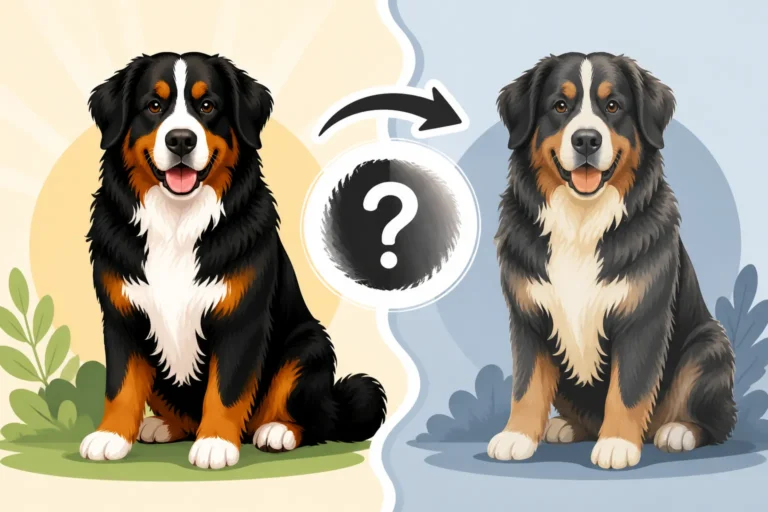
Then, there's the star of our show: the undercoat. This layer is thick, soft, woolly, and incredibly dense. Its primary function is insulation. In winter, it traps a layer of warm air close to the dog's body, keeping them toasty even in freezing temperatures. In summer, it works in reverse, helping to insulate them from the heat by preventing hot air from penetrating down to their skin. Many people mistakenly believe that shaving a double-coated dog will make them cooler, but it actually disrupts this natural insulating system, potentially leading to overheating or sunburn. Maintaining a healthy, brushed-out undercoat allows for proper air circulation, which is key to thermoregulation.
Understanding this dual purpose helps us appreciate why consistent grooming is so non-negotiable for these magnificent dogs. Neglecting the undercoat can lead to serious issues, not just a messy house.
The Bernese Mountain Dog Shed Cycle: It's a Lifestyle
Let's be brutally honest: living with a Bernese Mountain Dog means living with hair. A lot of hair. The Bernese Mountain Dog shed cycle isn't really a "cycle" in the sense that it comes and goes entirely. It's more of a continuous, year-round phenomenon, punctuated by what we lovingly refer to as "coat blows."
Throughout the year, your Berner will steadily shed a certain amount of hair. This is normal, and daily light brushing can manage it effectively. However, twice a year, typically in spring and fall, your Bernese Mountain Dog will experience a "coat blow." This is when they shed an absolutely astonishing amount of their dense undercoat to prepare for the upcoming season. In spring, they shed their heavy winter coat to make way for a lighter, thinner undercoat that's more suitable for warmer weather. Conversely, in the fall, they'll shed the summer undercoat to grow in a denser one for winter insulation.
During a coat blow, you might find yourself wondering if there's any dog left under all that fluff you're brushing out! It's not uncommon to fill entire grocery bags with hair during these periods. This process can last for several weeks, and during this time, your grooming efforts need to intensify significantly. If this loose undercoat isn't removed, it can quickly become matted, especially in areas where there's friction, like behind the ears, under the legs, or around the 'trousers' on their hind end. Not only are these mats uncomfortable, pulling on the skin, but they can also restrict airflow, trapping moisture and leading to skin irritations, hot spots, or even infections. Keeping the undercoat free and flowing is paramount for your Berner's overall skin and coat health.
Essential Tools for Undercoat Mastery
You wouldn't try to build a house with just a hammer, right? Similarly, you can't expect to conquer that Bernese Mountain Dog undercoat with just any old brush. Having the right tools makes all the difference in effectiveness and efficiency, turning a potential struggle into a more manageable task.
Deshedding Rakes and Undercoat Tools
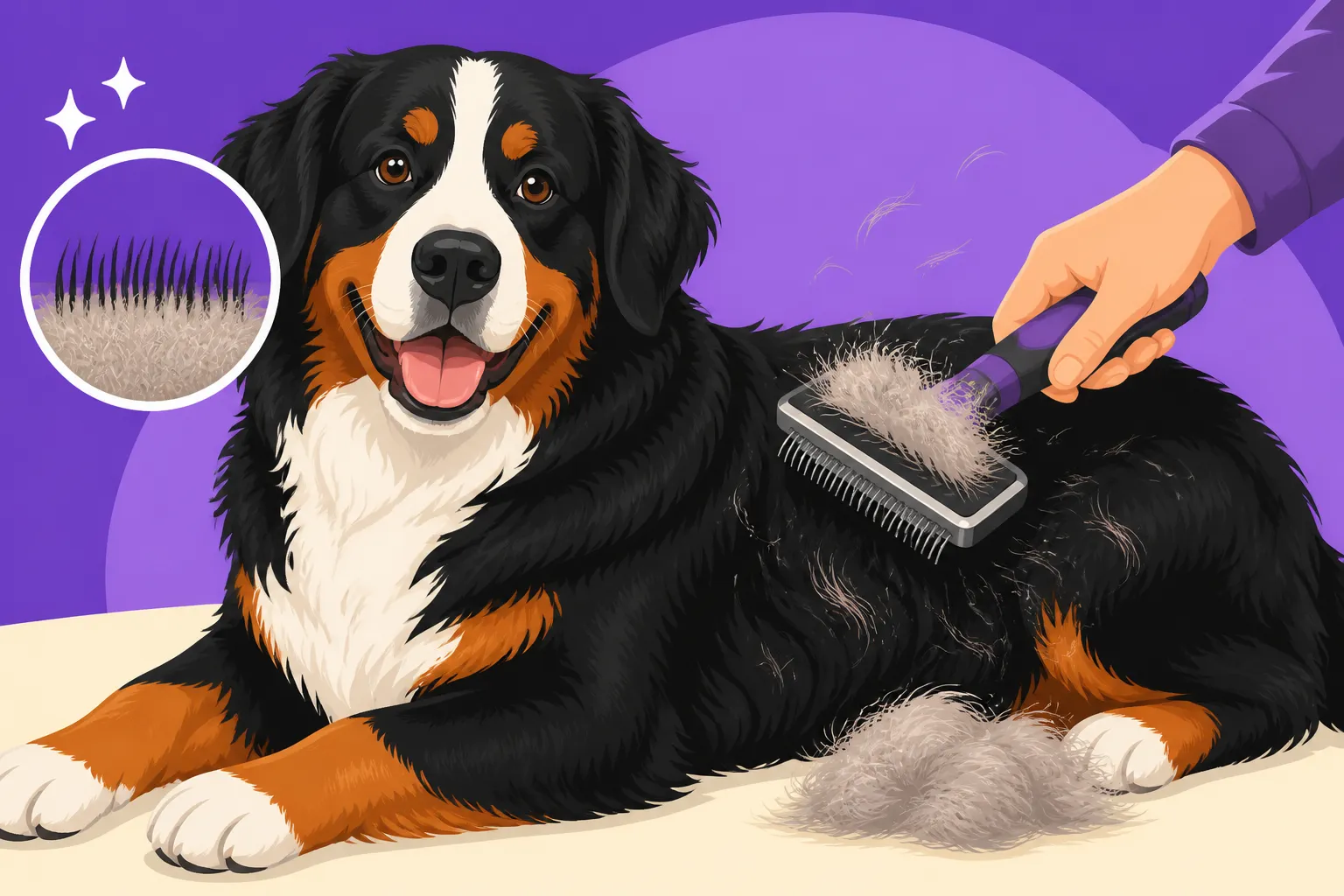
When it comes to the dense undercoat of a Bernese Mountain Dog, your standard slicker brush just won't cut it for the heavy lifting. This is where deshedding rakes and specialized undercoat tools become your best friends. These tools are specifically designed to reach down through the protective guard hairs and pull out the loose, dead undercoat without damaging the healthy top layer.
There are a few types to consider. A good undercoat rake typically has a single or double row of widely spaced, rounded pins. The length of these pins is important – you want them long enough to penetrate deep into the undercoat, but not so long that they scrape the skin uncomfortably. Rakes with rotating teeth can be particularly effective as they are designed to glide through the coat, minimizing pulling and reducing static. Many Berner owners find that these rotating tooth rakes are less likely to snag existing mats.
Another popular option is a deshedding tool like those from Furminator or similar brands. These tools have a fine-toothed blade that works incredibly well at extracting vast amounts of loose undercoat. However, they need to be used with a gentle hand and not overused, as excessive pressure or repeated strokes in the same spot can irritate the skin or even cut the guard hairs. Always follow the manufacturer's instructions carefully.
When shopping for these tools, consider looking on platforms like Amazon. They often have a wide variety of brands and styles, allowing you to compare features and read reviews from other large breed owners to find what works best for you and your Berner. The key is to find a tool that can efficiently remove the dead undercoat without causing discomfort or damage. Which Brush a Bernese Mountain Dog's Coat Needs is a great resource if you're feeling overwhelmed by choice.
Slicker Brushes and Pin Brushes for Everyday Use
While specialized rakes are for serious undercoat extraction, slicker brushes and pin brushes play an invaluable supporting role in your Bernese Mountain Dog's grooming routine, especially for daily maintenance and finishing touches.
A slicker brush typically has a flat or curved head covered in fine, short wires packed closely together. These wires are usually angled to prevent scratching the skin. Slicker brushes are fantastic for removing lighter tangles, loose surface hair, and for smoothing out the coat after you've used an undercoat rake. They're also excellent for tackling smaller mats, gently working them out from the ends inwards. However, because their wires are so fine and close, they don't penetrate deep enough to effectively remove the bulk of the undercoat during a heavy shed. They're more for superficial tidying and getting that soft, fluffy look.
Pin brushes, on the other hand, feature widely spaced pins with rounded tips, similar to a human brush. These are gentler than slicker brushes and are great for longer coats, like your Berner's guard hairs. They excel at detangling without pulling too much and can help to stimulate blood circulation in the skin, promoting a healthy coat. Many owners use a pin brush as a first pass to gently remove any loose surface debris and minor tangles before moving on to more intensive tools. They are also ideal for finishing the coat, giving it a smooth, flowing appearance. Both slicker and pin brushes are indispensable for daily grooming to keep the coat neat and to prevent small issues from escalating into big ones. You'll likely use these much more frequently than your heavy-duty undercoat rake.
The Power of the High-Velocity Dryer
If you've never used a high-velocity dryer on a double-coated dog, prepare to have your mind blown. This isn't your average human hairdryer; these powerful machines are game-changers for managing a Bernese Mountain Dog's undercoat, especially during those infamous coat blows.
A high-velocity dryer (often called a force dryer) works by blasting a strong, concentrated stream of unheated or lightly heated air deep into the coat. This powerful airflow literally forces out loose hair, dirt, and dander from the undercoat. Imagine the sheer volume of dead, fluffy undercoat that can get trapped in that dense layer; a force dryer can loosen and expel it in minutes, achieving results that would take hours of manual brushing – if you could even get there at all.
Using a force dryer is particularly effective after a bath. When the coat is clean and damp, the undercoat tends to be looser, making it easier for the air to penetrate and push out the shedding hair. It also drastically reduces drying time, which is crucial for a thick-coated dog like a Berner to prevent skin issues like hot spots that can arise from prolonged dampness.
When using a force dryer at home, always start on a low setting and keep the nozzle moving constantly to avoid concentrating air in one spot, which can cause discomfort or even burns if the air is too warm (though professional dryers usually have very little heat). Protect your Berner's ears from the noise and consider wearing ear protection yourself. While the initial investment might seem a bit steep, the time and effort saved, plus the enhanced coat health, make it well worth it for many Bernese Mountain Dog owners.
The Step-by-Step Guide to Brushing Out That Undercoat
Now that we understand the coat and have our arsenal of tools ready, let's talk technique. Brushing a Bernese Mountain Dog isn't a race; it's a methodical process that, when done correctly, can be a bonding experience and genuinely benefit your dog.
Preparing Your Berner and Your Space
Before you even think about putting a brush to your Bernese Mountain Dog, a little preparation goes a long way. This isn't just about efficiency; it's about making the experience as positive and comfortable as possible for both of you.
First, choose your location wisely. You're going to be dealing with a lot of hair, so an area that's easy to clean is ideal – think a tiled floor, an outdoor patio, or even a dedicated grooming table if you have one. Lay down an old sheet or blanket for easier cleanup. Ensure the surface your Berner is on is non-slip. A wobbly dog is an unhappy dog, and a big, clumsy Berner could injure itself or you. If you're brushing outdoors, try to pick a calm day, as strong winds can make the loose hair fly everywhere, defeating the purpose.
Next, gather all your tools. Have your undercoat rake, slicker brush, pin brush, a wide-toothed comb, mat splitter (if needed), treats, and perhaps a small towel nearby. A spray bottle with a detangling spray or plain water can also be useful to lightly mist sections of the coat, helping to prevent static and make brushing smoother.
Finally, prepare your Berner. This means making it a positive and calm experience. If your dog is anxious, start with very short sessions and lots of praise and treats. You might want to take them for a quick potty break beforehand so they're comfortable. Approach grooming with a relaxed attitude; dogs are masters at picking up on our stress. Talk to them soothingly, offer a favorite chew toy, or play some calming music. The goal is for your Berner to associate grooming with positive interactions, not a chore they dread. Building this foundation of trust will make future grooming sessions much, much easier.
The Sectional Brushing Technique
You can't just run a brush over the top of your Bernese Mountain Dog's coat and call it a day, especially when dealing with that dense undercoat. The secret to effective undercoat removal is the sectional brushing technique, often called "line brushing." This method ensures you get all the way down to the skin, where most of the loose undercoat resides, rather than just skimming the surface.
Here's how it works:
- Start at the bottom: Begin at the bottom of a leg or flank, creating a small horizontal "part" in the coat with your hand or a comb. Pin or hold the hair above this line out of the way.
- Brush up and out: With your undercoat rake or slicker brush, gently brush the exposed section of hair upwards and outwards, away from the skin. Work slowly, in small strokes, making sure your brush reaches the skin. You're effectively working against the natural lie of the coat to lift and separate the hairs.
- Work in small increments: Once that small section is brushed through and free of tangles, drop down another small section of hair (about an inch or two wide) and repeat the process. You'll gradually work your way up your dog's body, section by section.
- Cover problem areas: Pay extra attention to areas prone to matting. These include behind the ears, under the armpits, the "trousers" on their hind legs, and around the tail. These spots often experience more friction and are where the undercoat can quickly felt together. When brushing The Trousers on a Bernese Mountain Dog's Hind End, take your time, as the hair here can be particularly long and dense.
- Comb check: After brushing a section, run a wide-toothed comb through it. If the comb glides through easily from root to tip, you've done a good job. If it snags, go back with your brush and work out any remaining tangles or loose undercoat.
This methodical approach might seem time-consuming, but it's the most effective way to ensure all the loose undercoat is removed, preventing mats and promoting overall coat health. It's truly getting underneath the problem.
Managing the Seasonal Coat Blow
The seasonal coat blow is a truly unique experience for Bernese Mountain Dog owners. It's more than just increased shedding; it's an entire coat change, and if you're not prepared, it can feel like your house is suddenly covered in snow, even in the middle of summer. This period demands an intensification of your regular grooming routine.
During spring and fall, when your Berner is actively "blowing coat," you'll need to increase the frequency and duration of your brushing sessions. What might be a once-a-week task normally could become a daily ritual during these peak shedding weeks. The goal is to aggressively remove as much of the dead undercoat as possible before it has a chance to mat or spread throughout your home.
This is the prime time to heavily utilize your undercoat rake and deshedding tools. You’ll be working through the sectional brushing technique described above, often going over sections multiple times to ensure all the loose hair is extracted. Don't be surprised if you fill entire trash bags with hair during these sessions; it's perfectly normal and a sign you're doing a great job! Many owners also find a high-velocity dryer invaluable during a coat blow, as it can literally blast out huge quantities of loose undercoat, especially after a bath. It not only speeds up the grooming process but also helps get down to the skin more effectively.
Remember that Spring, When a Bernese Mountain Dog's Undercoat Lets Go, signifies a crucial period for this intensive grooming. It’s not just about managing the mess; it's about helping your dog transition comfortably between seasons. Removing that dense, dead undercoat allows their skin to breathe, regulates their body temperature more effectively, and prevents painful matting. It’s a necessary, albeit fluffy, part of living with a Bernese.
Common Undercoat Challenges and How to Tackle Them
Despite our best efforts, living with a Bernese Mountain Dog means you're bound to encounter a few grooming hurdles. Mats, skin issues hiding beneath the fluff, and the ever-present temptation to reach for the clippers are all part of the journey. But don't worry, there are solutions!
Conquering Mats and Tangles
Mats and tangles are the arch-nemeses of any long-haired dog owner, and with a dense undercoat like a Bernese Mountain Dog's, they can form surprisingly quickly. Mats aren't just cosmetic; they pull on the skin, causing pain and discomfort, and can lead to skin infections if left unattended.
Mats typically form in areas of friction, like behind the ears, under the collar, in the armpits, on the 'trousers' of the hind legs, and where the coat gets wet and dries without being brushed out. When you find a mat, resist the urge to pull or cut it out carelessly. This can hurt your dog or injure their skin.
Here's a safer approach:
- Isolate the mat: Gently separate the matted hair from the surrounding healthy coat.
- Work from the outside in: Use a mat splitter or the pointed end of a metal comb to carefully pick apart the mat, starting from the outermost edges and working towards the skin. Don't try to pull the whole mat at once.
- Apply detangling spray: A detangling spray or a light mist of water can help lubricate the hair and make it easier to separate. Brands like those found on Chewy can offer a variety of options.
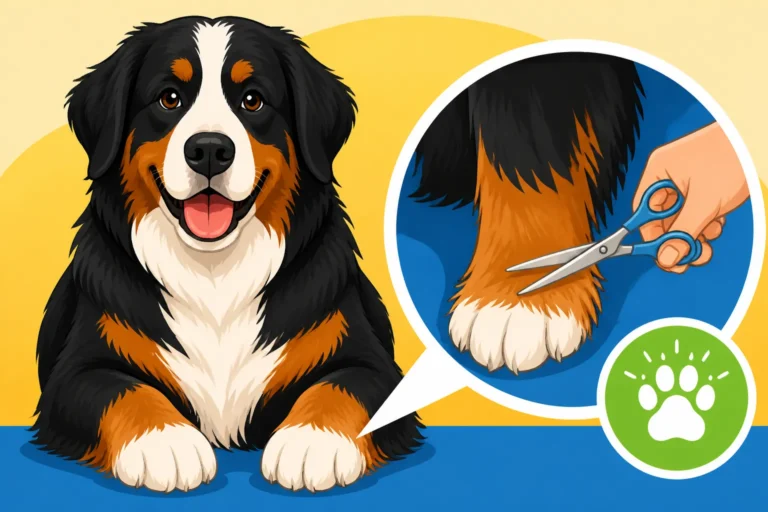
- Use blunt-nosed scissors (with extreme caution): If the mat is very tight and close to the skin, you might need to carefully cut into it vertically (parallel to the growth of the hair, not across) to break it up. Always place a comb between the mat and the skin before cutting to prevent accidental nips. For severe mats, especially those tight against the skin, professional help is often the safest route. Remember, Mats in a Bernese Mountain Dog's Ruff are common and require careful attention. Don't rush, as a painful experience can make your dog dread future grooming sessions.
Skin Health Under the Fluff
It's easy to get fixated on the visible beauty of a Bernese Mountain Dog's coat, but what lies beneath is equally, if not more, important: their skin. A healthy coat grows from healthy skin, and regular undercoat brushing plays a critical role in maintaining that foundation.
When you consistently remove dead undercoat, you achieve several things for skin health. Firstly, you improve air circulation to the skin. Trapped, dead undercoat can create a dense, suffocating layer that doesn't allow air to reach the skin. This lack of airflow, especially when combined with moisture, creates a perfect breeding ground for bacteria and yeast, leading to itchy skin, hot spots, or fungal infections. By removing the old undercoat, you open up the coat, allowing the skin to breathe and dry properly.
Secondly, brushing acts as a mini-massage, stimulating blood flow to the skin. This increased circulation brings vital nutrients to the hair follicles, promoting stronger, healthier hair growth. It also helps to distribute natural skin oils, keeping both the skin and coat moisturized and less prone to dryness and flakiness.
Finally, regular brushing gives you a fantastic opportunity to inspect your Berner's skin for any issues. You can check for redness, rashes, bumps, scabs, dry patches, or any signs of parasites like fleas or ticks. Early detection of issues like Itching Under a Bernese Mountain Dog's Thick Coat can lead to faster treatment and prevent minor problems from becoming major ones. Incorporate this visual and tactile inspection into every grooming session; it's a simple, proactive step that contributes immensely to your Bernese Mountain Dog's overall health.
The Case Against Shaving the Undercoat
One of the most common, yet unfortunately misguided, requests groomers hear for double-coated breeds like Bernese Mountain Dogs is to "shave them down for summer" to keep them cool. While the intention is good, shaving a Berner's coat is almost always a detrimental decision that can lead to more problems than it solves.
Remember that double coat? It's a natural insulator. In winter, it traps warm air in. In summer, it acts as a barrier against heat and UV rays, preventing them from penetrating to the skin. When you shave off the undercoat and, often, a significant portion of the guard hairs, you strip your Bernese Mountain Dog of their natural defense system.
Here's what can happen:
- Overheating: Without the insulating layer, their skin is directly exposed to the sun's heat. This can actually make them hotter and increase their risk of heatstroke, especially Heat Stroke in a Bernese Mountain Dog.
- Sunburn: Their skin, not accustomed to direct sun exposure, can easily get sunburned, leading to pain and increased risk of skin cancer.
- Improper regrowth: The undercoat and guard hairs grow back at different rates. The soft undercoat tends to grow back faster and thicker, often "choking out" the slower-growing guard hairs. This can permanently alter the coat texture, making it coarser, more prone to matting, and less able to perform its insulating and protective functions. The coat may never look or feel the same again.
- Skin issues: The shaved skin can become itchy, irritated, and more susceptible to infections.
Instead of shaving, focus on effective deshedding. Regularly brushing out the dead undercoat allows for better air circulation, which is the correct way to help your Berner stay cool in warmer weather. As discussed in What Shaving Does to a Bernese Mountain Dog's Insulation, keeping that undercoat properly managed, not removed, is the key to their comfort and health.
Maintaining a Healthy Coat: Beyond the Brush
While diligent brushing is paramount, a truly healthy Bernese Mountain Dog coat is a result of a holistic approach. What goes into their body and how they're bathed are just as important as the tools you use to groom them.
Nutrition's Role in Coat Quality
You know that old saying, "you are what you eat"? Well, the same absolutely holds true for your Bernese Mountain Dog, and it shows directly in their coat. A dull, dry, flaky coat can often be a tell-tale sign that something in their diet isn't quite right, regardless of how often you brush.
A high-quality diet provides the building blocks for healthy skin and lustrous hair. Look for dog foods that list quality animal protein as the first ingredient. Protein is essential for hair growth and strength. Beyond that, omega-3 and omega-6 fatty acids are superstars for skin and coat health. These "good fats" help keep the skin moisturized, reduce inflammation, and give the coat a beautiful shine. Many premium dog foods include sources like fish oil, flaxseed, or chicken fat to provide these beneficial fatty acids.
Consider exploring various feeding options. Reputable online pet supply stores like Chewy offer a vast selection of kibble, wet food, and raw food options from numerous brands. Some Berner owners also find success with fresh food delivery services, such as Ollie, which provides human-grade, minimally processed meals that can often improve coat condition due to their high nutritional content and easily digestible ingredients. Before making any significant dietary changes, especially for a giant breed, always consult with your veterinarian to ensure the chosen diet is balanced and appropriate for your individual dog's age, activity level, and health needs. A well-nourished Bernese Mountain Dog will not only feel better but will also have a coat that's easier to maintain and shines with health.
Bathing Techniques for Undercoat Management
Bathing a Bernese Mountain Dog is no small feat! They're big, they're fluffy, and they take up a lot of space. But proper bathing is a critical component of coat and skin health, particularly for managing that dense undercoat. It’s not just about getting them clean; it’s about loosening dead hair and ensuring the skin beneath is healthy.
Here’s a breakdown of effective bathing techniques:
- Brush BEFORE the bath: This is crucial. Never put a matted Bernese in the tub. Water will tighten mats, making them nearly impossible to remove without shaving. Thoroughly brush out all tangles and loose undercoat before they get wet.
- Use appropriate products: Opt for a good quality dog shampoo designed for double coats or sensitive skin. Some shampoos are specifically formulated for deshedding, which can help loosen undercoat further. Follow with a conditioner, as it helps to moisturize the skin and coat, making it softer and easier to brush through after drying. Don't cheap out on shampoo; a poor product can dry out their skin or leave residue.
- Lather and rinse thoroughly: With such a thick coat, it's vital to get the shampoo all the way down to the skin and then rinse it completely out. Any shampoo residue left behind can irritate the skin, leading to itching and flakiness. You might need to rinse several times longer than you think, especially in the denser areas. For a deep dive into frequency, check out How Many Baths a Bernese Mountain Dog Gets a Year.
- Dry completely: This is arguably the most important step. A Bernese Mountain Dog’s thick undercoat takes an incredibly long time to air dry, and leaving it damp can lead to skin issues like hot spots, yeast infections, and mildew smell. Use a high-velocity dryer to force water out of the coat and help separate hairs. Finish with a regular blow dryer on a cool setting if needed. Brush while drying to help open the coat and ensure air reaches the skin. Don’t stop until your Berner is completely dry to the skin.
When to Seek Professional Grooming
Even the most dedicated Bernese Mountain Dog owner might reach a point where professional help is needed, and there's absolutely no shame in that! These are big dogs with a lot of coat, and sometimes, the tools, expertise, or sheer physical effort required are beyond what you can reasonably provide at home.
Here are some scenarios where calling in a professional groomer is a smart move:
- Severe matting: If your Berner has developed extensive or tightly packed mats that you can't safely detangle at home, a professional groomer has the specialized tools and techniques (like careful shaving under the mat) to remove them without causing injury or undue stress to your dog.
- Seasonal coat blows: During those epic seasonal sheds, a professional deshedding service can be a lifesaver. Groomers have powerful force dryers and commercial-grade tools that can strip out huge amounts of undercoat in a fraction of the time it would take you, leaving your dog much more comfortable and your home much cleaner.
- Regular maintenance: Even if you do a lot of at-home grooming, a professional groomer can provide periodic deep cleaning, nail trims, ear cleaning, and overall coat conditioning that keeps everything in top shape. They can also spot early signs of skin issues you might miss. Understanding What a Bernese Mountain Dog Groom Costs can help you budget for these essential services.
- Lack of time or physical ability: Let's face it, grooming a hundred-pound dog takes time and physical strength. If you're pressed for time, or if physical limitations make it difficult to maneuver your Berner, a groomer can step in.
- Behavioral challenges: If your Bernese Mountain Dog is particularly fearful or reactive to grooming, a professional who uses positive reinforcement and has experience with anxious dogs can often make the process less stressful for everyone involved.
When choosing a groomer, look for someone with specific experience with double-coated, giant breeds. Ask about their deshedding techniques and their philosophy on shaving double coats (they should discourage it!). A good groomer will be transparent about their process and prioritize your dog's comfort and safety.
Disclaimer
This article is for general informational purposes only and does not constitute professional advice. Laws, prices and regulations vary by location and change over time. Consult a qualified professional for guidance on your specific situation.