How Little a Bernese Mountain Dog Puppy Should Do
It’s a truly adorable, yet often stressful, conundrum for new Bernese Mountain Dog puppy parents: you have this fluffy, playful bundle of energy, but you’ve heard whispers, or perhaps outright warnings, about being careful with their activity levels to protect their developing joints. The desire to play endlessly with your sweet Berner puppy often clashes with the fear of causing irreversible damage. This guide will walk you through the critical balance of exercise and rest, offering practical advice to ensure your Bernese Mountain Dog puppy grows into a strong, healthy adult without overdoing it in those crucial early months.
Understanding the Unique Growth of a Bernese Mountain Dog Puppy
Bernese Mountain Dogs are magnificent, large-breed dogs, and their growth rate is nothing short of astounding. They go from tiny, palm-sized puppies to massive, hundred-pound adults in a surprisingly short amount of time. This rapid growth, while part of their charm, also presents unique challenges, especially concerning their skeletal development. Unlike smaller breeds that mature more slowly or reach their full size over a longer period, Berners essentially undergo an accelerated construction phase.
The Critical Period of Bone and Joint Development
From the moment they’re born until around 18-24 months of age, a Bernese Mountain Dog puppy's bones are actively growing. Their long bones, like those in their legs, grow from areas called "growth plates" or "epiphyseal plates." These plates are essentially areas of cartilage that are softer and more susceptible to injury than fully calcified bone. Think of them as the construction sites of future bone. They're busily expanding, laying down new bone cells, but they haven't "closed" or hardened yet.
During this critical period, excessive stress, repetitive impact, or sudden twists and turns can damage these delicate growth plates. An injury here isn't just a simple sprain; it can potentially lead to abnormal bone growth, pain, and even conditions like hip and elbow dysplasia later in life. This is why managing their activity is so important. You’re not just training a puppy; you’re overseeing the foundational development of a large, heavy-boned dog. It’s a huge responsibility, and frankly, it can feel daunting. Many owners worry about every jump and every playtime romp. This rapid development is a key factor in What Fast Growth Costs a Bernese Mountain Dog's Joints.
Why Rapid Growth is a Double-Edged Sword for Berners
While their impressive growth rate allows them to mature into their stunning adult size relatively quickly, it also means their bodies are under immense stress during this time. Imagine building a skyscraper at twice the normal speed – every single joint, tendon, and ligament needs to keep pace. For Bernese Mountain Dogs, this means their soft tissues and immature joints are trying to support an increasingly heavy frame that sometimes outpaces its own structural readiness.
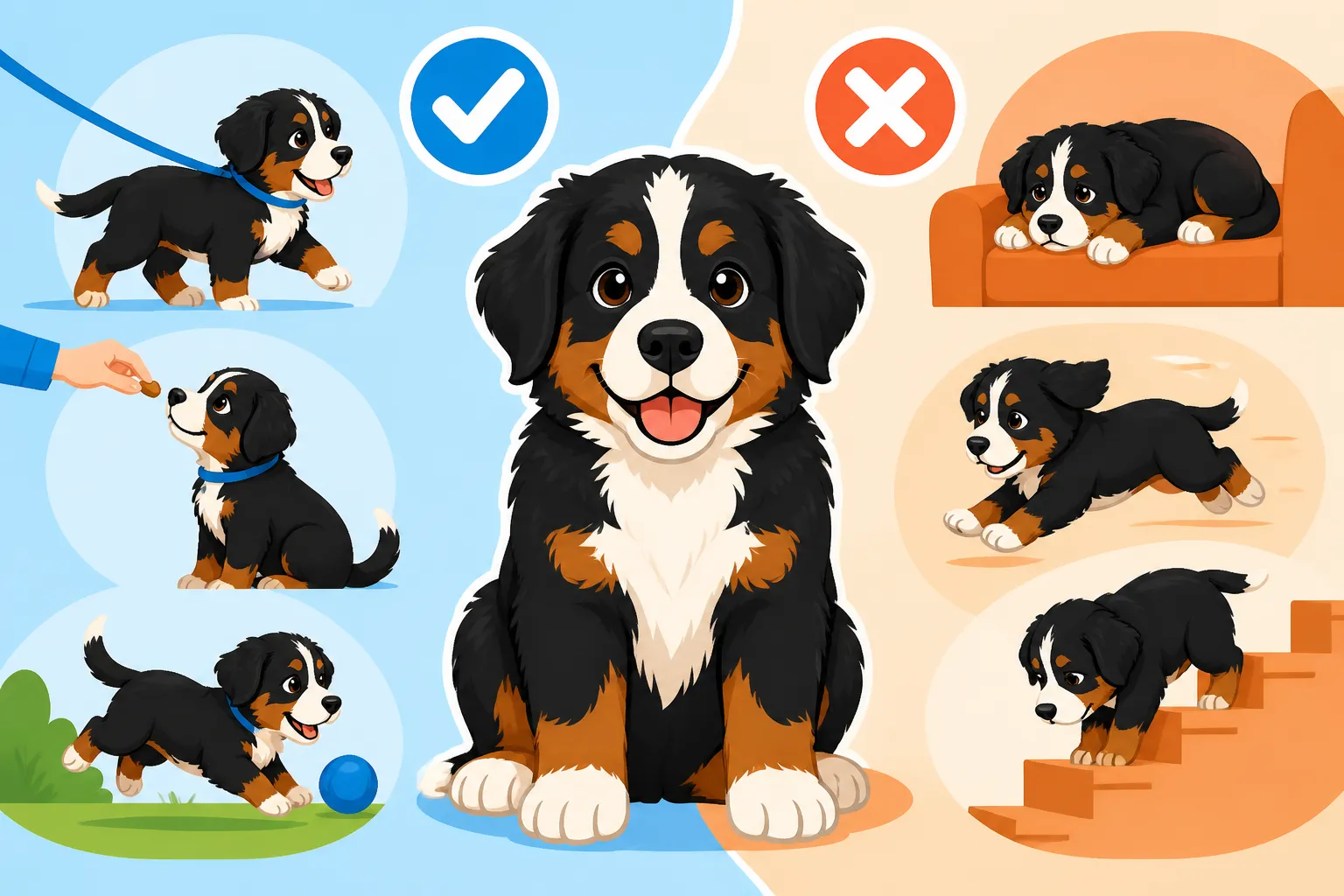
This is precisely why you hear so much about being cautious with exercise. It’s not about keeping your Berner a couch potato, but about intelligent moderation. Too much high-impact activity, like jumping off furniture, running long distances on hard surfaces, or intense, uncontrolled play with other dogs, can put undue strain on these vulnerable growth plates and developing joints. It's a delicate balance: they need exercise to develop muscle tone and coordination, but not so much that it causes injury. Understanding How Fast a Bernese Mountain Dog Puppy Should Grow can help contextualize this delicate balance.
The "Five Minute Rule" and What It Really Means
One of the most widely cited guidelines for exercising large breed puppies, including Bernese Mountain Dogs, is the "five minute rule." It's simple in theory, but often misunderstood in practice. The rule states that a puppy should get no more than five minutes of structured exercise per month of age, twice a day. So, a four-month-old puppy would get 20 minutes of structured exercise, twice a day. A six-month-old, 30 minutes, twice a day. This is a general guideline, not a strict law of physics, but it gives us a really good starting point for understanding appropriate activity levels.
Interpreting the Rule for Different Activities
When we talk about "structured exercise," we're referring to activities where you are dictating the pace and duration. This includes things like leashed walks around the neighborhood, controlled jogs (which frankly, are usually too much for a young Berner puppy), or formal training sessions that involve a lot of repetitive movement.
What the "five minute rule" does not typically apply to is free play in a safe, soft environment. For example, if your four-month-old Bernese puppy is gently wrestling with another well-matched, calm dog on grass for an hour, or pottering around in your fenced yard, sniffing and occasionally trotting, that's generally less concerning than 20 minutes of forced, brisk walking on concrete. The key is "forced" versus "self-directed." When a puppy can choose to stop, rest, or change activity, they are often better at self-regulating than we give them credit for. However, even during free play, keep a watchful eye out for exhaustion or limping.
Beyond Structured Exercise: Managing Daily Play
While the five-minute rule is a great guide for formal walks, a Berner puppy's daily life is filled with other forms of activity. This is where owners often feel confused. Does every romp in the living room count? What about chasing squirrels in the backyard? The important distinction is intensity and surface.
Think of play on soft surfaces like grass or carpet as generally safer than play on hard, unforgiving surfaces like concrete or asphalt. Sudden stops, starts, and changes in direction are much harder on joints when there's no give. Tug-of-war, fetch, or roughhousing with other dogs can be wonderful for socialization and energy release, but they need to be managed. Keep fetch sessions short, especially if they involve hard braking and turning. If your puppy loves to play tug, keep it low to the ground and avoid violent jerking that can strain their neck or back. The goal is to allow natural puppy exuberance without forcing their growing bodies beyond their limits. Remember, even puppies need plenty of rest, and a Bernese Mountain Dog is no exception. They’ll often nap for hours after a burst of activity, and that’s perfectly normal and necessary for their development.
| Age (Months) | Max Structured Exercise (Daily, per session) | Recommended Surface | Avoid These Activities | Sample Safe Activities |
|---|---|---|---|---|
| 2-3 | 10-15 minutes (twice daily) | Grass, carpet | Stairs, long walks, jumping, intense fetch, rough play with large dogs | Short, slow leash walks, gentle tug, sniffing games, supervised play with small, calm dogs |
| 4-6 | 20-30 minutes (twice daily) | Grass, dirt trails, carpet | Long walks on hard surfaces, agility jumps, forced running, prolonged rough play | Moderate leash walks, light fetch, exploring varied terrains, puppy classes with controlled play |
| 7-12 | 35-60 minutes (twice daily) | Varied, avoid constant hard surfaces | High impact jumping, excessive running on pavement, competitive agility/frisbee | Longer walks, light hiking, swimming (supervised), controlled off-leash play |
| 12-18 | Gradually increase, monitor fatigue | Varied, incorporate more challenging terrain | Overly strenuous activities, competitive sports without vet clearance | Longer hikes, some light jogging, draft training (age-appropriate), continued varied play |
Recognizing Signs of Over-Exertion and Discomfort
It's one thing to know the rules, but it's another to actually see your puppy and interpret their signals. Bernese Mountain Dogs are famously stoic, and puppies, in their eagerness to please and play, can often push themselves past their limits without immediately showing obvious signs of pain. Learning to read your specific puppy's body language is paramount to protecting their long-term health. You want to intervene before they're clearly limping or exhausted. This often means paying attention to very subtle cues.
Subtle Cues Your Berner Puppy is Hurting
Your Bernese puppy might not yelp or cry out loudly when they've overdone it. Instead, look for more subtle indicators that suggest discomfort or fatigue:
- Changes in gait: Are they favoring a leg, even slightly? Do they have a "bunny hop" in their hindquarters, which can sometimes be a sign of hip discomfort, even in young puppies? A Bernese Mountain Dog That Bunny Hops is definitely something to watch for. Is their tail carriage different, perhaps tucked more than usual?
- Reluctance to move: If they usually greet you with boundless energy but suddenly seem hesitant to get up, climb stairs, or jump onto their favorite spot, take note. This isn't just laziness; it could be pain.
- Licking or chewing at a specific spot: Excessive licking, nipping, or chewing at their paws, legs, or hips can indicate localized discomfort. They might also shift their weight repeatedly while standing or lying down.
- Increased panting or lethargy: While normal after play, prolonged heavy panting or unusual sluggishness can mean they’ve pushed too hard. A Bernese, especially with their thick coat, is prone to overheating, so this is critical. See The Temperature a Bernese Mountain Dog Stops Coping for more on heat.
- Behavioral changes: A normally happy-go-lucky puppy who becomes withdrawn, grumpy, or even snappish when touched or approached might be trying to tell you they're in pain. This can be especially true for breeds known for their gentle nature, as pain can alter their typical demeanor.
- Loss of appetite or disinterest in play: If they skip a meal or turn down a favorite toy, it's a big red flag that something is off.
It's crucial to distinguish between normal puppy clumsiness and genuine pain. All puppies trip and stumble, but persistent limping or discomfort is a different matter entirely. If you notice any of these signs, it's always better to err on the side of caution.
When to Seek Veterinary Advice
If you observe persistent or recurring signs of discomfort, don't hesitate to contact your veterinarian. It’s far better to have a false alarm than to let a potential injury worsen. The vet can perform a physical examination, check for tenderness, assess their gait, and potentially recommend diagnostics like X-rays.
Early diagnosis and intervention are critical for joint issues in Bernese Mountain Dogs. Undiagnosed conditions like hip or elbow dysplasia can progress rapidly and lead to chronic pain and debilitating arthritis. Your vet can advise on appropriate rest, pain management, and even physical therapy if needed. They might also discuss preventative measures, such as joint supplements, though it's important to only give supplements under veterinary guidance. Don't assume discomfort will simply "work itself out" as your puppy grows; with large breeds, early intervention can make a significant difference in their long-term quality of life. Even if it's just puppy growing pains, your vet can offer reassurance or suggest ways to ease discomfort.
Safe Activities for Your Growing Bernese Puppy
While caution is key, a Bernese Mountain Dog puppy still needs appropriate activity to develop strong muscles, good coordination, and mental fortitude. It’s not about keeping them in a bubble; it’s about choosing activities that support, rather than stress, their growing bodies. Think quality over quantity when it comes to exercise in these early stages.
Gentle Play and Mental Stimulation
The best kind of play for a young Bernese puppy is often self-directed, gentle, and on soft surfaces. This allows them to explore their surroundings and engage their minds without undue impact on their joints.
- "Sniffari" walks: Instead of power walks, take your puppy on short, meandering walks in a grassy park or on a dirt trail. Let them sniff everything! Sniffing is incredibly mentally stimulating and tiring, engaging their primary sense. This is gentle on joints and builds confidence.
- Puzzle toys and treat dispensers: These are fantastic for mental enrichment. Filling a Kong with peanut butter or using a puzzle feeder challenges their minds and can keep them occupied for extended periods without any physical strain. Brands like Chewy and Amazon offer a huge selection of these.
- Gentle indoor play: Soft tug toys, squeaky plushies, or a rolled-up sock can provide fun interaction. Keep games on carpeted areas and avoid high jumps or hard landings.
- Socialization with appropriate playmates: Supervised playdates with other calm, well-matched puppies or gentle adult dogs (who understand puppy manners) can be great. Ensure the play is balanced and that no dog is being too rough or constantly pinning the Berner puppy. Intervene if play becomes too boisterous or if you see your puppy getting overwhelmed or stressed. Early, positive socialization is crucial for a well-adjusted Berner.
- Swimming (supervised): Once they've had all their vaccinations and the weather is warm enough, swimming can be an excellent, low-impact exercise. It builds muscle without stressing joints. Start slowly and ensure they always have a safe way to enter and exit the water.
Remember, a tired mind is often just as effective as a tired body for a puppy. Engaging their intelligence through training games and puzzles can burn energy just as well as a long walk.
Introducing Leash Walking and Controlled Environments
Leash walking is an essential skill for any dog, and for a Bernese Mountain Dog who will grow to be a powerful companion, it's non-negotiable. Start early, but keep it short and positive.
- Short, frequent sessions: Begin with just a few minutes, several times a day. The goal is to get them comfortable with the collar/harness and leash, not to cover distance.
- Focus on positive reinforcement: Use treats and praise to make leash walking a fun experience. If your puppy pulls, stop walking until the leash loosens, then reward them when they walk nicely beside you. This patience now will pay dividends when they're 100 pounds. Leash Manners on a Hundred Pound Bernese Mountain Dog is a challenge best tackled from puppyhood.
- Vary the environment (but keep surfaces soft): Once they’re comfortable, introduce them to different sights and sounds – a quiet park, a neighborhood street (but mostly walking on grass verges). This helps with socialization without over-exercising.
- Harness choice: A well-fitting harness can distribute pressure better than a collar, especially for a puppy learning to walk on a leash. Look for harnesses designed for large breeds that don’t restrict shoulder movement.
- Avoid stairs initially: Especially for young puppies, repeatedly going up and down stairs can be hard on developing joints. If you have stairs, carry your puppy up and down them until they're older (around 5-6 months, and even then, limit it). Whether Stairs Damage a Bernese Mountain Dog Puppy is a common concern, and for good reason.
- Limit jumping: Discourage jumping off furniture or out of cars. Provide ramps or steps if your Berner needs to get into a vehicle. This ties into The Height a Bernese Mountain Dog Should Not Jump From as they get older.
Controlled environments mean you're supervising closely. A dog park, for example, can be a wonderful place for socialization, but it's not always a controlled environment. The unpredictable nature of other dogs, their sizes, play styles, and intensity, can quickly lead to an over-exerted or even injured Berner puppy. Until they are fully grown and their growth plates have closed (typically around 18-24 months), individual, supervised play sessions are generally safer.
Creating a Joint-Friendly Environment
Beyond managing their activity, you can actively create a home environment that supports healthy joint development for your Bernese Mountain Dog puppy. This is about being proactive and recognizing that your living space can either help or hinder their physical well-being. Thinking ahead can prevent a lot of potential problems down the road.
The Importance of Non-Slip Surfaces
One of the biggest culprits for joint strain in growing puppies is slippery flooring. Hardwood, tile, and laminate floors, while beautiful, offer little traction. A puppy trying to run, play, or even just stand up on these surfaces can slip, splay, or land awkwardly. These repeated micro-traumas can contribute to joint issues over time.
- Rugs and runners are your friends: Cover slippery floors with area rugs, carpet runners, or even yoga mats. Place them in high-traffic areas, especially where your puppy eats, drinks, or plays. This provides crucial traction and cushioning. You can find many affordable options for durable, washable rugs on Amazon or at local home goods stores.
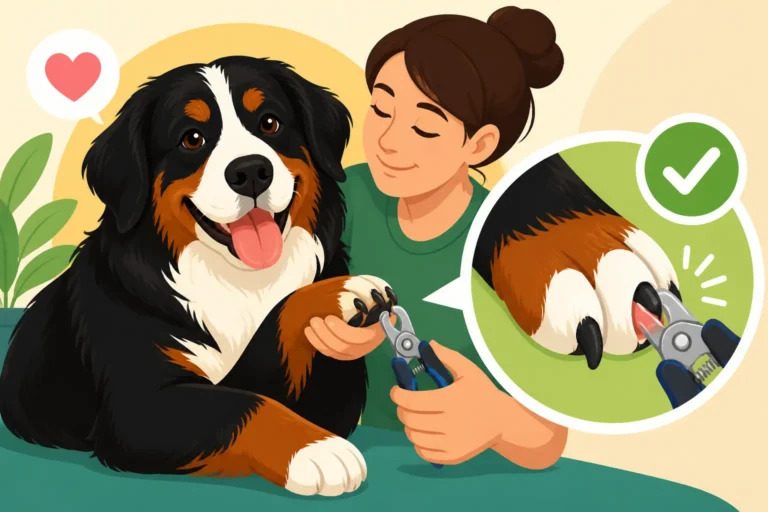
- Consider paw traction: Keep the hair between your Berner's paw pads trimmed to improve their grip. Some owners even use paw balms or non-slip booties, especially if their puppy is struggling.
- Supervise play on hard floors: If you can't cover all your hard floors, make sure any indoor play is on carpeted areas. Redirect energetic bursts away from slippery zones. A Bernese Mountain Dog sliding into a wall at full speed is not a fun experience for anyone. Hard Surfaces and a Growing Bernese Mountain Dog can really underscore the potential damage.
Choosing Appropriate Beds and Crates
Your Bernese puppy will spend a significant amount of time sleeping and resting, so their bed and crate setup are more important than you might think. This is where their body recovers and grows.
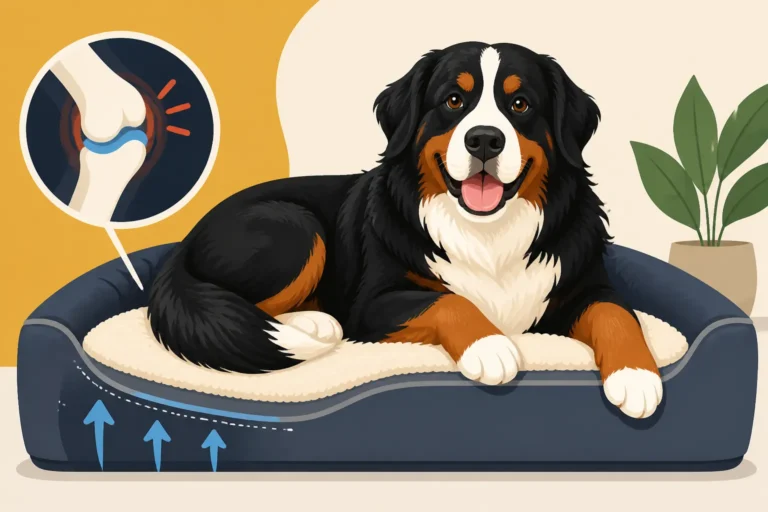
- Orthopedic bedding: Invest in a good quality orthopedic bed that offers firm support. Even young puppies can benefit from pressure relief. A flimsy dog bed won't adequately support their growing frame. Look for memory foam or dense foam options. Brands available through Chewy or Amazon often carry robust, large-breed appropriate orthopedic beds.
- Adequate crate size: Your puppy's crate should be large enough for them to stand up, turn around, and lie down comfortably, but not so large that they can soil one end and sleep in another (which can hinder house-training). As they grow, you'll need to upgrade the crate size. Remember, Berners get BIG, so you’ll need one of the largest crates on the market eventually. Crates and Gates for a Bernese Mountain Dog will become a vital part of your home.
- Warmth and comfort: Ensure their sleeping area is in a draft-free spot. Bernese Mountain Dogs have thick coats, but puppies can still get chilled. A comfortable, supportive, and warm resting place encourages deep sleep, which is essential for growth and recovery.
Providing a safe, comfortable, and supportive environment throughout their puppyhood is one of the best long-term investments you can make in your Bernese Mountain Dog's health. It's about being mindful of their physical needs during a period of incredible change and vulnerability. By taking these steps, you're setting them up for a lifetime of healthy movement and joyful companionship.
Disclaimer
This article is for general informational purposes only and does not constitute professional advice. Laws, prices and regulations vary by location and change over time. Consult a qualified professional for guidance on your specific situation.