Buying a Cart a Bernese Mountain Dog Can Pull
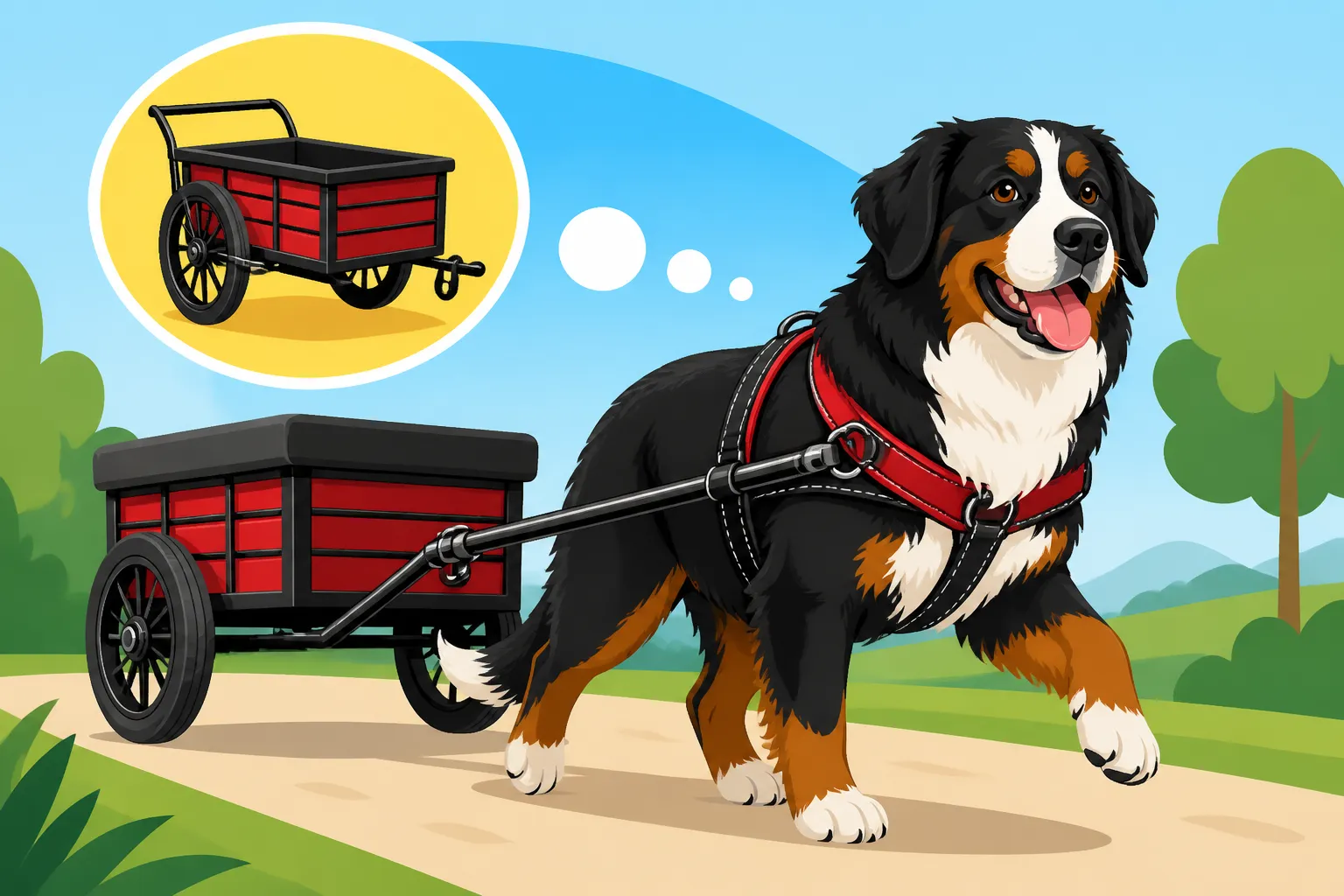
Bringing a Bernese Mountain Dog into your life is an incredible joy, but as they grow into those majestic, powerful companions, you might find yourself dreaming of them putting that strength to good use – perhaps even pulling a cart. It’s a vision rooted in their heritage, but actually finding or building the right cart can feel like a daunting task, especially with so many options and safety considerations. This guide will walk you through everything you need to know about choosing and preparing a cart for your beloved Berner, ensuring both their safety and your shared enjoyment.
Understanding Your Bernese Mountain Dog's Needs for Drafting
Before you even start looking at carts, the most crucial step is to really understand your own Bernese Mountain Dog. These aren't just any large dogs; they come with unique physical attributes and a generally eager-to-please, but sometimes sensitive, temperament that needs to be respected. Diving into carting without a proper assessment of your dog's individual characteristics can lead to frustration, or worse, injury.
Assessing Your Dog's Size and Strength
Bernese Mountain Dogs are, by definition, substantial dogs. Males typically stand 25-27.5 inches at the shoulder and can weigh anywhere from 80-115 pounds, while females are a bit smaller at 23-26 inches and 70-95 pounds. This sheer size immediately tells you that you're not looking for a flimsy toy cart. Their strong, sturdy frames were literally built for work on Swiss farms, pulling small carts of milk or other goods. However, "strong" doesn't mean indestructible.
When assessing your dog, consider their current weight and height. A cart that is too small or too large in proportion to your dog can cause discomfort, strain their joints, or simply be inefficient to pull. The shafts of the cart, for example, need to be long enough so the cart doesn't bump their hind legs, but not so long that it becomes unwieldy. The height of the shafts also needs to match your dog's shoulder height to ensure proper leverage and weight distribution. Think about how your dog carries themselves – do they have a broad chest? Are their legs relatively long? These subtle differences within the breed can influence the ideal cart dimensions.
Beyond their inherent strength, you also need to consider their age and overall physical condition. A young Bernese puppy, while full of energy, should absolutely not be pulling a cart, as their bones and joints are still developing. Most experts recommend waiting until a Bernese is at least two years old, sometimes even three, before introducing them to serious draft work, to ensure their growth plates have closed and their musculature is fully mature. An older Bernese, even one still spry, might have underlying joint issues like Arthritis in a Bernese Mountain Dog by Six or Hips That Fail Under a Bernese Mountain Dog's Weight, which would make heavy carting inappropriate. Always consult with your vet before starting any new strenuous activity, especially for a giant breed.
Considering Their Temperament and Training Level
Bernese Mountain Dogs are generally known for their good-natured, calm, and affectionate temperaments. They love being with their people and often respond well to training, especially when positive reinforcement is used. However, they can also be quite sensitive. A harsh correction or a frightening experience with a cart can set back their training significantly, or even make them wary of the activity altogether.
A successful carting dog needs a solid foundation in basic obedience. Commands like "stay," "wait," "come," and a reliable "whoa" (stop) are non-negotiable for safety. Imagine a hundred-pound dog excitedly taking off with a cart in tow – control is paramount. They also need to be well-socialized and comfortable with various sights, sounds, and environments. Carting often involves parades, trails, or even crowded markets, where unexpected noises or moving objects could startle a less confident dog. Socializing a Reserved Bernese Mountain Dog Puppy is key for building this confidence from an early age.
If your Berner is still learning the ropes, or tends to be a bit hesitant around new things, you'll need to approach cart training with extra patience and plenty of positive reinforcement. Some Berners take to drafting like a fish to water, seeming to instinctively understand the job, while others might need more encouragement and time to build their confidence with the harness and the unfamiliar sensation of pulling something behind them. Their inherent desire to please, however, is a huge asset in this training process, making them excellent candidates for draft work once they understand what's expected.
Types of Carts and Their Features
Once you have a good grasp of your Bernese Mountain Dog's readiness, it's time to explore the wonderful world of dog carts. Just like human vehicles, they come in many styles, materials, and with different features, each suited to specific needs and aesthetics.
Traditional Wooden Carts vs. Modern Metal/Plastic Carts
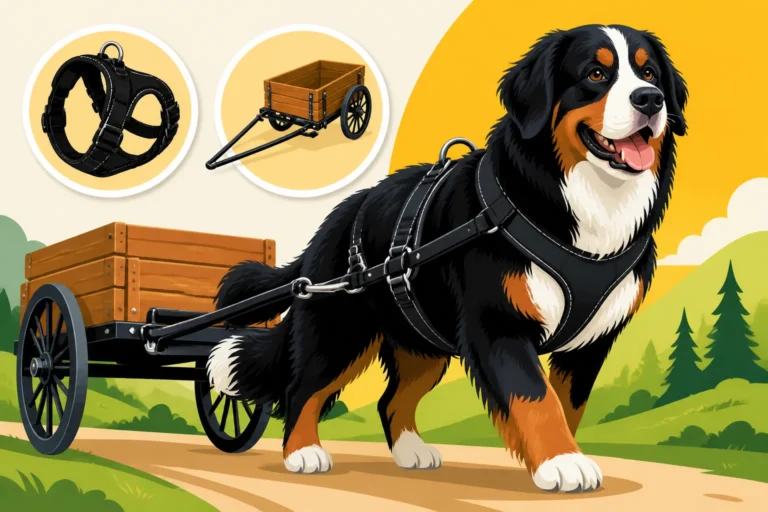
Historically, Bernese Mountain Dogs would have pulled sturdy wooden carts, often handcrafted for durability and a rustic look. These traditional carts still hold a lot of appeal today, especially for those who appreciate classic aesthetics or participate in events like historical reenactments or breed-specific parades.
Traditional Wooden Carts:
- Pros: Beautiful, classic look; often very sturdy and well-balanced when properly built; can be customized with intricate details. They often have a wonderful "presence" that many Berner owners adore.
- Cons: Can be heavier than modern alternatives, which might limit payload capacity or make it harder for a novice dog; susceptible to weather damage (rot, warping) if not properly maintained and stored; can be more expensive due to craftsmanship. Repairing a wooden cart might also require specialized skills.
- Best for: Showmanship, parades, light hauling, aesthetic preference.
Modern Metal (Aluminum/Steel) or Plastic Carts:
- Pros: Generally lighter weight (especially aluminum), which can be easier for younger or less experienced dogs; more resistant to weather and easier to clean; often more affordable and widely available; some designs are collapsible or modular for easier transport and storage. Steel offers exceptional durability, while aluminum provides a great strength-to-weight ratio.
- Cons: May lack the traditional charm of wood; can sometimes feel less "solid" depending on construction; plastic components might not be as durable for heavy, long-term use.
- Best for: Everyday utility, heavy hauling, training, ease of maintenance, budget-conscious owners. Many modern carts from brands that specialize in dog carting equipment are highly functional and robust.
Ultimately, the choice between traditional and modern often comes down to your primary use case and personal preference. If you plan to participate in draft tests, either type is typically acceptable, as long as it's safe and functional.
Key Features to Look For in a Bernese Mountain Dog Cart
Regardless of the material, several key features are absolutely critical when selecting a cart for a Bernese Mountain Dog. Skimping on these can compromise your dog's comfort, safety, and your enjoyment of the activity.
- Shaft Length and Adjustability: The shafts are the two "arms" that extend from the cart and attach to your dog's harness. They need to be long enough to prevent the cart from bumping into your dog's hind legs during turns or when going downhill, but not so long that the cart lags too far behind, making it hard to maneuver. Adjustable shafts are a huge bonus, especially if you have a young Berner still growing or if you plan to share the cart between dogs of slightly different sizes. The point where the shafts attach to the harness should ideally be at your dog's shoulder height to ensure the cart's weight is balanced correctly and doesn't put undue pressure on their spine or neck. An improperly sized shaft can lead to an awkward gait, discomfort, and even injury over time.
- Wheel Size and Type: The size and type of wheels largely depend on the terrain you'll be traversing.
- Small, hard wheels (like those on a garden cart) are fine for smooth, paved surfaces.
- Larger, pneumatic (air-filled) tires are far superior for uneven ground, gravel paths, grass, or light trails. They provide better shock absorption, making the ride more comfortable for your dog and the cart contents. They also navigate obstacles more easily.
- Consider quick-release wheels for easy storage or transport.
- Braking Systems: This is a safety feature often overlooked but incredibly important, especially if you'll be working on inclines or need to stop suddenly. A good cart will have some form of a braking system, whether it's a simple hand brake that applies pressure to the wheels or more sophisticated bicycle-style brakes. Even a basic parking brake is useful for securing the cart when your dog is unhitched or you're loading it. This is particularly crucial when dealing with a powerful dog like a Bernese Mountain Dog; you need to be able to control the cart even without your dog's direct input.
- Construction Materials and Durability: For a Bernese, look for robust construction. Joints should be securely fastened, wheels should be strong, and the overall frame should feel solid.
- Wood: Look for hardwoods, sealed or treated for weather resistance.
- Metal: Welds should be clean and strong. Aluminum is lighter, steel is typically heavier but incredibly tough. Powder-coating helps prevent rust.
- Floor/Bed: A sturdy floor made of wood, strong mesh, or composite material is essential to hold payload without bowing.
- Payload Capacity: How much do you intend for your Bernese to pull? A light load might be a bag of groceries or a small child, while a heavier load could be firewood or garden tools. The cart should be rated for a weight significantly higher than what you plan to haul, leaving a good safety margin. Remember, How Much Weight a Bernese Mountain Dog Should Pull depends on their age, fitness, and training, but generally, it's a fraction of their body weight, not their actual body weight.
| Feature | Traditional Wooden Carts | Modern Metal/Plastic Carts |
|---|---|---|
| Aesthetics | Classic, rustic, often handcrafted | Sleek, functional, sometimes industrial |
| Weight | Generally heavier | Often lighter (especially aluminum) |
| Durability | Very sturdy if well-built; requires weather protection | Rust/weather resistant; robust welds (metal); plastic varies |
| Maintenance | Needs sealing/painting; susceptible to warping/rot | Easy to clean; minimal weather maintenance |
| Portability | Can be bulky, less often collapsible | Often designed for easier transport/storage |
| Cost | Can be higher due to craftsmanship | Varies widely; often more budget-friendly |
| Best Use | Shows, parades, light loads, aesthetic appeal | Utility, heavier hauling, everyday training, versatility |
Sourcing and Customizing a Cart for Your Berner
Finding the perfect cart for your Bernese Mountain Dog can be an adventure in itself. It’s not like picking up a leash; this is a specialized piece of equipment. You’ll want to look beyond generic garden wagons and focus on sources that understand the needs of working dogs.
Where to Find Quality Bernese Mountain Dog Carts
The market for dog carts, while niche, has grown, and there are several avenues to explore:
- Specialty Dog Carting Suppliers: These are your go-to for purpose-built equipment. Companies that specialize in draft dog supplies will often have designs specifically tailored for large breeds like Bernese Mountain Dogs. They understand the nuances of shaft length, harness attachment points, and wheel durability needed for actual work. A quick online search for "dog carting supplies" or "draft dog equipment" will reveal several reputable vendors. These suppliers often offer a range of sizes and customization options.
- Custom Builders: If you have specific needs, an unusually sized Berner, or a unique vision, a custom builder might be the answer. Many experienced draft dog enthusiasts or woodworkers offer custom cart building services. This allows you to dictate materials, dimensions, and features precisely. While typically more expensive, a custom cart will be perfectly fitted for your dog and your purposes. Asking for referrals within Bernese Mountain Dog clubs or online communities can lead you to skilled artisans.
- Online Marketplaces and General Pet Retailers: While less likely for a full-sized, heavy-duty cart, you might find smaller, more basic carts or even components on sites like Chewy or Amazon. These are generally better for lighter-duty utility carts or accessories rather than serious draft work. Always scrutinize product descriptions and reviews carefully, paying close attention to weight ratings and stated dimensions. Remember that many "dog carts" are designed for smaller breeds or are more akin to pet strollers, so ensure it’s robust enough for a hundred-pound Berner.
- Used Equipment and Local Clubs: Check online classifieds, local dog club forums, or even Facebook groups dedicated to Bernese Mountain Dogs or carting. You might find a well-maintained used cart at a fraction of the cost of a new one. Attending regional draft dog events can also be a great way to see different carts in action and connect with owners who might be selling or know where to find used equipment. Always thoroughly inspect any used cart for structural integrity, rust, damage, and wear before purchasing. This can be a more affordable way to get started, but buyer beware – ensure you know what you're looking for. The overall What Draft Work Costs a Bernese Mountain Dog Owner can be considerable, so finding good used equipment helps.
Essential Accessories and Safety Gear
The cart itself is only part of the equation. You'll need other gear to ensure safety, comfort, and effective communication with your dog.
- Drafting Harness: This is arguably the most critical piece of equipment after the cart. A regular walking harness or collar is absolutely not suitable for pulling. A proper draft harness is designed to distribute the pulling weight evenly across your dog's chest and shoulders, avoiding pressure on their throat, spine, or trachea. It should be heavily padded, fit snugly without rubbing, and allow full range of motion. There are various styles, but a well-fitted "H-back" or "X-back" style harness is common for draft work. The material should be durable and weather-resistant. Spending extra on a high-quality, properly fitted harness is an investment in your dog's health and comfort. Fitting a Draft Harness to a Bernese Mountain Dog correctly is crucial for preventing injury and maximizing their pulling efficiency.
- Shaft Connectors: These are the clips or buckles that connect the cart's shafts to the rings on the draft harness. They need to be strong, secure, and easy to detach in an emergency. Quick-release snaps are often preferred for safety.
- Padding and Blankets: If you're hauling passengers (like children, supervised, of course) or fragile items, consider adding comfortable padding to the cart. For your Berner, ensuring the harness itself is well-padded is key.
- Reflective Gear and Lights: Especially if you plan to cart in low light conditions or near roads, reflective tape on the cart and harness, or even battery-operated lights, are essential for visibility.
- Bells or Jingles: These are traditional and functional. Bells attached to the harness or cart can alert people and other animals to your approach, and they add a charming touch to the experience.
- Poop Bags/Scooper: Let’s be realistic – a big dog means big poops! Always be prepared to clean up after your Berner, especially in public spaces.
Customization and DIY Options
Sometimes, what you find off the shelf isn't quite right, or you might be a DIY enthusiast looking for a project.
- When Customization is Necessary:
- Unusual Dog Size: While Berners are large, some might be on the smaller or larger end of the spectrum, or have unique body proportions that make off-the-shelf harnesses or carts ill-fitting.
- Specific Hauling Needs: If you need to haul something very specific – say, an unusually shaped item, or require a particular weight distribution for stability on very steep terrain – a custom design can address these needs precisely.
- Mobility Challenges: For an older Berner with some mobility issues, a modified cart with features like easy-entry ramps or specialized supports might be beneficial, allowing them to still participate in a modified form of draft work or be comfortably transported.
- Basic Modifications: Even if you buy a ready-made cart, you might consider minor modifications:
- Adding Storage: Small toolboxes, mesh pockets, or cargo nets can be added to the cart for carrying essentials like water, treats, first-aid kits, or extra layers.
- Personalization: Painting, stenciling, or adding decorative elements can make the cart uniquely yours and your Berner's. Just ensure any paint or sealant is non-toxic.
- Upgrading Wheels: Swapping out basic plastic wheels for higher-quality pneumatic tires can drastically improve performance and comfort, especially if you're venturing off paved paths.
- DIY Considerations: Building a cart from scratch is a rewarding project for those with woodworking or metalworking skills. However, prioritize safety above all else.
- Research: Study existing cart designs to understand load bearing, balance, and attachment points.
- Materials: Use strong, durable, weather-resistant materials. Plywood, treated lumber, or sturdy metal tubing are common choices.
- Hardware: Don't skimp on bolts, screws, and wheels. They need to withstand significant force and wear.
- Safety First: Ensure no sharp edges, pinch points, or unstable components. All connections should be incredibly secure. If you're using wood, seal it with a pet-safe finish.
If you’re considering building a cart or making significant modifications, joining a local Bernese Mountain Dog club or a draft dog association can provide invaluable advice, blueprints, and hands-on workshops. They often have experienced members happy to mentor newcomers.
Preparing Your Bernese Mountain Dog for Cart Work
Acquiring the perfect cart is just the beginning. The real journey starts with preparing your magnificent Bernese Mountain Dog to become a confident and capable draft dog. This process requires patience, consistency, and a deep understanding of positive reinforcement. Rushing can undo weeks of progress and create a fearful dog.
Gradual Introduction to the Harness and Cart
Imagine being asked to pull a strange contraption behind you – it would be a bit unsettling, right? Your Bernese feels the same way. The key is a slow, step-by-step introduction, associating each stage with positive experiences.
- Harness Acclimation: Start with just the draft harness. Let your Berner wear it around the house for short periods, associating it with treats, praise, and favorite activities. Ensure it fits perfectly – no rubbing, pinching, or restricted movement. A properly fitted harness, like those you might find recommendations for on Chewy or at specialty stores, is crucial. This initial phase might take a few days or even a week until the harness feels completely normal.
- Introducing the "Drag": Once your dog is comfortable in the harness, attach a very light object (like an empty plastic bottle or a short length of chain) to the harness. Let them drag it around in a safe, enclosed area. The goal is to get them used to the sensation of something trailing behind them and making noise. Keep it fun and rewarding with lots of "good dog!" and tasty treats.
- Shaft Acclimation: Now, introduce the shafts without the cart. Attach the shafts to the harness. Again, let your dog walk around in a controlled environment, getting used to the feeling of the shafts at their sides. They might look a bit confused at first, or try to turn their head to see what's there. Keep sessions short and positive. This stage is crucial for Introducing a Bernese Mountain Dog to Shafts and Noise. You want them to be completely relaxed with the shafts before adding the full cart.
- Connecting to the Cart (Empty): Finally, connect the shafts to the empty cart. For the very first time, just let them stand hitched to it, with no pressure to move, showering them with praise and high-value treats (like those from Ollie, perhaps, for their excellent nutritional value and palatability). Then, take a few very short, slow steps, making it the easiest, most positive experience possible. Practice turning and stopping gently. The goal is for them to understand that the cart is just an extension of them, not a scary monster. Always keep safety in mind, and never leave your dog unattended while hitched to the cart.
Building Strength and Stamina Safely
Drafting is physical work, and your Bernese needs to be physically conditioned to do it safely and without injury. Just like any athlete, they can’t go from zero to marathon overnight.
- Start Small, Stay Flat: Begin with extremely light loads – often just the empty cart – on flat, even terrain. Short, frequent sessions (5-10 minutes) are far better than one long, exhausting one. Gradually increase the duration of your sessions, and then slowly introduce very light weight.
- Gradual Weight Increase: Never add too much weight too quickly. A good rule of thumb is to start with an empty cart, then perhaps a few pounds, slowly building up. The generally accepted maximum weight for a healthy, conditioned Bernese is around 3 times their body weight on wheels, but for competitive events, it's typically much less. For practical purposes like hauling groceries, keep it well within their comfortable range. Remember How Much Weight a Bernese Mountain Dog Should Pull is about sustainability and enjoyment, not maximum effort.
- Focus on Core Strength and Endurance: Beyond just pulling, focus on exercises that build overall fitness. Regular walks on varied terrain (once they are old enough and cleared by a vet), gentle swimming, or even canine physiotherapy can help. Good nutrition, such as a high-quality diet, is also paramount for muscle development and energy, something companies like Ollie focus on.
- Monitor for Fatigue and Discomfort: Always watch for signs of fatigue (excessive panting, lagging, reluctance to continue) or discomfort (lameness, stiffness, changes in gait). If you notice anything concerning, stop immediately and assess the situation. This is where having pet insurance like Healthy Paws, which covers accidents and illnesses, can give you peace of mind, knowing you can address any potential issues swiftly without financial strain. Whether Pulling a Cart Hurts a Bernese Mountain Dog's Joints is a valid concern, and proper conditioning and veterinary oversight minimize risks.
- Hydration: Always carry water for both you and your dog, especially during longer sessions or warmer weather.
- Warm-Up and Cool-Down: Just like human athletes, a brief warm-up (a brisk walk) before hooking up and a gentle cool-down afterward can help prevent muscle strains. Building a Bernese Mountain Dog's Fitness for Draft Work is a slow and steady process, often taking months, not weeks.
Training for Commands and Control
Effective communication is the cornerstone of safe and enjoyable carting. Your Berner needs to understand specific commands clearly and consistently.
- Core Commands:
- "Whoa": This is the single most important command – a rock-solid stop. Practice this extensively without the cart, then with the empty cart, then with increasing loads. It must mean "stop RIGHT NOW and stand still."
- "Gee": Turn right.
- "Haw": Turn left.
- "Easy" or "Steady": Slow down, maintain a steady pace.
- "Hup" or "Forward": Go forward.
- "Back" or "Backup": Move backward. Teaching a Bernese Mountain Dog to Back a Cart Up can be particularly challenging but is invaluable for maneuvering.
- Positive Reinforcement is Key: Use high-value treats, enthusiastic praise, and toys to reward correct responses. Berners are sensitive and thrive on positive interactions. Never use punishment or harsh corrections, especially when they are hitched to the cart, as this can create fear and resentment.
- Practice in Varied Environments: Start practicing commands in a quiet, distraction-free area. As your dog becomes more proficient, gradually introduce more challenging environments with varying sights, sounds, and scents. This prepares them for real-world scenarios, such as What a Draft Test Asks of a Bernese Mountain Dog.
- Long-Line Training: Before hitching to a cart, you can practice directional commands ("Gee," "Haw") and "Whoa" with a long line attached to their harness, guiding them from a distance. This builds a foundation for off-leash control when carting.
- Simulated Obstacles: Once proficient, introduce simple obstacles to navigate, like cones, doorways, or narrow paths. This helps them learn to maneuver the cart effectively. Teaching a Bernese Mountain Dog to Turn in Harness involves not just the dog moving, but also understanding the cart's swing.
- Consistency: Everyone who handles the dog and cart must use the same commands and signals consistently. Inconsistency will confuse your Berner and slow down progress.
Remember, carting should always be a fun, bonding experience for you and your Bernese Mountain Dog. Celebrate every small success, be patient with setbacks, and prioritize their well-being above all else. With the right cart, careful training, and plenty of love, your Berner can truly embody their heritage as a magnificent working dog.
Disclaimer
This article is for general informational purposes only and does not constitute professional advice. Laws, prices and regulations vary by location and change over time. Consult a qualified professional for guidance on your specific situation.