Joint Supplements in a Bernese Mountain Dog’s Bowl
If you're a Bernese Mountain Dog owner, you've likely already heard the whispers, or perhaps experienced the reality, of their predisposition to joint issues. It's a heavy burden, quite literally, that these magnificent dogs carry, and the thought of them experiencing discomfort is heartbreaking. This guide is here to walk you through the complex world of joint supplements, helping you understand what they are, why they might be necessary for your beloved Berner, and how to make informed choices to support their mobility and quality of life.
The Inevitable Reality: Why Bernese Mountain Dogs Face Joint Challenges
It's tough to admit, but the very traits that make us fall in love with Bernese Mountain Dogs – their majestic size, sturdy build, and gentle giant demeanor – are also the root cause of many of their health vulnerabilities, especially concerning their joints. It feels unfair, doesn't it, that such a sweet soul has to contend with these structural predispositions? But understanding these challenges is the first step in providing them the best care.
Understanding Their Unique Physiology and Growth
Bernese Mountain Dogs grow at an astonishing rate. A tiny, fluffy puppy quickly blossoms into a hundred-pound-plus adult, sometimes reaching their full height within a year and continuing to fill out for another year or two. This rapid growth spurt puts immense stress on their developing bones, cartilage, and soft tissues. Their skeletal system is literally trying to keep pace with their increasing mass, and sometimes it just can't quite get there without a few bumps in the road. It's not like smaller breeds that take longer to reach maturity; for a Berner, it’s a sprint, and that fast growth can lead to problems down the line. It's why experts are so particular about what you feed a Bernese Mountain Dog puppy to a Hundred Pounds, emphasizing controlled calcium and calorie intake to prevent unnaturally fast growth.
Beyond their rapid development, the sheer weight Every Pound a Bernese Mountain Dog's Hips Carry is a constant factor. Imagine carrying an extra person on your back all day, every day – that's essentially the load a Bernese Mountain Dog's joints are under. Their large frame is designed for strength and pulling power, but the cartilage and ligaments in their hips, elbows, and shoulders bear the brunt of this impressive stature over their relatively short lifespans. This makes them inherently more susceptible to wear and tear than many other breeds, even those that are also considered large or giant.
The Common Joint Conditions That Plague Berners
When we talk about joint issues in Berners, we're not just talking about vague aches and pains. We're talking about specific, often debilitating conditions that are sadly prevalent within the breed. Hip and elbow dysplasia are probably the most well-known, and for good reason. Joint Disease in a Hundred Pound Bernese Mountain Dog is a cruel reality for many, where the joints don't form correctly, leading to instability, pain, and eventually, arthritis. It's a condition often passed down genetically, which is why reputable breeders go to such lengths with OFA clearances and genetic testing.
Then there's the creeping shadow of arthritis, which often manifests surprisingly early in Berners. Many owners report Arthritis in a Bernese Mountain Dog by Six, which feels incredibly young for a dog to be developing such a chronic condition. This is often a secondary complication of dysplasia or other structural issues, as the abnormal movement in the joint leads to inflammation and the breakdown of cartilage. You might also hear about osteochondritis dissecans (OCD), particularly affecting shoulders, or other types of The Front-End Lameness a Bernese Mountain Dog Develops. These conditions can profoundly impact a Berner's mobility, making simple joys like running in the yard or climbing stairs a painful ordeal. Seeing your once-vigorous dog struggle can be one of the hardest parts of owning a Berner.
Deciphering Joint Supplements: What Are We Even Talking About?
When your vet first mentions joint supplements, or you start researching them online, it can feel like stepping into a whole new language. There are so many ingredients, so many claims, and a dizzying array of products. It’s enough to make your head spin, especially when all you want is to help your dog feel better. Let's break down the common components and forms you're likely to encounter.
The Key Ingredients and Their Purported Roles
At the heart of most joint supplements are a few star ingredients, each with a specific job in mind. Glucosamine is probably the most recognized. It’s an amino sugar naturally found in healthy cartilage and is believed to help in the repair and formation of cartilage. Think of it as a building block. When a Bernese Mountain Dog's joints are under constant stress, their body might not produce enough to keep up, and supplementing it aims to provide that extra support. Many wonder Whether Glucosamine Helps a Bernese Mountain Dog, and while not a cure-all, many owners and vets report positive results in maintaining joint comfort and function.
Chondroitin sulfate often goes hand-in-hand with glucosamine. It's a complex carbohydrate that helps cartilage retain water, which is crucial for its elasticity and shock-absorbing properties. It’s like the moisturizer for your joint cartilage, keeping it plump and resilient. Beyond these two, you’ll frequently see MSM (Methylsulfonylmethane), a natural sulfur compound. MSM is often included for its anti-inflammatory and pain-reducing properties, offering relief from the discomfort that often accompanies joint issues. Omega-3 fatty acids, particularly EPA and DHA found in fish oil, are also powerful natural anti-inflammatories that can significantly reduce joint pain and stiffness, especially in arthritic dogs.
Some newer or less common ingredients might also pop up. Hyaluronic Acid (HA) is a major component of synovial fluid, the lubricant in your dog's joints. Supplementing HA can improve joint lubrication and shock absorption. Green-lipped mussel, a natural source of glucosamine, chondroitin, and omega-3s, is another popular ingredient due to its comprehensive anti-inflammatory and joint-supportive profile. Finally, antioxidants like Vitamin C and E, or even turmeric, are sometimes added to combat oxidative stress and inflammation within the joint, helping to protect cells from damage. The goal of all these ingredients is to either provide the raw materials for cartilage repair, reduce inflammation, or improve joint lubrication, working together to slow the progression of conditions like Arthritis in a Bernese Mountain Dog by Six.
The Different Forms of Supplements Available
Just like with our own supplements, dog joint supplements come in a variety of forms, and finding the right one can sometimes be a matter of trial and error, depending on your Berner's preferences. The most common forms are tablets or chewable treats. Tablets are often palatable, sometimes flavored, and can be given directly or hidden in food. Chewable treats are, for many Berners, the easiest option – they think they're getting a delicious snack, not a health supplement! You can find a vast array of these on platforms like Chewy or Amazon, making it convenient to compare options.
Another popular choice, especially for giant breeds that might need larger doses, are liquid supplements. These can be easily mixed into your dog’s food or water. The benefit here is often quicker absorption and easier customization of dosage, though some dogs might object to the taste or texture. Powders are also available and can be sprinkled over food. This is often a good option for picky eaters, as the powder can be mixed thoroughly into wet food, or even a dollop of yogurt or peanut butter. Some premium dog food brands also incorporate joint-supportive ingredients directly into their formulas. For example, some fresh dog food providers, like Ollie, might offer specific recipes or add-ons designed with joint health in mind, potentially reducing the need for separate supplementation, but it's important to check the actual concentrations of active ingredients.
It's worth noting that consistency is absolutely key, regardless of the form you choose. A Berner that weighs over a hundred pounds requires a significant daily dose of these ingredients, and missing days or not getting the full amount means the supplement simply won't be as effective. Sometimes it feels like you're playing detective trying to figure out which method works best, especially if your Berner is particularly adept at finding and spitting out pills!
| Ingredient | Primary Role | Common Benefits |
|---|---|---|
| Glucosamine HCl | Cartilage building block, repair | Supports cartilage health, reduces breakdown |
| Chondroitin Sulfate | Cartilage elasticity, water retention | Improves shock absorption, prevents drying |
| MSM | Anti-inflammatory, pain relief | Reduces joint pain, swelling, and stiffness |
| Omega-3 Fatty Acids | Anti-inflammatory (EPA/DHA) | Decreases inflammation, improves mobility |
| Hyaluronic Acid | Joint lubrication, shock absorption | Enhances synovial fluid quality |
| Green-Lipped Mussel | Comprehensive joint support, anti-inflammatory | Natural source of many key ingredients, holistic |
When to Start and How to Choose: Navigating the Supplement Aisle
This is where many Berner owners find themselves scratching their heads. Is it too early? Is it too late? With a breed so prone to joint issues, the timing and selection of supplements can feel like a high-stakes decision. You want to do what’s best, but the sheer volume of information can be overwhelming.
The Ideal Age to Begin Proactive Joint Support
Given the predisposition of Bernese Mountain Dogs to joint problems, many veterinarians and breeders advocate for a proactive approach rather than waiting for symptoms to appear. This often means Starting a Bernese Mountain Dog on Joint Medication Young. While there isn't a universally agreed-upon "magic age," many experts suggest starting joint supplements once a Berner puppy reaches about 6-12 months of age, or around the time they begin to slow their rapid growth. At this point, their skeletal system is still developing, but they are also starting to put significant weight on those developing joints.
The logic behind early supplementation is to provide the building blocks and anti-inflammatory support before significant wear and tear or damage occurs. Think of it as laying down a really good foundation for a house you know will bear a lot of weight. It's about giving their body every advantage to develop and maintain healthy joint structures. Waiting until you see obvious signs of lameness or discomfort, such as a subtle limp or difficulty getting up, often means that some degree of irreversible damage has already occurred. While supplements can still help at that point, they are then working to manage a condition rather than prevent or significantly delay its onset. This early intervention is especially crucial for a breed with such a predictable trajectory of joint health.
Factors to Consider When Selecting a Supplement
Choosing the right supplement for your Bernese Mountain Dog involves more than just picking the first one you see. You're investing in your dog's future comfort, so a little research goes a long way. First and foremost, always consult with your veterinarian. They know your dog's specific health history, breed risks, and can recommend products with proven efficacy. They can also advise on appropriate dosages for your Berner’s size and age.
When looking at labels, concentration matters. A giant breed like a Bernese Mountain Dog will need a much higher dose of active ingredients like glucosamine and chondroitin than a smaller dog. Look for products that clearly state the amount of active ingredients per dose, not just the total weight of the tablet. Quality and purity are also paramount. The supplement market for pets isn't as tightly regulated as human pharmaceuticals, so choosing reputable brands that conduct third-party testing for purity and potency is essential. You might find higher quality or specialized formulations from brands focused on pet health, often available through your vet or trusted online retailers like Chewy. Don't be afraid to ask a manufacturer for their testing information if it's not readily available.
Finally, consider the form that will work best for your dog. If your Berner is a notoriously picky eater, a tasty chewable might be better than a liquid they refuse to touch. If they're prone to stomach upset, a powder mixed into a small amount of familiar food might be easier to tolerate. Some owners report that brands like Nutramax's Dasuquin or Cosequin are popular choices, though many excellent options exist on the market. Remember, the "best" supplement is the one your dog will actually take consistently, at the correct dosage, and that provides the intended support for their joints. It’s also important to manage expectations about Whether Any Supplement Slows a Bernese Mountain Dog's Joints – they are aids, not magic bullets.
Integrating Supplements into Daily Life: Practical Tips and Considerations
So, you've chosen a supplement, now what? Getting a large, sometimes stubborn, Bernese Mountain Dog to consistently take their medication or supplements can be its own special challenge. It's not always as simple as dropping a pill in their bowl, and we've all been there, watching them carefully eat around it! This section will help you navigate the daily routine of supplementation and remind you that joint health is a multi-faceted approach.
Dosage, Administration, and Palatability Challenges
The first rule of dosage for a Bernese Mountain Dog is: it's probably more than you think. Given their substantial body weight, they require higher concentrations of active ingredients than smaller breeds. Always follow your vet's specific recommendations, as they might suggest an initial "loading dose" for a few weeks to build up the levels in your dog's system, followed by a maintenance dose. Under-dosing is a common mistake, leading to disappointment because the supplement isn't having the desired effect. Conversely, while most joint supplement ingredients have a wide margin of safety, over-dosing can sometimes lead to mild stomach upset.
Getting your Berner to actually take the supplement is the next hurdle. If it's a chewable, you might be lucky – many Berners gobble them down like treats. But if your dog is more discerning, or if you're using a tablet, you might need to get creative. Hiding it in a small piece of cheese, a dollop of peanut butter (check for xylitol!), or wrapped in a bit of wet food can often do the trick. For liquid or powder supplements, mixing them thoroughly into a favorite meal usually works best. The key is to make the experience positive and seamless, so your Berner doesn't associate supplement time with a struggle. Establishing a routine, perhaps giving it with a morning meal, helps ensure consistency.
Beyond the Pill: A Holistic Approach to Joint Health
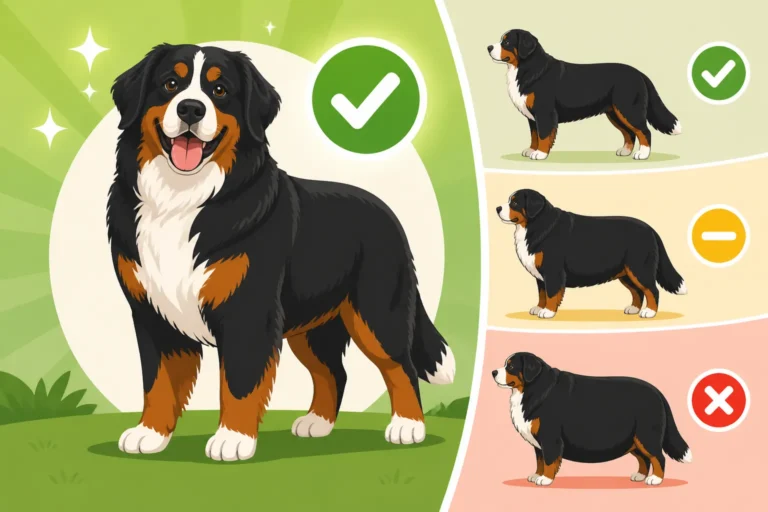
While joint supplements are a valuable tool, they are just one piece of the puzzle when it comes to supporting your Bernese Mountain Dog's joint health. A holistic approach encompasses several other critical factors. Weight management, for example, is paramount. Every extra pound on a Berner means more stress on already vulnerable joints. Keeping your Berner at a healthy, lean weight can significantly reduce the load on their hips, elbows, and knees, directly impacting the progression of conditions like Hips That Fail Under a Bernese Mountain Dog's Weight. Regular, moderate exercise is also crucial – think consistent, gentle walks rather than high-impact running or jumping that could exacerbate existing issues. Activities like swimming or Hydrotherapy for an Arthritic Bernese Mountain Dog can be excellent low-impact options.
Environmental modifications at home can also make a huge difference. Providing orthopedic beds, especially for an older or arthritic Berner, offers critical support. Bedding for an Arthritic Bernese Mountain Dog can help reduce pressure on joints and improve overall comfort. Ensuring good traction on slippery floors with rugs or runners can prevent slips and falls that could injure compromised joints. Ramps for cars or stairs can also protect their joints from unnecessary strain, especially as they age and may be experiencing The Bernese Mountain Dog Whose Back Legs Give Out. Combine these practical steps with regular veterinary check-ups to monitor joint health, and you create a comprehensive support system for your loyal companion.
Managing Expectations: What Joint Supplements Can (and Cannot) Do
It’s easy to want a miracle cure for our beloved Berners, especially when we see them slowing down or struggling. Joint supplements are powerful tools, but it's vital to have a realistic understanding of their capabilities. They are not a magic wand, and being honest with yourself about what they can achieve will prevent disappointment and ensure you're providing the most effective care possible.
Realistic Outcomes and When to Consult Your Vet
Let's be clear: joint supplements are not going to cure hip or elbow dysplasia, nor will they reverse severe arthritis. These are structural or degenerative conditions. What supplements can do, however, is often profoundly improve your Bernese Mountain Dog's quality of life by supporting cartilage health, reducing inflammation, and alleviating discomfort. Many owners report seeing their Berners move more freely, be more willing to play, or get up and down with greater ease after consistent supplementation. For a breed like the Berner, where joint issues are so common, this can mean the difference between an early decline in activity and several more years of comfortable mobility.
The effects of supplements are rarely immediate. It can take several weeks, sometimes even 2-3 months, of consistent daily use before you start noticing a significant difference. Their action is cumulative, building up in the body over time. It's not like an acute pain medication that works within hours. If, after a reasonable trial period, you're not seeing any improvement, or if your Berner's symptoms worsen, it's absolutely critical to consult your veterinarian immediately. They can help you reassess the situation, rule out other conditions, or suggest stronger interventions, such as prescription anti-inflammatory medications, Pain Medication Costs for an Arthritic Bernese Mountain Dog, or even surgical options if appropriate. Joint supplements are part of a management plan, not a substitute for professional veterinary care.
Potential Side Effects and Interactions
Fortunately, most high-quality joint supplements are generally very safe for Bernese Mountain Dogs, with few significant side effects when given at appropriate doses. The most commonly reported side effects are mild gastrointestinal upsets, such as soft stools, diarrhea, or a mild stomach ache. This is often temporary as your dog's system adjusts to the new supplement, or it can sometimes be mitigated by giving the supplement with food. If these symptoms persist or are severe, discontinue use and contact your vet.
It's also important to be aware of potential interactions, especially if your Bernese Mountain Dog is already on other medications or has underlying health conditions. For example, some ingredients, particularly omega-3 fatty acids at very high doses, could theoretically affect blood clotting, which might be a concern if your Berner has The Clotting Fault Bernese Mountain Dogs Carry or is facing surgery. If your dog is diabetic, some ingredients might have a minor impact on blood sugar levels, though this is generally not a significant concern with standard doses. Always inform your veterinarian about all supplements and medications your Berner is taking. This allows them to monitor for any adverse reactions or interactions and ensure that the supplement regimen is truly beneficial and safe for your unique companion.
Disclaimer
This article is for general informational purposes only and does not constitute professional advice. Laws, prices and regulations vary by location and change over time. Consult a qualified professional for guidance on your specific situation.