Shampoo for a Bernese Mountain Dog’s Double Coat
Bathing a Bernese Mountain Dog can feel less like a gentle wash and more like wrestling a giant, fluffy bear in a bathtub – especially when you're trying to figure out which shampoo will actually work for that magnificent, dense double coat. Owners often struggle with finding a product that cleans effectively without stripping natural oils, tackles shedding, or irritates sensitive skin, all while being easy enough to rinse out of what feels like an endless expanse of fur. This guide will walk you through everything you need to know about selecting and using the best shampoo for your Bernese Mountain Dog's unique coat, ensuring they stay clean, comfortable, and beautiful.
The Unique Challenges of a Bernese Mountain Dog's Double Coat
Before we even talk about shampoo, it's crucial to appreciate what you're up against with a Bernese Mountain Dog's coat. It’s not just "long hair"; it’s a highly specialized, insulated system designed to keep them warm in the frigid Swiss Alps. This incredible natural engineering means it requires a specific approach to bathing and grooming that differs significantly from many other breeds.
Understanding the Layers: Outer Coat and Undercoat
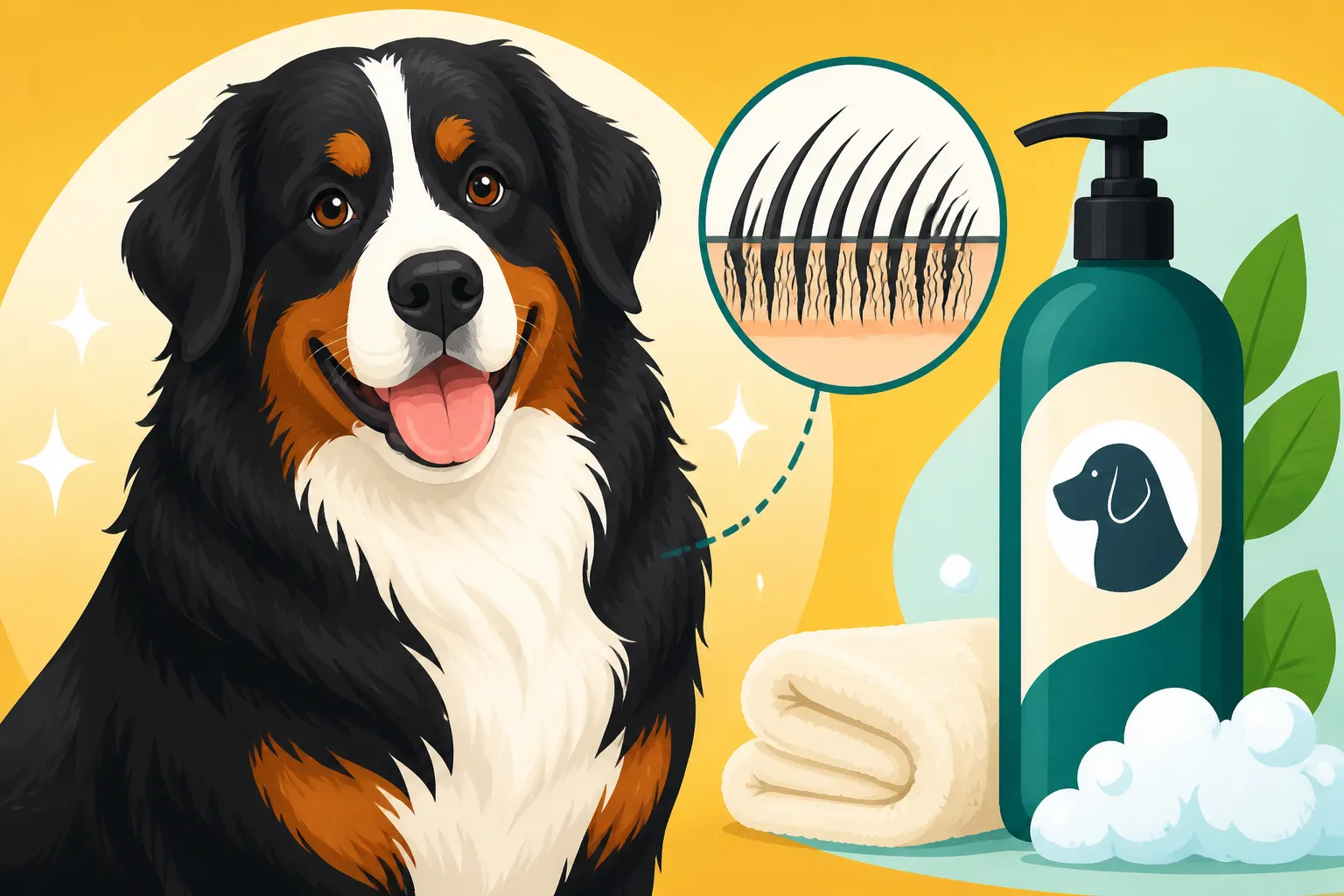
Your Bernese Mountain Dog isn't just sporting one layer of fur, but two distinct ones, each with its own purpose and texture. The outer coat, often called the guard coat, is longer, coarser, and naturally water-repellent. These hairs protect your Berner from external elements like rain, snow, and dirt, and give them their distinctive appearance. When you run your hand over their back, these are the hairs you feel first – sleek and somewhat stiff.
Beneath this protective outer layer lies the undercoat. This is the real secret to their insulation, a dense, soft, woolly layer that acts like a thermal blanket. It’s significantly shorter and much finer than the guard hairs, and it’s what keeps them warm in the winter and cool in the summer by trapping air. This undercoat is also responsible for the incredible amount of fluff that appears around your house, especially during seasonal shedding times, when it "blows" out in massive quantities. Properly caring for both these layers is essential, as neglect of one can impact the health and function of the other.
Why the Double Coat Demands Specific Care
The double coat isn't just pretty; it's functional. Because of its density and structure, it can easily trap dirt, debris, allergens, and moisture if not cleaned and dried properly. Imagine hiking with your Berner, and they roll in something delightful. That "delight" doesn't just sit on the surface; it can work its way deep into the undercoat. If moisture gets trapped there after a bath and isn't thoroughly dried, it creates a perfect breeding ground for bacteria and yeast, leading to skin irritations, hot spots, and unpleasant odors. Why a Damp Bernese Mountain Dog Develops Sores is a real concern for this very reason.
Furthermore, the sheer volume of hair means that rinsing out shampoo can be a monumental task. Residue left behind can lead to flaky skin, dull fur, and matting. Bathing a Bernese Mountain Dog That Fills a Tub is a good read if you've ever felt like you needed a firehose to get the job done. This unique coat structure also means that "one-size-fits-all" shampoos often fall short, either failing to clean deeply enough or being too harsh, stripping essential oils that keep the coat healthy and protected. Choosing the right product, therefore, isn't just about making them smell nice; it's about maintaining their overall skin and coat health.
Choosing the Right Shampoo for Your Berner
Navigating the vast array of dog shampoos can feel overwhelming, especially when you're trying to find one suitable for a Bernese Mountain Dog's double coat. It's not just about the scent; it's about the ingredients, the pH balance, and whether it addresses specific needs without causing irritation.
Decoding Shampoo Labels: Ingredients to Look For and Avoid
When you pick up a bottle of dog shampoo, it's easy to get lost in the marketing jargon. For your Bernese Mountain Dog, you're primarily looking for gentle, effective cleansing that respects their skin's natural balance. Look for shampoos that are pH-balanced for dogs (typically around 6.5-7.5), as human shampoos are too acidic and can disrupt their skin barrier.
Ingredients to Look For:
- Natural Moisturizers: Ingredients like oatmeal, aloe vera, shea butter, coconut oil, or Vitamin E are fantastic for hydrating the skin and coat. These can be particularly soothing if your Berner has Itching Under a Bernese Mountain Dog's Thick Coat or general dryness.
- Mild Surfactants: These are the cleansing agents. Look for naturally derived ones like coco-betaine or decyl glucoside. They provide good lather without being overly harsh.
- Essential Oils (in moderation): Lavender, chamomile, or cedarwood can offer natural antiseptic properties and pleasant scents, but they should be used sparingly and always diluted. Always ensure they are dog-safe.
- Antioxidants: Ingredients like Vitamin C or green tea extract can help protect skin cells.
Ingredients to Avoid:
- Sulfates (SLS, SLES): These are harsh detergents that create a lot of lather but can strip natural oils, leading to dry skin and irritation.
- Parabens: Used as preservatives, parabens can sometimes be linked to skin sensitivities. Opt for paraben-free formulas if possible.
- Phthalates: Often found in synthetic fragrances, these are best avoided due to potential health concerns.
- Artificial Dyes and Fragrances: These are common irritants for sensitive skin. Choose naturally scented or fragrance-free options.
- Alcohol: Can be drying to the skin and coat.
Reading labels can be daunting, but sites like Chewy or Amazon often provide detailed ingredient lists and customer reviews, which can be invaluable when making a selection.
Specialized Shampoos for Specific Needs
Not all Berners are created equal, and their coat care needs might vary depending on their skin type, shedding cycle, or any underlying health conditions. This is where specialized shampoos come in handy.
- Deshedding Shampoos: If you're living through a "Berner bomb" of hair, a deshedding shampoo can be a lifesaver. These formulas typically contain ingredients designed to loosen the undercoat, making it easier to brush out during and after the bath. Brands often pair these shampoos with a conditioner for optimal results. While they won't stop shedding entirely, they can significantly reduce the amount of loose hair flying around, especially during peak Spring, When a Bernese Mountain Dog's Undercoat Lets Go periods.
- Hypoallergenic/Sensitive Skin Shampoos: For Berners prone to Skin and Ear Problems in a Bernese Mountain Dog, allergies, or general sensitivities, a hypoallergenic or sensitive skin shampoo is crucial. These are typically fragrance-free, dye-free, and contain soothing ingredients like oatmeal, aloe vera, or hydrolyzed proteins. Always patch test a new shampoo on a small area of skin if your dog is particularly sensitive.
- Deodorizing Shampoos: Berners can sometimes develop a "doggy odor," especially if they spend a lot of time outdoors or have certain skin conditions. Deodorizing shampoos are formulated with ingredients that neutralize odors rather than just masking them. Baking soda, activated charcoal, or certain enzymes are often found in these products.
- Brightening Shampoos: While not strictly necessary for health, some owners like to use brightening shampoos to enhance the crisp white markings on their Berner's coat. These typically contain optical brighteners or natural whiteners like coconut oil or blue tints (which counteract yellowing). Use these with caution, as some can be harsh if not formulated for dogs.
- Conditioners: Don't forget conditioner! It's especially important for a double-coated breed like the Bernese Mountain Dog. Conditioner helps to detangle, smooth the coat, reduce static, and provide an extra layer of moisture, making brushing easier and preventing mats. It seals the hair cuticle, protecting it and leaving the coat soft and shiny.
- Medicated Shampoos: If your Berner is dealing with a specific skin issue like fungal infections, bacterial dermatitis, or severe dandruff, your vet might prescribe a medicated shampoo. These contain active ingredients like chlorhexidine, miconazole, or selenium sulfide. Always use medicated shampoos exactly as directed by your veterinarian.
Choosing the right shampoo for your Bernese Mountain Dog can make a huge difference in their comfort and the manageability of their coat. Remember, what works for one dog might not work for another, so be prepared to try a couple of options to find the perfect match.
Here's a quick comparison of common shampoo types:
| Shampoo Type | Primary Benefit | Best For | Key Ingredients (Common) | Considerations |
|---|---|---|---|---|
| Deshedding | Loosens undercoat, reduces shedding | Seasonal shedding, thick coats | Omega fatty acids, oatmeal, moisturizers | Best used with a deshedding conditioner and good brushing |
| Hypoallergenic | Gentle cleansing, reduces irritation | Sensitive skin, allergies, dry skin | Oatmeal, aloe vera, fragrance/dye-free | Always patch test; consult vet for severe allergies |
| Deodorizing | Neutralizes unpleasant odors | "Doggy odor," outdoor dogs, oily coats | Baking soda, charcoal, enzymes | Addresses smell, but root cause of odor might need attention |
| Moisturizing | Hydrates skin and coat, prevents dryness | Dry, flaky skin; dull coats; hot climates | Coconut oil, shea butter, Vitamin E, glycerine | Important for overall coat health, especially after bathing |
| Puppy Shampoo | Extra mild, tearless formula | Young puppies with delicate skin/eyes | Chamomile, mild surfactants, tearless agents | Use only until adult coat develops |
| Medicated | Treats specific skin conditions | Fungal infections, bacterial dermatitis, severe itching | Chlorhexidine, miconazole, salicylic acid | Vet prescription often required; follow directions carefully |
Best Practices for Bathing and Rinsing Your Bernese Mountain Dog
Bathing a large dog like a Bernese Mountain Dog is an event, not just a quick scrub. Doing it correctly is paramount to ensure their coat is truly clean, their skin is healthy, and you aren't leaving behind any residue that could cause problems down the line. It's a workout, but a necessary one!
Pre-Bath Prep and Application Techniques
Before you even turn on the water, some preparation will save you a lot of grief. First, give your Berner a thorough brush out. This is absolutely non-negotiable for a double-coated breed. Use a slicker brush and then a good undercoat rake to remove as much loose hair, dirt, and any minor mats as possible. Water can tighten mats, making them nearly impossible to remove post-bath without cutting. This initial brush also helps the shampoo penetrate better and makes rinsing much easier. Which Brush a Bernese Mountain Dog's Coat Needs provides excellent guidance on tools.
Next, gather all your supplies: shampoo, conditioner, plenty of towels, a large cup or pitcher for rinsing, and maybe some cotton balls for their ears to prevent water from getting in. You might also want a non-slip mat in the tub or shower area.
When it comes to application, technique matters for a Berner. Start by thoroughly wetting their coat, all the way down to the skin. This can take a surprisingly long time with a dense double coat. Don't be shy with the water pressure (within reason, of course, no blasting them!) and ensure every inch is soaked.
Once wet, apply the shampoo. I find it easiest to dilute the shampoo slightly with water in a separate container first. This helps it spread more evenly and makes it easier to work through the thick fur. Apply the diluted shampoo in sections, starting from the neck and working your way down to the tail and legs. Gently massage the shampoo deeply into the coat, ensuring it reaches the skin. Don't scrub too vigorously, as this can irritate the skin or create more tangles. Pay special attention to areas that get extra dirty, like their paws, belly, and around their tail. While you're at it, take a moment to enjoy the "mud pie" smell (just kidding, but you know how it is!).
The Critical Importance of Thorough Rinsing and Drying
This is perhaps the most crucial step in bathing a Bernese Mountain Dog, and where many owners fall short, often unknowingly. You might think you've rinsed enough, but with that dense undercoat, it's incredibly easy to leave shampoo residue behind. Residue can lead to skin irritation, dryness, flakiness, itching, and a dull, greasy-looking coat. It can also attract dirt more quickly, making your Berner seem "dirty" again much faster.
Rinse, and then rinse again. And then, for good measure, rinse one more time. Use a good spray nozzle if you have one, or a large pitcher to pour clean water over every section of their body. Squeeze the coat as you rinse, checking the water coming off for any suds. Once the water runs completely clear from all parts of their body, even after squeezing their fur, you're likely good. Remember that shampoo can hide deep within the thickest parts of their fur, like the "trousers" on their hind legs or the dense ruff around their neck.
Drying is just as important as rinsing, if not more so. A damp undercoat for too long can lead to skin issues like hot spots or fungal growth. Start by gently squeezing as much excess water out of the coat as possible. Then, get ready with those towels! Absorb as much moisture as you can. For a Bernese Mountain Dog, air drying is rarely sufficient, especially in humid conditions. A high-velocity dog dryer (sometimes called a "force dryer") is an absolute game-changer. It blasts water out of the coat, significantly reducing drying time and helping to "fluff" the undercoat, making it easier to brush. If you don't have one, a human hairdryer on a cool or low-heat setting can work, but be patient and always keep it moving to avoid overheating any one spot. You can even find these types of dryers on Amazon.
As you dry, continue to brush the coat to help separate the hairs and ensure air can reach the skin. This entire process – from wetting to final drying – can take quite a while, sometimes an hour or more, depending on your dog's coat and your equipment. But trust me, taking the time to do it right means a cleaner, healthier, and happier Berner in the long run. How Long a Wet Bernese Mountain Dog Takes to Dry is a good read if you're curious about the sheer volume of water those coats hold.
Post-Bath Care and Maintaining Coat Health
The bath might be over, but caring for your Bernese Mountain Dog's magnificent double coat doesn't end there. Proper post-bath care and a consistent grooming routine are essential to ensure the benefits of a good bath last, and your Berner remains comfortable and healthy between washes.
Brushing for a Healthy, Mat-Free Coat
A bath, particularly with a good deshedding shampoo and conditioner, is an excellent opportunity to perform a thorough brush-out. Once your Berner is completely dry (or mostly dry if you're using a force dryer), it's time to go to work. The undercoat will be nice and loose, making it easier to remove the dead hair that would otherwise end up on your furniture, floors, and clothes. The Bernese Mountain Dog Shed and What It Fills is no joke, and a good post-bath brush can mitigate some of that.
Use your slicker brush first to work through the outer coat, being gentle around areas like the "feathering" on their legs and tail, which can tangle easily. Then, switch to an undercoat rake. This tool is designed to reach deep into the undercoat and pull out all the loose, dead fluff. Work in sections, paying close attention to high-friction areas like behind the ears, armpits, and groin, where mats tend to form. Tangles Behind a Bernese Mountain Dog's Elbows and Mats in a Bernese Mountain Dog's Ruff are common trouble spots. Regular, thorough brushing, ideally several times a week, is the cornerstone of Bernese Mountain Dog coat care, not just after a bath. It distributes natural oils, removes loose hair, prevents mats, and stimulates circulation to the skin.
When to Seek Professional Grooming Help
Even with the best intentions and the right tools, some Bernese Mountain Dog owners find themselves overwhelmed by the sheer volume of coat and the demands of proper grooming. There's absolutely no shame in seeking professional help! A professional groomer has specialized equipment, such as high-velocity dryers, industrial-strength tubs, and a wide array of brushes and tools designed to handle double coats. They also have the experience to spot potential skin issues you might miss.
Consider a professional groomer if:
- You're struggling with mats: If your Berner develops significant mats, especially close to the skin, a professional groomer can often remove them more safely and comfortably than you can at home. Trying to cut out large mats yourself can be dangerous and lead to accidental cuts.
- Seasonal "coat blows" are too much: During peak shedding seasons, the amount of undercoat your Berner sheds can be astonishing. A professional deshedding treatment can significantly reduce the amount of hair in your home.
- You don't have the right equipment: Investing in a force dryer and a high-quality tub set-up can be expensive. A groomer provides access to these tools without the upfront cost.
- Your dog is particularly resistant to bathing or brushing: Some dogs are just not fans, and a professional groomer often has techniques and facilities to make the experience less stressful for everyone involved.
- You want specific trims (though careful with shaving!): While generally, shaving a Bernese Mountain Dog is a big no-no as it can damage their insulating coat and may not grow back correctly – Whether a Shaved Bernese Mountain Dog Recovers Its Coat is a common concern – a groomer can do "tidy ups" around the feet, ears, and sanitary areas without compromising the coat's integrity.
Regular professional grooming, perhaps every 6-8 weeks, can complement your at-home routine, keeping your Bernese Mountain Dog looking and feeling their best. Whether you tackle it yourself or enlist a pro, consistent and correct grooming, starting with the right shampoo, is key to managing that magnificent double coat.
Disclaimer
This article is for general informational purposes only and does not constitute professional advice. Laws, prices and regulations vary by location and change over time. Consult a qualified professional for guidance on your specific situation.