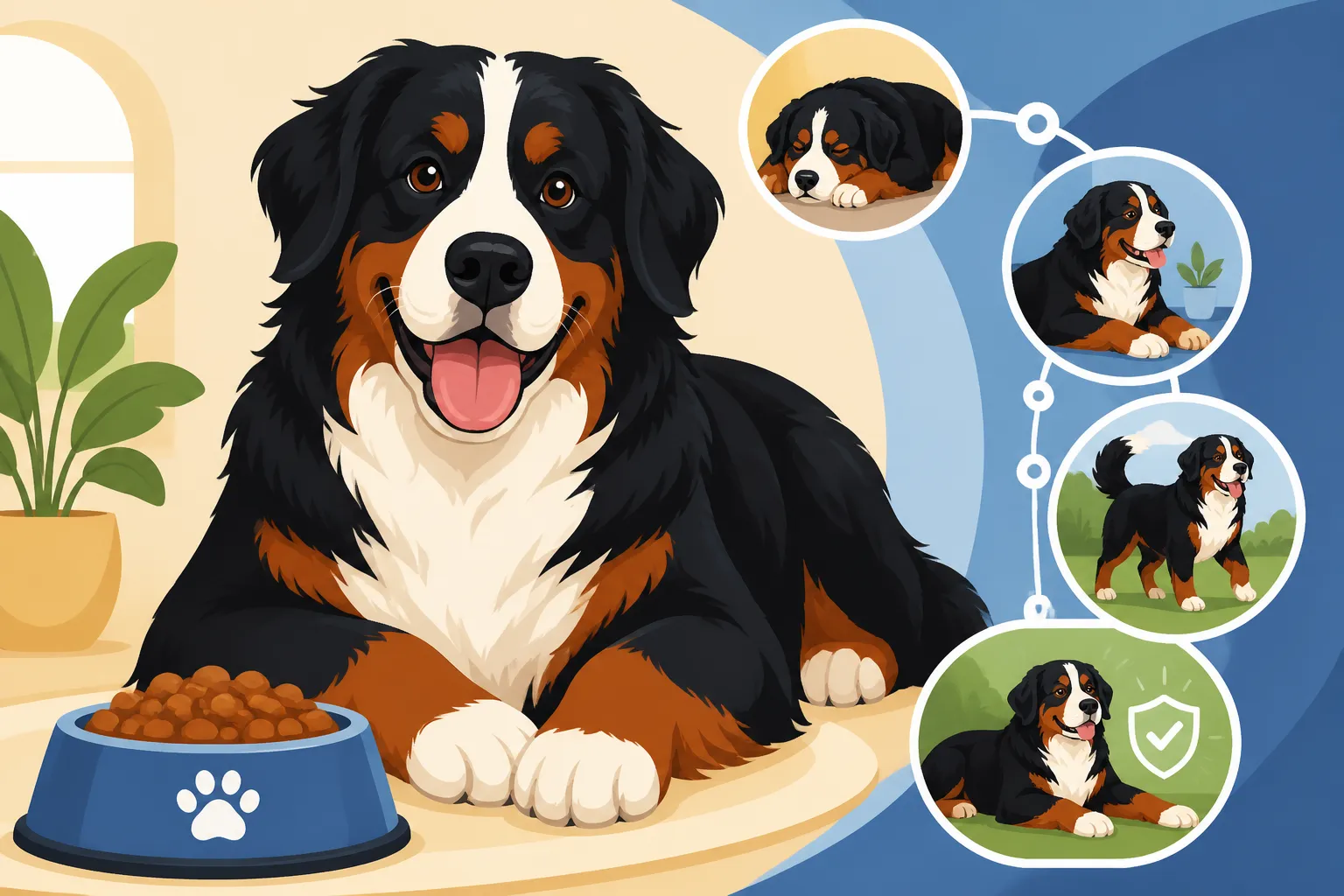
The Hour After a Bernese Mountain Dog’s Meal
There’s a particular anxiety that washes over any Bernese Mountain Dog owner after their beloved big fluffball finishes a meal. It's not just about cleaning up the inevitable water drips or supervising playful post-dinner zoomies; it’s about the very real, terrifying threat of bloat. This guide will walk you through the crucial hour after your Bernese Mountain Dog eats, detailing why it’s so important and how to best manage this period to keep your companion safe and sound.
Understanding Bloat: The Bernese Mountain Dog's Silent Threat
For Bernese Mountain Dog owners, the word "bloat" carries a heavy, chilling weight. It’s a fear that lurks in the back of our minds every time our Berner finishes a meal or takes a big drink. This isn't just an upset stomach; it's a life-threatening emergency known scientifically as Gastric Dilatation-Volvulus (GDV), and it’s a condition that disproportionately affects large, deep-chested breeds like our Bernese. Understanding why this happens and what to look for is the first, most critical step in protecting your dog.
What Bloat Looks Like in a Bernese Mountain Dog
Bloat can come on with alarming speed, and the initial signs can be subtle, easily mistaken for general discomfort. Your Bernese Mountain Dog might seem restless, unable to settle, pacing back and forth as if trying to find a comfortable spot that simply doesn't exist. They might whine or groan softly, or stand in a hunched position with their head down. As the condition progresses, you might observe unproductive retching – they’ll try to vomit, but nothing will come up, or perhaps only foamy saliva. This is a huge red flag.
A distended abdomen is another key symptom, though in a fluffy Berner, it can sometimes be harder to spot until it’s quite pronounced. Feel their belly; if it feels tight and swollen, especially on the left side, that’s a very serious sign. They may also breathe rapidly or have pale gums. The pain can be excruciating, and your normally placid Berner might act agitated or even snap due to discomfort. If you see any combination of these signs, don't hesitate. You need to act immediately, because every minute truly counts. What Bloat Looks Like in a Bernese Mountain Dog is a detailed resource that can help you recognize these symptoms.
Why the Hour After Eating Is Critical
The reason the period immediately following a meal is so critical for a Bernese Mountain Dog largely comes down to the mechanics of their stomach and the rapid ingestion of food or water. When a dog eats or drinks, especially quickly, they can swallow a lot of air along with their food. This air, combined with digestive gases and food, can cause the stomach to expand, or dilate. In deep-chested breeds, this dilated stomach has more room to swing and twist within the abdominal cavity.
The "volvulus" part of GDV happens when the stomach twists on its axis, effectively pinching off both the entry (esophagus) and exit (duodenum). This twisting traps everything inside – food, water, and gas – which continues to expand, putting immense pressure on internal organs and inhibiting blood flow. This rapid expansion and twisting can lead to shock, organ damage, and even death within a matter of hours, or even less. This is why vigilance during The Half-Hour That Decides a Bloated Bernese Mountain Dog is so incredibly important, and why preventative measures are non-negotiable for our beloved giants.
Immediate Post-Meal Protocol: Creating a Safe Zone
After your Bernese Mountain Dog has finished their meal, the next sixty minutes – and ideally, even longer – are a crucial window for preventing bloat. It’s a time to transition from the excitement of eating to a period of calm and low activity. Think of it as a mandatory "chill out" zone for their digestive system. Establishing a consistent, relaxed routine during this time can make a significant difference in their long-term health and well-being.
The Golden Rule: Rest, Rest, Rest
When it comes to the hour after eating, the absolute golden rule for a Bernese Mountain Dog is enforced rest. This means no running, no jumping, no vigorous play, and absolutely no roughhousing with other pets or family members. Even excited barking or quick bursts of energy can be enough to jostle a full stomach and potentially trigger a twist. Imagine trying to exercise vigorously right after you’ve had a huge meal – it's uncomfortable for us, and it’s dangerous for them.
Ideally, your Berner should be encouraged to lie down quietly in a comfortable, familiar spot. This might be their favorite dog bed, a quiet corner of the living room, or their crate if they are crate-trained and calm there. The goal is to minimize any physical activity that could cause their stomach to shift or rotate. Many owners find that a solid 60-90 minutes of quiet time is beneficial, but if you can extend it to two hours, even better. It's a small investment of time for a massive return in peace of mind.
Managing Excitement and Activity
Of course, telling a happy-go-lucky Bernese Mountain Dog, especially a younger one, to "just chill" can sometimes be easier said than done. Berners are notoriously playful and enjoy being part of the action. If you have a particularly high-energy dog, managing their post-meal excitement requires a bit of strategy. One approach is to plan their mealtime around a quieter part of your day. For instance, if evenings are typically lively with family activity, consider feeding them a bit earlier or later.
Before their meal, you might engage them in a short, calm potty break outside, and perhaps a gentle mental stimulation activity, like a puzzle toy or a short training session. This can help burn off a little energy beforehand, making them more inclined to settle down afterward. Some owners find that having separate, quiet eating areas for their Berners, away from other pets or children, also promotes a calmer atmosphere. If you're concerned about Whether Exercise After Eating Bloats a Bernese Mountain Dog, creating this quiet space is paramount.
Consider this scenario: your Bernese Mountain Dog puppy has just devoured their dinner and now they’re bouncing, wanting to initiate a wrestling match with your other dog or solicit pets with boisterous nudges. In this case, gently but firmly redirect them. Offer a long-lasting, low-excitement chew that they can enjoy while lying down, or simply guide them to their quiet resting spot with a comforting presence. The key is calm containment, not punishment or abrupt cessation of activity that might stress them out. The routine will become second nature over time.
Hydration and Water Access: A Delicate Balance
Water is essential for your Bernese Mountain Dog's health, no question. But just like with food, how and when they drink water, particularly around mealtimes, can play a role in bloat prevention. It's not about withholding water entirely, which would be detrimental, but rather managing its availability to minimize risk. Finding that sweet spot between adequate hydration and reducing the chance of excessive gulping can feel like a delicate tightrope walk.
Offering Water Wisely
There's a lot of debate among Berner owners and experts about water access immediately after a meal. Some prefer to remove the water bowl for a short period – say, 30 minutes to an hour – to prevent them from guzzling a large volume of water on a full stomach. The theory here is that rapid, large intake of water can introduce additional air into the stomach, contributing to expansion, and potentially increasing the risk of bloat. Others advocate for free access to water at all times, arguing that restricting it might cause a dog to drink even more frantically when it is finally offered.
My approach leans towards moderation and observation. I keep water available, but I’ve found it helpful to offer smaller amounts more frequently, rather than a giant, perpetually full bowl, especially right after meals. If your Berner is a known "gulper," consider a heavier, stable bowl that can't be pushed around or, perhaps, a slow-water feeder designed to prevent rapid intake. Some dogs will try to drink every last drop the moment it's available, so breaking that habit with smaller, controlled access can be beneficial.
Monitoring Water Intake
Beyond how you offer water, it's also important to monitor how much your Bernese Mountain Dog is drinking, particularly after a meal. If your Berner finishes their food and then immediately consumes an unusually large amount of water, it’s worth paying attention. Excessive, rapid drinking can exacerbate stomach distension, especially if they're also swallowing air.
In hot weather, this becomes even more crucial. While staying hydrated is vital, try to encourage smaller, more frequent sips rather than allowing them to tank up all at once. If you notice your dog drinking excessively and then showing any signs of discomfort, restlessness, or attempting to vomit, it’s time to reach out to your vet immediately. It's all about being observant and understanding your individual dog's habits.
| Activity Type | Safe Post-Meal Activity (First Hour) | Unsafe Post-Meal Activity (First Hour) |
|---|---|---|
| Physical Activity | Lying down, quiet napping | Running, jumping, intense fetch |
| Slow, calm walk to potty (leashed) | Wrestling, rough play with other dogs | |
| Mental Activity | Gentle chewing on a soft toy (lying) | High-excitement training, chasing |
| Relaxed grooming session | Loud, sudden noises, stressful events | |
| Hydration | Small, supervised sips of water | Gulping large volumes of water |
| Water available in a slow-dispensing bowl | Free access to a full, unrestricted bowl (if a gulper) | |
| Environment | Quiet, calm, low-stress area | Bustling household, loud children, strangers |
Recognizing Red Flags: When to Act Immediately
While all the preventative measures in the world are vital, the reality is that bloat can still occur. This is why being able to quickly identify the signs of trouble is not just important – it's life-saving. For a Bernese Mountain Dog, recognizing these red flags and reacting swiftly is the single most important factor in a positive outcome. You are your Berner's first and best line of defense.
Beyond Simple Discomfort: Signs of Trouble
It's natural for a dog to have a slightly fuller belly after eating, or to burp, or even to feel a little sluggish. But there are specific symptoms that clearly distinguish simple post-meal fullness from a dire emergency. If you observe any of the following, do not delay:
- Restlessness and Pacing: Your Berner can't seem to get comfortable. They may stand, lie down, then stand again, often changing positions.
- Unproductive Retching: This is a hallmark sign. Your dog will try repeatedly to vomit, making gagging sounds, but little to nothing (perhaps some foamy saliva) comes up.
- Distended or Swollen Abdomen: Their belly will appear visibly larger and feel very hard and taut to the touch, especially on the left side. In a fluffy Berner, this might be subtle at first, so feeling is key.
- Excessive Drooling: More than their usual Berner drool.
- Signs of Pain: Whining, groaning, hunched posture, looking at their side, reluctance to move, or even snapping if you try to touch their abdomen.
- Rapid, Shallow Breathing: They may pant excessively, even if they haven't exerted themselves.
- Pale Gums: Check their gums; if they are pale pink, white, or bluish, it indicates shock.
- Weakness or Collapse: In advanced stages, your dog may become weak, stagger, or collapse.
Remember, time is of the essence. You can learn more about the grave consequences in How Fast Bloat Kills a Bernese Mountain Dog.
The Race Against Time: Emergency Action
If you suspect bloat, even slightly, it is not a "wait and see" situation. This is a veterinary emergency that requires immediate intervention. Do not try to treat it at home with antacids or other remedies; these will not work for GDV.
- Call Your Vet Immediately: As soon as you notice any suspicious symptoms, call your veterinarian or the nearest emergency veterinary clinic. Tell them you suspect bloat in your Bernese Mountain Dog and that you are on your way. This allows them to prepare for your arrival, saving precious minutes.
- Transport Carefully: Get your Berner to the clinic as calmly and quickly as possible. Avoid excessive jostling. Have someone assist you if necessary, especially if your dog is large or distressed.
- No Food or Water: Do not offer your dog any food or water, as this can worsen the stomach distension.
- Stay Calm (as much as possible): Your dog will pick up on your anxiety. While you need to be urgent, try to maintain a calm demeanor to help keep your Berner as relaxed as possible during transport.
This is a true emergency, and prompt veterinary care, often involving emergency surgery, is critical for survival. The longer the delay, the lower the chances of a successful outcome. Emergency Surgery on a Bloated Bernese Mountain Dog highlights the critical nature of this procedure.
Long-Term Strategies for Prevention
While being vigilant in the hour after your Bernese Mountain Dog eats is crucial, preventing bloat is an ongoing commitment. It involves implementing a variety of strategies into your daily routine and potentially making significant decisions in consultation with your veterinarian. Thinking proactively about your Berner's feeding habits and considering certain medical interventions can drastically reduce the risk of this devastating condition.
Mealtime Habits: Slowing Down the Scarfing
One of the primary risk factors for bloat is rapid eating, or "scarfing," which leads to excessive air intake. Luckily, there are several ways to mitigate this at mealtime.
- Slow Feeder Bowls: These bowls are designed with ridges, mazes, or pillars that force your dog to eat around obstacles, significantly slowing down their ingestion. You can find a wide variety of effective slow feeder bowls on platforms like Amazon or specialized pet retailers like Chewy. Even simple tricks, like placing a large, clean rock (too big for them to swallow) in their regular bowl, can help them eat around it.
- Multiple Smaller Meals: Instead of one or two large meals a day, consider breaking your Bernese Mountain Dog's daily ration into three or even four smaller meals. This reduces the sheer volume of food in their stomach at any one time, lessening the chance of excessive distension. For instance, if your Berner needs a substantial daily ration, dividing The Daily Ration a Hundred Pound Berner Gets into smaller portions can make a big difference. Many premium dog food brands, such as Ollie, emphasize careful portioning, which can be easily adapted to a multiple-meal schedule.
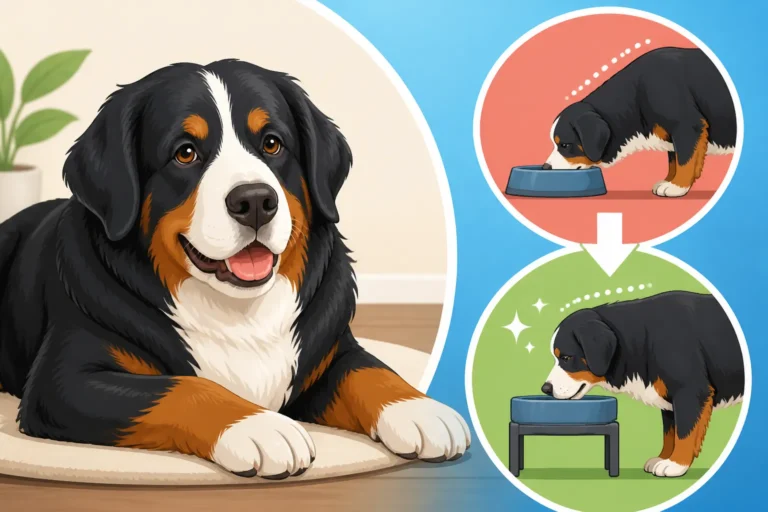
- Elevated Bowls Controversy: While elevated bowls were once thought to prevent bloat, recent studies actually suggest they might increase the risk in some breeds. It's best to feed your Bernese Mountain Dog from a bowl on the floor, unless specifically advised otherwise by your vet due to other health conditions.
- Quiet Feeding Environment: Ensure your Berner eats in a calm, undisturbed environment. Competition with other pets or the hustle and bustle of a busy household can encourage faster eating. Give them their own designated, peaceful meal spot.
Considering a Prophylactic Gastropexy
For many Bernese Mountain Dog owners, the ultimate long-term preventative measure against bloat is a surgical procedure called a prophylactic gastropexy. This elective surgery involves tacking the stomach to the abdominal wall, preventing it from twisting. While it doesn't prevent the stomach from dilating with gas, it effectively stops the life-threatening volvulus (the twisting) component of GDV.
- What it Involves: A gastropexy can be performed conventionally (open surgery) or minimally invasively (laparoscopically). During the procedure, a portion of the stomach is permanently attached to the inside of the abdominal wall.
- When to Consider It: Many owners choose to have a gastropexy performed at the same time as a spay or neuter, especially for female Berners, as it combines two surgical recoveries into one. It can also be done as a standalone procedure for older dogs not undergoing other surgeries. Discuss the timing and suitability with your veterinarian, considering your dog's age, health, and your specific concerns. Tacking a Bernese Mountain Dog's Stomach offers more insight into this procedure.
- Benefits and Risks: The primary benefit is a dramatic reduction in the risk of GDV. While no surgery is without risk, the potential for preventing a sudden, life-threatening emergency often outweighs the surgical risks for many owners of high-risk breeds like the Bernese Mountain Dog. This procedure truly offers immense peace of mind.
By combining careful post-meal management with smart feeding habits and, potentially, a prophylactic gastropexy, you can significantly reduce the chances of your beautiful Bernese Mountain Dog ever experiencing the terror of bloat. This proactive approach ensures a happier, healthier, and longer life for your cherished companion. It's an important part of understanding Why a Bernese Mountain Dog Dies Younger Than Other Giants and taking steps to mitigate preventable health issues.
Disclaimer
This article is for general informational purposes only and does not constitute professional advice. Laws, prices and regulations vary by location and change over time. Consult a qualified professional for guidance on your specific situation.