What a Bernese Mountain Dog Did on a Swiss Farm
For those of us who adore our fluffy, gentle giants lounging on the living room rug, it's easy to forget that the Bernese Mountain Dog wasn't always a pampered house pet. These magnificent dogs have a deep, rich history rooted in the demanding life of Swiss farms, performing essential tasks that directly contributed to the livelihood of their human families. This guide will take you on a journey back in time, unveiling the true, industrious roles that shaped the Bernese Mountain Dog we know and love today.
More Than Just a Pretty Face: The Bernese Mountain Dog's True Heritage
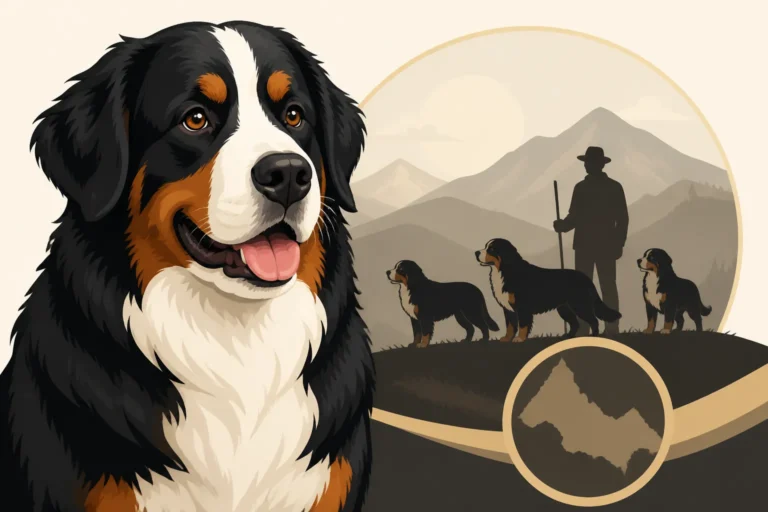
When you gaze into the soulful eyes of a Bernese Mountain Dog, it’s hard to imagine them as anything but the quintessential family companion. Yet, their very existence, their robust build, and their steadfast temperament were forged in the crucible of strenuous farm life in the pre-industrial Swiss Alps. These dogs were not bred for beauty contests or agility courses, but for resilience, strength, and an unwavering work ethic that kept small, isolated farms running. Their heritage is a testament to survival and partnership, an era when a dog's contribution was a matter of daily necessity, not luxury.
The Alpine Landscape and Its Demands
Picture the breathtaking, yet unforgiving, landscape of the Swiss Alps. Small, often remote farms were carved into valleys and hillsides, separated by rugged terrain and long, harsh winters. These farms operated largely self-sufficiently, relying on every resource and every capable hand (or paw) to thrive. There were no large delivery trucks or modern machinery to ease the burden of labor. Everything, from milk and cheese to tools and firewood, had to be moved, often over significant distances and challenging paths. The climate was an equally formidable opponent, with freezing temperatures, deep snow, and driving winds requiring immense stamina and natural protection. It was a world where inefficiency could mean real hardship, even starvation.
In this environment, a specialized dog was a luxury few could afford. Farmers needed a true multi-purpose animal, one that could adapt to a variety of tasks, withstand the elements, and contribute meaningfully to the farm's output. They couldn't afford a dog that was only good at one thing, or one that couldn't handle the cold or the strenuous physical demands. Every animal on the farm had to earn its keep, and the Bernese Mountain Dog certainly did. They were indispensable members of the farming family, their roles evolving with the needs of the seasons and the shifting chores of daily life, making them true jacks-of-all-trades in a challenging world.
A Dog for All Seasons: Versatility on the Farm
The Bernese Mountain Dog’s original job description was incredibly broad, a far cry from the more specialized roles seen in many other working breeds. They weren't just herders, or just drovers, or just cart pullers; they were all these things and more, often within the same day. In the morning, a Berner might help move cows from the pasture to the milking shed. By midday, they could be hitched to a cart, transporting heavy milk churns or freshly made cheeses down winding mountain paths to the nearest village market. In the afternoon, they might accompany the farmer as he collected firewood, acting as an extra set of eyes and ears against potential threats.
This versatility was not just convenient; it was absolutely crucial for the survival and prosperity of the farm. Small farms simply didn't have the resources to keep multiple dogs, each trained for a single, specific task. The Bernese Mountain Dog, with its intelligence, strength, and biddable nature, was perfectly suited to this generalist role. Their ability to switch between tasks seamlessly, to understand and respond to a variety of commands, and to work cooperatively with their human partners made them invaluable assets. They truly embodied the spirit of a "dog for all seasons," adapting their immense capabilities to whatever the demanding Swiss farm life threw their way.
The Original "Milk Cart Dog": Transporting Goods
One of the most iconic images associated with the Bernese Mountain Dog's historical role is that of the "milk cart dog." This wasn't just a quaint tradition; it was a fundamental aspect of their contribution to the rural economy of Switzerland. Farmers, often living in isolated areas, needed a reliable way to get their perishable goods, especially milk and cheese, to local markets or collection points before they spoiled. Without motorized transport, and with horses often reserved for heavier agricultural work or being too expensive for small farmers, the strong, steady Bernese Mountain Dog became the ideal solution.
These dogs weren't just pulling empty carts; they were hauling significant weight, sometimes over miles of hilly, uneven terrain. This daily trek was a serious commitment, requiring not only physical strength but also immense dedication and a calm, reliable temperament. The farmer's livelihood literally rode on the dog's ability to perform this task day in and day out, regardless of the weather. It instilled in the breed a sense of purpose and responsibility, traits that many Berner owners still observe in their modern companions today, even if the "cargo" is now just a child's toy or a bag of groceries carried home from the pet store, perhaps purchased from Chewy.
Hauling the Harvest and Dairy Products
Imagine a farmer in a remote Swiss village, his family's income dependent on the fresh milk and cheese produced by their small herd. He couldn't just walk to the market carrying heavy churns or large wheels of cheese. This is where the Bernese Mountain Dog stepped in, quite literally. Hitched to sturdy, two-wheeled carts, they would patiently and powerfully transport the day's yield. These carts were often specifically designed to carry milk, cheese, and sometimes even freshly picked produce or other farm goods. The journey might be several miles, traversing winding dirt roads or narrow paths, often requiring navigation through snow or mud.
The importance of this role cannot be overstated. The ability to reliably transport goods to market meant the difference between making a living and struggling to survive. Berners had to be dependable, unspooked by noisy village environments, other animals, or the bustling activity of a market day. A dog that bolted or became distracted could ruin a day's work and income. This need for composure under pressure contributed to the calm, steady temperament for which the breed is still renowned. The daily task of hauling wasn't just about strength; it was about trust, partnership, and an intrinsic understanding between dog and owner.
Building Strength and Stamina for Draft Work
To perform such demanding draft work, Bernese Mountain Dogs needed exceptional physical attributes. Their broad chests, powerful shoulders, and muscular hindquarters were not accidental; they were the result of generations of selective breeding for functionality. These dogs developed incredible stamina, capable of maintaining a steady pace over long distances, often loaded with significant weight. Their thick, insulating double coats, Whether a Bernese Mountain Dog's Coat Is Waterproof, also provided crucial protection against the biting cold and wet conditions of the Alpine climate, allowing them to work outdoors in all but the most extreme weather.
Training for draft work would have begun early, patiently conditioning the young dogs to wear harnesses, accept the shafts of a cart, and gradually pull increasing loads. It wasn't about brute force but about controlled power and endurance. Think about The Twenty Pound Load a Novice Berner Carts in a modern draft test; this is a nod to the historical loads they would have handled daily, eventually building up to much more. This consistent, physical labor not only built their formidable musculature but also ingrained a strong work ethic and a sense of purpose. It fostered a deep connection with their human partners, built on shared effort and mutual reliance, making the Berner an extraordinary working companion.
The Unsung Herders and Drovers
Beyond their famous cart-pulling duties, Bernese Mountain Dogs also played a vital, though perhaps less dramatic, role in managing livestock. On small Swiss farms, where livestock often roamed semi-freely on mountain pastures, keeping the animals together, guiding them, and protecting them was a constant concern. While not as flashy or intense as the herding styles of Border Collies or Australian Shepherds, the Berner's approach to livestock management was perfectly suited to the specific needs of the Alpine farmer. They were more about presence, gentle guidance, and reliable assistance than fast-paced, high-drive control.
Their large size and calm demeanor were assets in these roles. A large, confident dog could move a stubborn cow or steer with a quiet authority that a smaller dog might lack. They were integral to the daily rhythm of the farm, helping to ensure the well-being and productivity of the livestock, which, like the crops and dairy, formed the backbone of the farmer's existence. This often meant long hours spent outdoors, observing, guiding, and guarding their charges, a testament to their enduring loyalty and innate sense of duty.
Moving Cattle and Flocks
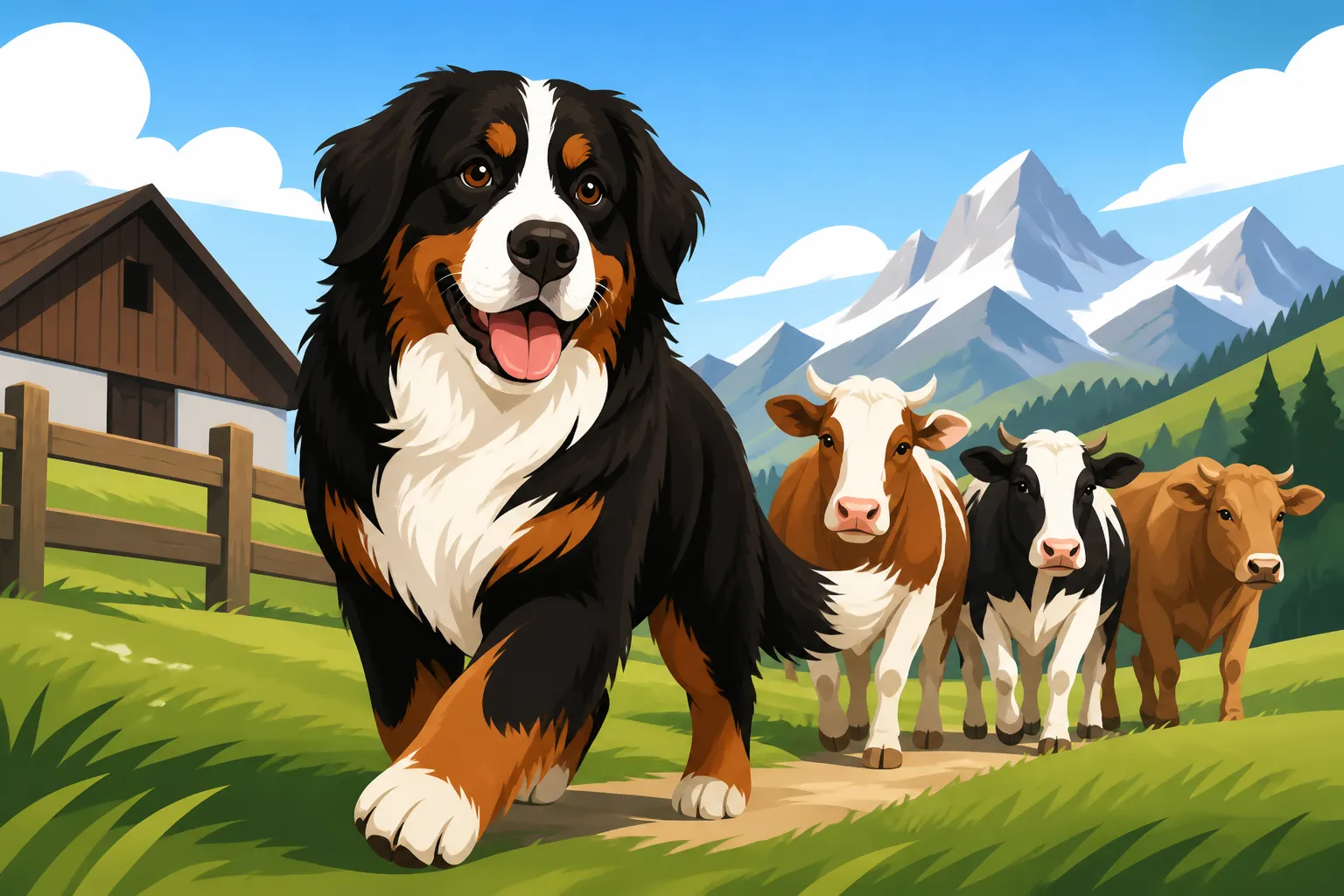
Bernese Mountain Dogs were employed to move various types of livestock, from small flocks of sheep and goats to larger, more formidable dairy cows. Their method was typically one of calm, persistent influence rather than aggressive nipping or intense eye-stalking. They would walk alongside or behind the animals, gently nudging them in the right direction, using their imposing presence to encourage movement without causing panic or stress. This was especially important when guiding animals between pastures, to and from milking sheds, or even down mountain trails for seasonal grazing changes. They were guardians and guides, ensuring the herd stayed together and moved safely.
Unlike some specialized herding breeds, the Berner wasn't necessarily bred to "work" a sheep flock dynamically in a field trial sense. Instead, they were more like living fences and mobile shepherds, helping to maintain order and direct traffic. Their intelligence allowed them to anticipate the farmer's needs and respond to subtle cues, making them highly effective partners in the daily routine of animal husbandry. This careful, gentle approach meant less stress for the animals and a more efficient operation for the farmer, highlighting their thoughtful and cooperative nature.
Alerting Farmers to Predators or Strangers
While not primary "guard dogs" in the fierce sense of some protection breeds, Bernese Mountain Dogs were certainly effective watchdogs and deterrents. Their large size, deep bark, and naturally watchful disposition made them excellent early warning systems for the isolated farm. In the rugged Alps, predators like wolves, bears, or even wild dogs could pose a threat to livestock, especially vulnerable young animals. A Berner’s alert bark would signal danger, giving the farmer time to react and protect his animals.
Beyond predators, they also served to alert the family to the approach of strangers. In remote areas, unexpected visitors might be rare, and a cautious approach was always prudent. The Bernese Mountain Dog would make their presence known, barking to announce an arrival, but typically without aggression. Their sheer size was often enough to deter unwanted intruders, making them a comforting presence for the farming family. This blend of vigilance and inherent gentleness is a hallmark of the breed, demonstrating What a Bernese Mountain Dog Does Instead of Guarding—they alert and deter, rather than attack.
Faithful Farm Companions and Watchdogs
Amidst all the hard labor, the Bernese Mountain Dog was more than just a working machine; they were an integral part of the farm family. Their presence offered comfort, security, and unwavering loyalty in often solitary and challenging lives. They shared the daily rhythms of the farm, from the first light of dawn to the quiet of evening, forging deep bonds with their human partners. This role as a constant companion, observer, and gentle protector shaped their naturally affectionate and devoted temperament, making them cherished members of the household.
It's this blend of capability and companionship that truly defines the breed. They understood their duties and performed them diligently, but they also offered emotional support and a quiet, watchful presence that contributed significantly to the overall well-being of the family. This close integration into daily life meant they were always aware of what was happening around them, making their protective instincts both natural and effective.
An Extra Pair of Eyes and Ears
On a busy farm, especially one run by a single family, having an extra set of observant eyes and keen ears was invaluable. The Bernese Mountain Dog excelled in this role, always seemingly aware of their surroundings. Whether it was the distant sound of an approaching storm, the rustle of a wild animal in the woods, or the unexpected arrival of a traveler, a Berner was often the first to notice and alert the farmer. Their vigilance wasn't born of anxiety, but a natural attentiveness to their environment, a deep-seated instinct to be aware of anything that might affect their home and their people.
This constant awareness meant they acted as a living security system. They knew the familiar sounds and sights of the farm and could quickly discern anything out of the ordinary. This role was particularly important in ensuring the safety of children, who often played unsupervised around the farm. A Berner would discreetly keep an eye on them, ready to intervene or alert an adult if anything seemed amiss. This quiet watchfulness is still a prominent trait in many Bernese Mountain Dogs today, often manifesting as their desire to be in the same room as their owners, just observing the family's activities.
Companionship in Solitude
Life on a remote Swiss farm could be incredibly isolating. Days were long, work was hard, and human company outside the immediate family might be scarce. In this environment, the Bernese Mountain Dog provided much-needed companionship. They were there, day after day, working alongside their human partners, offering a quiet, comforting presence. There's a profound sense of connection that develops when you depend on an animal for your livelihood, and when that animal reciprocates with unwavering loyalty and affection.
This deep bond meant the Berner wasn't just a tool; they were a friend, a confidant, a steady presence in a sometimes harsh world. Their gentle nature, even after a long day of strenuous work, would have been a source of solace. They were known for their calm temperament and their desire to be close to their people, often leaning against them or resting at their feet during breaks. This intrinsic need for connection and their empathetic nature are still defining characteristics of the breed, a direct inheritance from their days as indispensable and loving farm companions.
From Farmhand to Family Member: The Evolution of the Berner Role
The world changes, and even the most enduring traditions eventually yield to progress. The same forces that reshaped agriculture across Europe also transformed the role of the Bernese Mountain Dog. As farms modernized and rural populations shifted, the need for a multi-purpose draft and droving dog diminished. This period could have spelled the end for the breed, as many working dog populations dwindled when their original purpose vanished. However, the inherent qualities of the Bernese Mountain Dog—their striking appearance, gentle nature, and loyal disposition—ensured their survival and led to a beautiful re-invention of their role.
They transitioned from being primarily working dogs to becoming cherished family members, a testament to their adaptable nature and the enduring appeal of their temperament. This shift wasn't without its challenges, as dogs bred for strenuous outdoor work had to adapt to indoor living, but their core traits made the transition remarkably successful. This evolution highlights how resilient and versatile the Bernese Mountain Dog truly is.
The Decline of Traditional Farm Work
The mid-20th century brought significant changes to agriculture in Switzerland, just as it did in many other parts of the world. Mechanization began to replace manual labor and animal power. Tractors, trucks, and specialized farm machinery became more accessible, even for smaller farms. Roads improved, making transportation of goods by vehicle much more efficient than relying on dog carts. Simultaneously, shifts in population meant a move away from isolated, subsistence farming towards larger, more commercial operations or a complete abandonment of farming in favor of urban opportunities. What Replaced the Bernese Mountain Dog on Swiss Farms was, simply put, modernization.
As these changes took hold, the traditional jobs of the Bernese Mountain Dog gradually faded. The daily milk cart run became obsolete, replaced by collection trucks. Livestock management became more mechanized or less dependent on dog power. The era of the multi-purpose farm dog was drawing to a close, and many working breeds faced an uncertain future. Without a clear functional role, breeds can quickly decline. It was at this critical juncture that the Bernese Mountain Dog's exceptional temperament and striking appearance became their saving grace, allowing them to find a new, equally valued place in human society.
Adapting to Modern Life
Fortunately for the Bernese Mountain Dog, their gentle, affectionate, and biddable nature made them perfectly suited for a new role: that of a beloved family companion. People were increasingly seeking dogs for their emotional connection, their companionship, and their ability to integrate seamlessly into a household. The Berner's calm demeanor, patience with children, and inherent loyalty fit this emerging demand perfectly. Their majestic appearance, with the beautiful tricolor coat, also made them highly desirable.
While they no longer pulled milk carts, many Berners still display echoes of their working past. The characteristic "Berner lean" against their owners can be seen as a remnant of their desire for physical closeness and connection. Their watchful nature translates into a quiet guardian role within the home, always aware of their family's comings and goings. Even their tendency to "herd" children gently, guiding them away from perceived danger, is a subtle reminder of their droving heritage. Why a Bernese Mountain Dog Stays a Puppy Until Three might seem like a modern owner's lament, but it also speaks to a breed that matures slowly, absorbing lessons and developing its gentle character over time, much like a young farm dog learning its diverse roles. This adaptability is what ensures their continued popularity and place in our hearts.
Understanding the Modern Bernese Mountain Dog Through Its Past
To truly understand and appreciate the Bernese Mountain Dog today, we must always look back at its origins. Every endearing trait, every quirky habit, every physical characteristic, can be traced back to its days as an indispensable farm dog in the Swiss Alps. These aren't just random genetic quirks; they are carefully selected and nurtured qualities that allowed the breed to thrive in a demanding environment. Knowing this history helps us connect more deeply with our dogs, allowing us to cater to their innate needs and appreciate their unique personalities.
It explains why your Berner insists on following you from room to room, why they might try to carry your groceries, or why they seem to instinctively know when you need a comforting presence. Their past is not just a story; it's a living legacy that continues to shape the behavior and temperament of every Bernese Mountain Dog. By understanding where they came from, we can better provide for their well-being and honor the incredible heritage they carry.
Innate Traits That Persist Today
Even though most Bernese Mountain Dogs today live far removed from farm life, many of their innate traits persist, offering glimpses into their ancestral roles. Their strong desire to be close to their human family, often termed "velcro dogs," is a direct echo of their days as constant companions and working partners. They thrive on being involved in family activities, just as they thrived on being part of the farm's daily rhythm. This means they generally do not do well when left alone for extended periods, preferring the company and activity of their people.
Furthermore, their quiet watchfulness is still very much present. They might not be guarding against wolves anymore, but they'll often position themselves in a spot where they can observe the household, keeping a subtle eye on everyone. Their physical prowess, while rarely tested by pulling milk carts, is evident in their love for outdoor activities, moderate hikes, and playful romps, always with a sturdy, ground-covering gait. Even their deep, resonant bark, once used to alert farmers, is still a common communication tool, though usually deployed for a delivery driver rather than a predator. Providing engaging toys and enriching activities, perhaps sourced from Chewy, can help satisfy some of these ingrained instincts in a modern context.
Embracing Their Heritage: Draft Work and Therapy
For modern Bernese Mountain Dog owners who wish to honor their dog's heritage, there are wonderful avenues available. Draft work, or carting, has become a popular sport and hobby, allowing Berners to utilize their natural strength and love of pulling in a safe, controlled environment. Clubs across the country organize events where dogs are trained to pull carts, often simulating the historical tasks of hauling goods. This is not just exercise; it's a mental and physical challenge that taps into their innate purpose, providing immense satisfaction for both dog and owner. Teaching a Bernese Mountain Dog to Pull a Cart is a fantastic way to connect with their history.
Beyond physical work, the Berner's calm, gentle, and empathetic temperament makes them exceptional therapy dogs. Their ability to connect with people, offer comfort, and exude a sense of peace is a direct descendant of their role as loving companions on the farm. Visiting hospitals, nursing homes, or schools, Bernese Mountain Dogs bring joy and a calming presence, embodying the gentle giants they were always meant to be. These activities allow modern Berners to embrace their deep-rooted purpose and continue to be invaluable partners in human lives, albeit in different, yet equally meaningful, ways.
The Bernese Mountain Dog's Physicality: Built for the Farm
Every aspect of the Bernese Mountain Dog's physical form tells a story of its working past. They are not merely large dogs; they are powerfully built, resilient creatures specifically designed to withstand the rigors of farm life in a challenging mountain environment. Their imposing size, sturdy bone structure, and well-muscled physique were not for show but for function, enabling them to perform the demanding tasks required of them day in and day out. This purposeful design is evident in their entire anatomy, a testament to generations of natural selection and intentional breeding for utility.
Understanding this deep connection between their physical traits and their historical roles helps us appreciate the breed's incredible durability and the foresight of the farmers who helped shape them. It also highlights the importance of responsible breeding practices today that continue to preserve these functional attributes, even if the daily challenges are no longer quite the same.
A Sturdy Frame for Demanding Work
The Bernese Mountain Dog's robust and powerful build is perhaps its most defining physical characteristic, directly reflecting its past as a working farm dog. The Sturdy Frame a Bernese Mountain Dog Standard Describes isn't just a preference; it's a functional necessity. Their heavy bone structure provides the foundation for immense strength, allowing them to pull heavy carts and navigate uneven, often steep terrain without injury. Their broad chest offers ample lung capacity, crucial for stamina during long hauls and extensive outdoor work. The powerful hindquarters are essential for propulsion, whether pulling a load or moving livestock uphill.
Every muscle and joint was developed for endurance and power, not speed or agility in the traditional sense. This means they possess a deep-chested, strong-backed physique capable of carrying and moving significant weight. This physical strength was non-negotiable for a dog that needed to be a reliable partner in manual labor. It's a structure built to withstand the elements, the continuous physical demands of farm life, and the inherent challenges of the Alpine environment, ensuring they could consistently perform their duties without faltering.
The Iconic Tricolor Coat: More Than Just Beauty
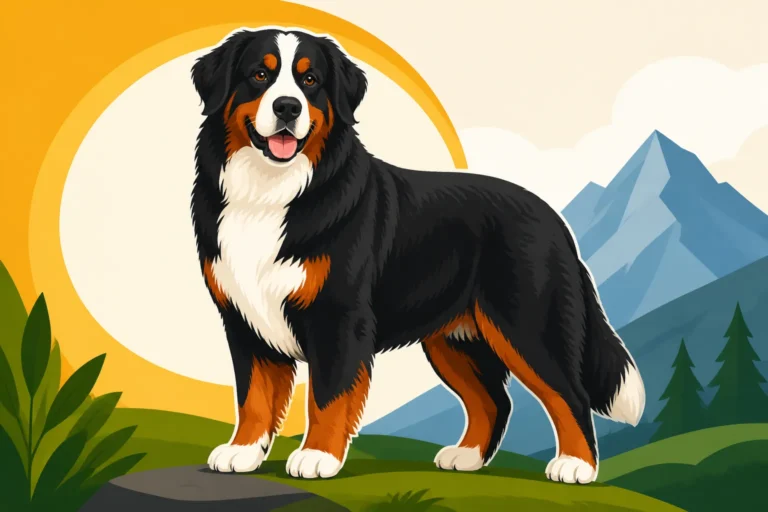
The Bernese Mountain Dog's striking tricolor coat, with its dense black, rich rust, and crisp white markings, is undeniably beautiful, but it's far more than just aesthetics. This luxurious double coat was absolutely essential for their survival and efficiency in the harsh Swiss Alps. The outer coat is long, thick, and somewhat coarse, acting as a protective barrier against snow, rain, and wind. Beneath this lies a dense, woolly undercoat that provides superior insulation, trapping warmth close to the body and allowing them to endure freezing temperatures for extended periods outdoors.
Imagine a Berner working in deep snow or a biting winter storm; their coat was their armor. It wasn't just about keeping warm; it was about preventing hypothermia, which would quickly render a working dog useless. While The Case Against Shaving a Bernese Mountain Dog in June is a modern discussion for comfort, historically, that coat was a vital part of their equipment. This natural insulation enabled them to spend long hours exposed to the elements, whether herding livestock, pulling carts, or simply standing watch. Without such a robust and protective coat, the Bernese Mountain Dog could never have fulfilled its demanding roles in the challenging Alpine climate.
The Bernese Mountain Dog's Temperament: Heart of a Farm Dog
Beyond their impressive physical capabilities, it was the Bernese Mountain Dog's remarkable temperament that truly cemented their place on Swiss farms. A strong dog without a cooperative spirit would be a liability, not an asset. Their character, a blend of calmness, intelligence, loyalty, and an almost intuitive understanding of their human partners, was perfectly suited to the demands of diverse farm tasks and the close companionship required in isolated settings. This unique blend of traits is what distinguishes them and continues to make them such cherished companions today.
This deep-seated temperament is the heart of the breed, a direct reflection of the qualities that were valued and nurtured by generations of Swiss farmers. It speaks to a dog that is not only capable but also genuinely desires to work alongside its people, forming a bond built on trust and mutual respect.
Calm Demeanor and Steadfast Loyalty
A calm and steady demeanor was paramount for a dog working closely with livestock and often around children on a busy farm. A skittish or overly excitable dog could easily spook cattle, creating chaos and potential danger. The Bernese Mountain Dog's inherent tranquility allowed them to perform their duties with a quiet competence, never overreacting to minor disturbances and always maintaining control. This composure was invaluable whether they were guiding a stubborn cow or waiting patiently while hitched to a cart in a bustling market square.
Coupled with this calm nature was an unwavering loyalty to their family. On a remote farm, the dog was truly part of the family unit, and their dedication ensured they would always put the welfare of their people and their farm first. This deep loyalty fostered a bond of trust, allowing farmers to rely completely on their Berners. They were dependable in every sense of the word, a steadfast presence that brought both practical assistance and profound emotional support. This loyalty is still a hallmark of the breed, as any Berner owner will attest.
Intelligence and Trainability for Diverse Tasks
It takes more than just brawn to be a versatile farm dog; intelligence and trainability are equally crucial. The Bernese Mountain Dog possessed both in abundance. Farmers needed dogs that could understand a wide range of commands, adapt to new situations, and even make independent decisions when necessary, such as navigating a tricky path with a cart or subtly guiding a stray animal back to the herd. This meant they had to be perceptive, quick learners, and willing participants in their work. Whether a Bernese Mountain Dog Is Easy to Train is a common modern question, but historically, their ability to learn was non-negotiable.
Their intelligence wasn't about being flashy or performing complex tricks, but about practical problem-solving and an innate desire to please their human partners. This made them highly trainable for the diverse array of tasks required on a Swiss farm. They weren't just following rote commands; they were engaged partners, understanding the intent behind the work and performing their duties with thoughtful cooperation. This willingness to learn and work collaboratively is a core part of the Berner temperament, ensuring they were not just strong, but also smart and adaptable contributors to the farm's success.
Table: Bernese Mountain Dog Roles – Then vs. Now
To truly grasp the journey of the Bernese Mountain Dog, it's helpful to see how their original farm duties translate into their roles and behaviors in contemporary life. While the specific tasks have changed dramatically, the underlying traits that made them exceptional farm dogs are still very much present in our beloved companions today.
| Traditional Farm Role | Modern Interpretation/Behavior | Underlying Trait Preserved |
|---|---|---|
| Drafting (pulling milk carts) | Pulling wagons with children, recreational carting/draft sports | Strength, endurance, willingness to work with humans, purposeful |
| Herding/Drover (moving livestock) | "Herding" children/family members, keeping family together, gentle nudging | Watchfulness, gentle guidance, desire for proximity, protectiveness |
| Watchdog (alerting to strangers/predators) | Barking at mail delivery, alerting to visitors, generally aware of surroundings | Vigilance, attentiveness, deep bark for communication, presence |
| Farm Companion (always with owner) | "Velcro dog," following owner from room to room, seeking physical closeness | Loyalty, affection, need for companionship, deep bond with family |
| Laborer (enduring all weather) | Love for cold weather/snow, enjoying outdoor activities with family | Resilience, hardiness, tolerance for cool climates, enjoyment of activity |
| Problem-solver (adapting to tasks) | Trainability for obedience/therapy, learning household routines | Intelligence, adaptability, desire to please, calm decision-making |
Disclaimer
This article is for general informational purposes only and does not constitute professional advice. Laws, prices and regulations vary by location and change over time. Consult a qualified professional for guidance on your specific situation.