Whether the Bernese Mountain Dog Is the Rarest Swiss Breed
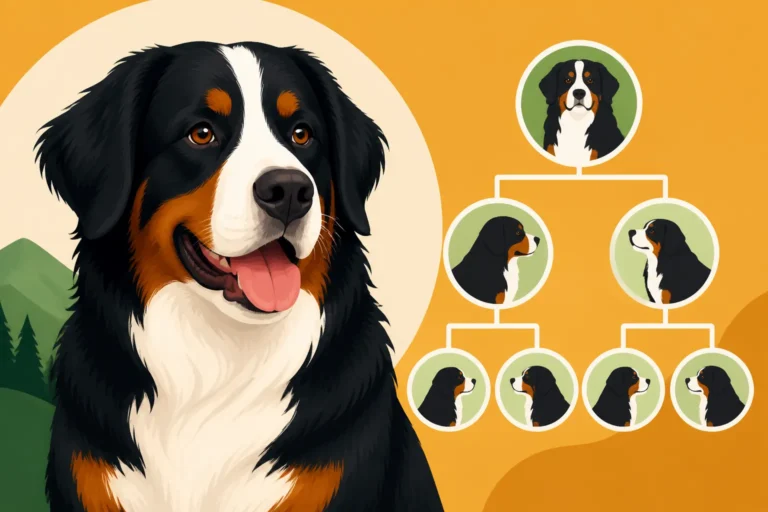
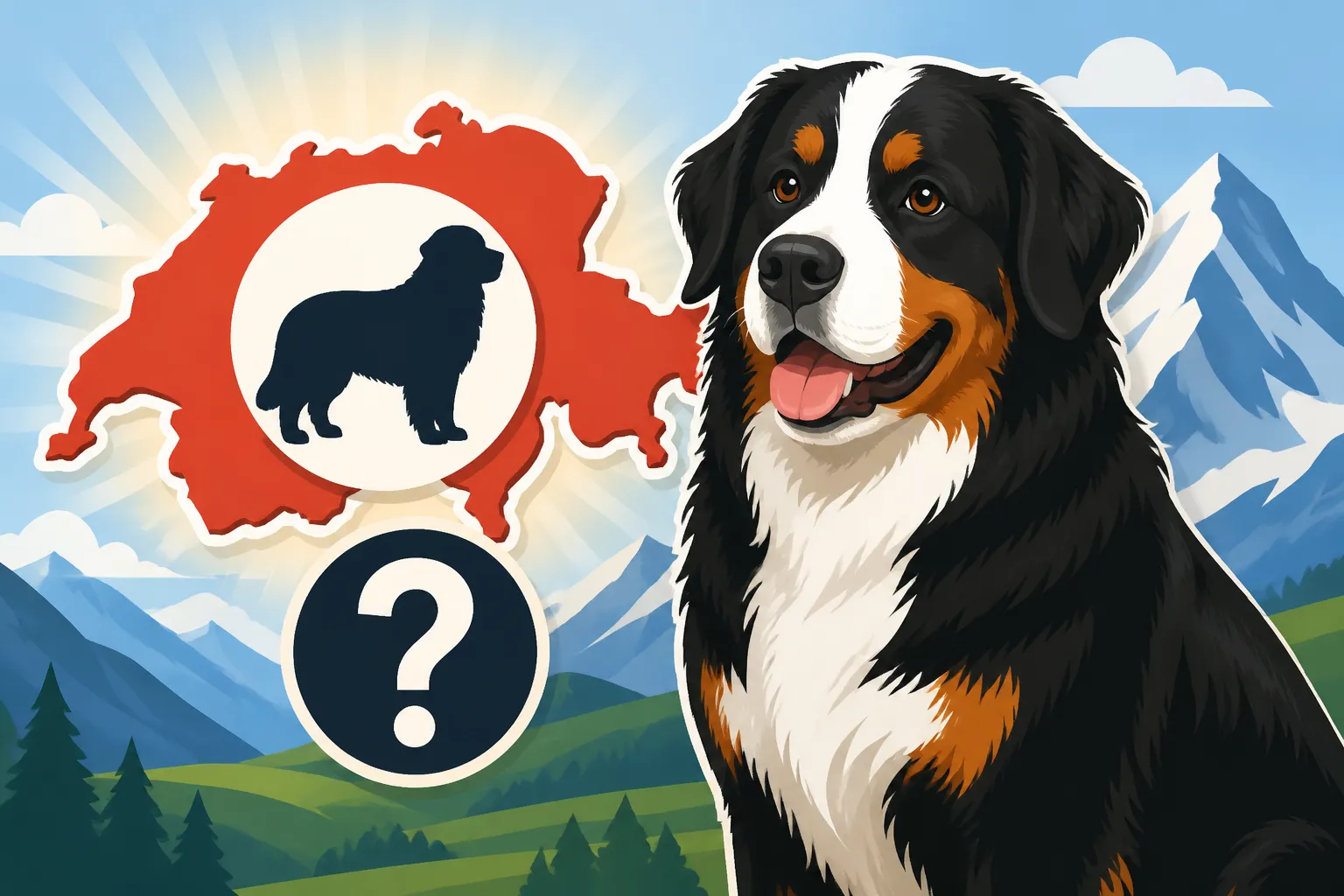
It's a common question, especially for those of us deeply in love with the majestic Bernese Mountain Dog: among its Swiss cousins, is our beloved Berner actually the rarest? There’s a widespread perception that these beautiful tricolor giants might be harder to come by than, say, a Greater Swiss Mountain Dog or an Appenzeller. This guide will take a deep dive into the history, popularity, and current standing of all four Sennenhund breeds to reveal the truth about the Bernese Mountain Dog's place in the rarity lineup.
Understanding the Four Sennenhund Breeds
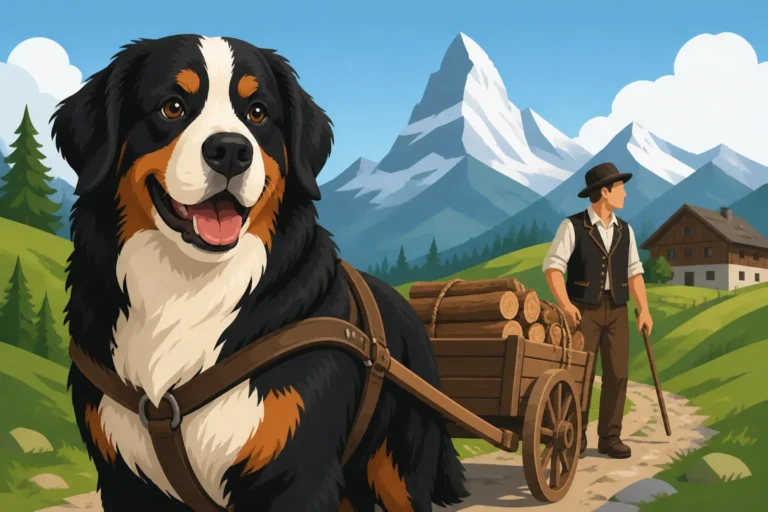
When we talk about "Swiss breeds," we're often referring to the four distinct varieties of Sennenhunds, or "Alpine herding dogs," that hail from the mountainous regions of Switzerland. These dogs share a common ancestry as farm dogs, bred for a variety of tasks from droving cattle to guarding homesteads and even pulling carts. It's a rich heritage that tells a story of resilience and utility, rooted deeply in the lives of Swiss farmers.
A Family of Mountain Dogs
The term "Sennenhund" itself refers to the "Alpine pasture dog" or "dairy farmer's dog," and it truly encapsulates the historical role these breeds played. They were indispensable partners on the farm, each evolving with slightly different traits suitable for the specific demands of their regional terrain and work. While they share a foundational purpose, their physical characteristics and temperaments have diverged over centuries, creating the distinct breeds we know today. You might wonder, What Sennenhund Means in a Bernese Mountain Dog's Name, and it truly speaks to this working history.
The four breeds are:
- Bernese Mountain Dog (Berner Sennenhund): The long-coated, tricolor gentle giant we all adore.
- Greater Swiss Mountain Dog (Grosser Schweizer Sennenhund): The largest and oldest of the four, with a short coat.
- Appenzeller Sennenhund: A medium-sized, short-coated, highly agile, and vocal dog.
- Entlebucher Sennenhund: The smallest of the four, also short-coated and very energetic.
Each has its own charm and challenges, but they are undeniably a family, sharing that distinctive tricolor pattern – black, rust, and white – in varying degrees, with the Bernese being the only one with a consistently long coat. This immediately sets them apart in appearance from their short-haired siblings.
Key Distinctions and Popularity
While all four breeds are beautiful and capable, their paths to modern-day popularity have been quite different. The Bernese Mountain Dog, with its luxuriant coat and famously sweet disposition, has seen a surge in popularity globally, becoming a recognizable and sought-after family companion in many parts of the world. Its sheer charm and striking appearance make it a favorite.
The other three, while equally wonderful, haven't quite reached the same level of widespread recognition. The Greater Swiss, for instance, often draws comparisons but has its own unique characteristics. Understanding The Greater Swiss Against the Bernese Mountain Dog can highlight why they appeal to different types of owners. Similarly, The Appenzeller and Entlebucher Beside the Bernese Mountain Dog offer distinct personalities and needs, making them less common choices for the average pet owner who might be drawn to the Berner's more generalized appeal.
Here's a quick overview of how they generally rank in terms of global recognition and breed numbers:
| Breed Name | Coat Length | General Disposition (Common Traits) | Global Popularity (Relative) |
|---|---|---|---|
| Bernese Mountain Dog | Long | Gentle, affectionate, calm, devoted | High |
| Greater Swiss Mountain Dog | Short | Confident, loyal, active, watchful | Medium |
| Appenzeller Sennenhund | Short | Lively, energetic, vocal, intelligent | Low |
| Entlebucher Sennenhund | Short | Loyal, independent, very active, alert | Lowest |
Note: "Global Popularity (Relative)" is a general observation based on breed registries and public recognition. Specific numbers fluctuate and vary by region.
The Bernese Mountain Dog's Journey to Prominence
It's hard to imagine, but our fluffy Berner wasn't always the widely adored dog it is today. In fact, there was a time when its very existence was precarious. This journey from near obscurity to a cherished family member is a fascinating tale of dedicated breeders, passionate fanciers, and the undeniable charm of the breed itself.
From Obscurity to Global Recognition
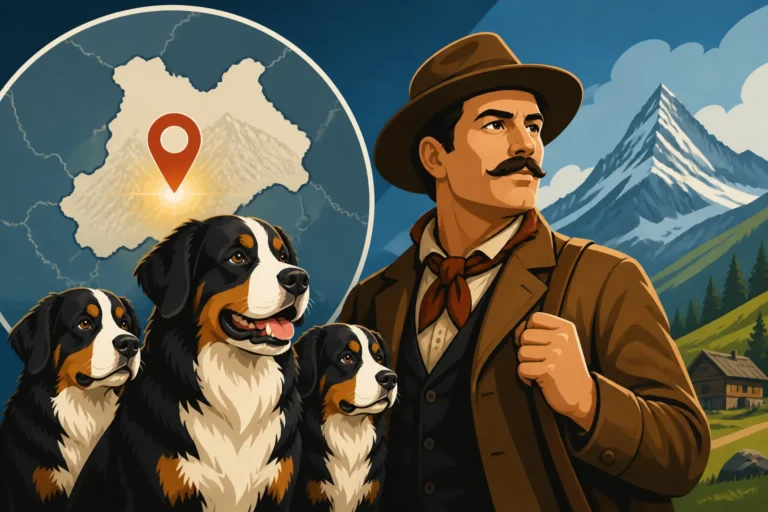
The Bernese Mountain Dog, initially known as the Dürrbächler (named after the Dürrbach valley near Bern, Switzerland, where they were prevalent), began its formal recognition journey in the early 20th century. Before that, these dogs were simply common farm dogs, robust and hardworking, pulling carts of milk or cheese, herding livestock, and guarding property. They were valued for their utility, not necessarily their pedigree. You can learn more about The Swiss Valley the Bernese Mountain Dog Comes From.
A concerted effort by Swiss dog fanciers, most notably Franz Schertenleib and Professor Albert Heim, played a crucial role in collecting and standardizing the breed. Heim was instrumental in giving the breed its current name, "Berner Sennenhund," and drafting the first breed standard. This marked a significant turning point, moving the Berner from a local farm dog to a recognized breed with a future. What Albert Heim Did for the Bernese Mountain Dog cannot be overstated. From there, its distinct look and wonderful temperament slowly but surely captured hearts beyond the Swiss borders.
Historical Challenges and Revival Efforts
Despite their eventual success, the Bernese Mountain Dog faced significant challenges, particularly during the late 19th and early 20th centuries. With industrialization and changing agricultural practices, the need for traditional farm dogs diminished. Breeds like the Berner, once vital, found themselves facing potential extinction. This period saw many traditional working breeds dwindle in numbers. It's a testament to passionate advocates that the Bernese Mountain Dog didn't fade away.
Dedicated individuals actively sought out the remaining dogs, focusing on preserving the distinctive traits that made the Berner unique – its long coat, tricolor markings, and calm, affectionate nature. Clubs were formed to promote the breed, encourage responsible breeding, and ensure its survival. This effort was critical, because Why the Bernese Mountain Dog Nearly Disappeared shows how close we came to losing them entirely. The early registration numbers were quite small; for example, records show How Many Bernese Mountain Dogs Existed in 1910 were surprisingly low, highlighting the success of these revival efforts.
Fast forward to today, and the Bernese Mountain Dog has become one of the most beloved giant breeds worldwide. Its popularity has soared in North America and Europe, making it a familiar sight in parks, on trails, and in family homes. This modern popularity is a direct result of those early preservation efforts and the breed’s inherent qualities shining through. You can often see Where the Bernese Mountain Dog Ranks in Popularity in many countries, often quite high for a giant breed.
Comparing Rarity: Bernese Mountain Dog vs. Its Cousins
Now, for the crux of the matter: is the Bernese Mountain Dog truly the rarest among the Swiss Sennenhunds? The answer, unequivocally, is no. While all four breeds share a common heritage, the Bernese Mountain Dog has far surpassed its cousins in terms of global popularity and sheer numbers. Let's delve into why this is the case by looking at each of its relatives.
The Greater Swiss Mountain Dog
The Greater Swiss Mountain Dog is often considered the oldest and largest of the Sennenhunds. It shares the same striking tricolor pattern as the Berner but sports a short, dense double coat. Their temperament is generally described as confident, watchful, and loyal, making them excellent family guardians and companions for experienced owners. They are robust and powerful, built for hard work in the Alps.
Despite their impressive stature and history, Greater Swiss Mountain Dogs are considerably less common than Berners. They require a confident owner who understands large, powerful breeds, and their shorter coat, while practical for some, might not possess the same "fluffy" appeal that draws many to the Bernese. While undeniably magnificent, the Greater Swiss hasn't captured the public imagination in the same way, leading to lower numbers in most registries globally. When you're Telling a Greater Swiss From a Bernese Mountain Dog, the coat length is usually the most obvious difference.
The Appenzeller Sennenhund
Moving to the more agile end of the spectrum, the Appenzeller Sennenhund is a medium-sized, highly energetic, and vocal breed. Like the Greater Swiss, they have a short coat and the characteristic tricolor markings, often with a distinctive curled tail carried over their back. Appenzellers are known for their strong herding instincts, intelligence, and need for constant mental and physical stimulation. They are not a dog for the faint of heart or the sedentary lifestyle.
Their high energy levels and need for purpose mean they thrive in active homes that can provide extensive training and engagement. This makes them less suitable for the average family seeking a more relaxed companion. Consequently, Appenzellers remain quite rare outside of Switzerland and parts of Europe where working dog enthusiasts appreciate their specific traits. The Appenzeller Against the Bernese Mountain Dog truly highlights the difference in temperament and exercise requirements.
The Entlebucher Sennenhund
The Entlebucher Sennenhund is the smallest of the four Swiss breeds, and arguably the rarest outside of Switzerland. They are compact, powerful dogs with short coats and a natural bobtail or docked tail (where allowed). Entlebuchers are known for being incredibly agile, intelligent, and fiercely loyal to their families. They possess a strong herding drive and a lively, independent spirit.
Similar to the Appenzeller, the Entlebucher demands a lot from its owners. They need consistent training, ample exercise, and a job to do to prevent boredom and destructive behaviors. Their strong personalities, combined with their smaller stature (which sometimes leads people to underestimate their needs), mean they require dedicated owners who understand their specific requirements. For these reasons, the Entlebucher remains significantly less common than the Bernese Mountain Dog and is often regarded as the rarest of the four. These energetic dogs really underscore What the Bernese Mountain Dog Shares With Its Swiss Cousins in terms of working dog heritage, even if their paths diverged.
Factors Influencing Breed Popularity and Rarity
So, if the Bernese Mountain Dog isn't the rarest, what exactly drives its popularity compared to its equally noble, yet less common, relatives? It often comes down to a combination of aesthetics, temperament, and adaptability to modern lifestyles.
Coat Type and Public Appeal
There's no denying the visual appeal of a long-coated, fluffy dog. The Bernese Mountain Dog's beautiful, flowing tricolor coat is a significant draw for many prospective owners. It gives them a teddy-bear like quality, an imposing yet approachable look that simply melts hearts. This aesthetic appeal often outweighs the practicalities of grooming a long-haired, shedding dog. Why Only the Bernese Mountain Dog Has a Long Coat among the Sennenhunds is a key differentiator that has undoubtedly contributed to its widespread appeal. People are often willing to put in the effort of regular brushing and grooming to enjoy that luxurious look.
In contrast, while the short-coated Greater Swiss, Appenzeller, and Entlebucher are handsome and efficient, their appearance, while striking, might not evoke the same immediate "aww" factor for the general public. For many, the long coat of the Berner epitomizes the "mountain dog" image they envision.
Adaptability and Living Arrangements
Another major factor is temperament and adaptability. The Bernese Mountain Dog is renowned for its generally calm, good-natured, and affectionate disposition. While they are large and require exercise, they are often described as "velcro dogs" that thrive on being with their families indoors. They are generally patient and gentle, making them excellent companions for families with children, provided they are well-socialized and trained. A Bernese Mountain Dog Around Children is often a harmonious picture. This adaptability to a family environment, coupled with their somewhat more relaxed energy levels compared to the highly driven Appenzeller or Entlebucher, makes them a more practical choice for many households.
The other Sennenhunds, while loyal and loving, often come with more intense needs. The Appenzeller and Entlebucher, in particular, demand a significant commitment to activity, training, and mental stimulation. They are working dogs through and through, and without a "job," they can become bored and destructive. This makes them less suitable for suburban life or owners who can't dedicate substantial time to their physical and mental exercise.
This isn't to say Berners are low-maintenance; they still require plenty of care, training, and attention, especially considering The Bernese Mountain Dog Health Panel which is so crucial. But their general temperament makes them a more universally appealing choice for companion animal roles compared to their rarer, more demanding cousins. Ultimately, while all the Swiss breeds are treasures, the Bernese Mountain Dog's unique combination of beauty and adaptable temperament has cemented its place as the most popular, and certainly not the rarest, of the four Sennenhunds.
Disclaimer
This article is for general informational purposes only and does not constitute professional advice. Laws, prices and regulations vary by location and change over time. Consult a qualified professional for guidance on your specific situation.