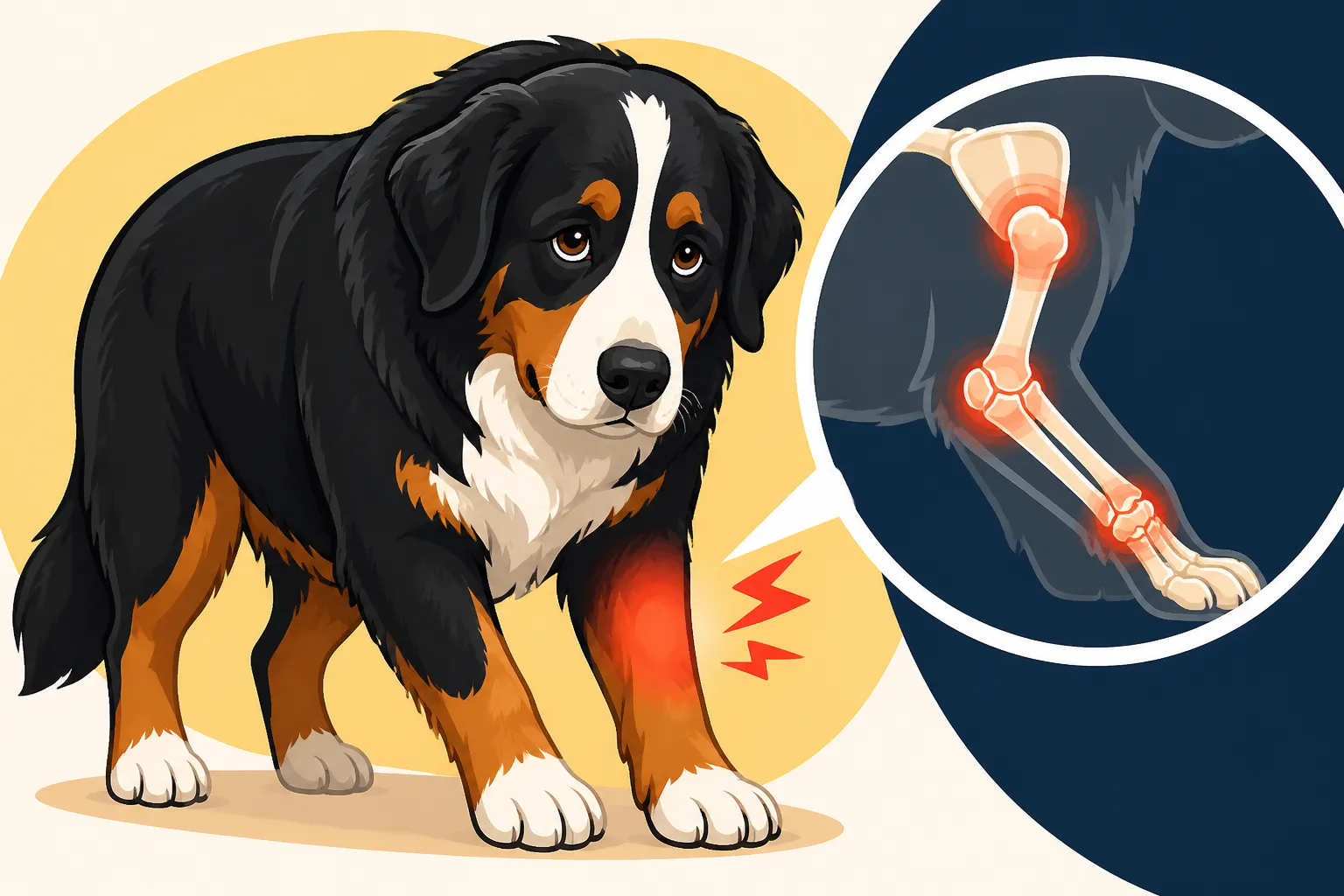
The Front-End Lameness a Bernese Mountain Dog Develops
It’s heartbreaking to watch your usually robust and joyful Bernese Mountain Dog start to limp, especially when it seems to be coming from their front legs. These gentle giants, known for their affectionate nature and impressive stature, can face unique orthopedic challenges due to their size and rapid growth. This guide will walk you through the most common causes of front-end lameness in Bernese Mountain Dogs, helping you understand the signs, diagnostic processes, and available management options so you can better advocate for your beloved companion.
Understanding Front-End Lameness in Bernese Mountain Dogs
When your big Berner starts to favor a leg, or seems reluctant to join in on the fun, it’s natural to feel a pang of worry. Front-end lameness can be particularly distressing because it impacts their ability to move, play, and even stand comfortably. Given their impressive size and the load their joints carry, it’s unfortunately a common issue for Bernese Mountain Dogs.
The Unique Challenges of a Large Breed
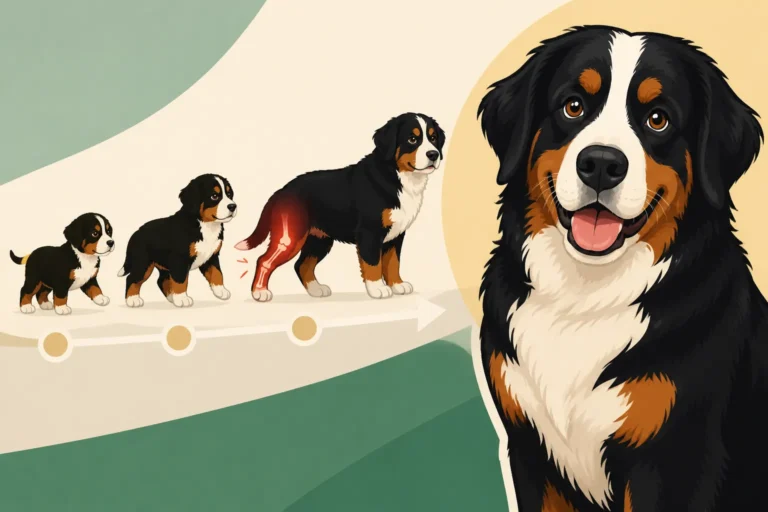
Imagine carrying an extra 50 or 100 pounds on your frame every single day; that’s the reality for a growing Bernese Mountain Dog. Their rapid growth spurt during puppyhood and adolescence places immense stress on developing bones, joints, and soft tissues. This accelerated development, combined with their genetic predispositions, means their joints are under constant scrutiny from a young age. While we adore their majestic presence, their weight can become a double-edged sword when it comes to orthopedic health, leading to wear and tear that smaller breeds might not experience until much later in life, if at all. Owners often feel a deep empathy for their Berners, remembering the agility of their puppy days and wishing they could alleviate their discomfort as they mature.
Common Symptoms and Early Warning Signs
Sometimes, a limp is obvious—a clear skip or refusal to put weight on a leg. More often, especially in the early stages of a developing condition, the signs are subtle, almost imperceptible. You might notice your Berner:
- Slightly favoring a limb: Perhaps a shorter stride on one side, or a slight head bob when walking.
- Reluctance to play or exercise: They might not greet you with the same enthusiasm for a walk or seem less interested in their usual romp in the yard. You might even notice they're hesitant when you encourage Exercising a Bernese Mountain Dog in Summer.
- Difficulty rising or lying down: A big dog struggling with these everyday actions is a significant red flag.
- Changes in gait: This could be anything from a bunny-hop when running to an overall stiff or choppy movement.
- Licking or chewing at a joint: This is an attempt to self-soothe pain or discomfort.
- Muscle atrophy: Over time, if a leg is not used properly, the muscles can begin to waste away, making the limb appear thinner.
It's important to remember that these signs can wax and wane. A dog might seem fine after a day of rest, only for the lameness to reappear with activity. This intermittent nature can make it tricky to decide when to seek veterinary attention, but with a breed prone to orthopedic issues, it’s always better to be proactive than to wait until the discomfort becomes debilitating.
Elbow Dysplasia: A Primary Concern
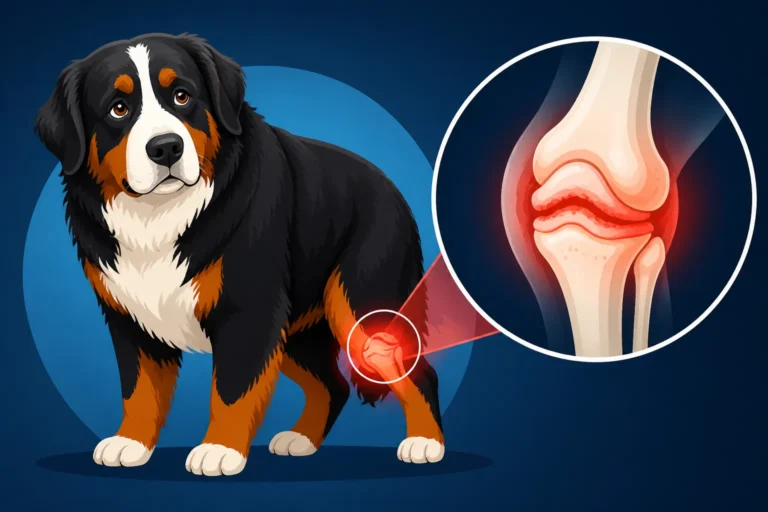
Elbow dysplasia is arguably one of the most common and devastating orthopedic conditions affecting the front legs of Bernese Mountain Dogs. It’s not a single disease, but rather a catch-all term for several developmental abnormalities of the elbow joint, often appearing as a persistent or intermittent lameness, usually in young, rapidly growing dogs.
What Exactly is Elbow Dysplasia?
Elbow dysplasia occurs when the three bones that make up the elbow joint (the humerus, radius, and ulna) don't fit together perfectly during development. This incongruity leads to abnormal stress on the cartilage and bone, resulting in pain, inflammation, and degenerative joint disease (arthritis) over time. The most common manifestations include:
- Ununited Anconeal Process (UAP): A small projection of bone on the ulna fails to fuse with the main bone, remaining a separate piece.
- Fragmented Coronoid Process (FCP): A small piece of bone or cartilage breaks off from the coronoid process, a part of the ulna. This is the most common form of elbow dysplasia in Bernese Mountain Dogs.
- Osteochondrosis Dissecans (OCD): A flap of cartilage forms within the joint due to abnormal cartilage growth, causing pain and irritation.
- Elbow Incongruity: The bones don't align properly, creating uneven pressure within the joint.
Because of their genetic predisposition, responsible breeders take significant steps to screen their breeding dogs for this condition, often utilizing procedures like OFA Clearances a Bernese Mountain Dog Should Have. However, even with the best efforts, it can still appear in offspring, causing considerable distress for both dog and owner. The pain can range from mild discomfort to severe, debilitating lameness, significantly impacting a Berner's quality of life.
Diagnosis and Treatment Options
If you suspect your Bernese Mountain Dog has elbow dysplasia, a prompt visit to your veterinarian is crucial. The diagnostic process typically begins with a thorough physical examination, where the vet will manipulate the elbow joint to check for pain, swelling, and reduced range of motion. This is usually followed by:
- Radiographs (X-rays): Multiple views of the elbow joint are taken to identify any visible abnormalities, such as bone fragments, joint incongruity, or early signs of arthritis. While X-rays are helpful, some subtle changes can be missed.
- CT Scans: For a more detailed look, a computed tomography (CT) scan can provide a three-dimensional image of the joint, making it easier to pinpoint smaller fragments or assess joint congruence with greater accuracy. This is often recommended when X-rays are inconclusive or before surgery.
Treatment options depend heavily on the severity of the condition and the specific type of elbow dysplasia present:
- Conservative Management: For mild cases or when surgery isn't an option, management focuses on pain relief and slowing the progression of arthritis. This includes:
- Non-steroidal anti-inflammatory drugs (NSAIDs): To reduce pain and inflammation.
- Joint supplements: Glucosamine, chondroitin, and omega-3 fatty acids can help support cartilage health.
- Weight management: Keeping your Berner at a healthy weight is paramount to reduce stress on their joints.
- Controlled exercise: Avoiding high-impact activities while maintaining muscle mass through low-impact exercise like swimming.
- Surgical Interventions: For many cases, especially those involving fragmented bone or cartilage, surgery offers the best chance for long-term comfort.
- Arthroscopy: A minimally invasive procedure where a small camera is inserted into the joint to visualize and remove fragments or smooth rough cartilage. This is often the preferred method due to quicker recovery times.
- Corrective Osteotomies: In more severe cases of joint incongruity, bone might need to be cut and realigned to improve joint mechanics.
Recovery from surgery involves a structured rehabilitation program, which may include rest, controlled leash walks, and physical therapy. It's a journey, not a sprint, and realistic expectations are key. Many owners find robust pet insurance plans, like those offered by Healthy Paws, invaluable when facing the potential costs of diagnostics and surgery for elbow dysplasia. These procedures can be incredibly expensive, and knowing you have support can make a world of difference during a stressful time.
Osteochondrosis Dissecans (OCD) of the Shoulder
While elbow dysplasia often grabs the headlines for front-end lameness in Bernese Mountain Dogs, another significant culprit can be Osteochondrosis Dissecans (OCD) affecting the shoulder joint. Though less common than elbow dysplasia, it presents its own set of challenges and can be just as painful for your beloved companion.
How OCD Affects Bernese Shoulders
Osteochondrosis (OC) is a disturbance in the normal development of cartilage into bone, which occurs rapidly in large, fast-growing breeds like the Bernese Mountain Dog. When this abnormal cartilage becomes thick and separates from the underlying bone, forming a flap, it's called Osteochondrosis Dissecans (OCD). This flap of cartilage, often located on the head of the humerus (the upper arm bone) where it meets the shoulder blade, irritates the joint lining and causes significant pain and inflammation.
Unlike elbow dysplasia which often involves multiple components of the joint, shoulder OCD is specifically about this cartilage defect. The symptoms can be very similar to those of elbow issues, making accurate diagnosis essential. Typically, dogs affected by shoulder OCD show signs of lameness between 4 and 9 months of age, though it can sometimes manifest later. The lameness often worsens after exercise and improves with rest. Because it's a developmental condition, both shoulders can be affected, though often one side presents with more severe symptoms than the other.
Managing Shoulder OCD
The approach to managing shoulder OCD in a Bernese Mountain Dog is somewhat similar to elbow dysplasia, starting with diagnosis and then moving to either conservative or surgical treatments.
-
Diagnosis:
- Physical Exam: Your vet will palpate the shoulder, check for pain upon extension or flexion, and assess range of motion.
- X-rays: Radiographs are usually the first step, often revealing the characteristic cartilage flap or flattened bone surface. Sometimes, special positioning is needed to get a clear view.
- CT Scans or Arthroscopy: For clearer visualization of the cartilage defect, especially if X-rays are inconclusive, a CT scan or diagnostic arthroscopy might be recommended.
-
Conservative Management: This is often attempted for milder cases, especially if the dog is still very young and the cartilage flap is small, or if surgery isn't feasible.
- Strict Rest: Limiting all strenuous activity is paramount to allow the cartilage to potentially heal or reattach. This can mean crate rest or very controlled leash walks for several weeks.
- Anti-inflammatory Medications: NSAIDs are used to control pain and reduce inflammation within the joint.
- Joint Supplements: As with elbow dysplasia, supplements containing glucosamine, chondroitin, and MSM can be beneficial.
- Weight Control: Maintaining an ideal body weight is crucial to minimize stress on the affected joint.
- Physical Therapy: Once the initial inflammation subsides, gentle physical therapy exercises can help maintain muscle mass and joint flexibility without causing further damage.
-
Surgical Intervention: For most Bernese Mountain Dogs with a clearly defined cartilage flap causing lameness, surgical removal of the flap is the recommended course of action.
- Arthroscopy: This minimally invasive surgery is often preferred. A small incision allows the surgeon to insert a camera and specialized instruments to remove the loose cartilage flap and debride (clean up) the affected bone surface. This leads to less pain and faster recovery compared to traditional open surgery.
- Open Arthrotomy: In some cases, a traditional open surgery may be necessary to access and repair the joint.
Following surgery, a rehabilitation program is vital for successful recovery. This typically involves several weeks of restricted activity, followed by a gradual increase in controlled exercise, potentially including hydrotherapy. The goal is to restore full range of motion, strengthen surrounding muscles, and prevent excessive scar tissue formation. The recurring vet visits for pain management or the potential for expensive surgery like this are precisely why investing in a pet insurance policy, such as those from Healthy Paws, makes so much sense for a Berner owner. The peace of mind knowing you can provide the best care without financial strain is truly invaluable.
Other Causes of Front-End Lameness
While elbow dysplasia and shoulder OCD are major players, they aren't the only reasons a Bernese Mountain Dog might develop a limp in their front legs. There’s a whole host of other possibilities, ranging from minor sprains to more serious, systemic conditions. A thorough diagnostic work-up is always important to ensure the correct problem is identified and treated.
Soft Tissue Injuries and Sprains
Even with their sturdy build, Bernese Mountain Dogs are not immune to the everyday aches, pains, and injuries that any active dog can experience. A sudden twist during play, an awkward landing, or overexertion can lead to:
- Muscle Strains: A pulled muscle in the shoulder, chest, or leg can cause acute lameness. These are often self-limiting, improving with rest and anti-inflammatory medication.
- Ligament Sprains: Ligaments connect bone to bone, providing stability to joints. A sprain occurs when a ligament is stretched or torn. While cruciate ligament tears are more common in the knees (The Knee a Bernese Mountain Dog Tears at Four), sprains can happen in other joints like the wrist (carpus) or shoulder.
- Tendonitis: Inflammation of a tendon, often due to overuse or repetitive strain, can also cause localized pain and lameness. Bicipital tenosynovitis, affecting the biceps tendon in the shoulder, is an example that can occur in large breeds.
Differentiating these acute soft tissue injuries from chronic, developmental conditions like dysplasia can be challenging. Typically, soft tissue injuries come on suddenly after a specific event, and the lameness might be more pronounced initially. A few days of strict rest, sometimes with prescribed pain relief, can often lead to significant improvement. However, if the lameness persists or recurs, it's crucial to investigate further to rule out underlying structural problems. Proper conditioning and warm-ups before strenuous activity can help prevent some of these injuries.
Panosteitis "Growing Pains"
This condition is often referred to as "growing pains" and is typically seen in large and giant breed puppies between 5 and 18 months of age, though it can occur a bit younger or older. Panosteitis is an inflammation of the outer surface of the long bones, most commonly in the front legs (humerus, radius, ulna), but it can affect the hind legs too.
The hallmark of panosteitis is its shifting lameness. Your Berner puppy might be limping on one front leg one day, only to be limping on the other front leg (or even a hind leg) a few days later. The lameness can appear suddenly, sometimes severely, and then disappear, only to return. Vets can often elicit pain by palpating the affected bones. The good news is that panosteitis is generally a self-limiting condition, meaning it resolves on its own as the dog matures and stops growing, usually by 18-20 months of age. Treatment typically involves pain management with NSAIDs and careful monitoring. While distressing to watch, it usually causes no long-term damage. It's a reminder of the delicate balance required in nurturing a growing giant breed puppy, including understanding their unique nutritional needs, such as managing Why a Bernese Mountain Dog Puppy Needs Controlled Calcium.
Less Common but Serious Conditions
While less frequent, it's vital to be aware of other potential causes of front-end lameness that require immediate and often aggressive intervention:
- Bone Tumors (Osteosarcoma): Unfortunately, Bernese Mountain Dogs are genetically predisposed to various cancers, including bone cancer. Osteosarcoma is an aggressive malignant tumor that can develop in any bone but often affects the long bones of the limbs, including the front legs. It causes persistent, often severe, lameness that doesn't respond to rest or standard pain relief. Swelling around the affected bone may also be noticeable. This condition is a devastating reality for many Berner owners, often appearing later in life, and is one aspect of The Cancer That Kills Half of All Bernese Mountain Dogs. Diagnosis involves X-rays, often followed by a biopsy. Prognosis is typically guarded, but treatment options like amputation and chemotherapy can extend quality of life.
- Inflammatory Conditions: Certain immune-mediated or infectious conditions can lead to joint inflammation (arthritis) and lameness. These are often diagnosed through blood tests and joint fluid analysis.
- Neurological Issues: While less common for pure front-end lameness, conditions affecting the nerves in the neck or spinal cord can sometimes manifest as weakness or lameness in the front limbs. A thorough neurological exam would be part of the diagnostic process if nerve involvement is suspected.
When faced with persistent or worsening lameness, especially in an older Berner, or one that isn't responding to initial conservative care, it's crucial to pursue thorough diagnostics with your veterinarian. Early detection of serious conditions can significantly impact treatment success and your dog's quality of life.
Living with a Berner with Front-End Lameness
Bringing a Bernese Mountain Dog into your life means committing to their well-being, which often includes navigating health challenges specific to the breed. When front-end lameness becomes a reality, the focus shifts to supportive care, managing comfort, and making necessary lifestyle adjustments to ensure your beloved companion can still live a fulfilling life.
Supportive Care and Lifestyle Adjustments
Managing a large dog with chronic lameness requires a holistic approach, addressing both their physical comfort and their environment. It's not just about medication; it's about making their daily life as easy and pain-free as possible.
- Orthopedic Bedding: Investing in a high-quality orthopedic dog bed is non-negotiable. These beds provide superior joint support, reducing pressure points and offering better comfort for resting, which is vital for healing and pain management. Brands like Big Barker are specifically designed for large breeds and can make a huge difference in how comfortably your Berner rests and rises.
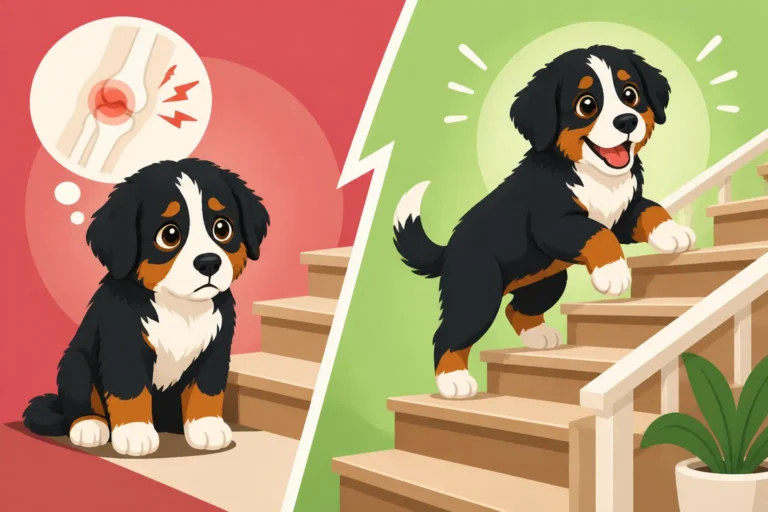
- Ramps and Stairs Management: Stairs can put immense strain on compromised front joints. Consider using ramps for getting into and out of vehicles, and limit or completely eliminate stair climbing in your home. If stairs are unavoidable, a lifting harness can help support their weight.
- Weight Management: This cannot be stressed enough. Every extra pound your Berner carries adds exponential stress to their joints. Work closely with your vet to ensure your dog maintains an ideal body condition. Even losing a few pounds can significantly reduce pain and improve mobility. If you're struggling, check out our guide on Taking Weight Off a Bernese Mountain Dog.
- Physical Therapy and Hydrotherapy: These therapies can be game-changers. Physical therapy, including specific exercises, stretches, and modalities like laser therapy or therapeutic ultrasound, can strengthen supporting muscles, improve range of motion, and reduce pain. Hydrotherapy, or underwater treadmill therapy, is particularly beneficial because the buoyancy of the water reduces weight-bearing stress on the joints while allowing for active movement and muscle building. Our article on Hydrotherapy for an Arthritic Bernese Mountain Dog dives deeper into this effective treatment.
- Supplements and Medications: Beyond any prescribed NSAIDs, talk to your vet about joint supplements that contain ingredients like glucosamine, chondroitin, MSM, and omega-3 fatty acids. While not a cure, they can help support joint health and reduce inflammation.
- Non-Slip Flooring: Slippery floors can be a nightmare for a dog with front-end lameness, leading to falls and further injury. Consider adding runners or carpets to hard floor surfaces, especially in high-traffic areas. Paw pads or grip socks can also provide extra traction.
These adjustments are not just about managing a condition; they're about demonstrating your love and commitment to your Bernese Mountain Dog, ensuring their comfort and dignity through their challenges.
Proactive Prevention and Early Intervention
While some conditions are genetic and unavoidable, there are many things you can do to give your Bernese Mountain Dog the best chance at a healthy life and to intervene effectively if issues arise.
- Responsible Breeding: This is the cornerstone of prevention. Always choose a breeder who performs comprehensive health screenings on their breeding stock, including What Health Testing a Bernese Mountain Dog Breeder Pays For. Reputable breeders will screen for elbow and hip dysplasia, as well as other genetic conditions common in the breed. They should be transparent with OFA (Orthopedic Foundation for Animals) certifications and willing to discuss the health history of their lines.
- Proper Nutrition During Growth: Feeding a large breed puppy food designed for slow, steady growth is crucial. These formulas have carefully balanced calcium and phosphorus levels to prevent rapid growth that can exacerbate orthopedic issues like OCD and elbow dysplasia. Avoid overfeeding, as excess weight during puppyhood can put undue stress on developing joints. Our article Why a Bernese Mountain Dog Puppy Needs Controlled Calcium provides excellent insights into this critical aspect of puppy care.
- Controlled Exercise in Puppyhood: While puppies need play, high-impact activities like jumping, excessive stair climbing, and long runs should be avoided during their critical growth phases. Short, frequent, low-impact play sessions are ideal. Allow them to self-regulate their activity.
- Regular Veterinary Check-ups: Routine vet visits are essential for monitoring your Berner's health, including their musculoskeletal system. Your vet can often spot subtle signs of lameness or discomfort that you might miss. Regular check-ups, especially as your dog ages, should include Bloodwork a Bernese Mountain Dog Should Have Yearly and discussions about joint health.
- Early Diagnosis is Key: If you notice any signs of lameness, even subtle ones, don't wait. Early diagnosis of conditions like elbow dysplasia or OCD can mean the difference between effective conservative management and more invasive, costly, and potentially less successful treatments down the line. A proactive approach allows you and your vet to create a treatment plan that can mitigate pain and slow disease progression. With a breed predisposed to these conditions, having a plan for unexpected veterinary costs, perhaps through a provider like Healthy Paws, can offer immense peace of mind. Their comprehensive coverage can alleviate the financial burden of diagnostics, medications, and potential surgeries, allowing you to focus purely on your dog's well-being.
By being informed, proactive, and working closely with your veterinarian, you can provide the best possible care for your Bernese Mountain Dog and help them live their happiest, most comfortable life, even if orthopedic challenges arise.
Comparing Common Front-End Lameness Conditions
To help visualize the differences between the two most prevalent front-end lameness issues in Bernese Mountain Dogs, here's a quick comparison:
| Feature | Elbow Dysplasia (ED) | Osteochondrosis Dissecans (OCD) of the Shoulder |
|---|---|---|
| Affected Joint | Elbow (where humerus, radius, ulna meet) | Shoulder (head of humerus where it meets scapula) |
| Core Problem | Malformation and poor fit of joint components | Flap of cartilage separating from underlying bone |
| Prevalence | Very common in Berners, often bilateral | Less common than ED, can also be bilateral |
| Age of Onset | Typically 4-12 months (clinical signs) | Typically 4-9 months (clinical signs) |
| Symptoms | Forelimb lameness (often worse after rest/exercise), | Forelimb lameness (often worse after exercise), |
| stiffness, reluctance to bear weight, reduced motion | stiffness, reluctance to extend leg, muscle atrophy | |
| Diagnosis | Physical exam, X-rays, CT scan, arthroscopy | Physical exam, X-rays, CT scan, arthroscopy |
| Treatment | Conservative (pain meds, supplements, weight control) | Conservative (rest, pain meds, supplements) |
| Surgical (arthroscopy, corrective osteotomies) | Surgical (arthroscopic removal of cartilage flap) | |
| Prognosis | Varies with severity; often leads to lifelong arthritis | Good with early surgery; arthritis if left untreated |
Disclaimer
The information provided in this guide is for general educational purposes only and should not be considered a substitute for professional veterinary advice. Always consult with a qualified veterinarian for any health concerns or before making any decisions related to your Bernese Mountain Dog's care.