Whether Exercise After Eating Bloats a Bernese Mountain Dog
It's a terrifying thought for any Bernese Mountain Dog owner: the sudden onset of bloat, or Gastric Dilatation-Volvulus (GDV). You hear stories, you read warnings, and the idea of unknowingly doing something that could trigger this life-threatening condition, like letting your beloved Berner exercise right after a meal, can be incredibly stressful. This guide is here to untangle the facts, ease your worries where possible, and equip you with practical steps to safeguard your big, beautiful companion against this silent danger.
Understanding Gastric Dilatation-Volvulus (GDV) in Bernese Mountain Dogs
When we talk about "bloat" in Bernese Mountain Dogs, we're not just talking about a little gas or an upset tummy. We're referring to a medical emergency known as Gastric Dilatation-Volvulus, or GDV. It’s a condition that strikes fear into the hearts of large breed dog owners, and for good reason—it can be fatal in a matter of hours if not treated immediately.
What Exactly Is Bloat and Why Is It So Dangerous?
Imagine your dog's stomach. In GDV, it first fills with gas, food, or fluid, becoming distended (dilatation). This alone is painful and puts pressure on other organs. The really dangerous part, though, is the "volvulus," where the distended stomach then twists on its axis. This twisting cuts off the blood supply to the stomach and often the spleen, and prevents gas and food from leaving the stomach. The rapid accumulation of gas causes the stomach to expand further, impacting breathing and circulation. It's a cascade of critical failures that progresses at an alarming rate.
The speed at which GDV can become critical is what makes it so terrifying. Many owners have reported their dog seeming fine one minute and exhibiting severe symptoms an hour later. The window for successful intervention, as heartbreaking as it sounds, is often just The Half-Hour That Decides a Bloated Bernese Mountain Dog. Every minute counts when GDV strikes, making awareness and swift action paramount for any Berner family.
The Deep-Chested Predisposition
Why are Bernese Mountain Dogs, along with other magnificent breeds like Great Danes, Standard Poodles, and Weimaraners, so susceptible to bloat? It largely comes down to their magnificent, deep-chested conformation. Their chest cavities are long and narrow, providing ample space for the stomach to distend and, crucially, to twist. Breeds with broad, shallow chests tend to have less room for this dangerous rotation to occur. It's a genetic lottery, so to speak, that unfortunately places our Berners at a higher inherent risk, irrespective of how diligently we manage their diet and exercise.
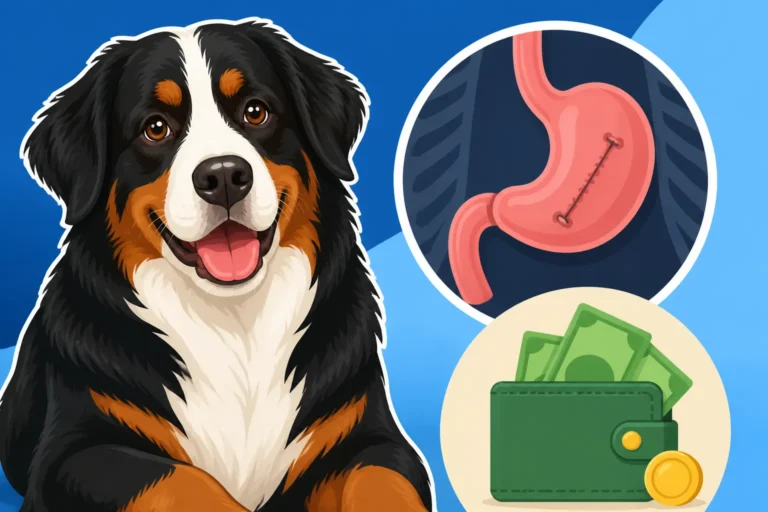
This inherent risk means that even with the best preventative measures, GDV can still occur. This is why many Bernese owners consider procedures like Tacking a Bernese Mountain Dog's Stomach (gastropexy) during spay or neuter surgeries, or even as a standalone procedure for at-risk dogs. While not a guarantee, it significantly reduces the likelihood of the stomach twisting, often allowing more time to address distension if it does occur.
Recognizing the Urgent Signs
Knowing What Bloat Looks Like in a Bernese Mountain Dog is literally a matter of life or death. Early detection dramatically improves the chances of survival. The most common and critical signs include:
- Restlessness and Pacing: Your typically calm Berner might be unable to settle, constantly moving, or trying to find a comfortable position.
- Unproductive Retching or Vomiting: This is a hallmark sign. Your dog will try to throw up, but nothing, or very little, comes out, perhaps just foamy saliva. They look like they're trying to vomit but can't.
- Distended or Swollen Abdomen: The belly, especially on the left side, may appear noticeably larger or taut, like a drum. Gently tapping it might produce a hollow sound.
- Pain and Discomfort: Your dog might whimper, pant excessively, or refuse to lie down. They may also look at their flank anxiously.
- Drooling: Excessive drooling can be a sign of nausea and distress.
- Weakness or Collapse: As the condition progresses, your dog may become weak, collapse, or show signs of shock (pale gums, rapid shallow breathing, rapid heart rate).
If you see any of these signs, especially the unproductive retching and distended abdomen, do not wait. Call your vet immediately and head to the emergency clinic. Time is of the essence when it comes to bloat, as How Fast Bloat Kills a Bernese Mountain Dog is often shockingly quick.
The Link Between Exercise, Eating, and Bloat Risk
The question of whether exercise after eating causes bloat is one that plagues many Bernese Mountain Dog owners. It's a concern rooted in valid physiological principles, but also sometimes amplified by anecdotal fears. Let's break down what we know.
Why Exercise Immediately After Eating Is a Concern
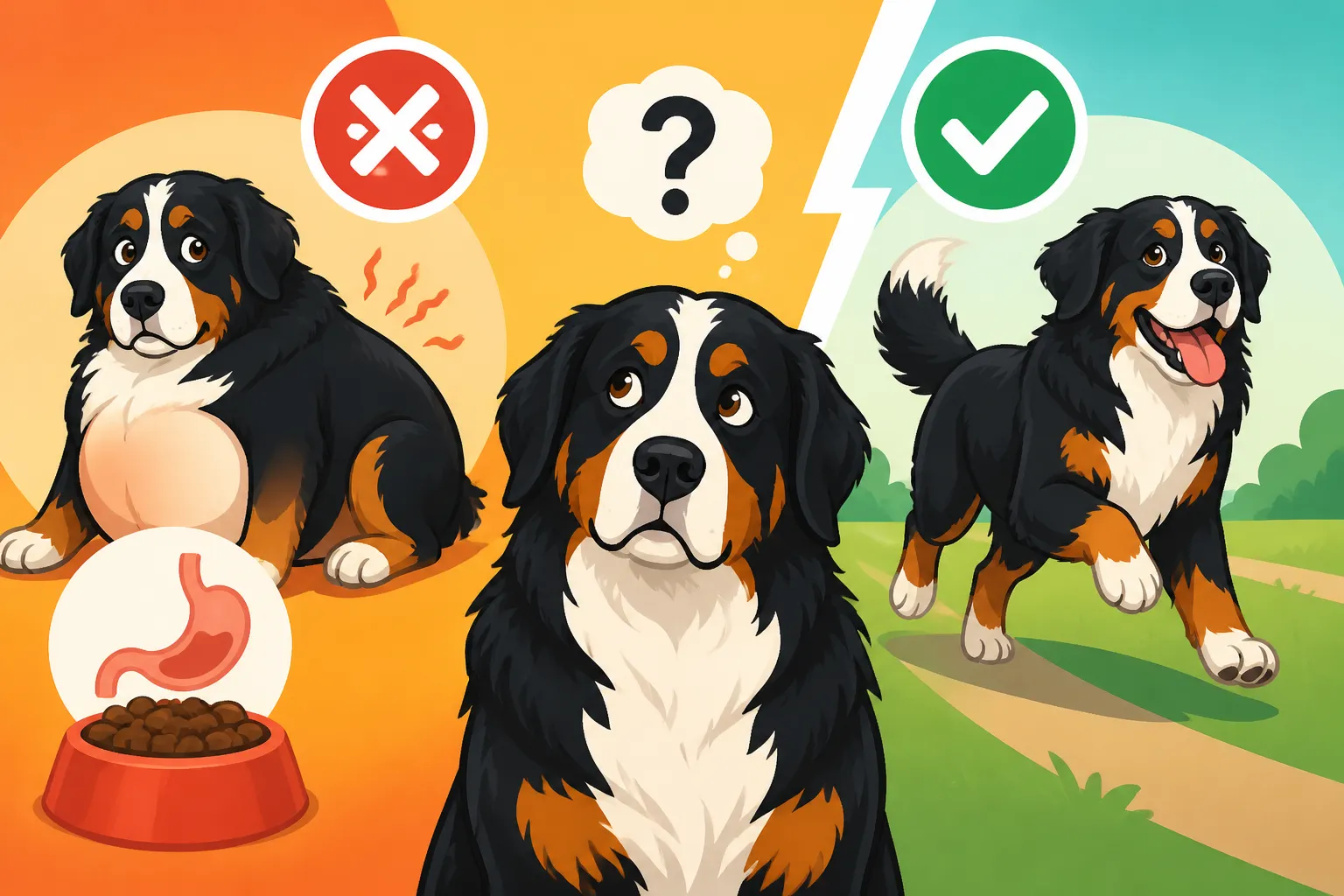
The prevailing wisdom, supported by veterinary understanding, is that vigorous exercise immediately after a meal can increase the risk of GDV. While no single factor is ever solely responsible for bloat, a combination of events can create a perfect storm. When a dog exercises vigorously, several things happen:
- Increased Gastric Motility and Gas Production: Physical activity can stimulate the digestive system, sometimes leading to increased gas production in the stomach.
- Physical Jostling and Stomach Movement: Running, jumping, or rolling can cause the food-laden stomach to physically move and swing within the abdominal cavity. In deep-chested dogs like Berners, this movement, combined with gas, can contribute to the stomach twisting.
- Swallowing Air (Aerophagia): During panting from exertion, especially after eating, dogs can swallow significant amounts of air, further contributing to stomach distension.
Imagine your Berner just finished a hearty meal, and then decides to zoom around the yard, chasing squirrels or playing tug-of-war. That full, heavy stomach is jostling, potentially filling with more air, and all these factors can destabilize it, making it more prone to twisting. This isn't to say every post-meal play session will lead to bloat, but it certainly elevates the risk.
The Role of Food Type and Quantity
Beyond exercise, what and how your Berner eats can also play a role in GDV risk. Large meals, especially once-a-day feedings, are often cited as a contributing factor. A massive volume of food can distend the stomach more significantly, making it heavier and more prone to displacement. This is why Feeding a Bernese Mountain Dog Around Bloat Risk often involves splitting daily rations into multiple smaller meals.
The type of food also gets discussed, although the evidence is less clear-cut for kibble types. Some studies suggest a higher risk with dry kibble that has certain ingredients or very small particle sizes, but others show no strong correlation. What does seem to matter more is how quickly a dog eats. Whether a Fast-Eating Bernese Mountain Dog Bloats More is a common concern, and indeed, gulping food quickly can lead to swallowing a lot of air, which directly contributes to stomach distension. Using slow-feeder bowls or even spreading kibble on a baking sheet can help slow down enthusiastic eaters.
Debunking Myths and Clarifying Real Risks
It's easy for misinformation to spread, especially with a condition as frightening as bloat. Let's clear up a few points:
- Elevated Food Bowls: For a long time, elevated food bowls were recommended to prevent bloat. However, modern research, including studies from Purdue University, has shown that elevated bowls might actually increase the risk in large and giant breeds. The current recommendation is generally to feed dogs at ground level, unless there's an orthopedic reason to use an elevated feeder.
- Water Consumption: While limiting vigorous exercise after drinking large amounts of water (especially cold water on a hot day) is wise, depriving your dog of water is harmful and unnecessary. Ensure fresh water is always available, but consider breaking up large drinks before and after meals or heavy exercise.
- "Bloat-Proof" Diets: There is no such thing as a completely "bloat-proof" diet. While a high-quality, balanced diet is crucial for overall health, no specific brand or ingredient combination can guarantee your dog won't bloat. Focus on Feeding an Adult Bernese Mountain Dog Safely by managing meal size and speed, rather than relying on marketing claims.
The real risks revolve around factors like genetics, deep-chested conformation, temperament (anxious dogs may be more prone), age (older dogs), and indeed, the combination of a full stomach and vigorous activity. Understanding these factors allows us to focus our preventative efforts where they matter most.
Implementing Safe Feeding and Exercise Routines
Managing your Bernese Mountain Dog's daily routine can feel like a delicate dance, especially when balancing their need for activity with the risk of bloat. The good news is that with a few mindful adjustments, you can significantly reduce the risk while still ensuring your Berner lives a happy, active life.
The Golden Rule: Rest Before and After Meals
This is perhaps the single most important preventative measure you can take. Encourage a period of calm both before and after your Berner eats.
- Before Meals: Avoid strenuous exercise for at least 30 minutes to an hour before feeding. If your Berner has just been playing intensely, bring them inside, let them cool down, and give their system a chance to normalize before food is presented.
- After Meals: This is the most critical window. Do not allow your Bernese Mountain Dog to engage in vigorous exercise for at least 1 to 2 hours after eating. This means no running, jumping, intense play, or even long, brisk walks. A short, calm leash walk to relieve themselves is generally fine, but nothing that gets their heart rate up or causes their stomach to jostle. Many owners opt for a 2-hour rest period to be safe. If you're concerned about insurance coverage for emergencies like bloat, companies like Healthy Paws often highlight their comprehensive accident and illness plans, which could provide peace of mind for unexpected vet bills.
Feeding Strategies to Minimize Risk
Beyond the timing, how you feed your Bernese Mountain Dog can also make a big difference.
- Smaller, More Frequent Meals: Instead of one or two large meals a day, break your Berner's total daily food allowance into three or even four smaller meals. This reduces the volume of food in the stomach at any one time. For example, if your dog eats 4 cups of kibble a day, offer 1 cup four times a day rather than 2 cups twice a day.
- Slow Feeder Bowls: For dogs who inhale their food in seconds, a slow feeder bowl is a game-changer. These bowls have mazes or obstacles that force your dog to eat around them, significantly slowing down their intake and reducing the amount of air they swallow. Companies like Outward Hound make excellent, durable slow feeders that can stand up to a large Berner.
- Hydration Management: Ensure your Berner always has access to fresh water. However, try to avoid them gulping down huge quantities of water immediately after eating or heavy exercise. Offer smaller amounts more frequently during these times, or allow them to drink freely a good half hour before eating.
- Consider a Prophylactic Gastropexy: As mentioned earlier, if your Berner is undergoing a spay or neuter, or if you're particularly worried about bloat, discuss a prophylactic gastropexy with your vet. This surgical procedure permanently attaches the stomach to the abdominal wall, drastically reducing the chance of it twisting. While it doesn't prevent dilation, it largely prevents the more deadly volvulus. Remember, procedures like this can be costly, so having a robust pet insurance plan like those offered by Healthy Paws can be a lifesaver when considering preventative measures or emergency treatments.
Here's a quick summary of essential feeding and exercise guidelines:
| Activity | Before Meal (30-60 mins) | During Meal | After Meal (1-2 hours) | General Guidance |
|---|---|---|---|---|
| Exercise | Light activity okay, no strenuous play | None | Calm rest, no strenuous activity | Moderate, consistent exercise |
| Eating Speed | N/A | Use slow feeder bowl | N/A | Avoid gulping food/water |
| Meal Size | N/A | Smaller, frequent meals | N/A | Split daily ration into 3-4 meals |
| Water Intake | Moderate drinking | Offer fresh water | Moderate drinking | Constant access, avoid excessive gulping |
Safe Exercise Practices for Your Berner
Exercise is vital for your Bernese Mountain Dog's physical and mental health. The key is moderation and smart timing.
- Timing is Everything: Schedule vigorous play or long walks for times well outside the 1-2 hour window before and after meals. Morning exercise before breakfast, or late afternoon/early evening exercise several hours after lunch and before dinner, are often good options.
- Moderate Intensity: Berners aren't typically endurance athletes, and high-impact, prolonged activity isn't usually their forte, nor is it good for their joints. Focus on moderate, enjoyable activities like leisurely walks, sniffing expeditions in a secure yard, or short, playful romps. Remember that Joint Disease in a Hundred Pound Bernese Mountain Dog is a common issue, so protecting their frame is always important.
- Warm-up and Cool-down: Just like humans, dogs benefit from a gentle warm-up before more strenuous activity and a cool-down afterward. This helps their body adjust and can reduce stress on their systems.
- Listen to Your Dog: Always pay attention to your Berner's cues. If they seem tired, panting excessively, or uncomfortable, it's time to stop. Especially in warmer weather, be mindful of Heat Stroke in a Bernese Mountain Dog and The Temperature a Bernese Mountain Dog Stops Coping.
When to Seek Veterinary Attention Immediately
Even with the most diligent preventative measures, bloat can still happen. Because What Ends a Bernese Mountain Dog's Life is so often GDV, early recognition and immediate action are crucial. If you observe any of the bloat symptoms—especially unproductive retching or a distended abdomen—do not hesitate. Call your emergency veterinary clinic while you are on your way. This allows them to prepare for your arrival, saving precious minutes.
Be prepared to describe the symptoms clearly and let them know you suspect GDV. Every second counts. Emergency Surgery on a Bloated Bernese Mountain Dog is often the only way to save a dog with GDV, and the sooner it's performed, the better the prognosis. The cost of such an emergency can be substantial, often running into thousands of dollars. Having a pet insurance policy, like those offered by Healthy Paws, which is known for covering such emergencies, can alleviate the financial stress during an already terrifying time, allowing you to focus solely on your dog's care.
Disclaimer
This article is intended for informational purposes only and does not constitute veterinary advice. Always consult with a qualified veterinarian for any health concerns or before making any decisions about your pet's care.