A Cart for a Bernese Mountain Dog Losing Its Legs
Watching your beloved Bernese Mountain Dog start to struggle with their hind legs is one of the most heartbreaking experiences a Berner owner can face. The vibrant dog who once bounded through fields now hesitates, stumbles, and finds simple movements incredibly difficult. This comprehensive guide is here to walk you through the difficult journey of understanding why this happens, when a mobility cart might be the perfect solution, how to choose the right one, and how to seamlessly integrate it into your Berner’s life, restoring their joy and your peace of mind.
Understanding Why a Bernese Mountain Dog Might Lose Leg Function
It’s a tough reality that Bernese Mountain Dogs, for all their glorious charm and gentle nature, are unfortunately prone to certain health conditions that can severely impact their mobility, especially as they age. When you start noticing that distinct wobble or reluctance to get up, a pit forms in your stomach, and you instinctively know something is changing.
Common Causes of Hind Leg Weakness in Berners
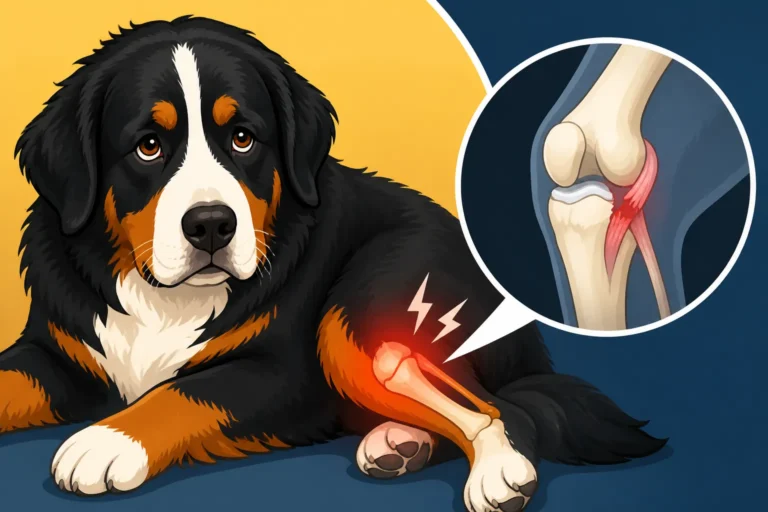
The hind leg weakness you might be observing in your Berner isn't just "old age" in many cases; it's often a symptom of underlying conditions that are particularly prevalent in the breed. One of the most common and devastating culprits is Degenerative Myelopathy (DM). This insidious neurological disease slowly but progressively attacks the spinal cord, leading to weakness, loss of coordination, and eventually paralysis of the hind limbs. It's a cruel condition because it typically doesn't cause pain, yet it steadily robs your dog of their ability to move freely. You might see them dragging their back paws, known as knuckling, or struggling to stand after resting. Understanding more about Early Degenerative Myelopathy in a Bernese Mountain Dog can help you recognize the initial subtle changes.
Beyond DM, other conditions can contribute significantly to a Berner’s mobility decline. Arthritis, particularly in the hips and elbows, is almost a given for a large breed dog like a Berner as they age. Imagine carrying 80 to 120 pounds on joints that have worked hard for years—it's bound to take its toll. Hip and elbow dysplasia, conditions where the joints don't form correctly, can exacerbate this, often leading to chronic pain and reduced range of motion. We often talk about Hips That Fail Under a Bernese Mountain Dog's Weight because it’s such a prominent issue. Cancer, another tragic reality for many Berners, can also manifest as lameness or weakness if it affects bones, joints, or the spine. It's truly a lottery when it comes to their health, and it's heartbreaking when these conditions start to steal their mobility.
Recognizing the Signs and When to Seek Veterinary Advice
Identifying the early signs of hind leg weakness is crucial, not just for potential intervention but also for managing your dog's comfort. It's not always a sudden collapse; often, it's a gradual decline. You might notice your Berner struggling to get up from a lying position, taking longer to sit or lie down, or exhibiting a hesitant gait, especially on slippery surfaces. They might start "bunny hopping" up stairs or avoiding them altogether. A tell-tale sign of neurological issues like DM is when they drag their hind paws, causing the tops of their nails to scrape on the ground. This often results in worn-down nails or even small sores.
Any time you observe a persistent change in your Bernese Mountain Dog's mobility or behavior, it’s imperative to schedule a vet visit promptly. Your veterinarian can perform a thorough examination, including neurological assessments and potentially X-rays or other diagnostics, to pinpoint the underlying cause. Early diagnosis allows for a proactive approach, whether that involves pain management, physical therapy, or even discussing mobility aids like a cart. Don't wait until your dog is completely unable to move; catching these issues early can make a significant difference in their quality of life and the options available to you. Prompt action also ensures you’re not mistaking general aches for something more serious that needs specific treatment, like Slowing Degenerative Myelopathy in a Bernese Mountain Dog.
When a Mobility Cart Becomes the Right Choice
Deciding to get a mobility cart for your Bernese Mountain Dog is a significant step, and it’s one that often comes after much deliberation, worry, and, let's be honest, a fair bit of heartache. It’s natural to feel a pang of sadness at the thought of your once-freewheeling Berner needing assistance, but seeing the transformation a cart can bring usually outweighs any initial reservations.
Assessing Your Bernese Mountain Dog's Quality of Life
The most critical factor in considering a cart is your Berner's overall quality of life. If your dog is struggling to stand, walk, or even relieve themselves, but still has a strong desire to be with you, to sniff around the yard, or to enjoy car rides, then a cart can be a game-changer. It’s about evaluating their mental state as much as their physical capabilities. Are they still happy to greet you? Do they show interest in food and treats? Do their eyes still light up when you grab the leash, even if they can't walk far? If the answer is yes, then a mobility cart can allow them to continue enjoying those simple pleasures.
This isn't about prolonging suffering; it's about enhancing the remaining joyful moments. It’s a brave decision to acknowledge their limitations while actively seeking ways to empower them. Many owners find themselves grappling with the question of Deciding When to Let a Paralyzed Bernese Mountain Dog Go, but often, before reaching that point, a cart offers a viable and loving intermediate solution. It’s a testament to your commitment to their happiness and well-being, proving that even with challenges, their life can still be rich and fulfilling.
The Benefits a Cart Can Offer for Both Dog and Owner
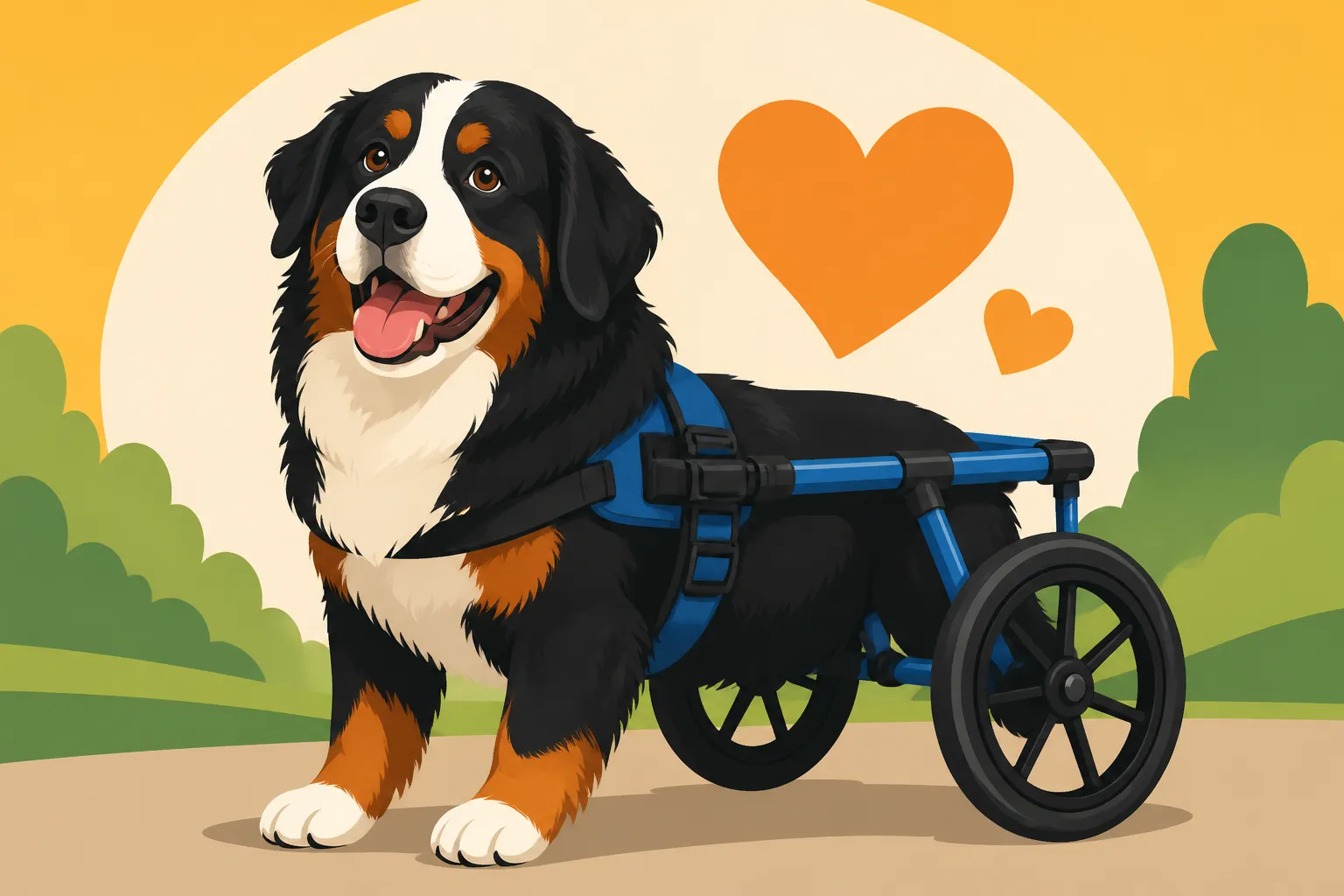
The benefits of a mobility cart extend far beyond just getting your Berner from point A to point B. For your dog, it's about regaining a sense of independence and dignity. Imagine being trapped in a body that won't cooperate, unable to explore or move without immense effort. A cart gives them back the freedom to chase a squirrel (albeit a slow one), investigate new smells, and enjoy proper walks again. The mental stimulation and physical activity, even supported, can significantly improve their mood, appetite, and overall vitality. It's incredibly uplifting to see a dog who has been struggling for weeks or months suddenly "run" with enthusiasm in their cart.
For owners, the benefits are equally profound. Physically, it alleviates the strain of constantly lifting and supporting a heavy Bernese Mountain Dog, which can take a serious toll on your own back and joints. Emotionally, it replaces the constant worry and sadness of watching them struggle with the joy of seeing them happy and active again. It allows you to continue sharing outdoor adventures and everyday moments that might have become impossible. When you see The Bernese Mountain Dog Whose Back Legs Give Out, it feels like you're losing a part of them. A cart can help you reclaim some of that connection and quality time, making the most of every precious moment you have together.
Choosing the Perfect Cart for Your Berner's Unique Needs
When you've decided a cart is the right path, the next step can feel overwhelming. The market offers a variety of options, and selecting the perfect one for your Bernese Mountain Dog, given their size and specific mobility challenges, requires careful consideration.
Types of Carts: Rear-Support, Full-Support, and Custom Options
Mobility carts generally fall into a few main categories, each designed for different levels of support:
- Rear-Support Carts (2-wheel): These are the most common type and are ideal for dogs with weakness or paralysis in their hind legs, but who still have strong front limbs. They support the back end, allowing the dog to use their front legs to propel themselves forward. This is often the first type considered when you are Living With a Bernese Mountain Dog Losing Its Back Legs.
- Full-Support Carts (4-wheel): If your Berner has weakness in all four limbs, or if their front legs are also becoming compromised, a full-support cart provides stability and assistance for both the front and back. These are often used for conditions that affect the entire spine or advanced stages of neurological diseases.
- Custom Carts: For Berners with very specific or complex needs, or unusual body proportions, a custom-built cart might be the best option. These are tailored precisely to your dog's measurements and condition, offering optimal comfort and function. Brands like Walkin' Pets or Eddie's Wheels often offer various adjustable models that can feel almost custom, but true custom builds exist for unique situations.
Each type has adjustable components for height, length, and width, which is crucial for a breed as large and varied in size as the Bernese Mountain Dog.
| Cart Type | Best For | Key Feature | Pros | Cons |
|---|---|---|---|---|
| Rear-Support (2-wheel) | Hind leg weakness/paralysis, strong front legs | Supports hindquarters, dog uses front for propulsion | Enhances independence, more maneuverable, lighter weight | Not suitable for front leg weakness, requires front limb strength |
| Full-Support (4-wheel) | Weakness in all four limbs, balance issues | Supports entire body, provides maximum stability | Comprehensive support, ideal for advanced conditions, less strain on front | Heavier, less agile, dog relies more on cart for movement |
| Custom | Unique needs, complex conditions, unusual size | Tailored to exact measurements and condition | Optimal fit and comfort, addresses specific challenges | Higher cost, longer production time |
Key Considerations for Bernese Mountain Dogs
When selecting a cart for a Bernese Mountain Dog, their substantial size and weight dictate several critical factors. You're not buying a cart for a terrier; you need something robust and durable.
- Weight Capacity: Ensure the cart is designed to safely support a dog in the 80-120 pound range. Cheaply made carts simply won't hold up.
- Frame Material: Look for lightweight yet strong materials like aircraft-grade aluminum. This makes the cart easier for your dog to maneuver and for you to lift in and out of a car, without sacrificing durability.
- Wheel Type: Large, all-terrain wheels are often beneficial for Berners, especially if you plan to use the cart outdoors on varied surfaces like grass, gravel, or even light trails. Standard indoor wheels might be fine for home use, but remember your Berner's heritage often involves enjoying the outdoors!
- Adjustability: As your dog's condition might change, or if you have a growing younger Berner, extensive adjustability in height, length, and width is paramount for a proper, comfortable fit.
- Padding and Harness: Comfort is key. Look for well-padded harnesses and leg rings that won't chafe or cause pressure sores. Given their thick coats, ensuring breathability is also important. Some brands, like Walkin' Pets or Ruffwear (for harnesses), focus heavily on ergonomic design.
The investment in a good quality cart can be significant, ranging from a few hundred to over a thousand dollars, especially for larger sizes and custom options. This is where pet insurance can sometimes help. Many pet insurance providers, such as Healthy Paws, offer coverage for mobility devices and rehabilitation therapies when prescribed by a veterinarian, especially if it's related to an accident or a covered illness like severe arthritis or DM. It’s always worth checking your policy details or inquiring with companies like Healthy Paws about what benefits might be available to you to offset these costs, alongside other potential expenses like Pain Medication Costs for an Arthritic Bernese Mountain Dog.
Measuring for a Proper Fit and Ensuring Comfort
A properly fitted cart is absolutely essential for your Berner's comfort and safety. An ill-fitting cart can cause sores, discomfort, and even discourage your dog from using it. Most cart manufacturers provide detailed measuring guides, but here are the crucial measurements you'll need:
- Height from Ground to Back: Measure from the ground up to the top of your dog's back at the highest point of their hindquarters.
- Length: Measure from the front of the chest (between the front legs) to the base of the tail.
- Width: Measure across the widest part of your dog's hips or shoulders, depending on the cart type.
- Weight: Provide an accurate current weight.
It’s always a good idea to have a second person help you with these measurements to ensure accuracy, especially on a large dog who might not stand perfectly still. If possible, consider a consultation with your veterinarian or a canine rehabilitation specialist. They can provide expert advice on the best type of cart for your dog's specific condition and assist with measurements, ensuring you get the most appropriate and comfortable fit. They can also advise on how much activity is safe for your Berner’s current condition, supplementing the insights you’ll gain from reading about The Bernese Mountain Dog Health Panel.
Introducing Your Bernese Mountain Dog to Their New Wheels
Getting the right cart is one thing; getting your Berner to accept and even embrace it is another. Patience, positive reinforcement, and a gradual approach are your best allies in this process. Remember, this is a big change for them, and they might be a little confused or even wary at first.
The Gradual Introduction and Positive Reinforcement
Think of introducing the cart like any other new training experience: start slow, keep it positive, and reward heavily.
- First Exposure: Let your Berner sniff and investigate the cart without any pressure. Place treats around it, so they associate it with good things. Do this in a familiar, low-stress environment like your living room or backyard.
- Short Sessions: Don't try to get them into it right away. Once they're comfortable being near it, try gently placing the harness portion on them for a few minutes, rewarding them calmly. Gradually, you can introduce them to being lifted into the cart.
- Initial Movement: For the very first "walks," keep them extremely short – literally just a few feet. Load them up, walk a short distance, give huge praise and high-value treats, then take them out. The goal is to make it a fun, rewarding experience, not a chore. This might mean only being in the cart for a minute or two initially, then gradually increasing the time.
Consistency is key here. Make it a routine, always positive, always rewarding. Avoid forcing them or showing frustration, as this will only create negative associations.
Overcoming Initial Reluctance and Building Confidence
Some Berners, with their sensitive nature, might be a bit more resistant or even fearful of this new contraption. Don't despair if your dog isn't an instant enthusiast!
- Patience is Paramount: It might take days or even weeks for your Berner to fully accept the cart. Continue with very short, positive sessions. Celebrate every tiny step forward.
- High-Value Rewards: Find what truly motivates your Berner. Is it cheese? Cooked chicken? A favorite toy? Use their absolute favorite rewards exclusively for cart time.
- Familiar Territory: Start in a place where your dog feels safe and comfortable, like your backyard or a quiet room. Avoid busy, noisy environments for initial attempts, as this can be overwhelming.
- Assistance: If your dog struggles with balance or coordination, gently guide the cart initially. You might need to support their front end or even walk backward in front of them with a treat to encourage them forward.
- Consider Professional Help: If you’re really struggling, a certified professional dog trainer or a canine rehabilitation specialist can offer invaluable guidance and hands-on help in teaching your Berner to use their cart confidently. They understand canine behavior and can offer tailored strategies for your specific dog.
The goal is to build their confidence, showing them that the cart isn't scary, but rather a tool that brings them freedom and joy. Seeing your Bernese Mountain Dog's eyes light up as they take their first unassisted "steps" in their cart is truly a magical moment, reminiscent of seeing them happy and active earlier in their lives.
Life on Wheels: Daily Management and Care
Integrating a mobility cart into your Bernese Mountain Dog’s daily life is about more than just strapping them in. It involves thoughtful adjustments to your home, understanding how to manage their physical needs, and committing to ongoing care to ensure their comfort and well-being.
Navigating the Home and Outdoor Adventures
Living with a cart-bound Berner means making some practical adjustments, but it absolutely doesn’t mean sacrificing their quality of life or outdoor adventures.
- Home Adaptations: Inside the house, you might need to clear pathways, remove rugs that could snag wheels, or use ramps for small steps or thresholds. Large orthopedic beds, like those mentioned in Bedding for an Arthritic Bernese Mountain Dog, are still crucial for when they’re not in the cart. Remember, even in their cart, your Berner is still a big dog, so ensure there’s enough room for them to turn around comfortably. Getting them in and out of the car will also require some planning, perhaps using a ramp or a lifting harness to safely manage their weight.
- Outdoor Exploration: The world outside becomes accessible again! While they might not be scaling mountains, your Berner can once again enjoy walks in the park, sniffing interesting bushes, and even gentle strolls on paved paths. With appropriate wheels, some carts can even handle light off-road terrain. Always supervise them, especially on uneven ground, and be mindful of their stamina. Just like any Berner, they still crave mental stimulation and the joy of outdoor exploration, even with a little help from their wheels.
Remember that their cart might make them wider than usual, so navigating doorways, narrow hallways, or crowded spaces will require extra attention from you. It's all about learning a new rhythm together.
Maintaining the Cart and Your Berner's Health
Just like any piece of equipment, your Berner’s mobility cart needs regular maintenance to ensure it remains safe and effective. More importantly, your dog’s health needs ongoing attention to prevent secondary issues.
- Cart Maintenance: Regularly check all straps, buckles, and quick-release mechanisms for wear and tear. Keep the wheels clean, especially if you’ve been on muddy or sandy terrain. Lubricate moving parts as recommended by the manufacturer. A well-maintained cart is a safe cart.
- Skin and Coat Care: Pay close attention to areas where the harness or straps make contact with your dog's skin. Even with good padding, chafing or pressure sores can occur, especially in a dog that is less able to shift its weight. Check these areas daily for redness, irritation, or hair loss. Regular grooming, including brushing and ensuring their coat is clean and dry, is crucial. If your Berner has incontinence issues due to their condition, keeping them clean is paramount to prevent skin infections.
- Physical Therapy and Exercise: Even with a cart, continuing with prescribed physical therapy exercises can be beneficial. This might include passive range of motion exercises, gentle stretching, or hydrotherapy. These activities help maintain muscle mass, flexibility, and circulation in all limbs. Consult with your vet or a canine rehabilitation specialist for guidance on appropriate exercises. This complements efforts to understand Slowing Degenerative Myelopathy in a Bernese Mountain Dog and maximize their remaining function.
- Ongoing Veterinary Care: Regular check-ups are more important than ever. Your vet will monitor their underlying condition, adjust pain management if needed (see Pain Medication Costs for an Arthritic Bernese Mountain Dog), and assess for any new issues that might arise. They can also help you evaluate their quality of life as circumstances evolve.
This diligent care ensures that the cart truly enhances their life, rather than creating new problems.
Financial Realities and Support Systems
The journey of caring for a Bernese Mountain Dog with mobility issues, especially when considering a cart, inevitably brings financial considerations into play. It's important to be realistic about the costs involved, but also to know that support systems exist to help lighten the load.
The Cost of Mobility Carts and Associated Expenses
A high-quality mobility cart for a large breed like a Bernese Mountain Dog is an investment. Prices typically range from $300 to over $1,000, depending on whether it's a rear-support, full-support, or custom model, and the brand. For instance, reputable brands known for their durability and adjustability for large dogs, like Walkin' Pets or Eddie's Wheels, tend to be on the higher end, but their quality often justifies the price. Beyond the initial purchase, consider these associated expenses:
- Accessories: Ramps for cars or home access, extra padding, protective boots for paw dragging, special harnesses, or even a cart cover.
- Maintenance: Replacement wheels, straps, or parts over time.
- Veterinary Care & Rehab: Ongoing vet visits, medication for pain or inflammation, and physical therapy sessions can add up significantly. These are expenses you might already be familiar with from articles like The Running Costs of a Hundred Pound Bernese Mountain Dog.
This is precisely why having comprehensive pet insurance can be a lifesaver. Providers like Healthy Paws often cover a significant portion of the costs for prescribed mobility devices, diagnostic tests, treatments, and rehabilitation therapies related to illnesses or injuries. It's crucial to enroll your dog when they are young and healthy to avoid pre-existing condition exclusions, but even if you're exploring options later, it's worth a call to discuss what might be covered. Many Bernese owners find themselves facing hefty bills for conditions that affect mobility, and having a good policy can make these difficult decisions a little less stressful financially. While the focus here is on mobility, many policies also offer coverage for Insuring a Bernese Mountain Dog Against Cancer, which is another common concern.
Exploring Financial Aid and Community Resources
If the costs seem daunting, remember you're not alone. There are resources available that can offer financial assistance and support:
- Breed-Specific Rescues: Many Bernese Mountain Dog rescue organizations, both national and local, often have funds or programs to assist owners with veterinary bills or the purchase of mobility aids. They understand the unique health challenges of the breed and are dedicated to their well-being.
- Veterinary Payment Plans: Talk to your veterinarian's office. Many clinics offer in-house payment plans, or they can direct you to third-party medical credit options like CareCredit, which allow you to spread out payments interest-free over several months.
- Non-Profit Organizations: Several national non-profits are dedicated to helping pets with disabilities or chronic illnesses. Organizations like The Pet Fund, RedRover, or Handicapped Pets Foundation provide grants or assistance to eligible owners. A quick online search for "pet financial aid for mobility" or "veterinary grants" can yield valuable results.
- Crowdfunding: Platforms like GoFundMe or similar services can be an option if you have a strong support network of friends, family, and community members willing to contribute to your Berner's care.
- Local Community Support: Sometimes, local animal shelters or humane societies have emergency funds or can connect you with local programs that offer assistance. Networking with other Bernese Mountain Dog owners, perhaps through local clubs or online forums, can also provide valuable insights into local resources or used cart availability.
Don't let financial concerns prevent you from giving your Bernese Mountain Dog the gift of mobility and a restored zest for life. With a little research and advocacy, you can find the support needed to navigate this challenging, but ultimately rewarding, journey.
Disclaimer
The information provided in this article is for general informational purposes only and is not a substitute for professional veterinary advice, diagnosis, or treatment. Always seek the advice of your veterinarian or other qualified animal health provider with any questions you may have regarding a medical condition.