Keeping a Room Cool Enough for a Bernese Mountain Dog
For any Bernese Mountain Dog owner, the summer months, or even just a surprise warm spell, can bring a wave of anxiety. These magnificent dogs, with their thick double coats, are simply not built for heat, and ensuring they stay comfortable and safe indoors can feel like a constant battle against rising temperatures. This guide aims to alleviate that stress by offering practical, real-world strategies to keep a room, and by extension, your beloved Berner, refreshingly cool when the mercury climbs.
Understanding Why Bernese Mountain Dogs Struggle with Heat
It’s not just an inconvenience; it’s a genuine health risk. Bernese Mountain Dogs hail from the chilly Swiss Alps, bred for working in cold conditions, pulling carts, and guarding livestock in snowy landscapes. Their dense, beautiful double coat, while fantastic insulation against the cold, acts like a heavy winter parka in the summer. This genetic predisposition means they struggle to dissipate heat effectively, making them highly susceptible to overheating and heatstroke.
The Physiological Reasons Behind Heat Intolerance
A Berner's body simply isn't designed for warm climates. Their ancestors developed that thick coat, not a sleek, heat-shedding one, to thrive in the mountains. This means they can't sweat efficiently like humans do; their primary methods for cooling down are panting and vasodilation (blood vessels widening to release heat). When the ambient temperature matches or exceeds their body temperature, panting becomes less effective, and their core temperature can rise rapidly, leading to dangerous consequences. Their large body mass also plays a role, as larger bodies take longer to cool down once they've warmed up. Understanding these inherent challenges is the first step in creating a safe environment. You can learn more about specific risks in our article on Heat and the Bernese Mountain Dog's Black Coat.
Recognizing the Risks of Overheating
Overheating isn't just about discomfort; it's a serious medical emergency. Mild overheating can manifest as excessive panting, lethargy, drooling, and a glazed look in their eyes. As their body temperature continues to climb, these symptoms worsen, potentially leading to staggering, vomiting, diarrhea, seizures, and ultimately, organ failure and death. It's a terrifying progression that can happen surprisingly fast, leaving little time for intervention. Many owners wonder what the critical point is; knowing The Temperature a Bernese Mountain Dog Stops Coping is crucial. Early recognition is key, which is why creating a reliably cool space is not a luxury, but a necessity for this breed.
Creating a Dedicated Cool Zone in Your Home
You don't necessarily need to transform your entire house into an arctic wonderland, but designating a specific, consistently cool room for your Berner can make all the difference. This "cool zone" becomes their sanctuary, a place they can retreat to at any time to escape the heat.
Choosing the Right Room for Optimal Cooling
When selecting your cool zone, think about where your home naturally stays coolest. Often, this is the lowest level of your house, like a basement or a ground-floor room on the north side, which receives less direct sunlight. Rooms with tile or concrete floors are preferable to carpeted areas, as these materials retain less heat and can even feel cool to the touch. Avoid rooms with large, uncovered windows that face east or west, as these will bake in direct sun for hours. If you only have south-facing windows, ensure they have blackout curtains or blinds. Good insulation is also a factor; a well-insulated room will hold its cool temperature better.
Enhancing Passive Cooling Methods
Before you even plug anything in, there are several passive cooling strategies that can dramatically lower a room's temperature. These methods work by preventing heat from entering or by facilitating natural air circulation.
- Blocking Sunlight: The sun is a major source of indoor heat. Invest in heavy-duty blackout curtains or thermal blinds for any windows in your chosen cool zone. Keep them closed during the hottest parts of the day, usually from late morning to late afternoon.
- Strategic Ventilation: If the outdoor temperature drops significantly at night, open windows on opposite sides of the house or room to create a cross-breeze. This allows cooler night air to flush out accumulated heat. Remember to close them first thing in the morning before the day heats up again to trap that cool air inside.
- Insulation Checks: Even if your house is relatively new, check for drafts around windows and doors. Sealing these with weather stripping or caulk can prevent cool air from escaping and warm air from seeping in, making your efforts much more effective.
Active Cooling Solutions and Equipment
While passive methods are a great start, Bernese Mountain Dogs often require active cooling solutions to truly stay safe and comfortable, especially in warmer climates. This is where dedicated equipment comes into play.
Air Conditioning and Fan Strategies
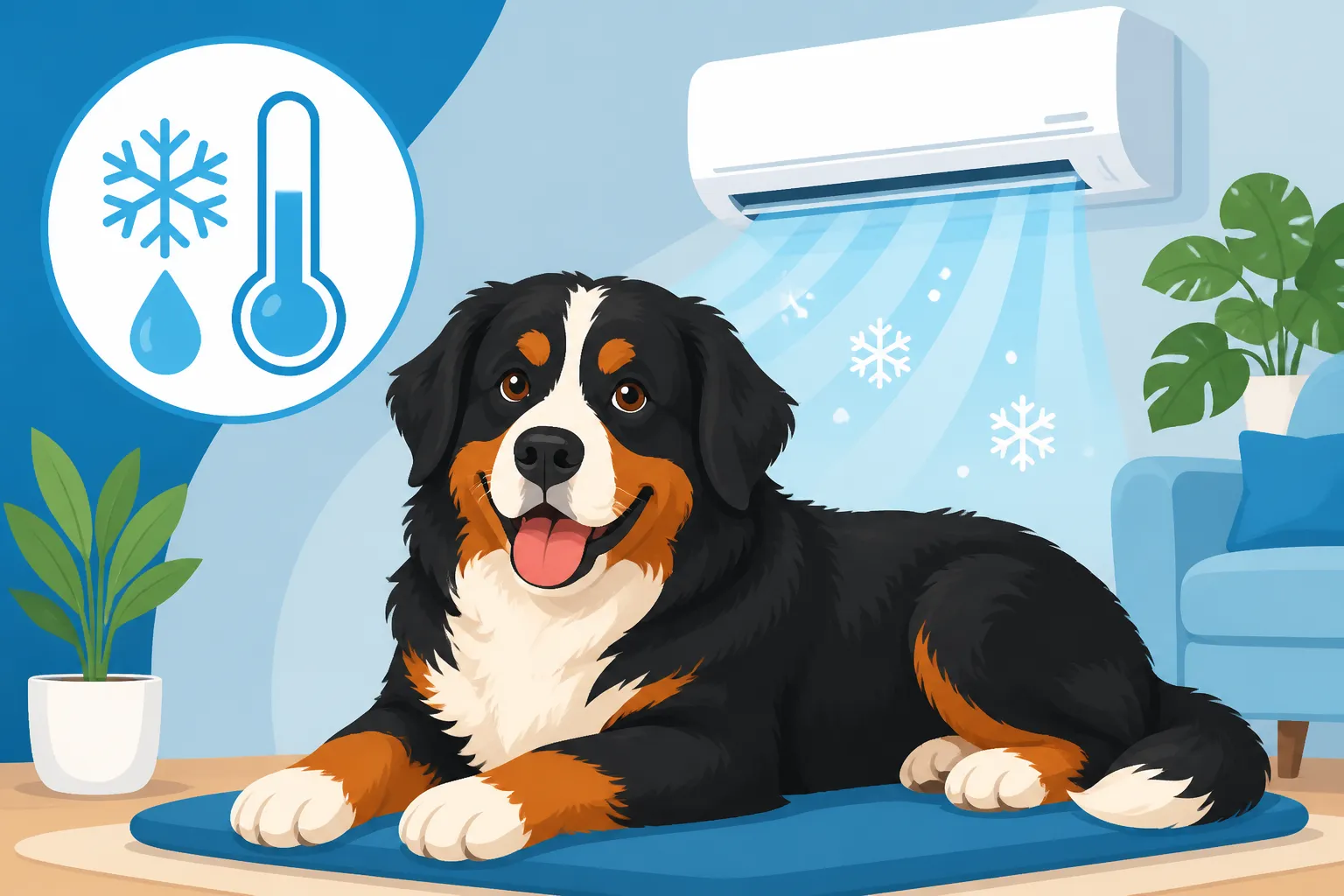
Air conditioning is often the most effective way to keep a room consistently cool for your Berner. If you have central air, consider setting it to a comfortable temperature, perhaps slightly lower than you might for yourself, and ensure good airflow to your Berner's designated cool zone. For homes without central AC, a window unit or a portable air conditioner is an excellent investment. Even a small unit dedicated to that one room can make a world of difference.
- Window or Portable AC Units: These units can drop the temperature of a single room significantly. Ensure the unit is correctly sized for the square footage of the room to operate efficiently. Brands like LG, Frigidaire, and Midea offer reliable options that can handle larger spaces.
- Strategic Fan Placement: Fans don't cool the air itself, but they create a wind-chill effect that helps a Berner evaporate moisture from their tongue and respiratory tract through panting. Place box fans in windows to exhaust hot air out or use oscillating tower fans within the room to circulate air across cooling mats or damp towels. Never aim a fan directly at your dog's face for extended periods, as it can dry out their mucous membranes.
- Ceiling Fans: If your cool zone has a ceiling fan, make sure it’s running counter-clockwise in summer to push air down, creating a cooling breeze.
Specialized Cooling Gear for Berners
Beyond standard air conditioning and fans, there's an array of products designed specifically to help dogs keep their cool. These can be particularly beneficial for Berners who are struggling to regulate their temperature.
- Cooling Mats: These mats typically contain a gel that activates with pressure, absorbing body heat and providing a cool surface. They require no electricity or refrigeration, making them incredibly convenient. Look for durable, puncture-resistant mats, as a hundred-pound Berner can be tough on gear. Brands like Green Pet Shop and Arf Pets are popular choices. You can find more details on options in our article, Cooling Mats and Where a Bernese Mountain Dog Lies.
- Cooling Vests and Bandanas: These products are often soaked in water, or contain gel packs, and provide evaporative cooling directly on the dog's body. They can be very effective for short periods or when your Berner needs a little extra help. Just ensure they fit well and don't restrict movement. Check out products from Ruffwear or Kurgo. If you're considering this, our guide on Cooling Vests for a Bernese Mountain Dog offers more insights.
- Elevated Beds: Getting your Berner off the floor allows for better air circulation underneath them, which can be surprisingly effective. These beds usually have a mesh or canvas top stretched over a frame, preventing heat from radiating back up from the floor. K&H Pet Products makes excellent orthopedic elevated beds.
- Frozen Treats and Ice: A large block of ice in their water bowl, or even a pan of ice cubes they can lick, can help cool them from the inside out. You can also freeze Kong toys filled with wet food or peanut butter for a refreshing, long-lasting treat. A kiddie pool with a few inches of water (supervised, of course) in a shaded outdoor area can also provide immense relief. Our article Whether a Paddling Pool Helps a Bernese Mountain Dog has more ideas.
Here's a quick comparison of popular cooling methods:
| Method | Pros | Cons | Cost Range |
|---|---|---|---|
| Air Conditioning | Most effective, consistent temperature control | High electricity usage, upfront cost for units | $$$$ |
| Cooling Mats | Portable, no electricity, provides direct relief | Can be punctured, not for overall room cooling | $$ |
| Fans (Circulation) | Inexpensive, improves air flow, aids evaporative cooling | Doesn't lower air temperature, less effective in high humidity | $ |
| Blackout Curtains | Low cost, prevents heat entry, good for passive cooling | Doesn't actively cool, only blocks sun | $ |
| Elevated Beds | Improves airflow, comfortable, good for joint health | Doesn't actively cool, works best with other methods | $$ |
| Cooling Vests | Direct body cooling, good for outdoor excursions | Requires re-wetting/re-freezing, limited duration, dog might not tolerate | $$ |
| Kiddie Pools (Outdoor) | Great for rapid cooling, fun for some dogs, provides exercise | Requires supervision, outdoor space, can be messy | $ |
Ongoing Management and Emergency Preparedness
Keeping your Berner cool isn't a one-time setup; it requires continuous monitoring and a proactive approach, especially as temperatures fluctuate. Being prepared for emergencies is just as vital.
Monitoring Your Berner for Heat Stress
Even with the best cooling setup, you still need to keep a close eye on your Berner. Dogs can't tell us when they're too hot until it's critical. Learn How a Bernese Mountain Dog Behaves Before Heat Stroke so you can catch early signs. Look for:
- Excessive Panting: While normal after exercise, constant, heavy panting even when resting in a cool room is a red flag.
- Lethargy and Weakness: A Berner who is usually active but seems unusually tired or reluctant to move might be struggling with the heat.
- Drooling: More drooling than usual, often thick and stringy.
- Bright Red Gums or Tongue: A sign of increased blood flow trying to cool the body.
- Stumbling or Disorientation: This is a severe sign and requires immediate action.
- Vomiting or Diarrhea: Can indicate systemic heat stress.
If you notice any of these signs, move your dog immediately to the coolest possible area, offer water, and apply cool (not ice-cold) water to their paws, belly, and armpits. Call your vet without delay.
Adjusting Routines for Hot Weather
Beyond keeping a room cool, you'll need to adjust your entire daily routine during warmer periods. Early morning and late evening become the only safe times for walks. Our article on Exercising a Bernese Mountain Dog in Summer offers a detailed guide. Avoid midday sun entirely. Remember that pavement can be scorching, even if the air feels tolerable; check it with the back of your hand before walks. You'd be surprised how hot it gets, and Pavement Temperature and a Bernese Mountain Dog's Pads explores this critical issue. Ensure constant access to fresh, cool water both indoors and out. If you're leaving the house, double-check that your Berner has access to their cool zone and that all active cooling systems are working.
Emergency Preparedness for Heatstroke
Despite all precautions, accidents can happen. Being prepared for a heatstroke emergency is crucial. Have your vet's emergency number readily available, along with directions to the nearest 24-hour veterinary clinic. Knowing what to do in the immediate aftermath can save your dog's life. If you suspect heatstroke, immediate first aid involves cooling them down gradually. Move them to a cooler area, wet them with cool (not ice) water, and use fans if available. Never immerse them in ice water, as this can cause shock. Get them to the vet as fast as possible. You can read more about emergency procedures in Cooling a Collapsed Bernese Mountain Dog in the Field.
It’s also important to consider the financial aspect of emergency care. Veterinary treatments for severe heatstroke can be incredibly expensive, potentially running into thousands of dollars for hospitalization, IV fluids, and other supportive care. This is where pet insurance can be a real lifesaver. Many owners find peace of mind with plans from providers like Healthy Paws, which can help cover these unexpected costs, allowing you to focus on your Berner's recovery rather than the bill. Investing in insurance, such as through Healthy Paws, provides a safety net for those unforeseen moments, ensuring your beloved companion receives the best care without financial strain.
Disclaimer
This article provides general information and recommendations for keeping a Bernese Mountain Dog cool. It is not a substitute for professional veterinary advice. Always consult with your veterinarian for any health concerns or before making significant changes to your dog's care routine.