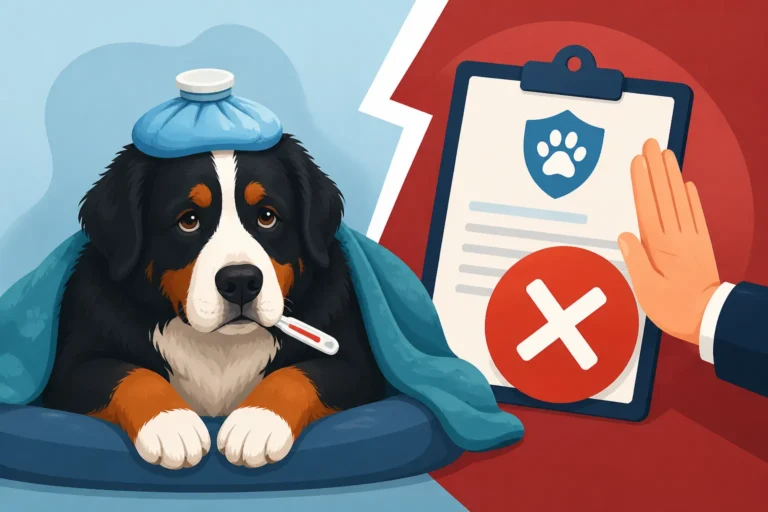
Eight Years of Bernese Mountain Dog Bills
Bringing a Bernese Mountain Dog into your life is an incredible joy, full of snuggles, goofy antics, and an unwavering loyalty that warms your soul. However, the financial reality of owning such a magnificent, large breed can sometimes feel like a silent worry, especially when you consider their predisposition to certain health issues and their shorter lifespan. This guide will walk you through the various costs you can expect over the typical eight-year lifespan of a Bernese Mountain Dog, offering a realistic look at the financial commitment involved so you can plan effectively and give your beloved companion the best possible care.
The Foundation: Initial Investments in Your Bernese Mountain Dog Puppy (Months 1-12)
The first year with a Bernese Mountain Dog puppy is often the most intense financially, setting the stage for their entire life. It’s not just the purchase price; it's about all the essential items and initial vet care that contribute to a healthy start.
The Puppy Purchase Price and Breeder Due Diligence
Before you even bring your fluffy bundle of joy home, there's the significant cost of acquiring a well-bred Bernese Mountain Dog puppy. You might see ads for "cheap" Berners, but a responsible breeder who invests in the health and longevity of their lines will understandably charge more. This isn't just about pedigree; it's about minimizing future heartbreak and staggering vet bills. A reputable breeder will have invested heavily in health screenings for the parent dogs, looking for issues like hip and elbow dysplasia, heart conditions, and eye problems. They'll perform genetic tests for conditions such as Von Willebrand Disease and Degenerative Myelopathy. This upfront cost, which can range anywhere from $2,500 to $5,000 or even higher depending on location and lineage, is essentially an investment in your puppy's potential for a healthier life. Don't be tempted to cut corners here; often, the initial savings from a poorly bred puppy quickly disappear into veterinary bills down the line. To truly understand the investment, it's worth exploring What Buying a Bernese Mountain Dog Actually Costs.
When you consider What Health Testing a Bernese Mountain Dog Breeder Pays For, you begin to understand why the price is what it is. Breeders are paying for OFA certifications for hips, elbows, patellas, and cardiac health, as well as eye certifications by a veterinary ophthalmologist. They're also likely contributing to databases like Berner-Garde, which tracks health information to improve the breed. These aren't small expenses, and they directly benefit the future health of your puppy.
Essential Supplies and Setting Up Your Home
Once your puppy is on its way, you'll need to prepare your home. Bernese Mountain Dogs grow fast, so while some items can be puppy-sized, others need to accommodate their eventual hundred-pound frame. A sturdy crate, large enough for an adult Berner to stand, turn around, and lie down comfortably, is a must for house-training and safety. Think 48-inch or even 54-inch crates. You'll need orthopedic beds that can withstand chewing (at least initially) and provide proper joint support for their developing bodies. Food and water bowls, ideally stainless steel or ceramic, should be large and heavy enough not to be easily tipped over.
Beyond the basics, consider a quality leash and harness (a front-clip harness can be helpful for early leash manners on a large breed puppy), an array of durable chew toys to redirect their puppy nipping, and grooming tools like a slicker brush and undercoat rake suitable for their thick double coat. Puppy-proofing your home, including baby gates for stairs or restricted areas, is also crucial. Many owners find themselves stocking up on these essentials from retailers like Chewy, which offers a wide selection of large breed specific items delivered right to your door.
The First Year's Vet Care and Preventative Measures
The first year of vet care is concentrated and critical. Your puppy will need a series of vaccinations for distemper, parvovirus, adenovirus, parainfluenza, and rabies. These usually involve multiple visits over several months. On top of that, there's deworming, microchipping, and often, the spay or neuter procedure. These routine procedures can vary significantly in cost depending on your geographical location and the veterinary clinic.
Many vets also recommend preventative medications for flea, tick, and heartworm prevention, which become an ongoing monthly or quarterly expense. Since Berners are prone to certain joint issues, some vets might suggest starting joint supplements early, though this is often debated for puppies. Discuss with your vet the appropriate care schedule. The total cost for this initial comprehensive veterinary care can easily run into hundreds, if not over a thousand, dollars. It's an essential investment in their long-term health and well-being.
Nourishing a Growing Giant: Food and Training
Feeding a Bernese Mountain Dog puppy is not like feeding a chihuahua. They need a high-quality, large-breed puppy food formulated to support slow, steady growth. Rapid growth can put undue stress on their developing joints, exacerbating potential issues like hip or elbow dysplasia. This specialized food tends to be more expensive per bag, and they consume a lot of it! You'll be buying bags regularly.
Beyond food, training is paramount for a large breed dog. Basic puppy classes are highly recommended to establish good manners and socialization. These classes can cost a couple of hundred dollars per course. Without proper training, a hundred-pound adolescent Bernese Mountain Dog can quickly become unmanageable, potentially leading to destructive behaviors or even injuries to themselves or others. Investing in good training early can save you significant headaches and costs in the future.
The Adolescent & Young Adult Years: Growth, Maintenance, and Emerging Awareness (Years 1-4)
Once your Bernese Mountain Dog moves past the whirlwind puppy stage, the costs shift from intense initial outlays to consistent maintenance and preventative care, alongside a growing awareness of breed-specific vulnerabilities.
Continued Nutrition: Supporting a Developed Body
As your Bernese Mountain Dog matures, they'll transition from large-breed puppy food to a high-quality adult formula. The caloric needs of a hundred-pound dog are substantial, meaning food remains one of your largest recurring expenses. Many owners opt for premium kibbles, grain-free options, or even fresh food delivery services like Ollie, which can offer tailored nutrition but come at a higher price point. The goal is to provide balanced nutrition that supports their joints, coat, and overall energy levels without promoting excessive weight gain, which is detrimental to their skeletal health.
Many Berner owners also introduce joint supplements, such as glucosamine and chondroitin, around this age, often recommended by their vets as a preventative measure or at the first sign of stiffness. While these supplements can be costly monthly, many believe they are a worthwhile investment in slowing the progression of Arthritis in a Bernese Mountain Dog by Six or other joint diseases. You'll quickly learn that Feeding a Hundred Pound Bernese Mountain Dog Monthly is a significant line item in your budget.
Routine Vet Visits and Ongoing Preventative Care
Annual check-ups become the cornerstone of their healthcare. These visits typically include a physical examination, updated vaccinations (as needed), and sometimes routine bloodwork to establish baseline levels. Heartworm, flea, and tick prevention continue year-round and are essential to protect your Berner from common parasites. Given their thick coats, thorough tick checks are a must, but preventative medications from your vet offer an extra layer of defense. These annual costs, while seemingly routine, add up.
As your Berner approaches their third or fourth birthday, your vet might suggest starting more proactive screenings, especially if there's a family history of certain conditions. This could include preliminary X-rays for joint health or more frequent blood panels to monitor organ function. Being proactive can help catch issues early, potentially making treatment more effective and less costly in the long run.
Grooming Essentials and Professional Services
The Bernese Mountain Dog's stunning double coat is a hallmark of the breed but also a significant responsibility. Regular brushing, at least a few times a week, is necessary to prevent mats, especially behind the ears, in the "trousers" on their hind legs, and on their feathery tails. An undercoat rake is indispensable, particularly during seasonal sheds. You'll also need to trim nails regularly and clean their ears to prevent infections.
While many owners handle daily grooming at home, professional grooming sessions can be beneficial for a deep de-shed, bath, and tidy-up, especially during spring and fall when they blow their coats. A professional groomer has specialized tools and techniques to thoroughly remove dead undercoat, which can reduce shedding around the house and help your Berner stay comfortable. Given their size, professional grooming can range from $80 to $150 or more per session. These costs are part of What a Bernese Mountain Dog Groom Costs.
Continued Training and Socialization Efforts
Even after puppy classes, ongoing training and socialization are important. An adolescent Berner, despite its gentle nature, can still be an enthusiastic, powerful dog. Maintaining good leash manners is crucial, as a hundred-pound dog pulling can be a handful. Investing in advanced obedience classes, or even working towards a Canine Good Citizen (CGC) title, can strengthen your bond and ensure they are well-behaved in various situations.
Some Berners, with their inherent desire to work, might enjoy activities like drafting or carting, which require specialized training and equipment. These pursuits not only provide mental and physical stimulation but also deepen the connection between you and your dog. However, training classes and specialized gear represent additional expenses.
Pet Insurance: A Critical Consideration
As your Bernese Mountain Dog enters their young adult years, the thought of potential health issues, particularly those common to the breed like joint problems and cancer, becomes more pressing. This is often when owners seriously consider Insuring a Bernese Mountain Dog Against Cancer. Pet insurance can be a literal lifesaver for a breed known for significant veterinary bills. Policies typically cover accidents, illnesses, surgeries, and sometimes even prescription medications.
Starting a policy when your Berner is young and healthy is key, as pre-existing conditions are almost always excluded from coverage. While monthly premiums for a large breed like a Bernese Mountain Dog can be substantial (often $60-$100+ per month), the peace of mind and financial protection it offers against unexpected catastrophic illnesses or injuries can be invaluable. This is especially true given Why the Bernese Mountain Dog Is Expensive to Insure. Companies like Healthy Paws are popular choices among large breed owners due to their comprehensive coverage options.
The Mid-Life Plateau: Peak Health and Emerging Needs (Years 4-6)
These years often represent a beautiful balance where your Bernese Mountain Dog is fully mature, settled into their personality, and still relatively robust. However, it's also the period when breed-specific health concerns, particularly orthopedic and oncological issues, might quietly begin to manifest.
Specialized Nutrition and Joint Support
As your Berner moves into what many consider "middle age" for the breed, their dietary needs might start to shift slightly. While they still require high-quality food, some owners begin to look for formulas specifically designed for "mature" or "senior" large breeds, which often contain ingredients to support joint health and manage weight. Even if they're still on an adult formula, the focus on maintaining an ideal body condition becomes even more critical. Every extra pound puts stress on their joints, and for a breed prone to hip and elbow dysplasia, this can accelerate discomfort and progression of disease.
Joint supplements often become a non-negotiable part of their daily routine for many owners. Products containing glucosamine, chondroitin, MSM, and Omega-3 fatty acids are common. Some vets might recommend prescription-strength joint support or even specific diets formulated for joint care. These add to your The Running Costs of a Hundred Pound Bernese Mountain Dog but are seen as an investment in their comfort and mobility as they age.
Proactive Vet Scrutiny and Early Screening
Routine annual vet visits remain crucial, but the focus often shifts to more proactive screening. Your veterinarian might suggest more comprehensive blood panels to check organ function, particularly kidneys and liver, as well as thyroid function. Subtle changes in bloodwork can indicate early stages of disease before overt symptoms appear.
This is also the age when owners become hyper-aware of any changes in gait or lumps and bumps under the skin. Bernese Mountain Dogs are highly prone to cancer, especially Histiocytic Sarcoma in a Bernese Mountain Dog. Any unexplained lameness, new lumps, or changes in energy or appetite warrant immediate veterinary attention. These investigations, which could include X-rays, ultrasounds, fine needle aspirates, or even biopsies, can quickly accumulate costs. Early detection, however, offers the best prognosis for many conditions. For instance, being aware of The First Signs of Histiocytic Sarcoma in a Bernese Mountain Dog can make a significant difference.
Addressing the Inevitable: Early Health Challenges
Unfortunately, for many Bernese Mountain Dogs, these mid-life years are when the first serious health challenges emerge. It could be the first noticeable limp due to Joint Disease in a Hundred Pound Bernese Mountain Dog, or a suspicious lump that turns out to be a mast cell tumor. The breed is known for its susceptibility to various cancers, and early diagnosis is paramount. Navigating these diagnoses involves consults with specialists, diagnostic tests, and potentially expensive treatment plans.
The emotional toll of these diagnoses is immense, compounded by the financial strain. This is where a robust pet insurance plan can truly alleviate some of the pressure. Without it, many families face difficult decisions about treatment based on their ability to pay. It’s a harsh reality that The Year the Bills Arrive for a Bernese Mountain Dog often coincides with these mid-life years.
Home Modifications for Comfort and Support
As joint stiffness or mild arthritis sets in, you might find yourself making minor adjustments around the home. Orthopedic dog beds, which provide superior support for their heavy frames, become even more important. Ramps might be introduced to help them get into and out of cars, or to navigate a few stairs, reducing impact on their joints. Even non-slip runners on slick floors can make a huge difference in preventing slips and falls, which can be particularly damaging to a dog with compromised mobility.
These adaptations, while seemingly small, improve your Berner's quality of life and comfort. For example, a good quality orthopedic bed can cost a few hundred dollars, but it's a wise investment in their daily well-being. Thinking ahead about how to support their mobility can help delay the onset of more severe issues and keep them comfortable for longer.
The Golden Years: Specialized Care and Comfort (Years 6-8+)
For many Bernese Mountain Dogs, reaching six years old means they are well into their senior years. While some may defy the odds and live longer, the average lifespan of a Bernese Mountain Dog is unfortunately shorter than many other breeds. This period is often characterized by intensified veterinary care, managing chronic conditions, and focusing on their comfort and quality of life.
Frequent Vet Visits and Advanced Diagnostics
As your Berner ages, veterinary visits often become more frequent. Instead of annual check-ups, you might find yourself at the clinic every six months, or even more often if they are managing chronic conditions. These visits will likely include more extensive blood panels, urinalysis, and potentially specialized imaging like X-rays or ultrasounds to monitor existing conditions or screen for new ones.
It's common for older Berners to develop issues like kidney disease, heart conditions, or advanced arthritis. Managing these often involves multiple medications and regular monitoring. Diagnostic tests can be costly, but they are essential for tailoring treatment plans and ensuring your dog's comfort. The veterinary team becomes an even more integral part of your dog's support system during this time.
Navigating Medications and Therapeutic Treatments
Medication costs can escalate significantly in a senior Bernese Mountain Dog. They might be on daily pain relief for arthritis, anti-inflammatories, cardiac medications, or drugs to support organ function. Some conditions, particularly certain cancers, might involve chemotherapy or radiation, which are incredibly expensive treatments. When considering Treating Cancer in a Bernese Mountain Dog, the costs can quickly reach tens of thousands of dollars.
Beyond traditional medications, many owners explore complementary therapies to improve their senior Berner's quality of life. This could include acupuncture, hydrotherapy, or chiropractic adjustments, all of which come with their own costs. While not always a cure, these therapies can help manage pain, improve mobility, and provide comfort, extending their happy years.
Supporting Mobility: Aids and Assisted Living
The characteristic gentle giant often faces challenges with mobility in their later years. Conditions like degenerative myelopathy can lead to The Bernese Mountain Dog Whose Back Legs Give Out. For these dogs, simple tasks like walking, standing, or climbing stairs become difficult. This is where mobility aids come into play. Supportive harnesses, particularly those that help lift their hindquarters, become invaluable for assisting them. Custom-fitted dog wheelchairs or carts can give a dog losing the use of its back legs a new lease on life, allowing them to remain active and enjoy walks.
Other home modifications, such as dog stairs or ramps for beds and furniture, become essential. You might also consider specialized flooring options to provide better traction. While these items represent an investment, they are crucial for maintaining your senior Berner's independence and dignity. When navigating Living With a Bernese Mountain Dog Losing Its Back Legs, these aids become indispensable.
Dietary Adjustments and Special Needs
An older Bernese Mountain Dog might have different nutritional needs. Their metabolism can slow, requiring fewer calories to prevent weight gain, or they might need more easily digestible food if they have sensitive stomachs or dental issues. Special senior formulas are available, often with lower calorie counts but higher fiber and joint-supporting nutrients. For dogs with specific health conditions, prescription diets formulated to support kidney, liver, or cardiac health become necessary.
Dental care is also increasingly important in senior dogs. Regular dental cleanings under anesthesia might be recommended to prevent gum disease and tooth decay, which can lead to other health problems. These procedures are costly, often requiring pre-anesthetic bloodwork.
The Unforeseen and Emergency Costs: Preparing for the Worst
Even with the best preventative care and pet insurance, emergencies happen. For a Bernese Mountain Dog, certain sudden, severe conditions are regrettably common and demand immediate, often very expensive, intervention.
Emergency Vet Visits and Accidents
Accidents can strike at any age. A sudden injury, ingesting something toxic, or getting into a fight with another animal can necessitate an emergency vet visit. For a large dog, these emergencies can quickly escalate in cost due to the amount of medication, anesthesia, and specialized equipment required. Overnight stays, X-rays, ultrasounds, and emergency surgeries can run into thousands of dollars in a single incident.
Beyond accidents, some breed-specific emergencies are truly terrifying. Bloat in a Deep-Chested Bernese Mountain Dog (Gastric Dilatation-Volvulus or GDV) is a life-threatening condition where the stomach twists. It requires immediate, emergency surgery, often costing anywhere from $3,000 to $10,000 or more, especially if complications arise. The timeframe for intervention is critical, often a matter of hours. Being prepared for The Half-Hour That Decides a Bloated Bernese Mountain Dog is not just about financial readiness, but knowing the signs and acting immediately.
The Heavy Burden of Cancer Treatment
Cancer is tragically prevalent in Bernese Mountain Dogs. Statistically, nearly half of all Berners will die from some form of cancer. If your beloved companion receives a cancer diagnosis, the treatment options can range from surgery to remove a tumor, to chemotherapy, radiation, or a combination of these. Each of these paths comes with a hefty price tag.
Surgery can cost thousands, depending on the complexity and location of the tumor. Chemotherapy protocols can involve multiple rounds over several months, with each session costing hundreds to thousands of dollars, easily accumulating to $5,000 to $15,000+. Radiation therapy, often requiring specialized equipment only available at veterinary oncology centers, can be even more expensive, often ranging from $5,000 to $20,000+. These are the kinds of Oncology Bills a Bernese Mountain Dog Owner Faces that can financially devastate a family without adequate preparation or insurance.
Major Surgeries: Joint Replacements and Cruciate Repairs
Given their size and predisposition to orthopedic issues, major joint surgeries are a real possibility for many Bernese Mountain Dogs. Hip dysplasia can become so severe that a total hip replacement (THR) is recommended, costing $4,000 to $7,000 per hip. Elbow dysplasia can also require surgical intervention.
Another common orthopedic injury in large breed dogs is a torn cranial cruciate ligament (CCL), similar to an ACL tear in humans. Repairing a torn CCL in a hundred-pound Bernese Mountain Dog often involves specialized procedures like TPLO (Tibial Plateau Leveling Osteotomy) or TTA (Tibial Tuberosity Advancement), which can cost $3,000 to $6,000 per knee. Recovery involves strict rest and potentially physical therapy, adding further costs. These Hip and Elbow Surgery Costs for a Bernese Mountain Dog highlight the need for robust financial planning.
End-of-Life Care: The Final, Heartbreaking Costs
Eventually, we all face the heartbreaking decision of saying goodbye to our beloved companions. While nobody wants to think about it, end-of-life care is an important part of the financial picture. This can include palliative care, which focuses on managing pain and maintaining comfort as a disease progresses, often involving ongoing medications, special diets, and even hospice care. These costs can extend for weeks or months.
When the time comes, euthanasia services have a cost, which can be higher for in-home services, though many owners prefer this peaceful option for their dog. Following this, there are costs associated with cremation or burial. These final expenses, though painful, are a necessary part of honoring the life of your Bernese Mountain Dog. For a deeper understanding of this somber topic, refer to Saying Goodbye to a Bernese Mountain Dog at Seven.
Pet Insurance: A Financial Lifeline for Berners
Given the myriad health challenges Bernese Mountain Dogs face and the substantial costs associated with treating them, pet insurance isn't just a luxury; for many, it's a financial necessity that allows them to make healthcare decisions based on their pet's needs rather than their wallet.
Understanding Pet Insurance Coverage
Most comprehensive pet insurance plans for Bernese Mountain Dogs cover a wide range of medical expenses, including accidents, illnesses, surgeries, diagnostic tests (X-rays, ultrasounds, bloodwork), prescription medications, and emergency care. Some plans also offer optional wellness riders that cover routine care like annual exams, vaccinations, and dental cleanings, though these are typically separate from the main accident and illness policy.
It’s crucial to understand what’s included and, perhaps more importantly, what's not included. Pre-existing conditions are almost universally excluded. This is why enrolling your Bernese Mountain Dog when they are a puppy or young adult, before any health issues manifest, is paramount. Pay close attention to waiting periods, deductibles, reimbursement percentages (e.g., 70%, 80%, or 90% of eligible costs), and annual or per-incident payout limits. Companies like Healthy Paws are known for their unlimited payout options, which can be especially valuable for breeds with chronic or severe conditions like cancer. For more specific information, check out Insuring a Bernese Mountain Dog Against Cancer.
Choosing the Right Policy for Your Berner
Selecting the right pet insurance policy for a Bernese Mountain Dog requires careful consideration. You need a policy that provides robust coverage for common breed-specific issues. Look for plans with high annual limits, or even unlimited payouts, to cover potential catastrophic events like cancer treatment or multiple major orthopedic surgeries. A higher reimbursement percentage (e.g., 90%) means you pay less out-of-pocket after your deductible is met.
Deductibles can vary, ranging from $100 to $1,000 or more. A lower deductible means you'll meet it faster and start getting reimbursed sooner, but it typically results in a higher monthly premium. Conversely, a higher deductible means lower monthly payments but a larger out-of-pocket expense before coverage kicks in. Consider your budget and risk tolerance when making these choices. Comparing several providers is always a good idea.
Is It Worth the Investment? A Cost-Benefit Analysis
For a Bernese Mountain Dog, with an average lifespan of 7-8 years and a high predisposition to expensive conditions like cancer and joint disease, pet insurance often proves to be a worthwhile investment. While monthly premiums can add up over time, a single major illness or accident can easily exceed years of premiums. For example, a bloat surgery or a round of chemotherapy can quickly run into five figures. Without insurance, these bills can force owners into agonizing decisions.
Imagine your Berner needs a TPLO surgery for a torn ACL, costing $5,000. With a 90% reimbursement policy and a $500 deductible, you'd pay the deductible plus 10% of the remaining $4,500 ($450), for a total out-of-pocket of $950. Without insurance, that's $5,000. The difference is staggering. While it’s true that you might pay premiums for years without a major claim, the peace of mind and the ability to say "yes" to necessary treatments without financial crippling are often priceless for dedicated Berner owners. It’s a way to ensure you can provide the best care, no matter what challenges arise.
Budgeting and Financial Planning for Your Bernese Mountain Dog
Understanding the potential costs is the first step; the next is to proactively plan for them. Owning a Bernese Mountain Dog is a long-term financial commitment, and setting up a dedicated budget can help ease the burden.
Creating a Dedicated Pet Fund or Savings Account
One of the smartest things you can do is to establish a dedicated savings account or "pet fund" specifically for your Bernese Mountain Dog's needs. Even if you have pet insurance, this fund can cover your deductible, co-pays, procedures not covered by insurance (like grooming, routine vaccines if not on a wellness plan), or unexpected costs that fall outside your policy's limits. Start contributing a set amount each month, even if it's small, from the moment you consider getting a Berner.
Having this financial buffer means you won't be caught off guard by a large vet bill or a sudden need for a new mobility aid. It allows you to feel confident that you can provide for your dog, no matter what comes their way. This is particularly important for breeds with higher health risks and shorter lifespans, where those "big bills" often arrive sooner rather than later.
Finding Smart Ways to Manage and Save Costs
While Berners are expensive, there are smart ways to manage and potentially save on routine costs without compromising care. Buying quality dog food, treats, and supplements in bulk from retailers like Chewy can often lead to savings. Many online pet pharmacies offer prescription medications at a lower cost than your vet's office.
DIY grooming, such as regular brushing, nail trims, and ear cleaning, saves on professional grooming fees. Learning to properly de-shed your Berner at home can significantly reduce the need for expensive salon visits. However, for specific tasks like complex mat removal or expressing anal glands, a professional groomer or vet is always recommended. Always prioritize quality and safety when looking for cost-saving measures.
The True Cost Versus the Emotional Reward
When you tally up all the potential expenses over eight years—the purchase price, food, routine vet care, grooming, toys, training, and the very real possibility of thousands in emergency or specialized medical treatments—the financial commitment of a Bernese Mountain Dog is substantial. It can easily run into the tens of thousands of dollars over their lifetime. This is a critical factor for prospective owners to consider.
However, for those who embark on this journey, the emotional rewards are immeasurable. The boundless love, the comforting presence, the goofy antics, and the deep bond formed with a Bernese Mountain Dog are, for many, priceless. The financial planning isn't about dreading the costs; it's about being responsible, proactive, and ensuring you can provide the loving care and support your Berner deserves for every one of their precious years. It's about maximizing their comfort and happiness, making every bill a testament to the love you share.
Disclaimer
This article is intended for informational purposes only and does not constitute veterinary advice. The cost estimates provided are generalizations and can vary significantly based on location, individual veterinary practices, the specific needs of your dog, and unforeseen circumstances. Always consult with a qualified veterinarian for personalized advice regarding your Bernese Mountain Dog's health and care. Financial planning for pet ownership should be approached with careful consideration of your personal circumstances.