Insuring a Bernese Mountain Dog Before Its First Lump
One of the hardest truths for any Bernese Mountain Dog owner is facing the reality of their breed's health challenges and often tragically short lifespan. When a beloved Berner suddenly shows signs of illness or lameness, the emotional toll is immense, but the financial strain can be equally devastating. This guide is here to walk you through the crucial steps of protecting your Bernese Mountain Dog – and your wallet – by understanding the ins and outs of pet insurance, particularly why securing it before any health concerns appear is not just advisable, but absolutely essential.
Understanding the Bernese Mountain Dog's Unique Health Landscape
Bringing a Bernese Mountain Dog into your life is an unparalleled joy. Their gentle nature, stunning looks, and devotion quickly make them family members. However, as any Berner owner will tell you, this joy often comes with the heartache of knowing their time with us is typically shorter than many other breeds. It’s a sad reality that these magnificent dogs are predisposed to certain significant health issues, which often translate into substantial veterinary bills.
Common Health Challenges in Berners
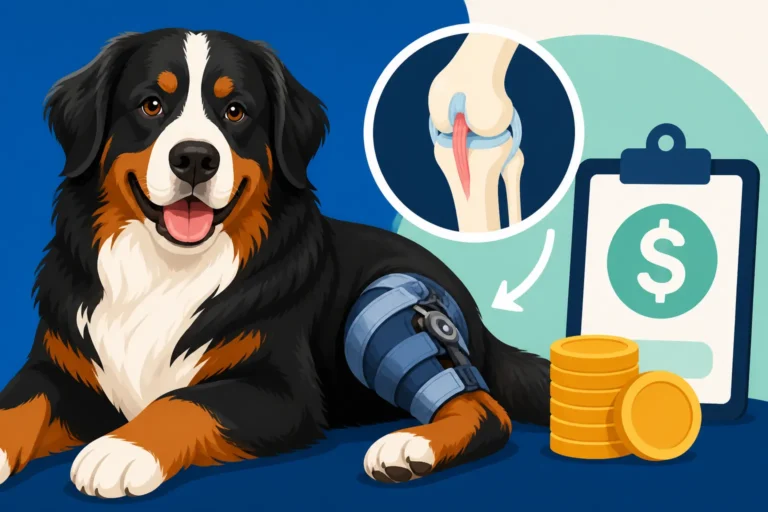
Bernese Mountain Dogs, while robust in appearance, carry a genetic predisposition to several serious conditions. Top among these is cancer. It’s a sobering statistic that The Cancer That Kills Half of All Bernese Mountain Dogs, with many succumbing to aggressive forms like histiocytic sarcoma. This isn't just a distant possibility; it's a very real and present threat for our beloved companions. Beyond cancer, musculoskeletal issues are rampant. Given their large, heavy frames, conditions like hip and elbow dysplasia are unfortunately common, leading to significant pain and mobility problems. Imagine your hundred-pound gentle giant struggling to get up, a clear sign of Joint Disease in a Hundred Pound Bernese Mountain Dog.
These aren't minor ailments that resolve with a simple prescription. They often require extensive diagnostics, specialist consultations, long-term medication, physical therapy, and sometimes even surgery. The financial implications can be staggering, easily reaching thousands or even tens of thousands of dollars over the course of treatment. This is the underlying reason why pet insurance becomes less of a luxury and more of a necessity for Bernese Mountain Dog families.
The Impact of Breed-Specific Predispositions on Your Wallet
When you choose a Bernese Mountain Dog, you're not just choosing a breed; you're also implicitly accepting a higher potential for specific health expenditures. Unlike smaller, longer-lived breeds, a Berner’s veterinary care often includes more complex imaging like MRI or CT scans, heavier dosages of expensive medications, and specialized surgical procedures, all of which come with a hefty price tag due to their size and the nature of their common illnesses. This isn't to say that every Berner will face every challenge, but the likelihood is significantly higher than with many other breeds, making proactive financial planning through insurance a critical component of responsible ownership. Understanding that Why a Bernese Mountain Dog Lives Only Seven or Eight Years often comes down to these serious health conditions underscores the importance of being prepared for treatment costs.
The Peril of Pre-Existing Conditions and How They Impact Coverage
This is perhaps the single most critical concept to grasp when considering pet insurance for your Bernese Mountain Dog, or any pet for that matter. The phrase "before its first lump" isn't just catchy; it's the golden rule for maximizing your insurance benefits. Pet insurance companies, much like human health insurers, operate on the principle of covering new conditions, not those that existed or showed symptoms before the policy started.
Defining "Pre-Existing" in Pet Insurance Terms
A pre-existing condition is generally defined as any illness, injury, or symptom that was observed, diagnosed, or treated by a veterinarian before your pet's insurance policy began or during its waiting period. This definition can be incredibly broad and often catches owners by surprise. For example, if your Bernese Mountain Dog develops a slight limp before you enroll them in an insurance plan, and months later that limp is diagnosed as severe hip dysplasia, the insurance company might deny coverage for the dysplasia because the symptom (the limp) was present before the policy's effective date. It doesn't even have to be a formal diagnosis; a notation in the vet's records about a cough, a skin irritation, or yes, even a suspicious bump, can be enough to classify a subsequent diagnosis as pre-existing. This is particularly relevant given that Whether Cancer Counts as Pre-Existing in a Bernese Mountain Dog often hinges on when the first subtle signs were noticed or recorded.
The Waiting Period Factor
It’s not enough to simply sign up for a policy. Every pet insurance plan includes waiting periods – specific durations of time that must pass after you purchase the policy before certain conditions become eligible for coverage. These typically range from a few days for accidents to weeks or even months for illnesses, and sometimes even longer for orthopedic conditions like hip dysplasia. For example, a common scenario is a 14-day waiting period for illnesses and a 6-month waiting period for orthopedic issues. If your Berner shows a symptom or receives a diagnosis during this waiting period, even if it's after your policy has officially started, it will likely be considered pre-existing and excluded from coverage for that condition. This means that if you wait until you notice a swelling or change in your dog's gait, you're not only risking it being considered pre-existing from prior observation, but you're also up against these waiting periods which can further delay or deny coverage.
Real-World Implications of Pre-Existing Exclusions
Consider a hypothetical, yet all too common, scenario. You bring home a beautiful Bernese Mountain Dog puppy. You delay getting insurance, thinking they are young and healthy. At 18 months old, you notice your Berner is occasionally favoring a hind leg after a long walk. You mention it to your vet, who notes "intermittent hind lameness" in their chart but doesn't find anything conclusive. A few months later, the lameness becomes more pronounced, and X-rays reveal severe Hips That Fail Under a Bernese Mountain Dog's Weight. If you had purchased insurance after that initial vet visit where the limp was noted, even if the diagnosis came later, the hip dysplasia could be deemed a pre-existing condition. This means you would be solely responsible for the thousands of dollars in surgery, medication, and rehabilitation costs. It's a heartbreaking situation, and one that is entirely preventable by insuring your Berner when they are a healthy puppy, long before any "first lump" or subtle limp emerges.
Timing is Everything: When to Insure Your Berner
Given the severe implications of pre-existing conditions, the message is clear: the best time to insure your Bernese Mountain Dog is as early as possible. This almost always means when they are a young puppy, ideally before their first veterinary visit that isn't for a simple well-check.
The Puppy Advantage: Comprehensive Coverage for Life
When you enroll a healthy Bernese Mountain Dog puppy in a pet insurance plan, you're securing the broadest possible coverage for their entire life. At this young age, they typically have no pre-existing conditions recorded, meaning almost anything that arises later in life – whether it's an accidental injury, a sudden illness, or a breed-specific condition like cancer or joint disease – will be covered, subject to the policy's terms and waiting periods. Premiums are also generally lower for puppies, and while they will increase slightly with age, the initial lower rate often means a more affordable long-term cost compared to insuring an older dog. This early start locks in a safety net for all the potential challenges your Berner might face, offering immense peace of mind. It’s the foundational step to ensuring you can say "yes" to necessary treatments without financial crippling, helping your Berner live the best life possible, even if it's unfortunately shorter than we'd wish.
The Risk of Waiting: Higher Premiums and More Exclusions
Every month that passes without pet insurance for your Bernese Mountain Dog increases the risk of developing a new, potentially costly, health issue that will then be excluded from future coverage. As Berners age, the likelihood of minor issues appearing – a small skin tag, a slight cough, a bout of diarrhea, or even just a stiffness after exercise – grows. Each of these innocuous events could be recorded in their veterinary history and later used to deny coverage for more serious related conditions. Moreover, premiums for older dogs are significantly higher. Insurers know that older animals, especially a breed with a shorter lifespan like the Bernese, are statistically more likely to need expensive care. This is why Why Age Four Is Too Late to Insure a Berner is a real and common sentiment among pet insurance experts; by that age, many Berners may have already developed minor issues that can complicate future coverage, or they might be on the cusp of more serious, costly diagnoses.
What If My Berner Isn't a Puppy Anymore?
If you're reading this and your Bernese Mountain Dog is no longer a puppy, don't despair! While getting insurance for an older dog presents more challenges, it's often still worth exploring. You may find that certain conditions are already considered pre-existing and won't be covered, but coverage for new conditions can still be incredibly valuable. An older Berner is still susceptible to new accidents, sudden illnesses, or even a completely unrelated type of cancer. For instance, if your five-year-old Berner has a history of mild arthritis, that specific condition might be excluded, but a policy could still cover a broken bone, bloat, or a new diagnosis of a different type of cancer. It’s crucial to be honest about your dog's medical history when applying and to review any policy offers carefully to understand exactly what is and isn't covered. Even partial coverage can significantly reduce the burden of Oncology Bills a Bernese Mountain Dog Owner Faces or emergency surgery.
Deciphering Pet Insurance Policies for Berners
Navigating the world of pet insurance can feel like trying to read a foreign language. With so many terms, percentages, and limits, it's easy to get overwhelmed. But for a Bernese Mountain Dog owner, understanding these nuances is key to choosing a policy that truly protects your cherished companion.
Coverage Types: Accident vs. Illness vs. Wellness
Most pet insurance policies fall into a few main categories:
- Accident-Only: These plans are the most basic and typically the least expensive. They cover costs associated with unexpected injuries like broken bones, lacerations, foreign body ingestion, or poisoning. While better than nothing, they won't help with common Berner health issues like cancer or joint disease.
- Accident & Illness: This is the most popular and comprehensive type of policy, and generally what Bernese Mountain Dog owners should look for. These plans cover everything an accident-only policy does, plus a wide range of illnesses including cancer, infections, allergies, digestive issues, and breed-specific conditions like hip dysplasia. This is the coverage that will be invaluable for Treating Cancer in a Bernese Mountain Dog or managing chronic pain from arthritis.
- Wellness Plans (Add-ons): These are not insurance in the traditional sense, but rather a way to budget for routine care. They cover things like annual exams, vaccinations, heartworm medication, and flea/tick prevention. Some insurers offer them as an add-on to an accident & illness policy, while others, like Healthy Paws, focus purely on illness and accident, leaving routine care to the owner. Given the high potential for serious illness, an accident & illness policy should always be the priority for a Berner.
Deductibles, Reimbursement, and Annual Limits
These three terms are the cornerstones of understanding how much you'll pay out-of-pocket and how much your insurance will cover.
- Deductible: This is the amount you pay first before your insurance coverage kicks in. It's usually an annual amount, meaning once you meet it, your insurance starts paying for the rest of the policy year. Deductibles can range from $100 to $1,000 or more. A lower deductible means higher monthly premiums, and vice-versa. For a breed with high potential costs, a reasonable deductible is usually a good strategy.
- Reimbursement Level: This is the percentage of the covered veterinary bill that the insurance company will pay back to you after you've met your deductible. Common reimbursement levels are 70%, 80%, or 90%. If you have an 80% reimbursement level on a $1,000 bill (after deductible), the insurer pays $800, and you pay $200. Opting for a higher reimbursement level (e.g., 90%) will mean higher premiums but greater savings during a major health crisis.
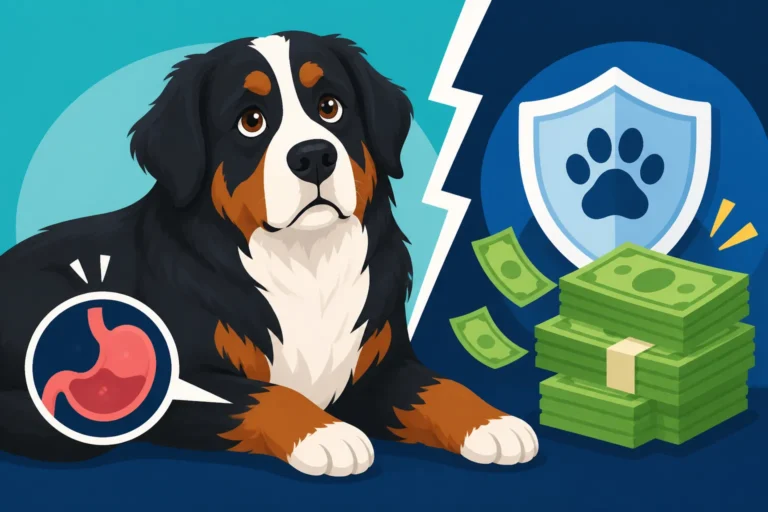
- Annual Limit: This is the maximum amount your insurance company will pay out in a single policy year. Limits can range from $5,000 to $10,000, $20,000, or even unlimited. For a Bernese Mountain Dog, unlimited or very high annual limits are highly recommended. A single cancer diagnosis or major surgery for Bloat in a Deep-Chested Bernese Mountain Dog can quickly exceed a $5,000 or $10,000 limit, leaving you on the hook for the rest. Consider that Annual Limits and Bernese Mountain Dog Oncology can easily be exhausted by aggressive treatment protocols.
Here's a quick example of how these work together:
| Scenario | Vet Bill | Deductible ($500) Met? | Amount After Deductible | Reimbursement (80%) | Your Out-of-Pocket |
|---|---|---|---|---|---|
| Annual Check-up | $200 | No | $0 | $0 | $200 |
| Minor Injury (1st event) | $800 | Yes (first $500) | $300 | $240 | $560 ($500 deductible + $60 co-pay) |
| Major Illness (2nd event) | $5,000 | Yes (already met) | $5,000 | $4,000 | $1,000 |
| Total Paid by You | $6,000 | $1,760 | |||
| Total Paid by Insurer | $4,240 |
Exclusions and Fine Print
Always, always read the fine print. Look for specific exclusions related to your Bernese Mountain Dog's breed. Some policies might have bilateral exclusions (if one hip is dysplastic before coverage, the other won't be covered even if it develops later). Others might exclude certain conditions considered congenital or hereditary if not treated within a specific timeframe. Ask about specific waiting periods for orthopedic conditions, as these are often longer. Understanding these details can prevent devastating surprises when you need your insurance most.
Choosing the Right Provider: Brands and Coverage
With so many pet insurance companies out there, picking the right one for your Bernese Mountain Dog can feel daunting. It's not just about the lowest premium; it's about the best coverage for the unique needs of your breed.
Comparing Top Providers for Berners
When looking for a pet insurance provider for a Bernese Mountain Dog, certain features become paramount: high annual limits (or unlimited), excellent customer service, and a straightforward claims process.
- Healthy Paws Pet Insurance: This company is often highly recommended for breeds with a high incidence of expensive conditions, like Berners, primarily because they offer unlimited annual payouts. This is a huge benefit when considering the potential costs of The One in Four Bernese Mountain Dogs With Histiocytic Sarcoma or multiple joint surgeries. Healthy Paws typically has excellent reimbursement rates (70-90%) and relatively low deductibles. Their focus is solely on accident and illness, so you won't find wellness plan add-ons, but for major medical events, they are a strong contender.
- Embrace Pet Insurance: Embrace is another solid choice, offering customizable plans with various deductible, reimbursement, and annual limit options. They also have a unique "Healthy Pet Deductible" that reduces your deductible by $50 for every year you don't file a claim, which can be a nice bonus for healthy stretches. They cover a wide range of conditions, including hereditary and congenital issues, as long as they aren't pre-existing.
- Fetch Pet Insurance: Formerly Petplan, Fetch is known for comprehensive coverage that includes dental illness, behavioral issues, and even virtual vet visits. They offer flexible deductibles and reimbursement options. For a Berner, their coverage for issues like IVDD (intervertebral disc disease) and patellar luxation, while less common than hips, can still be valuable.
- Lemonade Pet Insurance: Lemonade offers a modern, app-based experience, with a focus on quick claims processing. They offer accident & illness plans with optional wellness add-ons. Their unlimited annual limit option is also appealing for a Berner. However, it's always wise to check their specific policy language around hereditary conditions.
- Trupanion: Trupanion stands out by offering a unique "per condition" deductible. This means you pay the deductible once per condition for its lifetime, rather than annually. This can be very beneficial for chronic conditions like Slowing Degenerative Myelopathy in a Bernese Mountain Dog or lifelong arthritis management, where vet visits are frequent but for the same issue. They also offer high reimbursement rates and often pay vets directly, which can ease the financial burden at the time of service.
While some pet food and supply companies like Chewy and Ollie don't offer their own insurance policies directly, they often partner with existing pet insurance providers to offer plans to their customers or provide educational resources. For example, Chewy's website has a robust pet insurance marketplace where you can compare quotes from various providers, including some of those listed above, making it a convenient one-stop-shop for research. It's worth checking these platforms to see if they offer any special bundles or discounts when you're already a customer for your Berner's food and supplies.
Factors to Consider Beyond Price
While the monthly premium is important, it should never be the sole deciding factor. Think about the overall value and protection you're getting.
- Customer Service and Claims Process: When your Berner is sick or injured, you need responsive and empathetic customer service. Look for companies with a reputation for quick claim processing and clear communication. Read reviews from other pet owners, especially those with large breeds, to gauge their experience. A company that makes claims difficult will add stress to an already stressful situation.
- Policy Customization: Can you adjust deductibles, reimbursement rates, and annual limits to fit your budget and desired level of coverage? Flexibility allows you to tailor a plan specifically for your Bernese Mountain Dog's predicted needs and your financial comfort.
- Company Reputation and Longevity: Choose a reputable company that has been in the business for a while. A stable insurer is more likely to be there for you when you need them years down the line. Look for transparency in their policies and a commitment to customer satisfaction.
- Unique Breed Considerations: Inquire specifically about how they handle conditions common in Bernese Mountain Dogs, such as hip and elbow dysplasia, various cancers, and bloat. While most comprehensive plans cover these, confirming the specifics is always a good idea.
Getting Quotes and Understanding Differences
The best way to find the right policy for your Bernese Mountain Dog is to get quotes from several different providers. Don't just compare the monthly premium; compare the full details of each policy: the deductible options, reimbursement percentages, annual limits, and any specific exclusions. Use comparison tools available online or speak directly with agents. Sometimes a slightly higher premium for an unlimited plan can save you tens of thousands of dollars if your Berner faces a serious, long-term illness. For instance, The Range Bernese Mountain Dog Quotes Come Back In can vary wildly, so thorough comparison is key.
Beyond the Policy: Other Financial Considerations
While pet insurance is a powerful tool in managing the costs of a Bernese Mountain Dog's health, it's not a magic bullet that covers every single expense. There will always be out-of-pocket costs, and savvy Berner owners plan for these as well.
Out-of-Pocket Expenses: Deductibles, Co-pays, and Non-Covered Services
Even with a robust pet insurance policy, you will still have out-of-pocket expenses. These include:
- Deductibles: As discussed, you pay this amount first before your insurance kicks in.
- Co-pays (the remaining percentage after reimbursement): If you have an 80% reimbursement rate, you're still responsible for the other 20% of covered costs. This 20% can still add up significantly on a $10,000 cancer treatment.
- Non-covered services: These typically include routine wellness care (unless you have a specific wellness add-on), grooming, food, supplements, and sometimes specific elective procedures or experimental treatments. For example, joint supplements that might help mitigate Arthritis in a Bernese Mountain Dog by Six are usually not covered by insurance.
- Pre-existing condition costs: Any veterinary expenses related to conditions deemed pre-existing will be entirely your responsibility.
It's vital to factor these ongoing costs into your budget. Insurance reduces the financial impact of major events but doesn't eliminate all pet-related expenditures.
The Value of an Emergency Fund for Your Berner
Even the best pet insurance policy won't cover everything, or there might be an unexpected delay in claim processing. This is where a dedicated emergency fund for your Bernese Mountain Dog becomes invaluable. Having readily accessible savings can bridge the gap between treatment and reimbursement, cover deductibles, or pay for conditions that fall outside your policy's coverage. Many financial experts recommend having at least How Much a Bernese Mountain Dog Emergency Fund Should Hold for unexpected vet bills. This fund provides an extra layer of financial security, ensuring you can make treatment decisions based on what's best for your Berner, not solely on what you can afford at that moment.
Palliative Care and End-of-Life Decisions
This is a tough topic, but one that all Bernese Mountain Dog owners eventually face. As our beloved Berners age or battle terminal illnesses, the focus often shifts to comfort and quality of life. Palliative care, which aims to provide relief from symptoms and stress of a serious illness, is a compassionate approach. This can include pain management, specialized diets, mobility aids, and other therapies. While some insurance policies may cover aspects of palliative care, others might not, or coverage may be limited once a condition becomes chronic or terminal. Similarly, end-of-life decisions, such as euthanasia or cremation, are typically not covered by pet insurance. Understanding Palliative Care for a Bernese Mountain Dog and the financial aspects of these services beforehand can help you make these incredibly difficult decisions with less added stress. It's a testament to the depth of our bond with these dogs that we plan for their comfort and dignity even at life's end.
Taking the proactive step of insuring your Bernese Mountain Dog when they are young and healthy is one of the most loving and responsible things you can do. It's an investment in their future well-being and a safeguard for your peace of mind, allowing you to focus on providing them with the best care possible, regardless of what challenges may arise.
Disclaimer
This guide provides general information about pet insurance for Bernese Mountain Dogs. Policies, coverage, terms, and conditions vary significantly between providers. Always consult with a licensed insurance professional and thoroughly review policy documents before making any decisions. This information is not a substitute for professional veterinary advice.