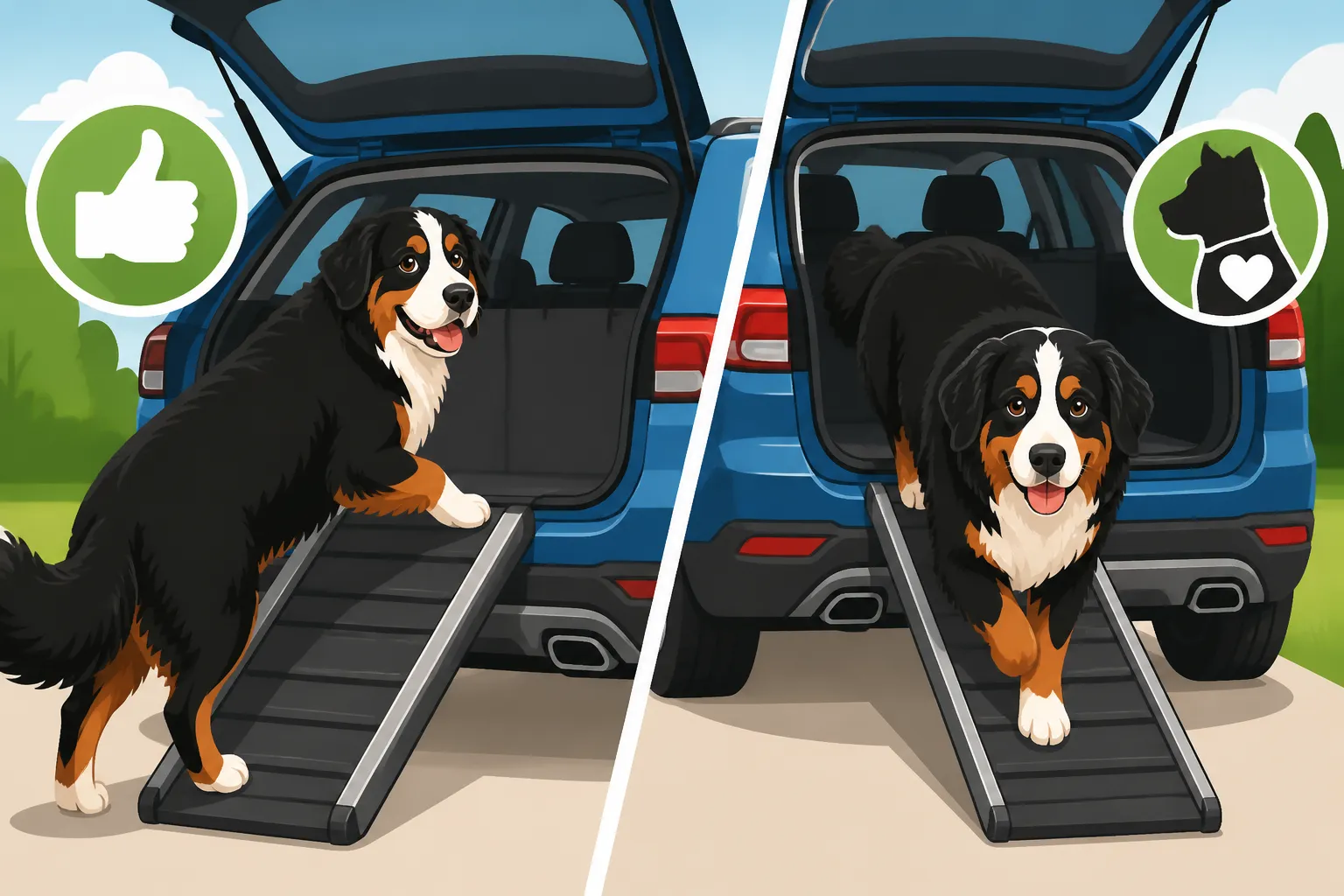
Getting a Bernese Mountain Dog Into and Out of a Car
Getting a majestic Bernese Mountain Dog into and out of a car can be a real headache, especially as they grow into their full, glorious hundred-pound-plus selves. It’s not just about managing their size; it’s about protecting their vulnerable joints, ensuring their comfort, and sometimes, gently convincing a reluctant giant. This guide will walk you through practical strategies, essential gear, and training tips to make car rides a stress-free experience for both you and your beloved Berner.
Understanding the Challenges of Car Travel with a Bernese Mountain Dog
Bringing a Bernese Mountain Dog along for a car ride, whether it's a quick trip to the vet or a longer family vacation, presents a unique set of challenges. These aren't small lapdogs; they are substantial animals with specific physical and emotional needs that require careful consideration when it comes to vehicle entry and exit. Ignoring these factors can lead to injury, anxiety, and a generally unpleasant experience for everyone involved.
Their Sheer Size and Weight
Let's face it, Bernese Mountain Dogs are big. Really big. A fully grown Berner can easily weigh over a hundred pounds, and that's a lot of dog to maneuver. Simply asking them to jump into the back of an SUV or truck can be a significant leap for them, both physically and mentally. This isn't just a matter of strength; it’s about their proportions. Their long bodies and sometimes gangly limbs, especially during their adolescent phases, don't always lend themselves to graceful acrobatics. It’s a lot like asking a human adult to perform a high jump into a confined space with limited visibility – it’s not natural, and it can be intimidating.
Furthermore, the impact of repeatedly jumping down from a significant height can take a toll. While they might seem robust, those large frames are carrying a lot of weight, and the force of landing repeatedly can put undue stress on their joints, especially their elbows and hips. Even for a young, healthy Berner, this repetitive strain can contribute to issues down the line. For an older dog, or one already dealing with conditions like arthritis, a simple jump out of the car can be agonizing, or even cause acute injury. Think about the physics of a hundred-pound dog landing on already compromised joints – it's a recipe for discomfort and potential damage.
Potential Joint Issues
Bernese Mountain Dogs are, sadly, predisposed to a number of joint and orthopedic issues, making careful management of their mobility paramount. Conditions like hip and elbow dysplasia are all too common in the breed. Even with excellent breeding and care, the sheer size and rapid growth rate of a Berner can put immense pressure on their developing skeletal system. This is why many breeders and veterinarians stress the importance of controlled exercise and avoiding excessive jumping or stair climbing, especially when they are puppies. You can read more about Joint Disease in a Hundred Pound Bernese Mountain Dog.
Repeatedly jumping in and out of a car can exacerbate these predispositions or even hasten the onset of symptoms. Each jump creates concussive force on their joints, which over time, can contribute to inflammation and degeneration. For a dog with existing hip pain, the mere act of bracing themselves to jump can be excruciating. Imagine having a bad knee and being asked to jump off a high platform multiple times a day. You'd likely resist, and your Berner might too. This isn't them being stubborn; it's often a protective mechanism. It's crucial for us as owners to recognize these vulnerabilities and provide safer alternatives to protect their long-term comfort and mobility.
Reluctance or Fear
Beyond the physical challenges, there can be a psychological component to a Bernese Mountain Dog's resistance to car travel. Some dogs simply don't enjoy car rides, perhaps due to motion sickness, or an association with unpleasant destinations like the vet. For others, the act of getting in and out itself can be frightening. The height, the potentially slippery surfaces, the sudden movements of the vehicle, or even just the unfamiliar sensation can be overwhelming. A Berner, while generally good-natured, can also be quite sensitive. A single negative experience, like a slip, a hard landing, or being startled, can create a lasting fear or reluctance.
If your Berner becomes stiff, braces themselves, or tries to pull away when it's time to get into the car, it's not always defiance. It could be genuine fear or anxiety. Forcing them can worsen the problem, creating a strong negative association that makes future attempts even harder. We want our dogs to view the car as a gateway to exciting adventures, not a source of dread. Understanding their reluctance and addressing it with patience and positive reinforcement is key to building their confidence. Sometimes, their reluctance stems from discomfort, and it's important to differentiate between fear and physical pain. Observing their body language, whether it's a lowered tail, pinned ears, or a refusal to make eye contact, can give you clues about their emotional state.
Essential Gear for Safe and Easy Car Entry/Exit
Once you understand the challenges, the next step is to equip yourself with the right tools to make car entry and exit safer and more comfortable for your Bernese Mountain Dog. There's a wide range of products available, and choosing the right combination can significantly reduce stress and prevent injury. Investing in these items is an investment in your Berner's well-being and your peace of mind.
Ramps and Stairs
For many Bernese Mountain Dogs, especially those prone to joint issues or with a fear of jumping, a ramp or set of pet stairs is a game-changer. These tools provide a gentle incline or steps, allowing your dog to walk into and out of the vehicle without any strenuous leaping. There's a variety out there, from telescoping ramps that slide compactly for storage, to foldable ramps, and even sturdy pet stairs designed for larger breeds.
When choosing a ramp, consider its length, width, and weight capacity. A longer ramp will provide a shallower incline, which is often easier for a large dog to navigate. Ensure it's wide enough for your Berner to walk comfortably without feeling cramped, and always check the weight limit to ensure it can safely support your dog’s substantial frame. Some ramps have a non-slip surface, which is crucial for preventing slips and building your dog's confidence. For instance, many excellent options can be found on Amazon, often with reviews from other large dog owners. Pet stairs, while also helpful, require your dog to lift their legs more, which might not be ideal for dogs with severe hip or knee problems. However, for those who just need a boost, they can be a more compact solution.
Here's a quick comparison to help you decide:
| Feature | Pet Ramp | Pet Stairs |
|---|---|---|
| Ease of Use | Gentle incline, easier for limited mobility | Requires more leg lift, good for minor boost |
| Space Needed | Can be long, telescoping/folding options | More compact, fixed steps |
| Stability | Good, if well-designed and secured | Good, if wide and sturdy |
| Joint Impact | Minimal, smooth transition | Moderate, still some step-up |
| Training | Often easier to train on | May require more convincing |
| Cost | Varies widely, generally higher for sturdy models | Generally lower, but size-dependent |
Harnesses and Handles
Even with a ramp, a little extra support can go a long way, especially during the initial training phases or if your Berner is unsteady. A sturdy, well-fitting harness can provide a handle on their back, giving you a point of contact to gently guide them up or down the ramp, or even offer a slight lift if they hesitate. Look for harnesses designed for large breeds, with robust straps and a comfortable fit that doesn't chafe. Some specialized harnesses, often called "mobility harnesses" or "lifting harnesses," are specifically designed with extra handles, sometimes one over the hips and one over the shoulders, to help you support their weight more evenly. You might find some good options for Harnesses That Lift a Bernese Mountain Dog.
These harnesses are not just for assistance during entry and exit; they also serve a vital safety purpose during travel. Once your Berner is in the car, a crash-tested car harness or a seatbelt attachment can keep them secure, preventing them from becoming a projectile in a sudden stop or accident. This is paramount for both their safety and yours, as an unrestrained large dog can cause significant injury. Always ensure any car restraint is properly fitted and designed for canine use, as regular walking harnesses are not typically crash-tested.
Vehicle Setup
Preparing your vehicle interior is just as important as the external aids. Bernese Mountain Dogs shed, and their long coats can leave a significant amount of fur behind. They also track in dirt, mud, and moisture. Investing in a durable, waterproof car seat cover or a full cargo liner can protect your upholstery from fur, slobber, and grime. Many options are available on Amazon that are specifically designed for the backseats or cargo areas of SUVs, offering full coverage and easy cleaning.
Beyond protection, consider comfort. A comfortable, non-slip surface in the car can make a big difference. If your Berner is riding in the cargo area, lay down an orthopedic bed or a thick, non-slip mat. This provides cushioning for their joints during travel and gives them a secure footing, which can reduce anxiety. Some dogs, especially in warmer climates, benefit from a cooling mat during car rides to help manage their body temperature, especially given their thick black coats. Creating a designated, comfortable, and safe space in the car tells your Berner that this is their special spot, encouraging them to enter willingly.
Training Your Bernese Mountain Dog for Car Entry and Exit
Having the right gear is only half the battle; the other half is training your Bernese Mountain Dog to use it confidently and willingly. This isn't about forcing them, but rather about building positive associations and teaching them a safe, calm routine. Patience and consistency are your best friends here.
Positive Reinforcement
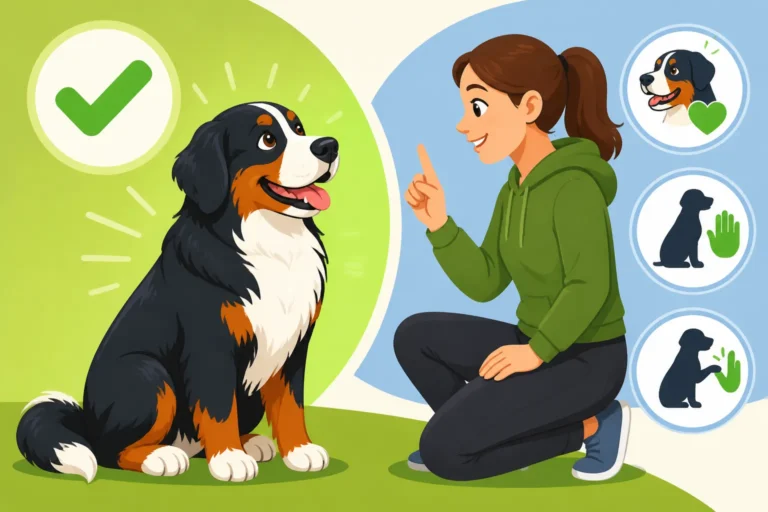
The golden rule for training a Bernese Mountain Dog is positive reinforcement. These intelligent but sensitive dogs respond far better to praise, treats, and gentle encouragement than to harsh corrections. Remember, a Berner is a big softy underneath that imposing exterior, and they can be quite sensitive to criticism. If you've ever had The Bernese Mountain Dog That Quits After One Correction, you know exactly what I mean. When teaching car entry and exit, every step, no matter how small, should be rewarded.
Start by making the car a happy place even when it's stationary. Offer treats inside the car without any expectation of movement. Play gentle games around the car. Then, gradually introduce the ramp or steps. Each interaction with the ramp, from sniffing it to placing a paw on it, should be met with enthusiastic praise and high-value treats. The goal is to create an association where "car time" and "ramp time" means good things are happening, leading to delicious rewards. This positive reinforcement should extend to their journey and exit, reinforcing the entire experience as a good one. You can find excellent positive reinforcement strategies through online training programs, such as those offered by BAXTER & Bella, which focus on building a strong bond and willing cooperation. They often have resources that emphasize making every learning experience enjoyable for your dog.
Introducing Ramps Gradually
Introducing a ramp is a step-by-step process that requires patience. Don't expect your Berner to walk straight up it the first time.
- Introduce the Ramp on Flat Ground: Place the ramp flat on the ground in a familiar area, like your living room or backyard. Let your Berner sniff it, walk over it, and explore it at their own pace. Scatter treats on and around it.
- Add a Slight Incline: Once they are comfortable on the flat ramp, elevate one end slightly, just a few inches. Continue to lure them over it with treats and praise. Keep these sessions short and positive, often no longer than Training Sessions Short Enough for a Bernese Mountain Dog.
- Attach to the Car, But Don't Enter: When they are confidently navigating a slight incline, attach the ramp to your car, but don't ask them to enter the vehicle yet. Just have them walk up to the car door/cargo area, touch the edge, and walk back down, rewarding them for each successful step.
- Lure Into the Car: Finally, use a high-value treat to lure them all the way into the car, up the ramp. Have someone waiting inside the car with more treats and praise. Make the stay short at first, just a few seconds, then lure them back down the ramp.
- Repeat and Generalize: Repeat this process many times, gradually increasing the time they spend in the car. Practice in different locations if you use multiple vehicles or visit different places. Always end on a positive note, even if it means taking a step back in the training.
Remember, the key is to go at your dog's pace. If they show any signs of stress or fear, you've gone too fast. Revert to an easier step and rebuild their confidence.
Managing Resistance
Even with the most positive approach, some Bernese Mountain Dogs might still show resistance. This could be due to past negative experiences, underlying anxiety, or just their stubborn Berner nature. It’s important to distinguish between resistance born of fear and a mild reluctance.
If it's fear, you'll need to slow down significantly and potentially break the training into even smaller micro-steps. Consider using a long leash to gently guide them, but never pull or drag them. If they freeze, simply wait. Offer a treat when they relax, even if they haven't moved. Sometimes, having a second person can help, one to offer treats and encouragement from the front, and another to gently support from behind with a lifting harness. If the resistance seems rooted in anxiety, a calming supplement or consulting with a professional positive reinforcement trainer might be beneficial.
If it's more stubbornness than fear, consistency is key. Keep your energy calm and confident. Don't get frustrated. Sometimes, a confident "Let's go!" followed by a clear hand signal and a high-value treat waiting just out of reach on the ramp can motivate them. Avoid making a big fuss or getting into a pushing match; a Bernese Mountain Dog will out-stubborn you every time. Instead, make the desired action the easiest and most rewarding choice. Sometimes, simply sitting quietly by the ramp for a few minutes, allowing them to process and decide on their own, can lead to success. Once they get into the habit of using the ramp, it will become second nature.
Practical Techniques for Lifting or Assisting a Bernese Mountain Dog
There will be times when a ramp isn't feasible, or your Bernese Mountain Dog simply needs more direct assistance. Perhaps you're dealing with an emergency, a sudden injury, or your dog is older and has severe mobility issues. Knowing how to safely lift or assist your large Berner is an essential skill for any owner. Improper lifting can injure both you and your dog, so technique is crucial.
Safe Lifting Practices
Lifting a Bernese Mountain Dog is a two-person job in most cases, especially for larger males. Attempting to lift a full-grown Berner by yourself can lead to back injuries for you and can be uncomfortable or unsafe for your dog.
The Two-Person Lift:
- Communicate: Both people should agree on a count or signal for lifting.
- Positioning: One person stands at the front of the dog, placing their arms under the dog's chest, just behind the front legs. The other person stands at the back, placing their arms under the dog's abdomen, in front of the hind legs.
- Lift with Legs: On the agreed-upon signal, both individuals lift simultaneously, using their legs, not their backs, to raise the dog. Keep your backs straight and bend at the knees.
- Support Fully: Ensure the dog's body is fully supported. Avoid letting their mid-section sag, which can put strain on their spine.
- Lower Gently: Lower the dog slowly and gently onto the desired surface, again using your legs and coordinating with your partner.
Even with two people, it's a lot of weight. For a dog that needs frequent lifting, or if you are often alone, consider investing in a lifting sling or harness, which can distribute the weight more evenly and give you better handles.
Using Support Harnesses
For dogs that can still bear some weight but need assistance, a support harness is invaluable. These harnesses often feature a wide band that goes under the dog's chest and/or hindquarters, with sturdy handles that you can grip. This allows you to support a portion of their weight, essentially acting as a "spotter" as they navigate entry or exit. Harnesses That Lift a Bernese Mountain Dog are specifically designed for this purpose.
For the front-end, a traditional walking harness with a handle on the back can offer some support. For the hind legs, which often give out first in older Berners or those with conditions like Slowing Degenerative Myelopathy in a Bernese Mountain Dog, a rear support harness is essential. This allows you to lift their hindquarters gently as they walk, taking pressure off their hips and knees. This is particularly useful when they are climbing into a vehicle, as the hind end requires significant power. Make sure the harness is comfortable and doesn't chafe, especially in sensitive areas. Practice using it a few times on flat ground so your dog gets used to the sensation before attempting it with the car.
Two-Person Techniques
Beyond the full lift, two-person techniques can also be adapted for assisted entries and exits with a ramp or steps.
Assisted Ramp Entry/Exit:
- One Person Guides, One Person Supports: One person stands at the top of the ramp, offering treats and encouragement, gently guiding the dog forward. The second person stands behind the dog, using a rear support harness or their hands to provide gentle upward pressure on the hindquarters, helping them maintain balance and take the strain off their legs. This is especially helpful for older dogs who might be hesitant or unsteady.
- Creating a "Bridge" with Blankets/Towels: If you don't have a dedicated lifting harness, a strong blanket or large bath towel can be folded and slipped under your dog's belly to create a makeshift sling. Each person holds an end, lifting gently to support the dog's core as they walk up or down the ramp. This is a temporary solution and less ergonomic than a proper harness but can work in a pinch.
- Verbal Cue Coordination: Regardless of the physical technique, clear verbal communication between the two people is vital. Cues like "ready," "lift," "slowly," or "wait" ensure you're both moving in sync, preventing jerking motions or sudden drops that could startle or injure your dog. This teamwork makes the process smoother and safer for your gentle giant.
Maintaining Car Safety and Comfort During Travel
Getting your Bernese Mountain Dog into the car is one thing; ensuring they have a safe and comfortable journey is another. Their size, coat type, and general temperament all play a role in how well they travel. Thoughtful planning can prevent issues and make every trip a positive experience.
Securing Your Bernese Mountain Dog
An unsecured Bernese Mountain Dog in a moving vehicle poses a significant risk to themselves and everyone else in the car. In a sudden stop or accident, a hundred-pound dog becomes a heavy, uncontrolled projectile, capable of causing severe injury or even death. This is not to mention the distraction they can cause if they decide to climb into the front seat or try to stick their head out the window.
There are several effective ways to secure your Berner:
- Crash-Tested Car Harness: These harnesses are designed to distribute impact forces across a dog's chest, protecting their vital organs, and are typically secured with a seatbelt attachment. Look for harnesses that have undergone legitimate crash testing, not just marketing claims. This is a great option for dogs who prefer to ride on the back seat.
- Travel Crate: A sturdy, airline-approved travel crate, secured to the vehicle, offers excellent protection. The crate should be large enough for your Bernese Mountain Dog to stand up, turn around, and lie down comfortably. Ensure it's secured so it doesn't slide around or tip over. This is often the safest option, especially for longer journeys or dogs prone to anxiety, providing a secure den-like space.
- Cargo Barrier: If your Berner rides in the cargo area of an SUV or hatchback, a sturdy barrier can prevent them from climbing into the passenger compartment. While this secures them within the cargo area, it doesn't prevent them from being jostled or injured within that space, so a crash-tested crate or harness is still recommended within the cargo area itself.
Choosing the right method depends on your vehicle, your dog's preference, and your comfort level, but never compromise on securing them.
Temperature Control and Ventilation
Bernese Mountain Dogs have a thick, double coat designed for cold mountain climates. This makes them highly susceptible to overheating, especially in a car. Even on a moderately warm day, the interior of a vehicle can heat up rapidly, creating a dangerous situation. You can learn more about Heat and the Bernese Mountain Dog's Black Coat and The Temperature a Bernese Mountain Dog Stops Coping.
- Air Conditioning is Essential: Always ensure the vehicle's air conditioning is fully functional and directed towards the area where your Berner is riding. Even with AC, consider adding a portable, battery-operated fan in the cargo area for extra airflow.
- Never Leave Them Unattended: This should go without saying, but never leave your Bernese Mountain Dog unattended in a car, even for a few minutes, even with the windows cracked. Temperatures can rise to dangerous levels in minutes, leading to heatstroke, which can be fatal.
- Window Vents: While fresh air is good, avoid letting your dog hang their head out the window. Road debris, insects, and extreme wind can cause eye injuries, ear infections, or respiratory problems. Instead, use window vents that allow air circulation without full exposure.
- Cooling Mats: For longer trips, a cooling mat in their designated space can provide significant relief. These mats typically use gel that activates with pressure, helping to draw heat away from their body.
Maintaining a cool and well-ventilated environment is non-negotiable for a Bernese Mountain Dog in a car.
Hydration and Breaks
Long car journeys require careful planning, and that includes ensuring your Bernese Mountain Dog stays hydrated and has opportunities to relieve themselves and stretch their legs. Just like humans, dogs need breaks on road trips.
- Frequent Water Stops: Pack plenty of fresh water and a collapsible bowl. Offer water frequently, especially on warm days or if the car environment is a bit warmer than ideal. Even if they don't seem thirsty, a little sip can go a long way.
- Scheduled Potty Breaks: Plan your route to include regular stops, ideally every 2-3 hours, for potty breaks. Bernese Mountain Dogs have large bladders, but long stretches can be uncomfortable. These breaks also allow them to stretch their legs and mentally reset.
- Exercise, But Not Too Much: A short, leashed walk during a break is perfect – enough to relieve themselves and stretch, but not so strenuous that they get overheated or overtired before getting back in the car. For a high-energy dog, this might feel like a short walk, but it's important not to overdo it, especially if you have a full day of driving ahead.
- Meals on the Go: If you're traveling over a mealtime, bring their regular food and feed them during a break, away from the moving vehicle. Avoid feeding them immediately before or during the drive, as this can exacerbate motion sickness. Using a slow feeder bowl, available on Amazon, can help prevent them from gulping down their food too quickly, which is a consideration for a breed prone to bloat. You might also want to consult The Half-Hour That Decides a Bloated Bernese Mountain Dog to understand the risks.
By proactively managing hydration and providing regular breaks, you can ensure your Bernese Mountain Dog remains comfortable, healthy, and happy during all your car adventures.
Disclaimer
This article is for general informational purposes only and does not constitute professional advice. Laws, prices and regulations vary by location and change over time. Consult a qualified professional for guidance on your specific situation.