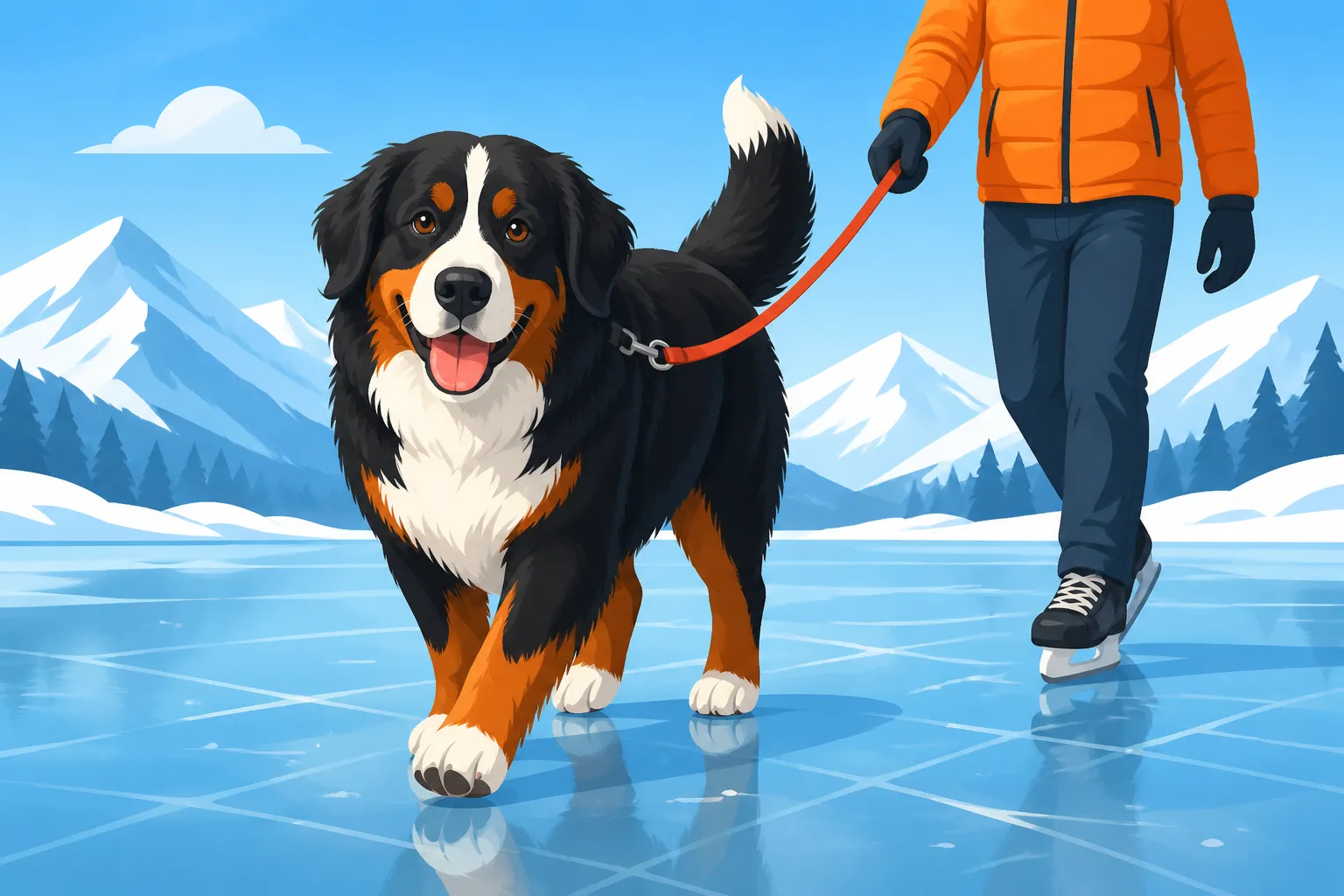
Walking a Bernese Mountain Dog on Ice
The winter wonderland might look picturesque, but for those of us sharing our lives with a magnificent Bernese Mountain Dog, a simple walk on an icy sidewalk or a frosty trail can quickly turn into a nerve-wracking ordeal. The sheer size and power of these gentle giants mean that one wrong step on a slippery surface can lead to a nasty fall for both them and us. This guide is here to walk you through how to safely navigate icy conditions with your beloved Berner, protecting their precious joints and your peace of mind.
Understanding the Risks of Ice for a Bernese Mountain Dog
It’s easy to underestimate just how dangerous icy conditions can be for a large breed dog like a Bernese Mountain Dog. We often think of their sturdy build as an advantage, but in reality, their size can exacerbate the risks, making slips and falls far more serious than they might be for a smaller, lighter dog.
The Danger of Slips and Falls for a Large Dog
Imagine a hundred-pound dog, full of their usual Berner exuberance, suddenly losing its footing on a patch of black ice. The momentum generated by their weight and enthusiasm can be immense. This isn't just a minor tumble; it can result in significant physical trauma. Their joints, already prone to issues like hip and elbow dysplasia, are incredibly vulnerable to the sudden, jarring impact of a fall. A simple slip could lead to sprains, strains, ligament tears (especially the dreaded cruciate ligament), or even fractures.
We've all seen a happy Berner bound off the leash, only to hold our breath when they hit an unexpected icy patch. That uncontrolled sliding can cause their legs to splay out, putting tremendous stress on their hips and shoulders. For a breed already facing challenges like Joint Disease in a Hundred Pound Bernese Mountain Dog or Hips That Fail Under a Bernese Mountain Dog's Weight, every effort must be made to protect these vital structures. The recovery from a serious joint injury can be long, painful, and incredibly expensive, impacting their quality of life for years to come. It’s not just about the immediate injury; repeated stress from minor slips can contribute to the accelerated progression of arthritis, making their senior years even more challenging.
How Ice Affects Their Paws and Traction
Our Berners have those wonderful big, sturdy paws, but they aren't naturally equipped for ice skating! The smooth, hard surface of ice offers almost no purchase for their paw pads, which are designed for gripping varied terrain. Furthermore, the sensitive skin between their paw pads can become irritated or cracked by exposure to cold, ice, and especially de-icing chemicals. Ice crystals can accumulate in the hair between their toes, forming painful little ice balls that make walking uncomfortable and further reduce traction.
Think about walking barefoot on ice – it's unpleasant, to say the least. Your Berner feels something similar. Road salt, often used to melt ice, is highly corrosive and can cause chemical burns or severe irritation to their paw pads. If they then lick their paws to soothe the discomfort, they can ingest these harmful chemicals. Their natural gait, which is usually a powerful, ground-covering stride, becomes awkward and hesitant on slippery surfaces, making them more likely to trip or lose balance. We need to remember that while their thick coat insulates their body, their paws are directly exposed to the biting cold and treacherous ground.
Beyond the Fall: Other Winter Hazards
While falls are a primary concern, icy conditions bring a host of other winter-specific hazards that Berner owners need to be aware of. De-icing agents, as mentioned, are a major culprit. These can range from rock salt to more complex chemical compounds, many of which are toxic if ingested. Even if they don't cause burns, the residue can be dangerous. Antifreeze, which has a deceptively sweet taste, is another deadly poison that can leak from vehicles onto driveways and streets, creating an invisible threat.
Beyond chemical threats, prolonged exposure to cold, icy surfaces can lead to more than just discomfort. While Berners are built for cold weather, standing or lying directly on ice for extended periods can still lead to localized frostbite on paw pads or even contribute to hypothermia in extreme conditions or if the dog is already unwell. Furthermore, visibility can be reduced in winter weather, making it harder for drivers to see you and your large, dark-coated dog, especially during those shorter, darker days. Always consider the overall winter environment, not just the ice itself, when planning your walks.
Essential Gear for Icy Walks with Your Bernese Mountain Dog
Walking a hundred-pound dog on ice without proper preparation is like trying to scale a slippery mountain in flip-flops – it's a recipe for disaster. Equipping both yourself and your Bernese Mountain Dog with the right gear is non-negotiable for safe winter excursions.
Traction for Their Paws: Boots and Paw Protection
Dog boots are perhaps the most effective way to provide traction and protection for your Berner's paws on ice. They act like little snow tires, giving your dog the grip they desperately need. When choosing boots, look for sturdy, waterproof options with robust, non-slip rubber soles. Brands available on platforms like Amazon offer a wide variety, so you can often find options specifically designed for large breeds with wide paws. It’s crucial that the boots fit snugly enough to stay on, but not so tight that they restrict circulation or cause rubbing. Getting the right size can be a bit of trial and error, so always check sizing guides carefully and read reviews from other large dog owners.
Introducing boots to your Berner might take some patience. Most dogs aren't thrilled about things on their feet at first! Start by letting them wear them for short periods indoors, rewarding them heavily with treats and praise. Gradually extend the time and practice walking in them before attempting a full icy walk. Some Berners simply won't tolerate boots, and for them, paw waxes or balms are an excellent alternative. Products designed for paw protection create a breathable barrier against ice, salt, and snow, while also providing a bit of extra grip. While they don't offer the same level of traction as a good boot, they are far better than nothing and are easier to apply. Regardless of the method, remember to check their paws diligently after every walk, especially if you're battling those pesky ice balls in their The Feathering on a Bernese Mountain Dog's Legs.
Your Own Footwear and Traction Aids
Let's be honest, trying to control a large, powerful Bernese Mountain Dog when you yourself are slipping and sliding is not only ineffective but also dangerous. Your safety and stability are paramount for maintaining control over your dog. Investing in high-quality winter boots with excellent tread is a must. Look for options that are waterproof and insulated, providing warmth as well as grip. Beyond good boots, consider adding traction aids. Microspikes or ice cleats, which strap over your existing footwear, can offer exceptional grip on even the slickest ice. They’re like mini crampons that dig into the surface, dramatically reducing your risk of falling.
Think of it this way: if you slip and fall, your Berner could be injured in the ensuing chaos, or worse, get away from you and run into danger. A good pair of studded winter boots or a set of reliable ice cleats from a sporting goods store can make all the difference in your confidence and ability to navigate treacherous conditions. This isn't just a comfort item; it's a safety tool, particularly when managing a strong dog like a Berner who might occasionally The Bernese Mountain Dog That Pulls Its Owner Over even on dry ground.
Harnesses and Leashes for Better Control
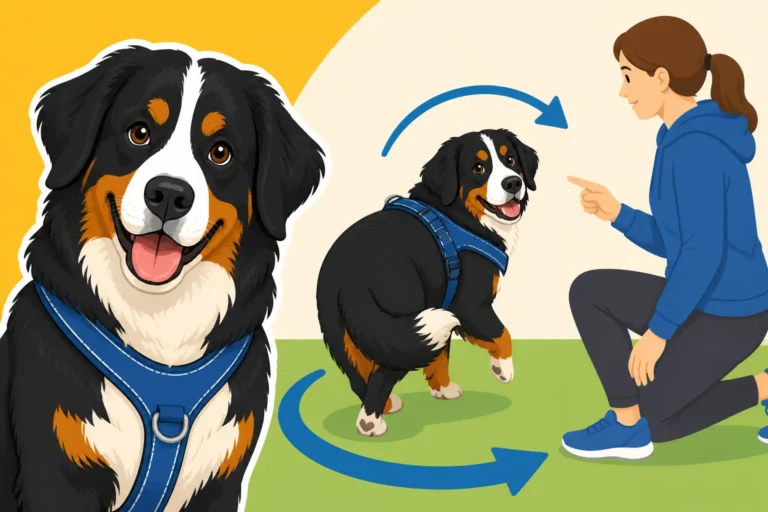
When walking on ice, the wrong leash or collar setup can quickly become a liability. A flat collar, for instance, offers very little control if your Berner suddenly lunges or slips, potentially causing them to choke or slip free. A well-fitting harness, particularly a front-clip or 'no-pull' harness, is an absolute game-changer. These harnesses redirect your dog's pulling power by attaching the leash at their chest, turning them to the side rather than allowing them to lean into the pull. This gives you much better leverage and control, which is essential when every step counts on icy terrain. You can find a wide selection of these harnesses on Amazon.
Pair your harness with a sturdy, non-retractable leash. Retractable leashes are generally not recommended for large dogs, as they offer poor control and can snap or cause rope burns if your dog suddenly bolts. On ice, the sudden jerk from a retractable leash can easily throw both you and your dog off balance. A standard 6-foot nylon or leather leash provides a direct connection and allows you to keep your Berner close, minimizing their range of motion and giving you more immediate control. Some owners even find a waist leash beneficial for keeping their hands free for balance, but this should only be used if your Berner has impeccable Leash Manners on a Hundred Pound Bernese Mountain Dog and doesn't pull, as a sudden pull could easily cause you to lose your footing.
Safe Walking Techniques on Ice
Even with the best gear, walking on ice requires a complete shift in your approach. You can't walk your Bernese Mountain Dog on ice the same way you would on a dry summer day. It's about conscious movement, anticipation, and prioritizing safety above all else.
Adjusting Your Gait and Pace
The way you walk needs to change dramatically on ice. Forget your normal stride; embrace the "penguin walk." This means taking shorter, shuffling steps, keeping your center of gravity low, and your knees slightly bent. It might feel awkward at first, but it significantly reduces the likelihood of slipping. Distribute your weight evenly and avoid sudden movements or shifts in balance. Your Bernese Mountain Dog will likely mimic your cautious pace, but it's important to actively encourage them to slow down as well. Use a calm, reassuring voice and consistent cues like "slow" or "easy."
Remember, it's not a race. A quick burst of speed from your Berner, even if unintentional, could cause them to lose traction and potentially injure themselves or you. Focus on a controlled, deliberate pace, letting your dog sniff and explore carefully rather than charging ahead. If your Berner is typically a speedy walker, this might be a good time to revisit some basic obedience commands to ensure they understand that a slower, more deliberate walk is required. This kind of mindful walking isn't just about avoiding a fall; it also helps you both gauge the ice conditions and react more quickly to changes in the surface.
Choosing the Right Path and Avoiding Hazards
Strategic route planning becomes critical when ice is a factor. Always aim for paths that have been cleared of snow and ice, or better yet, those that are still covered in a shallow layer of fresh, undisturbed snow, which can offer more grip than slick ice. Avoid areas that look suspiciously wet and shiny, as these are often black ice traps. Shaded areas, particularly those under trees or buildings, tend to hold ice longer and often don't thaw even on sunnier days. Steep inclines and declines are incredibly dangerous and should be avoided at all costs. A powerful Berner can easily lose footing on a slippery hill, potentially dragging you down with them.
Stick to familiar routes if possible, where you know the common trouble spots. Pay close attention to areas where water might accumulate and freeze, such as near drainage culverts or at the bottom of slopes. If you have to walk on a sidewalk that has been salted, ensure your dog is wearing paw protection or that you clean their paws thoroughly afterward. Sometimes, the safest option is to choose a route that keeps you entirely off sidewalks and roads, opting for a nearby park or grassy area that might have less ice accumulation, or at least softer landing spots.
Managing Your Bernese Mountain Dog's Enthusiasm
Bernese Mountain Dogs are known for their playful spirits and boundless energy, but on ice, this enthusiasm needs careful management. Shorter, more frequent walks are often better than one long excursion where fatigue or boredom might lead to risky behavior. Keep your Berner engaged and focused on you with high-value treats. This is especially important if they have a tendency to pull or become distracted by squirrels or other dogs. If your Berner is easily excited, consider working on their focus training in a controlled environment. BAXTER & Bella, for example, offers online resources that can help improve your dog's attention and leash manners, skills that become invaluable on slippery surfaces.
The key is prevention. Try to anticipate potential triggers for excitement before your dog reacts. If you see another dog approaching, gently guide your Berner to the side, maybe offer a treat, and keep their attention on you until the distraction has passed. Avoid off-leash areas entirely on icy days, no matter how reliable your Berner's recall is. One unexpected slide or tumble while running at full speed could lead to a catastrophic injury. If the conditions are truly treacherous, it's perfectly fine, and often safer, to skip the outdoor walk entirely and opt for indoor mental enrichment games or a short potty break directly outside, then promptly return inside.
Post-Walk Care and Injury Prevention
The walk doesn't end when you step back inside. Proper post-walk care is just as crucial, especially after navigating icy conditions. It’s an opportunity to check for any issues and to reinforce good winter habits.
Checking Paws and Coat After the Walk
As soon as you and your Bernese Mountain Dog come in from an icy walk, make paw and coat inspection a routine. Ice can accumulate quickly in the fur between their toes and on their long leg feathering, forming painful ice balls that can pull and tear skin. Gently remove these, being careful not to tug too hard. Check their paw pads for any cuts, cracks, or signs of irritation from salt, sand, or de-icing chemicals. If you used paw wax or boots, remove any residue or wipe down the boots.
Thoroughly drying your Berner's paws and the lower parts of their legs is also important to prevent skin irritation or chapping. A damp coat, especially in sensitive areas, can lead to discomfort or even hot spots. Pay attention to their belly and chest too, as these areas can pick up a lot of slush and road grime. This routine check not only ensures their immediate comfort but also allows you to catch any minor issues before they become serious. If you notice persistent redness or tenderness, it’s always best to consult your vet.
Recognizing Signs of Injury or Discomfort
Even with the best precautions, accidents can happen. It’s vital to be vigilant and recognize the subtle signs that your Bernese Mountain Dog might be experiencing pain or injury after an icy walk. Look for any changes in their gait: are they limping, favoring a particular leg, or moving stiffly? Are they reluctant to put weight on a paw, or are they holding it up? Watch for excessive licking or chewing at a specific area, which often indicates discomfort. They might also exhibit behavioral changes, such as being less playful, more lethargic, or showing signs of pain when touched in certain spots.
Given their stoic nature, Berners can sometimes hide discomfort, especially if the pain is mild or chronic, like Arthritis in a Bernese Mountain Dog by Six. If you notice any of these signs, even if they seem minor, don't hesitate to contact your veterinarian. Early intervention can make a huge difference in recovery and prevent further complications. Remember, your Berner relies on you to advocate for their health, and on icy days, their joints and soft tissues are particularly at risk. If you are ever faced with the prospect of Cruciate Surgery on a Hundred Pound Bernese Mountain Dog, you'll be glad you were proactive about prevention.
Preparing for the Unexpected
Despite all our best efforts, sometimes the unexpected happens. Having a plan for emergencies can make a stressful situation more manageable. Always carry your phone with you, ensuring it's charged, and have your veterinarian's emergency contact information readily accessible. Consider putting together a small pet first aid kit that includes items like antiseptic wipes, sterile gauze, self-adhering bandages, and pet-safe pain relief (only to be administered under vet guidance). If your Bernese Mountain Dog does slip and fall and appears to be in pain or can't get up, try to keep them as still and calm as possible.
Knowing how to safely lift or move a large, injured dog is also important. A sturdy blanket or a specialized lifting harness can be invaluable in these situations. It's always a good idea to discuss emergency protocols with your vet in advance, so you know what steps to take if your Berner experiences a serious injury. While we hope for the best, being prepared for the worst allows you to act quickly and calmly, potentially minimizing further injury and ensuring your beloved companion gets the care they need without delay. For older Berners or those with conditions like Slowing Degenerative Myelopathy in a Bernese Mountain Dog, such preparedness is even more critical.
Here’s a quick comparison of popular paw protection options for your Bernese Mountain Dog:
| Feature | Dog Boots | Paw Wax/Balm |
|---|---|---|
| Primary Benefit | Excellent traction, physical barrier | Forms protective barrier, some grip enhancement |
| Protection From | Ice, snow, salt, chemicals, sharp objects | Salt, chemicals, minor ice accumulation, chapping |
| Ease of Application | Can be challenging to fit/keep on initially | Relatively easy to apply, less fuss |
| Comfort | Requires acclimatization, can feel bulky | Generally well-tolerated |
| Traction Level | High | Moderate |
| Durability | Varies by quality, can wear out | Needs reapplication, wears off |
| Best For | Frequent, long walks on icy/salty surfaces | Shorter walks, dogs who refuse boots, chapping |
Disclaimer
This article is for general informational purposes only and does not constitute professional advice. Laws, prices and regulations vary by location and change over time. Consult a qualified professional for guidance on your specific situation.