The Felt That Forms Behind a Bernese Mountain Dog’s Ear
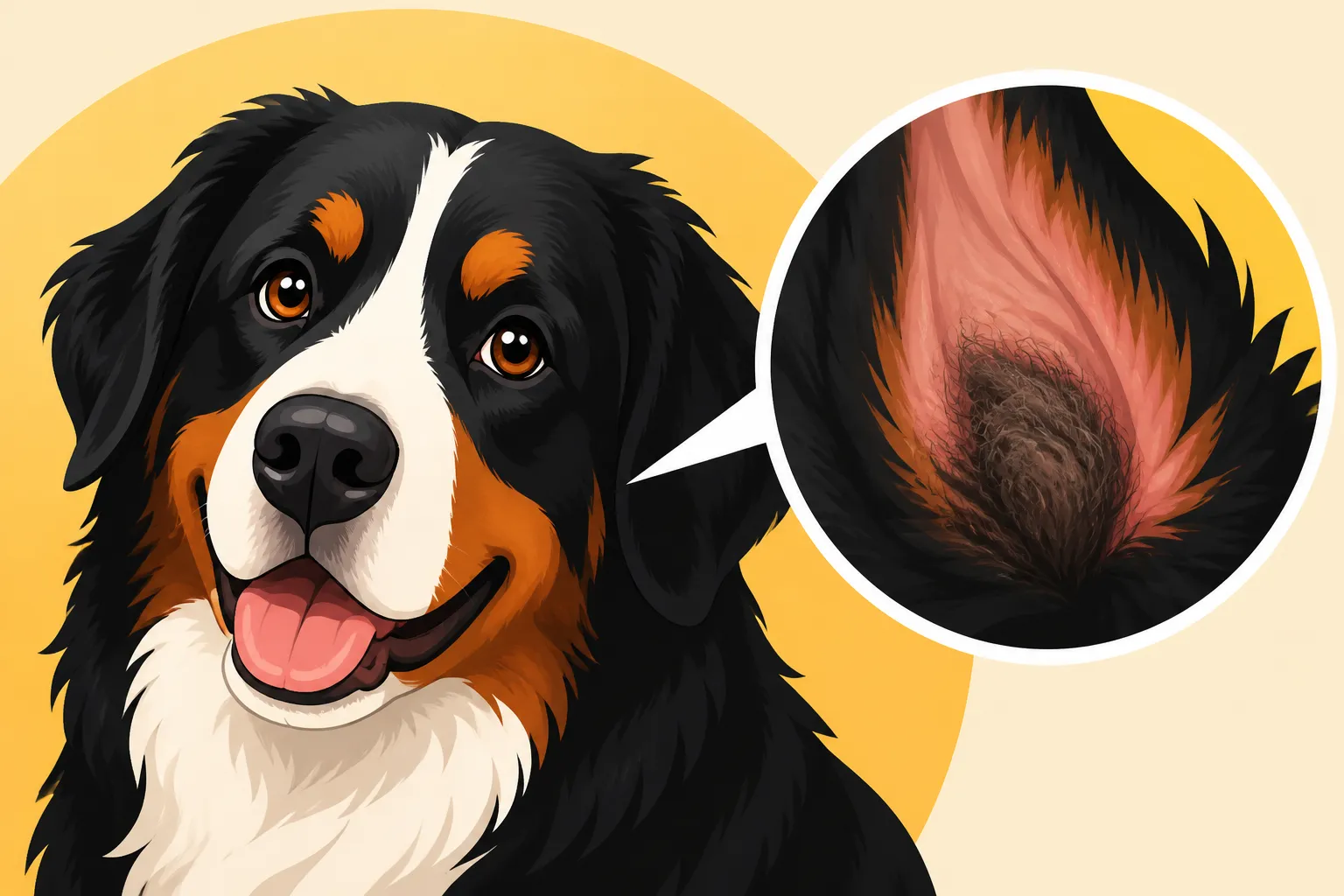
One of the most disheartening sights for any Bernese Mountain Dog owner is discovering a dense, stubborn mat of fur, often behind their beloved companion’s ears. It feels like it appears overnight, transforming that soft, flowing coat into a hard, felted lump that pulls at the skin and seems impossible to remove without causing discomfort. This guide is dedicated to unraveling the mystery of these dreaded ear felts, exploring why they form, and, more importantly, empowering you with the knowledge and techniques to prevent and gently manage them, keeping your Berner comfortable and their magnificent coat pristine.
Understanding the Bernese Mountain Dog Coat and Why it Mats
The Bernese Mountain Dog’s beautiful tri-color coat is one of its most striking features, but it's also a double-edged sword when it comes to grooming. Its sheer volume, length, and texture make it particularly prone to tangles and mats, especially in high-friction areas or where moisture can get trapped. Understanding the construction of this majestic coat is the first step in combating those pesky felted ears.
The Double Coat's Role in Matting
Every Bernese Mountain Dog sports a luxurious double coat, a true marvel of natural engineering designed to protect them from the harsh Swiss elements. This coat consists of two distinct layers, each playing a critical role in insulation and protection, but also contributing to the potential for matting.
First, there's the soft, dense undercoat. This layer is thick, woolly, and incredibly effective at trapping air close to the body, providing warmth in winter and acting as an insulating barrier against heat in summer. This undercoat sheds heavily, particularly in spring and fall, and if not properly removed, the dead hair gets trapped amongst the living hair. It’s like trying to comb through a pile of cotton balls that are all clinging to each other – it quickly becomes a tangled mess. This shed undercoat is the primary culprit in forming dense mats.
Then, there's the longer, somewhat coarser outer coat, also known as guard hairs. These hairs are designed to repel water and dirt, protecting the delicate undercoat and the skin beneath. While the guard hairs themselves are less prone to matting, they easily wrap around the shed undercoat and other tangles, tightening them into impenetrable knots. When these two layers intertwine, especially when friction is involved, they can quickly bond together, creating a felt-like mass that seems to defy any brush. Think of it like knitting: once a few loops get caught and tightened, the whole structure becomes rigid and difficult to undo.
Specific Areas Prone to Felting
While mats can technically form anywhere on a Bernese Mountain Dog, certain areas are notorious hotspots for felting. The skin behind a Berner’s ears, in particular, is one of the most common and frustrating places to find these dense tangles. But why there?
The skin behind the ears is incredibly delicate, and the fur in this region tends to be finer and softer than the rest of the body, making it more susceptible to tangling. Moreover, this area experiences a lot of natural movement. Every time your Berner shakes their head, scratches an itch, or even just moves their ears to listen, the fine hairs rub against each other. This constant friction is a breeding ground for tangles, especially when combined with any shed undercoat. It’s a bit like how a thin, wispy strand of human hair around the temples can tangle into a bird's nest faster than the thicker hair on top of your head.
Beyond the ears, other common felting zones include the armpits, where leg movement causes friction, and behind the hind legs, particularly on the "trousers" or feathering, where walking and sitting create constant rubbing. The tail plume can also get quite messy, picking up burrs and debris. These areas, much like behind the ears, are often overlooked or difficult to reach during routine brushing, allowing small tangles to escalate into full-blown felt. It’s a vicious cycle where a tiny knot gets tighter and bigger with every movement, attracting more loose hair until it becomes a solid mass.
External Factors That Worsen Matting
While the Bernese Mountain Dog's natural coat structure sets the stage for matting, various external factors can act as accelerants, turning minor tangles into full-blown felt almost overnight. It's not just about the hair; it's about what the hair encounters in the world.
Moisture is a huge culprit. A wet coat, whether from a swim, a rainy walk, or even just high humidity, is far more prone to matting than a dry one. As water dries, it causes the individual hairs to shrink and clump together, tightening any existing tangles. Imagine washing a wool sweater and throwing it in the dryer – it shrinks and condenses. The same principle applies to your Berner's coat. If they’ve just had a joyous romp through a muddy field or a refreshing dip in the lake, and their coat isn't thoroughly brushed and dried afterwards, you’re almost guaranteed to find new knots forming. This is especially true behind the ears, where water can linger and not evaporate as quickly due to the thickness of the fur.
Dirt, debris, and even allergens also play a significant role. Burrs, twigs, leaves, and general grime from outdoor adventures get caught in the long hair, acting as anchors for tangles. When your Berner rolls in the grass or brushes past bushes, these natural elements become intertwined with their coat, pulling and knotting the hairs. Even simple dust and dander can contribute by making the coat feel coarser and more prone to static, which causes hairs to cling together. Collars and harnesses, especially if not fitted correctly or left on for extended periods, can also create friction points that rub away at the coat, leading to localized matting around the neck and chest. A dog that is constantly scratching an itchy spot, perhaps due to allergies or fleas, will also inadvertently create tangles as their nails pull at the fur.
Proactive Measures: Preventing Ear Felting Before It Starts
Prevention truly is worth a pound of cure when it comes to Bernese Mountain Dog mats. Once a mat forms, especially a dense felt behind the ear, it's a battle. But with consistent, proactive grooming, you can drastically reduce the chances of these stubborn knots ever taking hold, saving both you and your Berner a lot of discomfort and stress.
The Importance of Regular Brushing
Regular brushing is the single most effective weapon in your arsenal against mats and felted fur. For a Bernese Mountain Dog, this isn't just about keeping them looking pretty; it's a fundamental aspect of their health and comfort. You're not just smoothing the top layer; you're actively removing dead undercoat and detangling the deeper layers before they can fuse together.
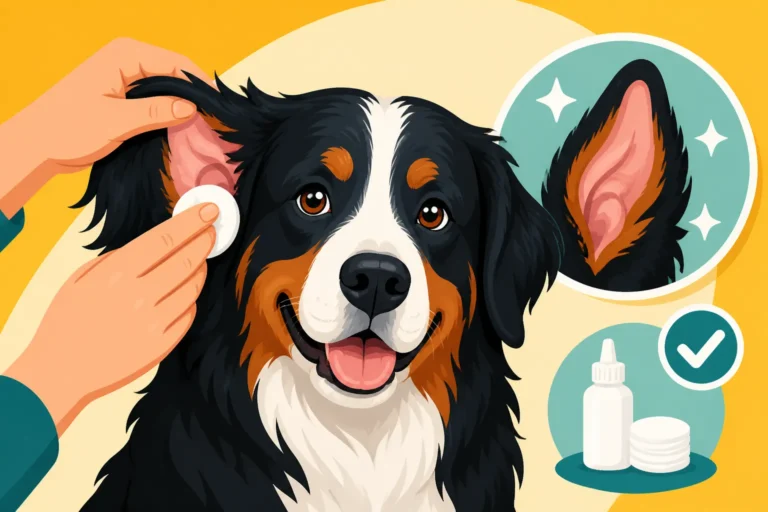
When it comes to tools, you'll want a combination. A good quality undercoat rake is essential for reaching deep into that dense undercoat and pulling out the shed hair that causes most of the felting. Follow this with a slicker brush to smooth out the outer coat and catch any smaller tangles closer to the surface. Finally, a metal comb with both wide and fine teeth is perfect for checking your work and tackling smaller knots, especially in delicate areas like behind the ears. For brushing behind the ears, always use the metal comb first, gently working through small sections of hair. Hold the hair at the base near the skin to minimize pulling, and work from the ends towards the roots. Imagine you’re gently separating threads of silk rather than ripping through a knot. As for frequency, Berners typically need brushing several times a week, and during heavy shedding seasons (spring and fall), daily brushing might even be necessary. Don't skimp on this time; it's an investment in their comfort. You can find excellent grooming tools, including undercoat rakes and slicker brushes, readily available on platforms like Amazon or Chewy. For more specifics, check out our guide on Which Brush a Bernese Mountain Dog's Coat Needs and How Often a Bernese Mountain Dog Should Be Brushed.
The Role of Bathing and Drying
Bathing a Bernese Mountain Dog can be an adventure in itself, but doing it correctly, especially the drying part, is crucial for preventing mats. An improperly bathed and dried Berner can emerge from the tub with more tangles than they went in with. The key is to remember that water alone can tighten mats; it’s the combination of water and subsequent friction that makes them worse.
Before bathing, always give your Berner a thorough brush-out to remove as much loose hair and as many existing tangles as possible. Trying to wash a matted coat will only make the mats tighter and harder to remove. Use a high-quality dog shampoo specifically formulated for double coats, or a gentle, moisturizing one. Lather gently, focusing on the skin, and rinse absolutely thoroughly. Any shampoo residue left behind can irritate the skin and make the coat feel sticky, attracting more dirt and leading to tangles. After rinsing, apply a good dog conditioner. This helps to smooth the hair cuticles, making the coat less prone to tangling and easier to brush. When rinsing out the conditioner, pay special attention to behind the ears, ensuring all product is removed. If you're looking for guidance on what kind of product to use, we have a helpful article, Shampoo for a Bernese Mountain Dog's Double Coat.
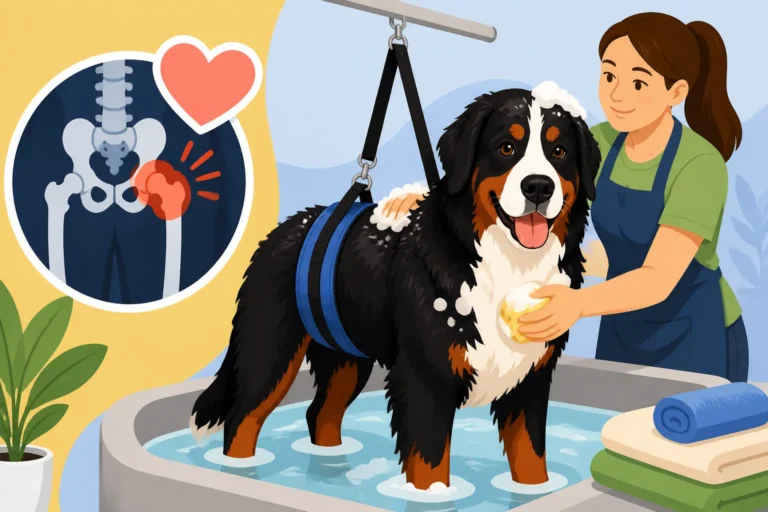
Drying is where many owners go wrong. Never air-dry a Bernese Mountain Dog, especially not after a full bath. As the coat dries naturally, individual hairs shrink and intertwine, forming new mats or tightening existing ones. Always use a high-velocity force dryer if you have one, or a regular human hairdryer on a cool or low heat setting. As you dry, continuously brush the coat in small sections, from root to tip, to separate the hairs and ensure the undercoat is completely dry. Pay extra attention to those high-risk areas like behind the ears. This thorough drying process can take quite a while for a Berner, often an hour or more, but it's non-negotiable for preventing matting. It's a workout, for sure, but a necessary one! Learn more about the drying process in How Long a Wet Bernese Mountain Dog Takes to Dry.
Protective Gear and Environmental Control
Beyond regular brushing and careful bathing, there are other clever strategies you can employ to minimize matting, particularly behind the ears. These measures focus on reducing friction and preventing debris from getting caught in the first place.
One fantastic, often overlooked tool is a snood. If your Bernese Mountain Dog is a messy eater, or loves to dig in the dirt, a snood can protect their long ear feathering from getting caked with food, mud, or burrs. These fabric tubes fit over your dog's head, keeping their ears neatly tucked away. They're especially useful for dogs with longer, droopier ears that are more prone to getting into things. Similarly, if you take your Berner on hikes through wooded areas, a snood can be a lifesaver in preventing burrs and twigs from becoming hopelessly tangled in the ear fur.
Considering your Bernese Mountain Dog's environment is also important. Ensure their bedding is clean and free of loose threads or debris that could tangle in their coat as they shift and sleep. If your Berner frequently lies on rough surfaces, consider adding softer rugs or orthopedic beds, which can reduce friction on their coat. Even small habits, like routinely checking their ears after outdoor excursions, can make a huge difference. By catching a small twig or a bit of dried mud early, you prevent it from becoming the anchor for a massive mat. It's about being observant and making small, consistent efforts to protect that beautiful coat.
Tackling Existing Felt: Safe Dematting Techniques
Despite your best efforts, sometimes a mat will still form, especially behind those delicate Berner ears. When this happens, it's crucial to approach it with patience, the right tools, and a gentle touch. Aggressive pulling or hacking at a mat can cause significant pain, skin irritation, and even injury. Remember, your goal is to free the hair without hurting your dog.
Gentle Detangling Small Mats
When you discover a small, relatively loose mat behind your Bernese Mountain Dog's ear, the first step is to arm yourself with patience and the correct supplies. This is not a race. You'll need a good quality detangling spray (many pet stores, including online retailers like Chewy, carry excellent options), a metal comb with both wide and fine teeth, and potentially your fingers.
Start by liberally spraying the mat with the detangling solution. Allow it to sit for a minute or two to penetrate and lubricate the hairs. This makes the individual strands much more slippery and less likely to break. Now, here's the crucial technique: isolate the mat and gently hold the hair at the base of the mat, closest to your dog’s skin, with your fingers. This creates a buffer, preventing you from pulling on the skin, which is where the pain comes from. With your other hand, start working at the very edge of the mat with the wide-toothed side of your metal comb. Don't try to pull the comb straight through the mat. Instead, use a "picking" or "raking" motion, working small sections of the mat free, strand by strand, from the ends inward towards the skin. It’s a bit like picking apart Velcro. As small sections become loose, switch to the finer teeth of the comb to smooth them out. If you encounter resistance, don't force it. Re-spray, gently pull the mat apart with your fingers, and continue picking. This process can take time, but a gentle approach ensures your dog has a positive experience and will be more cooperative next time.
Dealing with Larger, More Stubborn Felt
Sometimes, you might find a mat that has progressed beyond simple detangling – a dense, solid chunk of felt behind the ear that feels impossible to get a comb through. This is where you need to exercise extreme caution, as the skin under these mats can be very thin and easily nicked. For these larger, more stubborn felts, you'll need specialized tools: a mat splitter or blunt-nosed scissors.
Before you begin, try to feel around the mat to assess how close it is to the skin. Often, severe mats will pull the skin tight, making it very easy to accidentally cut. If you decide to tackle it yourself, always use a mat splitter. This tool has small, sharp blades designed to cut through the mat lengthwise, breaking it into smaller, more manageable sections, rather than cutting across the mat, which risks cutting the skin. Insert the splitter from the outside edge of the mat, working it into the mat carefully, never pointing it towards the skin. Once you've split the mat into several strips, you can then return to the detangling spray and metal comb method to work out the smaller pieces. If using blunt-nosed scissors, and only if you can clearly see skin between the mat and your cutting line, slide a comb or your fingers underneath the mat, flush with the skin, and cut above the comb. This acts as a barrier, protecting the skin. Always cut in small, careful snips, never trying to cut a large section at once. For a visual guide and more detailed advice, check out our article Cutting a Mat Out of a Bernese Mountain Dog's Coat. The key word here is caution; if you have any doubts, stop immediately.
When to Call in the Professionals
There are absolutely times when attempting to remove a felted mat yourself is simply too risky or too difficult, and that's perfectly okay. Knowing your limits and when to call in a professional groomer or veterinarian is a sign of responsible pet ownership.
You should seek professional help if:
- The mat is very large and dense: A mat that covers a significant area, is extremely tight, and feels like a solid brick of felt is often best handled by someone with specialized tools and experience. Trying to remove these yourself can cause immense pain and discomfort to your Berner, potentially turning them off future grooming sessions.
- The mat is close to the skin or causing skin irritation: If the mat is pulling the skin taut, or if you notice any redness, inflammation, or sores underneath or around the mat, a vet visit is essential. There could be underlying infections, and the mat itself may need to be carefully shaved off by a professional who can ensure no further damage to the skin.
- Your dog is uncooperative or in pain: If your Bernese Mountain Dog is yelping, growling, or showing clear signs of distress when you try to work on the mat, it's time to step back. A professional has techniques and sometimes even calming tools or sedatives (under veterinary supervision) to make the process less stressful.
- You're simply not comfortable: Don't feel guilty if you're intimidated by a stubborn mat. Professional groomers deal with these regularly and have the expertise to remove them safely and efficiently. While there will be a cost involved, it's often worth it for your dog's comfort and your peace of mind. For an idea of what professional grooming might cost, take a look at our article, What a Bernese Mountain Dog Groom Costs. A good groomer can save your Berner from a painful ordeal and help restart a healthier coat maintenance routine.
Long-Term Coat Health and Maintenance
Preventing felted ears isn't just about what you do with a brush; it's also about a holistic approach to your Bernese Mountain Dog's overall health, particularly their diet. A healthy dog, inside and out, will naturally have a healthier, more manageable coat.
Nutrition's Impact on Coat Quality
It might seem indirect, but what you feed your Bernese Mountain Dog plays a significant role in the health and manageability of their coat. A well-nourished coat is stronger, less prone to breakage, and can even be less susceptible to matting.
High-quality dog food that lists real meat as the first ingredient and contains a good balance of essential fatty acids, particularly Omega-3s and Omega-6s, is paramount. These fats are the building blocks for healthy skin and a shiny, resilient coat. Think of them as the natural conditioner for your dog’s fur. When a dog's diet lacks these crucial nutrients, their coat can become dry, brittle, and more prone to static electricity, which in turn makes it more likely to tangle and mat. Consider premium dog food options or even fresh food services like Ollie, which focus on nutrient-dense ingredients that support overall health, including coat quality. Some owners also choose to add supplements, such as fish oil, to their dog's diet to boost Omega fatty acid intake. However, always consult your vet before adding any supplements, as balance is key. A healthy coat isn't just aesthetically pleasing; it's also a more robust barrier against the elements and less likely to succumb to matting. We have a related article that dives into this topic: Whether Omega Oils Do Anything for a Berner's Coat.
Routine Checks and Early Detection
The old adage "an ounce of prevention is worth a pound of cure" couldn't be more true when it comes to Bernese Mountain Dog coats. Developing a habit of quick, routine checks can save you hours of arduous dematting and your dog from discomfort.
Make it a point to perform a brief "pat-down" and quick brush-through every day, or at least every other day. This doesn't need to be a full grooming session; just a few minutes of running your hands over your dog's coat, feeling for any small bumps or knots. Pay particular attention to the known trouble spots: behind the ears, in the armpits, around the collar area, and on their "trousers" (the feathering on their hind legs). If you find a tiny tangle, it’s much easier to work out with your fingers or a comb at this stage than to let it grow into a full-blown mat. For example, after a walk in the woods, spend an extra minute feeling for any burrs or twigs that might have hitched a ride. After a swim, make sure to dry the susceptible areas thoroughly. This proactive approach makes grooming a series of small, manageable tasks rather than a daunting, once-a-month ordeal. It also provides an excellent opportunity for bonding with your Bernese, allowing you to regularly handle them and familiarize yourself with their body, which can be invaluable for spotting other health issues early on.
Tools and Supplies for Your Grooming Kit
Having the right tools on hand is half the battle when it comes to maintaining a Bernese Mountain Dog's magnificent coat and tackling any potential felting issues. Investing in quality grooming supplies will make the process easier, more effective, and more comfortable for both you and your Berner.
Here's a list of essential items for your Bernese Mountain Dog grooming kit:
| Tool | Purpose | Where to Find It |
|---|---|---|
| Pin Brush | General brushing, removes loose hair from outer coat, untangles. | Amazon, Chewy |
| Slicker Brush | Removes dead undercoat, smooths outer coat, detangles. | Amazon, Chewy |
| Undercoat Rake | Essential for reaching deep into the undercoat to remove shed hair. | Amazon, Chewy |
| Metal Comb | For line brushing, checking for knots, detangling delicate areas. | Amazon, Chewy |
| Mat Splitter | Safely cuts through dense mats to break them into smaller sections. | Amazon |
| Blunt-Nosed Scissors | For carefully cutting out very stubborn mats (use with extreme caution). | Amazon |
| Detangling Spray | Lubricates hair, makes knots easier to comb out, reduces breakage. | Chewy, Pet Stores |
| High-Velocity Dryer | Essential for thoroughly drying the double coat to prevent matting. | Amazon |
| Dog Shampoo | Cleans coat, look for formulas for double coats or moisturizing. | Chewy, Pet Stores |
| Dog Conditioner | Smooths hair cuticles, prevents tangles, adds shine. | Chewy, Pet Stores |
| Snood | Protects ears from food, dirt, and burrs during meals or outdoor play. | Amazon, Etsy |
You can find most of these essential grooming tools at major online retailers like Chewy or Amazon. Remember, cheaper tools might seem appealing initially, but they often don't last as long or perform as effectively on a thick Bernese coat. Investing in durable, high-quality tools will pay off in the long run, making grooming a much smoother experience. For more detailed information on acquiring the necessary tools, you might find Buying the Rake and Dryer a Bernese Mountain Dog Needs particularly useful.
Common Misconceptions and Pitfalls
When it comes to managing a Bernese Mountain Dog's coat, there are several common beliefs and practices that can actually do more harm than good. Understanding these pitfalls is crucial for ensuring your Berner's comfort and maintaining the health of their beautiful coat.
The Shaving Debate
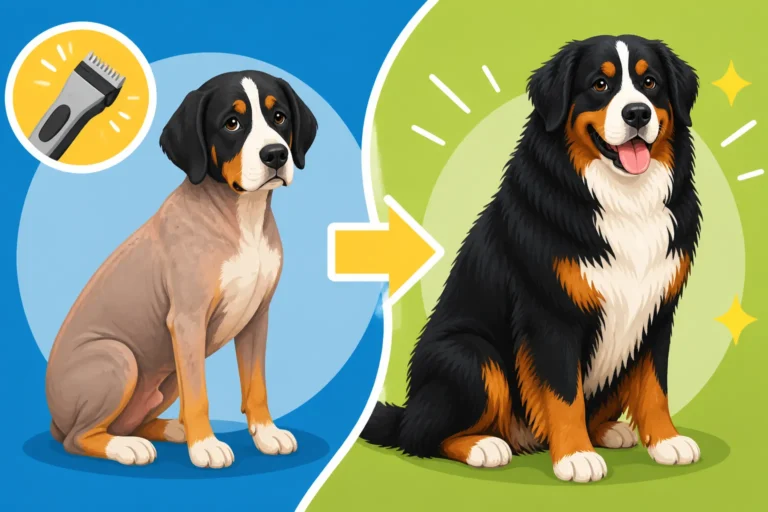
One of the most persistent myths among pet owners, especially those with double-coated breeds like the Bernese Mountain Dog, is that shaving them in summer will help them stay cool or solve matting problems. While it might seem logical on the surface, this is almost always a detrimental practice.
A Bernese Mountain Dog's double coat is specifically designed to act as a natural insulator. In winter, it traps warm air close to the body, keeping them toasty. In summer, it works in reverse: the dense undercoat and the longer guard hairs create a protective barrier that prevents heat from penetrating down to the skin, while also allowing air circulation to keep them cool. Shaving off this coat removes their natural defense system. It exposes their delicate skin to sunburn, insect bites, and the harsh elements. Imagine trying to stay cool in the desert without clothing – you'd quickly get sunburnt and dehydrated. Furthermore, when a double coat is shaved, it often grows back unevenly. The guard hairs, which are slower growing, can become sparse, while the woolly undercoat grows back thicker and coarser, making the coat even more prone to matting and felting in the future. This "blown coat" can also make it harder for your dog to regulate their temperature effectively, potentially leading to overheating. Unless there's a serious medical reason, such as extreme matting that cannot be safely brushed out or a skin condition requiring full access to the skin, shaving a Bernese Mountain Dog is generally discouraged. You can dive deeper into this topic by reading The Case Against Shaving a Bernese Mountain Dog in June.
Ignoring Small Tangles
It's easy to look at a tiny knot, perhaps a quarter-sized tangle behind an ear, and think, "I'll get to that later." With a Bernese Mountain Dog, this seemingly harmless procrastination is one of the quickest routes to a full-blown, painful felt. Small tangles are like seeds; given the right conditions, they will sprout into massive problems.
The moment hair becomes knotted, it creates a point of friction. Every time your Berner moves their head, scratches, or rubs against something, that small knot gets tighter. It also acts as a magnet for loose, shed hair. The more loose hair gets caught in the knot, the bigger and denser it becomes. What starts as a pea-sized tangle can quickly grow into a tennis-ball-sized felt in a matter of days, especially in a high-friction, fine-haired area like behind the ears. Once a mat gets large enough, it starts to pull on the skin, causing discomfort and pain. If ignored for too long, these large mats can restrict blood flow, cause skin irritation, and even lead to infections under the mat where moisture and bacteria can get trapped. The key is vigilance: if you feel even the smallest knot during your routine checks, address it immediately. A minute of gentle detangling now can save you an hour of painful wrestling with a massive mat later.
The Pain and Health Risks of Severe Matting
Beyond the aesthetic concern, severe matting poses significant health risks and causes considerable pain and discomfort for your Bernese Mountain Dog. It's not just "bad hair"; it's a serious welfare issue.
When mats grow large and tight, they pull incessantly on your dog's skin. Imagine having your hair constantly tugged for days or weeks on end; it's excruciating. This constant pulling can lead to hot spots, skin infections, and open sores as the skin becomes irritated and inflamed. These areas become perfect breeding grounds for bacteria and parasites. Furthermore, dense mats can restrict blood flow to certain areas, causing swelling and pain, particularly in the extremities. If a mat forms around a joint, it can even restrict movement, causing your dog to alter their gait or avoid certain activities, leading to muscle atrophy or further joint issues. In extreme cases, mats can hide serious underlying skin conditions or even mask wounds, preventing owners from seeing and addressing them. For example, ear mats can prevent proper air circulation, leading to severe ear infections. This is a topic we delve into more in Skin and Ear Problems in a Bernese Mountain Dog. The removal process for severe mats, often requiring shaving under sedation by a veterinarian, can also be traumatic and costly. It's a stark reminder that regular, gentle grooming is not just about looks; it's a crucial part of your Bernese Mountain Dog's overall health and well-being.
Disclaimer
This article is for general informational purposes only and does not constitute professional advice. Laws, prices and regulations vary by location and change over time. Consult a qualified professional for guidance on your specific situation.