How Much a Bernese Mountain Dog Sheds in a Week
If you're a Bernese Mountain Dog owner, or considering becoming one, you've probably heard whispers, or perhaps even roaring tales, about their shedding. It’s not a myth; the amount of hair these magnificent dogs can shed is truly remarkable, and it's a constant, sometimes overwhelming, part of living with them. This guide aims to pull back the curtain on the reality of weekly Bernese shedding, offering a realistic expectation of what you'll encounter and practical strategies to manage the fluffy snowfall that becomes an integral part of your home.
Understanding the Bernese Mountain Dog's Coat and Shedding Cycle
Before we even begin to talk about the sheer volume of hair, it’s important to understand why Bernese Mountain Dogs shed so much. It's not just a quirk; it's a fundamental aspect of their breed, designed for survival in harsh environments. Their coat is a marvel of natural engineering, but it comes with a trade-off for us, their human companions.
The Double Coat: Nature's Insulator
The Bernese Mountain Dog sports a magnificent double coat, and this is the primary reason for the shedding spectacle. Imagine wearing two distinct layers of clothing for warmth and protection – that's essentially what your Berner's coat is doing. The outer coat consists of longer, somewhat coarser guard hairs. These are designed to repel water, dirt, and snow, acting as a protective barrier. They're what gives your Berner that glossy, majestic appearance.
Beneath this outer layer lies the true engine of warmth: a dense, woolly undercoat. This soft, downy layer is incredibly effective at trapping air, providing exceptional insulation against the frigid temperatures of the Swiss Alps, their ancestral home. It’s this thick undercoat that sheds the most prodigiously. As the seasons change, or even just as their body regulates temperature, this undercoat needs to be replaced, creating what many Berner owners lovingly (or exasperatedly) refer to as "Bernese glitter" or "dust bunnies on legs." It's a natural, healthy process, but it requires diligent management to keep it from taking over your life.
Seasonal Shedding vs. Year-Round Hair Loss
It’s a common misconception that dogs only shed twice a year. While Bernese Mountain Dogs certainly have their dramatic "blow-out" seasons, they are, in fact, year-round shedding machines. Yes, you read that right. There's a constant, low-level shedding happening every single day, as old hairs die and new ones grow in. You'll find strands of black, white, and rust-colored hair adhering to your clothes, settling on your floors, and perhaps even finding their way into your morning coffee.
However, the real show begins during their seasonal sheds, typically in spring and fall. These are the times when their undercoat undergoes a massive overhaul. In spring, they shed their thick winter coat to prepare for warmer weather, and in fall, they shed their lighter summer coat to make way for a denser, warmer one. During these periods, the amount of hair coming off your Berner can feel truly astounding. It’s not uncommon for owners to fill entire grocery bags with shed fur during these peak times. Factors like living indoors in temperature-controlled environments can sometimes blur these distinct seasonal cycles, leading to a more continuous, albeit less intense, "blow-out" all year round. Spring, When a Bernese Mountain Dog's Undercoat Lets Go offers a deeper dive into this phenomenon.
Quantifying the Weekly Shed: A Realistic Expectation
So, how much hair are we really talking about in a week? It's easy to say "a lot," but let's try to paint a more vivid picture for those who are trying to prepare or are currently knee-deep in Berner floof. This isn't just a bit of hair; it's a lifestyle adjustment.
What "A Lot" Really Means
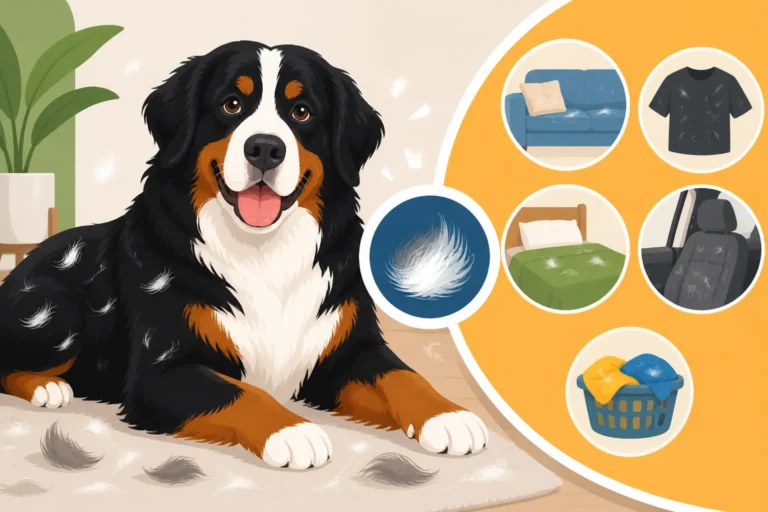
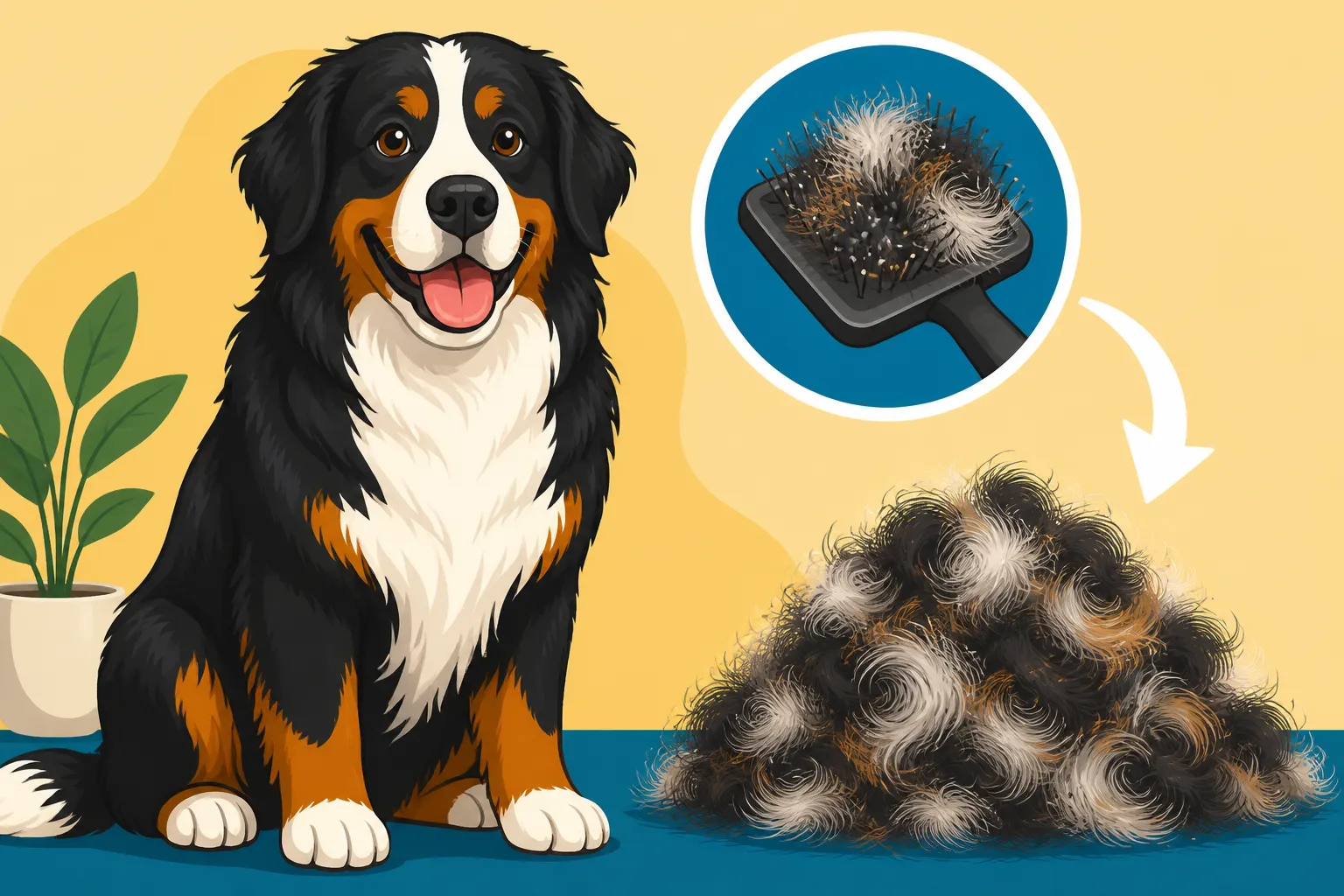
When we say a Bernese Mountain Dog sheds "a lot" in a week, we mean you can expect to find enough hair to knit a small sweater, or at the very least, enough to completely clog a standard vacuum cleaner canister every single day. Imagine small, fluffy tumbleweeds rolling across your hardwood floors, gathering in corners like miniature snowdrifts, and magically appearing on every piece of clothing you own, regardless of how recently you changed. You might brush your Berner for thirty minutes, collect a golf-ball sized wad of hair, turn around, and see another puff of fur detaching itself from their coat as they walk away. This isn't an exaggeration; it's the daily reality for many Berner households.
During peak shedding seasons, this amount can easily double or triple. If you neglect brushing for even a few days, the sheer volume can be astonishing. You'll literally be able to pull handfuls of soft undercoat from their flanks, revealing just how much dead hair has been trapped within their dense layers. It’s more than just a nuisance; it requires active management to keep both your dog and your home comfortable.
Factors Influencing Weekly Shedding Volume
The actual amount of hair your Bernese Mountain Dog sheds in a given week isn't a fixed quantity; it can fluctuate based on several factors, all of which contribute to the overall health and condition of their coat. Understanding these can help you better manage their shedding and potentially reduce it.
First, diet quality plays a huge role. A Bernese Mountain Dog on a poor-quality diet, lacking essential nutrients, might shed more profusely and have a duller, more brittle coat. High-quality dog foods, rich in lean protein and healthy fats, contribute to a stronger, healthier coat that holds onto its hair longer and sheds more predictably. Many owners find good options for their Berner's specific dietary needs at retailers like Chewy or through specialized fresh food services like Ollie.
Second, hydration is key. Just like our skin, a dog's skin and hair follicles need adequate moisture. A dehydrated dog, or one with dry skin, might experience increased shedding as the hair follicles become less healthy. Always ensure your Berner has access to fresh, clean water.
Third, overall health status is critical. If your Bernese Mountain Dog is experiencing an underlying health issue, such as allergies, parasites (fleas, mites), a thyroid imbalance, or other illnesses, excessive shedding can be a significant symptom. Any sudden or drastic change in shedding patterns, especially if accompanied by skin irritation, bald patches, or behavioral changes, warrants a visit to your veterinarian.
Lastly, stress levels can also influence shedding. A stressed or anxious dog might "blow coat" more frequently or intensely. Ensuring a calm, consistent environment can sometimes help. Furthermore, the age and reproductive status of your Berner can matter; intact dogs (especially females during heat cycles or after a litter) may shed more, and older dogs might experience changes in coat density and shedding patterns.
Managing Weekly Shedding: Tools and Techniques
Living with a Bernese Mountain Dog doesn't mean resigning yourself to a perpetual snowstorm of fur. While you can't eliminate shedding entirely (nor should you, as it's a natural process), you can significantly manage it with the right tools and a consistent routine. It's about proactive intervention, not reactive cleanup.
The Essential Grooming Arsenal
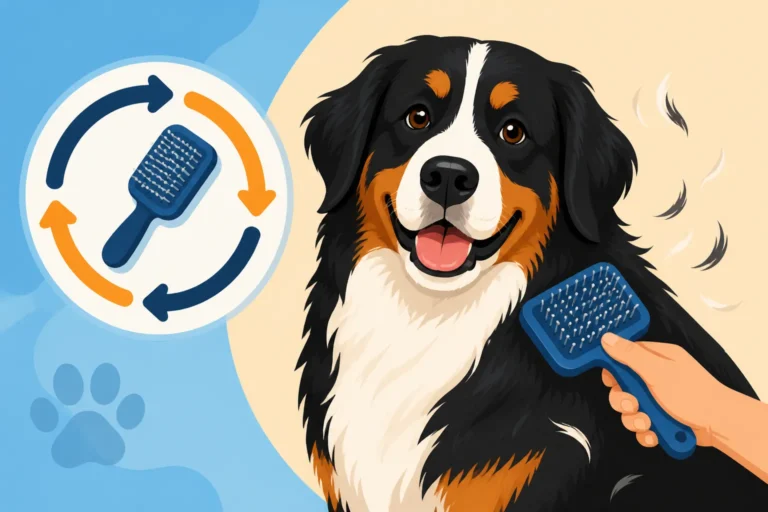
To effectively manage your Bernese Mountain Dog's weekly shedding, you need to arm yourself with the right tools. This isn't a job for a flimsy brush; you need serious equipment to tackle that dense double coat. The absolute hero of your grooming kit will be an undercoat rake. These tools are specifically designed with long, strong teeth that reach through the guard hairs to gently pull out the loose, dead undercoat without damaging the topcoat or irritating the skin. Using an undercoat rake regularly – ideally every few days, and daily during peak shedding seasons – will dramatically reduce the amount of hair that ends up on your floors and furniture.
Alongside the undercoat rake, a slicker brush is excellent for removing loose hair from the outer coat and for working through any minor tangles. A pin brush can be useful for general brushing and for stimulating circulation, which promotes a healthy coat. For those really intense shedding periods, a good quality deshedding tool (often recognized by their fine-toothed metal blades, designed to strip loose undercoat) can be invaluable, but use them sparingly and with a light hand to avoid irritating the skin or cutting the healthy topcoat. You might also want a comb for detail work, especially on their feathered legs and tail. For a comprehensive look at what brushes are best, check out Which brush a Bernese Mountain Dog's coat needs.
Consistency is the real secret here. A quick, daily brush with an undercoat rake will prevent large accumulations of dead hair far more effectively than one massive grooming session once a week. Think of it as chipping away at the snowdrift before it becomes an avalanche. Even just 10-15 minutes a day can make a world of difference. How Long Brushing a Bernese Mountain Dog Takes delves into more detail about how to make the most of your grooming time.
Bathing Strategies for Shed Control
Bathing your Bernese Mountain Dog can be a highly effective part of your shedding management strategy, but it needs to be done correctly. Simply wetting and rinsing them won't do much; the key is what happens after the bath. The warm water and shampoo can help loosen dead and shedding hair, making it easier to remove. However, if you don't thoroughly dry and brush out all that loosened hair, you're essentially creating a giant, wet mat of fur waiting to explode.
Consider using deshedding shampoos and conditioners specifically formulated to help release the undercoat. These products often contain ingredients that help lubricate the hair follicles, allowing the dead hair to slip out more easily. After shampooing and conditioning, the crucial step is the drying process. This is where a high-velocity force dryer becomes your best friend. These powerful dryers blow air at a high speed, effectively "blasting" loose hair out of the coat while simultaneously drying your dog. If you don't have a force dryer, a regular blow dryer on a cool setting can help, but it will take considerably longer.
Without proper drying and thorough brushing during and after the bath, the dead hair can become trapped and mat, especially in their dense undercoat. Mats are not only uncomfortable and potentially painful for your dog but can also lead to skin issues. So, while bathing can be a powerful ally against shedding, remember it's just one step in a multi-pronged attack. For more on how often to bathe, read How many baths a Bernese Mountain Dog gets a year. And if you're wondering about investing in a professional dryer for home, Whether a Force Dryer Is Worth It for a Bernese Mountain Dog provides helpful insights.
Living with the Hair: Household Management
Even with the most diligent grooming routine, Bernese Mountain Dog hair will find its way into every nook and cranny of your home. It’s a reality you have to embrace, or at least learn to manage effectively. This section is about accepting the "Bernese glitter" and setting up your home to cope with it.
Vacuuming and Cleaning Routines
Let's be frank: if you own a Bernese Mountain Dog, your vacuum cleaner is going to become your most-used appliance. A regular household vacuum might struggle to keep up; you'll likely need a powerful, robust model designed specifically for pet hair. These often feature strong suction, tangle-free brushes, and large canisters because you'll be emptying it frequently—possibly daily, especially during peak shedding seasons. Imagine vacuuming your entire home, only to turn around and see new tumbleweeds forming from where your Berner just walked. It's that kind of commitment. Vacuums That Cope With a Bernese Mountain Dog offers recommendations for models that stand up to the challenge.
Beyond vacuuming, lint rollers will become indispensable accessories, scattered throughout your home and car. Keep them by the door, in your living room, in your laundry room, and perhaps even in your purse or backpack. For upholstered furniture, a damp rubber glove can work wonders for collecting hair that has woven itself into the fabric. You might also consider investing in washable slipcovers for your couches and chairs, making it easier to toss them in the wash and remove accumulated fur. Regular dusting and wiping down surfaces will also be necessary, as airborne hair eventually settles everywhere.
Protecting Your Home and Wardrobe
Living with a Bernese Mountain Dog means making some strategic choices about your home environment. Dark clothing and light-colored furniture are often a recipe for visible hair disaster. Many Berner owners opt for leather or pleather furniture, which hair tends to wipe off of more easily than fabric. If you have carpet, be prepared for embedded fur that even the best vacuum struggles with. Hardwood, laminate, or tile floors are often easier to clean, but they also highlight every single strand of hair, meaning you'll see those dust bunnies in real-time. Runners and area rugs can help define spaces and collect some of the shedding, but they too will need frequent cleaning. Keeping a House Livable With a Bernese Mountain Dog delves into more ways to make your home hair-friendly.
When it comes to your wardrobe, acceptance is key. You will find Berner hair on everything, no matter how carefully you try to avoid it. It's a badge of honor, really. Keep a lint roller by your closet door, and get used to giving yourself a quick once-over before heading out. Consider choosing clothing fabrics and colors that are less likely to show every stray hair. Ultimately, living with a Bernese Mountain Dog means that their hair becomes a subtle, comforting (or occasionally maddening) part of your home and your life.
Dietary and Lifestyle Support for a Healthy Coat
While grooming is paramount, a healthy coat that sheds optimally (for a Berner, anyway!) starts from the inside out. What you feed your Bernese Mountain Dog and how you manage their overall lifestyle can have a direct impact on the quality of their coat and, consequently, the amount of hair they shed.
Nutrition for Coat Health
The foundation of a healthy, shiny coat begins with a high-quality, balanced diet. Look for dog foods where real meat is the first ingredient, and avoid those with excessive fillers, artificial colors, or by-products. A diet rich in essential fatty acids, particularly Omega-3 and Omega-6, is crucial for skin and coat health. These fatty acids help maintain the skin barrier, reduce inflammation, and promote strong hair follicles, leading to less breakage and shedding. You'll often find these in ingredients like fish oil, flaxseed, and certain vegetable oils.
Many premium dog food brands actively market formulas specifically for "skin and coat health," often fortified with these beneficial fatty acids. Options available from online retailers like Chewy or specialized meal services such as Ollie can be great resources for finding foods tailored to support coat vitality. You might also consider adding a fish oil supplement to your Berner's daily food, but always consult your veterinarian before adding any new supplements to ensure proper dosage and suitability for your individual dog. For a deeper dive into supplements, check out Whether Omega Oils Do Anything for a Berner's Coat.
Hydration and Environmental Factors
Beyond diet, ensuring your Bernese Mountain Dog is adequately hydrated is fundamental. Just as a healthy diet supports skin and coat, so does a consistent supply of fresh, clean water. Dehydration can lead to dry, flaky skin, which in turn can exacerbate shedding and make your dog more uncomfortable. Always make sure their water bowl is full and clean.
Environmental factors can also play a role. If you live in a particularly dry climate, the air in your home can be drying to your dog's skin, potentially leading to increased shedding. A humidifier in their sleeping area might offer some relief. Similarly, stress can manifest in physical ways, and excessive shedding can sometimes be a symptom of a chronically stressed dog. Maintaining a calm, predictable home environment and ensuring they get enough mental and physical enrichment can contribute to their overall well-being, which in turn supports coat health. Lastly, regular veterinary check-ups are essential to rule out any underlying health conditions that might be contributing to excessive or abnormal shedding. A quick look at Itching Under a Bernese Mountain Dog's Thick Coat can provide more insights into how internal and external factors affect their skin.
When Shedding Becomes a Concern: Red Flags
While a Bernese Mountain Dog is undoubtedly a shedding breed, there's a difference between normal, albeit heavy, shedding and shedding that indicates an underlying health problem. Knowing when to be concerned and when to seek veterinary advice is crucial for your dog's well-being.
Recognizing Abnormal Shedding
Normal shedding is uniform across the body and primarily involves the removal of dead hair. Abnormal shedding, however, often presents with specific red flags. If you notice large patches of hair loss, bald spots, or thinning hair in specific areas rather than an overall shedding, that's a sign to pay closer attention. Similarly, if the shedding is accompanied by visible skin irritation such as redness, inflammation, sores, scabs, or a foul odor, it's definitely not normal. Your dog might also be excessively scratching, licking, or biting at certain areas, indicating itchiness or discomfort that goes beyond typical shedding.
Sudden, drastic changes in shedding patterns that are not aligned with seasonal changes can also be a cause for concern. For example, if your Berner suddenly starts losing significantly more hair than usual outside of their typical blow-out seasons, or if their coat suddenly appears dull, brittle, or greasy, it's worth investigating. Any shedding accompanied by other signs of illness, such as lethargy, changes in appetite or thirst, weight loss, or behavioral changes, should prompt immediate veterinary attention.
When to Consult Your Veterinarian
Don't hesitate to consult your veterinarian if you observe any of the abnormal shedding signs mentioned above. It's always better to err on the side of caution. Excessive or patchy hair loss can be indicative of a wide range of medical conditions, some of which require specific treatment. Common culprits include allergies (environmental, food, or flea allergies), parasites (fleas, mites, lice, which can cause intense itching and hair loss), fungal or bacterial skin infections, hormonal imbalances (such as hypothyroidism, which can lead to dull coat and hair loss), or even stress and anxiety.
Your vet will be able to perform a thorough examination, which may include skin scrapes, blood tests, or allergy testing, to accurately diagnose the cause of the abnormal shedding. Early diagnosis and treatment are key to resolving the issue and preventing further discomfort or complications for your Bernese Mountain Dog. Remember, their magnificent coat is not just for beauty; it's a reflection of their overall health. For further reading on skin issues, take a look at Skin and Ear Problems in a Bernese Mountain Dog.
Managing a Bernese Mountain Dog's weekly shedding is an ongoing commitment, a part of the unique joy and challenge of sharing your life with these wonderful dogs. With the right tools, a consistent routine, attention to their diet and overall health, and a good sense of humor, you can keep the "Bernese glitter" to a manageable sparkle.
Shedding Management at a Glance
| Factor | Description | Impact on Shedding | Key Actions |
|---|---|---|---|
| Coat Type | Dense double coat with insulating undercoat. | High | Consistent daily/weekly grooming. |
| Seasonality | Major "blow-outs" in spring & fall, daily shedding year-round. | High | Adjust grooming frequency seasonally. |
| Brushing | Regular removal of dead undercoat with specialized tools. | High | Undercoat rake, slicker brush, force dryer. |
| Bathing | Helps loosen dead hair, must be followed by thorough drying & brushing. | Moderate | Use deshedding shampoos, force dry. |
| Diet & Nutrition | High-quality food, rich in Omega fatty acids. | Moderate | Choose premium brands (e.g., Chewy, Ollie), consider supplements. |
| Hydration | Ample fresh water intake. | Moderate | Ensure constant access to water. |
| Health Status | Underlying conditions (allergies, thyroid, parasites) can increase shedding. | High | Regular vet check-ups, address symptoms promptly. |
| Household Prep | Protecting furniture, using appropriate vacuum cleaners. | Management | Pet-specific vacuums, lint rollers, washable covers, hard flooring. |
Disclaimer
This article is for general informational purposes only and does not constitute professional advice. Laws, prices and regulations vary by location and change over time. Consult a qualified professional for guidance on your specific situation.