Overnight Emergency Care for a Bernese Mountain Dog
It’s a nightmare scenario that every Bernese Mountain Dog owner dreads: that moment when your beloved giant is suddenly, unexpectedly unwell, and it’s after hours. When your regular vet clinic is closed and you’re rushing to an emergency veterinary hospital, the fear is palpable, and the need for overnight care can add another layer of stress. This guide is here to walk you through what to expect during these critical times, from recognizing the signs of an emergency to understanding the care your Berner might receive and navigating the financial realities.
Recognizing When Your Bernese Mountain Dog Needs Emergency Overnight Care
Bernese Mountain Dogs are famously stoic, and sometimes their gentle nature means they try to hide discomfort. This can make spotting a serious problem tricky, but it’s crucial to know when something requires immediate, overnight attention rather than waiting for morning. Large breeds like Berners are prone to certain conditions that demand rapid response, and delaying care can have dire consequences.
Critical Symptoms That Cannot Wait
When your Berner isn't feeling well, some symptoms are a red flag shouting for immediate veterinary attention. Don't second-guess these; trust your gut. If your dog is suddenly collapsing or unable to stand, that's an obvious emergency. Persistent, forceful vomiting, especially if it's productive but your dog keeps trying, could indicate something serious like bloat, a condition we'll delve into shortly. Bloat in a Deep-Chested Bernese Mountain Dog is a terrifying reality for many large breed owners, and it progresses incredibly quickly.
Severe, non-stop diarrhea, especially with blood, is another urgent sign. Difficulty breathing – panting excessively, labored breaths, or a blue tinge to their gums – means their oxygen supply is compromised and needs immediate intervention. Any sudden, unexplained swelling, particularly in the abdomen, face, or neck, could point to allergic reactions, internal bleeding, or bloat. If your Berner is experiencing seizures, has sustained a serious injury like a fall or being hit by a car, or has ingested a known toxin, you need to be at an emergency clinic without delay. Even a seemingly minor injury could be more serious for a dog of their size, impacting joints or causing internal trauma. Whether a Bernese Mountain Dog Hides Discomfort often leads owners to discover issues later than they'd like.
The Urgency of Certain Bernese Mountain Dog Conditions
Beyond the general critical symptoms, Bernese Mountain Dogs have particular vulnerabilities that make swift action even more paramount. Gastric Dilatation-Volvulus (GDV), commonly known as bloat, is a prime example. This condition, where the stomach twists, is rapidly fatal without emergency surgery. The signs can be subtle at first: restlessness, pacing, unproductive retching, a distended abdomen that feels hard to the touch, and excessive drooling. You might have literally The Half-Hour That Decides a Bloated Bernese Mountain Dog once symptoms become apparent. Every minute counts.
Another serious concern for Bernese Mountain Dogs is the prevalence of certain cancers, particularly histiocytic sarcoma. While a lump might not always require immediate overnight care unless it's bleeding, rapidly growing, or causing severe pain, any sudden neurological changes, unexplained lameness, or severe lethargy could be signs of advanced disease requiring diagnostic imaging and stabilization. The Cancer That Kills Half of All Bernese Mountain Dogs reminds us of the reality of this breed's health challenges. If your Berner suddenly can't use its back legs, for example, it could be anything from a spinal injury to degenerative myelopathy in an advanced stage, or even a rapidly progressing tumor. This necessitates immediate veterinary assessment to determine the cause and potential for recovery or supportive care.
What Happens During Overnight Emergency Care for a Bernese Mountain Dog
Arriving at an emergency clinic with your large Berner can feel overwhelming, but understanding the process can help you feel a bit more in control. Emergency veterinary hospitals are staffed 24/7 with a team ready to handle critical situations, and their protocols are designed for speed and efficiency.
Initial Assessment and Stabilization
The first thing that will happen when you arrive is a triage assessment. Just like in a human emergency room, the veterinary staff will quickly evaluate your Bernese Mountain Dog's vital signs and overall condition to determine the severity of their situation. This helps them prioritize care, ensuring that the most critical patients receive immediate attention. They'll check heart rate, respiratory rate, temperature, gum color, and capillary refill time. They'll ask you a lot of questions about what happened, when symptoms started, any medications your dog is on, and their general health history. Don't worry if you forget something in the moment; they are trained to gather critical information quickly.
For a large dog like a Bernese Mountain Dog, getting them onto an exam table might require a team effort. Once they've got a baseline, they'll focus on stabilizing your dog. This could involve placing an IV catheter for fluids and medications, providing oxygen therapy if they're struggling to breathe, or administering pain relief. If bloat is suspected, they might attempt to decompress the stomach with a tube or needle to relieve pressure before proceeding to Emergency Surgery on a Bloated Bernese Mountain Dog. The goal in this initial phase is to get your Berner out of immediate danger and prepare them for further diagnostics.
Diagnostics and Treatment Planning
Once your Bernese Mountain Dog is stable, the veterinary team will move on to diagnostics to pinpoint the exact problem. This is where a lot of the initial costs can accumulate, as they need to see what's happening internally. Common diagnostic tools include blood tests to check organ function, blood cell counts, and electrolyte levels. X-rays are frequently used to assess bones, lungs, and the abdomen, which is critical for suspected bloat, fractures, or foreign body ingestion. Ultrasounds might be recommended for a more detailed look at internal organs, such as the heart or abdominal contents. In some cases, more advanced imaging like a CT scan might be necessary, though this is often done at specialized facilities.
After reviewing the diagnostic results, the emergency veterinarian will discuss the findings with you and propose a treatment plan. This plan will outline the recommended course of action, which could range from continued supportive care with medications and fluids to urgent surgery. They'll explain the prognosis, potential complications, and, importantly, the estimated costs involved. This can be a very difficult conversation, especially if the prognosis is poor or the costs are high. You might hear about options like Treating Cancer in a Bernese Mountain Dog or The Case for Replacing a Bernese Mountain Dog's Hip if the emergency stems from an acute worsening of a chronic condition.
Monitoring and Communication with Owners
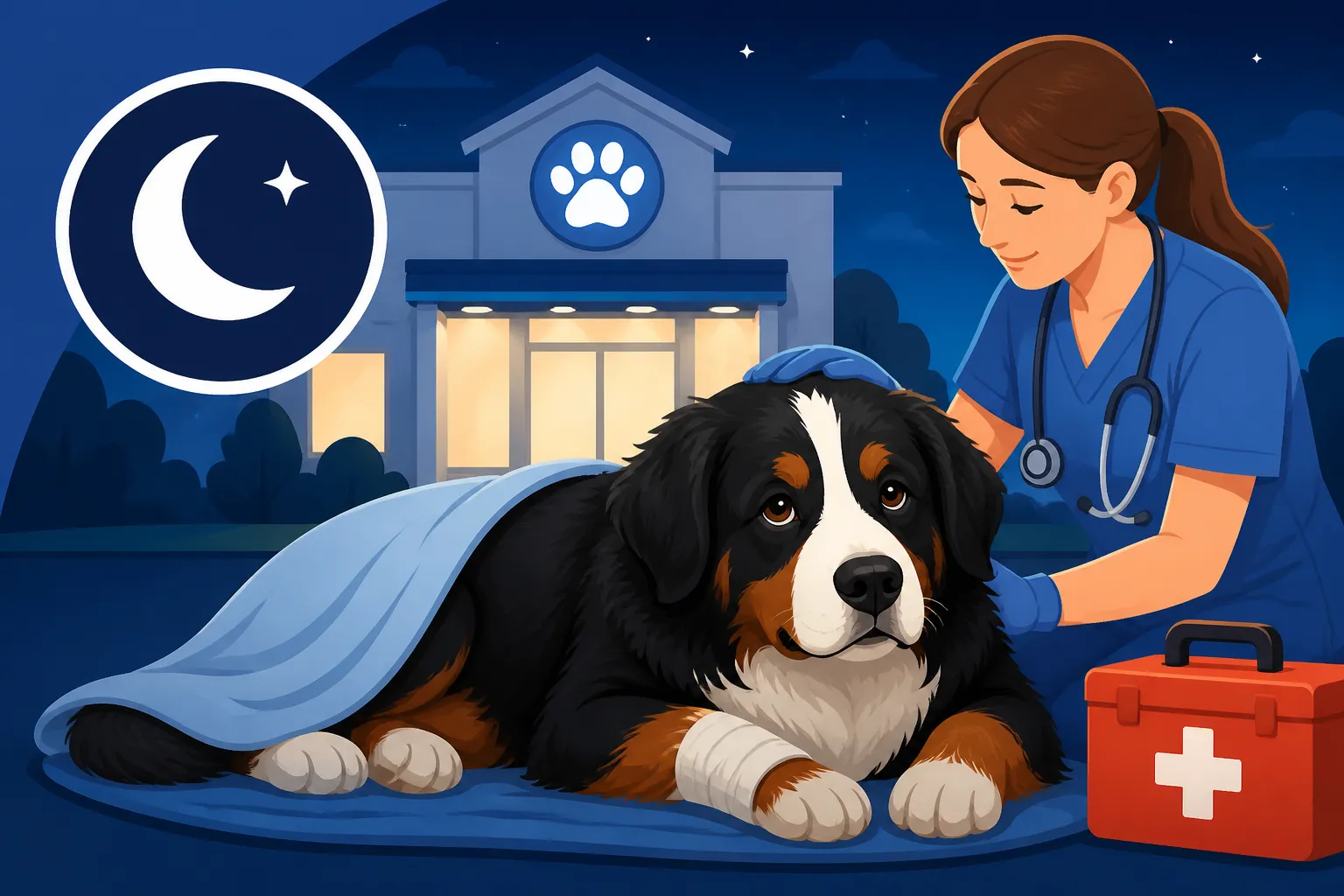
If your Bernese Mountain Dog requires overnight care, they will be closely monitored by the veterinary staff. This means regular checks of their vital signs, administering medications on schedule, and adjusting treatments as needed. They might be in a dedicated critical care unit, especially if they need continuous oxygen or advanced monitoring. The staff will keep detailed records of their progress.
Communication with owners is a critical part of overnight care. Expect phone calls with updates, particularly if there are significant changes in your Berner's condition or new decisions need to be made. Don't hesitate to call the clinic for updates, but try to be mindful of their busy environment; perhaps agree on specific check-in times. The team understands you're worried sick, and they'll do their best to keep you informed. They might even send pictures or videos of your beloved Berner, which can be incredibly comforting during such a stressful time.
Understanding the Financial Reality of Emergency Overnight Care
Let's be frank: emergency veterinary care for a Bernese Mountain Dog can be incredibly expensive. These aren't just minor vet bills; they can quickly climb into the thousands. It's a harsh reality, but being prepared for the potential costs can alleviate some of the pressure during an already emotional time.
Breaking Down the Costs
Emergency overnight care involves a multitude of services, and each one contributes to the final bill. You're paying for the specialized expertise of emergency veterinarians and veterinary technicians, who are often working during off-hours. Beyond the initial exam fee, which is typically higher than a regular vet visit, you'll see charges for:
- Diagnostics: X-rays, ultrasounds, blood work, urine tests, potentially more advanced imaging like CT or MRI. These can be several hundred to thousands of dollars, depending on what's needed.
- Treatments: IV fluids, medications (pain relievers, antibiotics, anti-nausea drugs, etc.), oxygen therapy, wound care.
- Procedures/Surgery: This is often the largest cost. What Bloat Surgery Costs on a Bernese Mountain Dog or Cruciate Surgery on a Hundred Pound Bernese Mountain Dog can run into significant figures.
- Hospitalization: This includes the cost of staying overnight, continuous monitoring, and nursing care. Charges are often per night and can vary based on the level of care required (e.g., intensive care vs. general ward).
- Specialty Consults: If a specialist (e.g., internal medicine, oncology, surgery) is brought in, their fees will also be added.
It's common for a complex emergency, especially one requiring surgery and several nights of hospitalization, to accumulate a bill that is a substantial sum. This is The Year the Bills Arrive for a Bernese Mountain Dog, often when they are in their middle to senior years and more prone to health issues.
Pet Insurance and Emergency Funds
This is where planning ahead truly pays off. Pet insurance, particularly a comprehensive accident and illness policy, can be a lifesaver for unexpected emergency bills. Companies like Healthy Paws offer plans that cover accidents, illnesses, and even hereditary conditions, which is crucial for a breed like the Bernese Mountain Dog with its known predispositions. It's vital to enroll your Berner before any symptoms or diagnoses appear, as most policies have waiting periods and won't cover pre-existing conditions. Insuring a Bernese Mountain Dog Against Cancer is a smart move, given the breed's cancer rates. When looking at policies, pay close attention to the deductible and reimbursement percentage. A higher deductible will mean lower monthly premiums but more out-of-pocket costs at the time of an emergency. Consider Choosing a Deductible Against Bernese Mountain Dog Oncology Bills carefully.
Even with insurance, you'll likely need to pay the bill upfront and then submit a claim for reimbursement, so having an emergency fund is still incredibly important. Think of it as your own personal "Berner Emergency Fund." A dedicated savings account for your dog's health can provide immense peace of mind and prevent you from having to make decisions based solely on finances during a crisis.
| Scenario | Typical Care Needed | Potential Financial Impact |
|---|---|---|
| Bloat (GDV) | Emergency surgery, hospitalization, IV fluids, pain medication, diagnostics (X-rays) | High to Very High (Surgery is a major factor) |
| Severe Trauma | Diagnostics (X-rays, ultrasound), fracture repair, wound care, pain management, hospitalization | Moderate to Very High (Depends on severity of injury) |
| Toxin Ingestion | Inducing vomiting, activated charcoal, IV fluids, organ support, blood tests, hospitalization | Low to Moderate (If caught early) to High (if severe organ damage) |
| Sudden Paralysis/Weakness | Diagnostics (X-rays, MRI if needed), pain management, supportive care, IV fluids, potential surgery | Moderate to High (Diagnostics and potential surgery are costly) |
| Uncontrolled Seizures | IV anti-seizure medication, diagnostics (blood tests, potentially MRI), hospitalization, monitoring | Moderate to High (Requires intensive monitoring and diagnostics) |
Making Difficult Decisions Under Pressure
When your Bernese Mountain Dog is critically ill and the costs are mounting, you might face excruciating decisions. The veterinary team will present you with all available options, including the prognosis for each, but the ultimate choice rests with you. This isn't just about money; it's about quality of life for your beloved companion. Sometimes, despite best efforts, the prognosis might be poor, or the proposed treatment might involve extensive pain or a greatly diminished quality of life.
It's okay to ask tough questions: "What is the best-case scenario?" "What is the worst-case scenario?" "What will my dog's recovery look like?" "Will they be in pain?" You might also discuss Palliative Care for a Bernese Mountain Dog if a cure isn't possible, focusing instead on comfort and managing symptoms. In the most heart-wrenching situations, you may need to consider euthanasia to prevent prolonged suffering. This is a deeply personal choice, and the veterinary staff can offer guidance and support, but they cannot make the decision for you. Resources like pet bereavement counselors can also be helpful during these times, especially when you're facing Deciding When to Let a Paralyzed Bernese Mountain Dog Go.
Preparing for the Unthinkable: Proactive Steps for Bernese Mountain Dog Owners
While we hope you never need emergency overnight care for your Bernese Mountain Dog, being prepared can make an incredibly stressful situation slightly more manageable. Proactive planning isn't morbid; it's responsible pet ownership.
Having an Emergency Plan in Place
Don't wait for an emergency to strike to figure out what to do. Take some time now to create a clear plan.
- Identify Your Emergency Vet: Know the location and phone number of the nearest 24/7 emergency veterinary hospital. It might not be the same as your regular clinic. Program the number into your phone and even post it visibly in your home.
- Know the Route: If possible, drive the route to the emergency clinic during off-hours so you're familiar with it. This saves precious minutes when every second counts.
- Emergency Contact List: Keep a list of emergency contacts, including your regular veterinarian's number, a trusted friend or family member who can help, and your pet insurance provider's contact information.
- "Go Bag" for Your Berner: Prepare a small bag with essentials for your dog. This could include their medical records (or a summary), a list of current medications and dosages, a familiar blanket or toy, a leash, and maybe a small amount of their regular food. If you use a specific prescription diet from, say, Chewy, or a fresh food like Ollie, having that noted, or a small portion on hand, can be helpful.
- Transportation: Consider how you will transport your large Bernese Mountain Dog if they are unable to walk. Do you have a suitable vehicle? Do you have a sling or sturdy blanket that can act as a stretcher for a Lifting a Hundred Pounds of Bernese Mountain Dog?
Important Information to Keep Handy
When you arrive at the emergency clinic, you'll be asked for a lot of information. Having this readily accessible can speed up the intake process and allow the vets to focus on your dog sooner.
- Veterinary Records: Keep a digital or physical copy of your Bernese Mountain Dog's vaccination history, most recent vet visits, and any known health conditions. A summary sheet with key dates (last vaccinations, last heartworm test, etc.) is also excellent.
- Medication List: Have an up-to-date list of all medications your Berner is currently taking, including dosage and frequency. Don't forget any supplements they might be on.
- Allergies: Clearly note any known allergies to medications, food, or environmental factors.
- Microchip Information: Make sure your microchip is registered and your contact information is current.
- Insurance Details: Keep your pet insurance policy number and contact information readily available.
- Baseline Bloodwork: If your regular vet has ever run baseline bloodwork when your Berner was healthy, having a copy of these results can be invaluable for comparison during an emergency. This is part of why The Bernese Mountain Dog Health Panel is so important even for seemingly healthy dogs, and why Seeing the Vet Twice a Year With a Berner is recommended, especially as they age.
By taking these proactive steps, you're not just preparing for the worst-case scenario; you're empowering yourself to act swiftly and decisively should your beloved Bernese Mountain Dog ever need emergency overnight care.
Disclaimer
This article is for general informational purposes only and does not constitute professional advice. Laws, prices and regulations vary by location and change over time. Consult a qualified professional for guidance on your specific situation.