Getting a Rake Down Through a Bernese Mountain Dog’s Coat
Oh, the Bernese Mountain Dog coat! It's one of their most magnificent features, those luscious triple-colored locks that drape them in regal splendor. But let's be real, beneath that beauty lies a challenge that every Berner parent quickly gets to know: the incredible density of their double coat. Trying to get a brush through it, let alone down to the skin, can feel like navigating a dense forest with a twig. Many of us struggle with finding the right tools and techniques to truly manage the shedding and prevent matting that can lead to discomfort and even skin issues for our beloved giants. This guide is here to walk you through exactly how to effectively use a rake to penetrate that thick coat, ensuring your Bernese stays comfortable, healthy, and looking their majestic best.
The Unique Challenge of the Bernese Mountain Dog's Coat
Before we even pick up a brush, it’s crucial to understand why the Bernese Mountain Dog’s coat presents such a unique grooming challenge. It’s not just long hair; it’s a whole ecosystem designed for specific purposes, which, while perfect for their ancestral work in the Swiss Alps, can be a bit much for our modern homes and grooming routines. You might feel like you're constantly fighting a losing battle against the sheer volume of hair, and trust me, you're not alone in that sentiment.
Understanding the Double Coat and Shedding Cycles
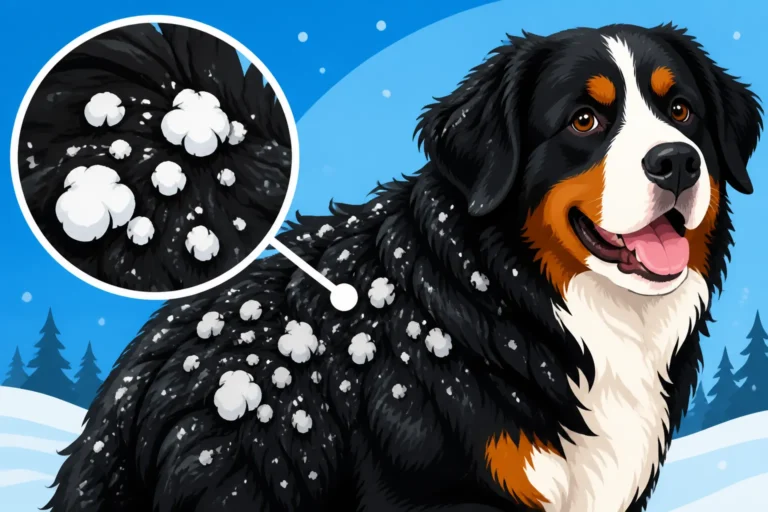
Your Bernese Mountain Dog sports what's known as a double coat, a brilliant evolutionary design that served them well in the cold mountain climates. This isn't just one layer of hair; it's two distinct ones, each with its own purpose and texture. The outer coat, often called the guard coat, is made up of longer, somewhat coarser hairs that are generally water-repellent and provide protection from the elements. This is the hair you see, the beautiful black, rust, and white that defines the breed.
Beneath this, however, lies the real workhorse: the undercoat. This layer is thick, soft, and woolly, acting as a natural insulator to keep them warm in winter and surprisingly, to help regulate their temperature in summer. The problem for us owners arises during their shedding cycles. Berners are known for their seasonal "blows," particularly in spring and fall, when they shed copious amounts of this undercoat to prepare for the upcoming weather. During these times, it can feel like you're literally sweeping up another dog every few days! Even outside of these major cycles, there's a constant, low-level shedding that means their coat always needs attention. If this shed undercoat isn't removed, it can get trapped, leading to serious problems. You might find yourself saying, "Does this dog ever stop shedding?" and the answer, unfortunately, is rarely. This constant shedding also makes Spring, When a Bernese Mountain Dog's Undercoat Lets Go a particularly challenging time for grooming.
Why Mats and Tangles Form So Easily
The density of the Bernese Mountain Dog's undercoat, combined with the length of their outer coat, creates a perfect storm for matting and tangling. Imagine all those soft, woolly undercoat hairs shedding but having nowhere to go because they're caught within the longer, stronger guard hairs. As your Berner moves, sleeps, and plays, these trapped hairs begin to twist and knot together, tightening into dense clumps known as mats. These mats are more than just cosmetic issues; they can be incredibly painful. They pull on the skin, restricting movement, and can even hide skin infections, parasites, or other dermatological problems beneath their dense surface.
Certain areas are particularly prone to matting: behind the ears, under the "armpits" (front legs), on the insides of their back legs, and around their tail and "trousers" (the longer hair on their hindquarters). These are high-friction areas or places where movement causes constant rubbing and tangling. If you've ever felt a small knot behind your Berner's ear, you know exactly what I'm talking about. It can feel like suddenly there's a patch of felt that appeared overnight. This is why addressing The Felt That Forms Behind a Bernese Mountain Dog's Ear is so important and often one of the first places new owners encounter matting. Regular, thorough grooming isn't just about aesthetics; it's a vital part of their health and comfort.
Essential Tools for Effective Raking
So, you've accepted the challenge of the Berner coat. Great! Now, let's talk about the right weaponry for this battle. You wouldn't try to saw down a tree with a butter knife, and similarly, you won't get far with a Bernese coat using just any old brush. The key is having tools designed to tackle the specific challenges of their double coat.
Demystifying the Undercoat Rake
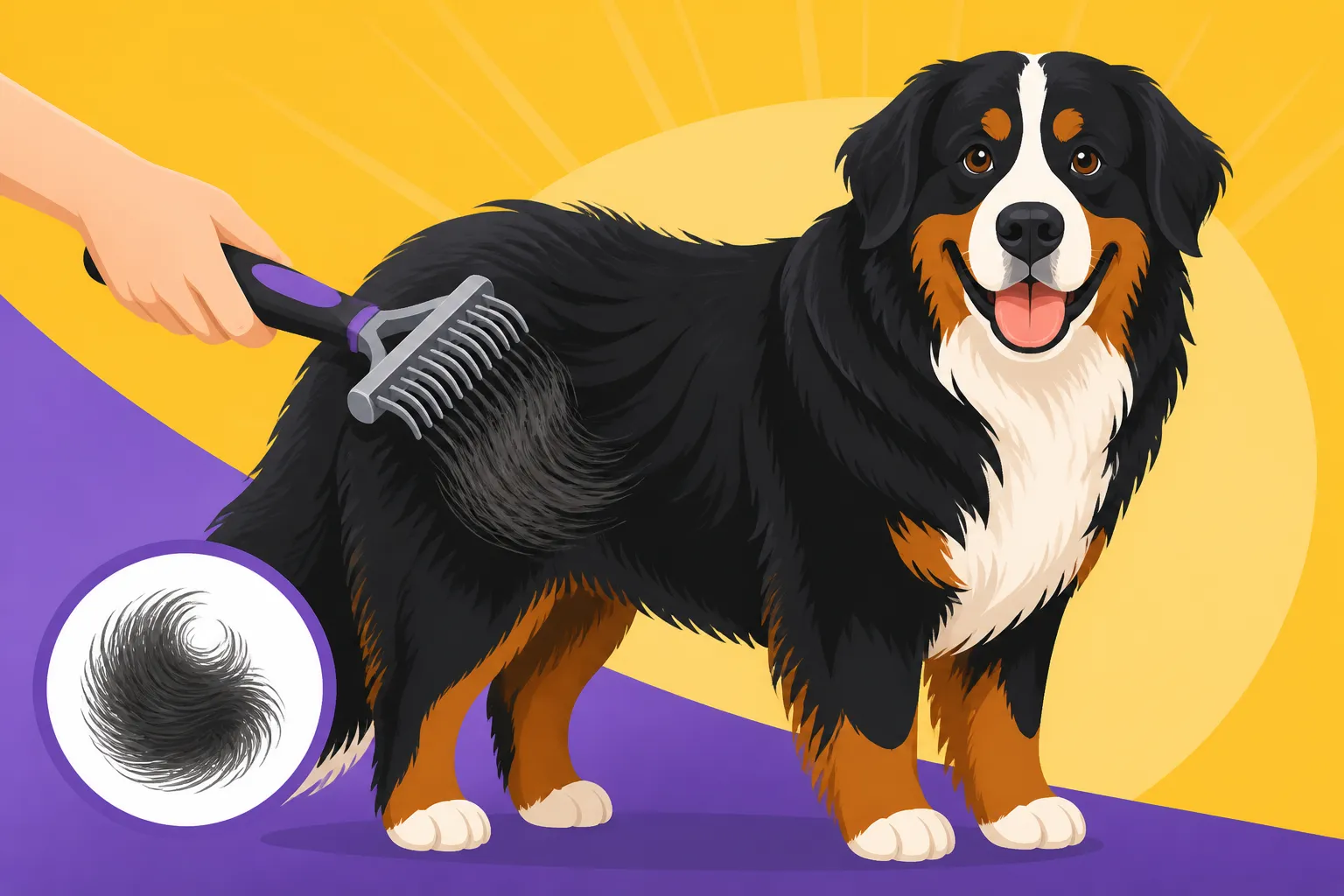
The undercoat rake is, without a doubt, your MVP in the grooming arsenal for a Bernese Mountain Dog. This isn't a regular brush; it's specifically designed to reach deep into that dense undercoat and pull out loose, dead hair without cutting or damaging the healthy guard hairs. There are several types of undercoat rakes, and understanding the differences can make a huge impact on your grooming success.
- Single-row Rakes: These often have long, rotating teeth that are spaced fairly wide apart. They are excellent for initial passes, especially on a very dense or slightly tangled coat, as the rotating teeth help prevent pulling. Think of them as your first line of defense, breaking up the bulk. Brands like Kong and Furminator (though Furminator has other variations too) offer good options.
- Double-row Rakes: Featuring two rows of teeth, these rakes offer more thorough penetration and removal of undercoat. They tend to be a bit more aggressive, so use them carefully, especially if your dog has sensitive skin or if you're new to raking. They're fantastic for getting serious amounts of shedding undercoat out once the initial tangles are gone.
- Dematter Rakes/Blades: These look a bit different, often having sharp, hooked blades that are designed to cut through mats rather than rake them out. While they can be a lifesaver for truly stubborn mats, they must be used with extreme caution to avoid nicking your dog's skin. They are a last resort for severe matting, not a general grooming tool. It's often better to prevent the mats than to have to resort to these.
When choosing a rake, consider the spacing of the teeth. Wider spacing is better for initial passes and very thick coats, while finer spacing can be used for more thorough work once the bulk is removed. You can find a good variety of these tools on platforms like Amazon or Chewy, allowing you to read reviews and find one that suits your Berner's specific coat texture.
Complementary Brushes and Grooming Aids
While the undercoat rake is essential, it's part of a team. Other brushes and aids work in conjunction to keep your Berner's coat in top condition.
- Slicker Brushes: These have fine, tightly packed wires bent at an angle. They are excellent for removing small tangles, smoothing the outer coat, and providing a final fluff. They aren't designed to get deep into the undercoat like a rake, but they're invaluable for daily tidy-ups and making the coat look polished. They're also great for finishing touches after raking, making sure all the loose hair brought to the surface is removed.
- Pin Brushes: With long, widely spaced metal pins, these brushes are perfect for working through the longer feathering on legs and tail, and for general light detangling without pulling. They offer a gentler approach than a slicker for sensitive areas.
- Conditioning Sprays/Detanglers: A good quality detangling spray can make a world of difference, especially when dealing with minor tangles or static. Spritzing a little on the coat before brushing can help the rake glide more smoothly and prevent breakage of delicate hairs. It also adds a pleasant scent and can condition the coat. There are many excellent options available on Chewy that are safe for dogs.
- High-Velocity Dryer: This might seem like an odd grooming aid, but after a bath, a high-velocity dryer (like those found in professional grooming salons) can literally blow out tons of loose undercoat, significantly reducing the amount you need to rake. It’s also critical for drying the double coat completely to prevent skin issues and matting. How Long a Wet Bernese Mountain Dog Takes to Dry is a serious consideration, and these dryers cut that time down dramatically.
Investing in these tools might seem like a lot initially, but they are crucial for maintaining your Bernese Mountain Dog's coat health and will save you money on professional grooming in the long run.
Step-by-Step Guide to Raking Your Berner's Coat
Okay, you've got your tools, you understand the coat – now let's get down to business. Raking a Bernese Mountain Dog isn't just about pulling hair; it's a systematic approach that ensures effectiveness and, most importantly, keeps your dog comfortable and cooperative.
Preparing for a Successful Grooming Session
Preparation is key, not just for you but for your Berner. A calm dog makes for a much easier grooming session.
- Choose the Right Time: Pick a time when your Berner is relaxed and not overly energetic. After a walk or a meal can be ideal. Avoid grooming when they're anxious or restless, as it can create a negative association with the experience.
- Create a Comfortable Space: Find a quiet, well-lit area where you and your dog can be comfortable. A non-slip surface is important, especially if you're using a grooming table. If grooming on the floor, a mat or rug can help them feel secure. For a large dog like a Berner, a sturdy grooming table at waist height can save your back and make it easier to reach all areas.
- Gather Your Tools: Have all your chosen tools within easy reach: undercoat rake (or a couple with different teeth spacing), slicker brush, pin brush, detangling spray, and plenty of treats! Having everything ready means you won't have to stop mid-session, which can interrupt your dog's focus.
- Positive Reinforcement: Introduce the tools and the process slowly, especially if your Berner is new to grooming. Let them sniff the rake, give them a treat. Start with short sessions, gradually increasing the duration as they get used to it. Talk to them in a calm, soothing voice throughout the process. Generous praise and treats are your best friends here. You want them to view grooming as a positive, bonding experience, not a chore.
Mastering the Raking Technique
The technique for using an undercoat rake is critical. Done incorrectly, you can pull hair, irritate the skin, or be ineffective.
- Start with a Slicker (Optional but Recommended): If your dog has any surface tangles or debris, a quick brush with a slicker brush can help smooth the top coat and make it easier for the rake to penetrate. This is also a good opportunity to feel for any obvious mats. This is part of Grooming a Bernese Mountain Dog's Long Tricolor Coat that many people might skip, but it's a good preparatory step.
- Section the Coat: Don't try to tackle the entire dog at once. Work in small sections, starting from the bottom of a leg or flank and working your way up and forward. This systematic approach ensures you don't miss any spots and prevents overwhelming both you and your dog.
- Hold the Rake Correctly: Hold the rake with a firm but comfortable grip. You want control, but you don't need to press hard. Let the tool do the work.
- Short, Gentle Strokes: Using short, gentle strokes, pull the rake through the coat in the direction of hair growth. Avoid long, sweeping motions, which can snag and pull. The goal is to separate and lift the loose undercoat. You should feel the rake gliding through the coat, not getting stuck.
- Listen and Watch Your Dog: Pay close attention to your Berner's reactions. If they flinch, whine, or try to move away, you might be pulling too hard, hitting a sensitive spot, or encountering a tangle. Adjust your pressure and technique immediately. Always err on the side of gentleness.
- Visualize Layers: Think of working in layers, like peeling an onion. You're trying to reach the deepest part of the undercoat. As you pull out loose hair, you'll expose more undercoat that needs to be removed. You’ll be amazed at How Many Handfuls Come Off a Bernese Mountain Dog during a good raking session!
- Check Your Progress: Periodically run your fingers through the section you've just raked. You should feel less dense undercoat and be able to easily reach the skin. When you feel the rake glide smoothly with minimal hair coming out, that section is done. Then, move to the next.
Tackling Stubborn Areas and Mats
These are the tricky parts, and they require extra patience and a delicate touch.
- Mats First, Rake Later: Never rake directly over a mat. This will only pull on the skin and cause pain. Instead, gently try to loosen the mat with your fingers. If it's a small, loose tangle, you might be able to work it out with a pin brush or the very tips of a slicker, sometimes with the aid of a detangling spray.
- Isolate and Divide: For more stubborn mats, gently separate the mat from the surrounding healthy hair. Hold the hair at the base of the mat close to the skin with one hand to minimize pulling, and then use your other hand to try and pick apart the mat from the outer edge inward.
- The "Line Brushing" Technique: This involves systematically brushing or raking the coat in small sections, literally drawing an imaginary "line" through the hair down to the skin, then moving that line over slightly and repeating. This ensures you are reaching all the way to the skin. It’s a very effective way to ensure thorough undercoat removal and prevent new mats from forming close to the body. Brushing Out a Bernese Mountain Dog's Undercoat using this method will be far more effective.
- When to Use a Dematter (Carefully!): If a mat is truly dense and impossible to loosen by hand or brush, a dematter blade can be used. Again, extreme caution is vital. Place the blade under the mat, close to the skin, and carefully slice through the mat in short, controlled strokes. Never pull or rip. If you are unsure, it's always safer to consult a professional groomer.
- Know When to Call a Pro: If you encounter large, pelt-like mats that are tight against the skin, or if your dog is in discomfort, do not hesitate to seek professional help. A groomer has specialized tools and expertise to safely remove severe matting, often preferring to shave affected areas to spare the dog pain. Sometimes, a full professional groom, which might involve a significant cost, is the kindest option. This is where knowing What a Bernese Mountain Dog Groom Costs can help you budget for these occasional necessities.
Consistency is key. Short, regular raking sessions (even 10-15 minutes a few times a week) are far more effective and less stressful than trying to do a massive overhaul once a month.
Beyond the Rake: Long-Term Coat Health
Effective raking is a huge part of maintaining your Bernese Mountain Dog's coat, but it's just one piece of the puzzle. Overall coat health is a reflection of their general well-being, and a holistic approach will yield the best results.
The Role of Nutrition in a Healthy Coat
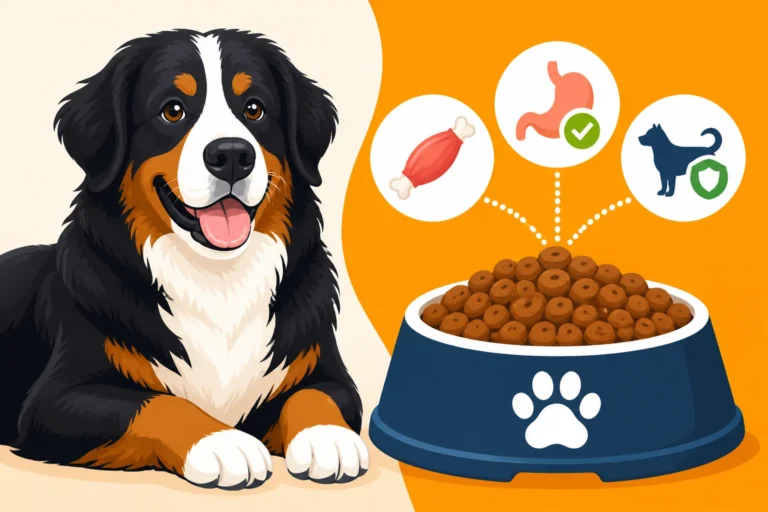
You truly are what you eat, and the same goes for your Bernese Mountain Dog. A high-quality diet provides the essential nutrients, fatty acids, and vitamins necessary for healthy skin and a lustrous coat. A dull, dry, or excessively shedding coat can sometimes be an indicator of nutritional deficiencies.
- Quality Protein: Hair is primarily made of protein, so a diet rich in high-quality animal protein sources is crucial. Look for dog foods where meat is the first ingredient.
- Omega Fatty Acids: Omega-3 and Omega-6 fatty acids are incredibly important for skin and coat health. These can be found in ingredients like fish oil, flaxseed, and certain vegetable oils. Many premium dog foods, like those you might find on Ollie or Chewy, will include these as standard. Sometimes, a supplement can be beneficial, but always discuss with your vet before adding anything new to your dog's diet.
- Vitamins and Minerals: Biotin, zinc, and Vitamins A and E play significant roles in skin barrier function and hair growth. A balanced, complete dog food should provide these in adequate amounts.
- Hydration: Don't overlook the importance of fresh water. Proper hydration is essential for overall health, including skin elasticity and coat moisture.
Choosing the right food can make a noticeable difference in the shine, strength, and even the amount of shedding from your Berner's coat. A healthy diet contributes to a healthy undercoat that sheds more cleanly, making your raking efforts more productive. When considering Feeding an Adult Bernese Mountain Dog Safely, remember that what goes in their bowl impacts what comes off their body.
Bathing and Drying Best Practices
Bathing a Bernese Mountain Dog isn't just about getting them clean; it's an opportunity to remove loose hair and condition the coat, if done correctly. The drying process is just as, if not more, important than the wash itself.
- Pre-Bath Grooming: Before you even think about getting your Berner wet, you absolutely must thoroughly brush and rake their coat to remove as much loose hair and as many tangles as possible. Water can tighten existing mats, making them nearly impossible to remove without shaving.
- Choosing the Right Shampoo and Conditioner: Use a shampoo specifically formulated for dogs, ideally one designed for double coats or for shedding control. Follow with a good quality dog conditioner, which helps hydrate the skin and coat, making it softer and less prone to tangling. When looking for Shampoo for a Bernese Mountain Dog's Double Coat, consider ingredients that are gentle and moisturizing.
- Thorough Rinsing: Rinse, rinse, and rinse again! Any shampoo or conditioner residue left in their dense coat can cause skin irritation, itching, and lead to problems. You want the water running off them to be completely clear. This can be challenging with such a thick coat, but it's vital. Leftover residue is a common cause of Itching Under a Bernese Mountain Dog's Thick Coat.
- Drying is Paramount: This is where many owners underestimate the challenge. A Bernese Mountain Dog’s double coat can take hours to air dry, and leaving it damp can lead to skin infections (hot spots) and matting deep within the undercoat.
- Towel Dry Vigorously: Absorb as much water as possible with highly absorbent towels.
- Use a High-Velocity Dryer: This is by far the most effective way to dry a Berner. These dryers literally blast water off the dog and push out loose undercoat. Work in sections, drying down to the skin. Keep the nozzle moving to avoid overheating one spot. While an investment, it's invaluable for preventing matting and speeding up drying time significantly. This also helps reduce the amount of hair that ends up on your furniture and floors, helping you manage Vacuums That Cope With a Bernese Mountain Dog.
- Brush While Drying: As you dry, continuously brush and rake the coat to ensure air circulates and all layers dry evenly. This also helps to remove any residual loose undercoat that the dryer might have loosened.
- Avoid Shaving (Unless Medically Necessary): While tempting in hot weather or when faced with severe matting, shaving a Bernese Mountain Dog is generally not recommended unless there's a medical reason. Their double coat provides insulation against both cold and heat, and shaving can disrupt this natural protection, potentially leading to sunburn, improper regrowth, and issues with temperature regulation. The Case Against Shaving a Bernese Mountain Dog in June is a discussion worth having with your groomer.
By understanding your Bernese Mountain Dog's unique coat, utilizing the right tools, mastering effective techniques, and supporting their coat health through proper nutrition and bathing, you can ensure your beloved companion is not only beautiful but also comfortable and healthy. It takes time and dedication, but the bond you build and the joy of a well-groomed Berner are truly priceless.
Disclaimer
This article is for general informational purposes only and does not constitute professional advice. Laws, prices and regulations vary by location and change over time. Consult a qualified professional for guidance on your specific situation.