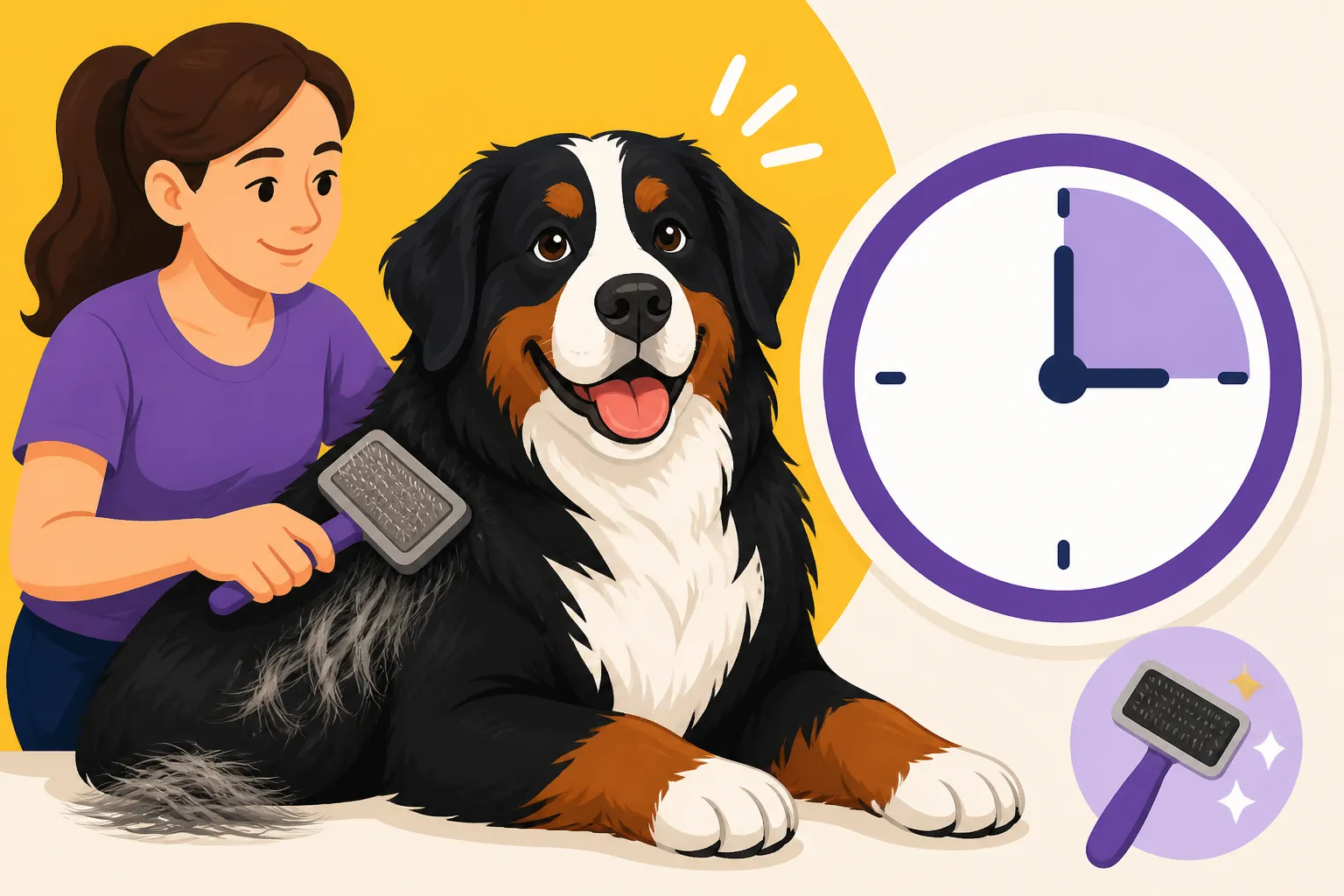
How Long Brushing a Bernese Mountain Dog Takes
If you’ve ever found yourself with a brush in hand, staring down the magnificent, fluffy expanse of your Bernese Mountain Dog’s coat, only to wonder if you’ll ever see the bottom of it, you’re not alone. It feels like an epic undertaking sometimes, doesn't it? This isn't just a quick once-over for a Berner; it's a commitment. This guide is here to break down exactly what goes into brushing your beloved giant, offering realistic timeframes, smart strategies, and the right tools to make the process as efficient and stress-free as possible for both of you.
The Real Deal: How Long Brushing Your Bernese Mountain Dog Truly Takes
Let's be honest, there's no single, definitive answer to "How long does it take to brush a Bernese Mountain Dog?" It's not like baking a cake where you follow a precise recipe. The truth is, the time investment can swing wildly depending on several factors. What might be a relatively quick 20-minute touch-up one day could easily turn into an hour-long archaeological dig through layers of undercoat and tangled fur the next. Understanding these variables is the first step in managing your expectations and making the most of your grooming sessions.
The "Quick Brush" Versus a Deep Dive
A "quick brush" for a Bernese Mountain Dog is usually about maintaining an already well-kept coat. Think of it as a daily or every-other-day sweep to catch loose surface hair, smooth out the topcoat, and prevent minor tangles from settling in. This kind of session might take you anywhere from 15 to 30 minutes, especially if your dog is cooperative and you're just skimming the surface. It's a fantastic habit to get into, not just for the coat, but for bonding time and early detection of any skin issues or unwelcome hitchhikers like ticks.
However, a "deep dive" is a whole different beast. This is the thorough, systematic brushing needed weekly or bi-weekly, or anytime you notice significant shedding, matting, or a particularly dirty coat. This involves getting right down to the skin, tackling the dense undercoat, and carefully working through any knots. These sessions are where the real time commitment comes in, often lasting anywhere from 45 minutes to a full 90 minutes or even longer if your Berner has a challenging coat condition or isn't particularly fond of the process. You'll want to set aside ample time, perhaps on a lazy Saturday afternoon, where you won't feel rushed and can approach it with patience.
Why the Time Fluctuates So Much
The sheer volume and type of coat a Bernese Mountain Dog possesses is the primary reason for this variability. They have a double coat – a soft, insulating undercoat and a longer, somewhat water-repellent outer coat. Both need attention, but in different ways. The undercoat is the real culprit for shedding and matting, especially when seasons change. Beyond the coat itself, your individual dog's size, coat texture (some are wavier and more prone to tangles), and even their willingness to stand still play huge roles. A young, wiggly puppy will likely take longer than a calm, seasoned adult who knows the routine. And if you've missed a few sessions, you're pretty much guaranteeing a longer, more arduous task ahead.
Key Factors That Stretch or Shrink Brushing Time
When you're grappling with a Bernese Mountain Dog’s magnificent coat, it’s easy to feel like you’re fighting an uphill battle. But by understanding the specific factors that influence how long you’ll be brushing, you can prepare better and even shorten your sessions. It’s all about working smarter, not just harder.
Navigating Mats and Tangles
This is arguably the biggest time-sink in any Bernese Mountain Dog grooming session. Mats aren't just surface-level knots; they are dense clumps of fur, often intertwined with shed undercoat, that can pull on your dog’s skin, causing discomfort or even pain. They frequently form in high-friction areas: behind the ears, under the armpits, on the "trousers" (the long fur on their hind legs), and around the collar area. When you encounter a mat, simply brushing over it won’t work. You’ll need to painstakingly separate it, often using a detangling spray and your fingers first, then a comb or a mat splitter.
Each mat you find adds minutes, sometimes many minutes, to your brushing time. A coat that’s free of mats might take 20 minutes, but one with several stubborn mats could easily push that to an hour or more. It’s not just about disentangling the hair; it’s about doing it gently to avoid hurting your Berner, which requires patience and a slower pace. The goal, of course, is proactive prevention rather than reactive detangling, which is why regular, thorough brushing is so vital. If left unchecked, these mats can become so severe that they require professional shaving, which no one wants for their beautiful Berner.
The Seasonal Shedding Avalanche
Bernese Mountain Dogs are champions of shedding. They have a double coat, remember? This means twice a year, usually in spring and fall, they go through a heavy shedding cycle where they "blow" their undercoat. During these periods, you can literally pull handfuls of soft, downy fur off your dog, and it will feel like it never ends. If you've never experienced it, imagine a fluffy cloud constantly emanating from your dog. This is when your brushing time will dramatically increase, as you're trying to remove as much loose hair as possible before it ends up on your furniture, clothes, and practically every surface of your home.
In the peak of shedding season, a daily 30-minute session might just be enough to keep up, but a truly thorough deshedding might take 45-60 minutes every few days. Spring, When a Bernese Mountain Dog's Undercoat Lets Go is a phenomenon you'll quickly become familiar with. Compare this to the "off-season," when shedding is moderate, and a 20-30 minute session a couple of times a week might suffice. The amount of hair you remove during a heavy shed will be staggering, and while it takes more time, it's essential for your dog's comfort and coat health, preventing those dreaded mats.
Your Berner's Temperament and Training
This is a factor often overlooked but incredibly impactful. A Bernese Mountain Dog who is accustomed to and enjoys being brushed will significantly shorten your grooming sessions. They might lie calmly, roll over on command, and patiently endure the process. This allows you to work efficiently without chasing them around the room or constantly coaxing them back into position. A well-trained Berner might even see brushing as a relaxing massage and a chance for extra attention. You can find more information on The Weekly Handling a Bernese Mountain Dog Should Accept in our guides.
On the other hand, a Berner who is fearful, squirmy, or simply tolerates brushing reluctantly can extend the process considerably. Each attempt to escape, each whine or complaint, each interruption to reassure or redirect, adds precious minutes. If your dog resists, you might have to take more frequent breaks, use more positive reinforcement, or even split the brushing into multiple, shorter sessions throughout the day. This is why starting early with positive exposure to grooming tools and making it a fun, rewarding experience from puppyhood is paramount. Investing time in patient, consistent training now will save you countless hours (and frustration) down the line.
Essential Tools to Speed Up Your Grooming Routine
Having the right arsenal of grooming tools isn't just a luxury when you own a Bernese Mountain Dog; it's an absolute necessity. Trying to brush out that thick, luxurious double coat with the wrong equipment is like trying to chop down a tree with a butter knife – you'll eventually get there, but it will take forever and be incredibly frustrating. The right tools help you work efficiently, effectively, and, most importantly, comfortably for your dog.
Undercoat Rakes and Deshedding Powerhouses
When it comes to tackling the Bernese Mountain Dog's dense undercoat, a good undercoat rake is your absolute best friend. These tools are designed with long, strong teeth that reach past the topcoat to grab and pull out loose, dead undercoat without damaging the healthy guard hairs. Running an undercoat rake through your Berner's coat during shedding season will astound you with the sheer volume of fur it removes. This is how you prevent mats from forming deep within the coat and significantly reduce the amount of hair floating around your home.
Brands like Furminator offer popular deshedding tools, but a simple, sturdy undercoat rake, often available from Chewy or Amazon, can be just as effective. Using a rake regularly means less fur for you to deal with later, and it helps your dog stay cooler in warmer weather by removing that insulating layer. Expect to spend a good portion of your brushing time with this tool, working in small sections, especially on the body, chest, and "trousers" where the undercoat is thickest. It's the primary tool for a deep deshedding session and makes a huge difference in overall brushing time by preventing more serious problems. For tips on how often to use it, check out How Often a Bernese Mountain Dog Should Be Brushed.
The Versatility of Pin and Slicker Brushes
While the undercoat rake deals with the bulk, pin and slicker brushes serve different, yet equally important, roles in maintaining your Berner's coat.
-
Pin Brush: This brush has widely spaced metal pins with rounded tips. It's excellent for working through longer sections of the topcoat, gently separating strands, and finding surface-level tangles. It's also fantastic for fluffing the coat and giving it that characteristic voluminous look after a good brush. Many owners start a session with a pin brush to lightly detangle the top layer and assess the general condition of the coat. It’s also ideal for the more delicate feathering on the legs and tail.
-
Slicker Brush: A slicker brush has a rectangular head covered in fine, short wires packed closely together at an angle. It's a great tool for removing small tangles and loose hair from the topcoat, and for smoothing and finishing. For Berners, it's often used more on the feathering or areas where the coat isn't as dense as the main body. Be gentle with a slicker brush, as the fine wires can irritate the skin if pressed too hard. Some find it helpful for getting out stubborn knots on the surface once the undercoat has been addressed. Think of it as your detailing tool. For more on selecting the right brush, refer to Which Brush a Bernese Mountain Dog's Coat Needs.
The Game-Changer: The Force Dryer
Okay, a force dryer isn't technically a brush, but it's an indispensable grooming tool that can dramatically cut down on your overall brushing time, especially after a bath. A high-velocity force dryer (not your human hairdryer!) blows air at a powerful speed, effectively "blasting" water out of the coat and, more importantly, dislodging huge amounts of loose undercoat.
Using a force dryer while the coat is damp, or even dry, before or during brushing, can reduce manual brushing time by half or more. It separates the hair strands, making it easier for brushes to glide through, and actively pushes out shed hair that would otherwise get caught. This is particularly beneficial during heavy shedding seasons. If you're serious about minimizing brushing time and keeping your Bernese Mountain Dog's coat healthy, investing in a good force dryer is highly recommended. Many professional groomers swear by them for large, double-coated breeds. Whether a Force Dryer Is Worth It for a Bernese Mountain Dog delves deeper into this essential tool.
Here's a quick comparison of typical grooming tools:
| Tool Type | Primary Use | Bernese Mountain Dog Specific Application | Time Saving Potential |
|---|---|---|---|
| Undercoat Rake | Removing loose undercoat, preventing mats | Essential for body, chest, "trousers," especially during shedding | High (prevents mats) |
| Pin Brush | Detangling topcoat, fluffing, general brushing | Good for lighter detangling, feathering, and finishing | Moderate |
| Slicker Brush | Removing minor tangles, smoothing, finishing | Useful for fine detangling on surface, feathering, and smoothing | Moderate |
| Wide-Toothed Comb | Checking for mats, precise detangling | Critical for finding hidden mats, especially behind ears or armpits | High (early detection) |
| Mat Splitter | Safely breaking up dense mats | For stubborn, small mats where brushing isn't enough | High (avoids cutting) |
| Force Dryer | Drying coat quickly, blowing out loose undercoat | Dramatically reduces manual brushing/drying time, excellent for deshedding | Very High |
| Detangling Spray | Loosening knots, reducing static | Helps brushes glide, makes detangling less painful | Moderate |
A Practical Brushing Session: What to Expect, Minute by Minute
So, you've got your tools, your Berner, and a block of time. Now, how do you actually structure a brushing session to be as effective as possible? It's not just about randomly raking through the fur. A methodical approach will ensure you don't miss spots, minimize discomfort, and ultimately get the job done more efficiently.
Prepping Your Berner and the Workstation
Before you even touch a brush to your Bernese Mountain Dog’s coat, take a few minutes for preparation. This sets the stage for a smoother session.
- Gather Your Tools (2-3 minutes): Lay out your undercoat rake, pin brush, slicker brush, wide-toothed comb, detangling spray, and a handful of high-value treats. Having everything within arm's reach means you won't have to break concentration (or lose your dog's attention) to grab something mid-session.
- Location, Location, Location (1 minute): Choose a comfortable, non-slippery surface. A grooming table is ideal for saving your back, but a sturdy, raised platform or even the floor with a non-slip mat works. Ensure good lighting so you can spot those sneaky mats.
- Pre-Brush Assessment (2-3 minutes): Gently run your hands over your Berner's entire body. Feel for any lumps, bumps, hot spots, or obvious mats. Pay special attention to common matting areas like behind the ears, armpits, and the "trousers" on their back legs. This gives you a roadmap for your session. If you find significant matting, you might consider pre-treating with a detangling spray or even a quick bath with a conditioning shampoo to help loosen things up. Remember, Tangles Behind a Bernese Mountain Dog's Elbows and Mats in a Bernese Mountain Dog's Ruff are prime spots to check.
This initial prep phase, though seemingly small, can save you a lot of hassle once the actual brushing begins.
Sectioning and Systematic Brushing Techniques
This is the core of your brushing session and where most of your time will be spent. The key here is not to tackle the entire dog at once, but to work systematically.
- Start with Light Detangling (5-10 minutes): Begin with a pin brush to go over the entire coat, removing any superficial tangles and loose hairs. This helps prepare the coat for deeper work and makes it more comfortable for your dog.
- Divide and Conquer (30-60+ minutes): Imagine your dog's body divided into sections: neck/chest, left side, right side, back, tail, and each leg. Pick a starting point, perhaps the back or a side, and work in small, manageable sections, about 2-3 inches wide.
- Layer by Layer: For each section, use the "line brushing" technique. Part the fur down to the skin, hold the top layer up, and brush the bottom layer outwards and downwards. Once that section is tangle-free, drop a little more fur from the top layer and repeat.
- Undercoat Rake First: For most of the body, start with your undercoat rake. Work with short, gentle strokes, pulling out the loose undercoat. You'll be amazed at how much comes out! Don't forget to get into the dense areas on the chest and the feathering on the legs.
- Address Mats Gently: If you encounter a mat, stop. Do not pull. Spray a little detangling spray (many good ones are available on Amazon or Chewy) onto the mat, work it in with your fingers, and gently try to pull it apart. Then, use your wide-toothed comb or a mat splitter to carefully work through the mat from the outer edge inwards, a few strands at a time. This takes patience.
- Follow with Pin/Slicker Brush: Once a section feels clear with the rake and comb, follow up with your pin or slicker brush to smooth the topcoat and ensure no small tangles remain.
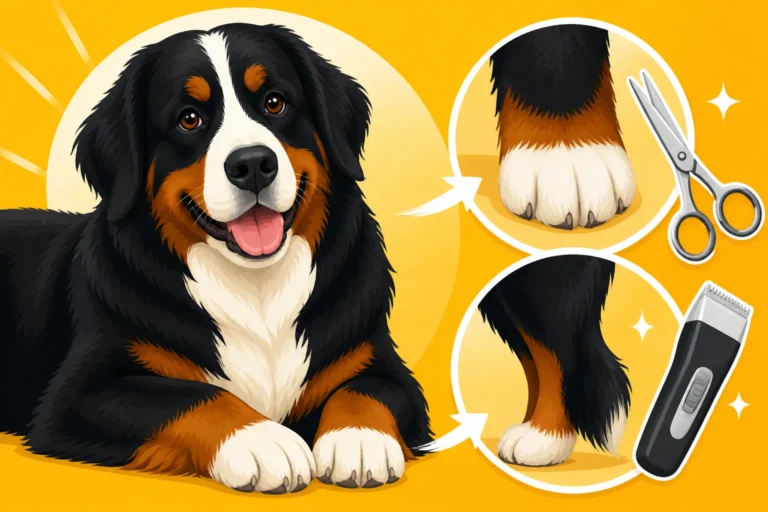
- Don't Forget the Details (5-10 minutes): Pay extra attention to the tail, which can gather a lot of burrs and tangles, and the fur on the paws. Finish up by carefully brushing the head and ears, which are often sensitive areas.
This systematic approach, though time-consuming, ensures thoroughness and prevents missed spots that could quickly develop into larger, more painful mats.
Finishing Touches and Rewards
You've done the hard work, now it's time to seal the deal and make sure your Berner feels good about the experience.
- Final Comb-Through (2-5 minutes): Once you believe you've brushed every inch, take your wide-toothed comb and do a final pass. The comb should glide smoothly through the coat from root to tip, without snagging. If it snags, you've missed a tangle! Go back with your brush.
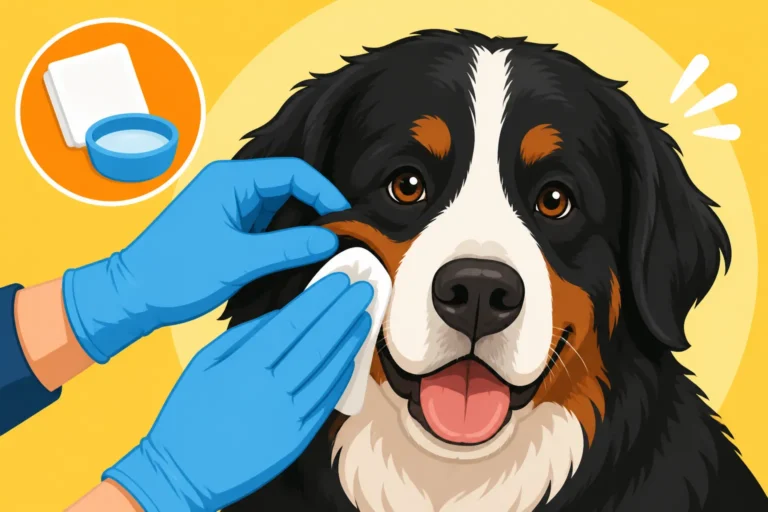
- Tidy Up (1-2 minutes): A quick wipe down of your dog's face and eyes with a damp cloth, and perhaps a spritz of dog-friendly conditioning spray for shine.
- The Big Reward (1-2 minutes): This is crucial! End every session, especially a long one, with enthusiastic praise, petting, and a really special treat. This reinforces that grooming is a positive experience. If your Bernese Mountain Dog associates brushing with yummy treats or a favorite toy, they'll be far more cooperative next time. A little piece of their favorite Ollie treat or a few minutes of play can go a long way.
This entire sequence, for a deep brushing session on an adult Bernese Mountain Dog with a moderately maintained coat, typically adds up to around 45 to 75 minutes. If there are significant mats, or if your dog is particularly challenging, it could easily extend beyond 90 minutes.
Tips for Making Brushing More Efficient and Enjoyable for Everyone
Brushing a Bernese Mountain Dog is undeniably a significant part of their care, but it doesn't have to be a dreaded chore. With the right approach and a bit of foresight, you can turn it into a positive routine that benefits both you and your furry companion. Making it more efficient and enjoyable is all about consistency, smart scheduling, and knowing when to call in the cavalry.
Consistency is Key: Establishing a Routine
This is perhaps the single most important piece of advice for managing a Bernese Mountain Dog's coat. Regular, consistent brushing prevents small tangles from becoming enormous, painful mats, and keeps the shedding manageable. Trying to tackle a severely matted, neglected coat after weeks of no grooming is not only incredibly time-consuming but also deeply uncomfortable for your dog.
Aim for at least two to three thorough brushing sessions per week, with daily quick checks in high-friction areas (behind ears, armpits, "trousers"). During peak shedding seasons (typically spring and fall), you might need to brush daily or every other day. Establishing a routine means your dog learns what to expect, and often becomes more compliant. They might even start looking forward to it as a special bonding time. By keeping up with it, each individual session becomes shorter and less arduous. Think of it this way: 20-30 minutes, three times a week, is far better than one 2-hour battle every month. For more insights, consider reading How Often a Bernese Mountain Dog Should Be Brushed.
Breaking Down Big Jobs into Smaller Chunks
Sometimes, life just gets in the way, or your Berner isn't in the mood for a full-scale grooming marathon. That's perfectly okay! Instead of forcing a long session that leaves both of you stressed, consider breaking the job down into smaller, more manageable chunks.
For example, on a busy day, you might spend 10-15 minutes focusing only on the left side of their body, or just the notorious matting spots. The next day, tackle the right side, or the tail and legs. This approach can be particularly effective for puppies who have shorter attention spans, or older Berners with joint issues who might struggle to stand or lie in one position for an extended period. It still ensures the coat is getting attention without overwhelming either of you. You can make it a part of their daily routine, a quick "brush and treat" session that targets a specific area, building up positive associations with grooming. This method is also very useful for working on areas like The Feathering on a Bernese Mountain Dog's Legs or The Trousers on a Bernese Mountain Dog's Hind End, which can be particularly prone to tangles.
When to Call in the Professional Groomers
Even the most dedicated Bernese Mountain Dog owner might reach a point where professional help is the best solution, and there's absolutely no shame in that! Professional groomers have specialized tools, techniques, and experience that can make a huge difference.
- Severe Matting: If your Berner's coat has become severely matted, especially close to the skin, attempting to remove these at home can be painful and risky, potentially leading to skin irritation or cuts. A professional groomer can often demat more safely and efficiently, or advise when shaving is the kinder option.
- Time Constraints: If your schedule simply doesn't allow for the consistent, thorough grooming your Bernese Mountain Dog needs, a professional can bridge the gap, ensuring your dog's coat remains healthy.
- Regular Deshedding Services: Many groomers offer "deshedding treatments" using powerful force dryers and specialized tools that can remove an incredible amount of undercoat, especially during seasonal blows. Whether a Deshedding Treatment Helps a Bernese Mountain Dog is a definite yes, and it can significantly reduce your at-home brushing burden for weeks.
- Specific Grooming Needs: If your Berner has specific skin issues, allergies, or an unusual coat texture, a professional can offer tailored advice and care. They also know how to handle Grooming a Bernese Mountain Dog That Cannot Stand or one that is generally difficult to groom.
Regular visits to a professional groomer, even just once every 6-8 weeks, can complement your at-home routine, making your personal brushing sessions shorter and more enjoyable. It's an investment in your Bernese Mountain Dog's comfort and health. Remember, Whether a Groomer Charges Extra by Bernese Mountain Dog Size is a common practice, but it's often well worth the cost for the expertise and time saved.
Disclaimer
This article is for general informational purposes only and does not constitute professional advice. Laws, prices and regulations vary by location and change over time. Consult a qualified professional for guidance on your specific situation.