Whether a Deshedding Treatment Helps a Bernese Mountain Dog
If you've ever owned a Bernese Mountain Dog, you know the struggle is real: beautiful, majestic floofs who seem to shed enough hair to knit a new dog every week. It's a common lament among Berner parents, particularly during seasonal changes, and it leaves many of us wondering if there’s anything that can genuinely help. This guide is all about diving deep into deshedding treatments for Bernese Mountain Dogs, exploring what they are, how they work, and if they can truly make a difference in your fight against the furry tumbleweeds.
Understanding the Bernese Mountain Dog's Magnificent Coat
Before we can even talk about tackling the shed, it’s vital to understand the glorious, yet sometimes challenging, coat our Berners wear. It’s not just fur; it’s a sophisticated system designed for life in the Swiss Alps, and that means it’s built for insulation, protection, and, yes, a fair bit of shedding. Knowing what you're up against is the first step in winning the battle, or at least forging a truce, with loose hair.
The Double Coat Explained
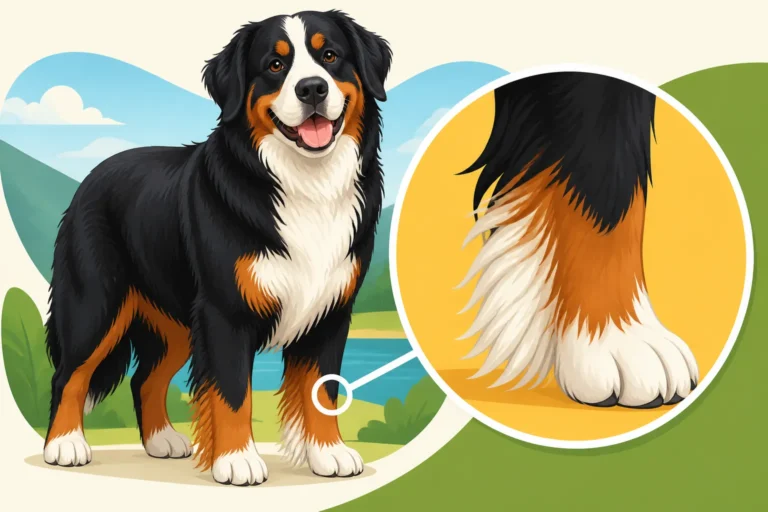
A Bernese Mountain Dog’s coat is a marvel of nature, perfectly adapted to withstand harsh alpine winters and keep them comfortable in milder weather. It's what we call a double coat, meaning it has two distinct layers. The outer coat consists of longer, coarser guard hairs. These are the hairs that give your Berner their beautiful tri-color markings and provide a protective barrier against moisture, dirt, and UV rays. Think of them as the dog's all-weather jacket.
Beneath this outer layer lies the dense, soft undercoat. This is the real insulation engine, a plush, woolly layer that traps air close to the body, keeping your Berner warm in the cold and providing a degree of cooling by trapping cooler air in warmer months. It's incredibly effective, but it's also the primary source of all that loose hair you find clinging to everything you own. This undercoat grows and sheds in cycles, constantly renewing itself to maintain optimal insulating properties. Understanding this dual nature helps you appreciate why simply brushing the top coat isn't enough to manage shedding effectively.
The Seasonal Shedding Cycle
While Bernese Mountain Dogs shed year-round, there are undeniably peak seasons where the fur production goes into overdrive. Most Berner owners will tell you that spring and fall are the major "blow-out" times, often referred to as "coat blow." In the spring, your dog is naturally shedding their thick winter undercoat to prepare for warmer temperatures, making way for a lighter, less dense summer coat. It feels like an unending cascade of fluff during this period, and it can be quite overwhelming. This shedding is an essential part of their thermoregulation, as maintaining too dense a coat in summer could lead to overheating. Heat and the Bernese Mountain Dog's Black Coat is a serious concern, so this natural thinning is vital.
Conversely, in the fall, they shed their lighter summer undercoat to make room for the growth of a much thicker, denser winter coat. This prepares them for the colder months, ensuring they have ample insulation to stay warm and comfortable. During these periods, you might find yourself filling entire vacuum cleaner canisters daily, or wondering just How Many Handfuls Come Off a Bernese Mountain Dog. It's a natural, healthy process, but it requires a proactive approach from owners to keep it under control. Missing these seasonal shedding opportunities means dealing with more loose hair, matting, and potentially discomfort for your dog.
What Deshedding Treatments Actually Do
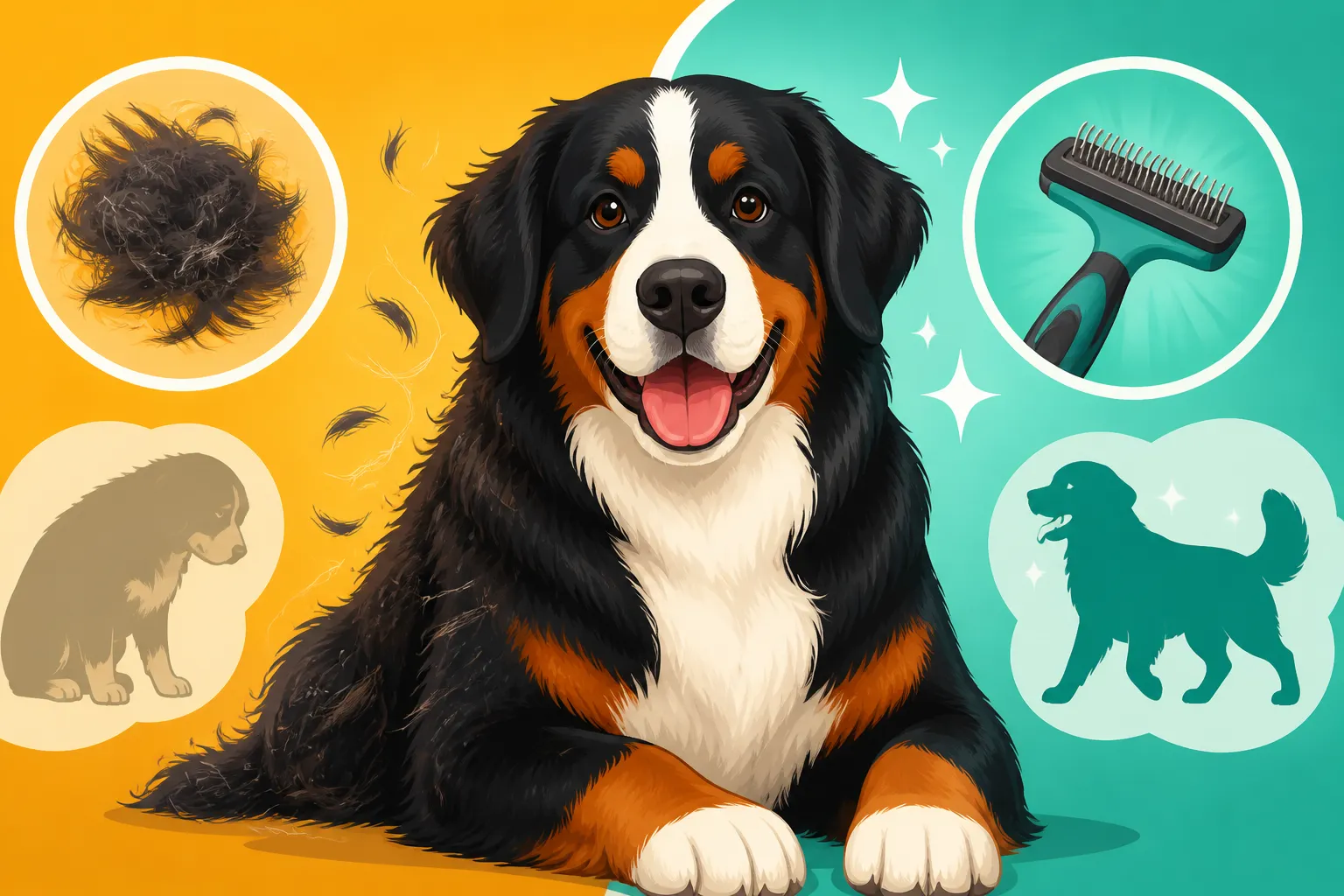
So, with a clear picture of why your Berner sheds, let's talk about the how of managing it. Deshedding treatments aren't magic wands that stop shedding entirely – that's impossible for a double-coated breed. Instead, they are methods and tools designed to remove as much of that loose, dead undercoat as possible before it falls out all over your furniture and clothes. The goal is to get that hair out in a controlled manner, reducing the amount that ends up free-floating in your home.
Tools of the Trade: Brushes and Rakes
When it comes to home deshedding, the right tools are your best friends. Regular brushes, like pin brushes or slicker brushes, are great for the outer coat and general grooming, but they often don't penetrate deeply enough to tackle the dense undercoat effectively. This is where specialized deshedding tools come in, often referred to as undercoat rakes or deshedding blades. These tools are designed with long, strong teeth that reach past the guard hairs and gently pull out the loose, dead undercoat without cutting the healthy topcoat. Brands like Furminator are well-known, but there are many variations available.
An undercoat rake, with its widely spaced, curved teeth, is excellent for Getting a Rake Down Through a Bernese Mountain Dog's Coat and can remove astonishing amounts of loose hair. A good quality deshedding tool, often found on platforms like Amazon or specialized pet supply stores, should be used with a gentle hand. You're not trying to rip the hair out; rather, you're systematically raking through the coat, section by section, to lift away the shedding undercoat. Using these tools regularly, especially during peak shedding seasons, can drastically reduce the amount of hair floating around your house and help prevent painful mats from forming. It's a truly hands-on job, but incredibly rewarding when you see the piles of hair that don't end up on your floor.
Professional Deshedding Services
For many Bernese Mountain Dog owners, the sheer volume of hair, combined with the size of the dog, makes professional deshedding services an incredibly appealing option. A professional groomer has the expertise, specialized equipment, and often the strong arms needed to give your Berner a thorough deshedding treatment. These services typically involve a multi-step process. First, the dog receives a bath with deshedding shampoo and conditioner, specifically formulated to loosen dead hair. Then, they are thoroughly blown dry using high-velocity dryers, which not only speeds up drying but also helps to blast out even more loose undercoat.
Finally, the groomer will use a combination of specialized brushes and rakes to systematically remove the remaining loose hair. The results can be dramatic, with groomers often removing what looks like an entire small dog's worth of fur in one session. This can be a huge relief, especially for those who find managing their Berner's coat at home too daunting or time-consuming. While these services come with a cost, many owners find it a worthwhile investment, especially prior to major shedding seasons, to significantly reduce household hair for weeks afterward. It’s also a fantastic way to ensure your dog’s skin and coat are healthy and free of mats that might otherwise go unnoticed.
Shampoos and Conditioners
Beyond the tools, certain shampoos and conditioners are specifically formulated to aid in the deshedding process. These products often contain ingredients designed to loosen the hair follicles, making it easier for dead hair to be released during bathing and brushing. When you give your Bernese Mountain Dog a bath, using a deshedding shampoo can be a proactive step in managing their coat. You'll typically apply the shampoo, let it sit for a few minutes as directed, and then rinse thoroughly.
Following up with a deshedding conditioner can further help by moisturizing the coat and skin, making the remaining hair smoother and less prone to tangling, while still assisting in the release of loose undercoat. After rinsing, a good towel dry followed by a thorough blow-dry (if your dog tolerates it) can work wonders in removing even more hair. You can find excellent deshedding shampoos and conditioners from various brands on pet-focused retail sites like Chewy. Remember that while these products are helpful, they work best in conjunction with mechanical removal through brushing and raking. They're a valuable part of the overall strategy, rather than a standalone solution, helping to facilitate the work of your deshedding tools.
The Real Benefits and Limitations for a Bernese Mountain Dog
So, after all this effort, does a deshedding treatment actually help a Bernese Mountain Dog? The short answer is yes, absolutely, but it's crucial to have realistic expectations. Deshedding treatments are about management and reduction, not elimination. They are a powerful tool in your grooming arsenal, but they won't stop your Berner from being a shedding breed entirely.
Reducing Loose Hair in Your Home
The most immediate and noticeable benefit of a consistent deshedding routine is the dramatic reduction in loose hair around your home. Anyone who lives with a Bernese Mountain Dog knows the constant struggle of finding hair on floors, furniture, clothing, and even in unexpected places. By actively removing the dead undercoat, you're taking out the hair that would otherwise shed naturally throughout your living space. This means fewer tumbleweeds, less hair on your clothes, and potentially less frequent vacuuming.
Imagine the relief of running your hand over your couch and not coming away with a fresh layer of fur! This isn't just about aesthetics; it also contributes to a cleaner, more hygienic home environment. Regularly Brushing Out a Bernese Mountain Dog's Undercoat means that the hair is collected and disposed of in a controlled manner, rather than being dispersed throughout your house. It transforms the shedding process from a chaotic free-for-all into a manageable routine, allowing you to actually enjoy your living space without feeling like you're constantly swimming in dog hair.
Impact on Skin Health and Comfort
Beyond the visible reduction in household hair, deshedding treatments offer significant benefits for your Bernese Mountain Dog's overall health and comfort. A dense layer of dead undercoat can trap moisture against the skin, leading to skin irritations, hot spots, or fungal infections, especially in a breed prone to Skin and Ear Problems in a Bernese Mountain Dog. Removing this dead hair allows the skin to breathe, promoting better air circulation and reducing the risk of these issues.
Furthermore, a packed undercoat can become matted, particularly in areas like behind the ears, armpits, and on the "trousers" of their hind legs. Mats are not just unsightly; they can be incredibly painful, pulling on the skin and restricting movement. Severe matting can even cut off circulation or hide underlying skin conditions. Regular deshedding prevents these painful knots, ensuring your Berner's coat remains healthy, airy, and comfortable. They will feel lighter, cooler in warmer weather, and generally much more content without the burden of a heavy, shedding undercoat. This improved comfort often translates to a happier, more active dog.
Managing Expectations
It's absolutely vital to manage your expectations when it comes to deshedding a Bernese Mountain Dog. While deshedding treatments are incredibly effective, they will not, repeat not, stop your Bernese Mountain Dog from shedding entirely. This is a double-coated breed; shedding is an inherent and necessary part of their biology. The goal isn't to create a non-shedding dog, but rather to minimize the amount of uncontrolled shedding and maintain a healthy coat. Whether a Bernese Mountain Dog Ever Stops Shedding is a question many owners ponder, and the answer is a resounding no, not completely.
You'll still find some hair around, especially during those seasonal "coat blows." However, the difference between a deshedded Berner and one who hasn't been properly groomed is night and day. Think of it as controlling a river rather than stopping it. You can divert the water, build dams, and guide its flow, but you can't make the river disappear. Similarly, deshedding helps you direct where and when the hair comes off, making it a much more manageable part of living with these wonderful dogs. Don't fall into the trap of thinking a single treatment will solve everything; it's an ongoing process.
Integrating Deshedding into Your Regular Grooming Routine
Deshedding isn't a one-time fix; it's an ongoing commitment that, when properly integrated into your Berner's grooming routine, can make a huge difference. Consistency is key, and understanding how to combine deshedding with other grooming practices will yield the best results for both you and your furry companion.
Creating a Consistent Schedule
The secret to effective deshedding for your Bernese Mountain Dog lies in establishing a consistent schedule. During normal, year-round shedding, a thorough deshedding session once a week or every two weeks might be sufficient. This could involve about 30-60 minutes of dedicated brushing with an undercoat rake or deshedding tool, focusing on getting through that dense undercoat. However, when those major seasonal shedding periods hit in spring and fall, you'll need to step up your game significantly.
During these "coat blow" times, aim for deshedding sessions two to three times a week, or even daily for shorter bursts, to keep up with the sheer volume of hair being released. This prevents massive build-ups and greatly reduces the hair that would otherwise end up on your floors and furniture. Think about it like this: a few consistent sessions are far more effective and less overwhelming than one marathon session after weeks of neglect. This proactive approach ensures you're always ahead of the curve, managing the shed rather than reacting to an overwhelming influx of hair. A consistent schedule helps keep The Bernese Mountain Dog Shed and What It Fills from becoming completely unmanageable.
DIY vs. Professional Care
The choice between DIY deshedding at home and opting for professional grooming largely depends on your comfort level, time commitment, and your dog's tolerance for grooming. Many Berner owners successfully manage their dog's shedding at home with the right tools and a consistent schedule. It allows for bonding time and can be more cost-effective in the long run. If you choose the DIY route, invest in high-quality tools (an undercoat rake, a slicker brush, and possibly a high-velocity dryer are excellent starting points), and learn proper techniques to avoid irritating your dog's skin or damaging their coat. There are many tutorials available, and a local groomer might even offer a quick lesson.
However, for those who find the task too physically demanding, or whose dogs are particularly challenging to groom, professional deshedding services are an invaluable resource. A professional groomer can tackle the job efficiently and thoroughly, often achieving results that are difficult to replicate at home. Some owners choose a hybrid approach: regular home maintenance supplemented by professional deshedding sessions a few times a year, especially before the heaviest shedding periods. Consider your specific circumstances and your Berner's temperament when deciding which approach, or combination of approaches, works best for you.
Complementary Grooming Practices
Deshedding treatments are most effective when they're part of a holistic grooming strategy. Beyond the specific deshedding tools, there are other practices that complement and enhance their effectiveness. Regular bathing with appropriate Shampoo for a Bernese Mountain Dog's Double Coat helps to loosen dead hair and keep the skin healthy. Ensure you rinse thoroughly to avoid leaving any residue that could irritate the skin. Thorough drying, especially with a high-velocity dryer, can also blow out a surprising amount of loose undercoat, further assisting the deshedding process. How Long a Wet Bernese Mountain Dog Takes to Dry can be significant, so this step is important.
Additionally, maintaining good nutrition plays a role in coat health. A high-quality diet, perhaps like those offered by Ollie that focus on fresh ingredients, can contribute to a healthy, strong coat that sheds appropriately, rather than excessive breakage and poor hair quality. Finally, don't forget the importance of general health checks. A sudden or excessive increase in shedding beyond the normal seasonal patterns could sometimes be a sign of an underlying health issue, so always consult your vet if you notice anything unusual. Combining these practices ensures your Bernese Mountain Dog's coat is not only beautiful but also healthy and comfortable. This comprehensive approach is key to Keeping a House Livable With a Bernese Mountain Dog and ensuring your companion thrives.
| Deshedding Tool Type | Primary Function | Ideal Frequency | Best For | Considerations |
|---|---|---|---|---|
| Undercoat Rake | Removes loose undercoat | 1-2 times/week; more during seasonal sheds | Dense, double-coated breeds like Berners | Must penetrate guard hairs; gentle strokes to avoid skin irritation |
| Deshedding Blade (e.g., Furminator) | Extracts dead undercoat more aggressively | 1 time/week; sparingly on delicate skin | Reducing bulk of undercoat | Can cut top coat if used incorrectly; avoid overuse |
| Slicker Brush | Detangling, removing surface mats, distributing oils | Daily or every few days | General grooming, superficial tangles | Not ideal for deep undercoat removal |
| High-Velocity Dryer | Blows out loose hair, dries coat quickly | During bathing sessions | Accelerating drying & shedding | Can be loud, requires dog acclimatization |
| Deshedding Shampoo/Conditioner | Loosens dead hair follicles | During baths (every 4-6 weeks) | Preparing coat for mechanical removal | Follow product instructions; ensures healthy skin & coat |
Disclaimer
This article is for general informational purposes only and does not constitute professional advice. Laws, prices and regulations vary by location and change over time. Consult a qualified professional for guidance on your specific situation.